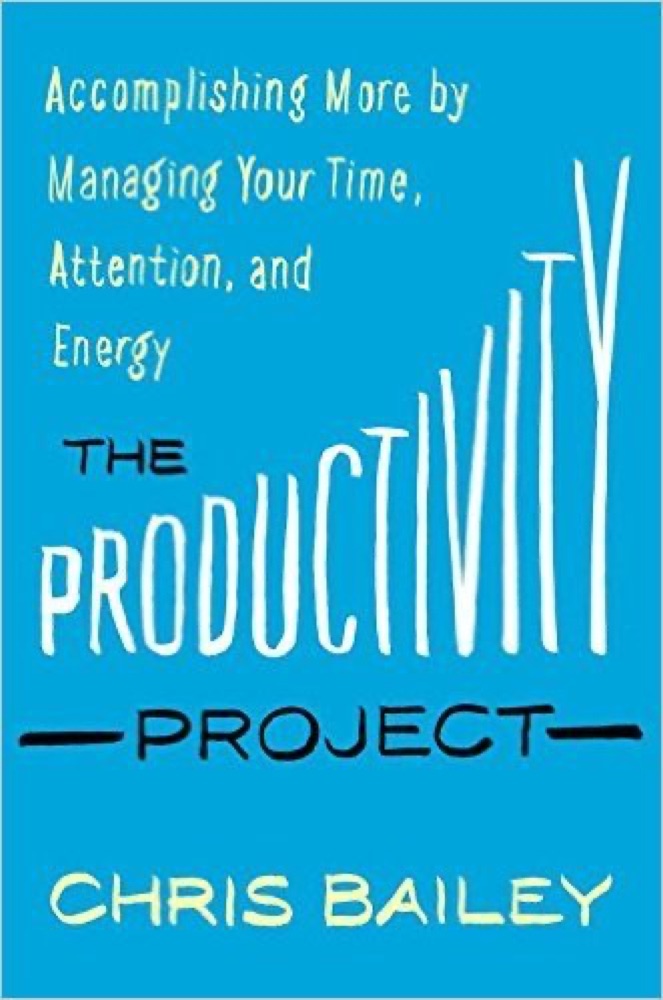
 The Productivity Project: Accomplishing More by Managing Your Time, Attention, and Energy
Quotes from the Book
Principle 1: By setting limitations, we must choose the essential. So in everything you do, learn to set limitations. Principle 2: By choosing the essential, we create great impact with minimal resources. Always choose the essential to maximize your time and energy.
11
The Power of Less is perfect for achieving goals: Limit yourself to fewer goals, and you’ll achieve more. At the same time, we’ll look at ways to narrow your focus on your projects, so that you can complete them more effectively and move forward on your goals. We’ll apply limitations to our projects to increase our effectiveness.
7
Protect your time - it's your most valuable commodity. Guard it with your life.
4
If something's not giving you value, consider eliminating it from your life.
4
Doing a huge number of things doesn’t mean you’re getting anything meaningful done.
4
I sit quietly with a cup of coffee, and enjoy the silence. I go for a morning run, which relieves stress and is perfect for contemplation. I use the quiet time before my family awakes to write something each morning. And I read, because a good novel is one of my favorite companions.
2
Set your 3 MITs (Most Important Tasks) each morning. Single-task. When you work on a task, don’t switch to other tasks. Process your in-box to empty. Check e-mail just twice a day. Exercise five to ten minutes a day. Work while disconnected, with no distractions. Follow a morning routine.
1
Simplifying isn’t meant to leave your life empty—it’s meant to leave space in your life for what you really want to do. Know what those things are before you start simplifying.
1
I advocate single-tasking, focusing on one task at a time and working as simply as possible to preserve your mental health and to improve your effectiveness. Here are a few quick reasons not to multitask: Multitasking is less efficient, due to the need to switch gears for each new task and then switch back again. Multitasking is more complicated, and thus leaves you more prone to stress and errors. Multitasking can be crazy-making, and in this already chaotic world, we need to rein in the terror and find a little oasis of sanity and calm.
1
It shows others that your time is important. When we try to take on everything that comes our way, the people around us get the message that their time is more important than ours, that we’ll say yes to whatever requests they have. If, however, we have firm limits on what we do, we send the message that we value our time and our priorities. Others will value your time in return.
1
Unfortunately, that’s often not the case: We must wait for tasks or information or other things to be completed before we can move on to the next step. And so we multitask, but not on the task level—we multitask only on the project level. While one project is on hold for an hour or a day or a few days, we can be working on another. I’ve found that three projects works best for this type of project-level multitasking—any more than three, and you begin to lose effectiveness. For this system to work, a project should take no more than a month to complete, and preferably only a week or two. If a project takes a year to complete (for example), then you will not be able to work on any other projects for a year. That’s too long to put the rest of your life on hold. Instead, break long-term projects into smaller projects that can be completed in a month or less. If you want to launch a magazine, for example, focus first on the project of coming up with a design, then on putting together a team, then on finding financial backing, and so on.
Why not have just one project? If limiting yourself to three projects makes you more effective, why not limit yourself to one project to make yourself even more effective? You’d think this would be logical, especially as I recommended having just One Goal. However, the reality is that almost every project is held up as you wait for information, for other people to get back to you, for others to complete tasks, for vendors or clients to do something. It’s rare that you can start a project and work on it until it’s finished, without any waiting. If this is possible, I suggest you do exactly that: Start a project and don’t work on anything else until the project is completed.
Watch on YouTube
About Leo Babauta
We have collected 12 quotes from 1 book by Leo Babauta on BookQuoters.
More about the author →About the book
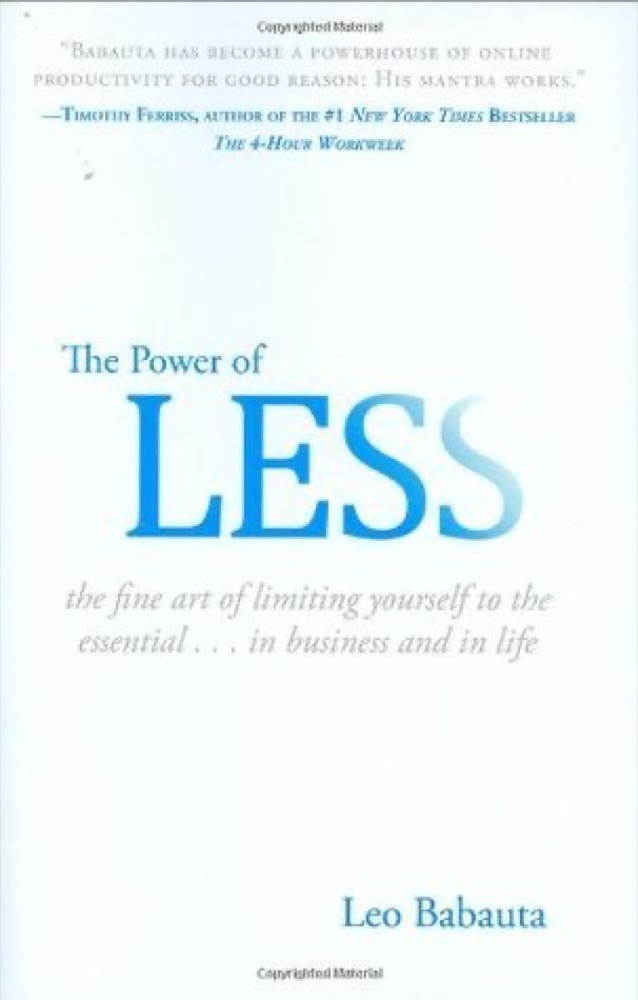
With the countless distractions that come from every corner of a modern life, it's amazing that were ever able to accomplish anything. The Power of Less demonstrates how to streamline your life by identifying the essential and eliminating the unnecessary freeing you from everyday clutter and allowing you to focus on accomplishing the goals that can change your life for the better.
The Power of Less will show you how
By setting limits for yourself and making the most of the resources you already have, youll finally be able work less, work smarter, and focus on living the life that you deserve.
Book details
- First published
- 2008
- Author
- Leo Babauta
- Genre
- Nonfiction
- Goodreads rating
- 3.71 (11k ratings)
Keep reading
The Productivity Project: Accomplishing More by Managing Your Time, Attention, and Energy
 Make Time: How to Focus on What Matters Every Day
 The Lazy Genius Way: Embrace What Matters, Ditch What Doesn't, and Get Stuff Done
 Getting Things Done: The Art of Stress-Free Productivity
 Eat That Frog! 21 Great Ways to Stop Procrastinating and Get More Done in Less Time
 Ready for Anything: 52 Productivity Principles for Getting Things Done
 Essentialism: The Disciplined Pursuit of Less
 To-Do List Formula: A Stress-Free Guide To Creating To-Do Lists That Work!
 The Bullet Journal Method: Track Your Past, Order Your Present, Plan Your Future
 No Excuses!: The Power of Self-Discipline
 The PARA Method: Simplify, Organize, and Master Your Digital Life
 Deep Work: Rules for Focused Success in a Distracted World
 Four Thousand Weeks: Time Management for Mortals
 The 4-Hour Workweek
 Better Than Before: Mastering the Habits of Our Everyday Lives
 Slow Productivity: The Lost Art of Accomplishment Without Burnout
 How to ADHD: An Insider's Guide to Working with Your Brain
 Let's Talk: ...About Making Your Life Exciting, Easier, And Exceptional
 The Power of Focus
 Do More Better: A Practical Guide to Productivity
 7 Strategies for Wealth & Happiness: Power Ideas from America's Foremost Business Philosopher
 The 12 Week Year
 Outer Order, Inner Calm: Declutter & Organize to Make More Room for Happiness
 Free to Focus: A Total Productivity System to Achieve More by Doing Less
 The Compound Effect: Jumpstart Your Income, Your Life, Your Success
 The Accidental Creative: How to Be Brilliant at a Moment's Notice
 Slow: Simple Living for a Frantic World
 Be Your Future Self Now: The Science of Intentional Transformation
 First Things First
 Principles: Life and Work
 EntreLeadership: 20 Years of Practical Business Wisdom from the Trenches
 Goodbye, Things: The New Japanese Minimalism
 The Now Habit: A Strategic Program for Overcoming Procrastination and Enjoying Guilt-Free Play
 How Will You Measure Your Life?
 How to Keep House While Drowning
 Tribe Of Mentors: Transformative Wisdom From Icons and Innovators to Help You Navigate Life's Challenges
 Hyperfocus: How to Be More Productive in a World of Distraction
 What the Most Successful People Do Before Breakfast: A Short Guide to Making Over Your Mornings--and Life
 How to Fail at Almost Everything and Still Win Big: Kind of the Story of My Life
 Atomic Habits: An Easy & Proven Way to Build Good Habits & Break Bad Ones
 Discipline Equals Freedom: Field Manual
 Smarter Faster Better: The Secrets of Being Productive in Life and Business
 Be Useful: Seven Tools for Life
 Rework
 I Didn't Do the Thing Today: Letting Go of Productivity Guilt
 The Success Principles: How to Get from Where You Are to Where You Want to Be
 Today Matters: 12 Daily Practices to Guarantee Tomorrow's Success
 A Mind for Numbers: How to Excel at Math and Science
 How to Be a Bawse: A Guide to Conquering Life
 Don't Sweat the Small Stuff ... and it's all small stuff: Simple Ways to Keep the Little Things from Taking Over Your Life
 Choose Yourself: Be Happy, Make Millions, Live the Dream
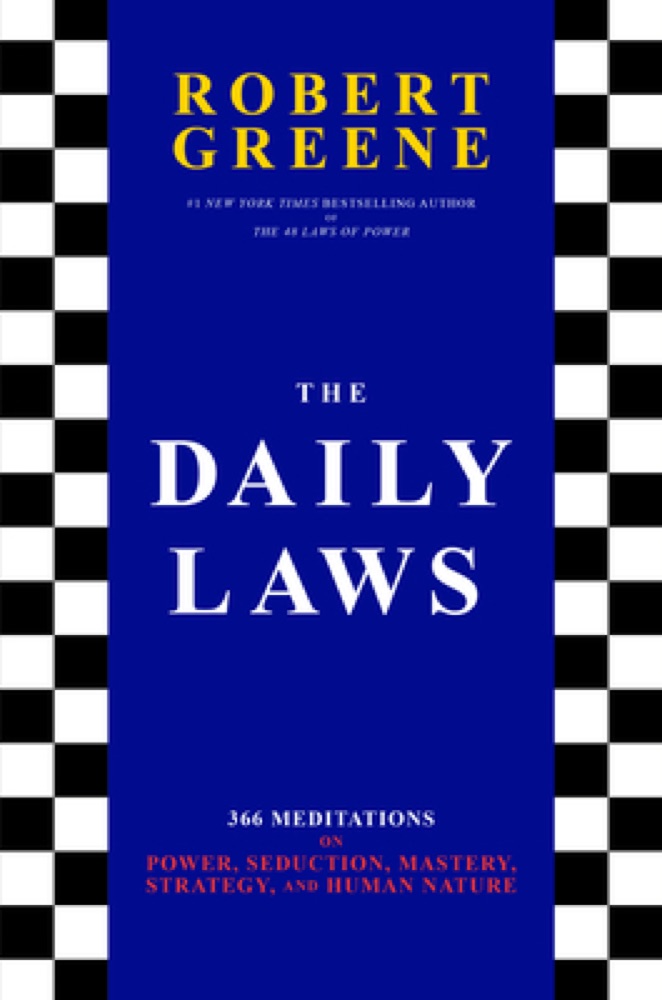 The Daily Laws: 366 Meditations
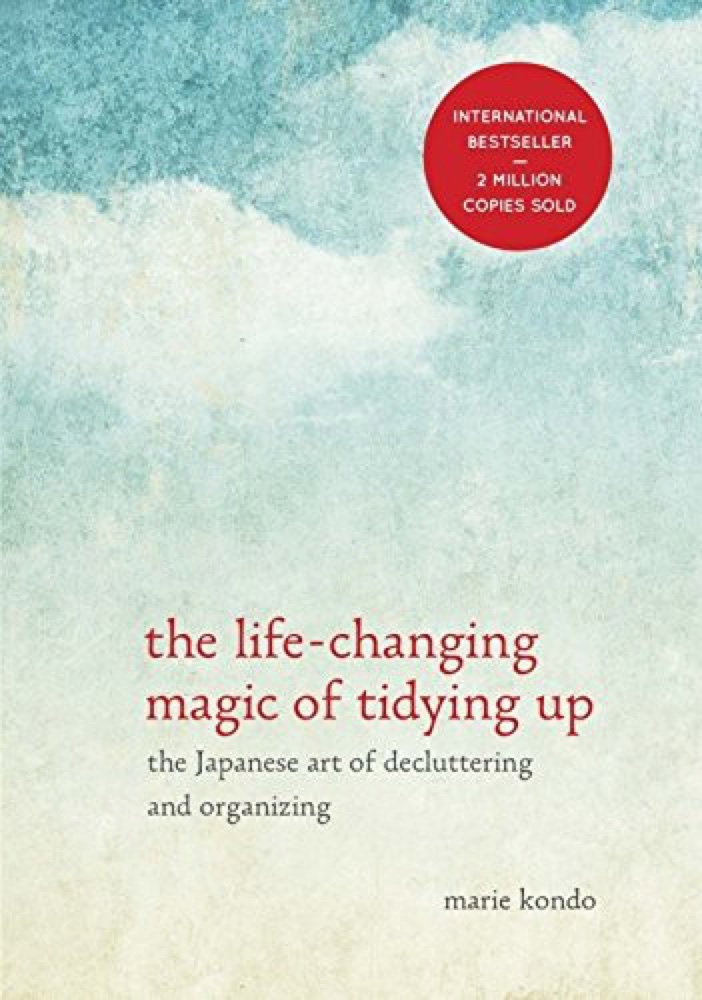 The Life-Changing Magic of Tidying Up: The Japanese Art of Decluttering and Organizing
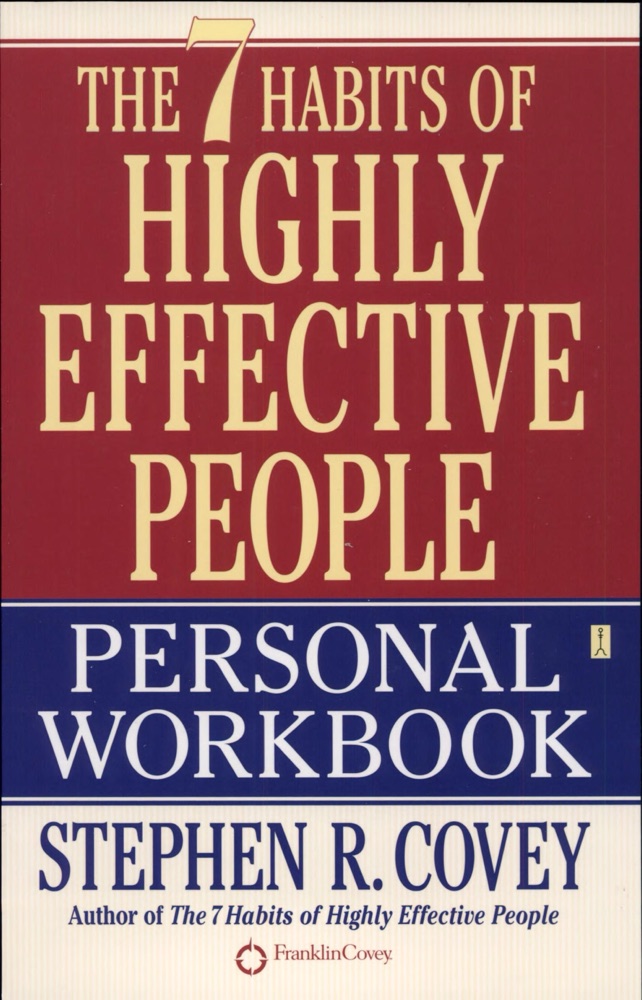 The 7 Habits of Highly Effective People: Personal Workbook
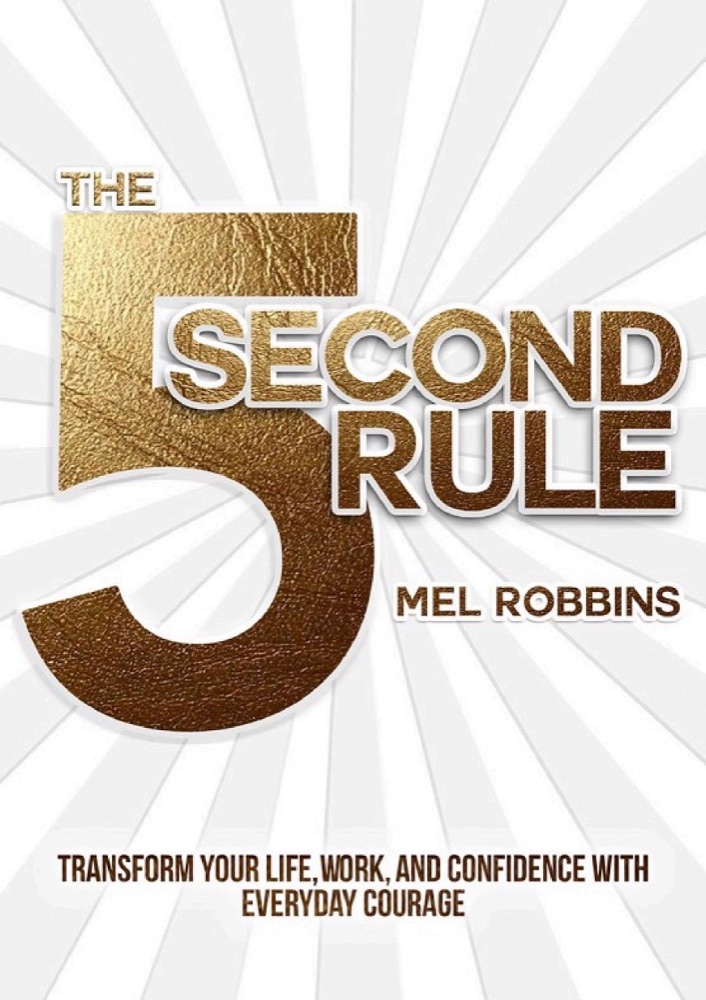 The 5 Second Rule: Transform Your Life, Work, and Confidence with Everyday Courage
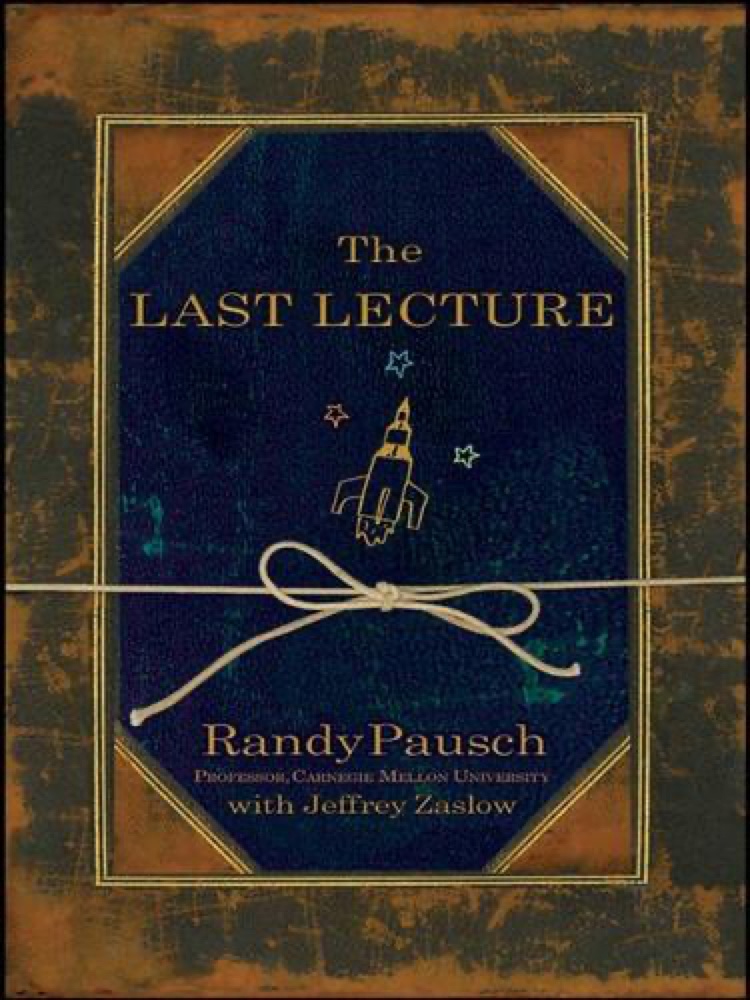 The Last Lecture
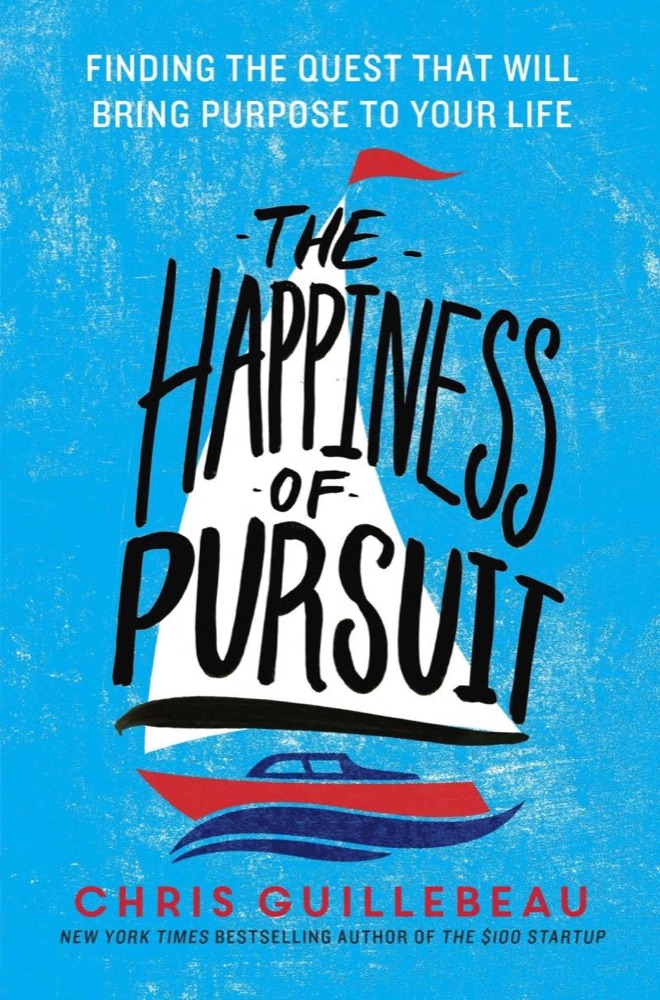 The Happiness of Pursuit: Finding the Quest That Will Bring Purpose to Your Life
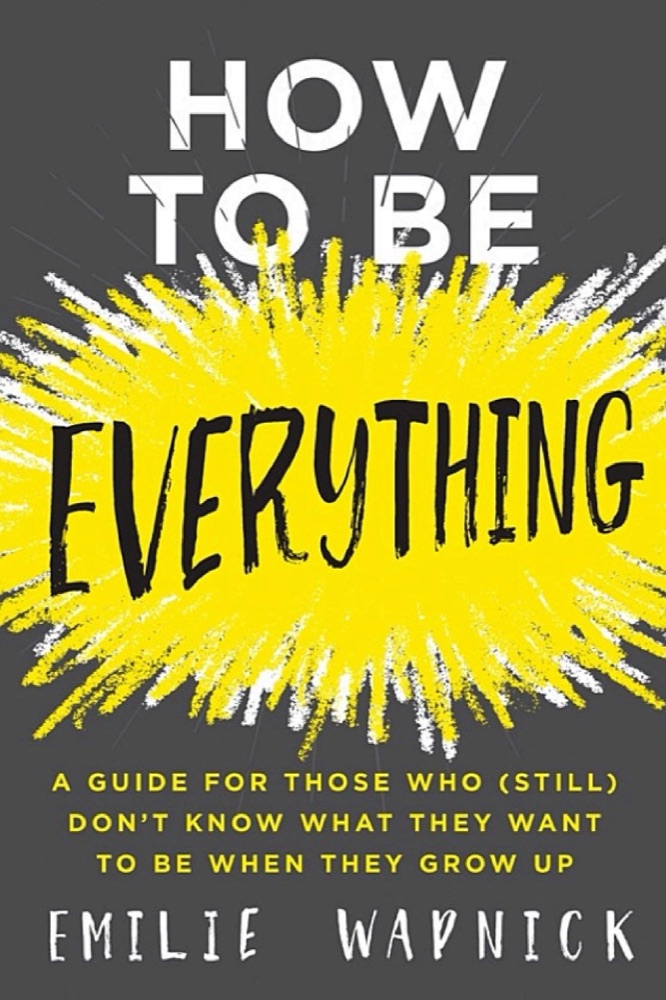 How to Be Everything
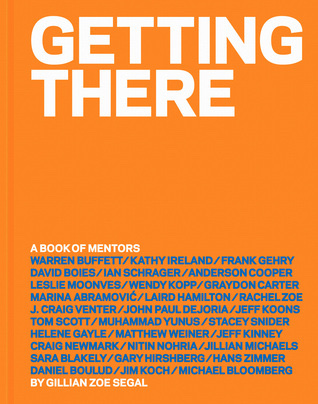 Getting There: A Book of Mentors
 Early Retirement Extreme: A Philosophical and Practical Guide to Financial Independence