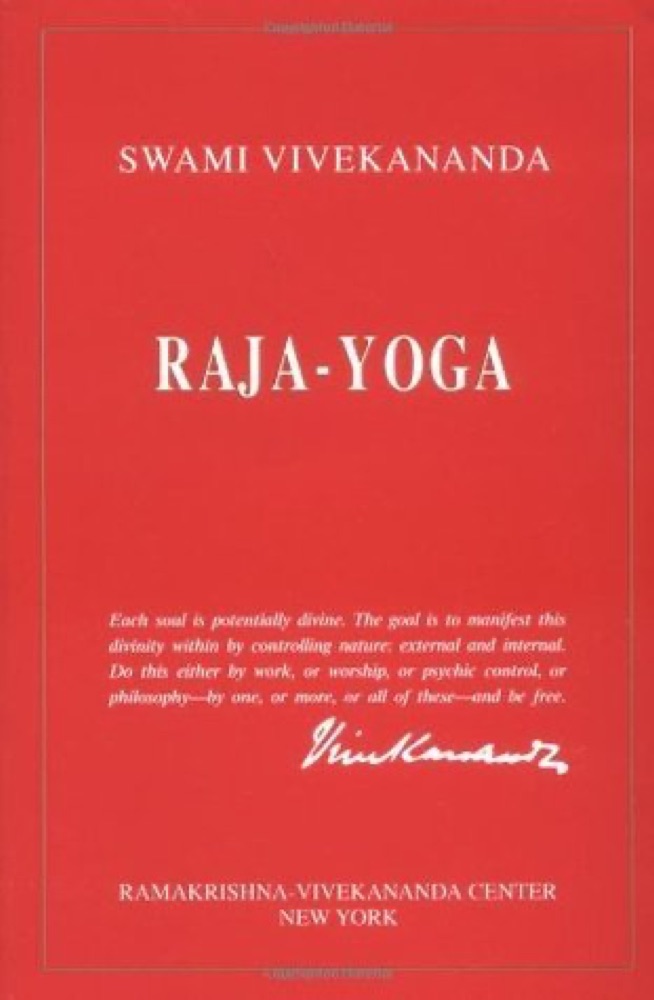
 Raja-Yoga
Quotes from the Book
A fool may buy all the books in the world, and they will be in his library; but he will be able to read only those that he deserves to.
96
Man is to become divine by realizing the divine. Idols or temples, or churches or books, are only the supports, the help of his spiritual childhood.
25
The Buddhists or the Jains do not depend upon God; but the whole force of their religion is directed to the great central truth in every religion, to evolve a God out of man. They have not seen the Father, but they have seen the Son. And he that hath seen the Son hath seen the Father also.
21
The mother and the father are the causes of this body; so a man must undergo a thousand troubles in order to do good to them.
19
The ideal man is he who, in the midst of the greatest silence and solitude, finds the intensest activity, and in the midst of the intensest activity finds the silence and solitude of the desert.
17
If a man works without any selfish motive in view, does he not gain anything? Yes, he gains the highest. Unselfishness is more paying, only people have not the patience to practice it. It is more paying from the point of view of health also. Love, truth, and unselfishness are not merely moral figures of speech, but they form our highest ideal, because in them lies such a manifestation of power. In the first place, a man who can work for five days, or even for five minutes, without any selfish motive whatever, without thinking of future, of heaven, of punishment, or anything of the kind, has in him the capacity to become a powerful moral giant. It is hard to do it, but in the heart of our hearts we know its value, and the good it brings. It is the greatest manifestation of power — this tremendous restraint; self-restraint is a manifestation of greater power than all outgoing action.
14
Ignorance is the mother of all the evil and all the misery we see. Let men have light, let them be pure and spiritually strong and educated, then alone will misery cease in the world, not before. We may convert every house in the country into a charity asylum, we may fill the land with hospitals, but the misery of man will still continue to exist until man's character changes.
14
The present is determined by our past actions, and the future by the present.
11
A little of the infinite is projected into consciousness, and that we call our world.
11
It is the greatest manifestation of power to be calm. It is easy to be active. Let the reins go, and the horses will run away with you. Anyone can do that, but he who can stop the plunging horses is the strong man.
9
No knowledge comes from outside; it is all inside. What we say a man "knows", should, in strict psychological language, be what he "discovers" or "unveils"; what a man "learns" is really what he "discovers", by taking the cover off his own soul, which is a mine of infinite knowledge.
8
Realisation is real religion, all the rest is only preparation — hearing lectures, or reading books, or reasoning is merely preparing the ground; it is not religion.
7
all religions alike, from the lowest fetishism to the highest absolutism, are but so many attempts of the human soul to grasp and realise the Infinite.
5
He who has no faith in himself can never have faith in God.
5
Buddha is the only prophet who said, "I do not care to know your various theories about God. What is the use of discussing all the subtle doctrines about the soul? Do good and be good. And this will take you to freedom and to whatever truth there is." He was, in the conduct of his life, absolutely without personal motives; and what man worked more than he? Show me in history one character who has soared so high above all. The whole human race has produced but one such character, such high philosophy, such wide sympathy. This great philosopher, preaching the highest philosophy, yet had the deepest sympathy for the lowest of animals, and never put forth any claims for himself. He is the ideal Karma-Yogi, acting entirely without motive, and the history of humanity shows him to have been the greatest man ever born; beyond compare the greatest combination of heart and brain that ever existed, the greatest soul-power that has even been manifested. He is the first great reformer the world has seen. He was the first who dared to say, "Believe not because some old manuscripts are produced, believe not because it is your national belief, because you have been made to believe it from your childhood; but reason it all out, and after you have analysed it, then, if you find that it will do good to one and all, believe it, live up to it, and help others to live up to it." He works best who works without any motive, neither for money, nor for fame, nor for anything else; and when a man can do that, he will be a Buddha, and out of him will come the power to work in such a manner as will transform the world. This man represents the very highest ideal of Karma-Yoga.
4
Hindu religion does not consist in struggles and attempts to believe a certain doctrine or dogma, but in realising — not in believing, but in being and becoming.
4
If the Parliament of Religions has shown anything to the world it is this: It has proved to the world that holiness, purity and charity are not the exclusive possessions of any church in the world, and that every system has produced men and women of the most exalted character. In the face of this evidence, if anybody dreams of the exclusive survival of his own religion and the destruction of the others, I pity him from the bottom of my heart, and point out to him that upon the banner of every religion will soon be written, in spite of resistance: "Help and not Fight," "Assimilation and not Destruction," "Harmony and Peace and not Dissension.
4
To the Hindu, says Vivekananda, "Man is not travelling from error to truth, but climbing up from truth to truth, from truth that is lower to truth that is higher.
4
Work for work's sake. There are some who are really the salt of the earth in every country and who work for work's sake, who do not care for name, or fame, or even to go to heaven.
4
man may see a great deal of difference between grass and a little tree, but if you mount very high, the grass and the biggest tree will appear much the same. So, from the standpoint of the highest ideal, the lowest animal and the highest man are the same. If
4
infinite faith and strength are the only conditions of success.
3
Think of the lotus of the heart, with petals downwards, and running through it, the Sushumna; take in the breath, and while throwing the breath out imagine that the lotus is turned with the petals upwards, and inside that lotus is an effulgent light. Meditate on that.
3
As the different streams having their sources in different places all mingle their water in the sea, so, O Lord, the different paths which men take through different tendencies, various though they appear, crooked or straight, all lead to Thee.
3
To the Yogi everything is bliss, every human face that he sees brings cheerfulness to him. That is the sign of a virtuous man.
3
Come up, O lions, and shake off the delusion that you are sheep; you are souls immortal, spirits free, blest and eternal; ye are not matter, ye are not bodies; matter is your servant, not you the servant of matter.
3
If you really want to judge of the character of a man, look not at his great performances. Every fool may become a hero at one time or another. Watch a man do his most common actions; those are indeed the things which will tell you the real character of a great man. Great occasions rouse even the lowest of human beings to some kind of greatness, but he alone is the really great man whose character is great always, the same wherever he be.
3
Every work that we do, every movement of the body, every thought that we think, leaves such an impression on the mind-stuff, and even when such impressions are not obvious on the surface, they are sufficiently strong to work beneath the surface, subconsciously. What we are every moment is determined by the sum total of these impressions on the mind.
3
It is good to love God for hope of reward in this or the next world, but it is better to love God for love's sake, and the prayer goes: "Lord, I do not want wealth, nor children, nor learning. If it be Thy will, I shall go from birth to birth, but grant me this, that I may love Thee without the hope of reward — love unselfishly for love's sake.
3
Watch on YouTube
About Vivekananda
We have collected 57 quotes from 2 books by Vivekananda on BookQuoters.
More about the author →More by Vivekananda
Raja-Yoga
About the book
Probably no one person is more responsible for the spiritual renaissance of India than Sw. Vivekananda who's fame began with his triumphant appearance at the 1893 World Parliament of Religions.
Book details
- First published
- 1922
- Author
- Vivekananda
- Genre
- Philosophy
- Goodreads rating
- 4.61 (2k ratings)
Keep reading
 The World's Religions
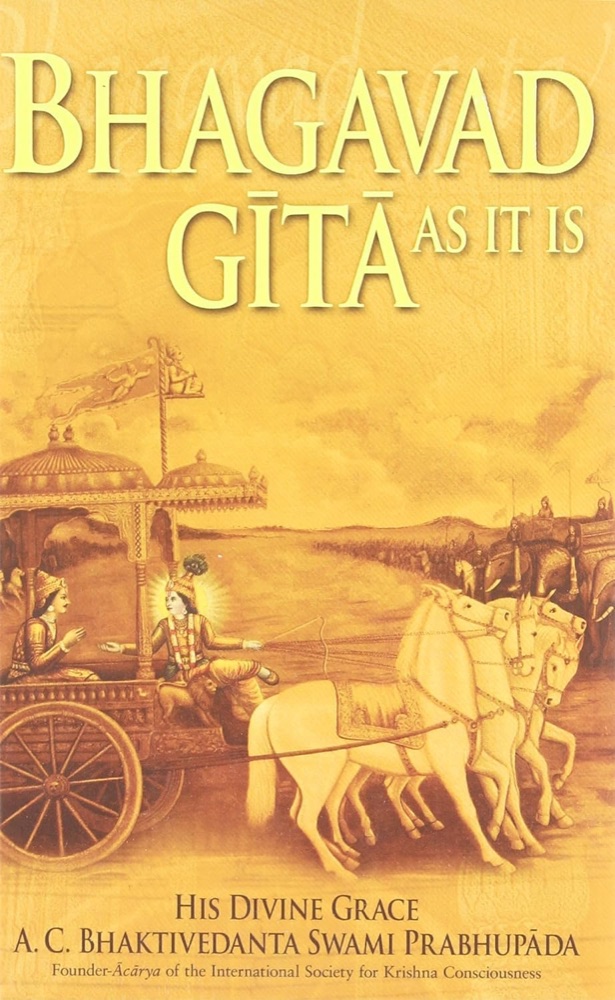 Bhagavad-Gita As It Is
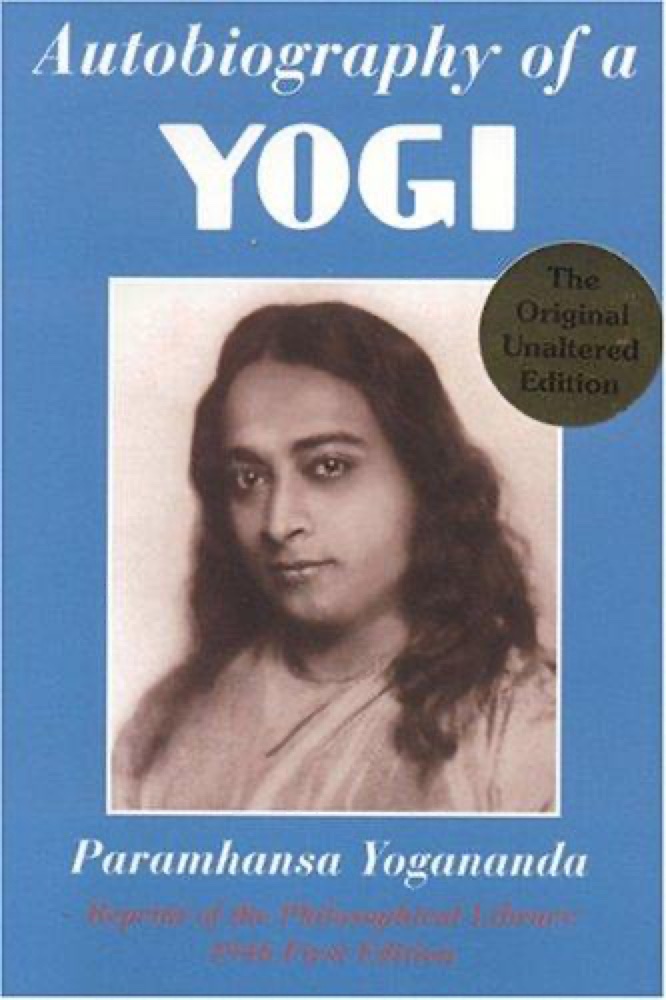 Autobiography of a Yogi
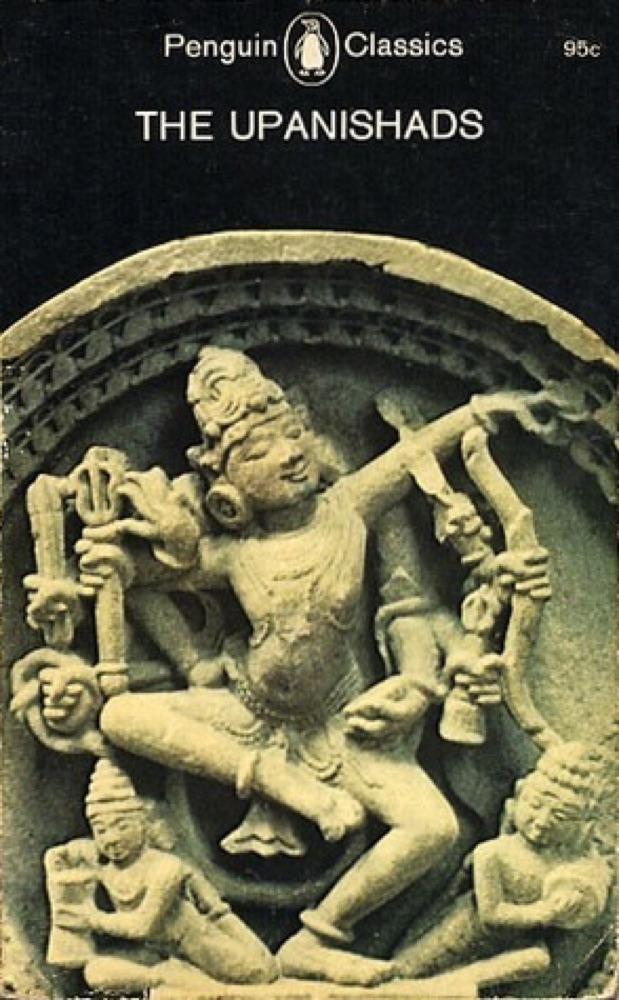 The Upanishads
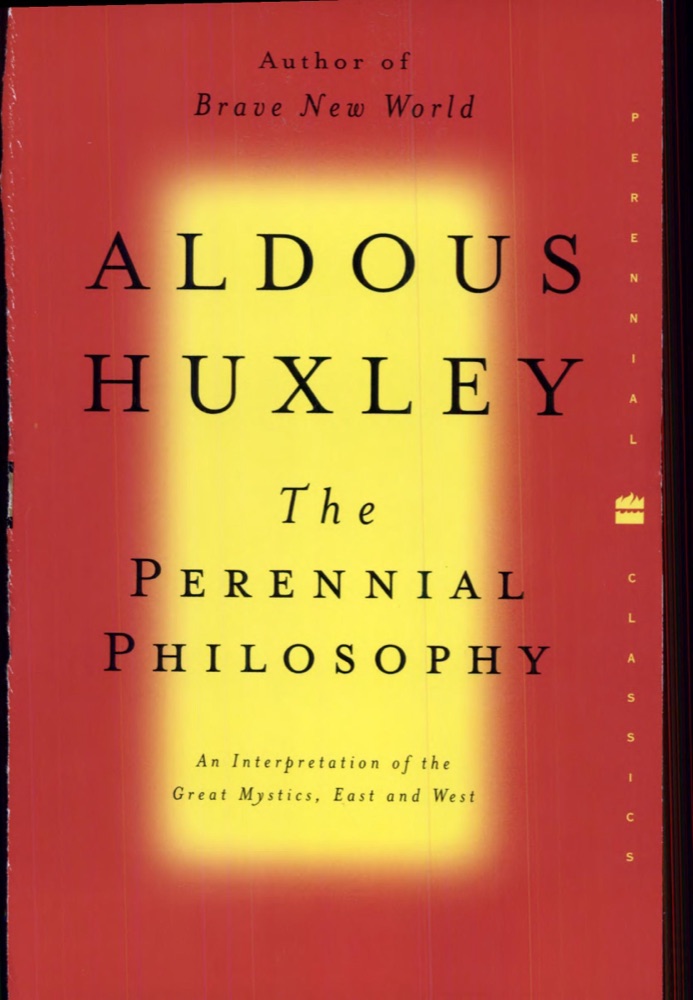 The Perennial Philosophy
 The Yoga Sutras of Patanjali
 The Journey Home
 The Immortals of Meluha
 What the Buddha Taught
 The Bhagavad Gita
 The Seven Storey Mountain
 The Sermon on the Mount: The Key to Success in Life
 The Intellectual Life: Its Spirit, Conditions, Methods
 God in Search of Man: A Philosophy of Judaism
 How to Know Higher Worlds: A Modern Path of Initiation
 No Man Is an Island
Raja-Yoga
No Man Is an Island
Raja-Yoga
 The Weight of Glory
 The Story of My Experiments With Truth
 The Varieties of Religious Experience
 The Will to Power
 The Everlasting Man
 A Course in Miracles
 The Dhammapada
 A Calendar of Wisdom: Daily Thoughts to Nourish the Soul
 Purification of the Heart: Signs, Symptoms and Cures of the Spiritual Diseases of the Heart
 The Gay Science
 The Knowledge of the Holy
 The God Who Weeps: How Mormonism Makes Sense of Life
 Why I Am An Atheist: An Autobiographical Discourse
 Thoughts in Solitude
 Myths to Live By
 Everything Belongs: The Gift of Contemplative Prayer
 The Imitation of Christ
 The Discovery of India
 Self-Reliance and Other Essays
 We Who Wrestle with God: Perceptions of the Divine
 The Book of Chuang Tzu
 Awakening the Buddha Within
 Heretics
 The Rosicrucian cosmo-conception: or, Mystic Christianity; an elementary treatise upon man's past evolution, present constitution and future development
 The Secret Magdalene
 The Wisdom of Life
 The World As I See It
 The Book of Wisdom
 Ben-Hur: A Tale of the Christ
 Daybreak: Thoughts on the Prejudices of Morality
 The Essays of Ralph Waldo Emerson
 Letters and Papers from Prison
 The I Ching or Book of Changes
 The Essential Writings of Ralph Waldo Emerson
 Summa Theologica
 Wings of Fire: An Autobiography
 The Power of Myth
 Siddhartha
 The Glass Bead Game
 Sita: An Illustrated Retelling of the Ramayana
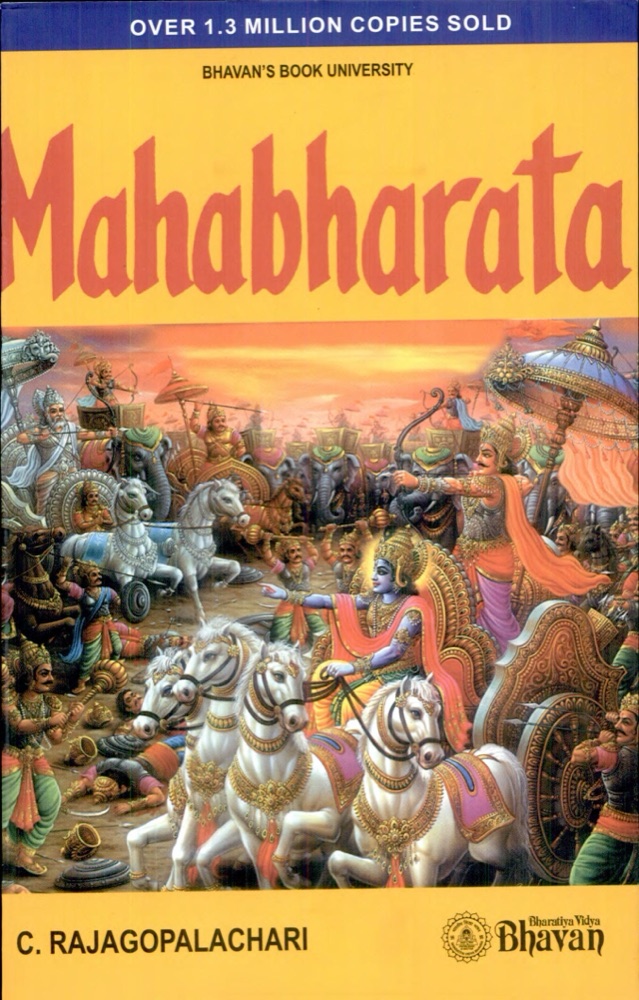 Mahabharata
 My Gita