 Ficciones
Quotes from the Book
Words strike the air and the mind, they act on the senses and on the soul.
Nature is infinitely rich and diverse in her ways. She can be seen to break her most unchanging laws. She has made self-interest the motive of all human action, but in the great host of men she produces ones who are strangely constituted, in whom selfishness is scarcely perceptible because they do not place their affections in themselves. Some are passionate about the sciences, others about the public good. They are as attached to the discoveries of others as if they themselves had made them, or to the institutions of public welfare and the state as if they derived benefit from them. This habit of not thinking of themselves influences the whole course of their lives. They don't know how to use other men for their profit. Fortune offers them opportunities which they do not think of taking up. In nearly all men the self is almost never inactive. You will detect their self-interest in nearly all the advice they give you, in the services they do for you, in the contacts they make, in the friendships they form. They are deeply attached to the things which affect their interests however remotely, and are indifferent to all others. When they encounter a man who is indifferent to personal interest they cannot understand him. They suspect him of hidden motives, of affectation, or of insanity. They cast him from their bosom, revile him.
It is not science which leads to unbelief but rather ignorance. The ignorant man thinks he understands something provided that he sees it every day. The natural philosopher walks amid enigmas, always striving to understand and always half-understanding. He learns to believe what he does not understand, and that is a step on the road to faith.
Thought assists memory in enabling it to order the material it has assembled. So that in a systematically ordered memory every idea is individually followed by all conclusions it entails.
I study theology in the works of creation and find in it new reasons for adoring the creator.
Cuando se ha pasado de los treinta años, aún puede sentirse un intenso afecto y también inspirarlo, pero ¡ay del hombre que a esta edad quiere mezclarse en los juegos de los amores juveniles! Ya no encontramos la alegría en sus labios, la tierna felicidad en sus ojos, la deliciosa sinrazón en su lenguaje. Busca la manera de agradar y ya no posee el instinto fácil que la inspira. Razona el amor. Las más maliciosas y juguetonas desprecian sus lecciones y huyen con raudo vuelo a buscar la compañía de los jóvenes.
Watch on YouTube
About Jan Potocki
We have collected 6 quotes from 1 book by Jan Potocki on BookQuoters.
More about the author →Book details
- Author
- Jan Potocki
- Genre
- Classics
- Goodreads rating
- 4.09 (4k ratings) →
Keep reading
Ficciones
 The Name of the Rose
 The Varieties of Religious Experience
 The Intellectual Life: Its Spirit, Conditions, Methods
 Phaedrus
 The Island of the Day Before
 Primeval and Other Times
 On Truth and Lies in a Nonmoral Sense
 Soul Mountain
 The Aleph and Other Stories
 Pensées
 The Mind of the Maker: Dorothy L. Sayers' Witty Classic on the Trinity, Christianity, and Human Creativity
 Selected Non-Fictions
 The Gay Science
 Stories of Your Life and Others
 An Essay Concerning Human Understanding
 Memories, Dreams, Reflections
 Tragic Sense of Life
 Surprised by Joy: The Shape of My Early Life
 The Ascent of Man
 Man and His Symbols
 The Essays of Ralph Waldo Emerson
 The Spinoza Problem
 De Profundis and Other Writings
 Twilight of the Idols/The Anti-Christ
 The Myth of Sisyphus and Other Essays
 Orthodoxy
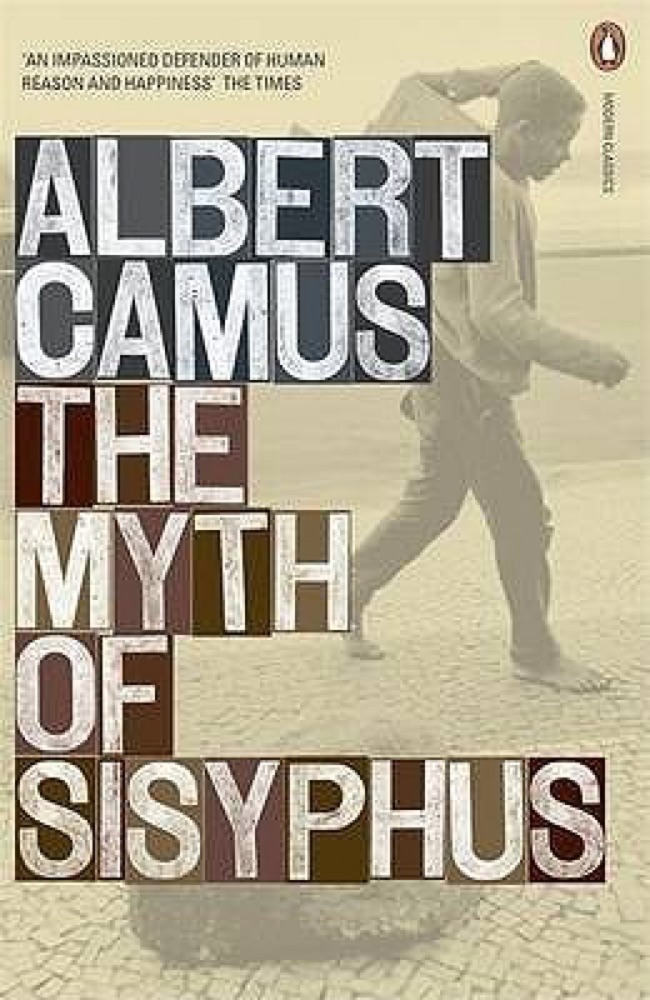 The Myth of Sisyphus
 The Story of My Life
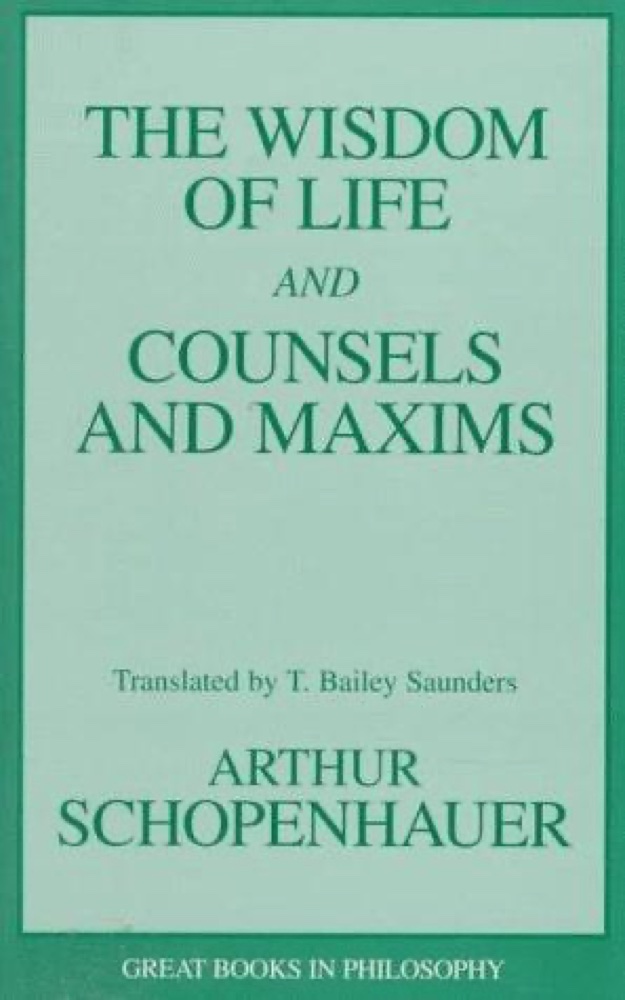 The Wisdom of Life
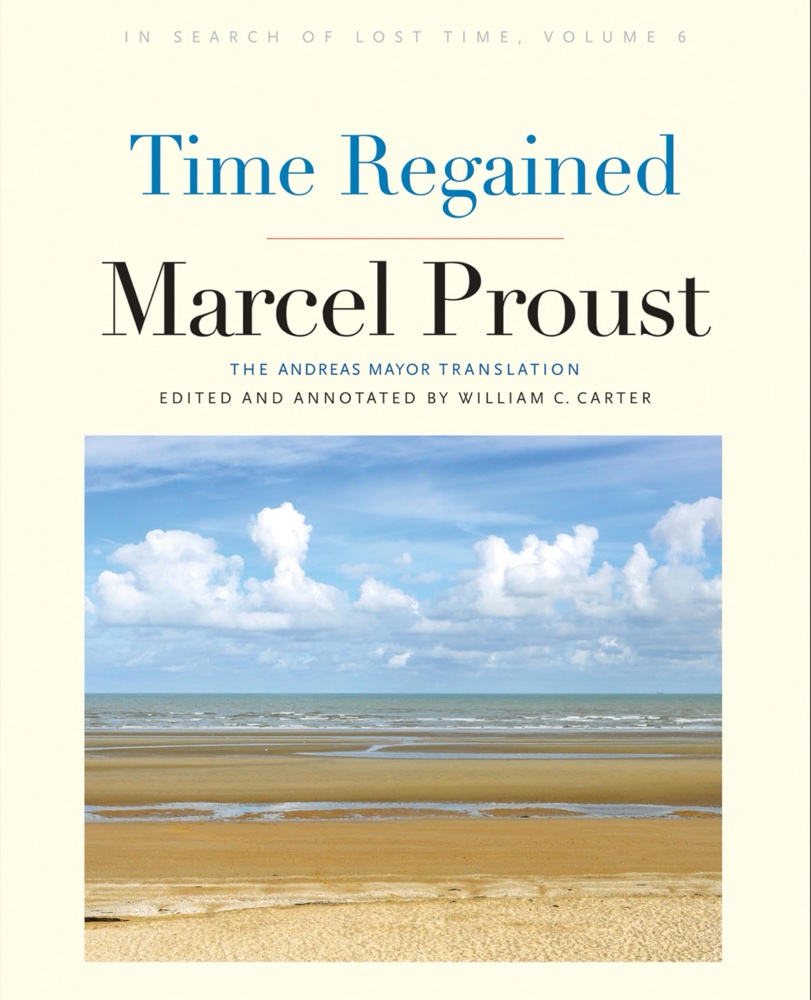 Time Regained
 Moravagine
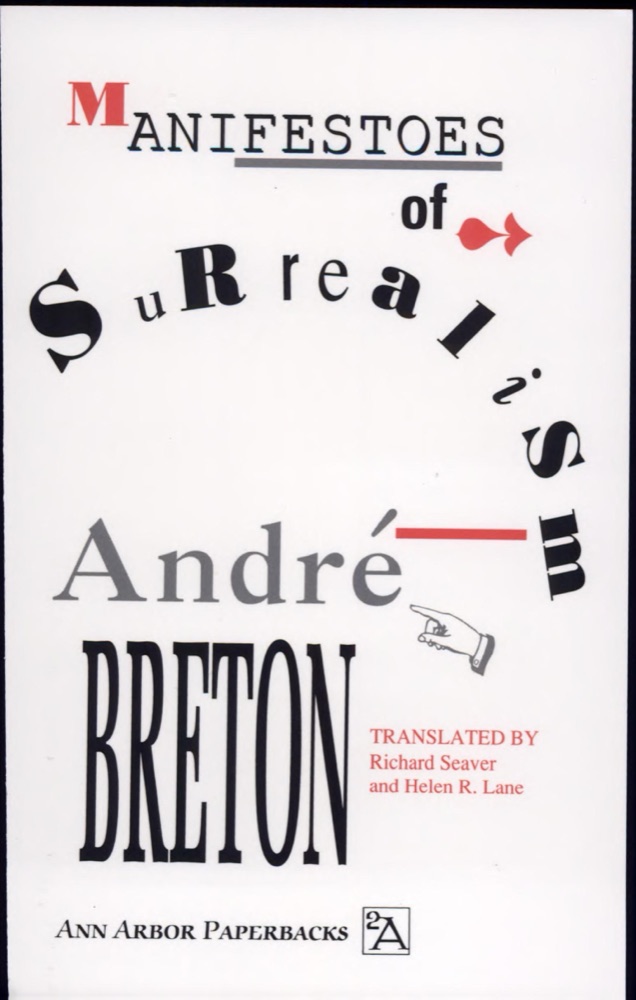 Manifestoes of Surrealism
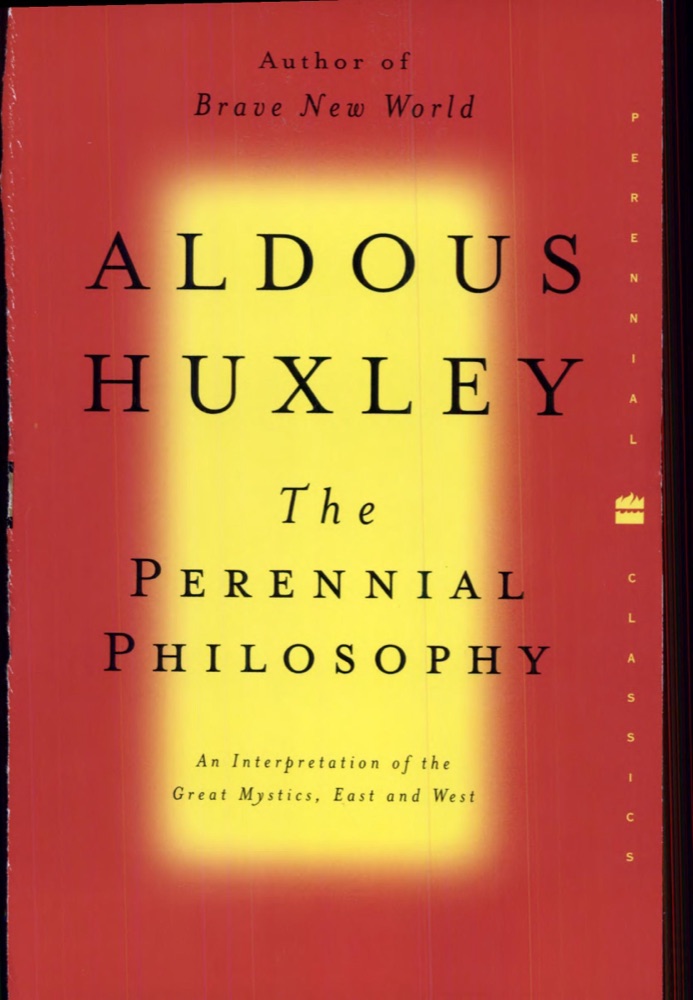 The Perennial Philosophy
 A Treatise of Human Nature
 Sexus
Sexus
 The Notebooks of Malte Laurids Brigge
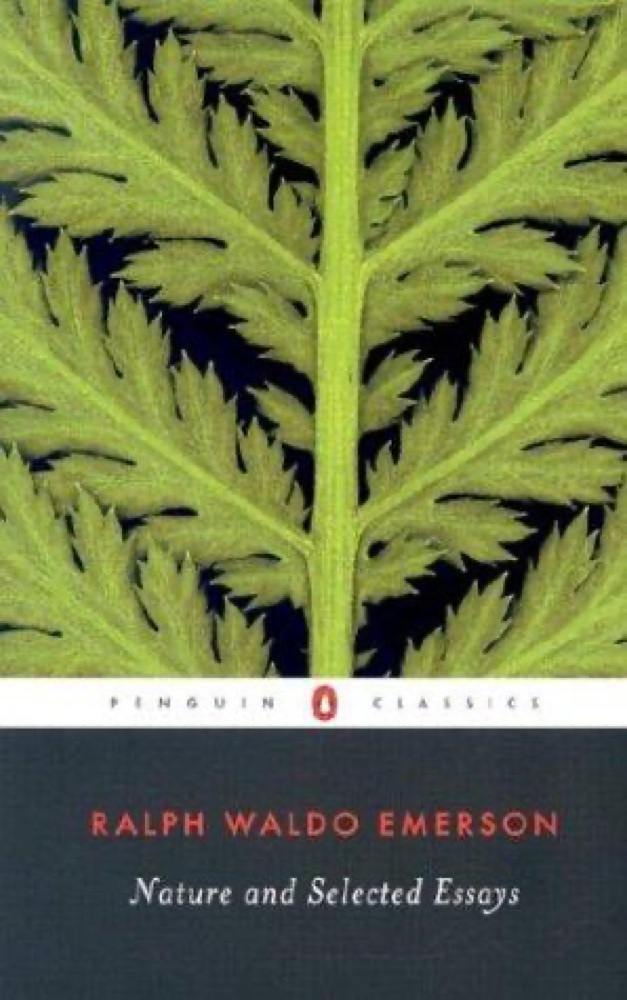 Nature and Selected Essays
 The Everlasting Man
 Conversations with God: An Uncommon Dialogue, Book 1
 The Occult
 Discourse on Method and Meditations on First Philosophy
 Oblomov
 The Age of Reason
 Dialogues Concerning Natural Religion
 The Discovery of Heaven
 Introductory Lectures on Psychoanalysis
 An Enquiry Concerning Human Understanding
 The Hero's Journey: Joseph Campbell on His Life & Work
 Maldoror and the Complete Works
 The Glass Bead Game
 Reflections on the Psalms
 In Search of Lost Time
 The Etched City
 Illuminations: Essays and Reflections
 The World as Will and Representation, Vol 1
 Leonardo's Notebooks
 The Star Diaries
 The Doors of Perception & Heaven and Hell