
 The Abduction
Quotes from the Book
Mr. Buckley, let me explain it this way. And I'll do so very carefully and slowly so that even you will understand it. If I was the sheriff, I would not have arrested him. If I was on the grand jury, I would not have indicted him. If I was the judge, I would not try him. If I was the D.A., I would not prosecute him. If I was on the trial jury, I would vote to give him a key to the city, a plaque to hang on his wall, and I would send him home to his family. And, Mr. Buckley, if my daughter is ever raped, I hope I have the guts to do what he did.
With murder, the victim is gone, and not forced to deal with what happened to her. The family must deal with it, but not the victim. But rape is much worse. The victim has a lifetime of coping, trying to understand, of asking questions, and the worst part, of knowing the rapist is still alive and may someday escape or be released. Every hour of every day, the victim thinks of the rape and asks herself a thousand questions. She relives it, step by step, minute by minute, and it hurts just as bad. Perhaps the most horrible crime of all is the violent rape of a child. A woman who is raped has a pretty good idea why it happened. Some animal was filled with hatred, anger and violence. But a child? A ten-year-old child? Suppose you're a parent. Imagine yourself trying to explain to your child why she was raped. Imagine yourself trying to explain why she cannot bear children.
Make friends with fear, Lucien always said, because it will not go away, and it will destroy you if left uncontrolled.
My dad's filthy rich, and even though we're Irish Catholic I'm an only child. I've got more money than you do so I'll work for free. No charge. A free law clerk for three weeks. I'll do all the research, typing, answering the phone. I'll even carry your briefcase and make the coffee. I was afraid you'd want to be a a law partner. No I'm a woman, and I'm in the South. I know my place.
Lucien had taught him that fear was good; fear was an ally; that every lawyer was afraid when he stood before a new jury and presented his case. It was okay to be afraid – just don’t show it.
fear was good; fear was an ally; that every lawyer was afraid when he stood before a new jury and presented his case. It was okay to be afraid – just don’t show it.
You look at the crime and you look at the criminal. If it's a dope dealer who guns down an undercover narcotics officer, then he gets the gas. If it's a drifter who rapes a three-year-old girl, drowns her by holding her little head in a mudhole, then throws her body off a bridge, then you take his life and thank god he's gone. If it's an escaped convict who breaks into a farmhouse late at night and beats and tortures an elderly couple before burning them with their house, then you strap him in a chair, hook up a few wires, pray for his soul, and pull the switch. And if it's two dopeheads who gang-rape a ten-year-old girl and kick her with pointed-toe cowboy boots until her jaws break, then you happily, merrily, thankfully, gleefully lock them in a gas chamber and listen to them squeal. It's very simple. Their crimes were barbaric. Death is too good for them, much too good.
Okay, let’s pretend to be friends. Just two friends having dinner.” “That doesn’t work in the South. A male friend cannot have dinner with a female friend if the male friend has a wife. It just doesn’t work down here.” “Why not?” “Because men don’t have female friends. No way. I don’t know of a single man in the entire South who is married and has a female friend. I think it goes back to the Civil War.” “I think it goes back to the Dark Ages. Why are Southern women so jealous?” “Because that’s the way we’ve trained them. They learned from us. If my wife met a male friend for lunch or dinner, I’d tear his head off and file for divorce. She learned it from me.” “That makes absolutely no sense.” “Of course it doesn’t.” “Your wife has no male friends?” “None that I know of. If you learn of any, let me know.” “And you have no female friends?” “Why would I want female friends? They can’t talk about football, or duck hunting, or politics, or lawsuits, or anything that I want to talk about. They talk about kids, clothes, recipes, coupons, furniture, stuff I know nothing about. No, I don’t have any female friends. Don’t want any.” “That’s what I love about the South. The people are so tolerant.” “Thank you.
A lawyer had to be himself in the courtroom, and if he was afraid, so be it. The jurors were afraid too. Make friends with fear, Lucien always said, because it will not go away, and it will destroy you if left uncontrolled.
I want to tell you a story. I'm going to ask you all to close your eyes while I tell you the story. I want you to listen to me. I want you to listen to yourselves. Go ahead. Close your eyes, please. This is a story about a little girl walking home from the grocery store one sunny afternoon. I want you to picture this little girl. Suddenly a truck races up. Two men jump out and grab her. They drag her into a nearby field and they tie her up and they rip her clothes from her body. Now they climb on. First one, then the other, raping her, shattering everything innocent and pure with a vicious thrust in a fog of drunken breath and sweat. And when they're done, after they've killed her tiny womb, murdered any chance for her to have children, to have life beyond her own, they decide to use her for target practice. They start throwing full beer cans at her. They throw them so hard that it tears the flesh all the way to her bones. Then they urinate on her. Now comes the hanging. They have a rope. They tie a noose. Imagine the noose going tight around her neck and with a sudden blinding jerk she's pulled into the air and her feet and legs go kicking. They don't find the ground. The hanging branch isn't strong enough. It snaps and she falls back to the earth. So they pick her up, throw her in the back of the truck and drive out to Foggy Creek Bridge. Pitch her over the edge. And she drops some thirty feet down to the creek bottom below. Can you see her? Her raped, beaten, broken body soaked in their urine, soaked in their semen, soaked in her blood, left to die. Can you see her? I want you to picture that little girl. Now imagine she's white.
This was Mississippi, where for years whites shot blacks for any reason or no reason and no one cared; where whites raped blacks and it was considered sport; where blacks were hanged for fighting back.
Lucien had taught him that fear was good; fear was an ally; that every lawyer was afraid when he stood before a new jury and presented his case. It was okay to be afraid - just don’t show it. Jurors would not follow the lawyer with the quickest tongue or prettiest words. They would not follow the sharpest dresser. They would not follow a clown or court jester. They would not follow a lawyer who preached the loudest or fought the hardest. Lucien had convinced him that jurors followed the lawyer who told the truth, regardless of his looks, words, or superficial abilities. A lawyer had to be himself in the courtroom, and if he was afraid, so be it. The jurors were afraid too.
He began by talking about daughters and how special they are. How they are different from little boys and need special protection. He told them of his own daughter and the special bond that exists between father and daughter, a bond that could not be explained and should not be tampered with.
What’re those blacks doing across the street walking around the courthouse in the dark?” “It’s called a vigil,” explained Harry Rex. “They’ve vowed to walk around the courthouse with candles, keeping a vigil until their man is free.” “That could be an awfully long vigil. I mean, those poor people could be walking until they die. I mean, this could be a twelve-, fifteen-year vigil. They might set a record. They might have candle wax up to their asses.
At eleven-fifteen it rang again, and Jake received his first death threat, anonymous of course. He was called a nigger-loving son of a bitch, one who would not live if the nigger walked.
He missed being broke, because when he had nothing he owed nothing and most of his classmates were in the same boat. Now that he had an income he worried constantly about mortgages, the overhead, credit cards, and realizing the American dream of becoming affluent. Not wealthy, just affluent.
know for sure that a crime is being planned. He said some things any father would say, and I’m sure he’s having thoughts any father would have. But as far as actually planning a crime, I don’t think so. Secondly,
America is a war and you are on the other side. How's a black man ever going to get a fair trial with the enemy on the bench and in the jury box?. My life in white hands? You Jake, that's how. You are my secret weapon because you are one of the bad guys. You don't mean to be but you are. It's how you was raised. Nigger, negro, black, African-american, no matter how you see me, you see me different, you see me like that jury sees me, you are them. Now throw out your points of law Jake. If you was on that jury, what would it take to convince you to set me free? That's how you save my ass. That's how you save us both.
And until we can see each other as equals, justice is never going to be even-handed. It will remain nothing more than a reflection of our own prejudices
Did you know?
- A Time to Kill was John Grisham's first novel.
- It was rejected by numerous publishers before Wynwood Press printed an initial run of just 5,000 copies.
- Grisham was inspired by a rape case he witnessed at the DeSoto County courthouse in Mississippi in 1984.
- He wrote much of the book while serving in the Mississippi House of Representatives, working on it over roughly three years.
- The novel became a bestseller only after the success of Grisham's second book, The Firm, drew readers back to his debut.
- Grisham has described the novel as 'very autobiographical,' saying the young lawyer is basically himself.
About John Grisham
John Grisham (born 1955) is an American author and former attorney and Mississippi state legislator, best known for his bestselling legal thrillers. A Time to Kill was his debut novel, drawn from his experiences practicing law in Mississippi.
More about the author →More by John Grisham
All books by John Grisham →
About the book
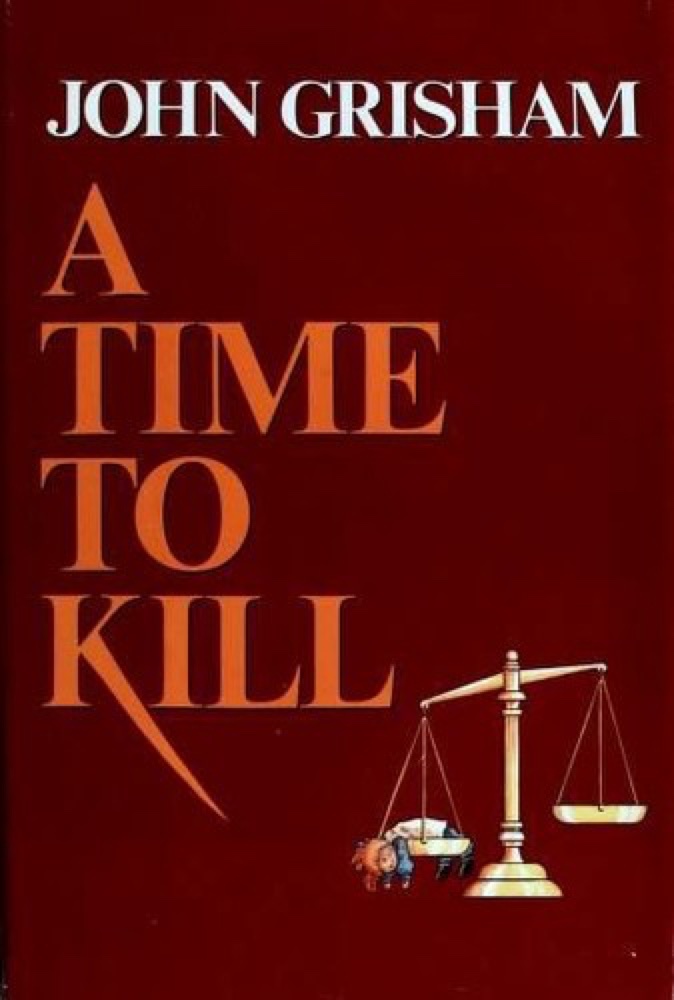
A Time to Kill is John Grisham's debut novel, a legal thriller set in the fictional town of Clanton in Ford County, Mississippi. After a ten-year-old African-American girl, Tonya Hailey, is brutally raped by two white men, her father, Carl Lee Hailey, kills the attackers, and young defense attorney Jake Brigance takes on the seemingly impossible task of winning his acquittal. The story unfolds largely in and around the courtroom as the town divides along racial lines and outside forces, including the Ku Klux Klan, descend on Clanton.
The novel wrestles with justice, racism, vigilantism, and fatherhood, asking whether a father who avenges his child can be judged innocent by a system and a community steeped in prejudice. Grisham has called the book 'very autobiographical,' saying the young attorney is essentially himself, and he has traced its inspiration to a rape case he witnessed at a Mississippi courthouse in 1984, which prompted him to imagine how a father might respond by taking justice into his own hands.
Rejected by many publishers, A Time to Kill was first issued by Wynwood Press in 1989 in a modest 5,000-copy printing and initially went almost unnoticed. Only after the runaway success of Grisham's second novel, The Firm, did readers return to his debut, which then became a bestseller and helped launch him into one of the most popular authors of legal fiction. Its enduring characters and Mississippi setting later anchored a loose trilogy and a 1996 film adaptation.
Key characters
- Jake BriganceYoung white defense attorney who represents Carl Lee Hailey
- Carl Lee HaileyFather on trial for killing the men who raped his daughter
- Tonya HaileyCarl Lee's ten-year-old daughter, victim of the assault
- Lucien WilbanksJake's disbarred mentor and former employer
- Harry Rex VonnerBoisterous divorce lawyer who aids Jake's defense team
- Ellen RoarkLaw student who volunteers as Jake's clerk
- Ozzie WallsFord County's Black sheriff who privately sympathizes with Carl Lee
Book details
- First published
- 1989
- Author
- John Grisham
- Genre
- Fiction
- Goodreads rating
- 4.12 (832k ratings) →
Series & reading order
- 1 A Time to Kill
- 2 Sycamore Row
- 3 A Time for Mercy
Movie & TV adaptations
- IMDb
If you liked this, read…
- 1To Kill a MockingbirdA courtroom drama confronting racial injustice in the American South.
- 2The FirmGrisham's own breakout legal thriller with high-stakes suspense.
- 3Presumed InnocentA tense legal thriller centered on a morally charged murder trial.
Keep reading
 I Hunt Killers
 Kingdom of Fear: Loathsome Secrets of a Star-Crossed Child in the Final Days of the American Century
 The Lincoln Lawyer
 The Force
 The Client
 Bright Young Women
 The Good Daughter
 The Instructions
 Johnny Got His Gun
 True Grit
 A Naked Singularity
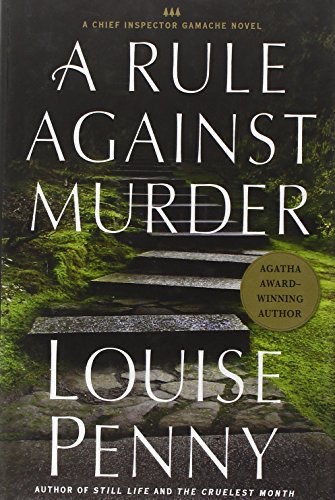 A Rule Against Murder
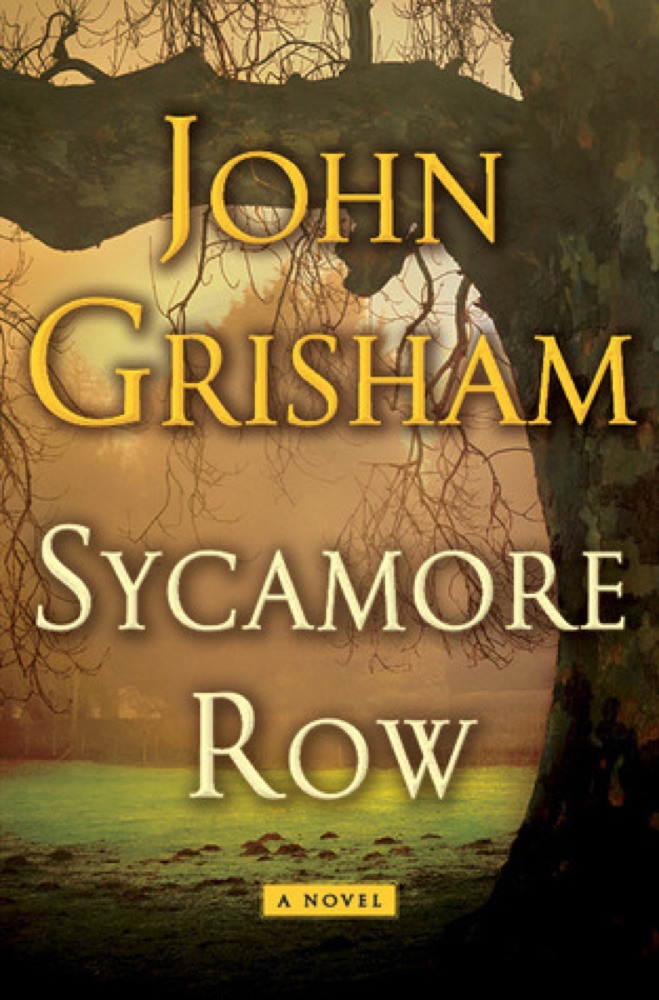 Sycamore Row
 Intruder in the Dust
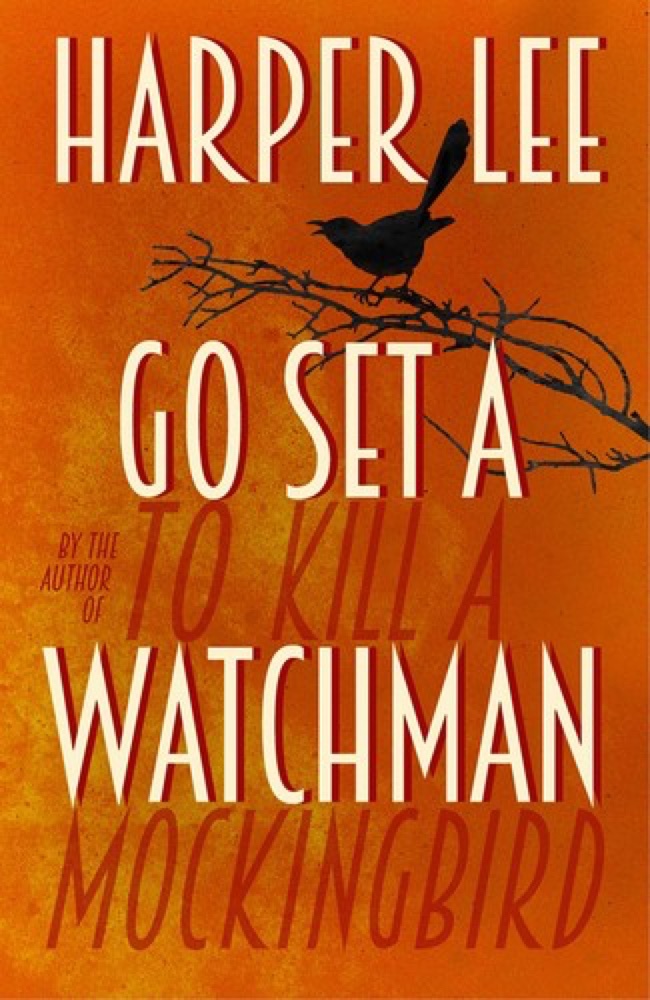 Go Set a Watchman
 Turning Angel
 All American Boys
 Native Son
 The A.B.C. Murders
 Columbine
 James
James
 Close
Close
 Last Argument of Kings
 The Nickel Boys
 Natchez Burning
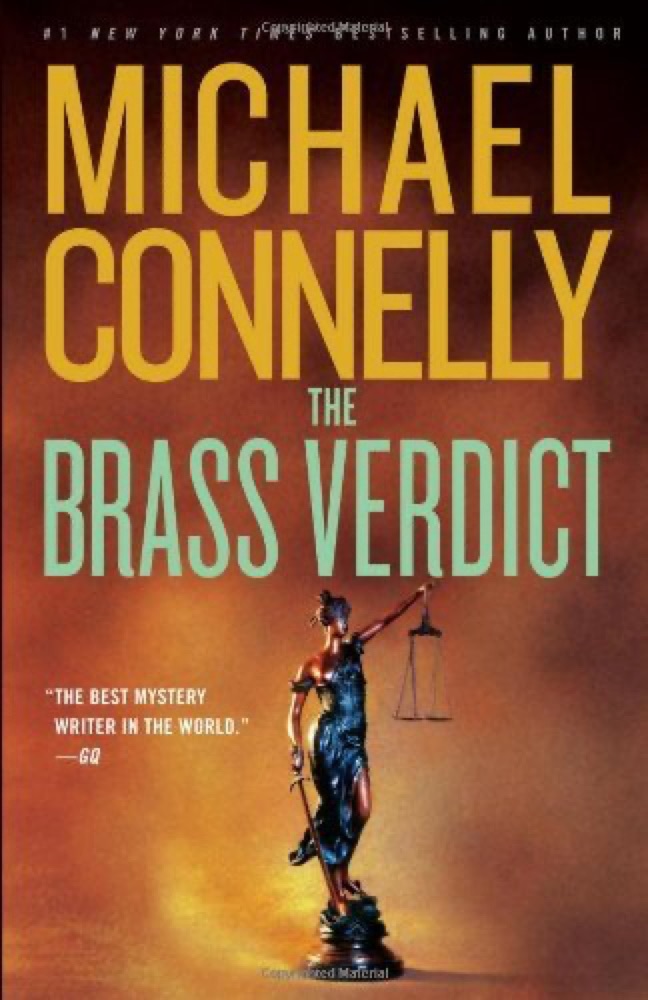 The Brass Verdict
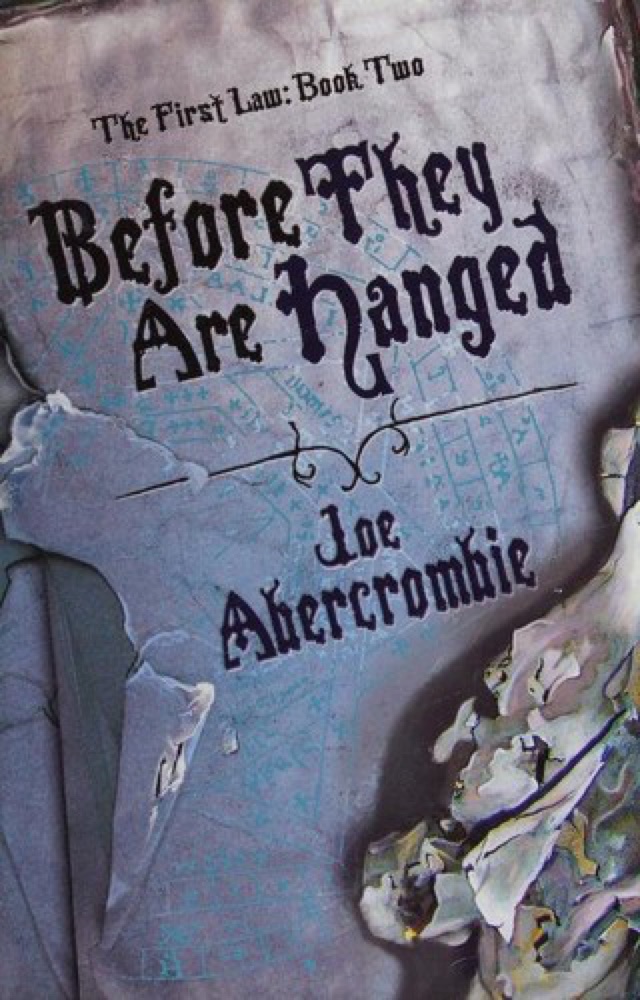 Before They Are Hanged
 The Trees
 The Devil's Punchbowl
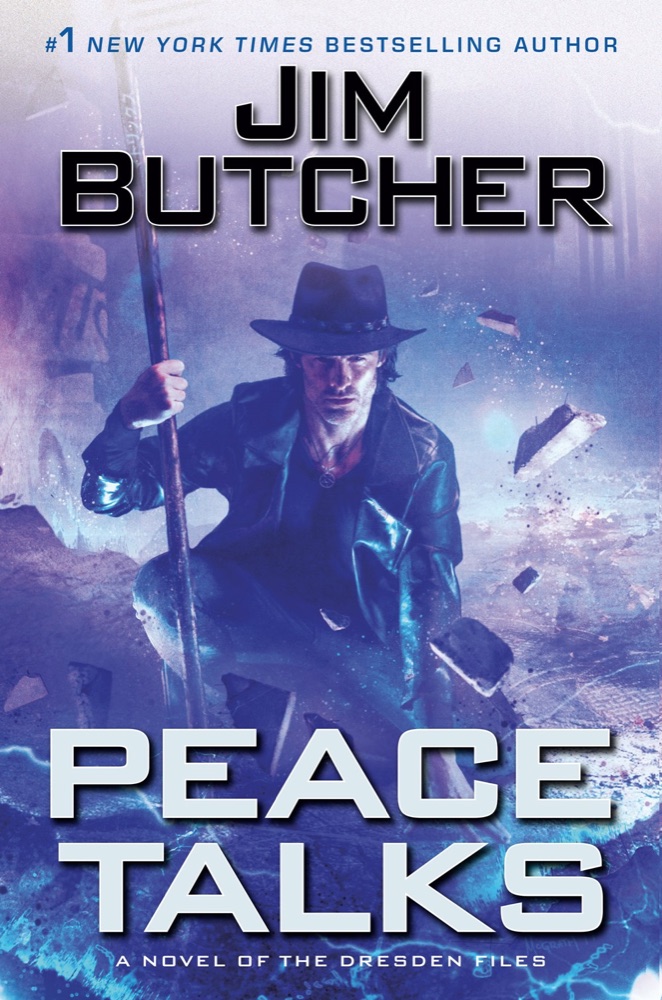 Peace Talks
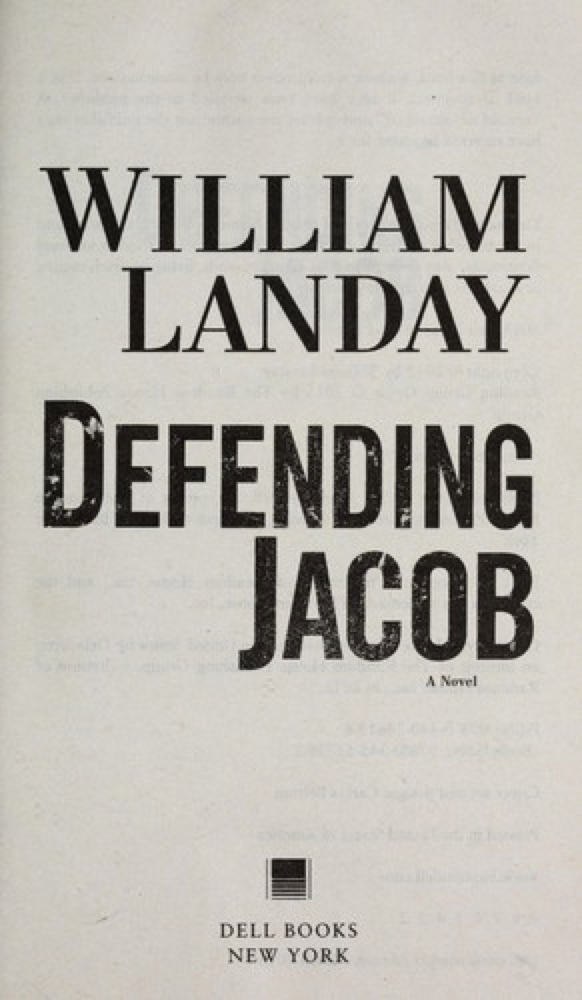 Defending Jacob
 Know My Name
 I'll Be Gone in the Dark: One Woman's Obsessive Search for the Golden State Killer
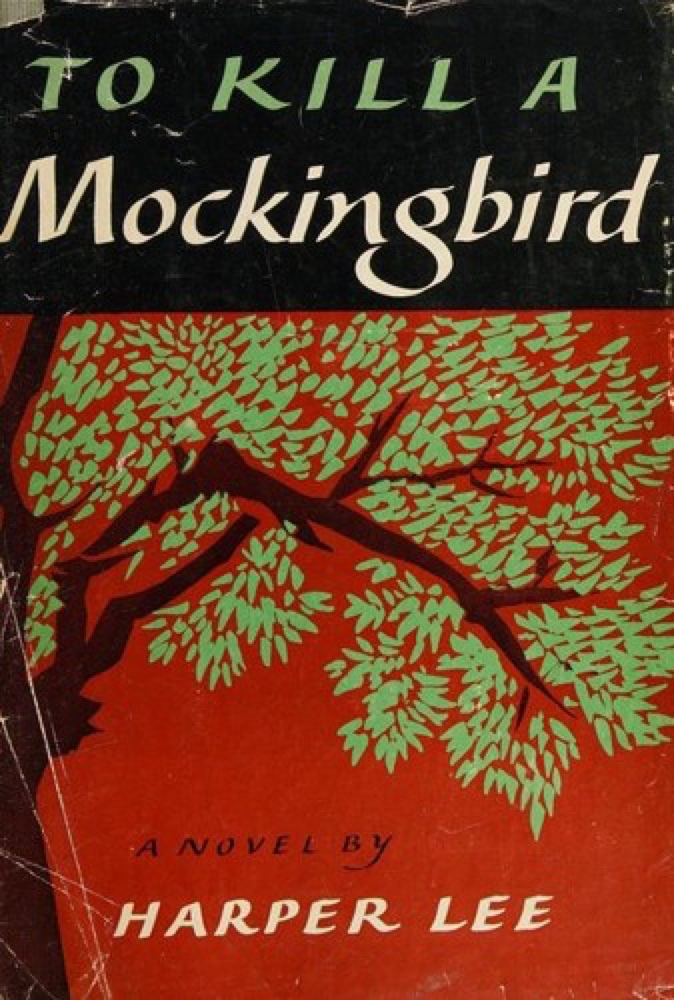 To Kill a Mockingbird
 Prince of Thorns
 Born of Hatred
 Ghettoside: A True Story of Murder in America
 Futuristic Violence and Fancy Suits
 Between the World and Me
 The Heart of a Woman
 Omens
Omens
 The Stranger Beside Me: Ted Bundy The Shocking Inside Story
 The Coldest Winter Ever
 Fool Me Once
 Lovecraft Country
 The Hangman's Replacement: Sprout of Disruption
 The Burning Soul
 Apt Pupil
 Homegoing
 The Killing Hour
 The Broken Eye
 Catch-22
 Devil in a Blue Dress
 Prior Bad Acts
 V for Vendetta
 The Godfather
 A Darkness More Than Night
 Child 44
 Riding the Elephant: A Memoir of Altercations, Humiliations, Hallucinations, and Observations
 American Sonnets for My Past and Future Assassin