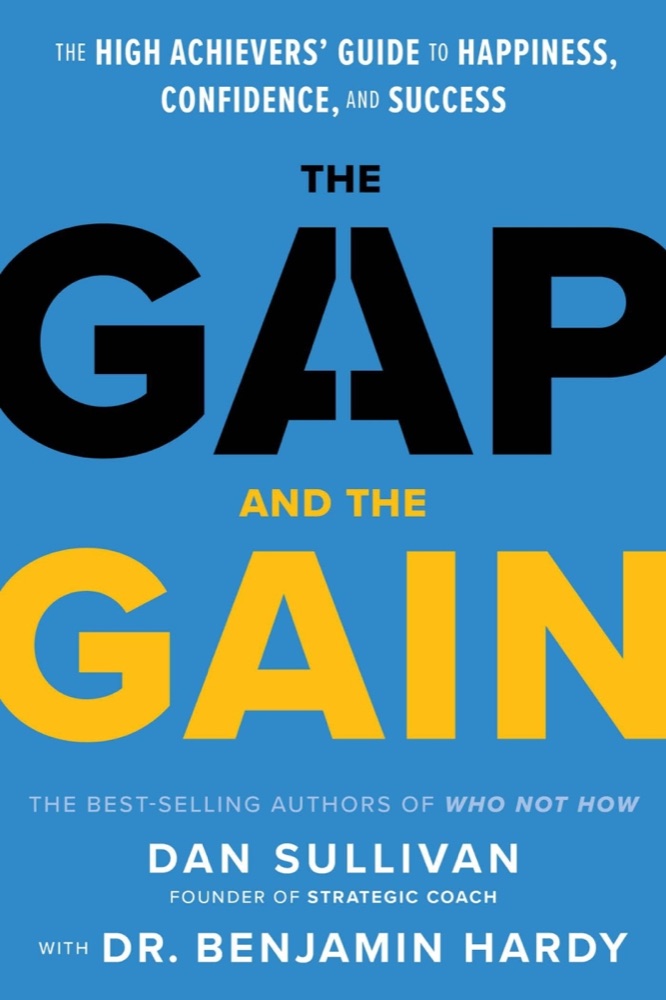

 Be Your Future Self Now: The Science of Intentional Transformation
Quotes from the Book
Seth Godin said: “The rule is simple: the person who fails the most will win. If I fail more than you do, I will win. Because in order to keep failing, you’ve got to be good enough to keep playing.”12,13
9
If you focus on what you lack, you lose what you have. If you focus on what you have, you gain what you lack.
7
The way to measure your progress is backward against where you started, not against your ideal.” —Dan Sullivan
5
Happiness is not something you pursue. Happiness is not somewhere in the future. Decades of scientific research is clear on this point: happiness is where you start, not where you finish.
3
Sometimes the greatest scientific breakthroughs happen because someone ignores the prevailing pessimism.” –Nessa Carey, British biologist1
2
Everything in life happens FOR you, not TO you.
1
Being in the GAIN means you measure yourself backward, against where you were before. You measure your own progress. You don’t compare yourself to something external. You don’t measure yourself against your ideals.
1
Harmonious passion is related to having high levels of grit, whereas obsessive passion is not.23 If you’re obsessively passionate, you’re thinking short-term. You’re trying to force things to go your way. But you don’t truly want whatever it is you’re seeking. You just think you need it because you’re unresolved internally. Whether you get what you want or not, sooner or later you’ll shift that unhealthy need onto something else—the hedonic treadmill will continue. Similar to harmonious passion, intrinsic motivation is also related to having high levels of grit, whereas extrinsic motivation is not.
1
What preoccupies us is the way we define success.” —Arianna Huffington
1
Language is very powerful. Language does not just describe reality. Language creates the reality it describes.” —Desmond Tutu
The future isn’t a reality—it’s a projection. And because it’s not reality, it can’t be part of any real measurement of your progress. The only way to measure goals is backward, against the past. Use the reality of where you currently are and measure backward from there to the reality of where you started.
Your future growth and progress are now based in your understanding about the difference between the two ways in which you can measure yourself: against an ideal, which puts you in what I call ‘the GAP,’ and against your starting point, which puts you in ‘the GAIN,’ appreciating all that you’ve accomplished.” —Dan Sullivan
yourself: against an ideal, which puts you in what I call ‘the GAP,’ and against your starting point, which puts you in ‘the GAIN,’ appreciating all that you’ve accomplished.” —Dan Sullivan
When your happiness is tied to something in the future, then your present is diminished. You don’t feel happy, confident, or successful. But maybe in the future you will be, or so the logic goes.
When you’re in the GAIN, you live your life based on intrinsic motivation and harmonious passion, which creates flow and high performance.
The way you mentally filter experiences shapes your emotional and physical response to those experiences. There’s an entire field now based on this premise: epigenetics, which shows that our perception of events and situations shapes how those events affect us.
Each time you experience the GAP, it is the equivalent of a microtrauma to your system. Over time, those microtraumas add up, and can eventually break you down. The reverse of this is also true—being in the GAIN is restorative, healing, and empowering.
Vagueness generates vagueness, so you must be specific when describing your desired results.
Use this rule if you’re often over-committed or too scattered. If you’re not saying ‘HELL YEAH!’ about something, say ‘no.’ When deciding whether to do something, if you feel anything less than ‘Wow! That would be amazing! Absolutely! Hell yeah!’—then say ‘no.’” —Derek Sivers19
The philosopher Seneca called it euthymia, which means “That you’re on the right path and not led astray by the many tracks which cross yours of people who are hopelessly lost.
Is this transactional or transformational? In other words, is this a stand-alone opportunity or a gateway opportunity? If I say “Yes” to this opportunity, what then must I say “No” to?
How will this opportunity, etc., benefit mankind? Is there a bigger cause or purpose that will benefit society?
Will this opportunity, etc., take advantage of my unique ability and make me even stronger? Will it lengthen my stride?
list of six questions he uses as a filtering process for making high-quality decisions. Here are Lee’s six filtering questions, which also act as his personal success criteria:
Is this opportunity, person, expense, adventure, experience, relationship, commitment, etc., aligned with my values? (If the answer to this first question is “No,” then Lee doesn’t proceed to ask himself the remaining five questions. If, however, the answer to this first question is “Yes,” then he continues his filtering process.)
When you’re in the GAP, you have an unhealthy attachment to something external. You feel you need something outside of yourself in order to be whole and happy. You need to have a million dollars. You need that person’s approval. You need that position or promotion. You need to be a particular size or shape or to look a certain way. When you’re driven by need, rather than want, you have an urgency and desperation to fulfill that need. The problem is that “needs” are unresolved internal pain, not something you can solve externally.
I can disappear for several months with no effect on my income. There are no whiny people in my life. I wear my watch for curiosity only. I have no time obligations or deadlines. I wear whatever I want all the time. I can quit anytime.
can wake up every day and ask, “What would I like to do today?” My passive revenue exceeds my lifestyle needs. I can live anywhere in the world I choose. I’m working on projects that excite me and allow me to do my best work.
Watch on YouTube
About Dan Sullivan
We have collected 28 quotes from 1 book by Dan Sullivan on BookQuoters.
More about the author →About the book
As he did in WHO NOT HOW, Dr. Benjamin Hardy shares one of Dan Sullivan’s simple yet profound teachings that until now has been known only to his Strategic Coach clients: unsuccessful people focus on “The Gap,” but successful people focus on “The Gain.”
" [T]his one simple concept is a masterclass on positive psychology, healthy relationships, mental well-being, and high-performance. Everything that psychologists know about how to create a high-functioning and successful person can be achieved using The GAP and the GAIN."- Dr. Benjamin Hardy
Most people, especially highly ambitious people, are unhappy because of how they measure their progress. We all have an "ideal," a moving target that is always out of reach. When we measure ourselves against that ideal, we're in "the GAP." However, when we measure ourselves against our previous selves, we're in "the GAIN."
That is where the GAP an
Book details
- First published
- 2021
- Author
- Dan Sullivan
- Genre
- Nonfiction
- Goodreads rating
- 4.22 (9k ratings)
Keep reading
Be Your Future Self Now: The Science of Intentional Transformation
 Tribe Of Mentors: Transformative Wisdom From Icons and Innovators to Help You Navigate Life's Challenges
 The Compound Effect: Jumpstart Your Income, Your Life, Your Success
 7 Strategies for Wealth & Happiness: Power Ideas from America's Foremost Business Philosopher
 The Power of Focus
 The Success Principles: How to Get from Where You Are to Where You Want to Be
 Principles: Life and Work
 High Performance Habits: How Extraordinary People Become That Way
 How to Fail at Almost Everything and Still Win Big: Kind of the Story of My Life
 You Can Win: A Step by Step Tool for Top Achievers
 Tools of Titans: The Tactics, Routines, and Habits of Billionaires, Icons, and World-Class Performers
 Be Useful: Seven Tools for Life
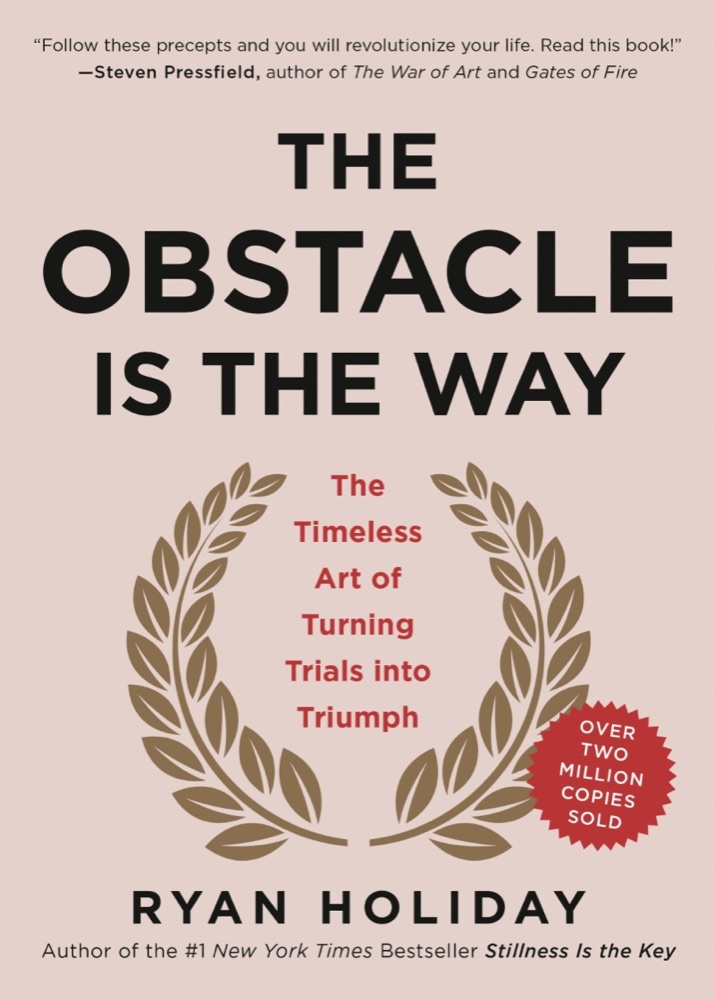 The Obstacle Is the Way: The Timeless Art of Turning Trials into Triumph
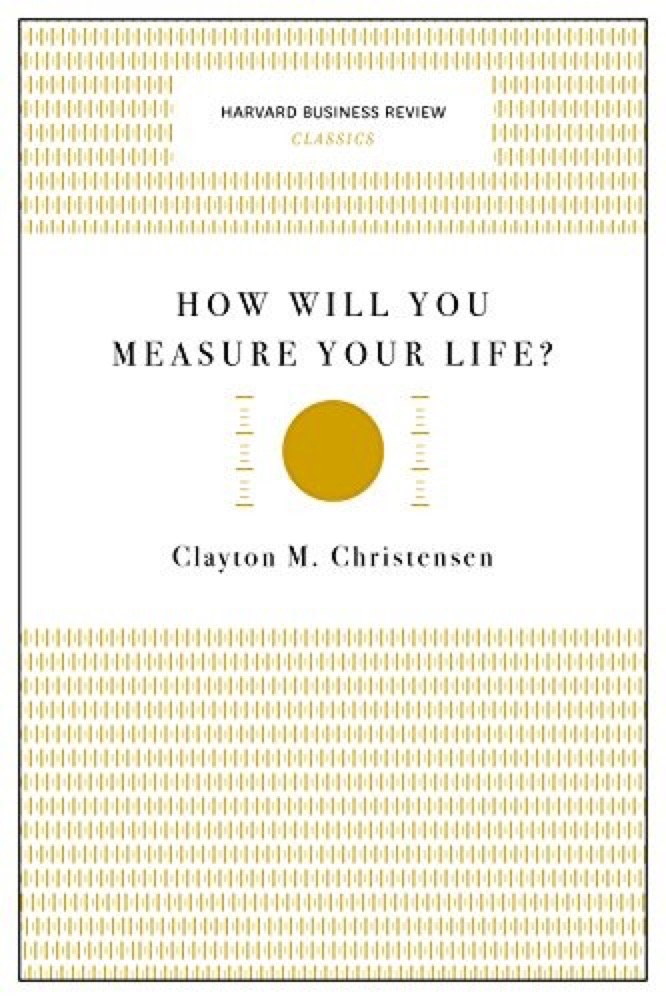 How Will You Measure Your Life?
 Delivering Happiness: A Path to Profits, Passion, and Purpose
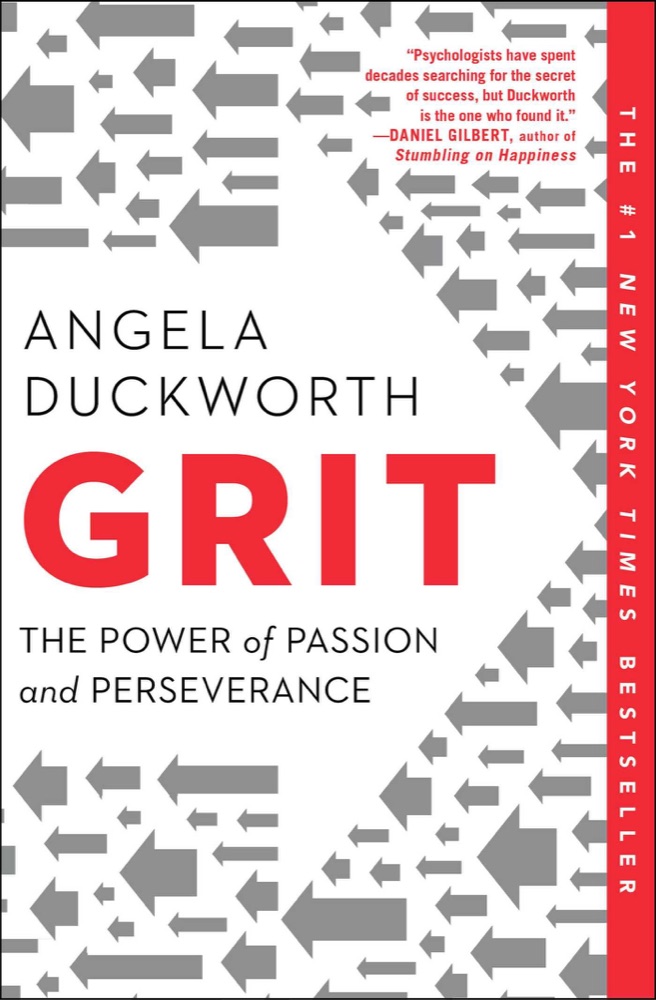 Grit: The Power of Passion and Perseverance
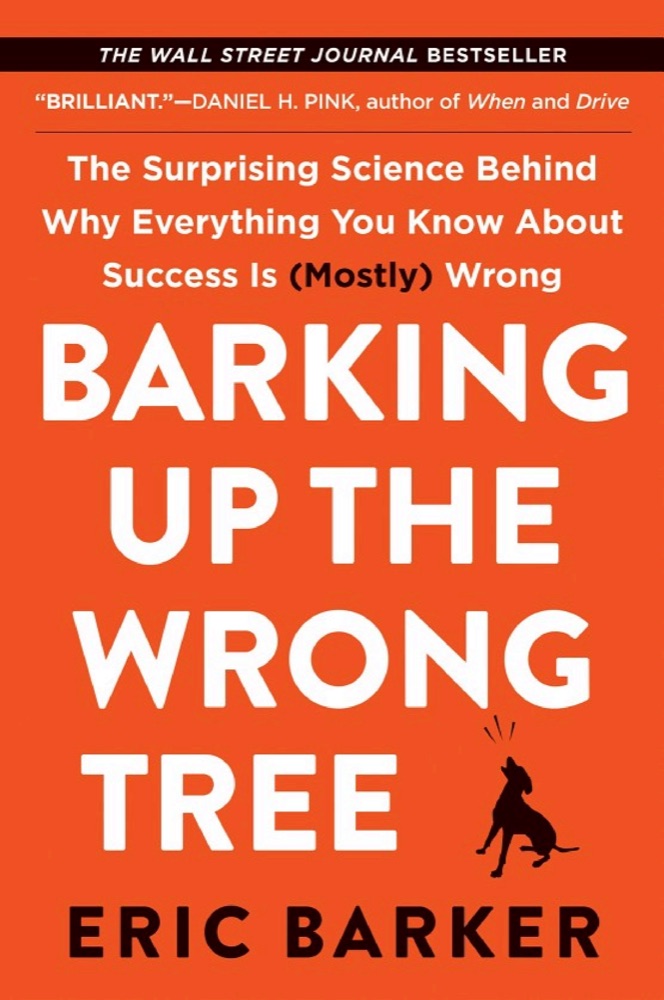 Barking Up the Wrong Tree: The Surprising Science Behind Why Everything You Know About Success Is (Mostly) Wrong
 Finding Your Element: How to Discover Your Talents and Passions and Transform Your Life
 Personality Isn't Permanent: Break Free from Self-Limiting Beliefs and Rewrite Your Story
 The Art of Impossible: A Peak Performance Primer
 Millionaire Success Habits: The Gateway To Wealth & Prosperity
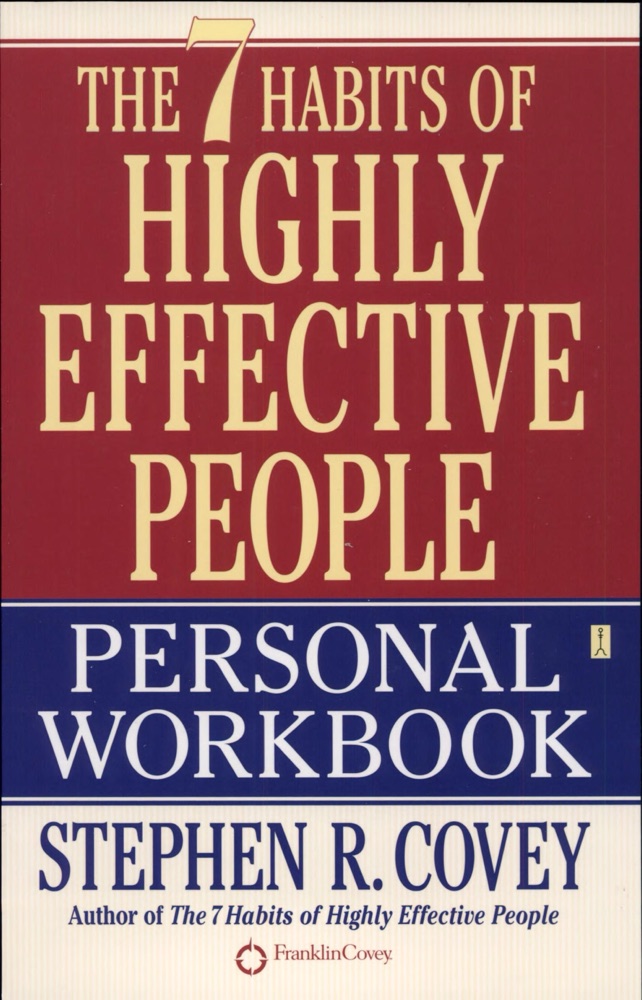 The 7 Habits of Highly Effective People: Personal Workbook
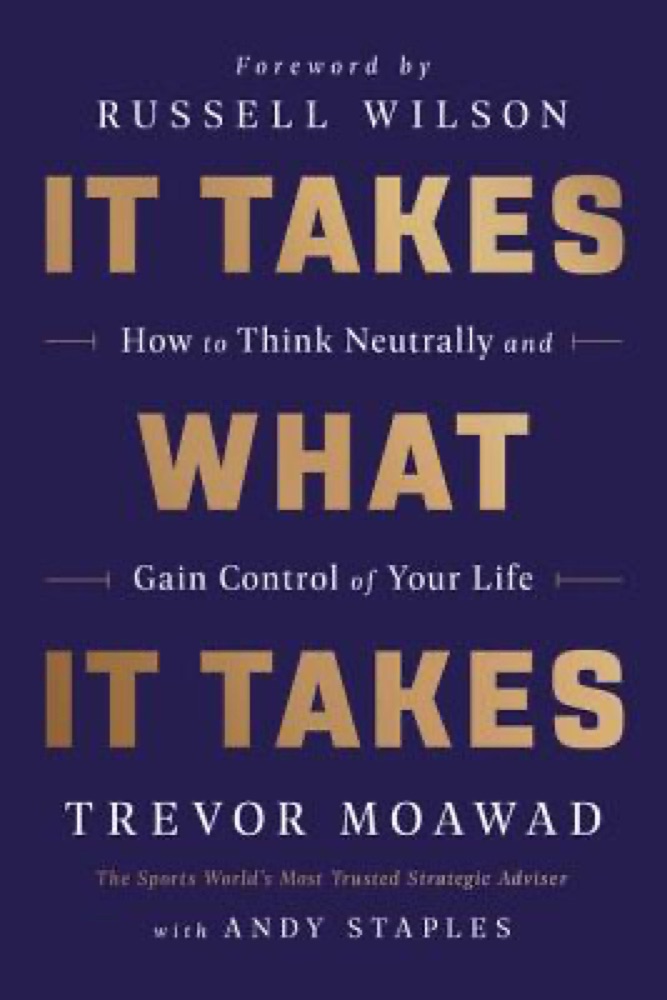 It Takes What It Takes: How to Think Neutrally and Gain Control of Your Life
 Will
Will
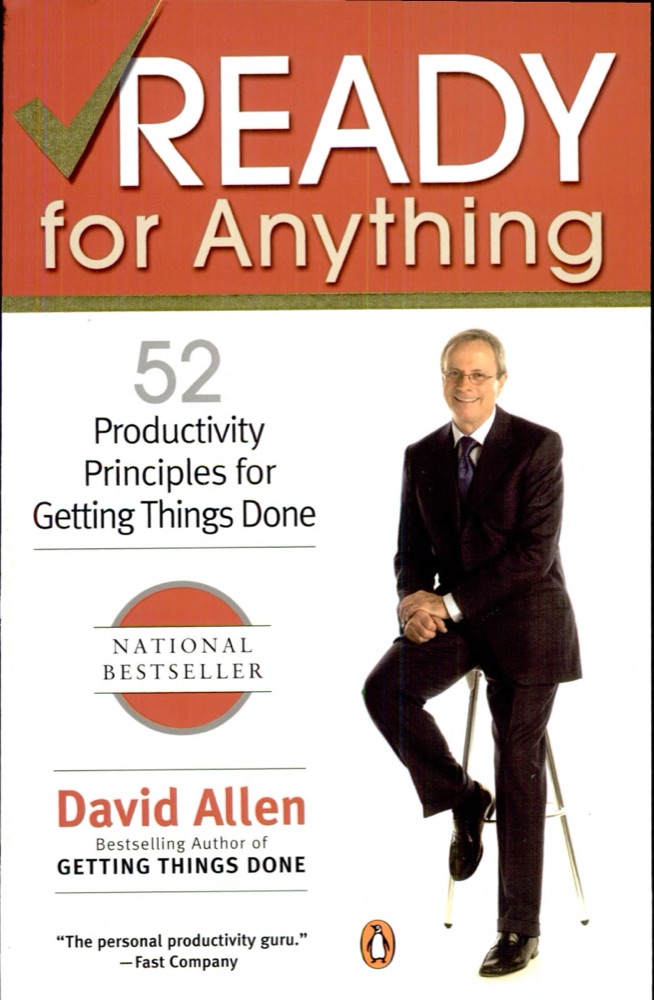 Ready for Anything: 52 Productivity Principles for Getting Things Done
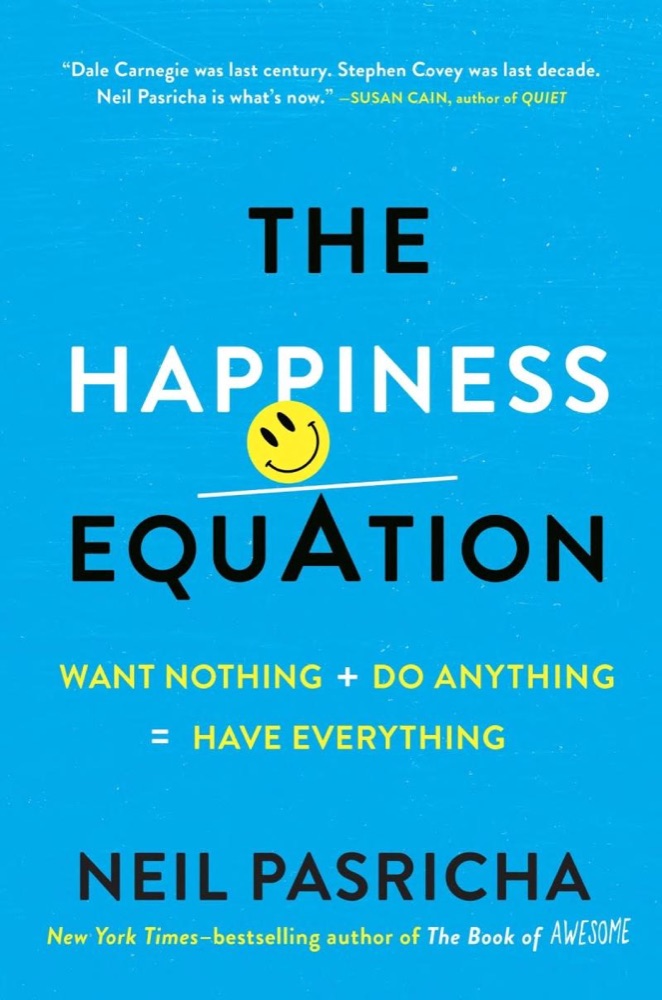 The Happiness Equation: Want Nothing + Do Anything = Have Everything
 The Fire Starter Sessions: A Soulful + Practical Guide to Creating Success on Your Own Terms
 Today Matters: 12 Daily Practices to Guarantee Tomorrow's Success
 I Can't Make This Up: Life Lessons
 The Algebra of Wealth: A Simple Formula for Financial Security
 Maximum Achievement: Strategies and Skills That Will Unlock Your Hidden Powers to Succeed
 The Algebra of Happiness: Notes on the Pursuit of Success, Love, and Meaning
 Getting There: A Book of Mentors
 Psycho-Cybernetics
 The Rise of Superman: Decoding the Science of Ultimate Human Performance
 Awaken The Giant Within
 Be Water, My Friend: The Teachings of Bruce Lee
 The Perfectionist's Guide to Losing Control: A Path to Peace and Power
 Secrets of the Millionaire Mind: Mastering the Inner Game of Wealth
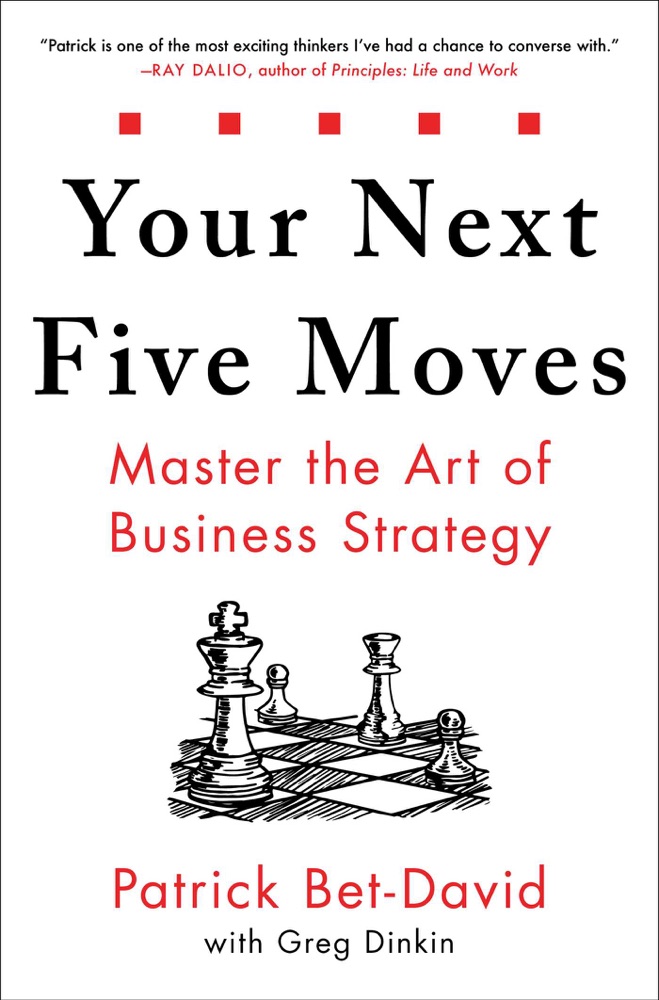 Your Next Five Moves: Master the Art of Business Strategy
 Discipline Equals Freedom: Field Manual
 Your Erroneous Zones: Step-By-Step Advice for Escaping the Trap of Negative Thinking and Taking Control of Your Life
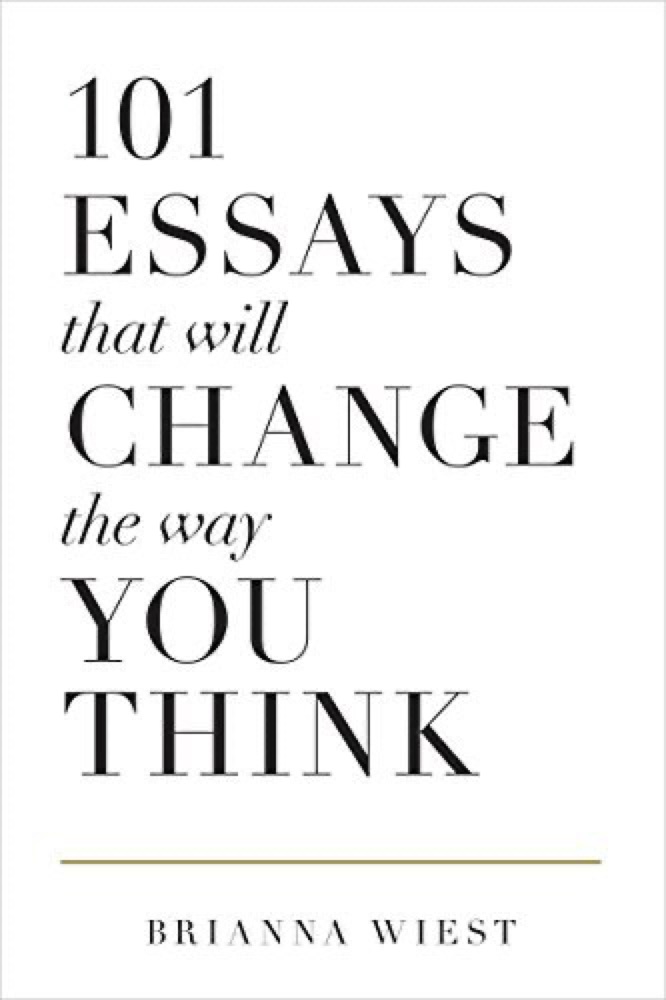 101 Essays That Will Change The Way You Think
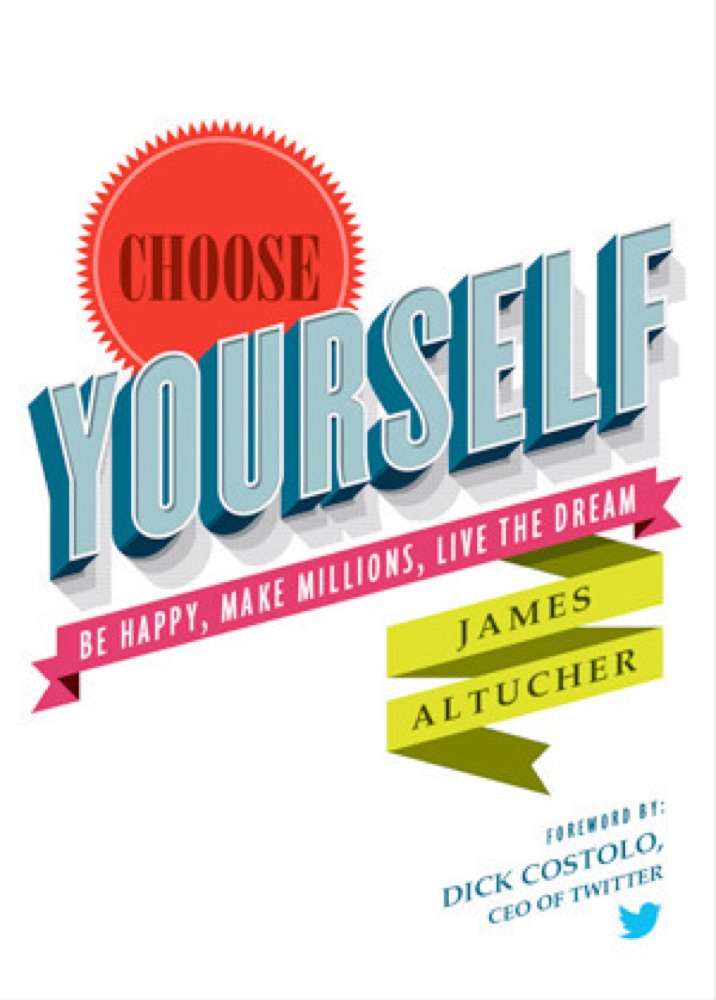 Choose Yourself: Be Happy, Make Millions, Live the Dream
 The Traveler's Gift: Seven Decisions that Determine Personal Success
 Think and Grow Rich
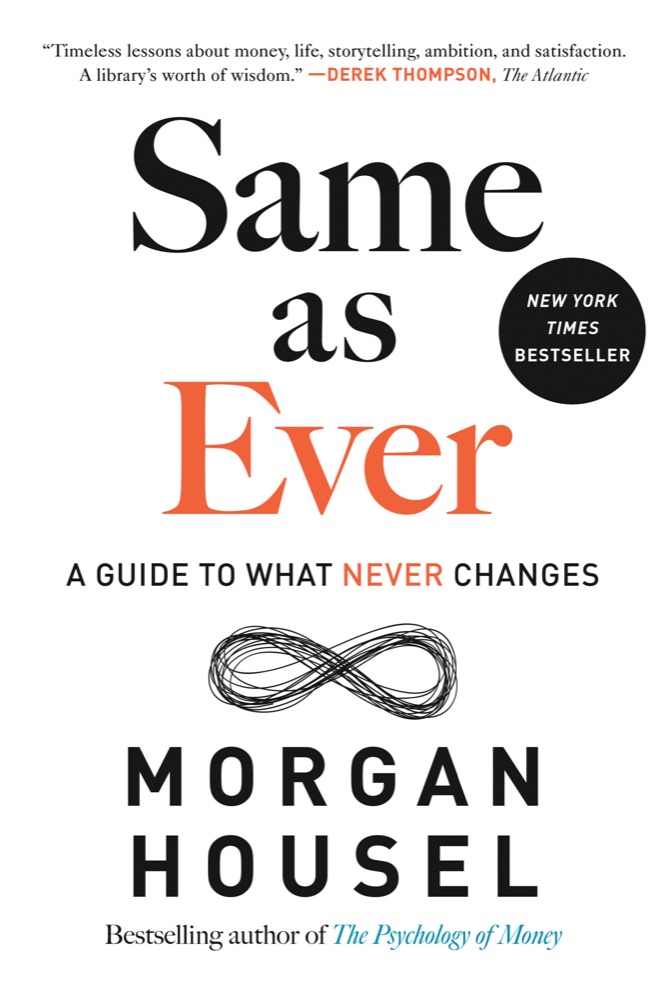 Same as Ever: A Guide to What Never Changes
 The Art of Thinking Clearly
 The Art of Power
 Atomic Habits: An Easy & Proven Way to Build Good Habits & Break Bad Ones
 Girl, Stop Apologizing: A Shame-Free Plan for Embracing and Achieving Your Goals
 EntreLeadership: 20 Years of Practical Business Wisdom from the Trenches
 The Happiness of Pursuit: Finding the Quest That Will Bring Purpose to Your Life
 Limitless: Upgrade Your Brain, Learn Anything Faster, and Unlock Your Exceptional Life
 The 7 Habits Of Highly Effective Teens
 The Happiness Hypothesis: Finding Modern Truth in Ancient Wisdom
 First Things First