
 Eats, Shoots & Leaves: The Zero Tolerance Approach to Punctuation
Quotes from the Book
Manners are about imagination, ultimately. They are about imagining being the other person.
34
Offence is so easily given. And where the 'minority' issue is involved, the rules seem to shift about: most of the time a person who is female/black/disabled/gay wants this not to be their defining characteristic; you are supposed to be blind to it. But then, on other occasions, you are supposed to observe special sensitivity, or show special respect.
33
The problem is that it has become politically awkward to draw attention to absolutes of bad and good. In place of manners, we now have doctrines of political correctness, against which one offends at one's peril: by means of a considerable circular logic, such offences mark you as reactionary and therefore a bad person. Therefore if you say people are bad, you are bad.
30
There is an old German fable about porcupines who need to huddle together for warmth, but are in danger of hurting each other with their spines. When they find the optimum distance to share each other's warmth without putting each other's eyes out, their state of contrived cooperation is called good manners. Well, those old German fabulists certainly knew a thing or two. When you acknowledge other people politely, the signal goes out, "I'm here. You're there. I'm staying here. You're staying there. Aren't we both glad we sorted that out?" When people don't acknowledge each other politely, the lesson from the porcupine fable is unmistakeable. "Freeze or get stabbed, mate. It's your choice.
27
...when a phone call competes for attention with a real-world conversation, it wins. Everyone knows the distinctive high-and-dry feeling of being abandoned for a phone call, and of having to compensate - with quite elaborate behaviours = for the sudden half-disappearance of the person we were just speaking to. 'Go ahead!' we say. 'Don't mind us! Oh look, here's a magazine I can read!' When the call is over, other rituals come into play, to minimise the disruption caused and to restore good feeling.
18
Many aspects of our screen-bound lives are bad for our social skills simply because we get accustomed to controlling the information that comes in, managing our relationships electronically, deleting stuff that doesn't interest us. We edit the world; we select from menus; we pick and choose; our social 'group' focuses on us and disintegrates without us. This makes it rather confusing for us when we step outdoors and discover that other people's behaviour can't be deleted with a simple one-stroke command or dragged to the trash icon.
18
All the important roles shortly boiled down to one: remember your with other people; show some consideration.
12
Everyday, you get home from the shops with a bag of cat food and bin-liners and realise that, yet again, you failed to have cosmetic surgery, book a cheap weekend in Paris, change your name to something more glamorous, buy the fifth series of The Sopranos, divorce your spouse, sell up and move to Devon, or adopt a child from Guatemala.
12
It used to be just CIA agents with ear-pieces who walked round with preoccupied, faraway expressions, and consequently regarded all the little people as irrelevant scum. Now, understandably, it's nearly everybody.
11
If we looked inside ourselves and remembered how insignificant we are, just for a couple of minutes a day, respect for other people would be an automatic result.
10
...intelligence nowadays is all about application: it is the ability 'to take in a complex system and learn its rules on the fly'. For young people, this ability is second nature. Any fool knows that, if you need a new and unfamiliar VCR programmed in a hurry, you commandeer any small passing child to do it.
10
Correct me if I'm wrong, but isn't it usually aspiring gangsta rappers who set such store by designer labels?
5
Viviamo in un'epoca di autismo sociale in cui la gente non capisce perchè dovrebbe considerare l'impatto delle proprie azioni sulla collettività.
4
Watch on YouTube
About Lynne Truss
We have collected 43 quotes from 2 books by Lynne Truss on BookQuoters.
More about the author →More by Lynne Truss
Eats, Shoots & Leaves: The Zero Tolerance Approach to Punctuation
About the book
"Talk to the hand 'cause the face ain't listening," the saying goes. When did the world stop wanting to hear? When did society stop valuing basic courtesy and respect? It’s a topic that has been simmering for years, and Lynne Truss says it’s now reached the boiling point. Taking on the boorish behavior that for some has become a point of pride, "Talk to the Hand" is a rallying cry for civility.
When did "please" and "thank you" become passé? When you call a "customer service" number, why does the burden of deciphering the automatic switchboard fall to you (and where are the real people when you, the customer, need service)? Why do people behave as if public spaces are their own chip-strewn living rooms? Perhaps most important, how has it come to be that we are not allowed to object? Call someone out on rude or disrespectful behaviour and you are likely to get an "eff off" or worse.
Book details
- First published
- 2005
- Author
- Lynne Truss
- Genre
- Nonfiction
- Goodreads rating
- 3.30 (4k ratings)
Keep reading
 Surrounded by Idiots
 The Elephant in the Brain: Hidden Motives in Everyday Life
 Stay Sexy & Don't Get Murdered: The Definitive How-To Guide
 Watching the English: The Hidden Rules of English Behaviour
 Gunn's Golden Rules: Life's Little Lessons for Making It Work
 Adulting: How to Become a Grown-up in 468 Easy(ish) Steps
 Worm
Worm
 Small Great Things
 I Take My Coffee Black: Reflections on Tupac, Musical Theater, Faith, and Being Black in America
 Getting More: How to Negotiate to Achieve Your Goals in the Real World
 Impro: Improvisation and the Theatre
 An Absolutely Remarkable Thing
 The Person You Mean to Be: How Good People Fight Bias
 The Circle
 Back Story
 The Art of Asking; or, How I Learned to Stop Worrying and Let People Help
 The Laws of Human Nature
 How to Know a Person: The Art of Seeing Others Deeply and Being Deeply Seen
 Selfie: How the West Became Self-Obsessed
 Whose Story Is This? Old Conflicts, New Chapters
 When Will Jesus Bring the Pork Chops?
 The Fran Lebowitz Reader
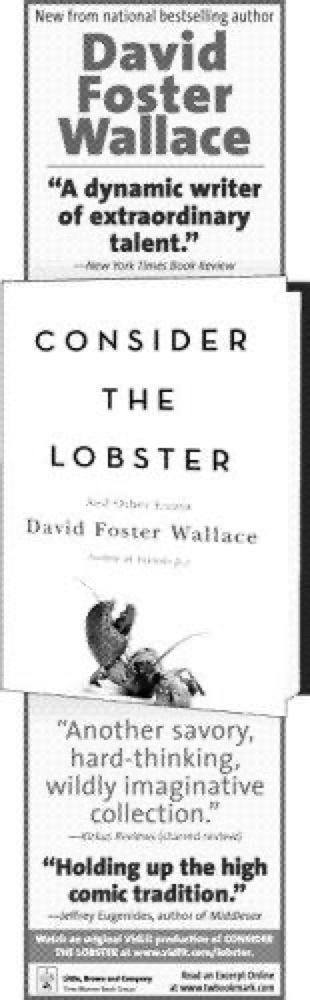 Consider the Lobster and Other Essays
 Disclosure
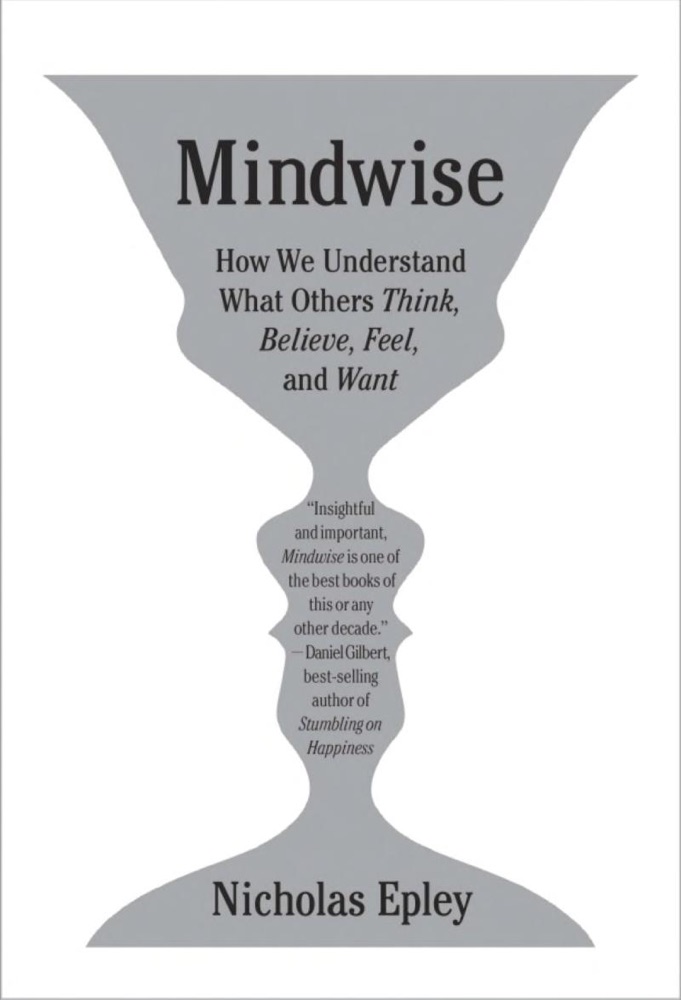 Mindwise: How We Understand What Others Think, Believe, Feel, and Want
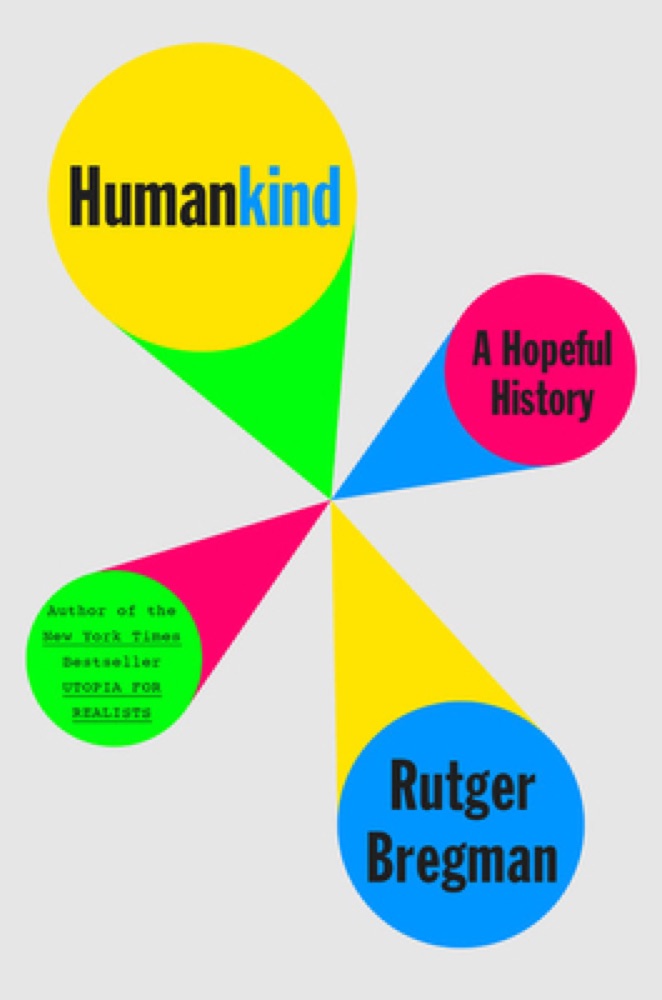 Humankind: A Hopeful History
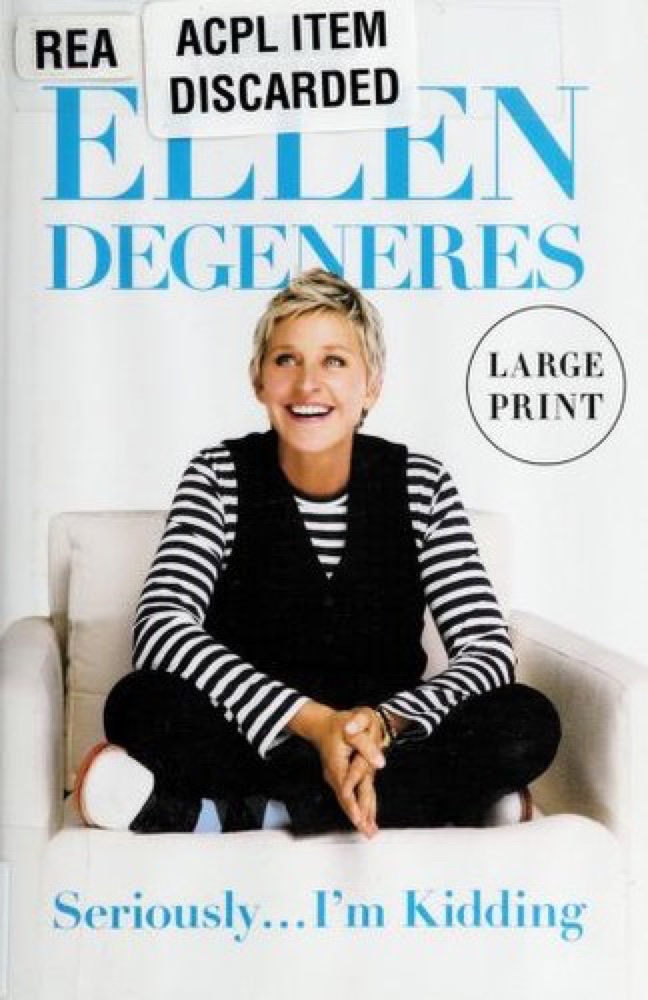 Seriously... I'm Kidding
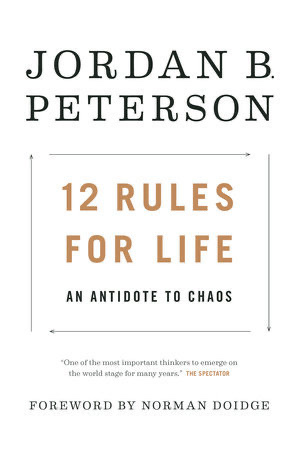 12 Rules for Life: An Antidote to Chaos
 The School of Life: An Emotional Education
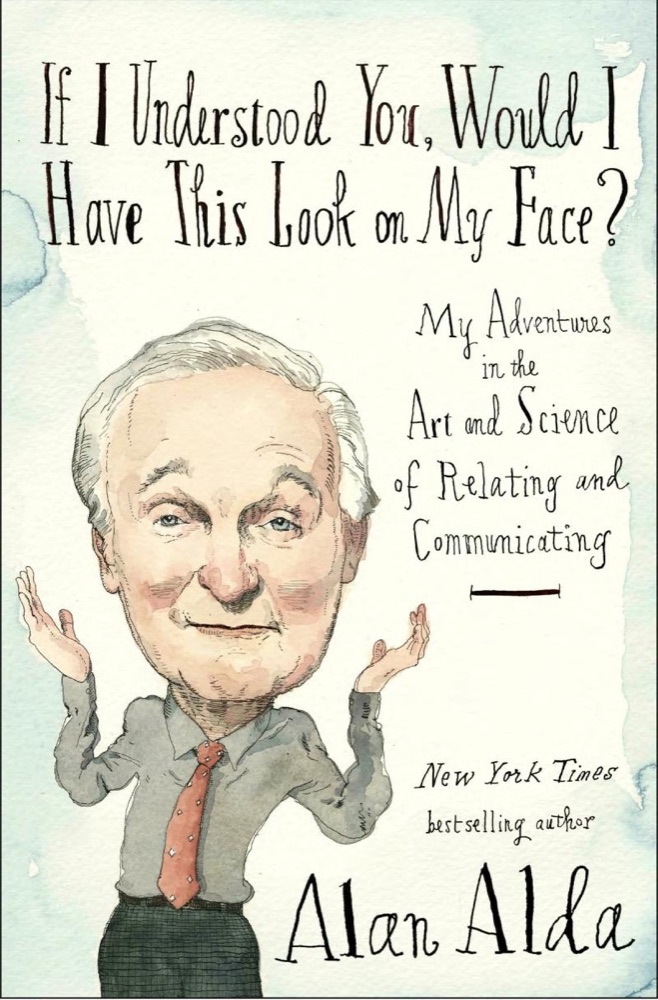 If I Understood You, Would I Have This Look on My Face?: My Adventures in the Art and Science of Relating and Communicating
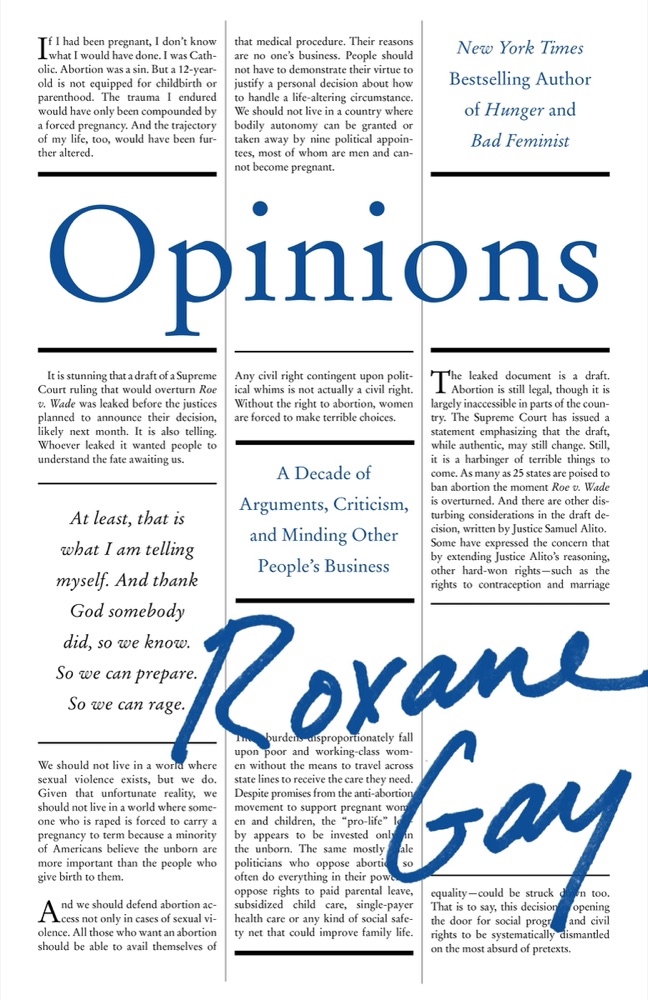 Opinions: A Decade of Arguments, Criticism, and Minding Other People’s Business
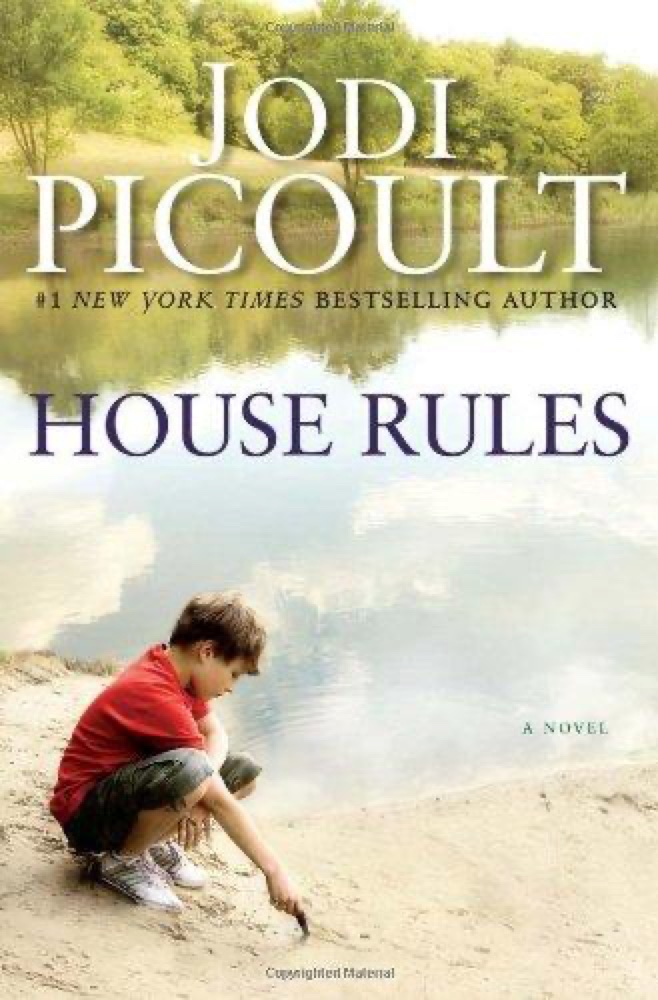 House Rules
 Leonard and Hungry Paul
 Naturally Tan
 We Learn Nothing
 The Art of Thinking Clearly
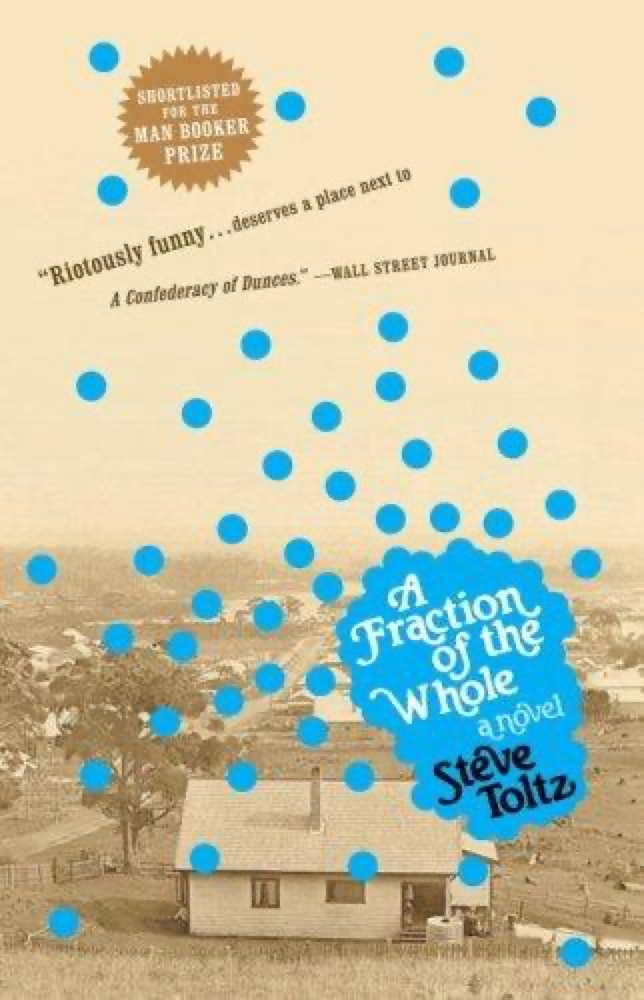 A Fraction of the Whole
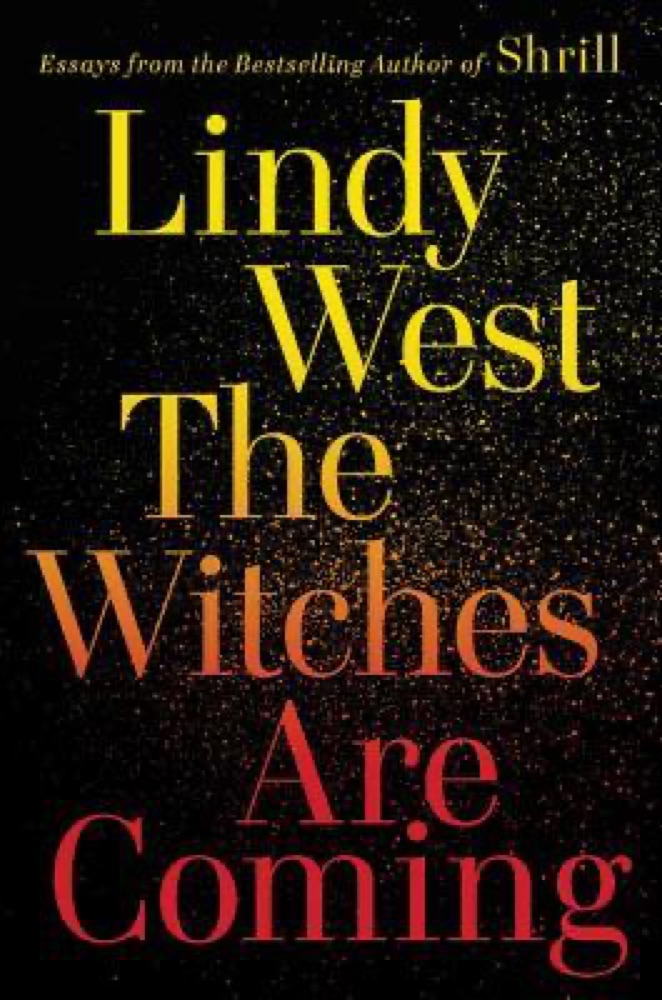 The Witches Are Coming
 Ancillary Sword
 The Post-Birthday World
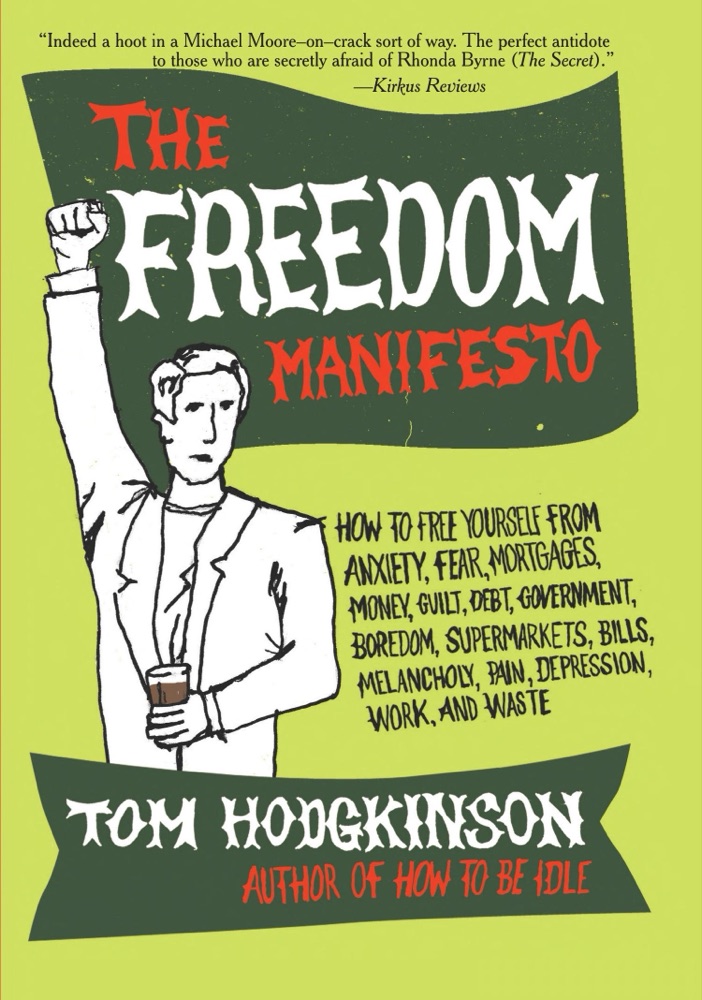 The Freedom Manifesto
 Friday
 Status Anxiety
 The Tipping Point: How Little Things Can Make a Big Difference
 The Mandibles: A Family, 2029–2047
 Ancillary Justice
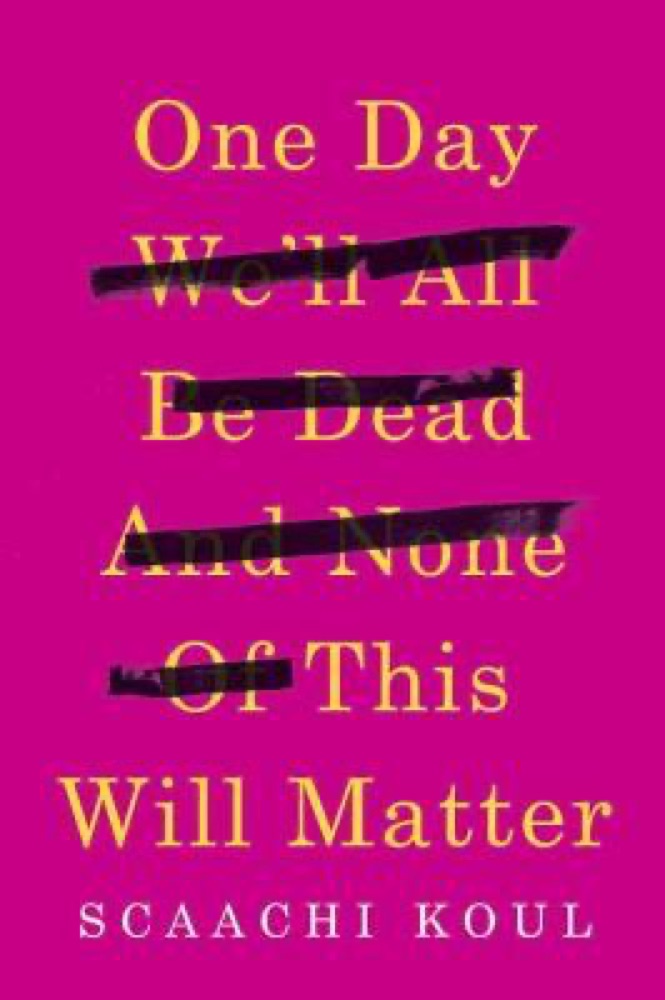 One Day We'll All Be Dead and None of This Will Matter
 Social Intelligence: The New Science of Human Relationships
 Little Victories: Perfect Rules for Imperfect Living
 Think Like a Freak
 A Naked Singularity
 Revenge of the Tipping Point
 It Worked for Me: In Life and Leadership
 Believe Me: A Memoir of Love, Death, and Jazz Chickens
 Becoming
 Born a Crime: Stories From a South African Childhood
 Sex, Drugs, and Cocoa Puffs: A Low Culture Manifesto
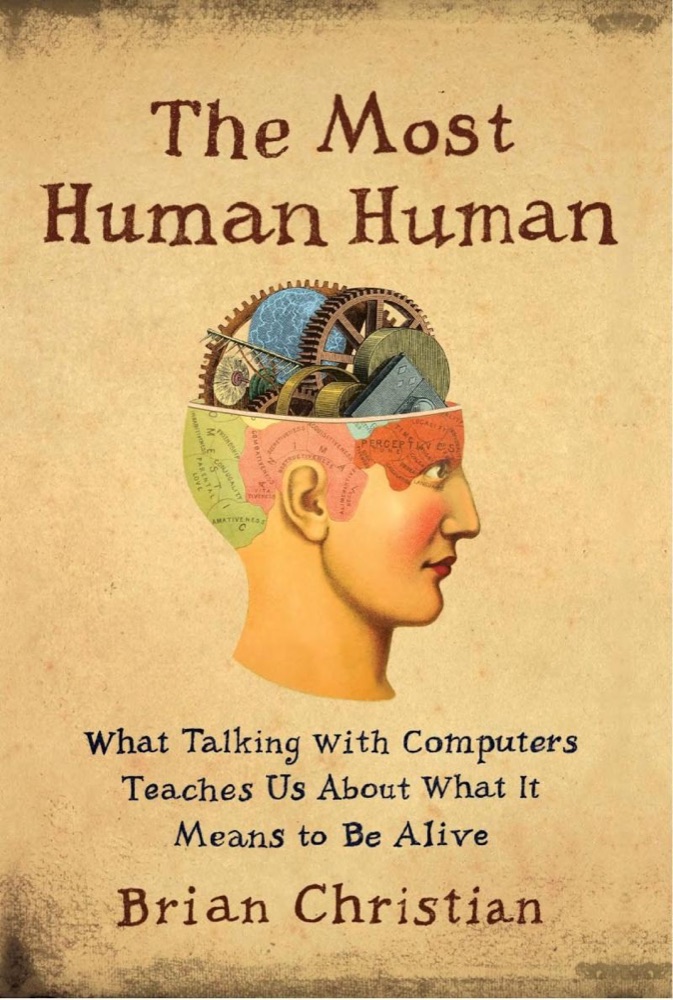 The Most Human Human: What Talking with Computers Teaches Us About What It Means to Be Alive