
 Sashenka
Quotes from the Book
So much of the inexplicable about the Soviet experience—the hatred of the peasantry for example, the secrecy and paranoia, the murderous witch hunt of the Great Terror, the placing of the Party above family and life itself, the suspicion of the USSR’s own espionage that led to the success of Hitler’s 1941 surprise attack—was the result of the underground life, the konspiratsia of the Okhrana and the revolutionaries, and also the Caucasian values and style of Stalin. And not just of Stalin.
7
It seems that Russia today—dominated by, and accustomed to, autocracy and empire, and lacking strong civic institutions especially after the shattering of its society by the Bolshevik Terror—is destined to be ruled by self-promoting cliques for some time yet.
6
The formation of Stalin’s character is particularly important because the nature of his rule was so personal.
5
The murky world of terrorism is more relevant than ever today: terrorist organizations, whether Bolshevik at the beginning of the twentieth century or Jihadi at the start of the twenty-first, have much in common.
3
When Sagirashvili accused him of propagating anti-Menshevik lies in his Pravda, ‘he would grin in a seemingly good-natured way’ and explain, in a pre-Orwellian dictum, that a ‘lie always has a stronger effect than the truth. The main thing is to
2
Lenin and Stalin created the idiosyncratic Soviet system in the image of their ruthless little circle of conspirators before the Revolution. Indeed much of the tragedy of Leninism-Stalinism is comprehensible only if one realizes that the Bolsheviks continued to behave in the same clandestine style whether they formed the government of the world’s greatest empire in the Kremlin or an obscure little cabal in the backroom of a Tiflis tavern.
2
Stalin was always exceptional, even from childhood. We have relied on Trotsky’s unrecognizably prejudiced portrait for too long. The truth was different. Trotsky’s view tells us more about his own vanity, snobbery and lack of political skills than about the early Stalin.
2
The Okhrana may have failed to prevent the Russian Revolution, but they were so successful in poisoning revolutionary minds that, thirty years after the fall of the Tsars, the Bolsheviks were still killing each other in a witch hunt for non-existent traitors.
1
In a colossal bureaucracy run like a nepotistic village, Stalin showed himself a master of personal politics.180 He was the patron of these brutal tendencies but also their personification: he was right when he blasphemously declared in 1929 that ‘the Party has made me in its own image’. He and the Party had
1
He asked, ‘How can you make a revolution without firing-squads?
1
The Cheka, precursor of the OGPU, NKVD, KGB and today’s FSB, had absolute supralegal power over life and death. ‘In that case why should we bother with a People’s
1
Stalin was formed by much more than a miserable childhood, just as the USSR was formed by much more than Marxist ideology.
1
Once in power, Stalin’s campaign to succeed Lenin required a legitimate heroic career which he did not possess because of his experience in what he called 'the dirty business' of politics: this could not be told, either because it was too gangsterish for a great, paternalistic statesman or because it was too Georgian for a Russian leader. His solution was a clumsy but all-embracing cult of personality that invented, distorted and concealed the truth. Ironically this self-promotion was so grotesque that it fanned sparks, sometimes innocent ones, which flared up into colossal anti-Stalin conspiracy-theories. It was easy for his political opponents, and later for us historians, to believe that it was all invented and that he had done nothing much at all—particularly since few historians had researched in the Caucasus where so much of his early career took place. An anti-cult, as erroneous as the cult itself, grew up around these conspiracy-theories.
1
Watch on YouTube
About Simon Sebag Montefiore
We have collected 30 quotes from 3 books by Simon Sebag Montefiore on BookQuoters.
More about the author →More by Simon Sebag Montefiore
Sashenka
 Stalin: The Court of the Red Tsar
About the book
Based on ten years' astonishing new research, here is the thrilling story of how a charismatic, dangerous boy became a student priest, romantic poet, gangster mastermind, prolific lover, murderous revolutionary, and the merciless politician who shaped the Soviet Empire in his own brutal image: How Stalin became Stalin.
Book details
- First published
- 2007
- Author
- Simon Sebag Montefiore
- Genre
- History
- Goodreads rating
- 3.98 (8k ratings)
Keep reading
Stalin: The Court of the Red Tsar
 History of the Russian Revolution
 Koba the Dread: Laughter and the Twenty Million
 Modern Times: The World from the Twenties to the Nineties
 The Origins of Totalitarianism
 Revolutionary Russia, 1891 - 1991: A History
 Bloodlands: Europe Between Hitler and Stalin
 Left-Wing Communism, an Infantile Disorder: A Popular Essay in Marxian Strategy and Tactics
 Ten Days that Shook the World
 Everything Flows
 Symphony for the City of the Dead: Dmitri Shostakovich and the Siege of Leningrad
 Moscow Rules
 The Revolution Betrayed
 Blackshirts and Reds: Rational Fascism and the Overthrow of Communism
 Postwar: A History of Europe Since 1945
 The Rise and Fall of the Third Reich: A History of Nazi Germany
 The Gulag Archipelago 1918-1956
 The Man Without a Face: The Unlikely Rise of Vladimir Putin
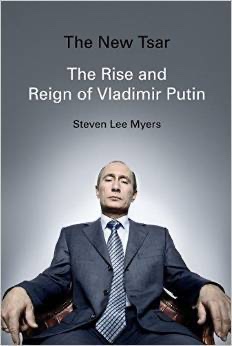 The New Tsar: The Rise and Reign of Vladimir Putin
 Fascism: A Warning
 Defying Hitler
 Imperium
 A Russian Journal
 A Short History of Russia: Tracing Russia's Path Through History, from Its Wars and Conquests, Royal Dynasties, Revolutions into the Modern Era Under Putin―a Concise Exploration of a Complex Nation
 The Old Regime and the French Revolution
 Patriot: A Memoir
 What Is to Be Done?
 Closing the Ring
 Conspirators' Hierarchy: The Story of the Committee of 300
 Witness
 On Tyranny: Twenty Lessons from the Twentieth Century
 Border: A Journey to the Edge of Europe
 Stalingrad: The Fateful Siege, 1942–1943
 They Thought They Were Free: The Germans 1933-45
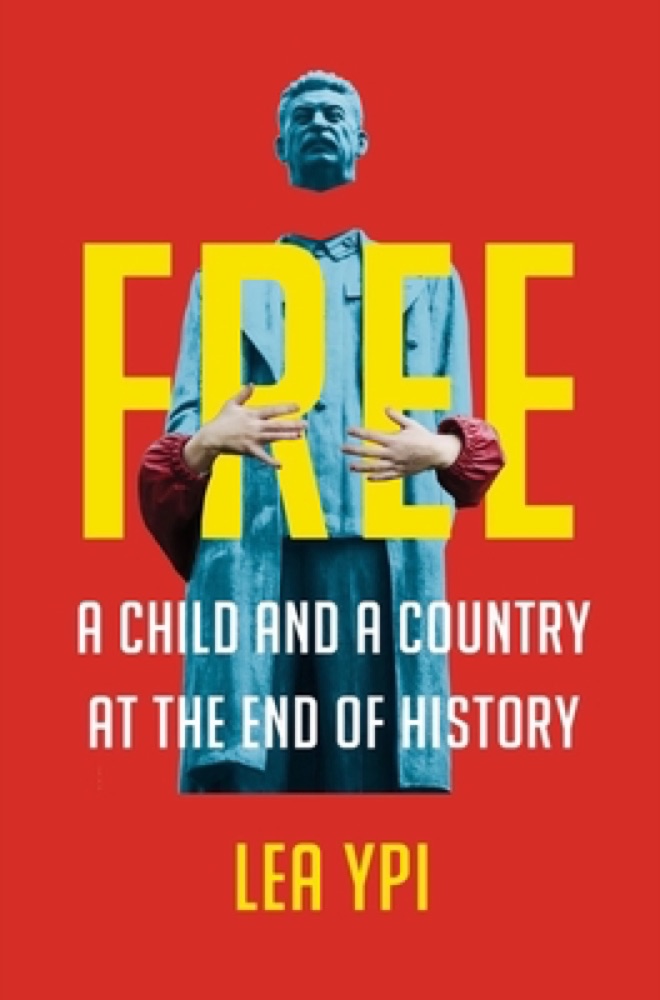 Free: A Child and a Country at the End of History
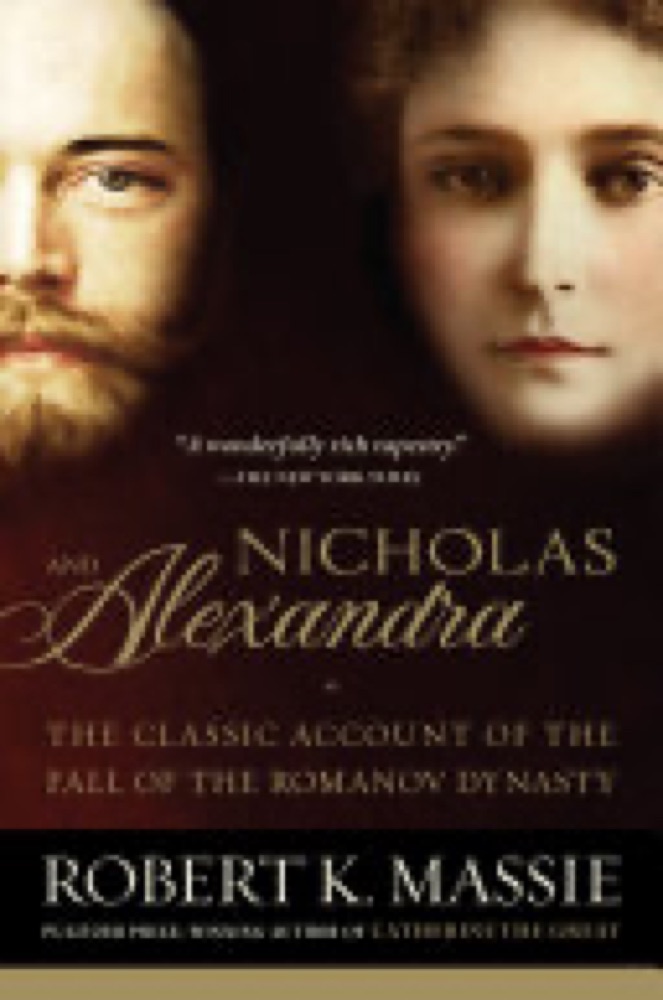 Nicholas and Alexandra
 Darkness at Noon
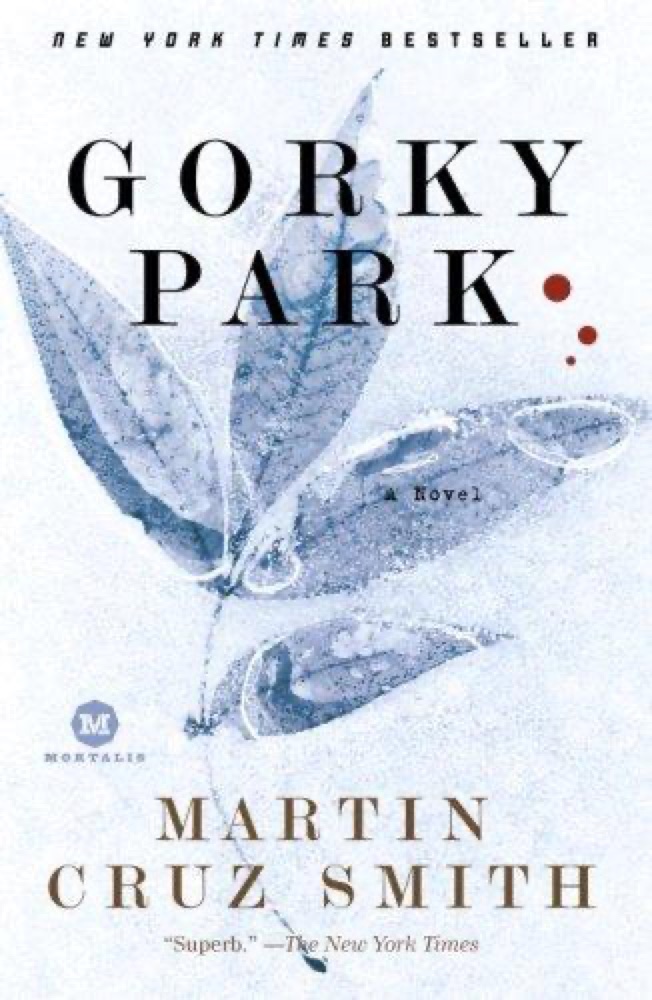 Gorky Park
 Dead Fall
 The Secret Agent
 Dark Continent: Europe's Twentieth Century
 Secondhand Time: The Last of the Soviets
 The Winds of War
 The Third Reich at War
 Liberal Fascism: The Secret History of the American Left from Mussolini to the Politics of Meaning
 The Mask of Dimitrios
 Brave New World Revisited
 A Writer at War: Vasily Grossman with the Red Army
 What's Left?
 Europe: A History
 The Untold History of The United States
 Dominion
 On Revolution
 The Twelve Chairs
 The Proud Tower: A Portrait of the World Before the War, 1890-1914
 First Person
 This Is Not Propaganda: Adventures in the War Against Reality
 Twilight of Democracy: The Seductive Lure of Authoritarianism
 Notes on Nationalism
 Chomsky On Anarchism