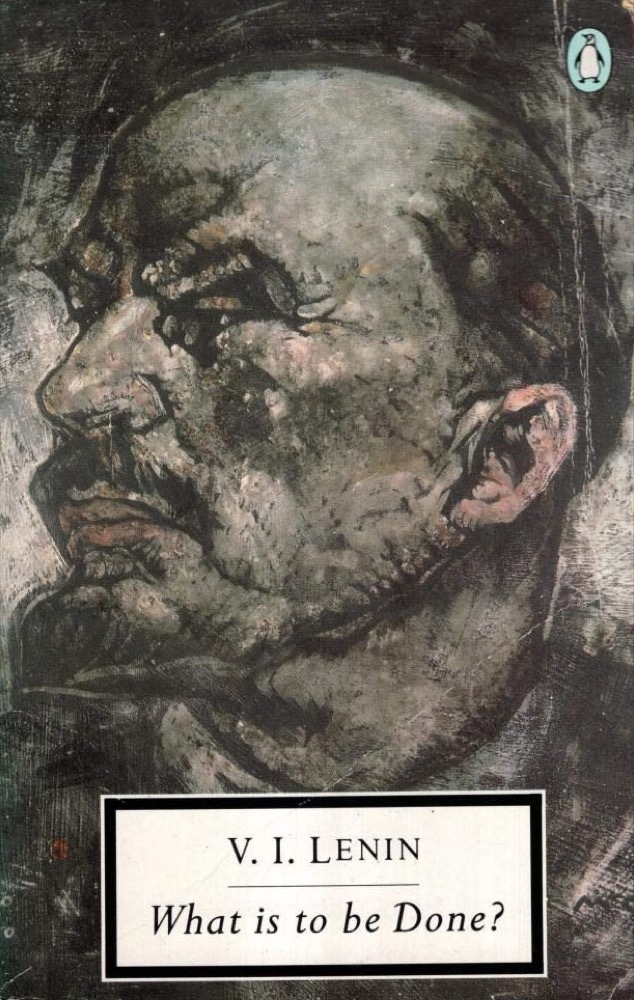
 What Is to Be Done?
Quotes from the Book
To change the world, to overthrow the rule of the bourgeoisie and to bring the proletariat to power, is not the hardest task. The hardest task is to change the habits of millions and millions of people trained in capitalism.
1
The fundamental law of revolution, which has been confirmed by all revolutions, and particularly by all three Russian revolutions in the twentieth century, is as follows: it is not enough for revolution that the exploited and oppressed masses should understand the impossibility of living in the old way and demand changes; what is required for revolution is that the exploiters should not be able to live and rule in the old way. Only when the "lower classes" do not want the old way, and when the "upper classes" cannot carry on in the old way – only then can revolution triumph. This truth may be expressed in other words: revolution is impossible without a nationwide crisis (affecting both the exploited and the exploiters). It follows that revolution requires, first, that a majority of the workers (or at least a majority of the class-conscious, thinking and politically active workers) should fully understand that revolution is necessary and be ready to sacrifice their lives for it; second, that the ruling classes should be passing through a governmental crisis which draws even the most backward masses into politics (a symptom of every real revolution is a rapid tenfold and even hundredfold increase in the number of representatives of the toiling and oppressed masses - hitherto apathetic – who are capable of waging the political struggle), weakens the government and make it possible for the revolutionaries to overthrow it rapidly.
1
Life will assert itself. Let the bourgeoisie rave, work itself into a frenzy, go to extremes, commit follies, take vengeance on the Bolsheviks in advance, and endeavour to kill off (as in India, Hungary, Germany, etc.) more hundreds, thousands, and hundreds of thousands of yesterday’s and tomorrow’s Bolsheviks. In acting thus, the bourgeoisie is acting as all historically doomed classes have done. Communists should know that, in any case, the future belongs to them; therefore, we can (and must) combine the most intense passion in the great revolutionary struggle, with the coolest and most sober appraisal of the frenzied ravings of the bourgeoisie.
Only one thing more is needed to lead us surely and firmly to victory, namely, the consciousness everywhere that all Communists, in all countries, must display a maximum flexibility in their tactics.
The author, however, evidently does not take into consideration the fact that politics is a science and an art which does not drop from the skies, and which cannot be obtained for nothing: and that the proletariat, if it wishes to overcome the bourgeoisie, must create for itself its own, proletarian, "class politicians," as capable as bourgeois polo opticians.
and those politicians of the revolutionary class who are unable to "manoeuvre, temporize, compromise," in order to evade an obviously unprofitable battle, are good for nothing. CHAPTER IX.
We Communists will use all means to facilitate and prepare such a union; at the same time, we are not at all bound to repudiate the Versailles Treaty—or, what is more, to repudiate it immediately.
Experience has shown that, on some very essential points in the proletarian revolution, all countries will inevitably have to repeat Russia's experience.
The Bolsheviks only attained this by mercilessly exposing and throwing out the revolutionists of phrases, who did not wish to understand that it was necessary to retreat, that it was obligatory upon them to learn how to work legally in the most reactionary parliaments, in the most reactionary trade-unions, co-operatives, workmen's insurance and similar organizations.
Friends are better known in misfortune.
Victory over the bourgeoisie is impossible without a long, persistent, desperate, life and death struggle: a struggle which requires/persistence, discipline, firmness, inflexibility and concerted willpower.
It is not he who makes no mistakes that is intelligent. There are no such men, nor can there be. It is he whose errors are not very grave and who is able to rectify them easily and quickly that is intelligent.
...it is not enough for revolution that the exploited and oppressed masses should understand the impossibility of living in the old way and demand changes; it is essential for revolution that the exploiters should not be able to live and rule in the old way. Only when the “lower classes” do not want the old way, and when the “upper classes” cannot carry on in the old way—only then can revolution triumph.
[If] we were to make “recognition of the dictatorship [of the proletariat]” a condition of trade union membership, we should be committing a folly, we should be damaging our influence over the masses, we should be helping the Mensheviks. For the whole task of the Communists is to be able to convince the backward elements, to work among them, and not to fence themselves off from them…
To refuse to work in the reactionary trade unions means leaving the insufficiently developed or backward masses of workers under the influence of the reactionary leaders, the agents of the bourgeoisie, the labor aristocrats, or the “workers who have become completely bourgeois”.
Parliamentarism, of course, is “politically obsolete” for the Communists in Germany; but—and that is the whole point—we must not regard what is obsolete for us as being obsolete for the class, as being obsolete for the masses. Here again we find that the “Lefts” do not know how to reason, do not know how to act as the party of the class, as the party of the masses. You must not sink to the level of the masses, to the level of the backward strata of the class. That is incontestable. You must tell them the bitter truth. You must call their bourgeois democratic and parliamentary prejudices prejudices. But at the same time you must soberly follow the actual state of class consciousness and preparedness of the whole class (not only of its Communist vanguard), of all the toiling masses (not only of their advanced elements).
Watch on YouTube
About Vladimir Lenin
We have collected 50 quotes from 3 books by Vladimir Lenin on BookQuoters.
More about the author →More by Vladimir Lenin
What Is to Be Done?
 Imperialism: The Highest Stage of Capitalism
About the book
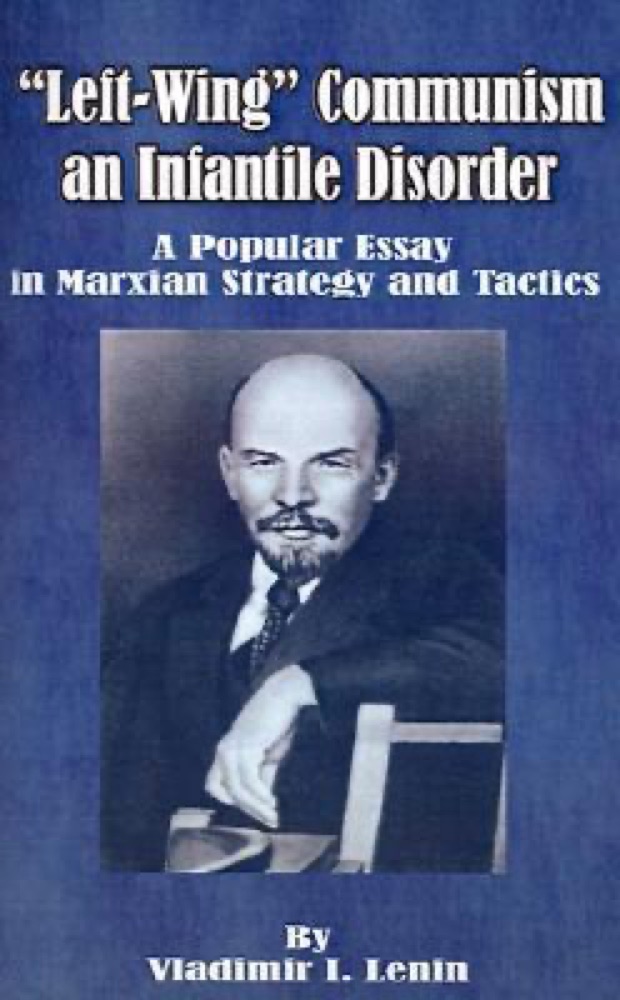
Originally published in 1940, "Left-Wing" Communism, An Infantile Disorder is a popular essay in Marxian strategy and tactics. About the Author Vladimir Ilich Lenin (1870-1924) was the founder of the Russian Communist Party (Bolsheviks), inspirer and leader of Bolshevik Revolution (1917), and the architect, builder, and first head (1917-24) of the Soviet State. He was the founder of the organization known as Comintern (Communist International) and the posthumous source of "Leninism," the doctrine codified and conjoined with Marx's works by Lenin's successors to form Marxism-Leninism, which became the Communist worldview. If the Bolshevik Revolution is - as some people have called it - the most significant political event of the 20th century, then Lenin must for good or ill be regarded as the century's most significant political leader. Not only in the scholarly circles of the former Sovi
Book details
- First published
- 1920
- Author
- Vladimir Lenin
- Genre
- Nonfiction
- Goodreads rating
- 4.20 (3k ratings)
Keep reading
 The Revolution Betrayed
 History of the Russian Revolution
What Is to Be Done?
History of the Russian Revolution
What Is to Be Done?
 Blackshirts and Reds: Rational Fascism and the Overthrow of Communism
 The Communist Manifesto
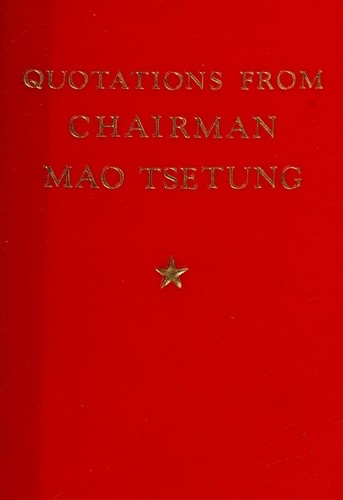 Quotations from Chairman Mao Tsetung
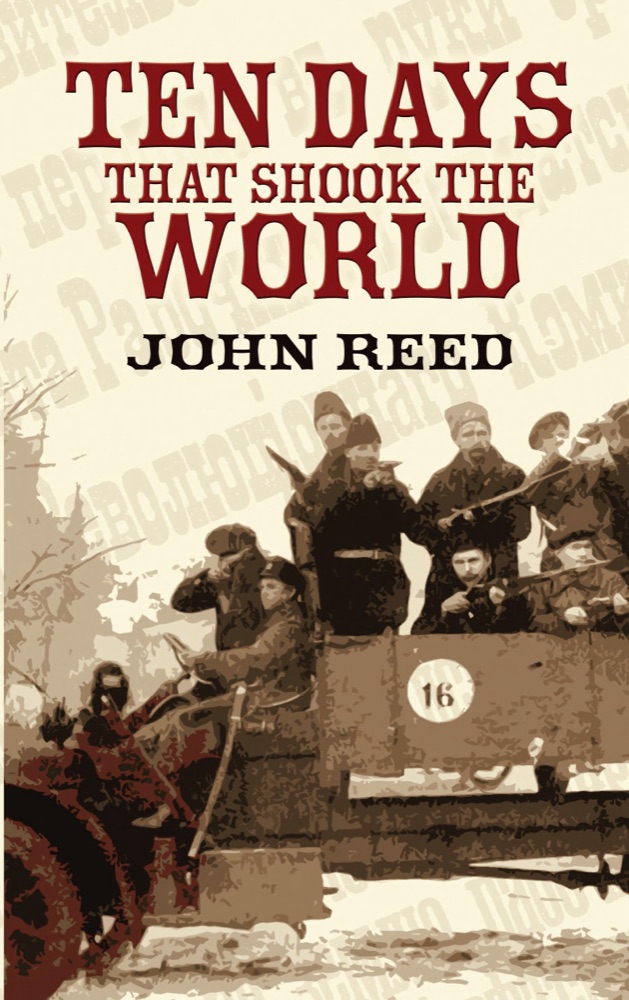 Ten Days that Shook the World
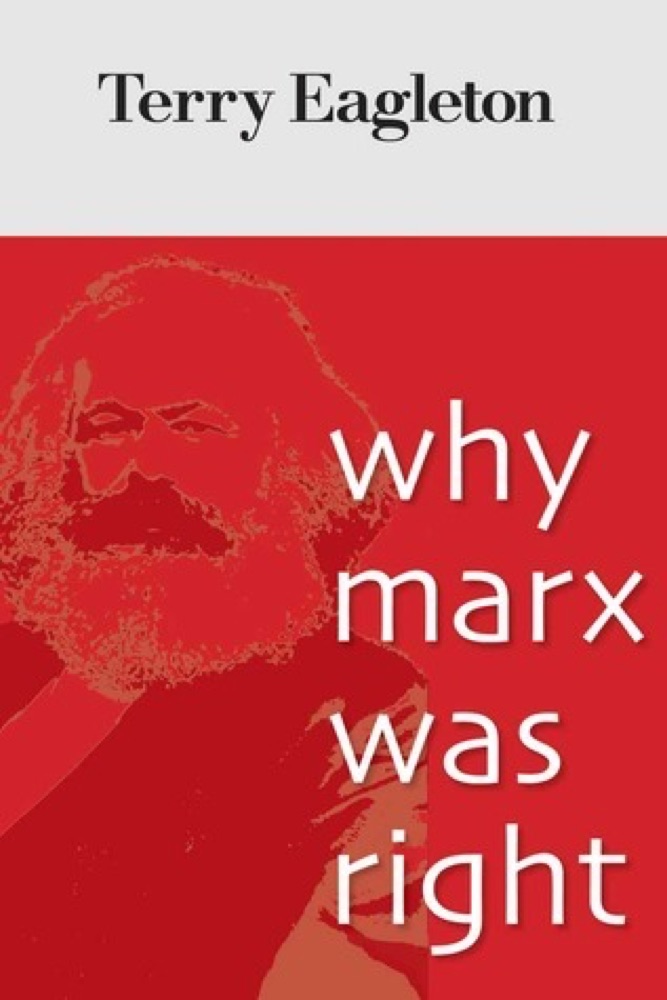 Why Marx Was Right
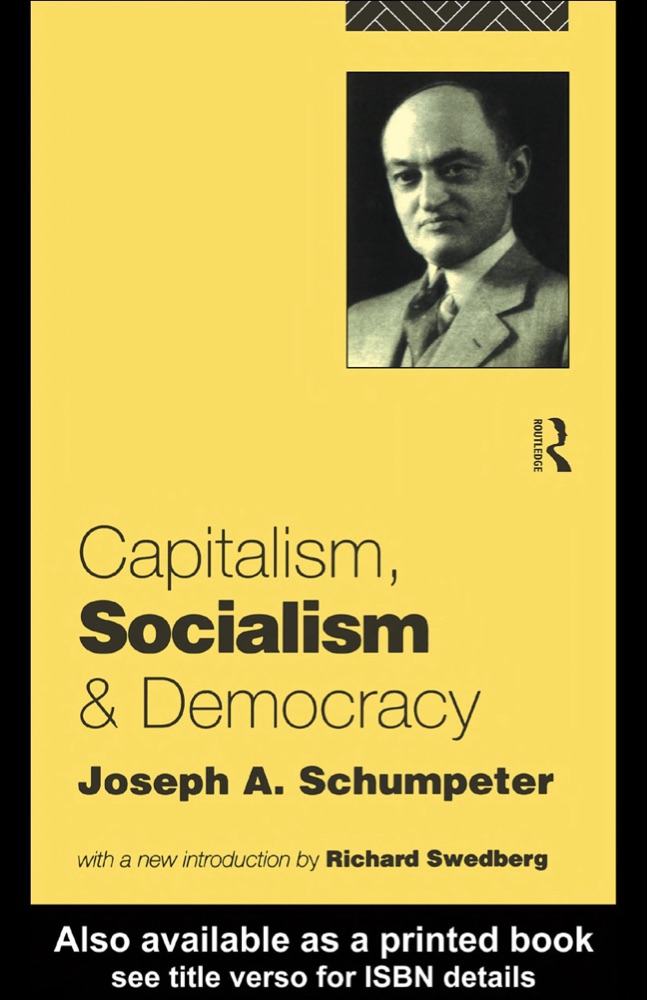 Capitalism, Socialism and Democracy
 Marx: A Very Short Introduction
 The Iron Heel
 The Eighteenth Brumaire of Louis Bonaparte
 Chomsky On Anarchism
 Modern Times: The World from the Twenties to the Nineties
 The Origins of Totalitarianism
 The Road to Serfdom
 Rules for Radicals: A Pragmatic Primer for Realistic Radicals
 Socialism: An Economic and Sociological Analysis
 The Right to Be Lazy
 The Old Regime and the French Revolution
 It Can't Happen Here
 The Machiavellians: Defenders of Freedom
 Liberalism: The Classical Tradition
 On Revolution
 Socialism: Utopian and Scientific
 The Wretched of the Earth
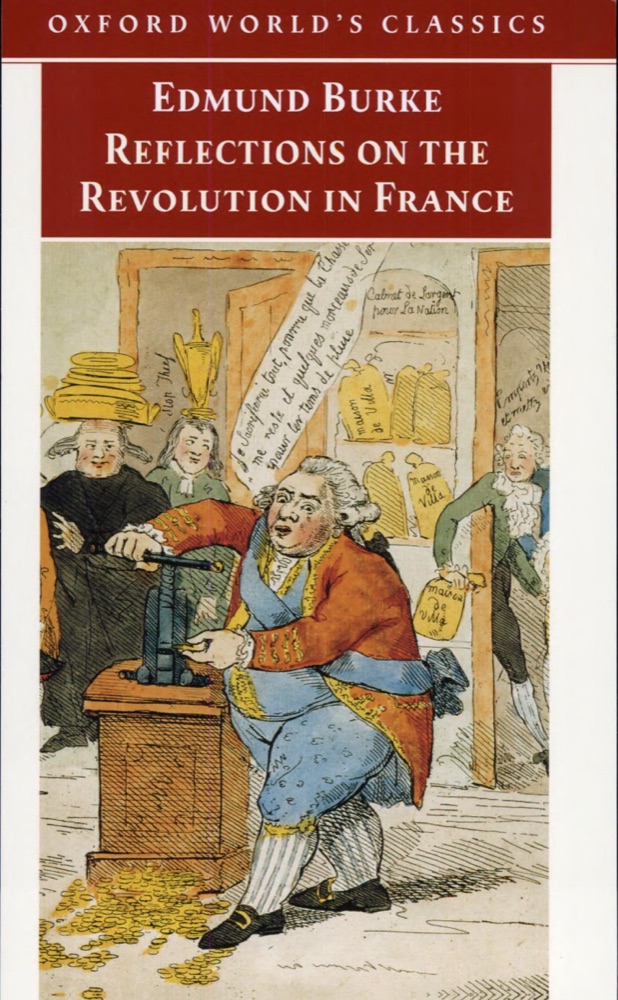 Reflections on the Revolution in France
 The Age of Revolution, 1789–1848
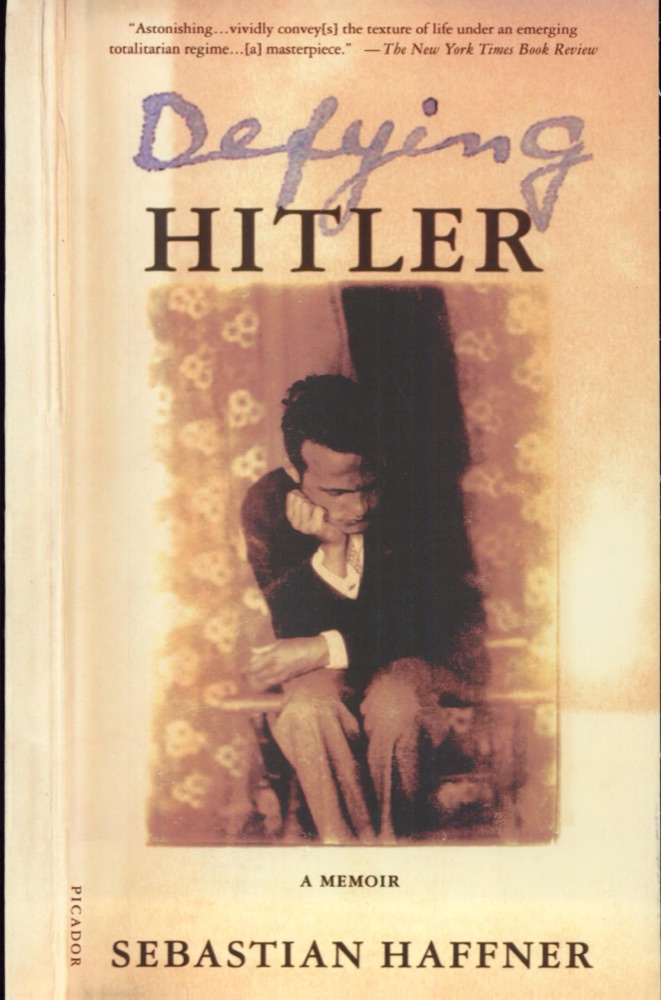 Defying Hitler
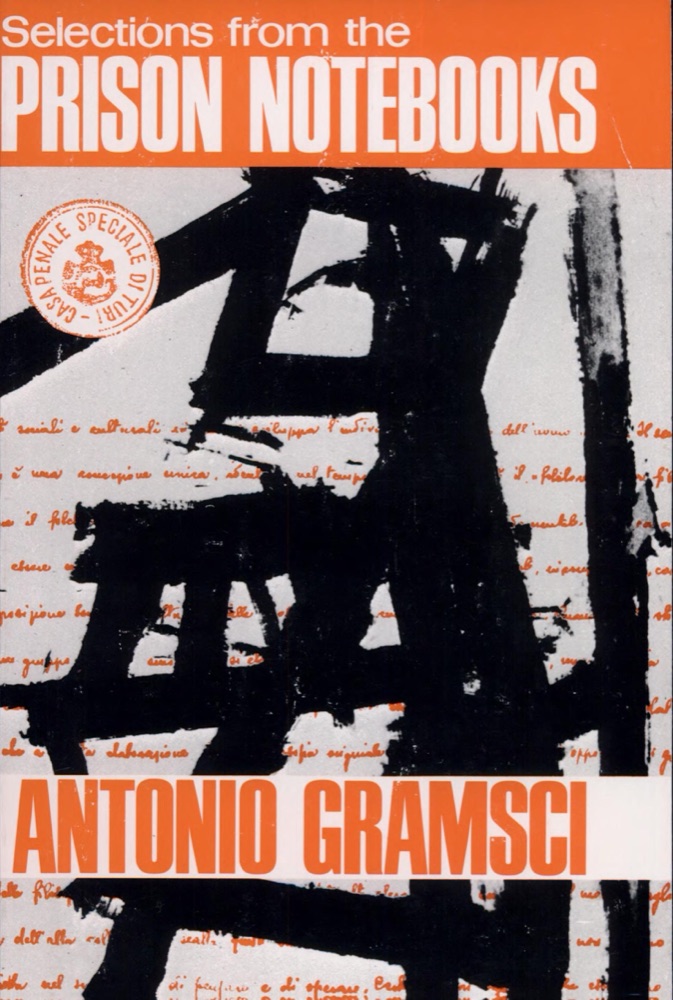 Selections from the Prison Notebooks
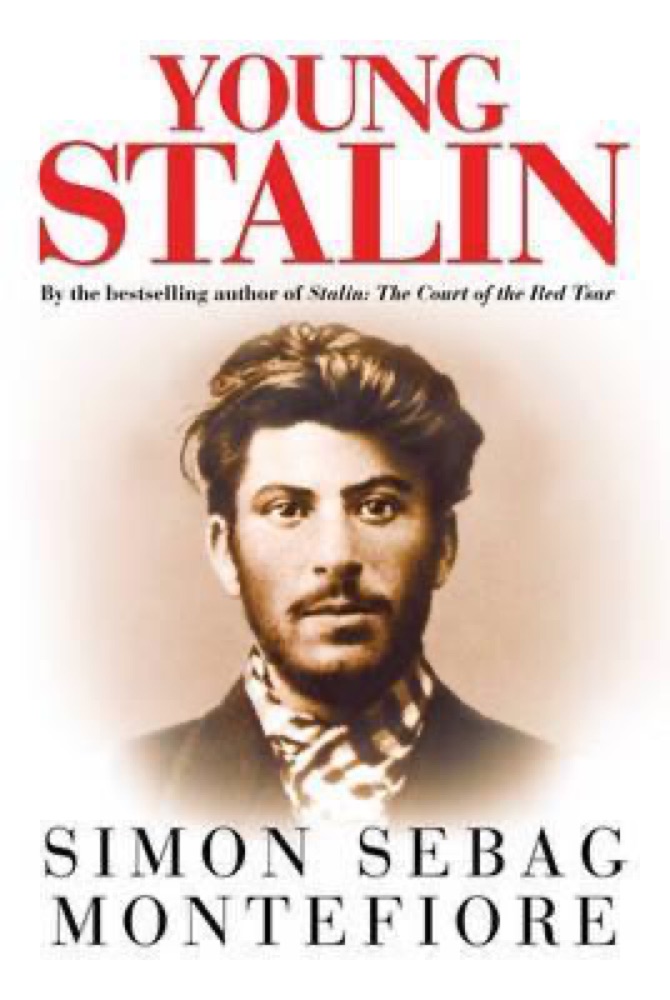 Young Stalin
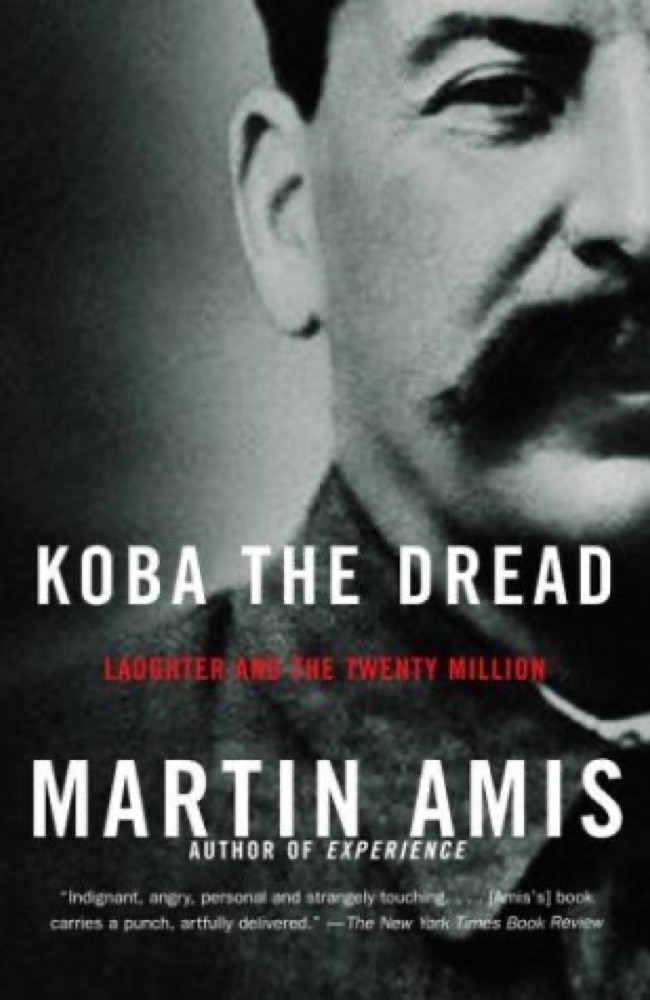 Koba the Dread: Laughter and the Twenty Million
 Closing the Ring
 First As Tragedy, Then As Farce
 The Black Jacobins: Toussaint L'Ouverture and the San Domingo Revolution
 Occupy
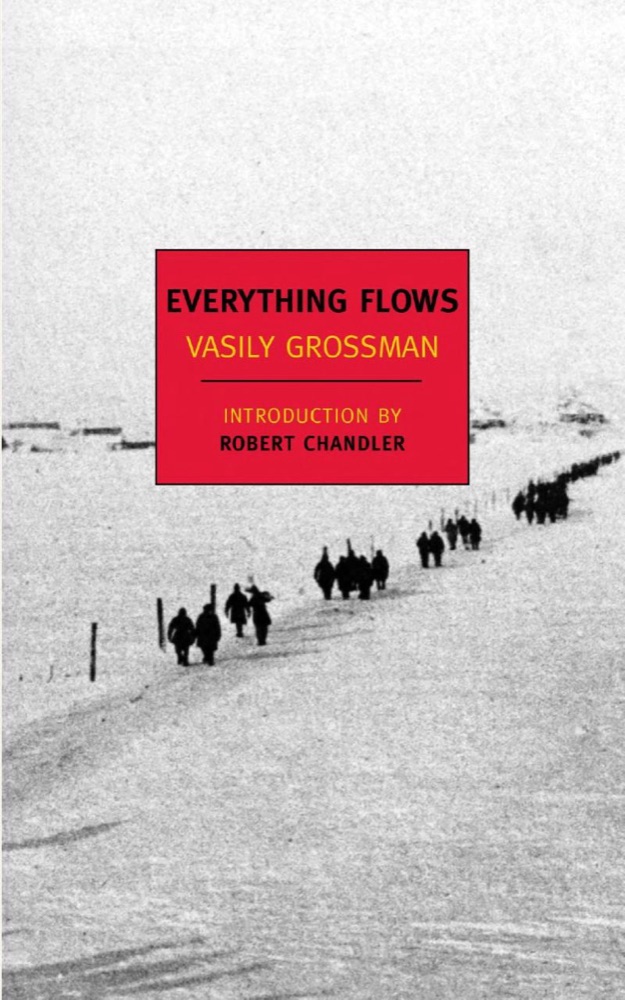 Everything Flows
 The Constitution of Liberty
 Pedagogy of the Oppressed
 Ill Fares the Land
 Brave New World Revisited
 The Coming Insurrection
 The Reactionary Mind: Conservatism from Edmund Burke to Sarah Palin
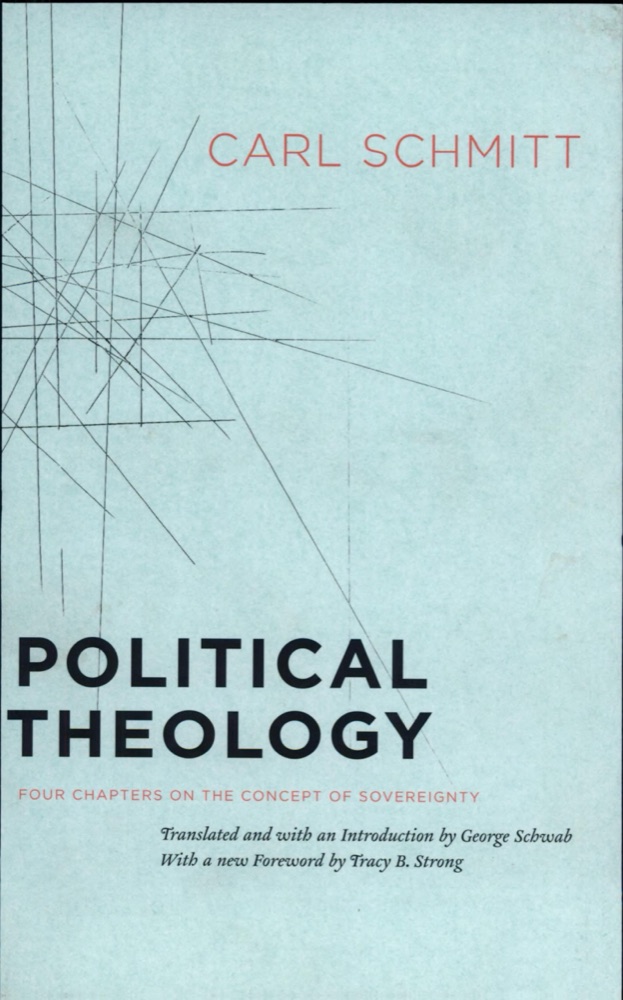 Political Theology: Four Chapters on the Concept of Sovereignty
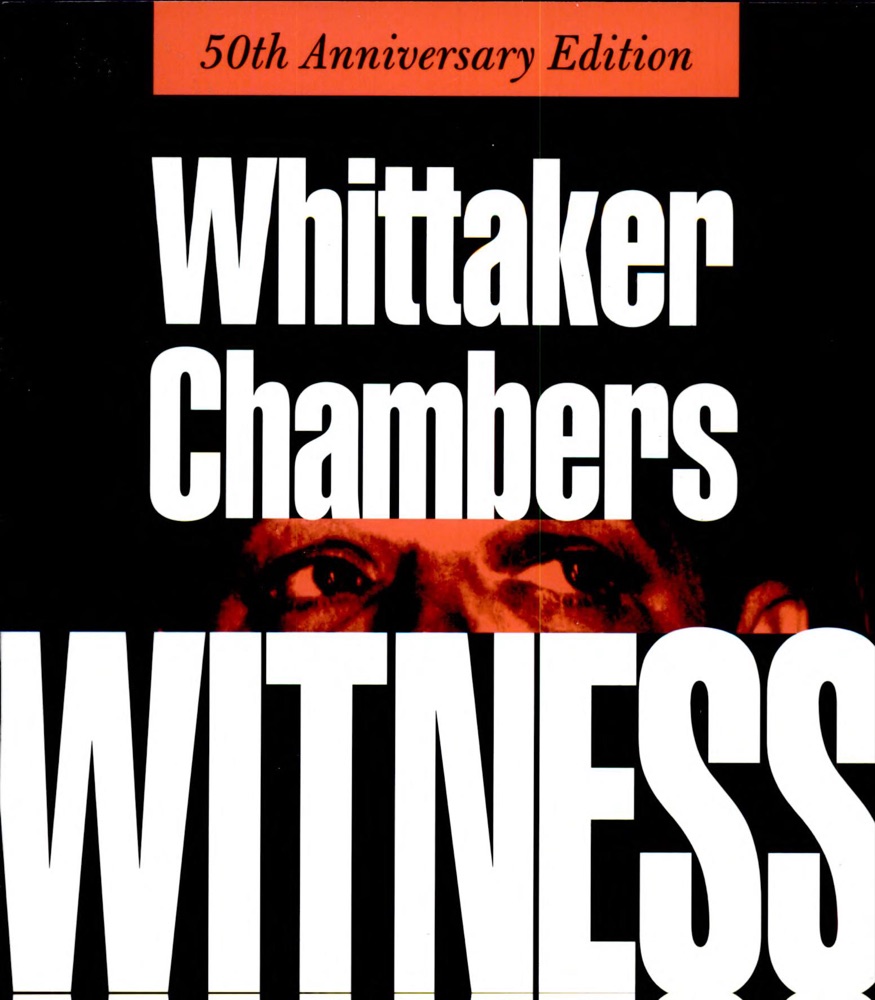 Witness
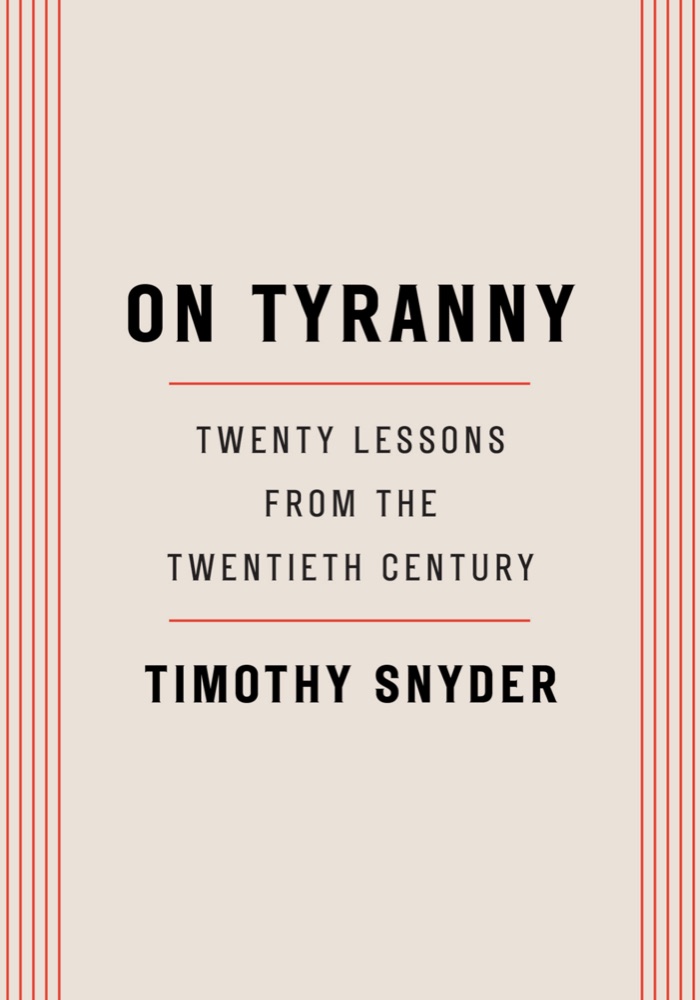 On Tyranny: Twenty Lessons from the Twentieth Century
 The Secret Agent
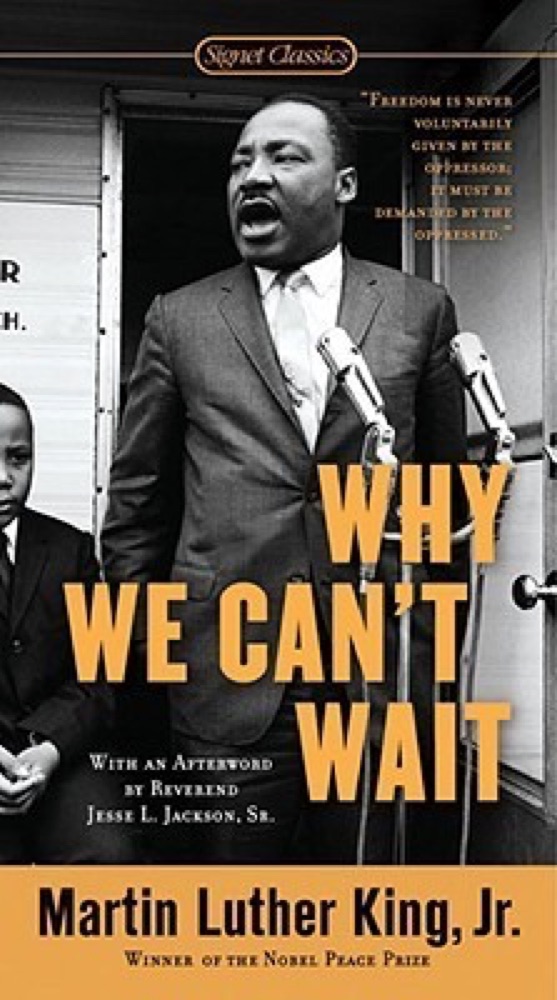 Why We Can't Wait
 What's Left?
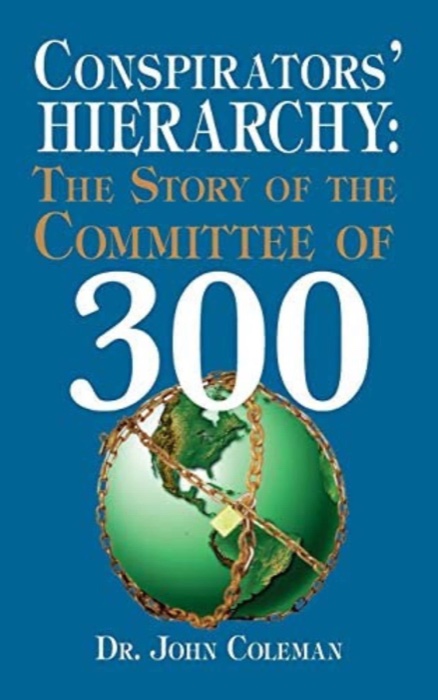 Conspirators' Hierarchy: The Story of the Committee of 300
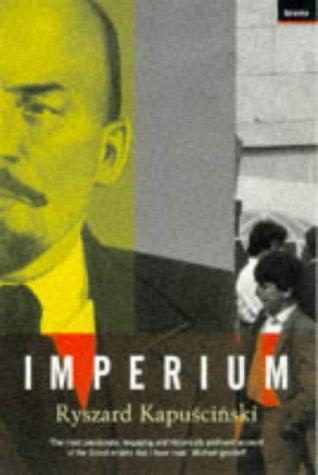 Imperium
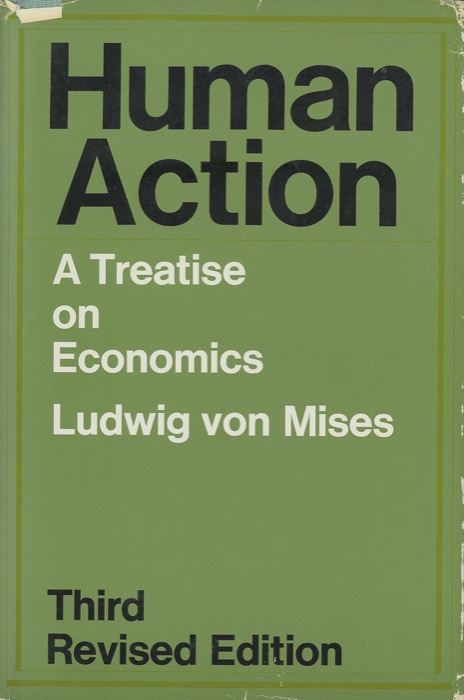 Human Action: A Treatise on Economics
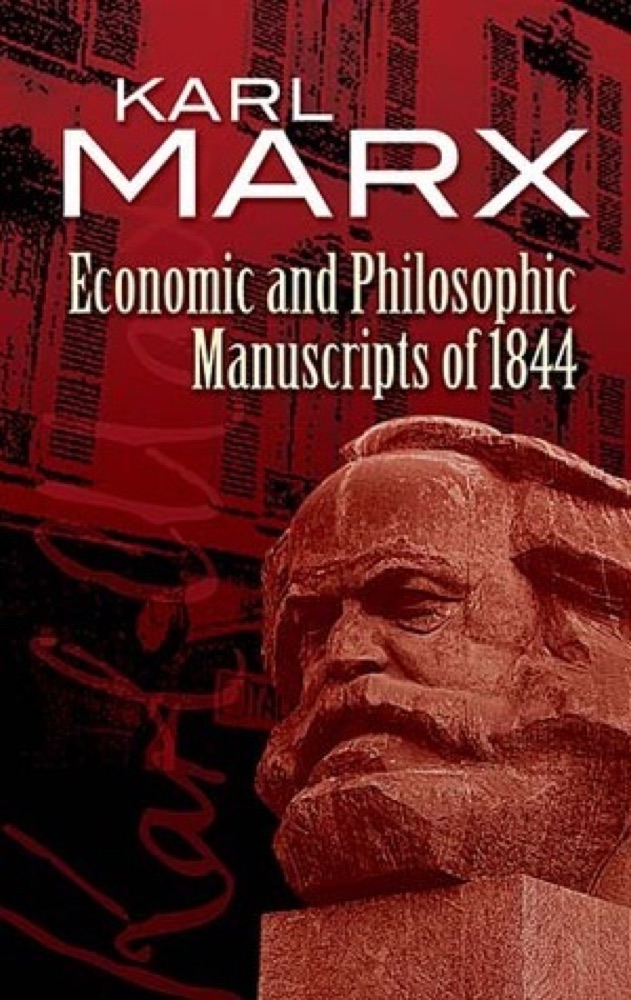 Economic & Philosophic Manuscripts of 1844
 Assata: An Autobiography
 Patriot: A Memoir
 My Life: A Spoken Autobiography
 Where Do We Go from Here: Chaos or Community?
 Capitalism: The Unknown Ideal
 Stalin: The Court of the Red Tsar
 Power Systems: Conversations on Global Democratic Uprisings and the New Challenges to U.S. Empire