
 Conspirators' Hierarchy: The Story of the Committee of 300
Quotes from the Book
Turns out we can make a lot of progress in quantifying the fighting spirit. More recently, my colleagues within the field of cultural evolution have been probing the psychology of readiness for extreme sacrifice, using such concepts as “devoted actors,” “sacred values,” and “identity fusion.
1
What are the features of conspiracy theories that distinguish them from scientific theories? One, the conspiratorial theory is often vague about the motives of the behind-the-scenes leaders or assigns them implausible motivations. Two, it assumes that they are extremely clever and knowledgeable. Three, it places power in the hands of one strong leader or a tiny cabal. And, finally, it assumes that illegal plans can be kept secret for indefinitely long periods of time. A scientific theory, like the class-domination one, is very different.
1
The two most important social forces that gave us the Trump presidency—and pushed America to the brink of state breakdown—are elite overproduction and popular immiseration.
Other indicators focus on what happened to the elites. In nearly two-thirds of the cases, the crisis resulted in massive downward mobility from the ranks of the elites to the ranks of the commoners. In one-sixth of the cases, elite groups were targeted for extermination. The probability of ruler assassination was 40 percent. Bad news for the elites. Even more bad news for everybody was that 75 percent of crises ended in revolutions or civil wars (or both), and in one-fifth of cases, recurrent civil wars dragged on for a century or longer. Sixty percent of exits led to the death of the state
Group minds are a result of collective discussion and working out of a consensus, which can be listened to (unlike an unreadable mind). Arriving at a common program of action often leaves physical traces, such as meeting minutes and programmatic documents. Of course, some groups are quite secretive about their inner decision-making processes. Here’s where whistleblowers like Julian Assange and Edward Snowden become essential for a sociologist of power.
Our analysis points to four structural drivers of instability: popular immiseration leading to mass mobilization potential; elite overproduction resulting in intraelite conflict; failing fiscal health and weakened legitimacy of the state; and geopolitical factors. The most important driver is intraelite competition and conflict, which is a reliable predictor of the looming crisis.
It is difficult for us to grasp that many consequential events happen not because they have been engineered by shadowy plotters but because they were driven by impersonal social forces.
The victory of the North in the war resulted in the overthrow of the antebellum ruling class and its replacement by the new economic elite that has dominated the American state since then.
as slavery provided the economic basis for Southern dominance, a political attack on the slaveholders could be strengthened by an ideological attack on slavery.
History textbooks tell us that the American Civil War was fought over slavery, but this is not the whole story. A better way to characterize this conflict is to say that it was fought over “slavocracy.
Watch on YouTube
About Peter Turchin
We have collected 10 quotes from 1 book by Peter Turchin on BookQuoters.
More about the author →About the book
“Peter Turchin brings science to history. Some like it and some prefer their history plain. But everyone needs to pay attention to the well-informed, convincing and terrifying analysis in this book.” —Angus Deaton, winner of the Nobel Prize in Economics
From the pioneering co-founder of cliodynamics, the groundbreaking new interdisciplinary science of history, a big-picture explanation for America's civil strife and its possible endgames
Peter Turchin, one of the most interesting social scientists of our age, has infused the study of history with approaches and insights from other fields for more than a quarter century. End Times is the culmination of his work to understand what causes political communities to cohere and what causes them to fall apart, as applied to the current turmoil within the United States.
Back in 2010, when Nature magazine asked leading scientists to provide a
Book details
- First published
- 2023
- Author
- Peter Turchin
- Genre
- History
- Goodreads rating
- 4.06 (3k ratings)
The buzz
- The New York TimesReview in The New York Timesprofessional review (via Book Marks)
- The GuardianReview in The Guardianprofessional review (via Book Marks)
- The TimesReview in The Timesprofessional review (via Book Marks)
- Kirkus ReviewsReview in Kirkus Reviewsprofessional review (via Book Marks)
- Publishers WeeklyReview in Publishers Weeklyprofessional review (via Book Marks)
Keep reading
Conspirators' Hierarchy: The Story of the Committee of 300
 Elite Capture: How the Powerful Took Over Identity Politics
 Political Order and Political Decay: From the Industrial Revolution to the Globalization of Democracy
 Twilight of Democracy: The Seductive Lure of Authoritarianism
 Capital and Ideology
 The Shock Doctrine: The Rise of Disaster Capitalism
 The Evolution of Everything: How New Ideas Emerge
 Twilight of the Elites: America After Meritocracy
 Power Systems: Conversations on Global Democratic Uprisings and the New Challenges to U.S. Empire
 America: The Farewell Tour
 A People's History of the United States
 Upheaval: Turning Points for Nations in Crisis
 The Lessons of History
 Wealth, Poverty and Politics: An International Perspective
 The System: Who Rigged It, How We Fix It
 Identity: The Demand for Dignity and the Politics of Resentment
 Collapse: How Societies Choose to Fail or Succeed
 Principles for Dealing with the Changing World Order: Why Nations Succeed and Fail
 Occupy
 The Origins of Totalitarianism
 World Order
 Blackshirts and Reds: Rational Fascism and the Overthrow of Communism
 A Colony in a Nation
 Capitalism, Socialism and Democracy
 On Tyranny: Twenty Lessons from the Twentieth Century
 First As Tragedy, Then As Farce
 The Next 100 Years: A Forecast for the 21st Century
 Dead Fall
 The Old Regime and the French Revolution
 What's Our Problem?: A Self-Help Book for Societies
 Death of the Liberal Class
 The Age of Revolution, 1789–1848
 The End of the Myth: From the Frontier to the Border Wall in the Mind of America
 History of the Russian Revolution
 Why Nations Fail: The Origins of Power, Prosperity, and Poverty
 The Reactionary Mind: Conservatism from Edmund Burke to Sarah Palin
 The End of History and the Last Man
 Flashpoints: The Emerging Crisis in Europe
 The Next Decade: Where We've Been . . . and Where We're Going
 Imperial Ambitions: Conversations on the Post-9/11 World
 Black Reconstruction in America 1860-1880
 Guns, Germs, and Steel: The Fates of Human Societies
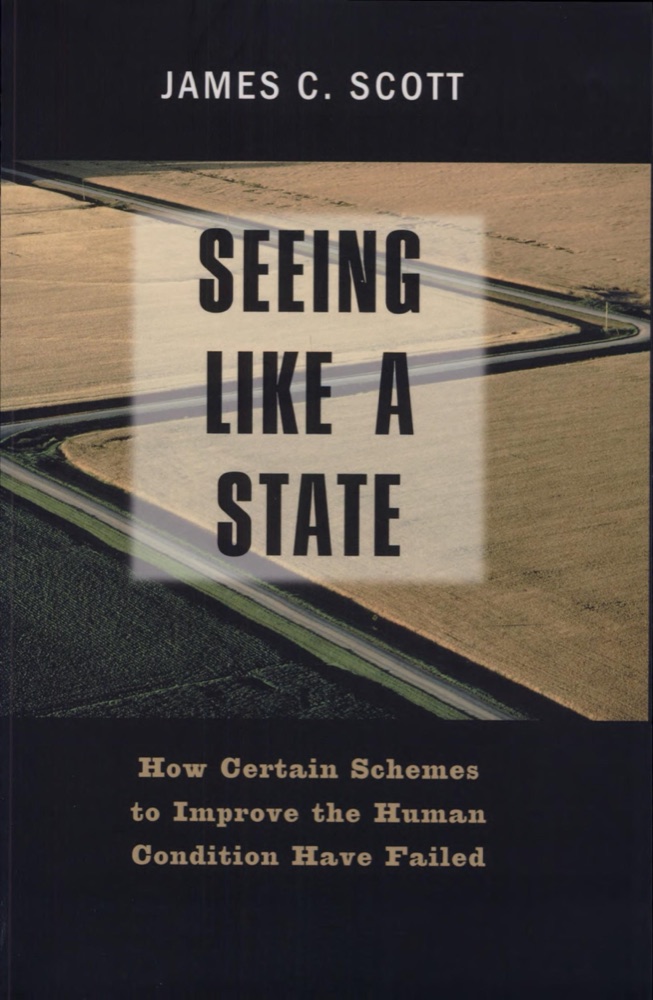 Seeing Like a State: How Certain Schemes to Improve the Human Condition Have Failed
 Behold a Pale Horse
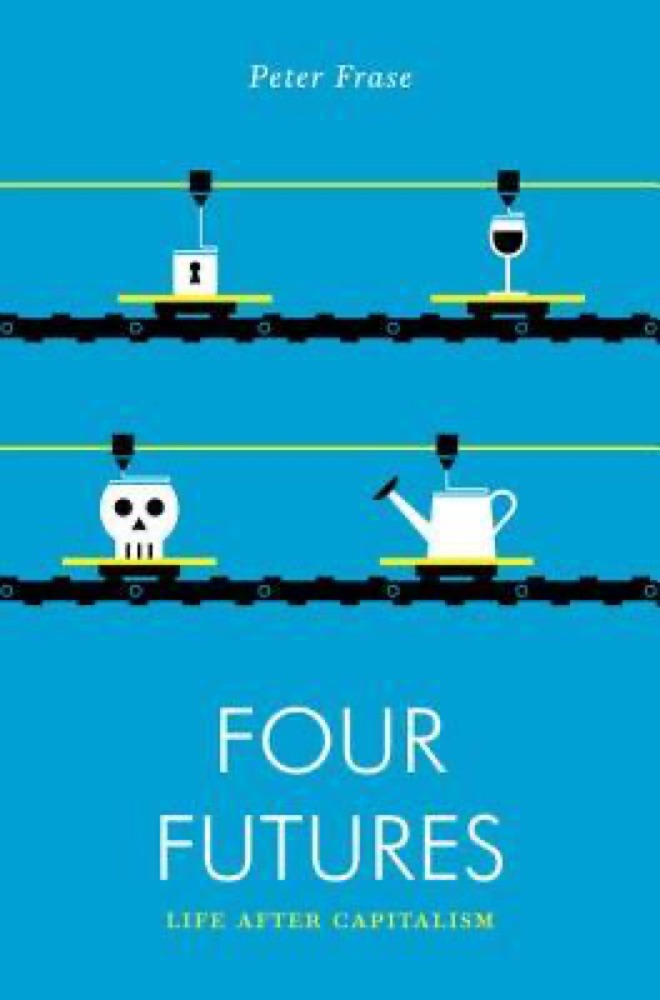 Four Futures: Life After Capitalism
 Ill Fares the Land
 The Machiavellians: Defenders of Freedom
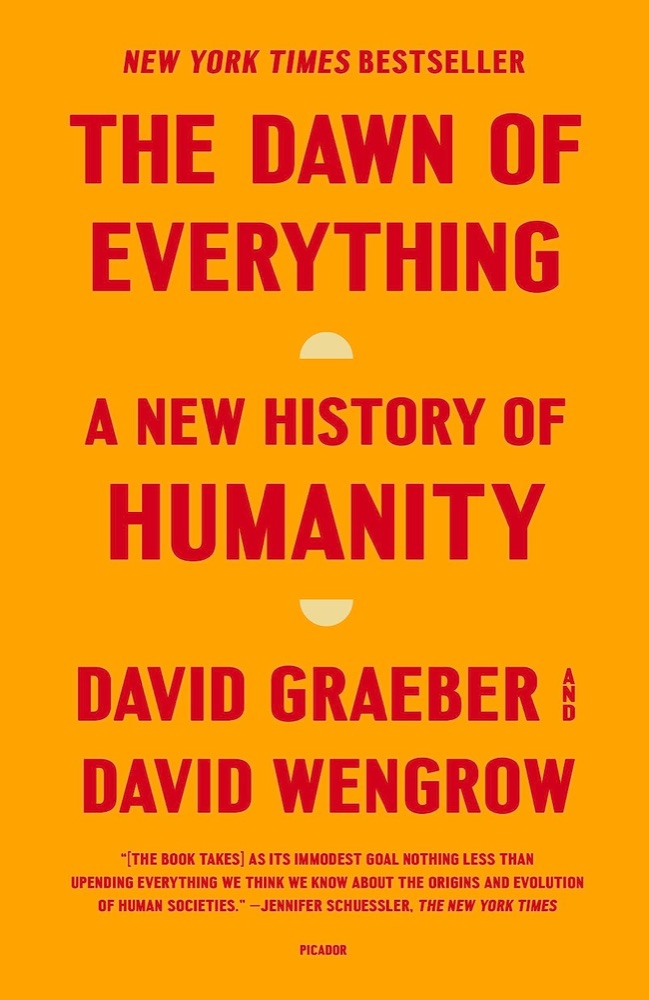 The Dawn of Everything: A New History of Humanity
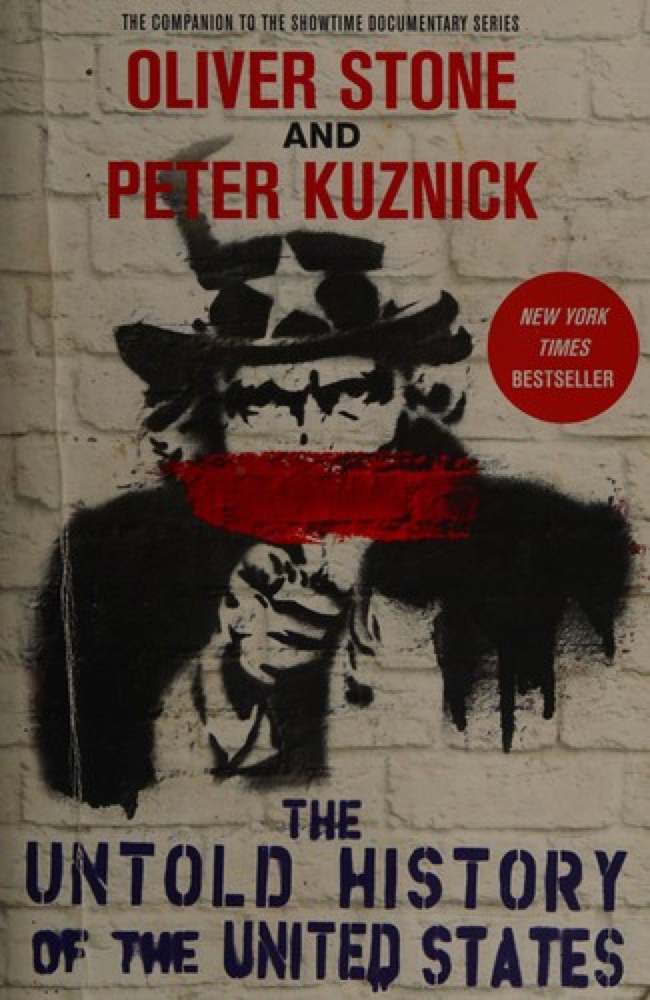 The Untold History of The United States
 Why Marx Was Right
 Myth America: Historians Take On the Biggest Legends and Lies About Our Past
 Political Theology: Four Chapters on the Concept of Sovereignty
 You Can't Be Neutral on a Moving Train: A Personal History of Our Times
 A Short History of Progress
 The Great Transformation: The Political and Economic Origins of Our Time
 Power and Progress: Our Thousand-Year Struggle Over Technology and Prosperity
 Black Rednecks and White Liberals
 Civilization: The West and the Rest
 How Fascism Works: The Politics of Us and Them
 Where Do We Go from Here: Chaos or Community?