 I, Robot
Quotes from the Book
Never let your sense of morals prevent you from doing what is right.
Violence is the last refuge of the incompetent.
It pays to be obvious, especially if you have a reputation for subtlety.
If you're born in a cubicle and grow up in a corridor, and work in a cell, and vacation in a crowded sun-room, then coming up into the open with nothing but sky over you might just give you a nervous breakdown.
To succeed, planning alone is insufficient. One must improvise as well.
It was childish to feel disappointed, but childishness comes almost as naturally to a man as to a child.
Now any dogma, based primarily on faith and emotionalism, is a dangerous weapon to use on others, since it is almost impossible to guarantee that the weapon will never be turned on the user.
I wanted to be a psychological engineer, but we lacked the facilities, so I did the next best thing - I went into politics. It's practically the same thing.
Scientific truth is beyond loyalty and disloyalty.
The fall of Empire, gentlemen, is a massive thing, however, and not easily fought. It is dictated by a rising bureaucracy, a receding initiative, a freezing of caste, a damming of curiosity—a hundred other factors. It has been going on, as I have said, for centuries, and it is too majestic and massive a movement to stop.
Any fool can tell a crisis when it arrives. The real service to the state is to detect it in embryo.
It has been my philosophy of life that difficulties vanish when faced boldly,
A fire-eater must eat fire even if he has to kindle it himself.
Violence is the last refuge of the incompetent
The Three Theorems of Psychohistorical Quantitivity: The population under scrutiny is oblivious to the existence of the science of Psychohistory. The time periods dealt with are in the region of 3 generations. The population must be in the billions (±75 billions) for a statistical probability to have a psychohistorical validity.
The temptation was great to muster what force we could and put up a fight. It's the easiest way out, and the most satisfactory to self-respect--but, nearly invariably, the stupidest.
But you haven't tried. You haven't tried once. First you refused to admit that there was a menace at all! Then you reposed an absolutely blind faith in the Emperor! Now you've shifted it to Hari Seldon. Throughout you have invariably relied on authority or on the past—never on yourselves." His fists balled spasmodically. "It amounts to a diseased attitude—a conditioned reflex that shunts aside the independence of your minds whenever it is a question of opposing authority. There seems no doubt ever in your minds that the Emperor is more powerful than you are, or Hari Seldon Wiser. And that's wrong don't you see?" For some reason, no one cared to answer him. Hardin continued: "It isn't just you. It's the whole Galaxy. Pirenne heard Lord Dorwin's idea of scientific research. Lord Dorwin thought the way to be a good archaeologist was to read all the books on the subject—written by men who were dead for centuries. He thought that the way to solve archaeological puzzles was to weight the opposing authorities. And Pirenne listened and made no objections. Don't you see that there's something wrong with that?" Again the note of near-pleading in his voice. Again no answer. He went on: "And you men and half of Terminus as well are just as bad.. We sit here, considering the Encyclopedia the all-in-all. We consider the greatest end of science is the classification of past data. It is important, but is there no further work to be done? We're receding and forgetting, don't you see? Here in the Periphery they've lost nuclear power. In Gamma Andromeda, a power plant has undergone meltdown because of poor repairs, and the Chancellor of the Empire complains that nuclear technicians are scarce. And the solution? To train new ones? Never! Instead they're to restrict nuclear power." And for the third time: "Don't you see? It's galaxy-wide. It's a worship of the past. It's a deterioration—a stagnation!
Scientific method, hell! No wonder the Galaxy was going to pot.
You mean that this is a matter of patriotism and traders aren't patriotic?" "Notoriously not. Pioneers never are.
...Childishness comes almost as naturally to a man as to a child...
To succeed, planning alone is insufficient. One must improvise as well.’ I’ll improvise.
Don't you see? It's Galaxy-wide. It's a worship of the past. It's a deterioration - a stagnation!
Lord Dorwin, gentlemen, in five days of discussion didn’t say one damned thing, and said it so you never noticed.
Fighting and scars are part of a trader's overhead. But fighting is only useful when there's money at the end, and if I can get it without, so much the sweeter.
A horse having a wolf as a powerful and dangerous enemy lived in constant fear of his life. Being driven to desperation, it occurred to him to seek a strong ally. Whereupon he approached a man, and offered an alliance, pointing out that the wolf was likewise an enemy of the man. The man accepted the partnership at once and offered to kill the wolf immediately, if his new partner would only co-operate by placing his greater speed at the man’s disposal. The horse was willing, and allowed the man to place bridle and saddle upon him. The man mounted, hunted down the wolf, and killed him. “The horse, joyful and relieved, thanked the man, and said: ‘Now that our enemy is dead, remove your bridle and saddle and restore my freedom.’ “Whereupon the man laughed loudly and replied, ‘Never!’ and applied the spurs with a will.
Did you know?
- The novel is built from five interconnected stories, four of which were originally published in Astounding Science Fiction magazine between 1942 and 1944.
- The opening story, "The Psychohistorians," was written specifically for the 1951 book edition and was not part of the original magazine run.
- Asimov drew inspiration for the fall of the Galactic Empire from Edward Gibbon's The History of the Decline and Fall of the Roman Empire.
- The Foundation trilogy received a special Hugo Award for Best All-Time Series in 1966.
- Foundation is the first book in what began as a trilogy and later expanded into a larger series.
About Isaac Asimov
Isaac Asimov (1920-1992) was an American writer and biochemistry professor, one of the most prolific authors of the twentieth century and a central figure of science fiction's Golden Age. He is best known for the Foundation series and his robot stories, including the formulation of the Three Laws of Robotics.
More about the author →More by Isaac Asimov
All books by Isaac Asimov →
About the book
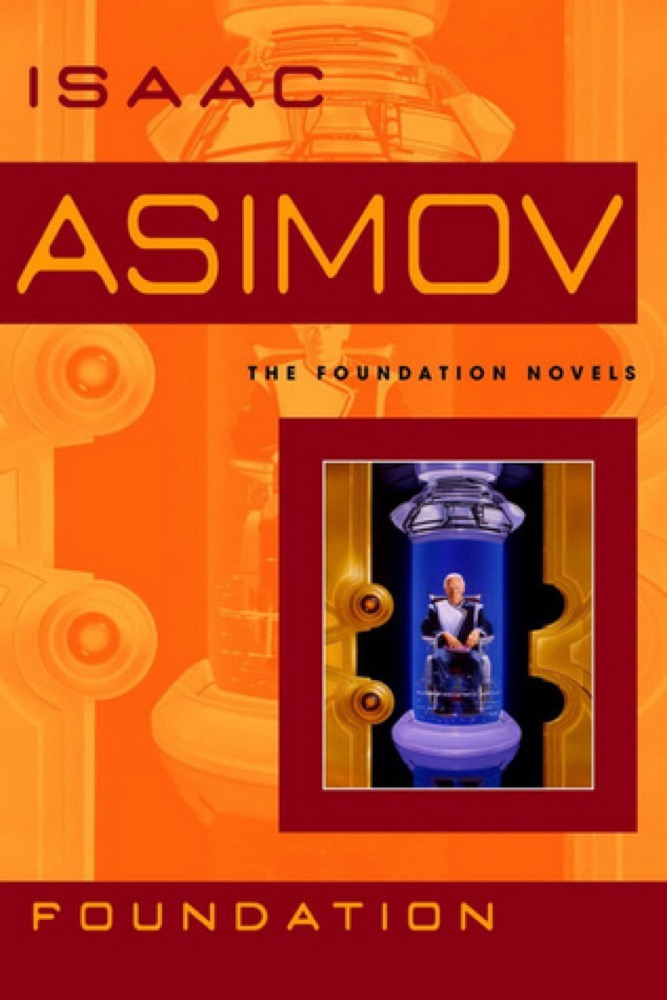
Foundation is a science fiction novel by Isaac Asimov, first published in book form in 1951 by Gnome Press. It collects five interconnected stories set against the slow decline of a vast Galactic Empire. The mathematician Hari Seldon develops psychohistory, a discipline that statistically predicts the future of large populations, and foresees the Empire's collapse and thirty millennia of barbarism to follow. To shorten that dark age to a single millennium, he establishes the Foundation, a colony of scientists on the remote planet Terminus charged with preserving human knowledge in an Encyclopedia Galactica.
As the Empire's authority recedes from the galactic periphery, successive generations on Terminus face recurring crises that Seldon anticipated. Leaders such as Salvor Hardin, the planet's first mayor, and the trader Hober Mallow navigate these turning points not through military force but through political maneuvering, science wielded as religion, and commerce. Each crisis is resolved along the path Seldon's calculations predicted, steadily advancing the Foundation from a vulnerable outpost toward the seed of a new galactic civilization.
The novel's central conceit of psychohistory, which treats the behavior of populations as a predictable science, gives Foundation its enduring intellectual appeal and its themes of the rise and fall of empires, the fragility of civilization, and the tension between individual agency and historical inevitability. Drawing on Asimov's reading of the decline of Rome, Foundation became a cornerstone of twentieth-century science fiction; the original trilogy received the Hugo Award for Best All-Time Series in 1966, and its influence extends across the genre.
Key characters
- Hari SeldonMathematician who invents psychohistory and founds the Foundation
- Gaal DornickYoung mathematician who becomes Seldon's biographer
- Salvor HardinFirst Mayor of Terminus who resolves the early crises
- Hober MallowMaster Trader and merchant prince who becomes a Foundation leader
- Limmar PonyetsMaster Trader who uses commerce as a tool of Foundation policy
Book details
- First published
- 1951
- Length
- 255 pages
- Reading time
- 5 hours
- Author
- Isaac Asimov
- Genre
- Classics
- Goodreads rating
- 4.17 (609k ratings) →
Series & reading order
- 1 Foundation
- 2 Foundation and Empire
- 3 Second Foundation
Movie & TV adaptations
- IMDb
If you liked this, read…
- 1DuneSweeping galactic-scale epic exploring the fate of civilizations and power
- 2The Mote in God's EyeClassic hard science fiction about empire, contact, and long-term consequences
- 3HyperionAmbitious far-future SF told through interconnected stories across a galaxy
Keep reading
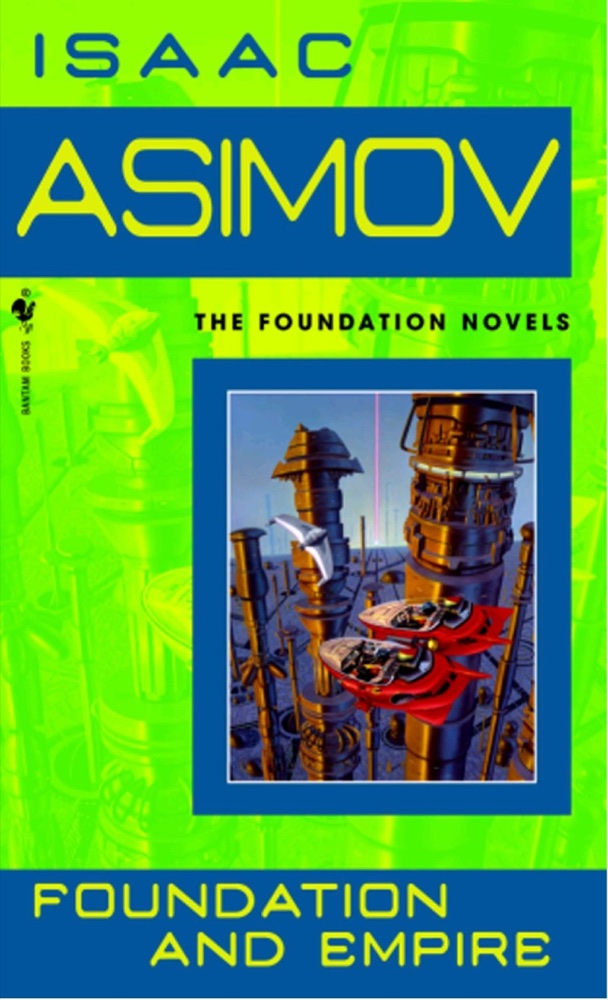 Foundation and Empire
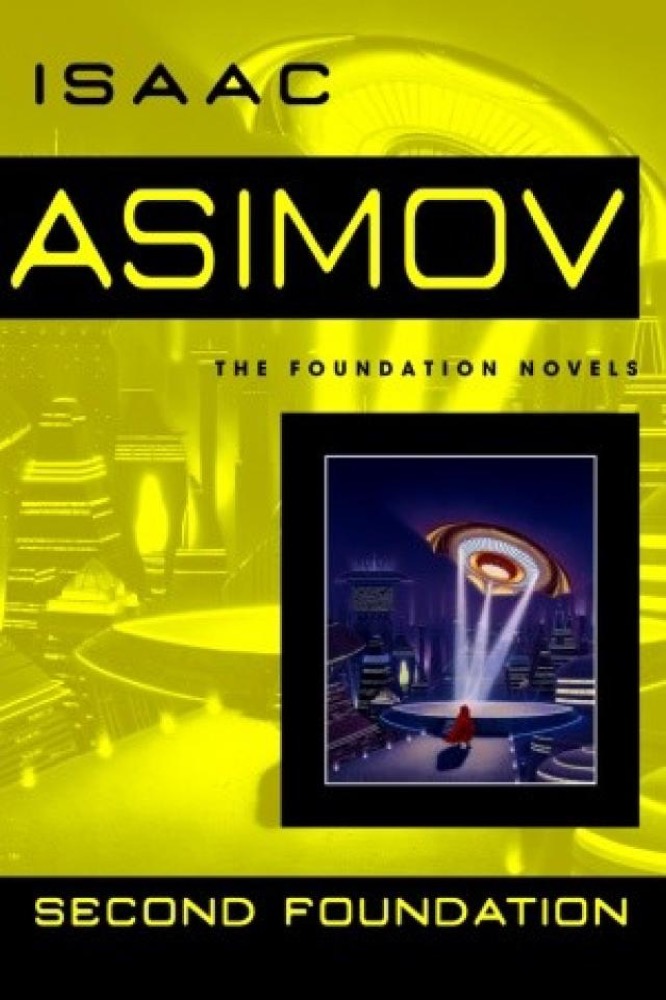 Second Foundation
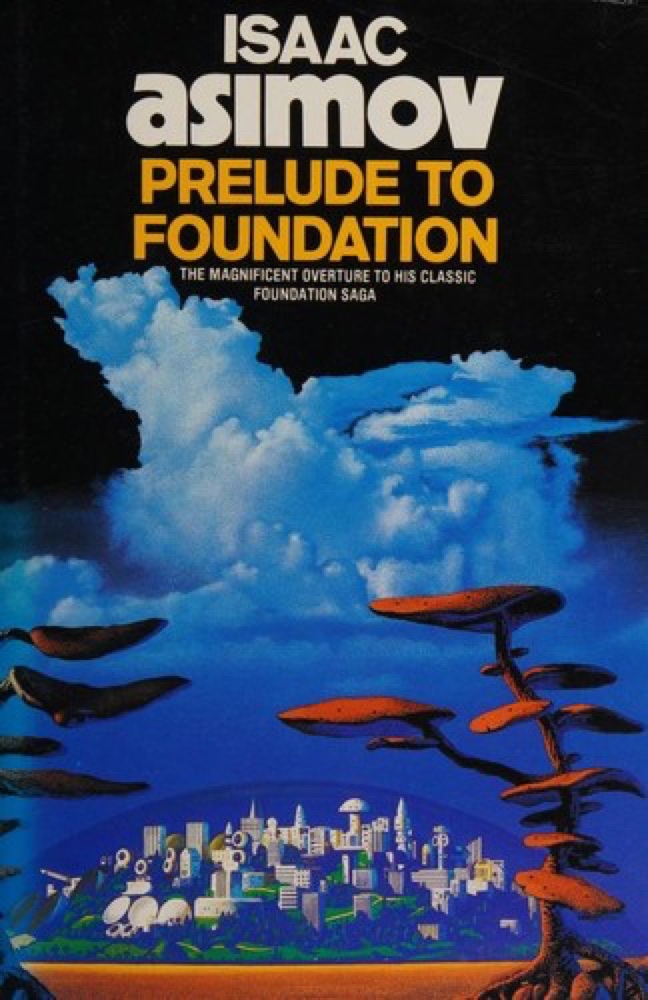 Prelude to Foundation
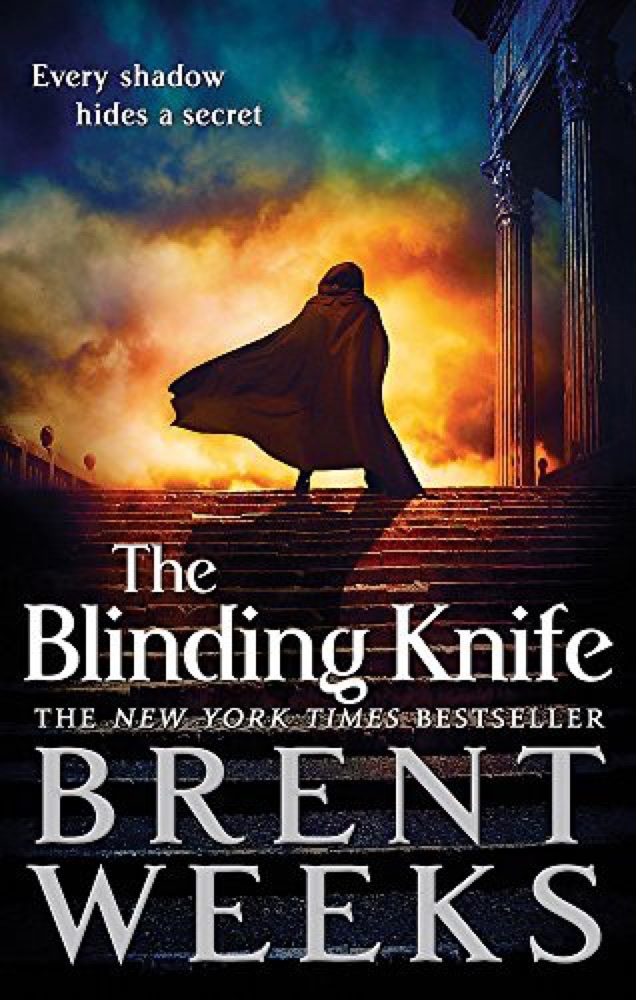 The Blinding Knife
 Independent Study
 Rapture
 The Dinosaur Lords
 God Emperor of Dune
 That Hideous Strength
 The Secret Agent
 Crime and Punishment
 The First Circle
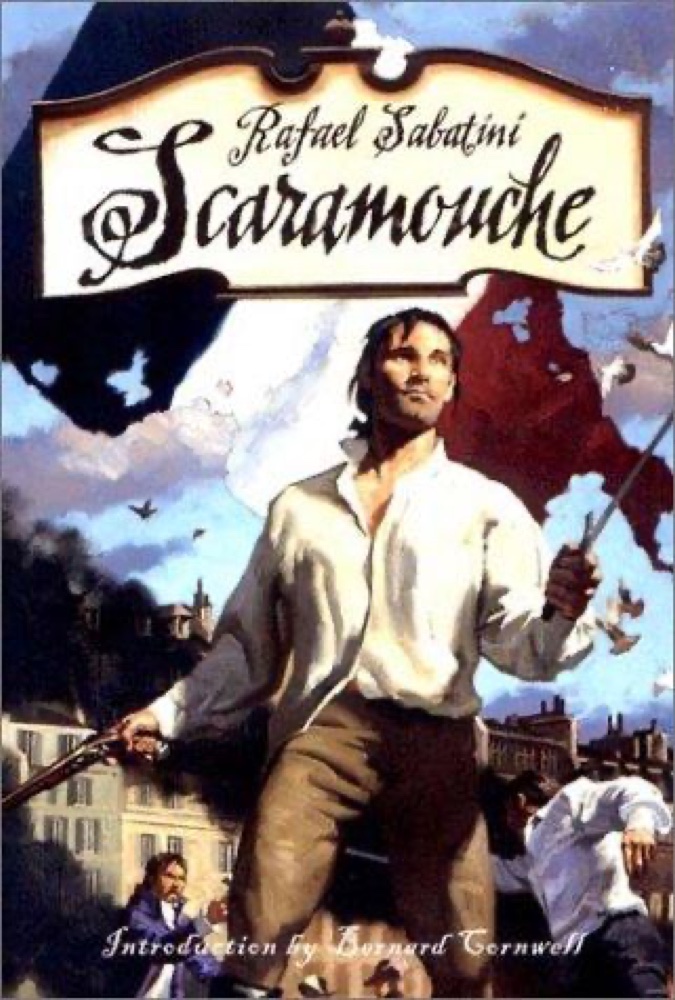 Scaramouche
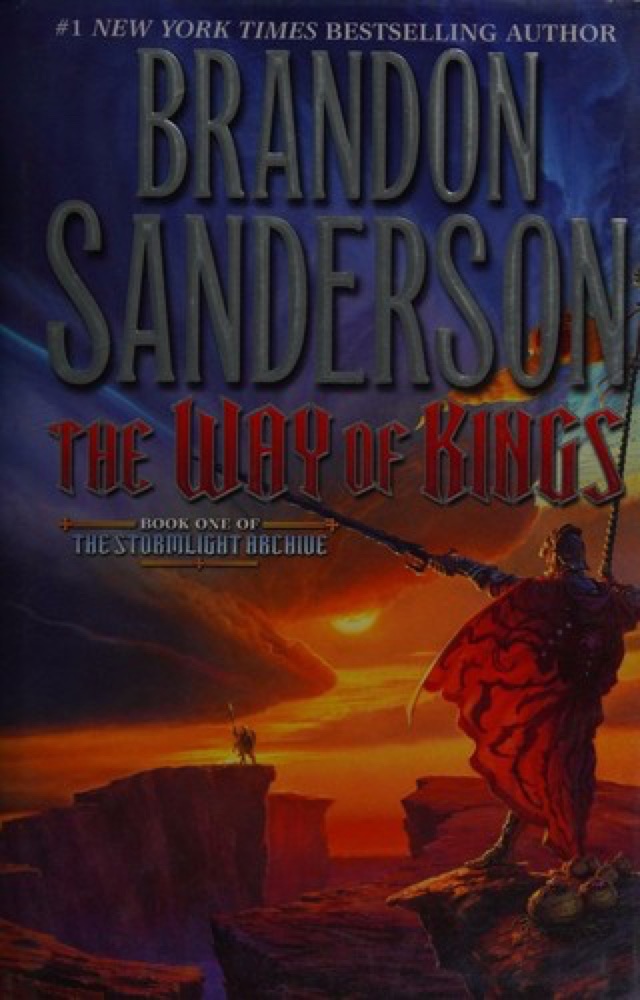 The Way of Kings
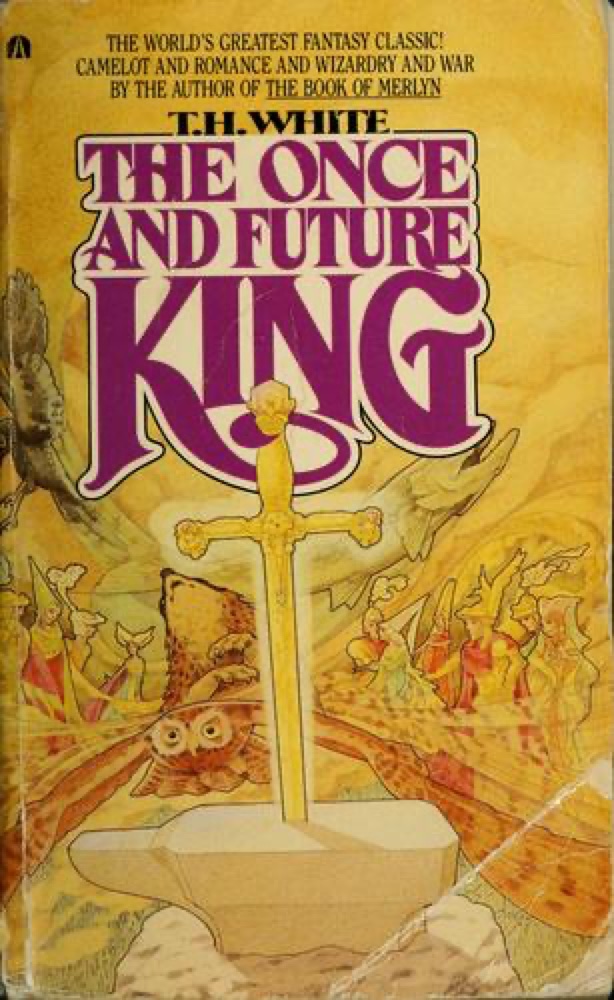 The Once and Future King
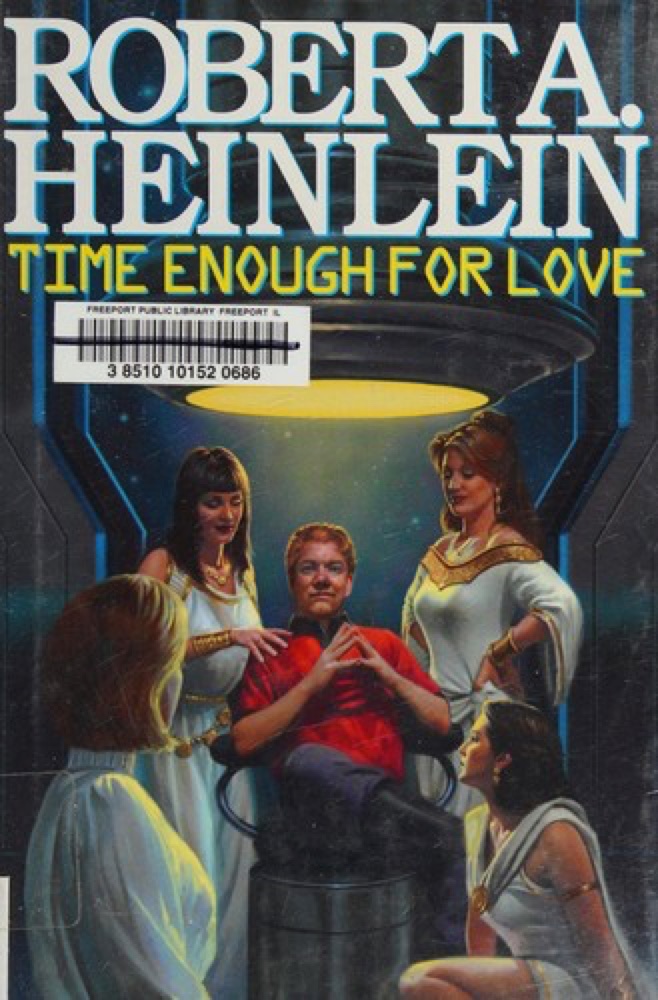 Time Enough for Love
 The Promise
 The Resistance
 Children of Dune
 Hawaii
 Starship Troopers
 Assassin's Apprentice
 The Bourne Identity
 The Number of the Beast
 Last Argument of Kings
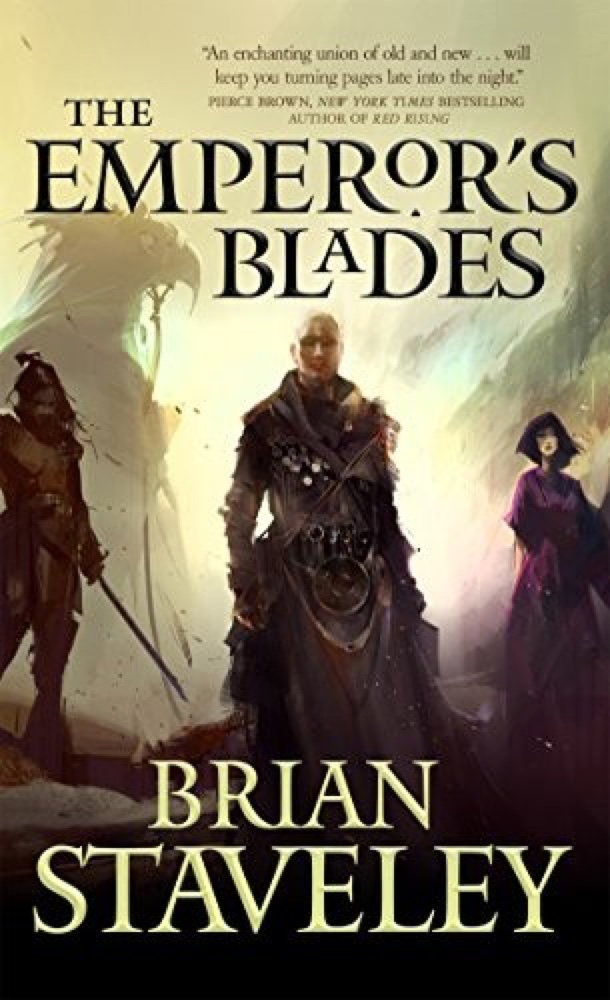 The Emperor's Blades
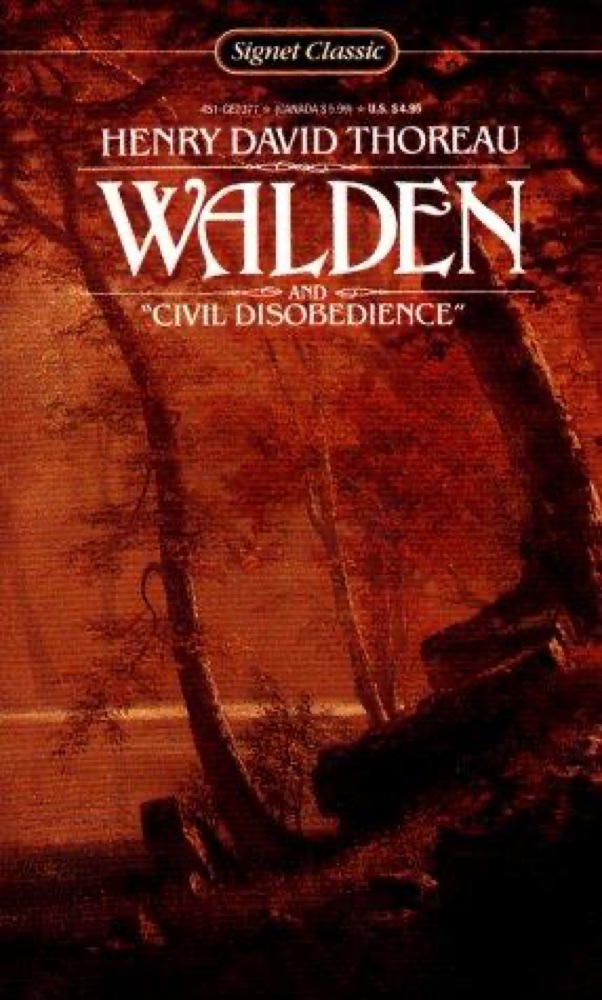 Walden & Civil Disobedience
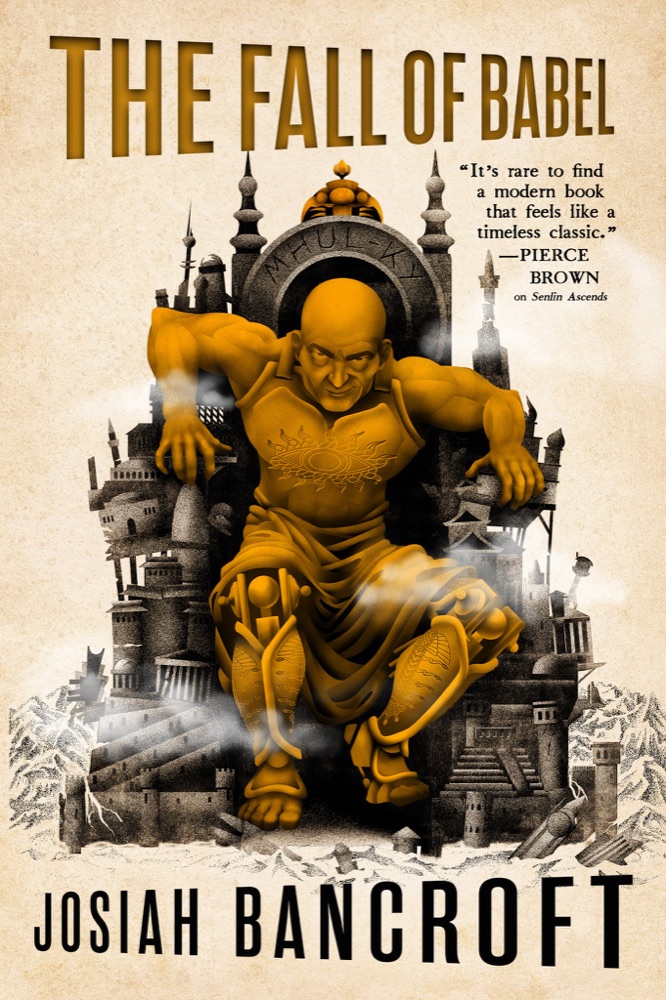 The Fall of Babel
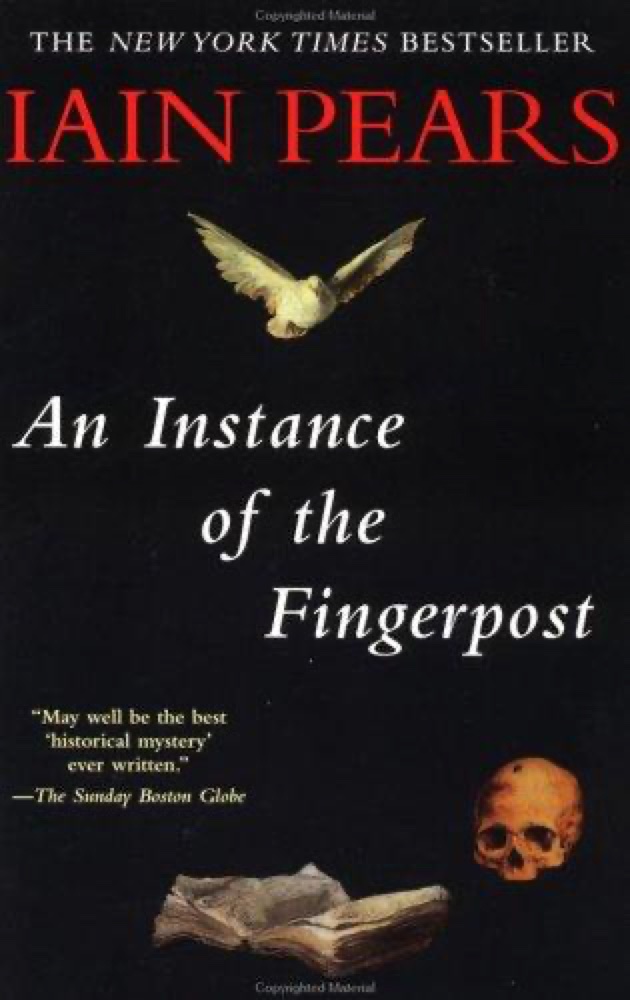 An Instance of the Fingerpost
 The Stand
 The Hydrogen Sonata
 The Black Prism
 Soul of the Fire
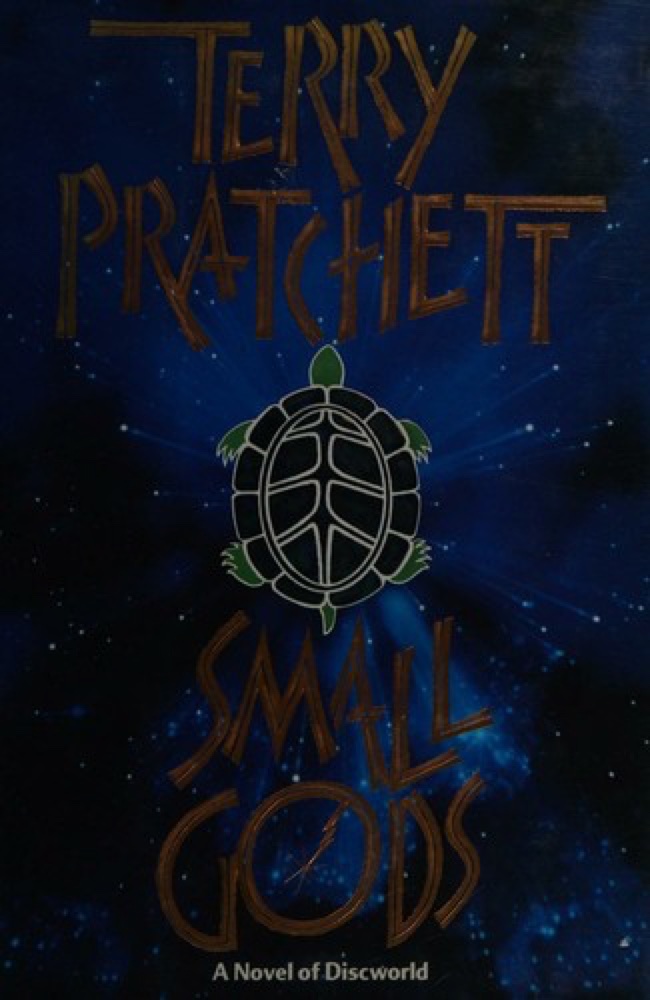 Small Gods
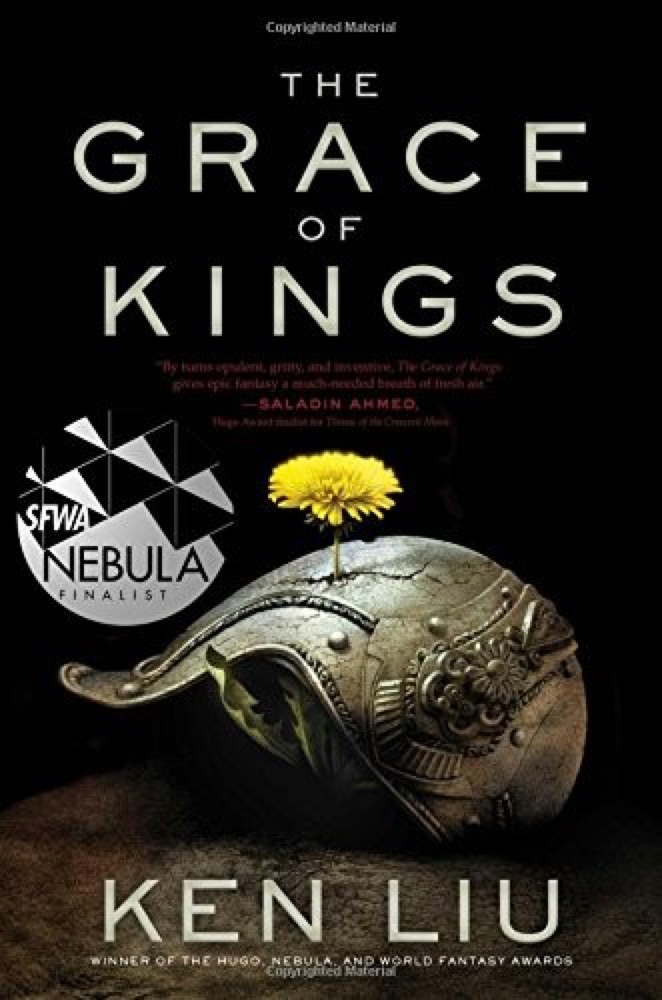 The Grace of Kings
 Coinman: An Untold Conspiracy
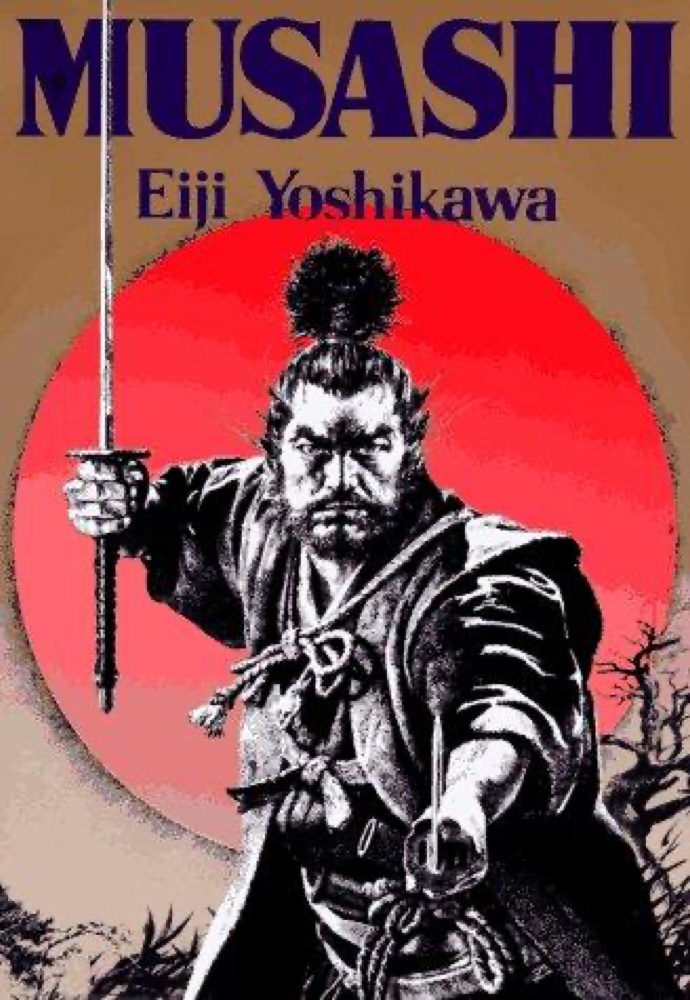 Musashi
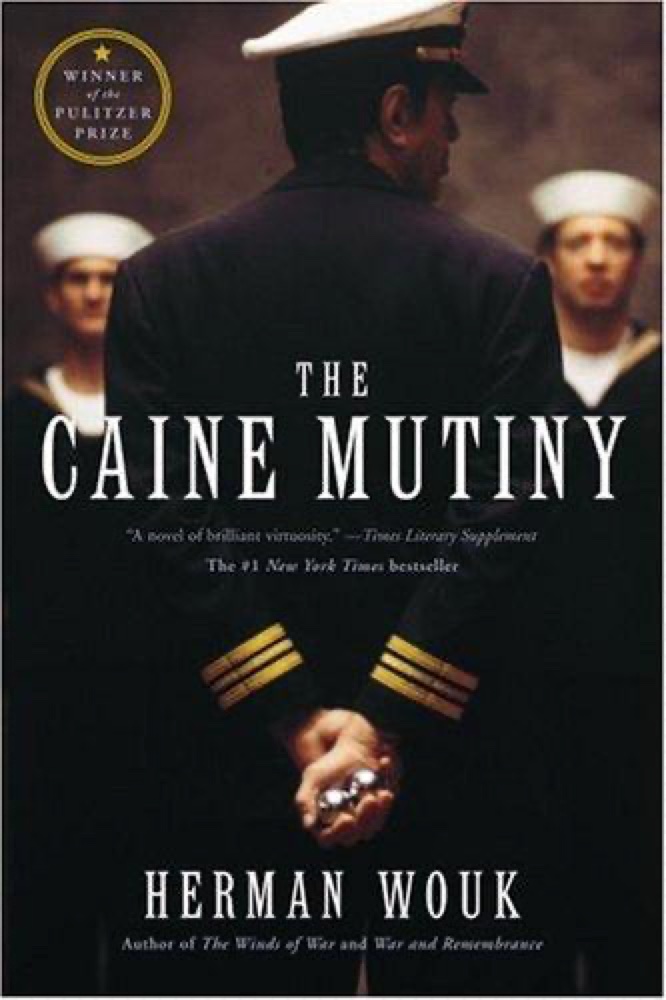 The Caine Mutiny
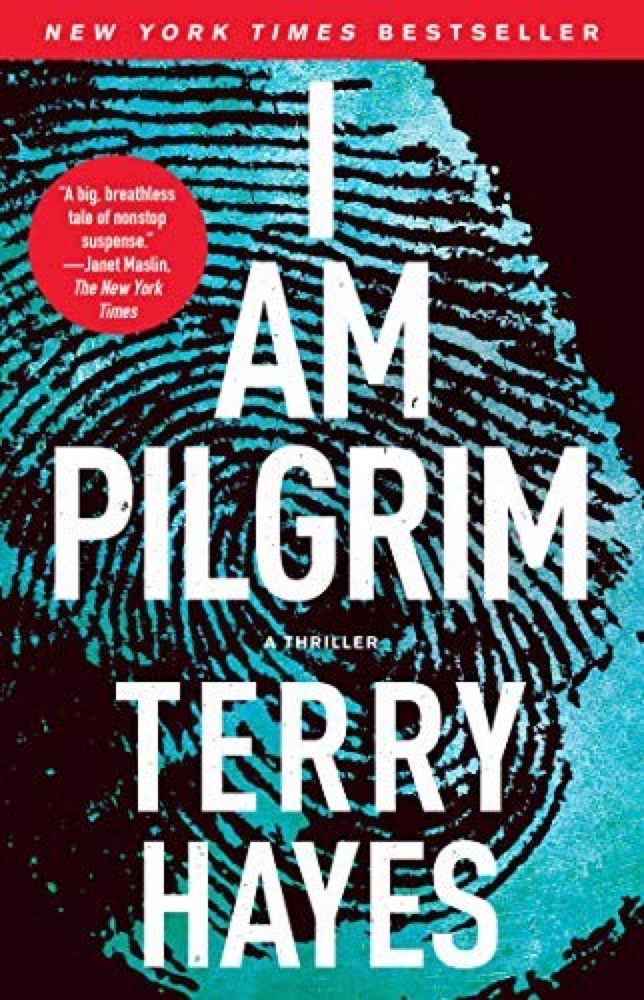 I Am Pilgrim
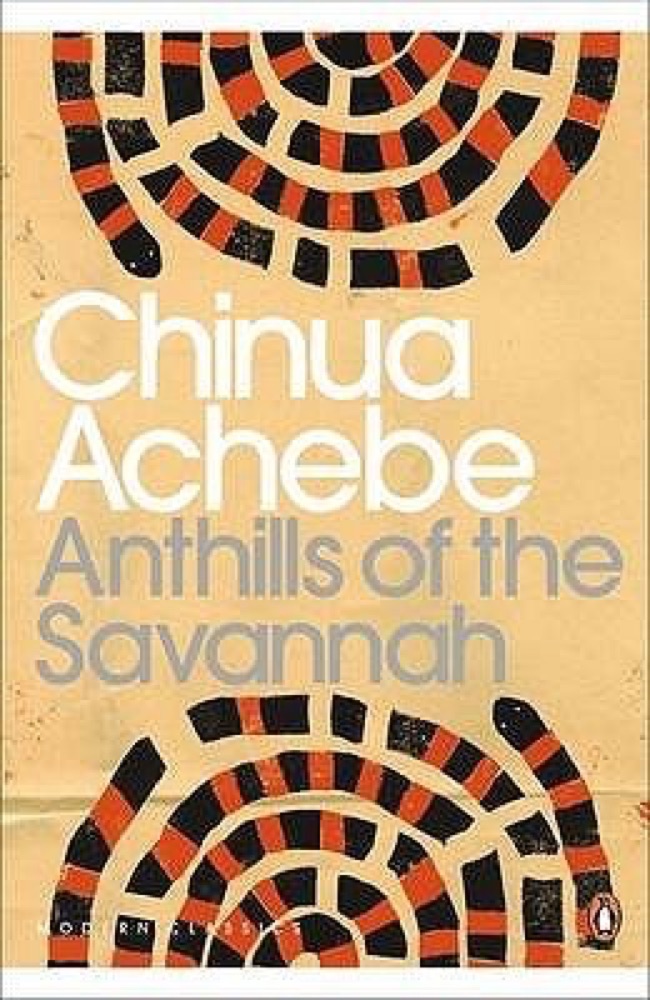 Anthills of the Savannah
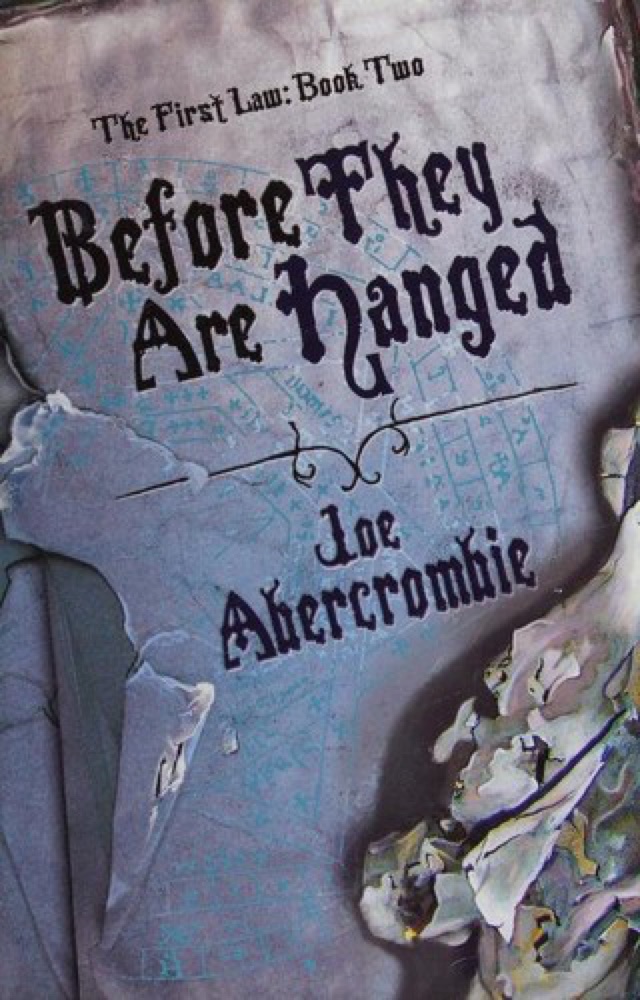 Before They Are Hanged
 Proces
 The Shockwave Rider
 State of Fear
 The Razor's Edge
 Use of Weapons
 The Midwich Cuckoos
 The Rebel Angels
 Snuff
Snuff
 The Long Earth
 The Power of One
 Herzog
 The Walking Drum
 Academ's Fury
 The Jewel in the Crown
 Letters to a Young Contrarian
 Alas, Babylon
 Big Machine
 Flight Behavior
 The Blade Itself