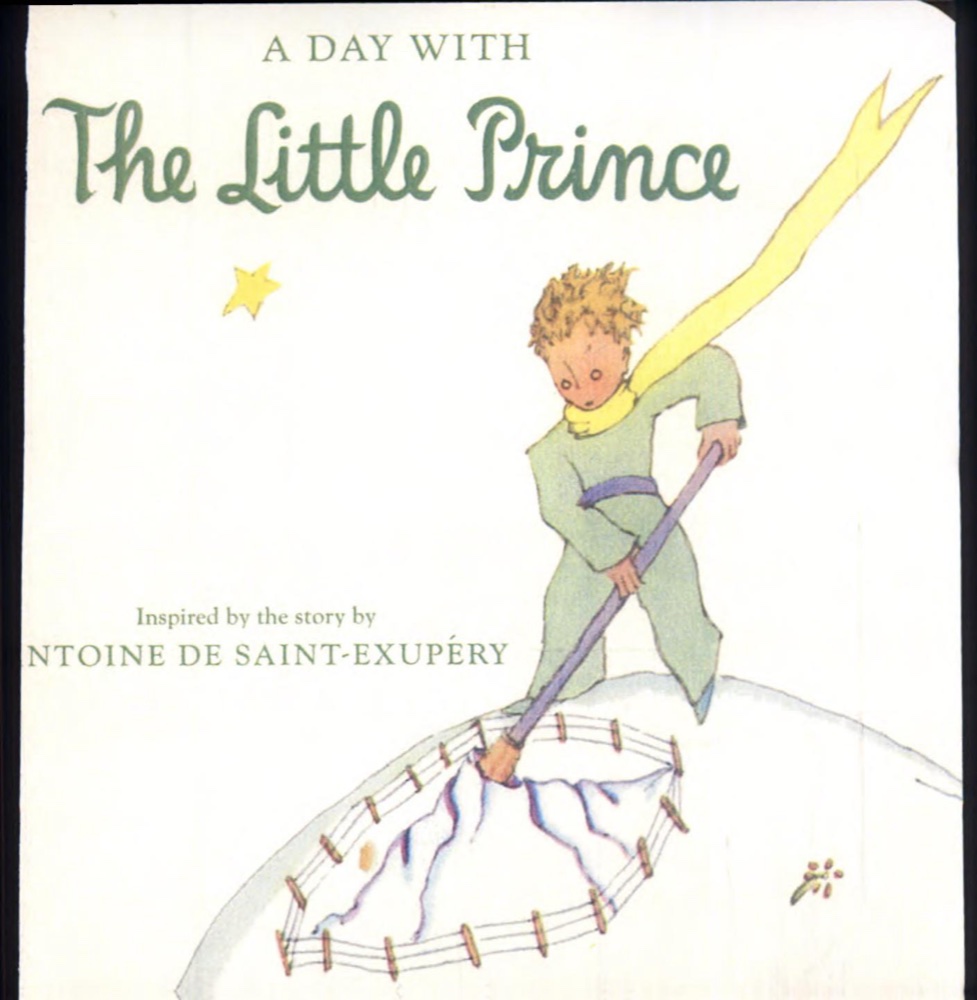
 The Little Prince
Quotes from the Book
No single event can awaken within us a stranger whose existence we had never suspected. To live is to be slowly born.
648
Pure logic is the ruin of the spirit.
54
Life always bursts the boundaries of formulas. Defeat may prove to have been the only path to resurrection, despite its ugliness. I take it for granted that to create a tree I condemn a seed to rot. If the first act of resistance comes too late it is doomed to defeat. But it is, nevertheless, the awakening of resistance. Life may grow from it as from a seed.
26
To live is to be born slowly. it would be a little too easy to borrow ready-made souls!
14
For love is greater than any wind of words. And man, leaning at his window under the stars, is once again responsible for the bread of the day to come, for the slumber of the wife who lies by his side, all fragile and delicate and contingent. Love is not thinking, but being. As I sat facing Alias I longed for night, when my thoughts would be of civilization, of the destiny of man, of the savor of friendship in my native land. For night, so that I might yearn to serve some overwhelming purpose which at this moment I cannot define. For night, so that I might perhaps advance a step towards fixing my unmanageable language. I longed for the night as the poet might do, the true poet who feels himself inhabited by a thing obscure but powerful, and who strives to erect images like ramparts round that thing in order to capture it. To capture it in a snare of images.
8
Not a single event can awaken within us a stranger totally unknown to us. To live is to be slowly born. It would be a bit too easy if we could go about borrowing ready-made souls.
7
For after all, why do we go on fighting? If we die for democracy then we must be one of the democracies. Let the rest fight with us, if that is the case. But the most powerful of them, the only one that could save us, chooses to bide its time. Very good. That is its right. But by so doing, that democracy signifies that we are fighting for ourselves alone. And we go on fighting despite the assurance that we have lost the war. Why, then, do we go on dying? Out of despair? But there is no despair. You know nothing about defeat if you think there is room in it for despair. There is a verity that is higher than the pronouncements of the intelligence. There is a thing which pierces and governs us and which cannot be grasped by the intelligence. A tree has no language. We are a tree. There are truths which are evident, though not to be put into words. I do not die in order to obstruct the path of the invasion, for there is no shelter upon which I can fall back with those I love. I do not die to preserve my honor, since I deny that my honor is at stake, and I challenge the jurisdiction of my judge. Nor do I die out of desperation.
5
The course of a man's destiny can seem sharply altered by a sudden illumination. But illumination is no more than the Spirit's sudden vision of a road that is long prepared. Gradually I learned grammar. I practiced syntax. My feelings were awakened. Then a poem suddenly blazed in my heart.
4
I was wrong to grow older. Pity. I was so happy as a child.
3
I know the meaning of humility. It is not self-disparagement. It is the motive power of action. If, intending to absolve myself, I plead fate as the excuse for my misfortunes, I subject myself to fate. If I plead treason as their excuse, I subject myself to treason. But if I accept responsibility, I affirm my strength as a man. I am able to influence that of which I form part. I declare myself a constituent part of the community of mankind.
3
It is in your act that you exist, not in your body. Your act is yourself, and there is no other you.
3
Mais je comprends aussi que rien de ce qui concerne l'homme ne se compte, ni ne se mesure. L'étendue véritable n'est point pour l'œil, elle n'est accordée qu'à l'esprit. Elle vaut ce que vaut le langage, car c'est le langage qui noue les choses. Il me semble désormais entrevoir mieux ce qu'est une civilisation. Une civilisation est un héritage de croyances, de coutumes et de connaissances, lentement acquises au cours des siècles, difficiles parfois à justifier par la logique, mais qui se justifient d'elles-mêmes, comme des chemins, s'ils conduisent quelque part, puisqu'elles ouvrent à l'homme son étendue intérieure. Une mauvaise littérature nous a parlé du besoin d'évasion. Bien sûr, on s'enfuit en voyage à la recherche de l'étendue. Mais l'étendue ne se trouve pas. Elle se fonde. Et l'évasion n'a jamais conduit nulle part. Quand l'homme a besoin, pour se sentir homme, de courir des courses, de chanter en chœur, ou de faire la guerre, ce sont déjà des liens qu'il s'impose afin de se nouer à autrui et au monde. Mais combien pauvres ! Si une civilisation est forte, elle comble l'homme, même si le voilà immobile.
3
For after all, why do we go on fighting? For democracy? If we die for democracy then we must be one of the democracies. Let the rest fight with us, if that is the case. But the most powerful of them, the only democracy that could save us, chooses to bide its time. Very good. That is its right. But by so doing, that democracy signifies that we are fighting for ourselves alone. And we go on fighting despite the assurance that we have lost the war. Why, then, do we go on dying? Out of despair? But there is no despair. You know nothing at all about defeat if you think there is room in it for despair.
2
Man is a knot into which relationships are tied, and my ties serve me hardly at all. What is this me that has broken down? What is the secret of substitutions? Whence comes is that gesture, a word, can give rise to endless ripples in a human destiny? Whence comes it that in other circumstances I should be overwhelmed by what seems to me now remote and abstract?
2
He had heard so much about Jewish shrewdness that he probably thought of his bravery as shrewdness. Winning is shrewd.
1
Para sentir la muerte, es preciso imaginar las horas en que necesitamos al muerto. Entonces hace falta. Imaginar la hora en que él nos hubiera necesitado. Pero ya no nos necesita. Imaginar la hora de la visita amistosa. Y descubrir que está vacía. Es preciso ver la vida en perspectiva. Pero no hay perspectiva ni espacio el día del entierro. El muerto está aun en pedazos. El día del entierro, nos dispersamos en pataleos, en manos de amigos, verdaderos o falsos, que hay que estrechar, en preocupaciones materiales. El muerto solo morirá mañana, en el silencio.
1
Must be some missing, though, to my way of thinking. The ones you win a war with. Have some supper?
1
When I got back to my billet I found my farmer at table with his wife and niece. “Tell me,” I said to him; “how many instruments do you think a pilot has to look after?” “How should I know? Not my trade,” he answered. “Must be some missing, though, to my way of thinking. The ones you win a war with. Have some supper?
1
We had seen France in flames. We had seen the sun shining on the sea. We had grown old in the upper altitudes.
1
Watch on YouTube
About Antoine de Saint-Exupéry
We have collected 100 quotes from 4 books by Antoine de Saint-Exupéry on BookQuoters.
More about the author →More by Antoine de Saint-Exupéry
About the book
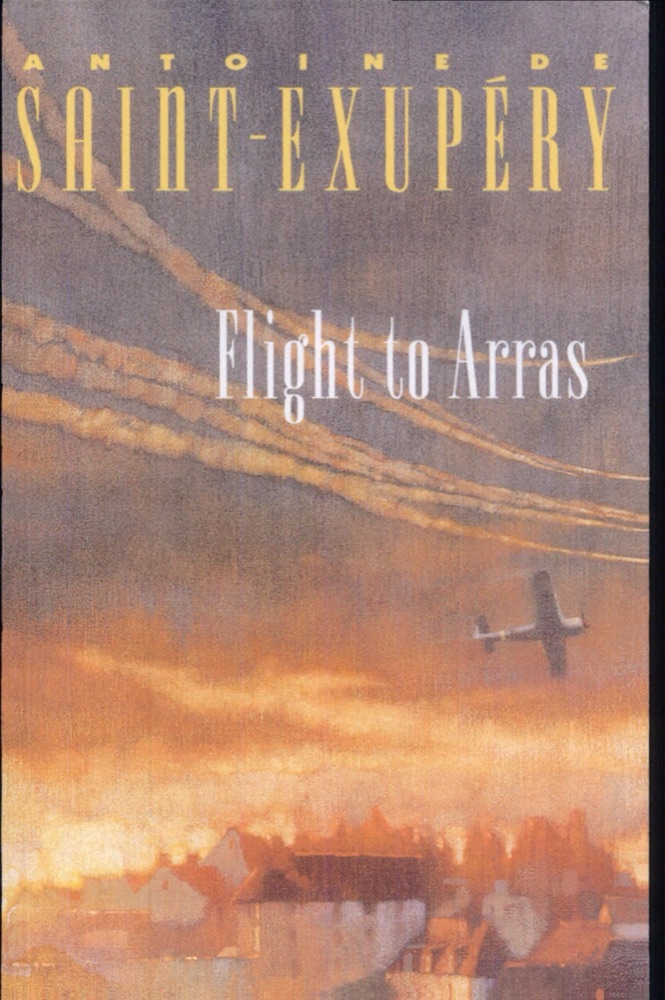
The World War II aviator and author of The Little Prince tells his true story of flying a reconnaissance plane during the Battle of France in 1940. When the Germans first invaded France in May of 1940, the French Air Force had a mere fifty reconnaissance crews, twenty-three of which served in Antoine de Saint-Exupéry’s Group II/33. After only a few days, seventeen of the crews in Saint-Exupéry’s unit had already perished. Flight to Arras is the harrowing story of a single mission over the French town of Arras, an endeavor Saint-Exupéry realized the futility of even as he witnessed it unfolding. Filled with tension, emotion, philosophy, and historical detail, and penned by a master storyteller, this extraordinary memoir serves as a record of a little-known chapter of the Second World War, and an unforgettable portrait of the brave souls who fought despite desperate odds.
Book details
- First published
- 1942
- Author
- Antoine de Saint-Exupéry
- Genre
- Nonfiction
- Goodreads rating
- 3.89 (4k ratings)
Keep reading
 A Soldier of the Great War
 The Fall
 You Can't Go Home Again
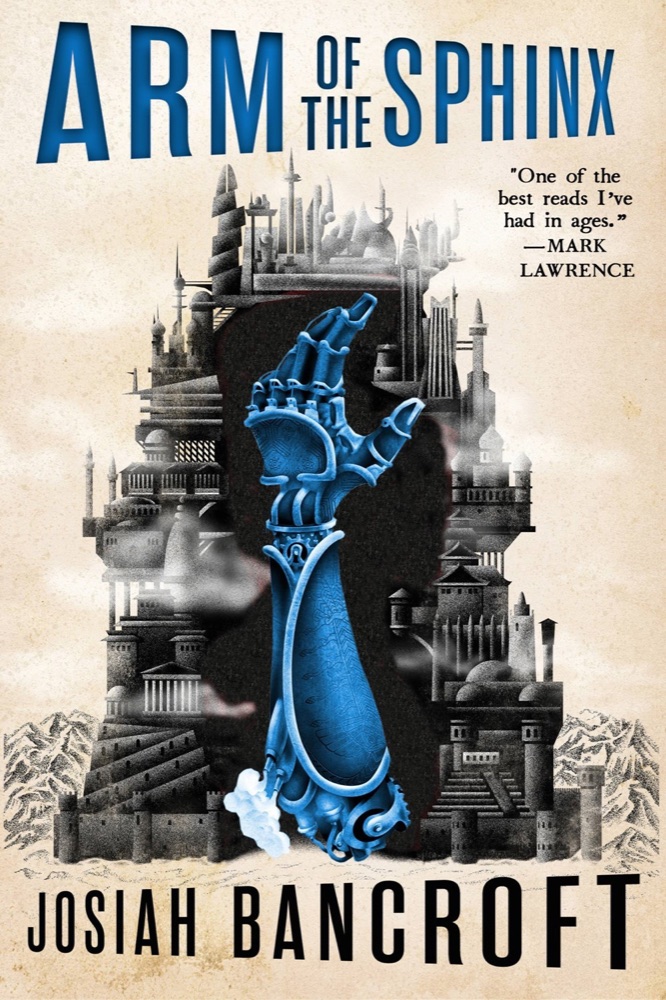 Arm of the Sphinx
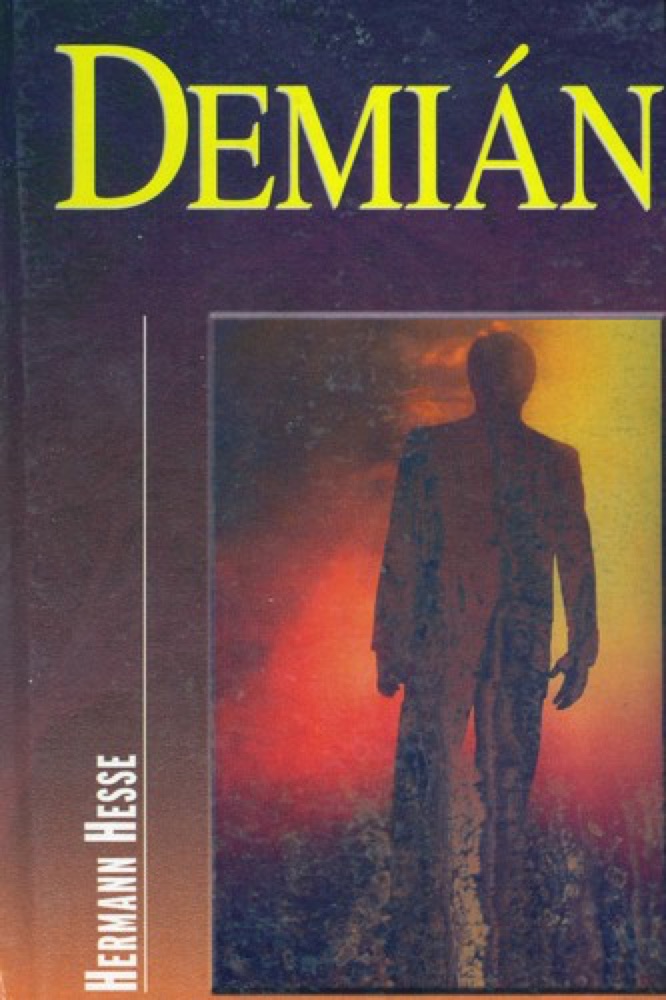 Demian
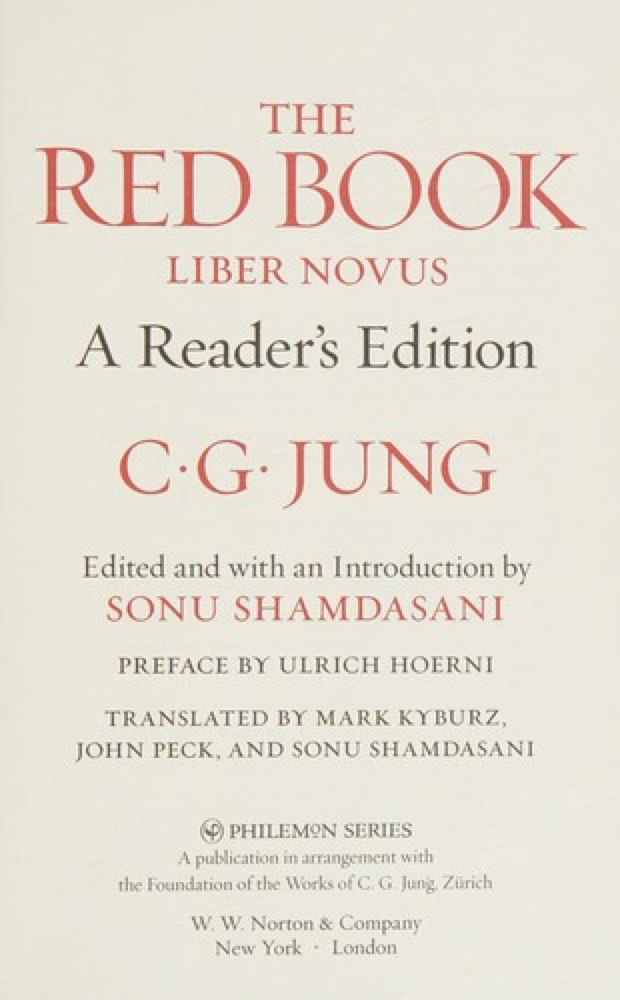 The Red Book: Liber Novus
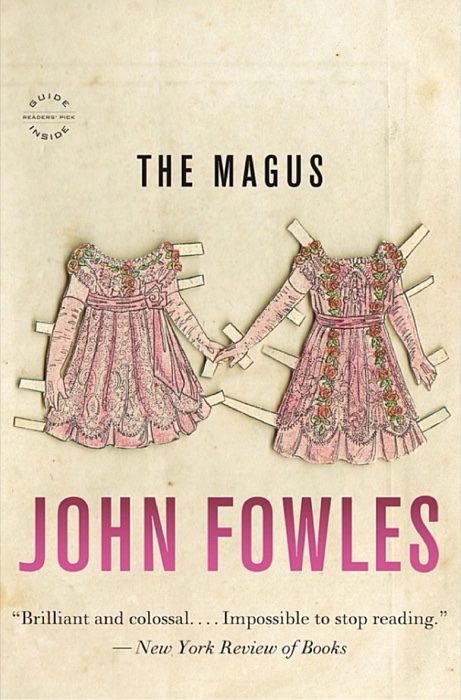 The Magus
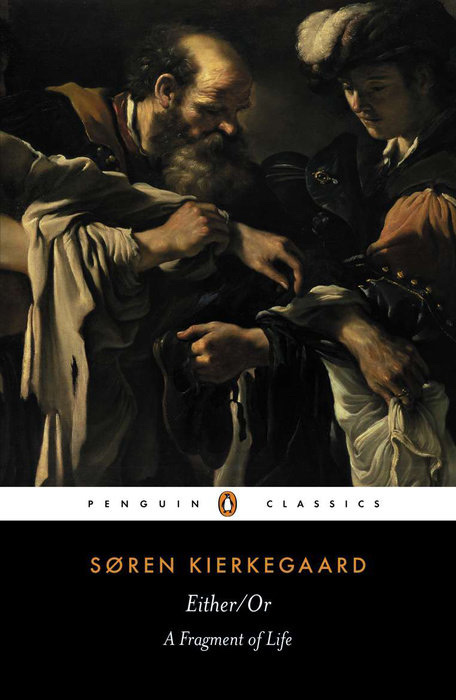 Either/Or: A Fragment of Life
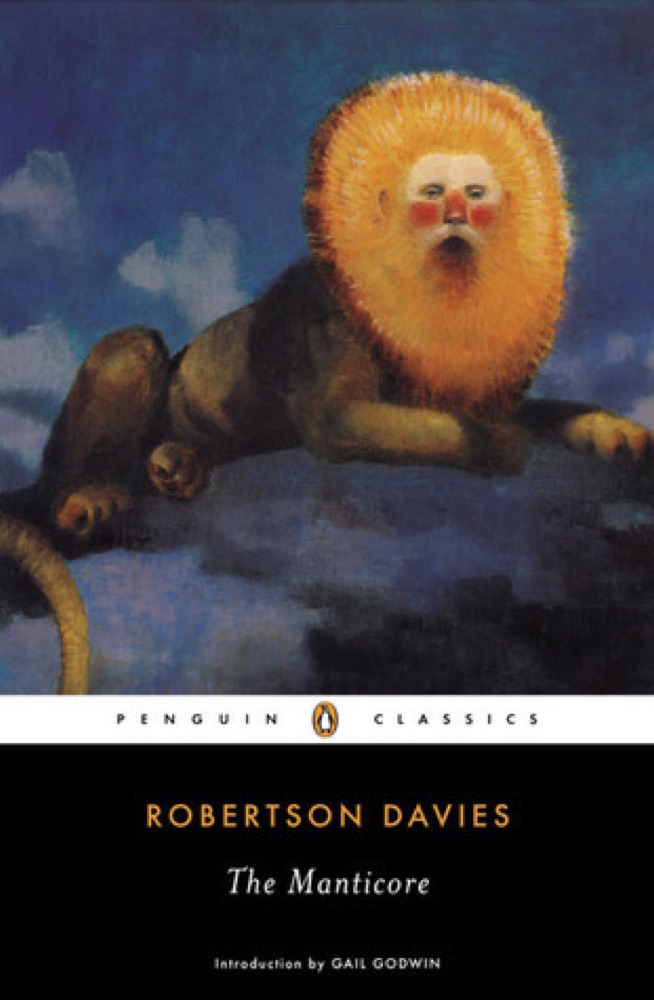 The Manticore
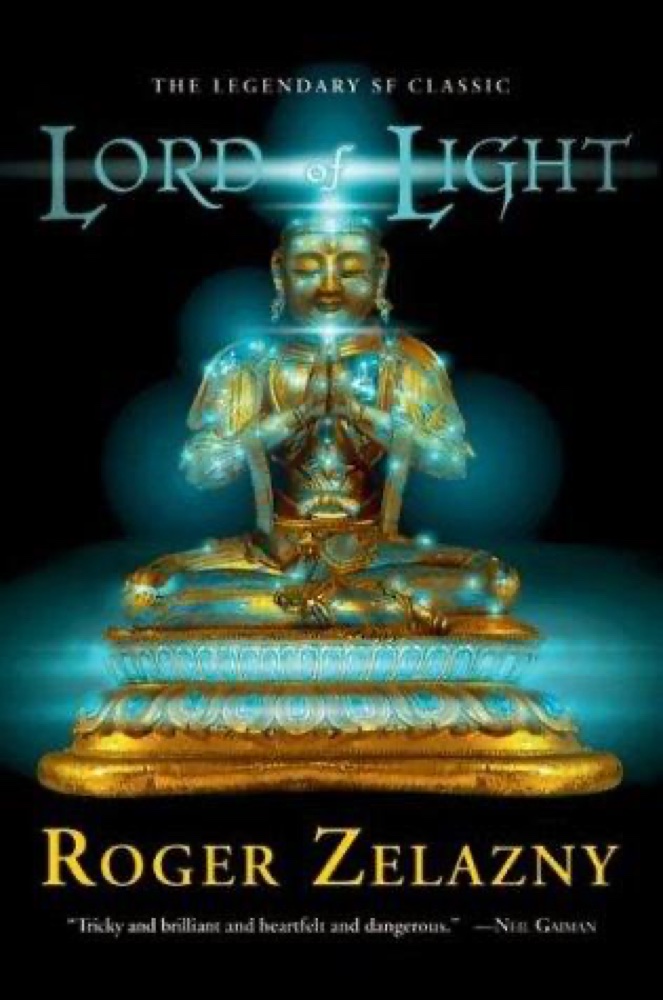 Lord of Light
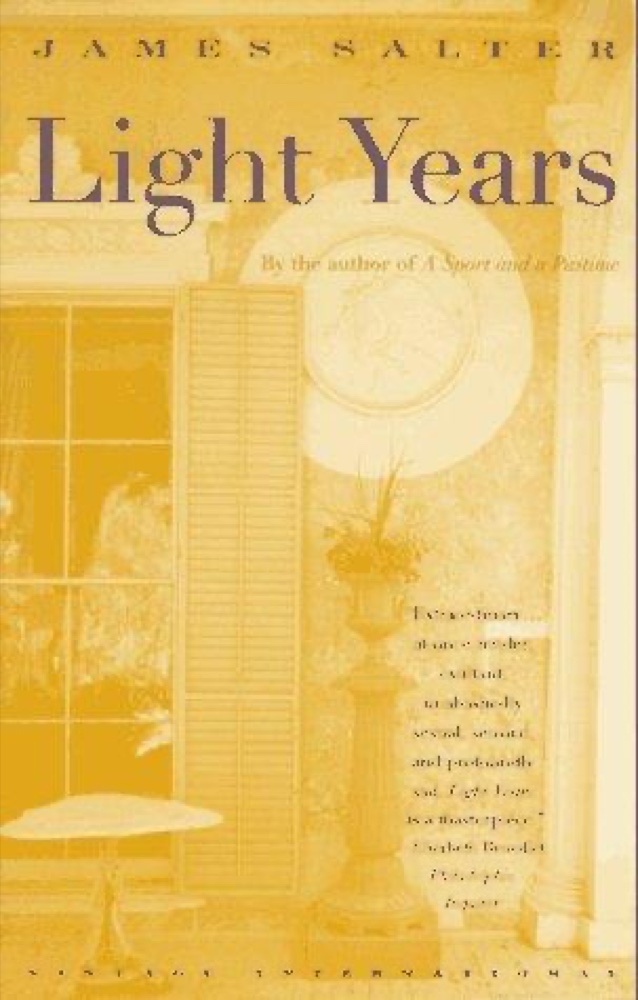 Light Years
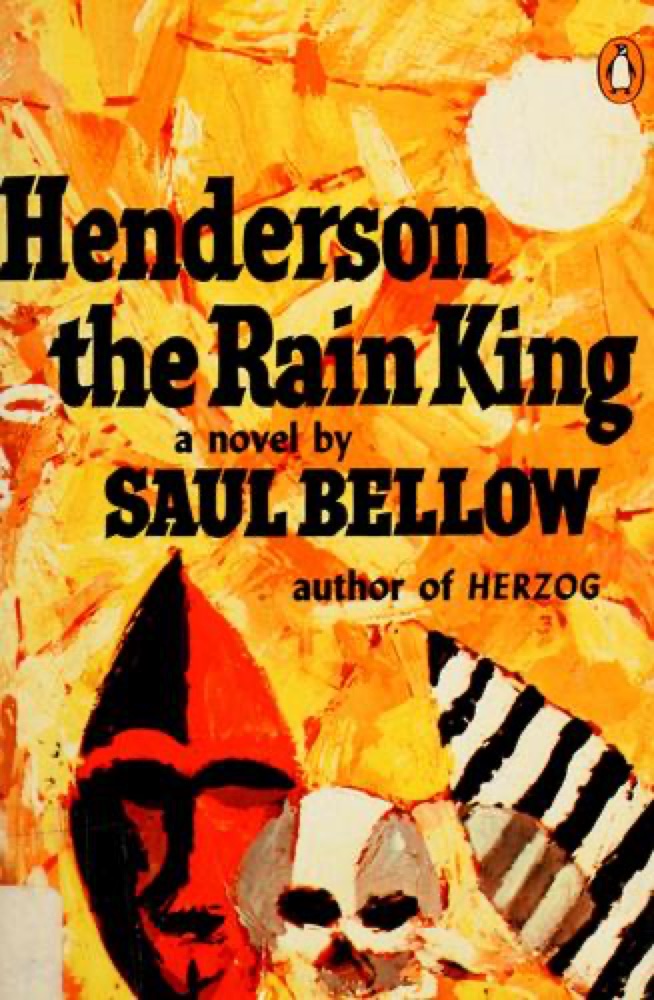 Henderson the Rain King
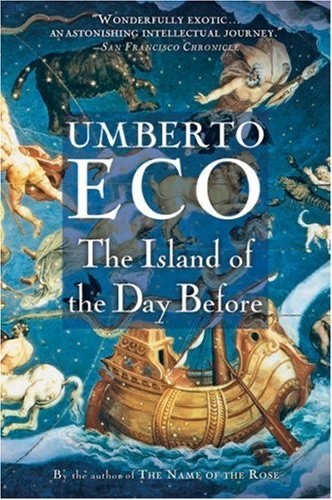 The Island of the Day Before
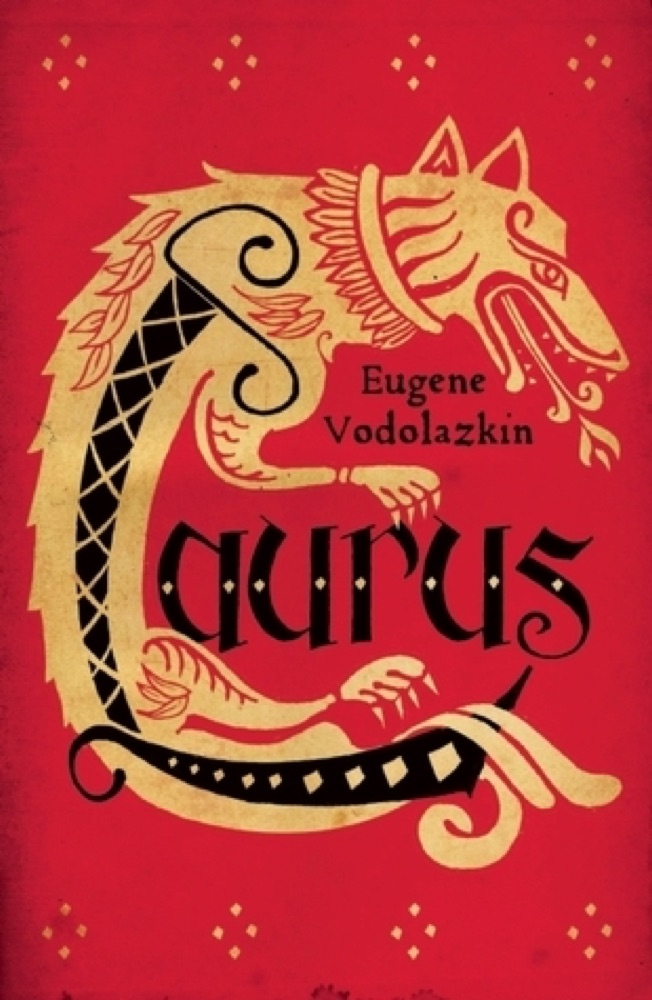 Laurus
 Sexus
Sexus
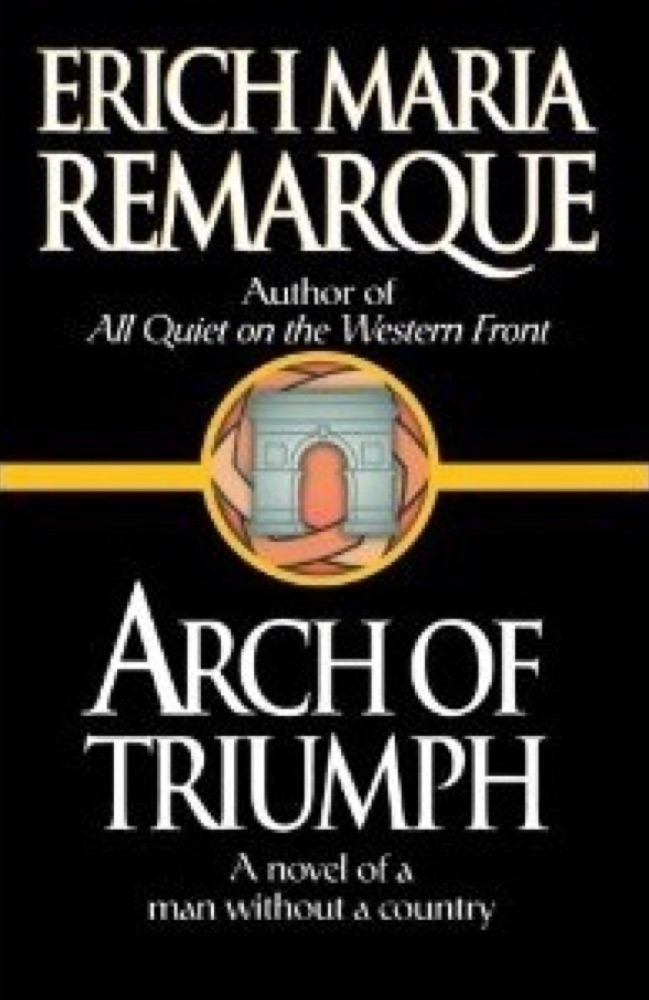 Arch of Triumph
 The Claw of the Conciliator
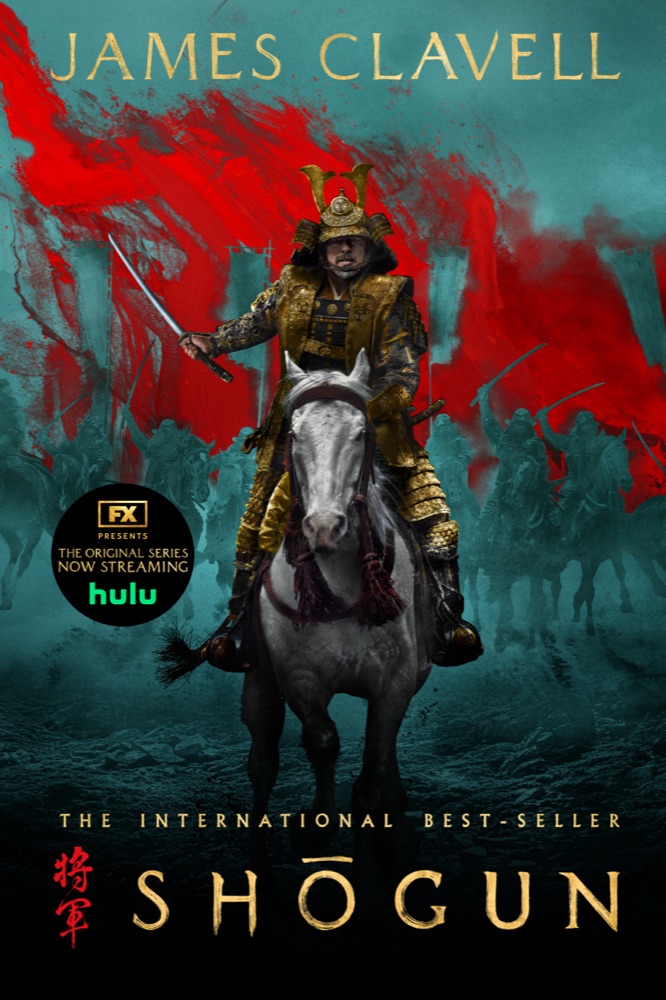 Shōgun
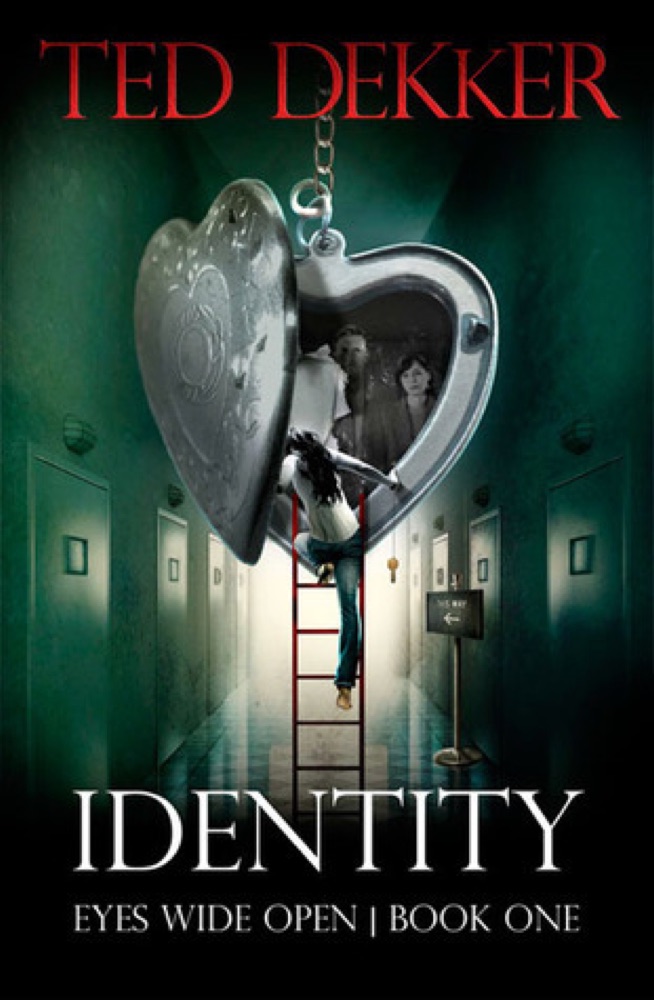 Identity
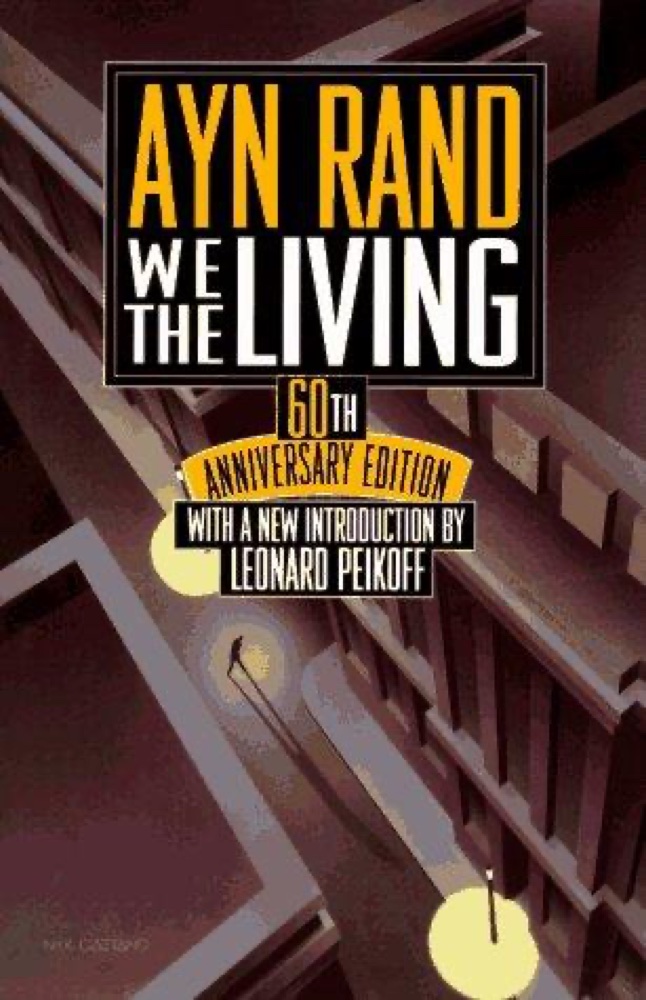 We the Living
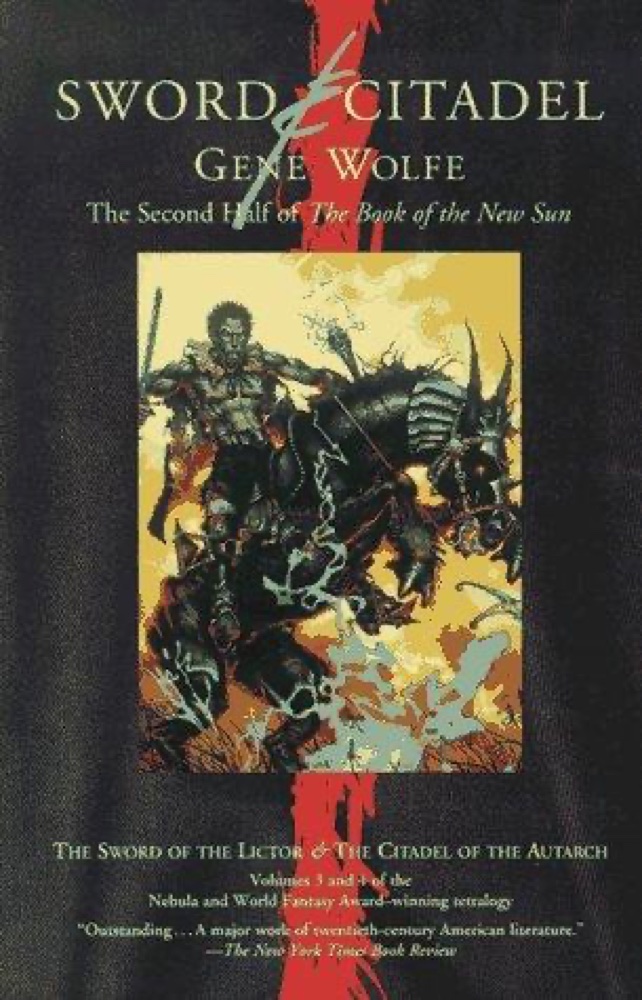 Sword & Citadel
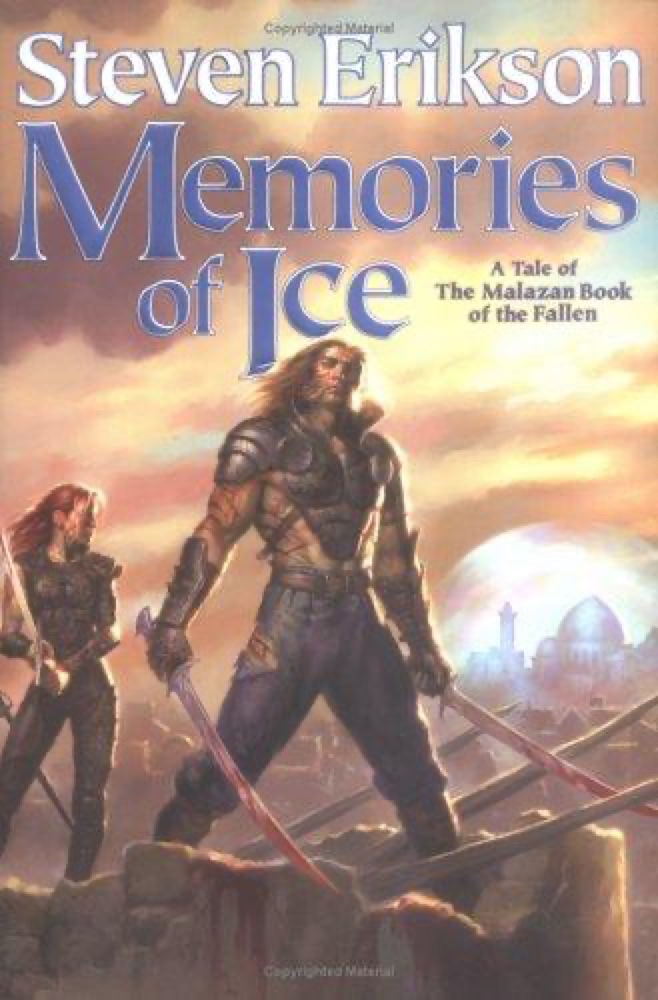 Memories of Ice
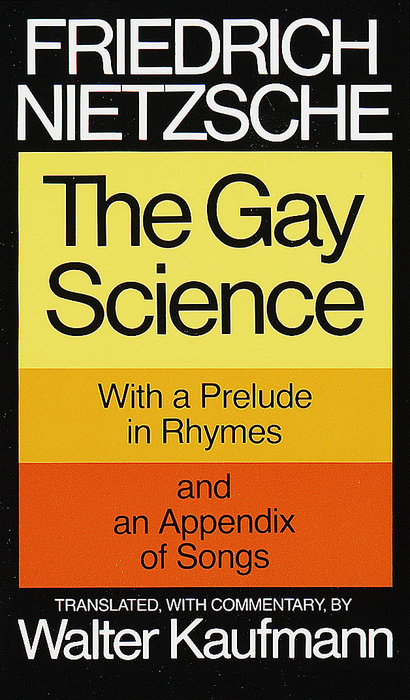 The Gay Science
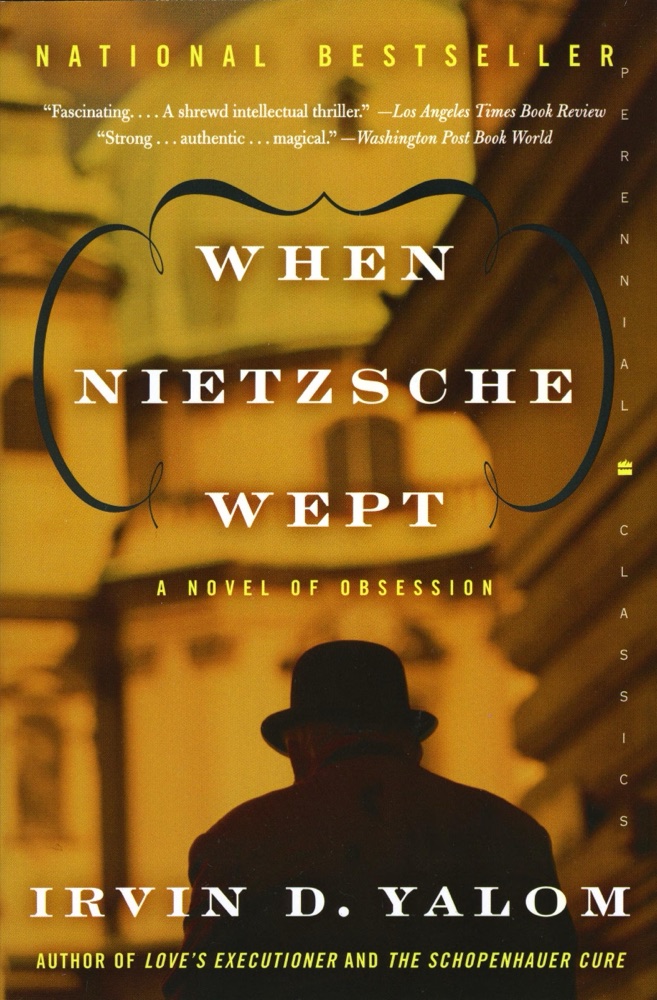 When Nietzsche Wept
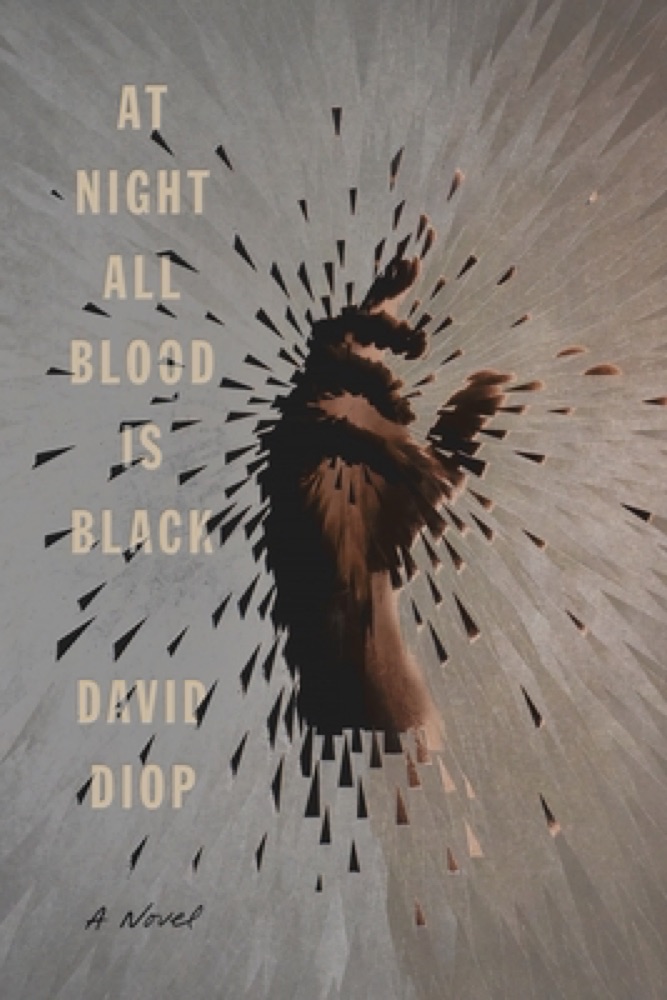 At Night All Blood is Black
 The Star Rover
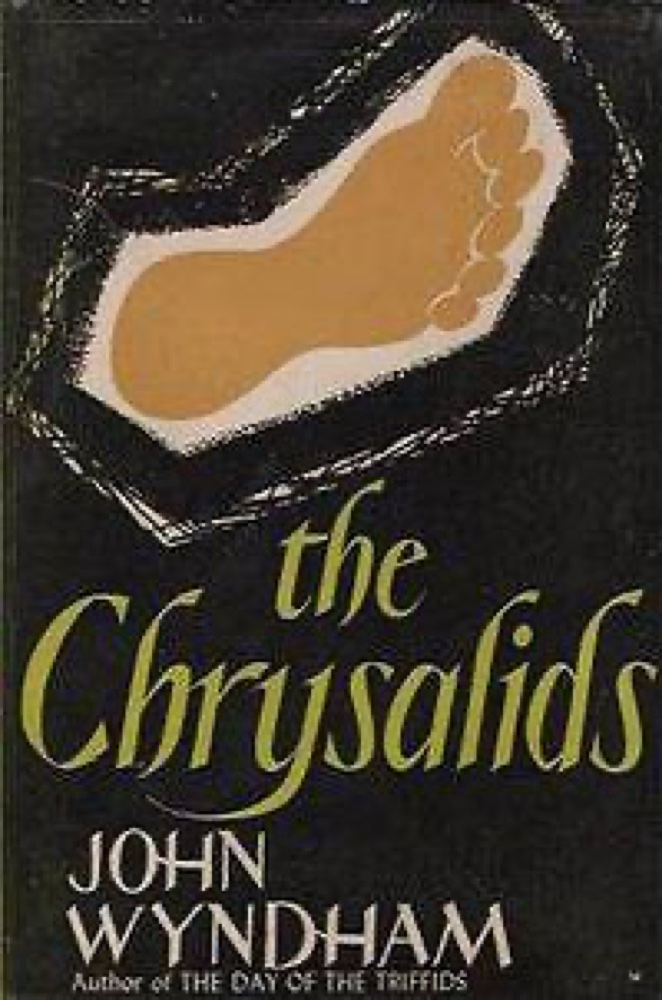 The Chrysalids
 The Story of My Experiments With Truth
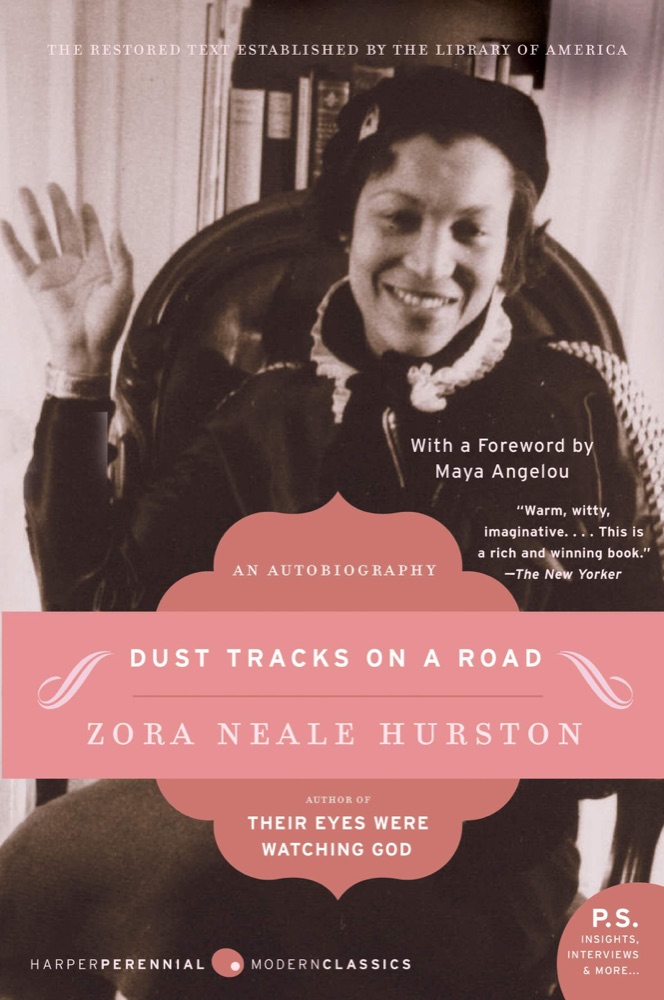 Dust Tracks on a Road
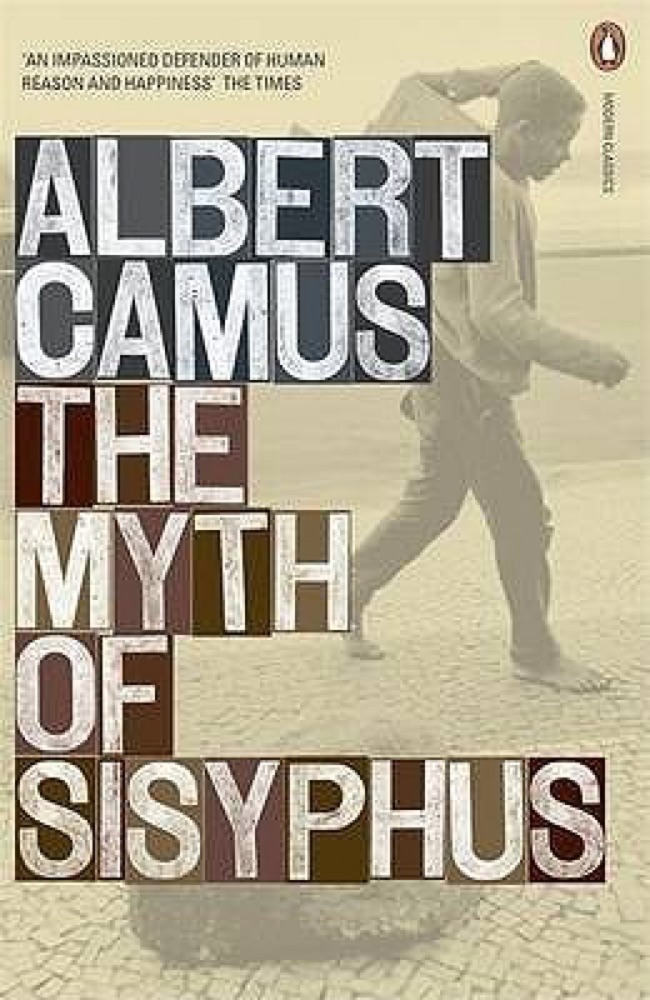 The Myth of Sisyphus
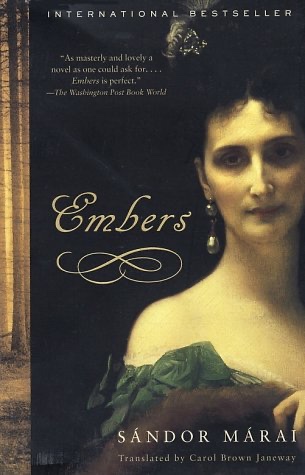 Embers
 From Sand and Ash
 The Home and the World
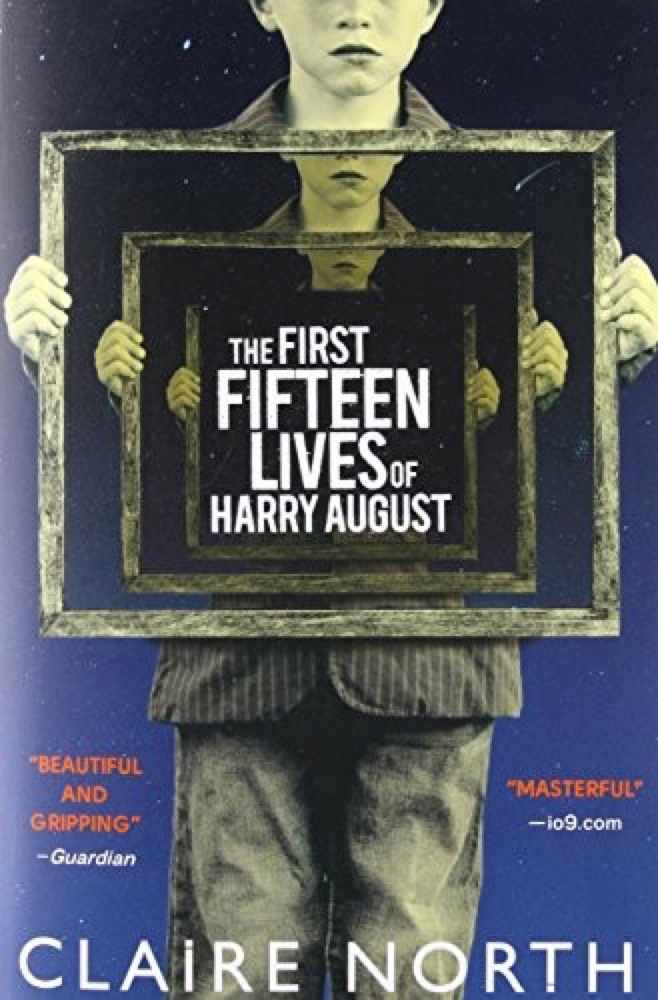 The First Fifteen Lives of Harry August
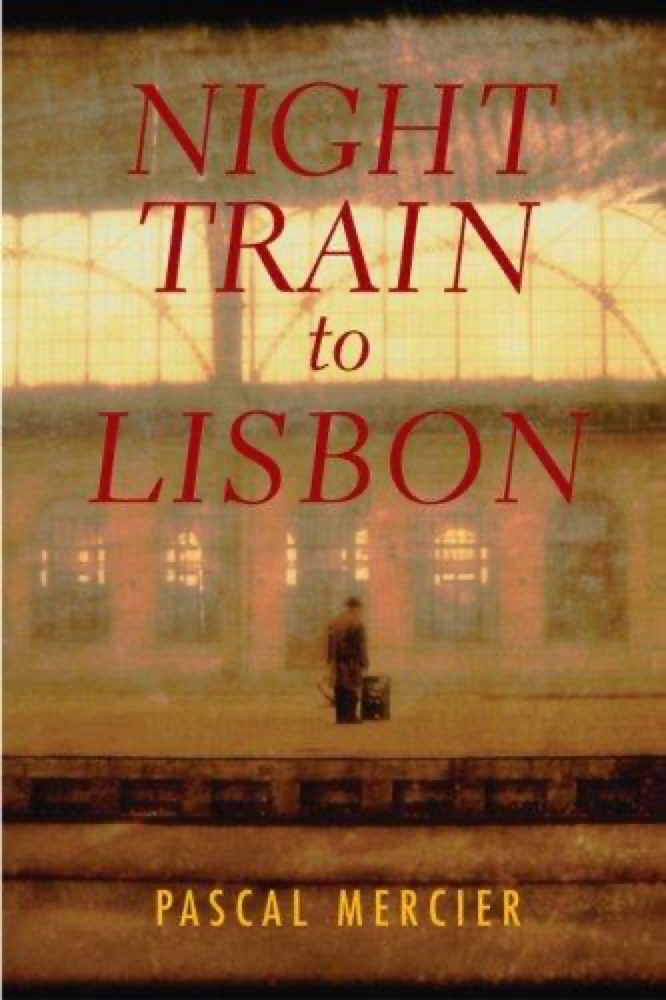 Night Train to Lisbon
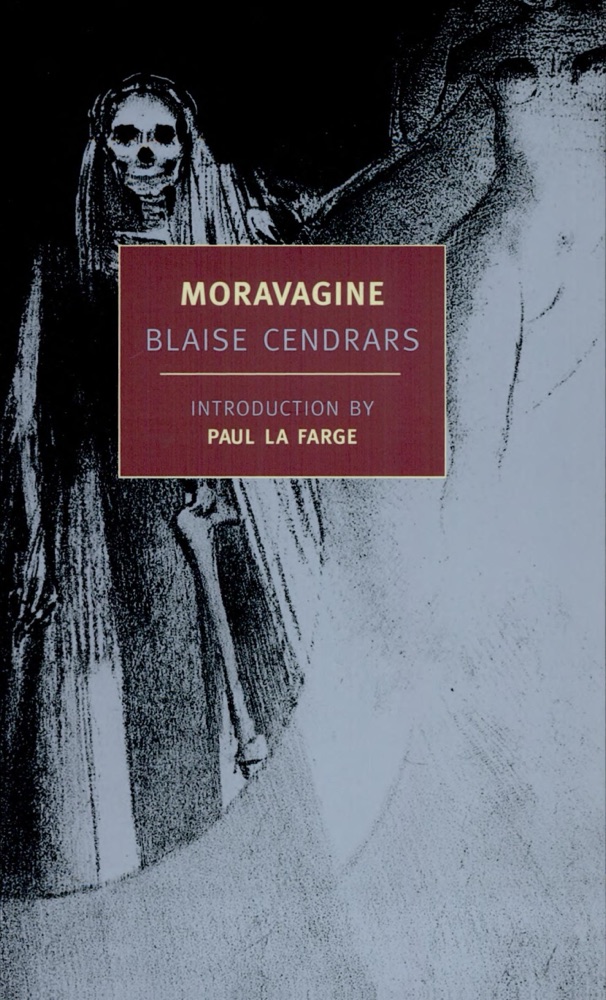 Moravagine
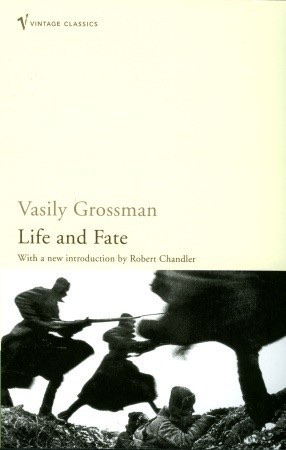 Life and Fate
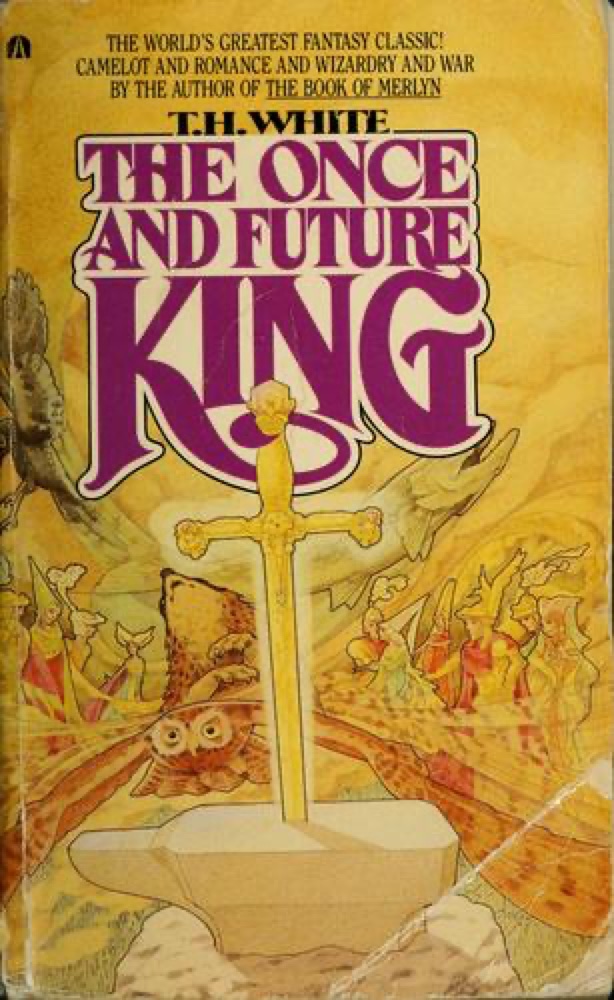 The Once and Future King
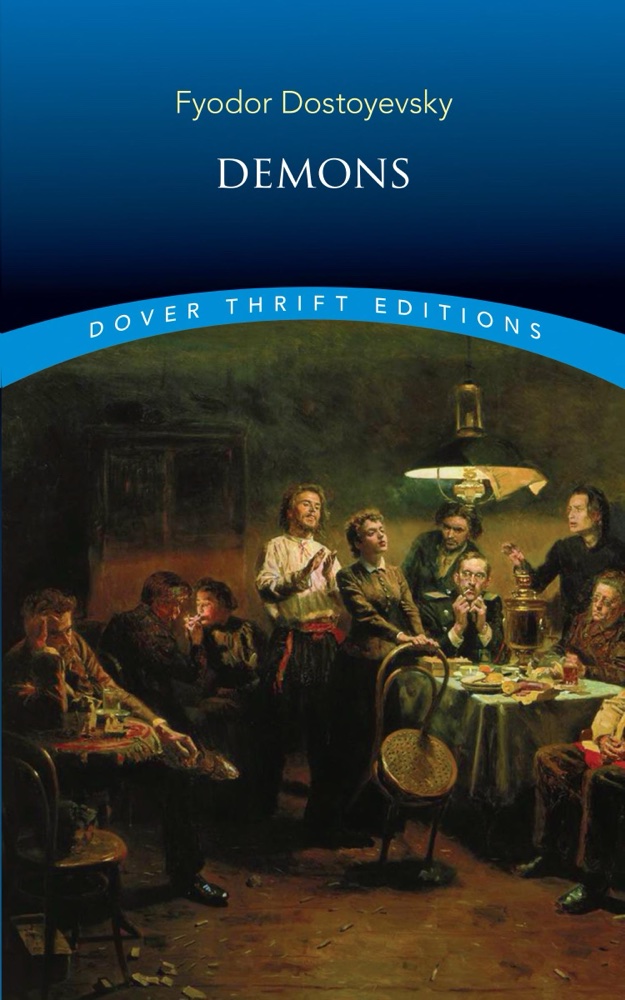 Demons
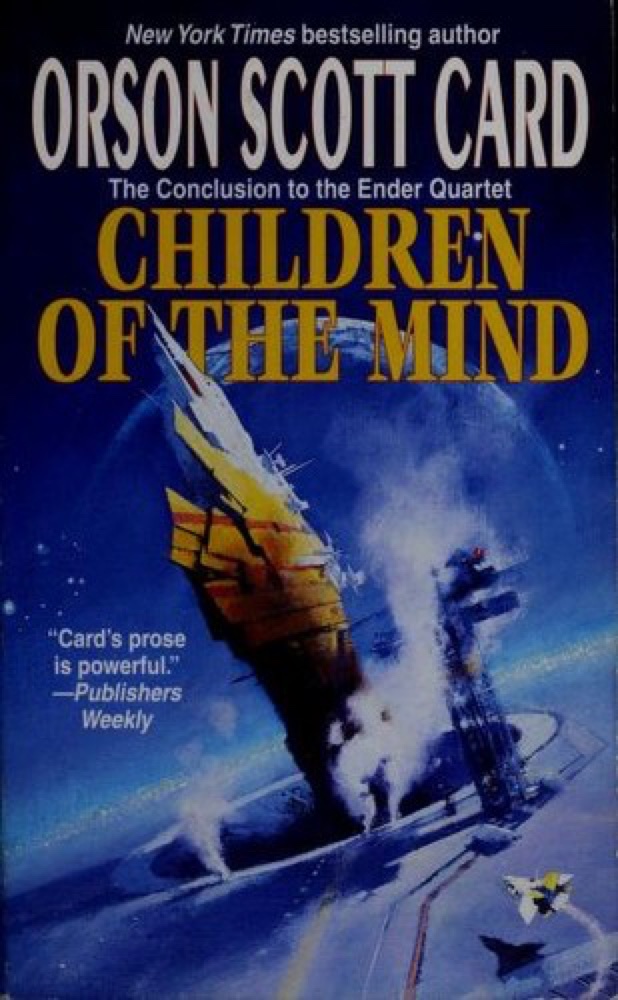 Children of the Mind
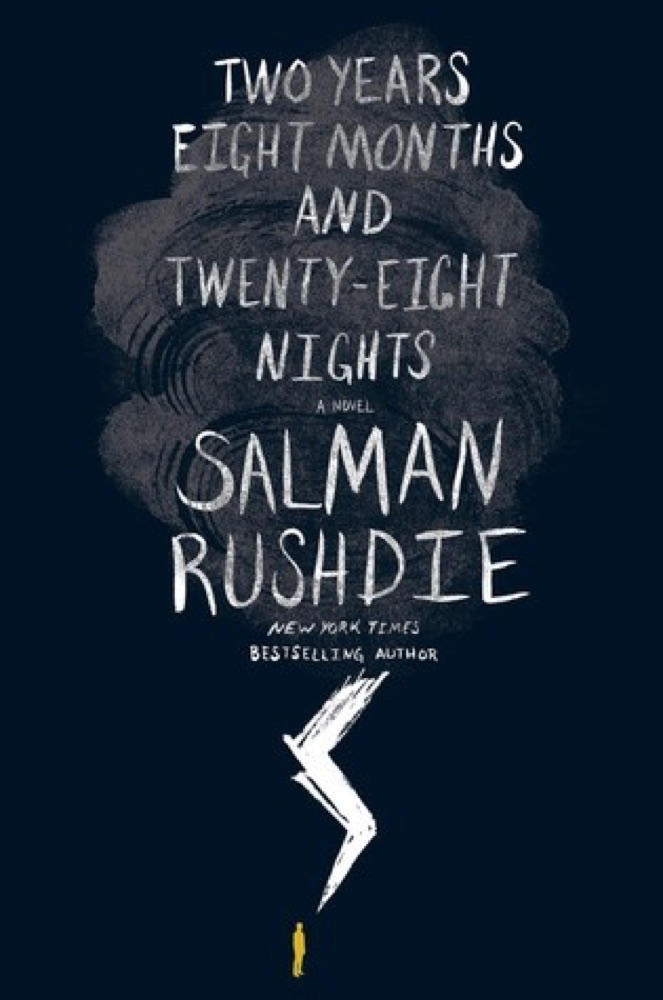 Two Years Eight Months and Twenty-Eight Nights
 Narcissus and Goldmund
 The Star Diaries
 The Dream of Scipio
 The Man in the High Castle
 The Setting Sun
 The Stone Gods
 The Kindly Ones
 My Friends
 Daybreak: Thoughts on the Prejudices of Morality
 The Etched City
 Parable of the Talents
 In Search of Lost Time
 The Kingdom on the Waves
 Eyeless in Gaza
 The Everlasting Man
 Journey to Ixtlan
 The Fall of Hyperion
 The Elementary Particles
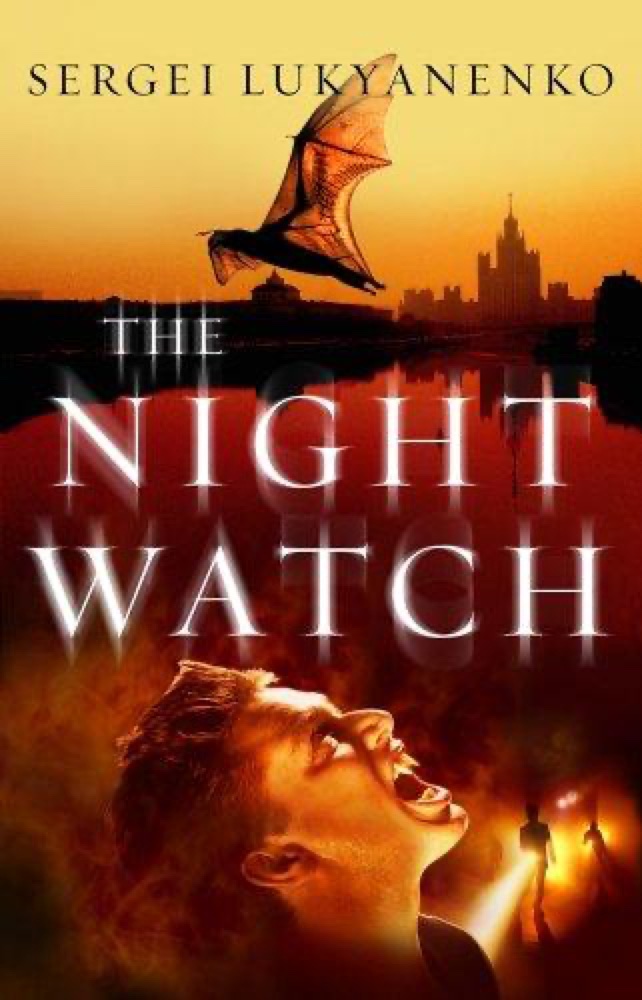 Night Watch