

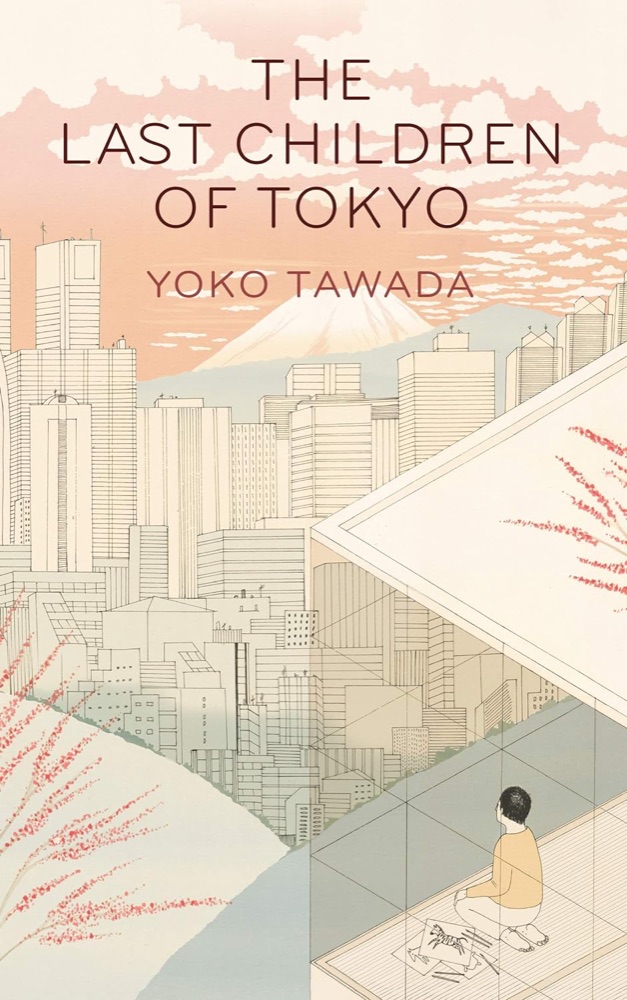
 The Last Children of Tokyo
Quotes from the Book
People are always saying the humanities are dead so it's strange how many conferences there are.
2
This word natsukashii seemed to be made of mist, a mist I was wandering through with unsteady steps.
1
You can say you want a classless society, but once you’ve boarded a big, safe ship, it’s hard to screw up the courage to switch to a dinghy.
When you think about it, since we’re all earthlings, no one can be an illegal resident of earth. So why are there more and more illegal aliens every year? If things keep on this way, someday the whole human race will be illegal.
You don't talk. You are silent. Have you decided not to say anything? I'm not trying to force you. I don't mean to criticize you, either. If someone asked me, 'Why do people have to talk, anyway?' I'm not sure how I would answer. But if your silence keeps on this way, don't you think it might lead to death? Imagine tens of thousands of people who never talk, living on an island. They have enough to eat and clothes to wear. They have games and porn, too. But without language, they decay and die.
Dad never praised my cooking or complained about it, either. So I always thought cooking was like putting on your socks, say, or opening a window - nothing special. But now that I had a girlfriend I realized that if you fed a woman good food she'd be yours forever, and was kind of upset with Dad for not telling me something so important.
I wanted to stroll around town, wrapped in loose, warm cloth.
if you sincerely loved someone, believing him to be Norwegian, then found out one day that he'd been lying to you, and was actually Danish, would you be able to not go on loving him?
It must be the same for you. Living in Arles is probably like living under the sea, in the Ryügü Palace. You have exotic women to dance for you, and you get all dreamy, smelling flowers you never knew existed, and drinking in the colors of foreign roof tiles, so you never get bored, but then one day you suddenly realise you're outside the current of time, and you want to go home.
Nevertheless, to any employee, work is to some degree a place where strangers pull at you from right, left, above and below, pinching, rubbing, and generally making a mess of you from morning to night.
We Eskimos never hunted because we liked it; we killed only as many animals as we needed to live, then preserved the meat and ate it slowly, never wasting it, and used the skins to make our clothes and shoes,” I explained. “Then foreign fur traders came to trick us, threatening us until soon we were killing as many sea otters as we could because their fur could be sold at high prices. After many years there were no more sea otters nearby, so we started making long trips in search of new hunting grounds.
Since I didn’t have a contract I could show him to make him stay, if Tenzo suddenly vanished I would be left with nothing. Tenzo had given me no words, not “lover,” or even “relationship.
Little by little I was starting to like Hiruko, which surprised me. “And are you a Buddhist?” I asked her. “No, I’m not a Buddhist. I’m a linguist.” “Is that a religion?” “Not really, but languages can make people happy, and show them what’s beyond death.
Watch on YouTube
About Yōko Tawada
We have collected 56 quotes from 3 books by Yōko Tawada on BookQuoters.
More about the author →More by Yōko Tawada
The Last Children of Tokyo
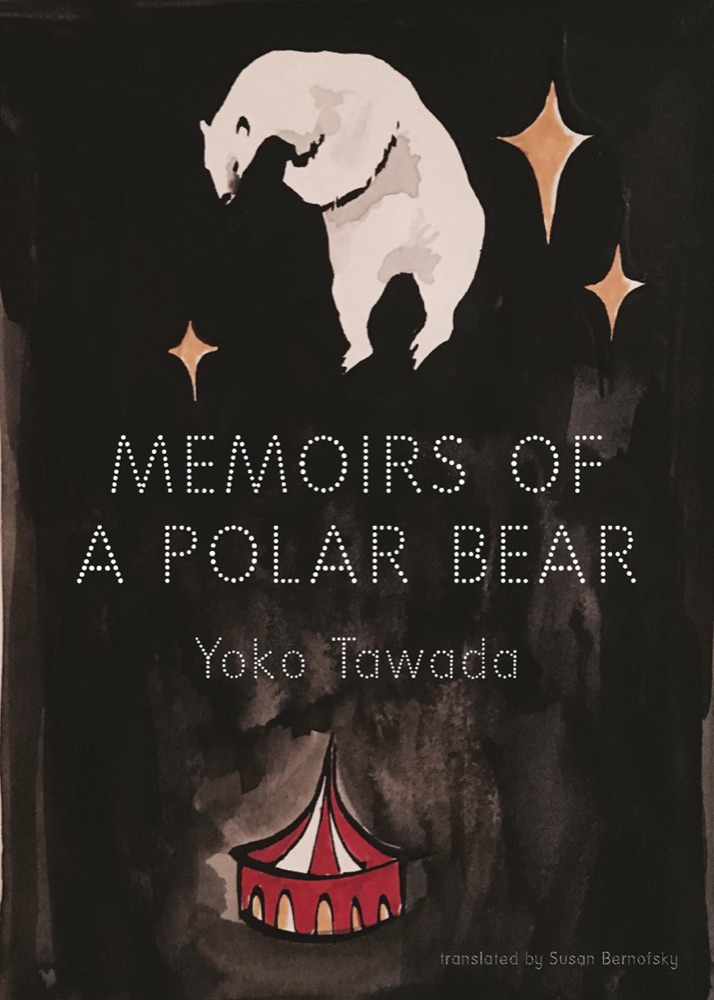 Memoirs of a Polar Bear
About the book
Welcome to the not-too-distant future: Japan, having vanished from the face of the earth, is now remembered as “the land of sushi.” Hiruko, its former citizen and a climate refugee herself, has a job teaching immigrant children in Denmark with her invented language Panska (Pan-Scandinavian): “homemade language. no country to stay in. three countries I experienced. insufficient space in brain. so made new language. homemade language.”
As she searches for anyone who can still speak her mother tongue, Hiruko soon makes new friends. Her troupe travels to France, encountering an umami cooking competition; a dead whale; an ultra-nationalist named Breivik; unrequited love; Kakuzo robots; red herrings; uranium; an Andalusian matador. Episodic and mesmerizing scenes flash vividly along, and soon they’re all next off to Stockholm.
Book details
- First published
- 2018
- Author
- Yōko Tawada
- Genre
- Fiction
- Goodreads rating
- 3.25 (7k ratings)
The buzz
- The New York TimesReview in The New York Timesprofessional review (via Book Marks)
- The New YorkerReview in The New Yorkerprofessional review (via Book Marks)
- The Wall Street JournalReview in The Wall Street Journalprofessional review (via Book Marks)
- The Times Literary SupplementReview in The Times Literary Supplementprofessional review (via Book Marks)
- Kirkus ReviewsReview in Kirkus Reviewsprofessional review (via Book Marks)
- Publishers WeeklyReview in Publishers Weeklyprofessional review (via Book Marks)
Keep reading
 Go
Go
 In the Miso Soup
 Terminal Boredom: Stories
 Embassytown
 Life Ceremony
 The Beach
 A Closed and Common Orbit
 Ancestral Night
 After the Quake
 The Wind-Up Bird Chronicle
 Changing Planes
 Dream Count
 Turtle Diary
 Breasts and Eggs
 Traveler of the Century
Memoirs of a Polar Bear
Traveler of the Century
Memoirs of a Polar Bear
 Spaceman of Bohemia
 Strange Weather in Tokyo
 Rosewater
 The Plover
 The Long Way to a Small, Angry Planet
 The Stone Gods
 Neither Here nor There: Travels in Europe
 Diary of a Void
 Microserfs
 What Is the What
 Out of Oz
 Sexing the Cherry
 Oranges Are Not the Only Fruit
 Atemschaukel
 The Hearing Trumpet
 Sputnik Sweetheart
 Pigeon English
 Sea of Silver Light
 The Atopia Chronicles
 Agatha Christie: An Autobiography
 No One Writes Back
 Sweet Bean Paste
 Plainwater: Essays and Poetry
 Different Seasons
 Everyone Burns
 The City in the Middle of the Night
 Generation X: Tales for an Accelerated Culture
 Dept. of Speculation
 The Gone-Away World
 Luckenbooth
 Heartburn
 No One Belongs Here More Than You
 The Book of Salt
 Suddenly Royal
 Twenty Fragments of a Ravenous Youth
 The Madness Underneath
 The Complete Stories
 The Library of the Dead
 The Past Is Red
 Audition
 The Sex Lives of Cannibals: Adrift in the Equatorial Pacific
 Pachinko
 Disoriental
 Purity