 Critique of Pure Reason
Quotes from the Book
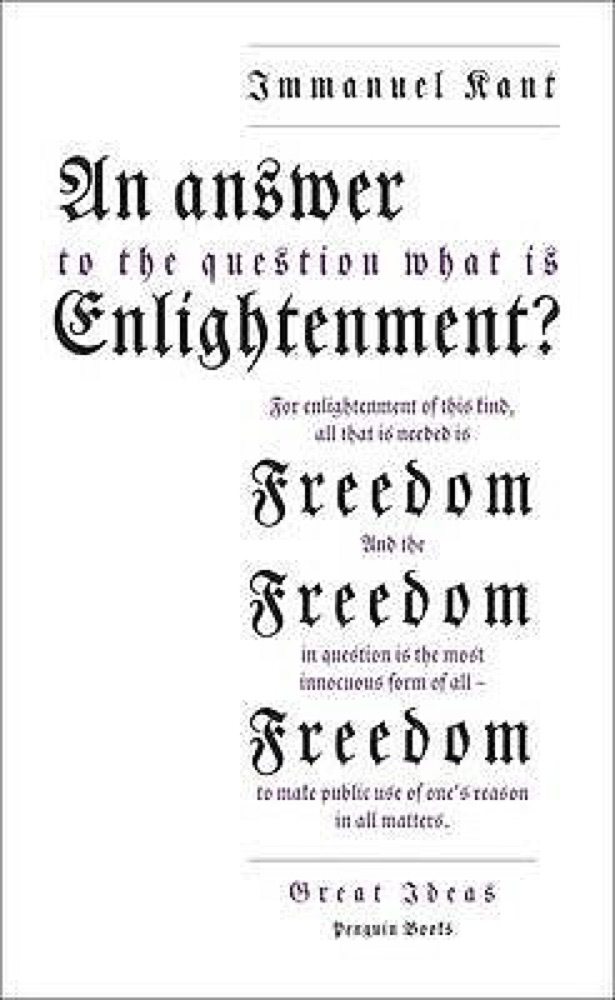
Enlightenment is man's release from his self-incurred tutelage. Tutelage is man's inability to make use of his understanding without direction from another. Self-incurred is this tutelage when its cause lies not in lack of reason but in lack of resolution and courage to use it without direction from another. Sapere aude! 'Have courage to use your own reason!'- that is the motto of enlightenment.
489
Laziness and cowardice are the reasons why so great a portion of mankind, after nature has long since discharged them from external direction (naturaliter maiorennes), nevertheless remains under lifelong tutelage, and why it is so easy for others to set themselves up as their guardians. It is so easy not to be of age. If I have a book which understands for me, a pastor who has a conscience for me, a physician who decides my diet, and so forth, I need not trouble myself. I need not think, if I can only pay - others will easily undertake the irksome work for me. That the step to competence is held to be very dangerous by the far greater portion of mankind...
179
But only he who, himself enlightened, is not afraid of shadows.
164
But to unite in a permanent religious institution which is not to be subject to doubt before the public even in the lifetime of one man, and thereby to make a period of time fruitless in the progress of mankind toward improvement, thus working to the disadvantage of posterity - that is absolutely forbidden. For himself (and only for a short time) a man may postpone enlightenment in what he ought to know, but to renounce it for posterity is to injure and trample on the rights of mankind.
85
...new prejudices will serve as well as old ones to harness the great unthinking masses. For this enlightenment, however, nothing is required but freedom, and indeed the most harmless among all the things to which this term can properly be applied. It is the freedom to make public use of one's reason at every point. But I hear on all sides, 'Do not argue!' The Officer says: 'Do not argue but drill!' The tax collector: 'Do not argue but pay!' The cleric: 'Do not argue but believe!' Only one prince in the world says, 'Argue as much as you will, and about what you will, but obey!' Everywhere there is restriction on freedom.
66
An age cannot bind itself and ordain to put the succeeding one into such a condition that it cannot extend its (at best very occasional) knowledge , purify itself of errors, and progress in general enlightenment. That would be a crime against human nature, the proper destination of which lies precisely in this progress and the descendants would be fully justified in rejecting those decrees as having been made in an unwarranted and malicious manner. The touchstone of everything that can be concluded as a law for a people lies in the question whether the people could have imposed such a law on itself.
52
As nature has uncovered from under this hard shell the seed for which she most tenderly cares - the propensity and vocation to free thinking - this gradually works back upon the character of the people, who thereby gradually become capable of managing freedom; finally, it affects the principles of government, which finds it to its advantage to treat men, who are now more than machines, in accordance with their dignity.
43
Enlightenment is man's emergence from his self-imposed immaturity. Immaturity is the inability to use one's understanding without guidance from another.
33
If I have a book that thinks for me, a pastor who acts as my conscience, a physician who prescribes my diet, and so on... then I have no need to exert myself. I have no need to think, if only I can pay; others will take care of that disagreeable business for me.
14
Perhaps a revolution can overthrow autocratic despotism and profiteering or power-grabbing oppression, but it can never truly reform a manner of thinking; instead, new prejudices, just like the old ones they replace, will serve as a leash for the great unthinking mass
4
If we were to suppose that mankind never can or will be in a better condition, it seems impossible to justify by any kind of theodicy the mere fact that such a race of corrupt beings could have been created on earth at all.
3
One age cannot bind itself, and thus conspire, to place a succeeding one in a condition whereby it would be impossible for the later age to expand its knowledge (particularly where it is so very important), to rid itself of errors, and generally to increase its enlightenment. That would be a crime against human nature, whose essential destiny lies precisely in such progress; subsequent generations are thus completely justified in dismissing such agreements as unauthorized and criminal. The criterion of everything that can be agreed upon as a law by a people lies in this question: Can a people impose such a law on itself?
3
Watch on YouTube
About Immanuel Kant
We have collected 98 quotes from 5 books by Immanuel Kant on BookQuoters.
More about the author →More by Immanuel Kant
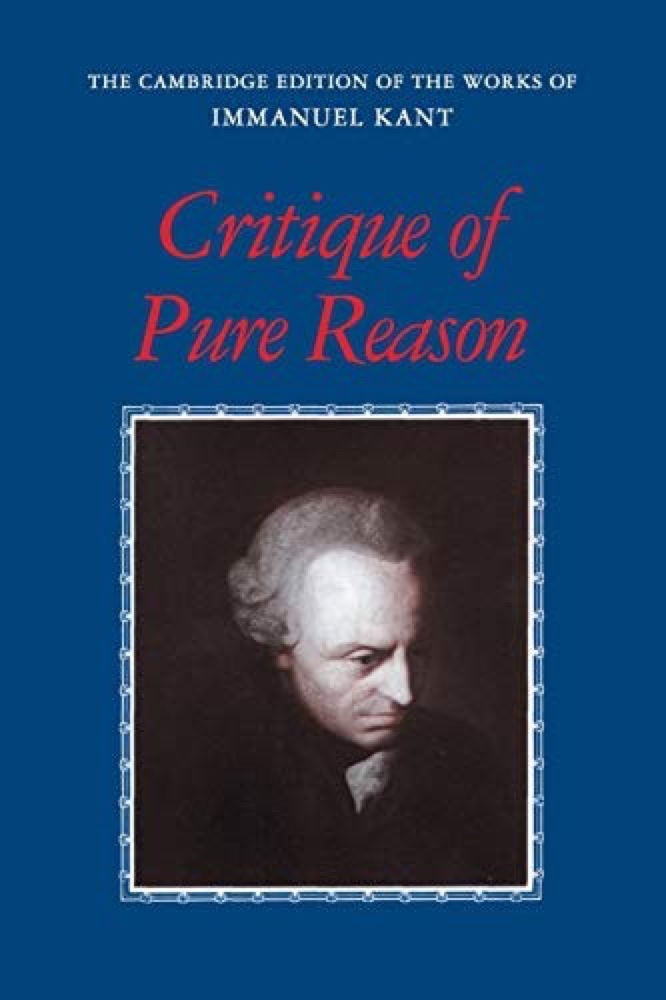
Critique of Pure Reason
 Groundwork of the Metaphysics of Morals
 The Metaphysics of Morals
 Critique of Judgment
About the book
Immanuel Kant was one of the most influential philosophers in the whole of Europe, who changed Western thought with his examinations of reason and the nature of reality. In these writings he investigates human progress, civilization, morality and why, to be truly enlightened, we must all have the freedom and courage to use our own intellect.
Throughout history, some books have changed the world. They have transformed the way we see ourselves - and each other. They have inspired debate, dissent, war and revolution. They have enlightened, outraged, provoked and comforted. They have enriched lives - and destroyed them. Now Penguin brings you the works of the great thinkers, pioneers, radicals and visionaries whose ideas shook civilization and helped make us who we are.
Book details
- First published
- 1784
- Author
- Immanuel Kant
- Genre
- Philosophy
- Goodreads rating
- 3.83 (3k ratings)
Keep reading
 Daybreak: Thoughts on the Prejudices of Morality
 An Essay Concerning Human Understanding
 The Abolition of Man
 Heretics
 Emile or On Education
 On Liberty
 An Enquiry Concerning Human Understanding
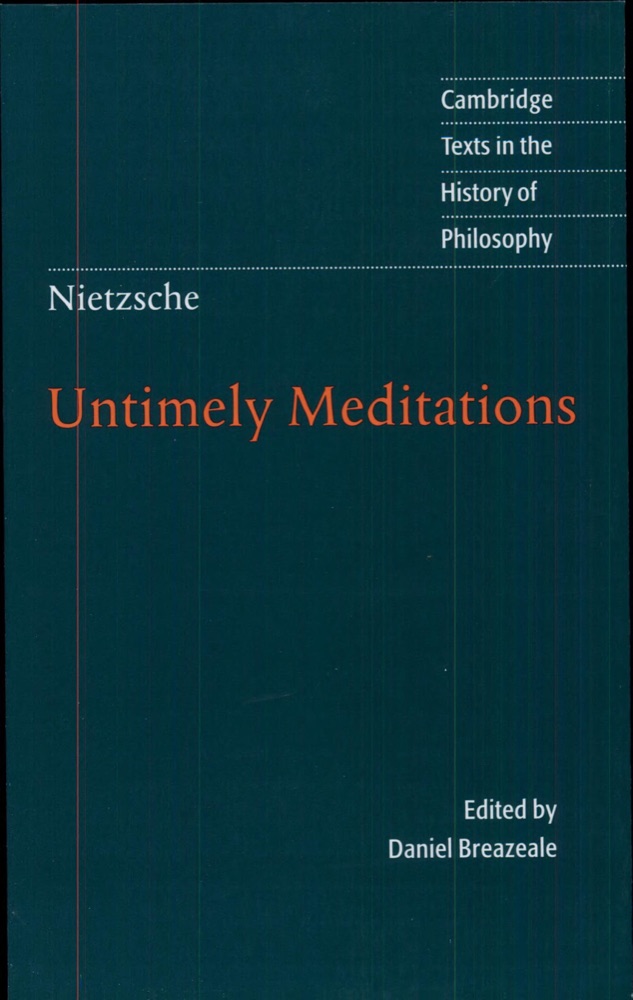 Untimely Meditations
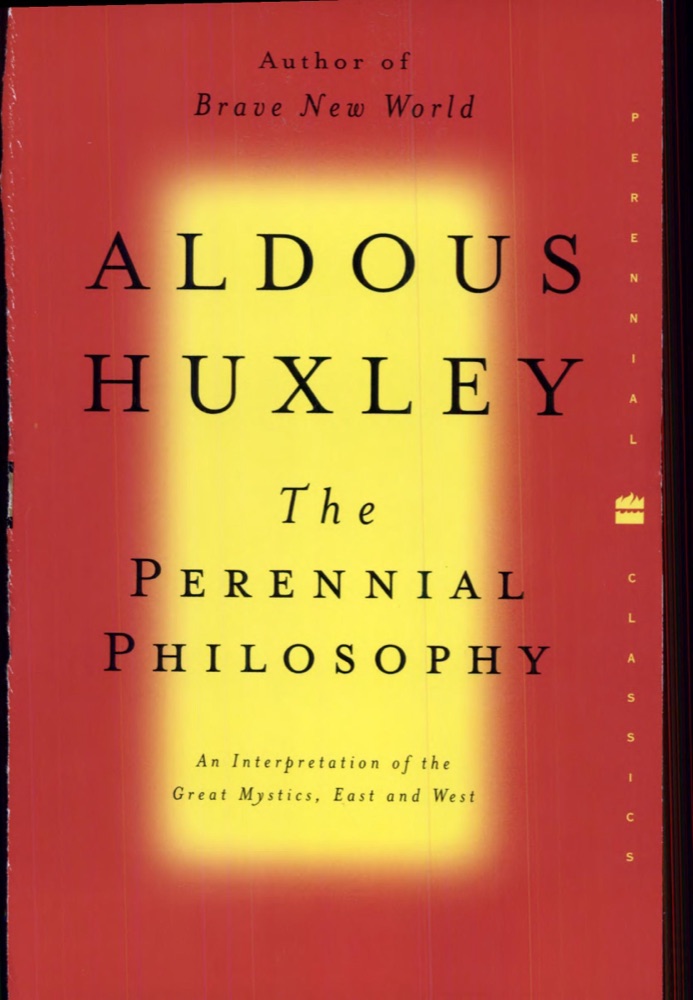 The Perennial Philosophy
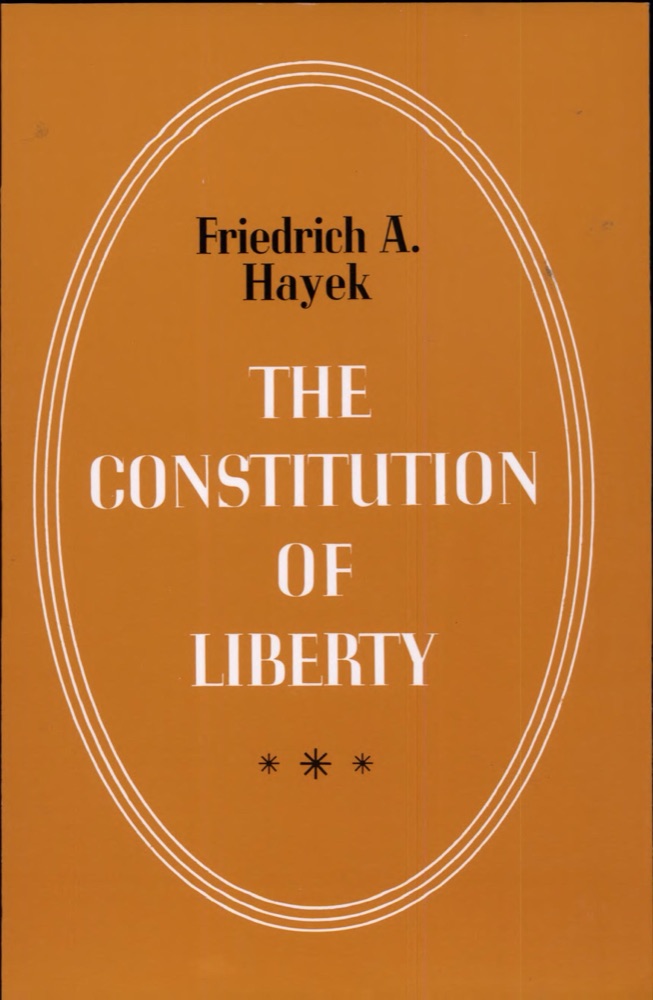 The Constitution of Liberty
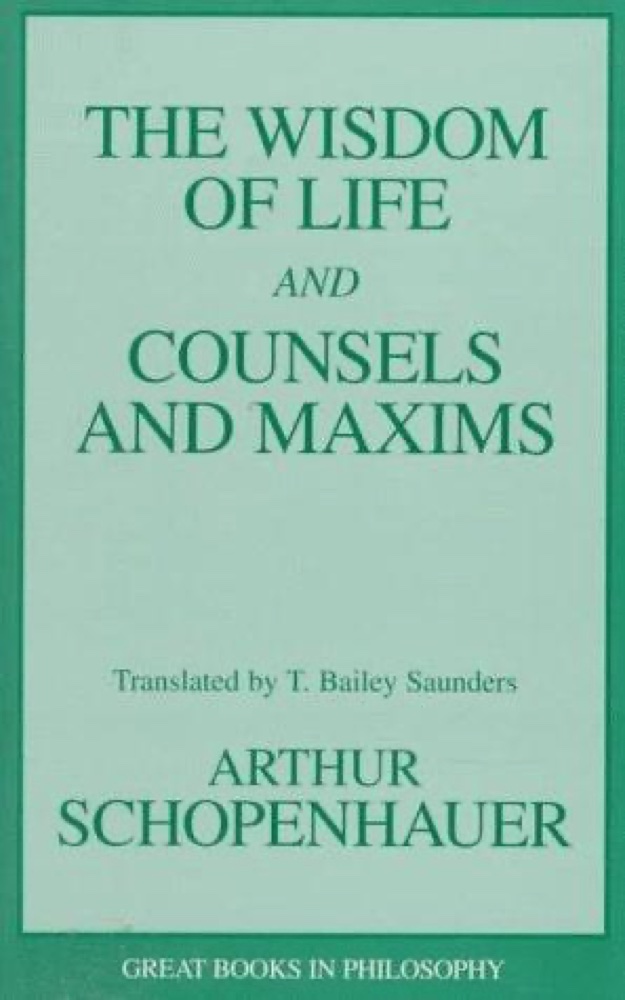 The Wisdom of Life
 A History of Western Philosophy
 The Crisis of the Modern World
 How Should We Then Live? The Rise and Decline of Western Thought and Culture
 The Undiscovered Self
 Walden Two
 The Closing of the American Mind
 Freedom from the Known
 Rights of Man
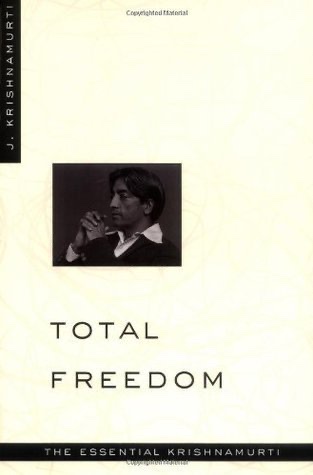 Total Freedom: The Essential Krishnamurti
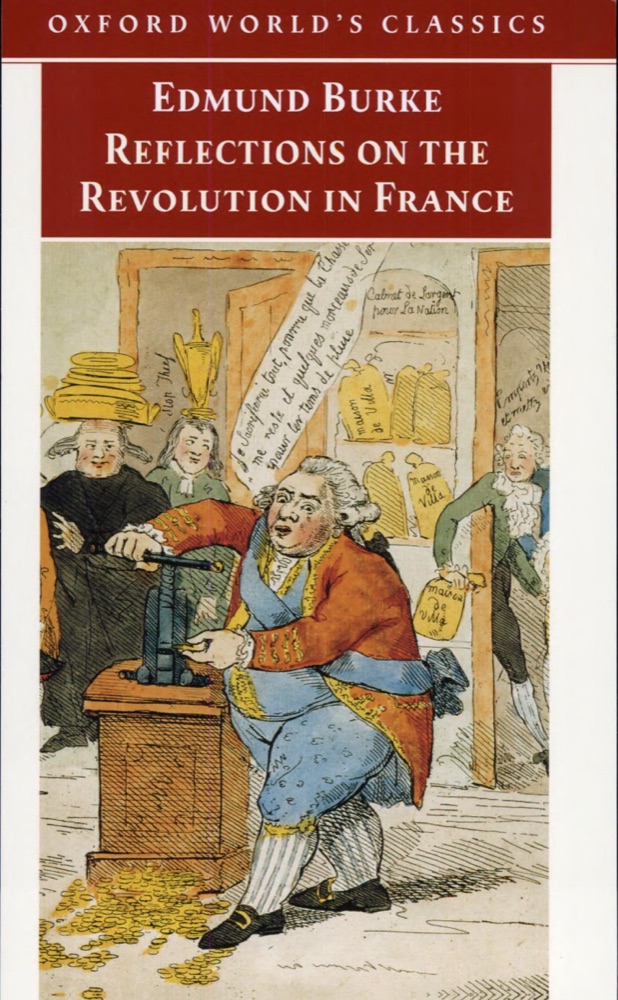 Reflections on the Revolution in France
 Twilight of the Idols
 Elements of the Philosophy of Right
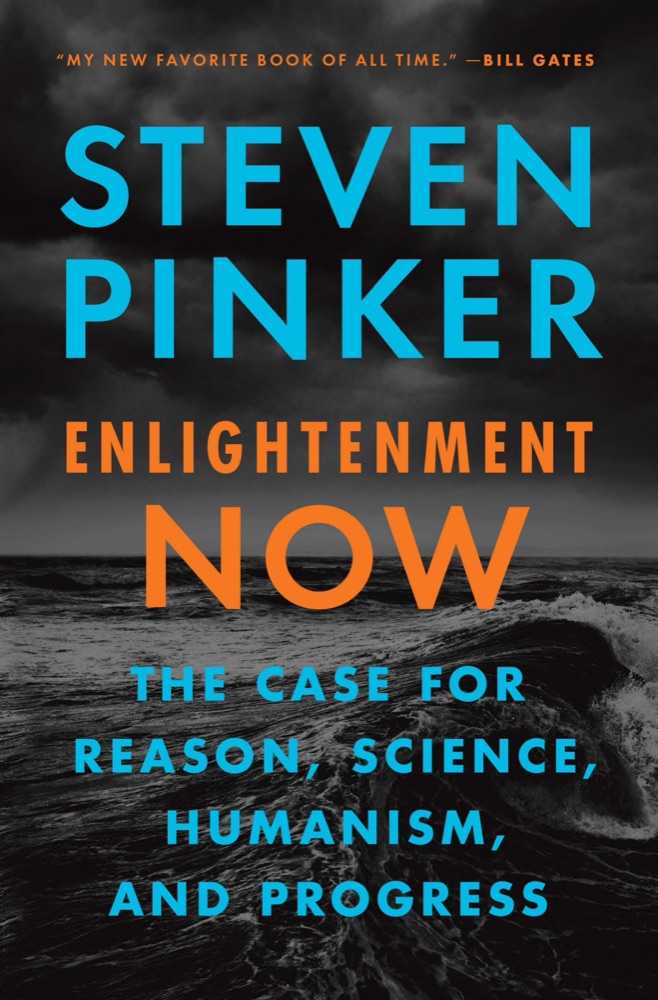 Enlightenment Now: The Case for Reason, Science, Humanism, and Progress
 Dialectic of Enlightenment: Philosophical Fragments
 The Republic
 The Future of an Illusion
 Democracy in America
 Dialogues Concerning Natural Religion
 Why I Am An Atheist: An Autobiographical Discourse
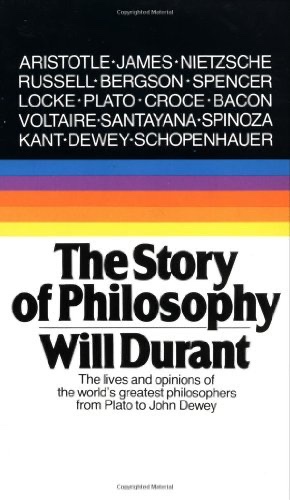 The Story of Philosophy: The Lives and Opinions of the World's Greatest Philosophers
 The Ethics of Ambiguity
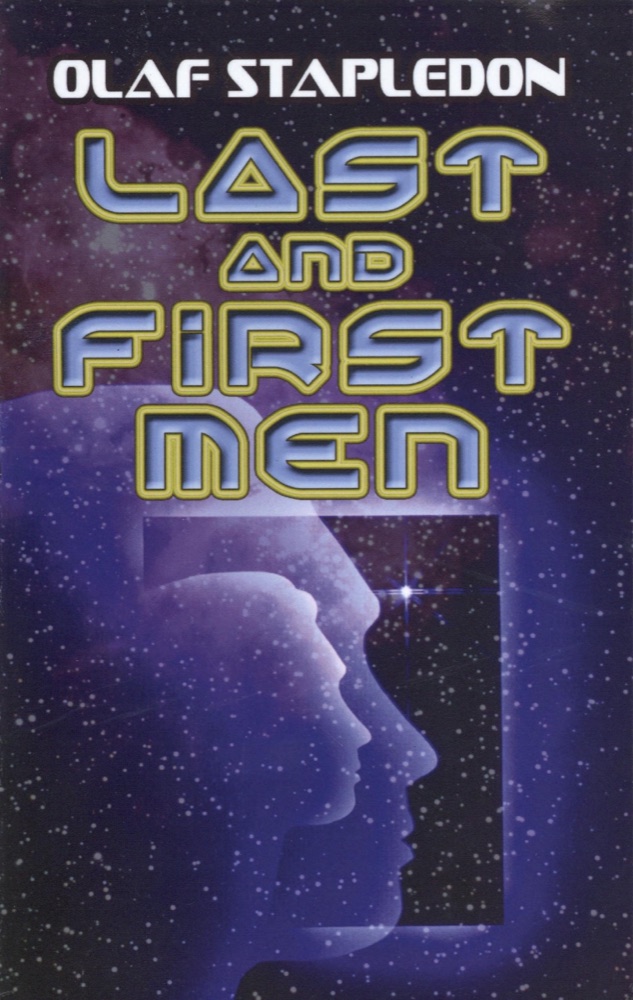 Last and First Men
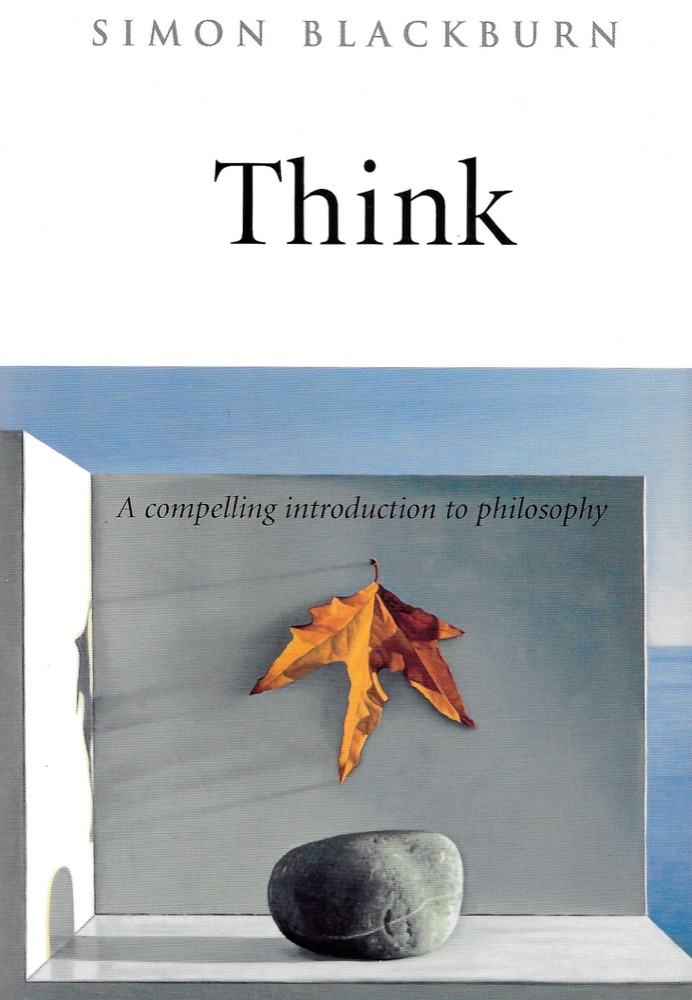 Think: A Compelling Introduction to Philosophy
 Self-Reliance: An Excerpt from Collected Essays, First Series
Critique of Pure Reason
Self-Reliance: An Excerpt from Collected Essays, First Series
Critique of Pure Reason
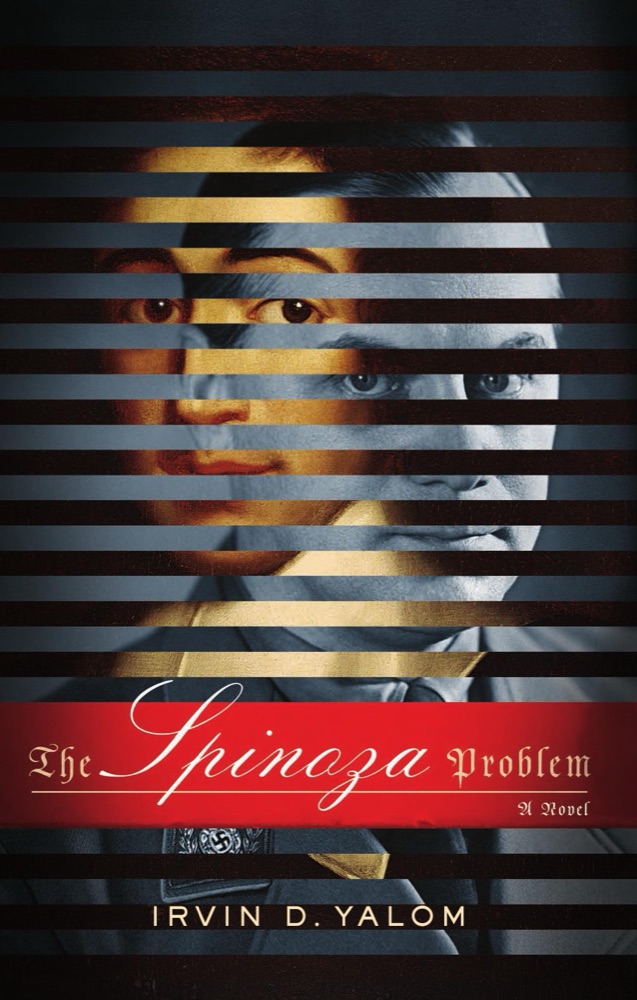 The Spinoza Problem
 Escape from Freedom
 Why I Am Not a Christian and Other Essays on Religion and Related Subjects
 The Muqaddimah: An Introduction to History
 Children of Dune
 Theological-Political Treatise
 The Discovery of India
 The Story of My Experiments With Truth
 After Virtue
 The Ides of March
 How to Know Higher Worlds: A Modern Path of Initiation
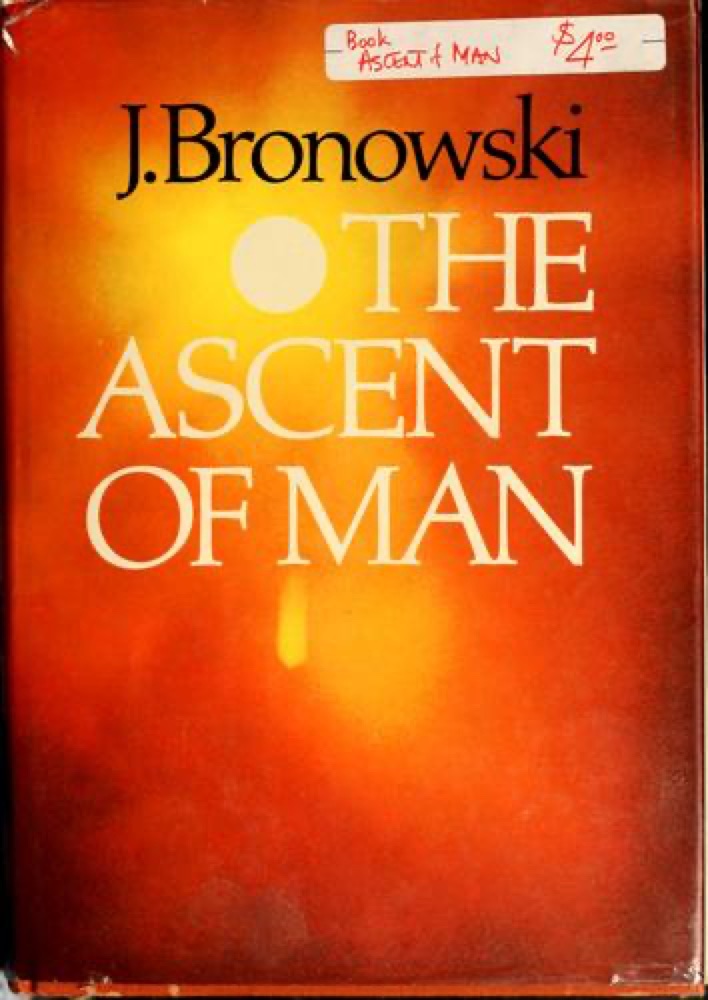 The Ascent of Man
 The Occult
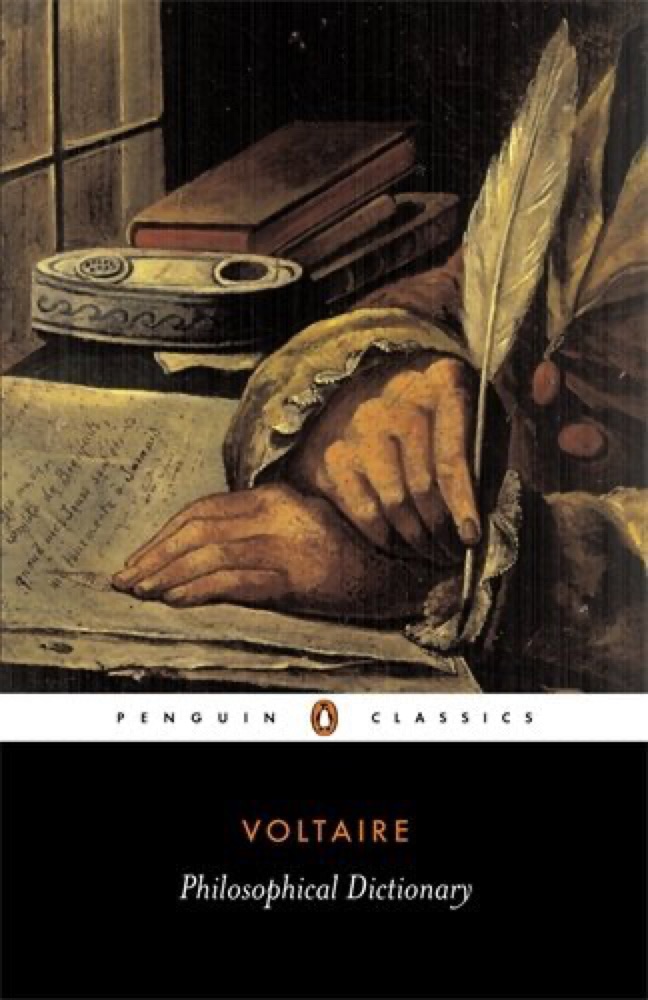 Philosophical Dictionary
 Discourse on the Origin of Inequality
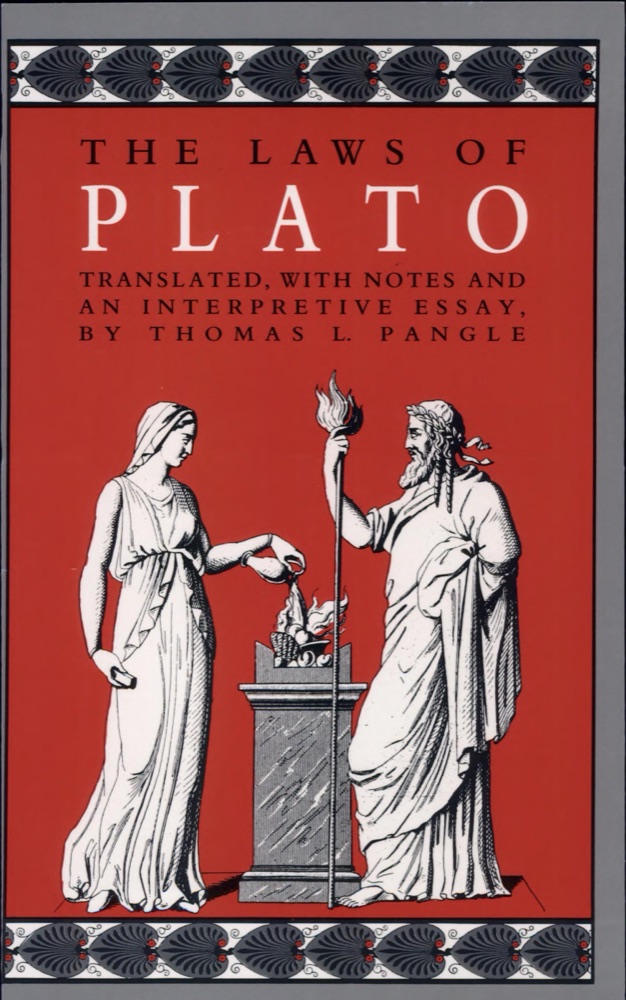 The Laws of Plato
 The Ego and Its Own
 From Dawn to Decadence: 500 Years of Western Cultural Life, 1500 to the Present
 What I Believe
 Persian Letters
The Metaphysics of Morals
Persian Letters
The Metaphysics of Morals
 Irrational Man: A Study in Existential Philosophy
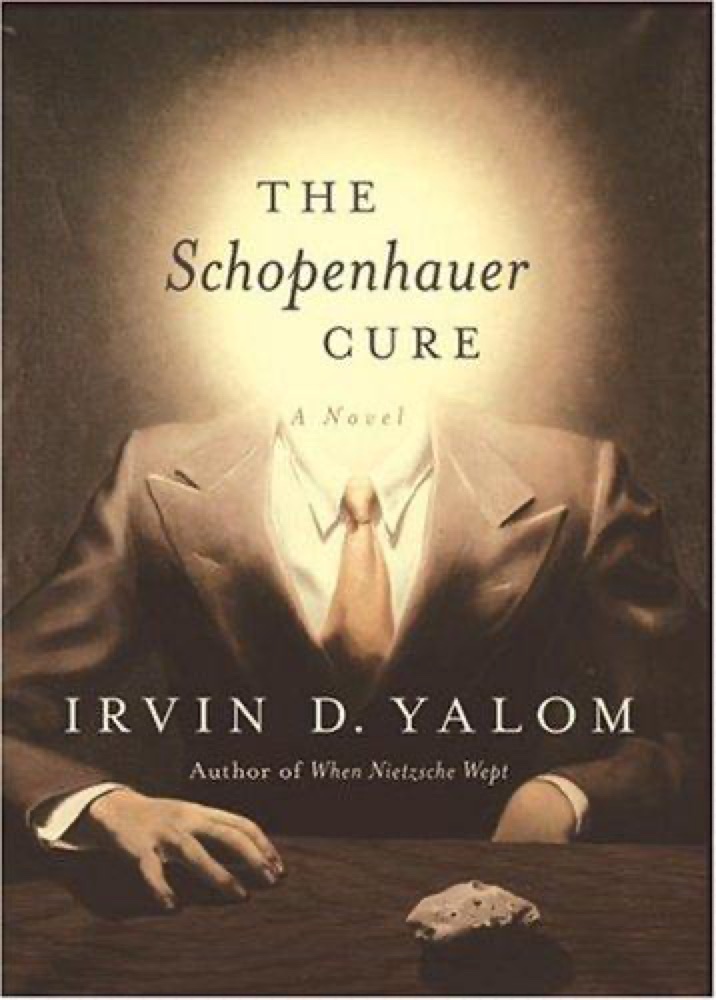 The Schopenhauer Cure