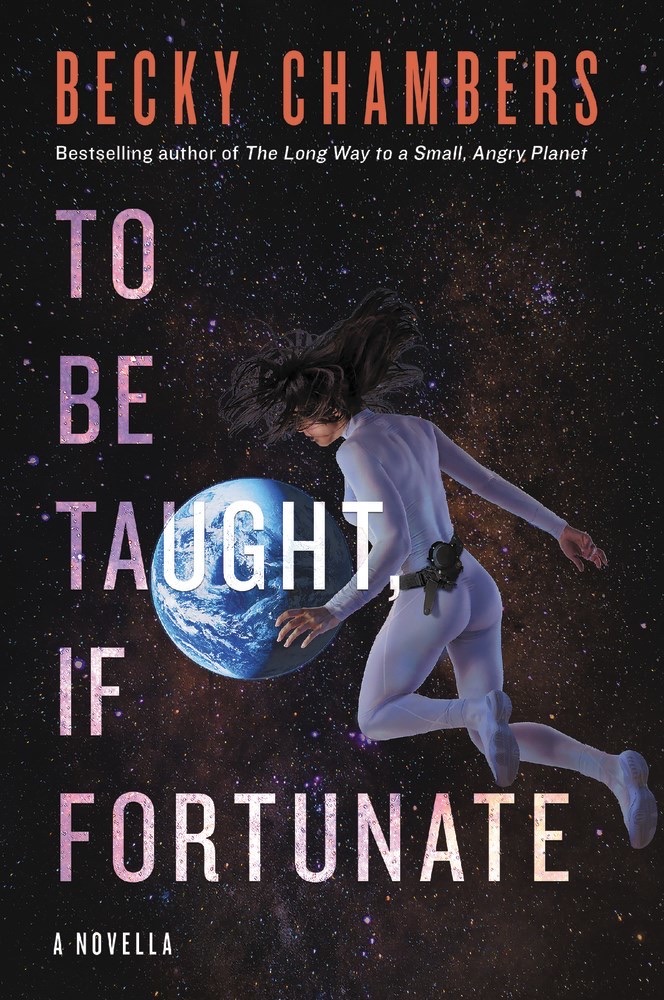

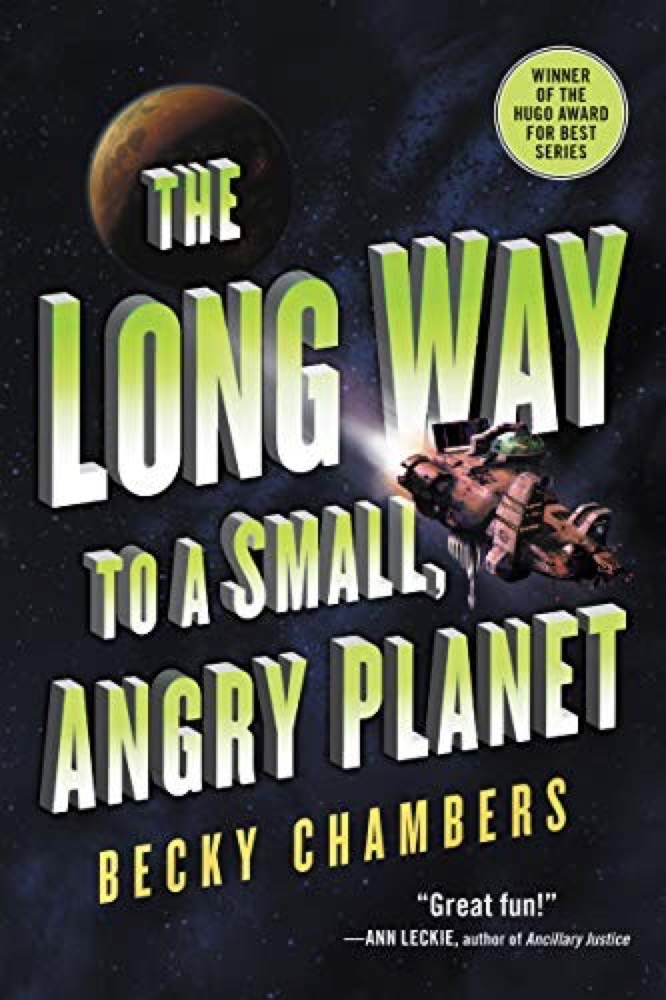
 The Long Way to a Small, Angry Planet
Quotes from the Book
We step out of our solar system into the universe seeking only peace and friendship – to teach, if we are called upon; to be taught, if we are fortunate.
155
At some point, you have to accept the fact that any movement creates waves, and the only other option is to lie still and learn nothing.
105
We celebrate the tree that stretches to the sky, but it is the ground we should ultimately thank.
87
A moth was a caterpillar, once, but it no longer is a caterpillar. It cannot break itself back down, cannot metamorphose in reverse. To try to eat leaves again would mean starvation. Crawling back into the husk would provide no shelter. It is a paradox -- the impossibility of reclaiming that which lies behind, housed within a form comprised entirely of the repurposed pieces of that same past. We exist where we begin, yet to remain there is death... I could not have predicted each version of me that I shifted into, but through my history, one constant has always remained true: change itself... I did not know who she was, the one waiting for me to start moving toward her. I was curious about her, all the same. I was eager to meet her.
80
Don't believe the lie of individual trees, each a monument to its own self-made success. A forest is an interdependent community. Resources are shared, and life in isolation is a death sentence.
79
It is difficult to give thought to the stars when the ground is swallowing you up.
61
The amount a person can spare is relative; the value of generosity is not.
60
I'm an observer, not a conqueror. I have no interest in changing other worlds to suit me. I choose the lighter touch: changing myself to suit them.
57
We exist where we begin, yet to remain is death.
47
...a home can only exist in a moment. Something both bound and made. Always temporary, in the grand scheme of things, but vital all the same.
34
...sometimes we go, and we try, and we suffer, and despite it all, we learn nothing. Sometimes we are left with more questions than when we started. Sometimes we do harm, despite our best efforts. We are human. We are fragile.
31
I know how much a world can change within the bookends of a lifetime.
27
The ache to return to a time long gone was almost worse than fear.
27
It's understandable why humans stopped living in space in the 2020s. How can you think of the stars when the seas are spilling over? How can you spare thought for alien ecosystems when your cities are too hot to inhabit? How can you trade fuel and metal and ideas when the lines on every map are in flux? How can anyone be expected to care about the questions of worlds above when the questions of the world you're stuck on — the most vital criteria of home and health and safety — remain unanswered?
24
If I ask what I'm asking only of people who agree with me at the outset, with whom I already share a dream and a language, then there's no point in asking at all.
24
We have found nothing you can sell. We have found nothing you can put to practical use. We have found no worlds that could be easily or ethically settled, were that end desired. We have satisfied nothing but curiosity, gained nothing but knowledge.
23
It’s difficult to assign value to discovery when you haven’t sorted out the parameters of reality yet.
20
What we want you to ask yourselves is this: what is space, to you? Is it a playground? A quarry? A flagpole? A classroom? A temple? Who do you believe should go, and for what purpose? Or should we go at all? Is the realm above the clouds immaterial to you, so long as satellites send messages and rocks don't fall? Is human spaceflight a fool's errand, a rich man's fantasy, an unacceptable waste of life and metal? Are our methods grotesque to you, our ethics untenable? Are our hopes outdates? When I tell you of our life out here, do you cheer for us, or do you scoff? Are astronauts still relevant in your time?
16
When the world you know is out of reach, nothing is more welcome than a measurable reminder that it still exists.
16
Viewed in this way, you can never again see a tree as a single entity, despite its visual dominance. It towers. It’s impressive. But in the end, it’s a fragile endeavour that can only stand thanks to the contributions of many. We celebrate the tree that stretches to the sky, but it is the ground we should ultimately thank.
11
And worst of all, we knew this could happen. We've been impotently worrying about what a solar flare could do to electronic infrastructure since the 1900s. But my generation was so preoccupied with fixing the mess left by the unaddressed-and-fully-known-about environmental disaster of the previous generation that we committed the same sin of criminal procrastination against yours. I ask no forgiveness for this, because we deserve none.
11
Hope isn't about predicting the future; it's about how you approach it.
9
Have you ever been in a place where history becomes tangible? Where you stand motionless, feeling time and importance press around you, press into you?
7
I had become so accustomed to the cacophony that part of me perversely wished for it, more trusting of unending discord than peace that could be snatched away.
7
I was four. _New and somewhat interesting_ applied to about ninety percent of my day, in everything from the development of a scab, to a cartoon I'd never seen, to an unexpected flavour of juice at lunch. It's difficult to assign value to discovery when you haven't sorted out the parameters of reality yet.
7
But I’m not a moth. I’m human. And in humans, there are far more stages than just two. I could not have predicted each version of me that I shifted into, but through my history, one constant has always remained true: change itself. I might not be able to return to the other Ariadnes, but I would not always be the Ariadne floating in front of the mirror, either.
6
Are astronauts still relevant in your time? We have found nothing you can sell. We have found nothing you can put to practical use. We have found no worlds that could be easily or ethically settled, were that the end desired. We have satisfied nothing but curiosity, gained nothing but knowledge.
6
The mirror knows you're anxious to see yourself — but take your time, it says. I'm here when you're ready, and not a second before. It is the kindest object placement I've ever seen.
6
It is a paradox – the impossibility of reclaiming that which lies behind, housed within a form comprised entirely of the repurposed pieces of that same past. We exist where we begin, yet to remain there is death.
6
If you overthink it – a classic human trait if ever there was one – you start to fall down a rabbit hole of potential disasters. What if the lander itself crushed something? What if the noise of landing scared something away and disrupted their breeding season? What if the exact place where your craft landed is where two bacteria of separate species met for the first time, and what if their meeting would have resulted in a symbiosis that would have led to the emergence of a new species, and you, you bastard, just wiped out that entire reality? I used to stay awake at night stuck in these worries. But if you live by that logic, you can never take another step.
5
Watch on YouTube
About Becky Chambers
We have collected 141 quotes from 5 books by Becky Chambers on BookQuoters.
More about the author →More by Becky Chambers
The Long Way to a Small, Angry Planet
 A Closed and Common Orbit
 Record of a Spaceborn Few
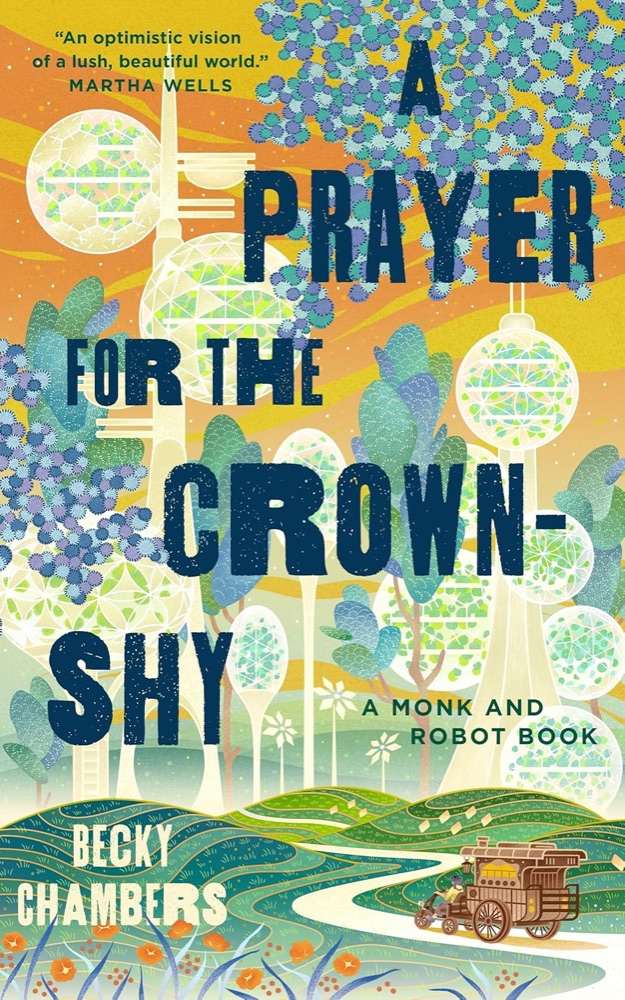 A Prayer for the Crown-Shy
About the book
A stand-alone science fiction novella.
At the turn of the twenty-second century, scientists make a breakthrough in human spaceflight. Through a revolutionary method known as somaforming, astronauts can survive in hostile environments off Earth using synthetic biological supplementations. They can produce antifreeze in subzero temperatures, absorb radiation and convert it for food, and conveniently adjust to the pull of different gravitational forces. With the fragility of the body no longer a limiting factor, human beings are at last able to journey to neighboring exoplanets long known to harbor life.
A team of these explorers, Ariadne O’Neill and her three crewmates, are hard at work in a planetary system fifteen light-years from Sol, on a mission to ecologically survey four habitable worlds. But as Ariadne shifts through both form and time, the culture back on Earth has also been
Book details
- First published
- 2019
- Author
- Becky Chambers
- Genre
- Science Fiction
- Goodreads rating
- 4.19 (60k ratings)
Keep reading
 The Anthropocene Reviewed: Essays on a Human-Centered Planet
 How High We Go in the Dark
 The Stone Gods
 To Sleep in a Sea of Stars
 The Fifth Science
 Small Wonder
 The Dark Forest
 In Ascension
 Girlfriend in a Coma
 One
One
 Acceptance
 All Our Wrong Todays
Record of a Spaceborn Few
All Our Wrong Todays
Record of a Spaceborn Few
 Ascension
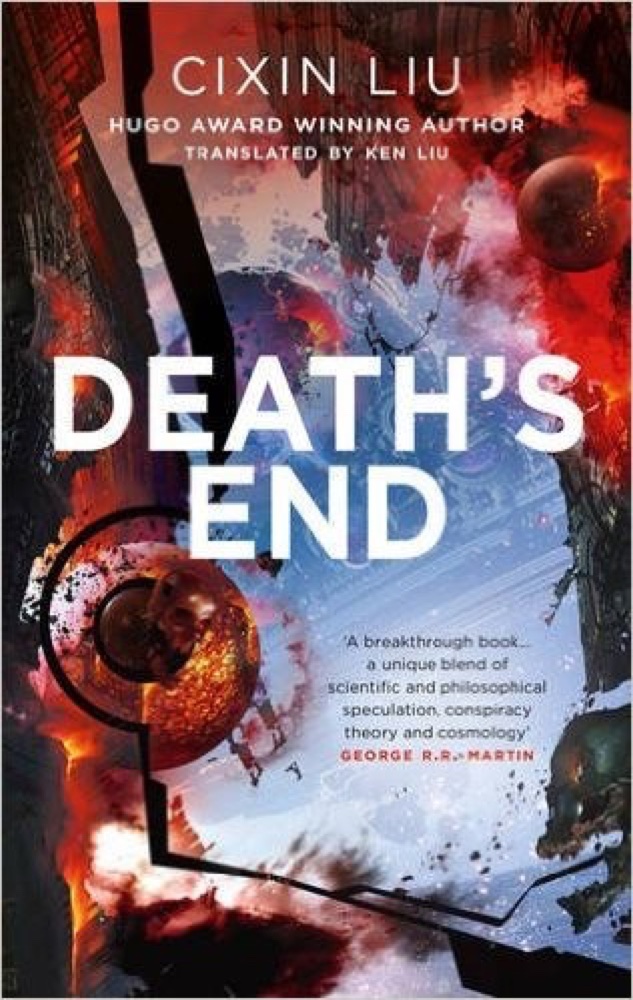 Death's End
 Random Acts Of Heroic Love
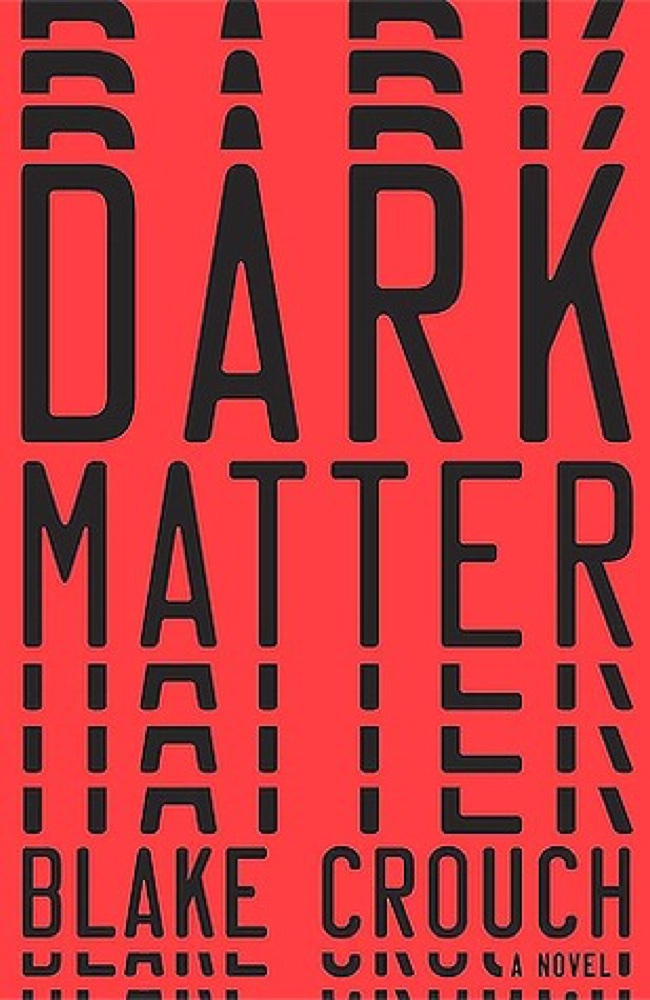 Dark Matter
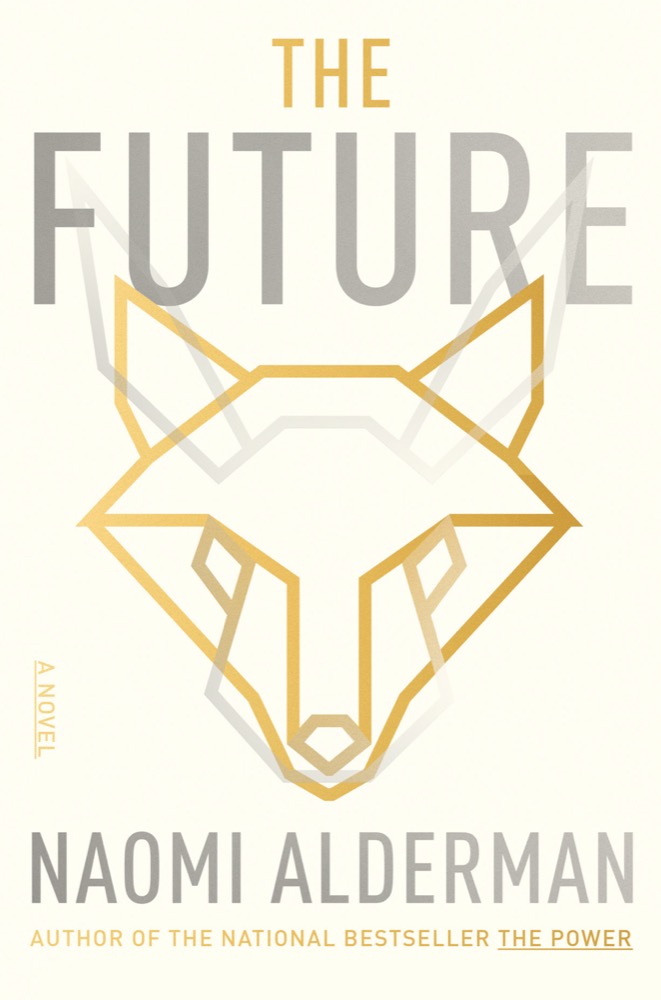 The Future
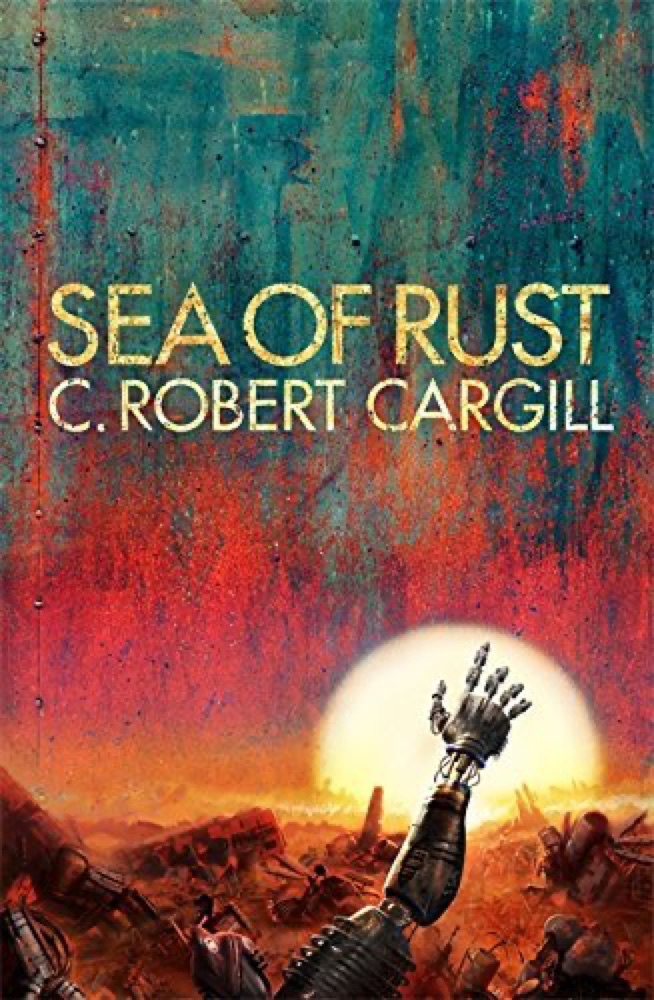 Sea of Rust
 Robopocalypse
 Bewilderment
 The Stardust Grail
 Solaris
 Sputnik Sweetheart
 Aquarium
 The Shape of Water
 Orbital
 Sea of Tranquility
 House Harkonnen
 When Breath Becomes Air
 Weight: The Myth of Atlas and Heracles
 The Space Between Worlds
 The Stone Sky
 The Toll
 The City in the Middle of the Night
 Hard-Boiled Wonderland and the End of the World
 Slow Gods
 Waking Gods
 2312
2312
 Why Fish Don’t Exist: A Story of Loss, Love, and the Hidden Order of Life
 Between a Rock and a Hard Place
 Genesis
 Deep Creek: Finding Hope in the High Country
 Exhalation
 Night Train to Lisbon
 Ancestral Night
 Aurora
 Microserfs
 Mostly Void, Partially Stars
 Semiosis
 No Cure for Being Human: And Other Truths I Need to Hear
 The Shockwave Rider
 Jurassic Park
 The Ground Beneath Her Feet
 Billions & Billions: Thoughts on Life and Death at the Brink of the Millennium
 The Three-Body Problem
 Teaching a Stone to Talk: Expeditions and Encounters
 The State of the Art
 The Rise of Endymion
 West with the Night