 The Beauty Myth
Quotes from the Book
At best, the maiden archetype has enshrined female suffering as something noble and beautiful, at worst it has contributed to the normalisation of violence against women, by turning it into poetry, religious devotion or beauty, or even just a historically condoned inevitability.
9
society tolerates sexually explicit images of women as long as they conform to an ideal that doesn’t relate to women’s autonomous erotic pleasure. Encouraged to be hyper-sexualised and available spectacles from a young age, when women focus on their own erotic desires and satisfaction, they are seen as monsters, and even more so when they get rich doing it.
5
When we change the way we see, the things we see also change.
5
Sex tends to be taken as an automatically liberating theme in art, but we might ask ourselves how liberating the sex was for the women in these pictures.
5
The femme fatale seems to have it all - she is independent and enjoys sexual fulfillment, but this comes at a price: rejected by society, she is the focus of male aggression and is ultimately always destroyed. As such she is a cautionary tale warning women not to want too much.
2
The problem is not that erotically charged images can’t also be seen as culturally valuable expressions (they can), but that woman’s highest cultural expression has been as a passive sex object, and not as an artist or creator of culture herself. This has limited what women have been able to achieve in a patriarchal society that cannot separate women’s value and worth from a very fixed idea of their sexuality.
2
Guided groups are brought before her to revere the extraordinary achievements of the master artist, or to be teased by the play of gazes in the image - that Venus sees us seeing her - and, most of all, to be educated, enlightened and inspired by a picture of a woman with no clothes on.
2
Women are socialised from an early age to comply with hyper-sexual stereotypes found in both fast-moving media and ‘high art’ and cultural representations, which consequently become the default norm. And seeing women as sexually available in images found everywhere from the art gallery to the workplace to the top deck of the bus on the way to school, creates a totalising environment of erotic privilege for straight men.
1
Seeing these images in their heavy gilded frames, tenderly lit and guarded by tasselled ropes and attentive guards, somehow made male desire and violence both precious and part of the unquestionable natural order of things.
1
Picasso and Modigliani’s ‘Venuses’ represent a sort of iconoclasm in their self-conscious rejection of the cold, perfectly-finished, stuffy beauty of the Western tradition of art. For the contemporary viewer they have become a reassuring confirmation of left-of-centre politics, of anti-establishment positions and of an intellectual kudos that doesn’t need art to look classical to be meaningful. And the frankness of the male artist’s unflinchingly libidinal vision is taken as evidence of the separation from restrictive bourgeois respectability and taste.
[We are]expected to be wooed and seduced by the male artist’s libidinous vision, a vision that has dominated and come to define our perception of genius, beauty and value from the perspective of the white heterosexual male artist.
Watch on YouTube
About Catherine McCormack
About the book
Art historian Catherine McCormack challenges how culture teaches us to see and value women, their bodies, and their lives. Venus, maiden, wife, mother, monster―women have been bound so long by these restrictive roles, codified by patriarchal culture, that we scarcely see them. Catherine McCormack illuminates the assumptions behind these stereotypes whether writ large or subtly hidden. She ranges through Western art―think Titian, Botticelli, and Millais―and the image-saturated world of fashion photographs, advertisements, and social media, and boldly counters these depictions by turning to the work of women artists like Morisot, Ringgold, Lacy, and Walker, who offer alternative images for exploring women’s identity, sexuality, race, and power in more complex ways. 20 illustrations
Book details
- First published
- 2020
- Author
- Catherine McCormack
- Genre
- Nonfiction
- Goodreads rating
- 4.32 (3k ratings)
The buzz
- The New York TimesReview in The New York Timesprofessional review (via Book Marks)
- The Washington PostReview in The Washington Postprofessional review (via Book Marks)
- Kirkus ReviewsReview in Kirkus Reviewsprofessional review (via Book Marks)
- Publishers WeeklyReview in Publishers Weeklyprofessional review (via Book Marks)
- LA Review of BooksReview in LA Review of Booksprofessional review (via Book Marks)
- The SpectatorReview in The Spectatorprofessional review (via Book Marks)
Keep reading
The Beauty Myth
 Living Dolls: The Return of Sexism
 Pornography: Men Possessing Women
 Female Chauvinist Pigs: Women and the Rise of Raunch Culture
 Sexual Personae: Art and Decadence from Nefertiti to Emily Dickinson
 Ways of Seeing
 The Dialectic of Sex: The Case for Feminist Revolution
 The Right to Sex: Feminism in the Twenty-First Century
 Right Wing Women
 The Female Eunuch
 Dead Blondes and Bad Mothers
 The Shock of the New
 Too Fat, Too Slutty, Too Loud: The Rise and Reign of the Unruly Woman
 Unspeakable Things: Sex, Lies and Revolution
 The Case Against the Sexual Revolution: A New Guide to Sex in the 21st Century
 The Second Sex
 Monsters: A Fan's Dilemma
 Of Woman Born: Motherhood as Experience and Institution
 The Feminine Mystique
 Beauty
 Uses of the Erotic: The Erotic as Power
 Women and Other Monsters: Building a New Mythology
 Intercourse
 A Vindication of the Rights of Woman
 A Woman's Worth
 A Certain Hunger
 Cunt: A Declaration of Independence
 The Art of Seduction
 Seven Days in the Art World
 Woman: An Intimate Geography
 Pixel Flesh: How Toxic Beauty Culture Harms Women
 The Atrocity Exhibition
 Against Interpretation and Other Essays
 Femina: A New History of the Middle Ages, Through the Women Written Out of it
 Sex at Dawn: The Prehistoric Origins of Modern Sexuality
 Sexual Politics
 Divine Might - Goddesses in Greek Myth
 A Philosophical Enquiry into the Origin of Our Ideas of the Sublime and Beautiful
 The Heroine's Journey: Woman's Quest for Wholeness
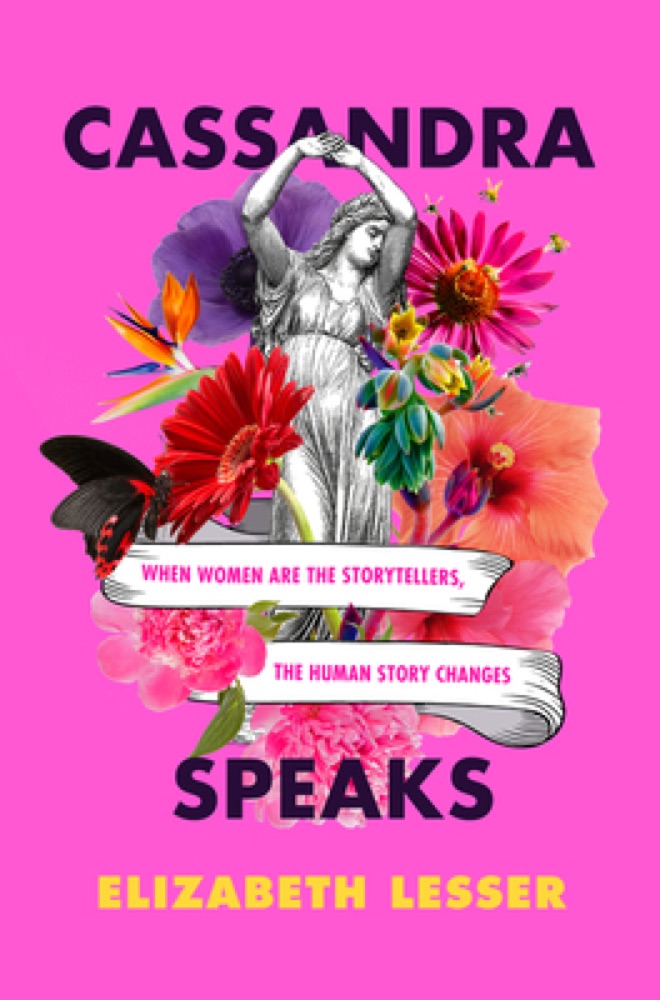 Cassandra Speaks: When Women Are the Storytellers, the Human Story Changes
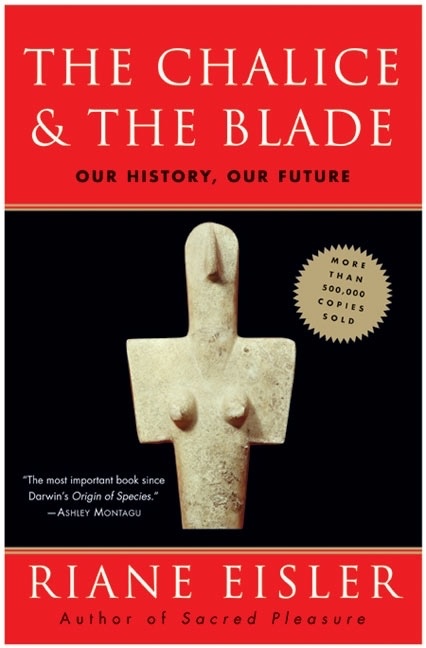 The Chalice and the Blade: Our History, Our Future (Updated With a New Epilogue)
 Sculpting in Time
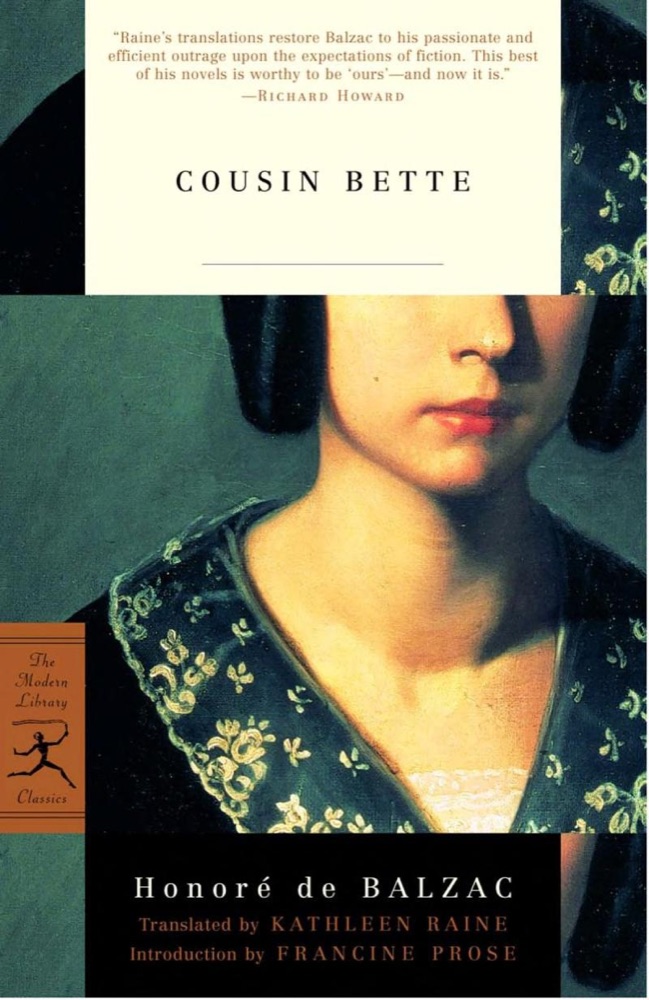 Cousin Bette
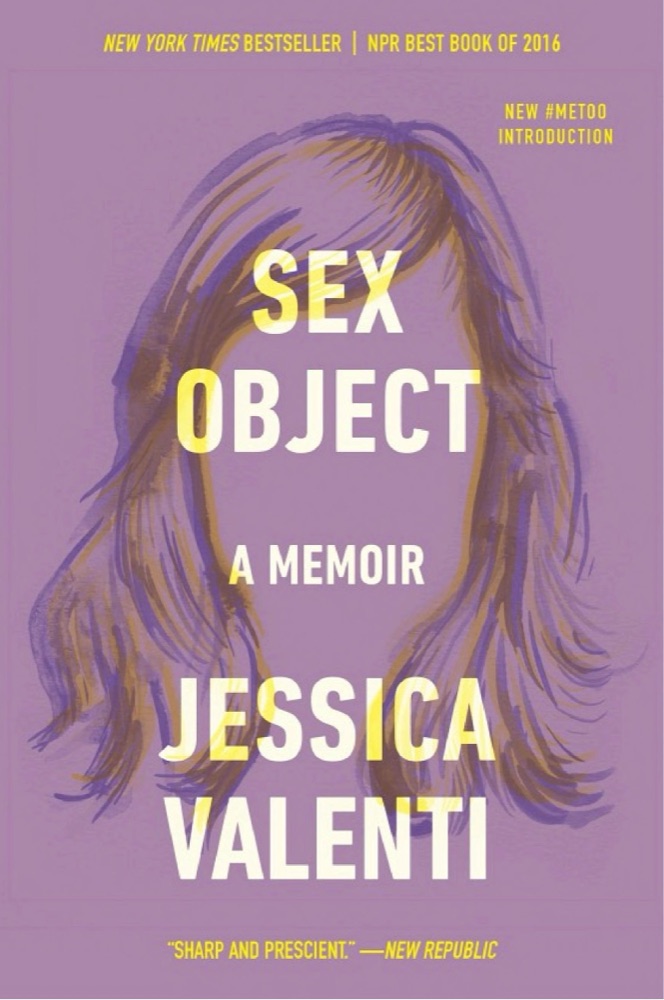 Sex Object: A Memoir
 Death in Venice and Other Tales
 Create Dangerously
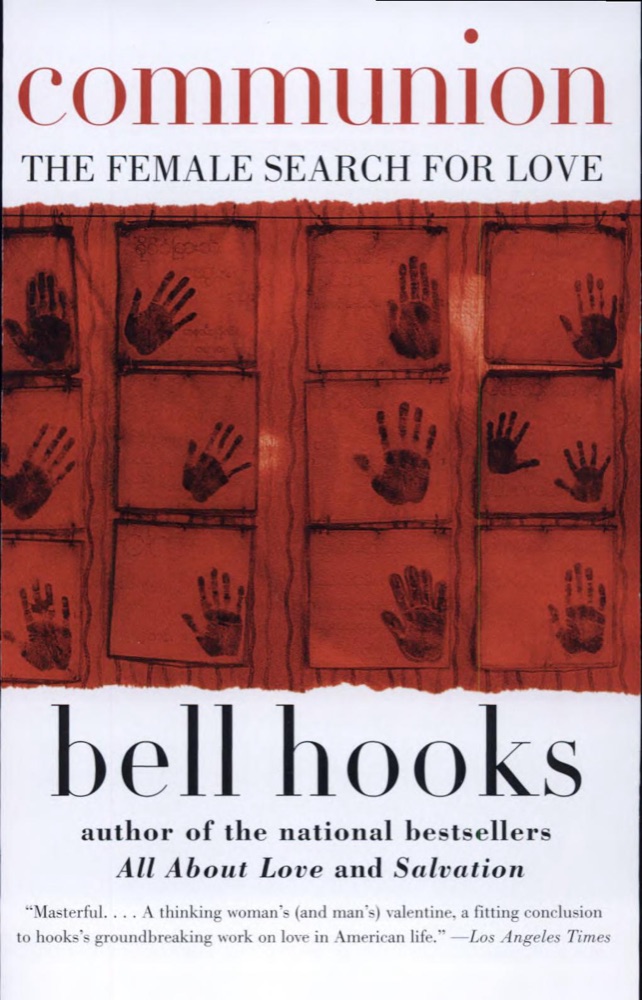 Communion: The Female Search for Love
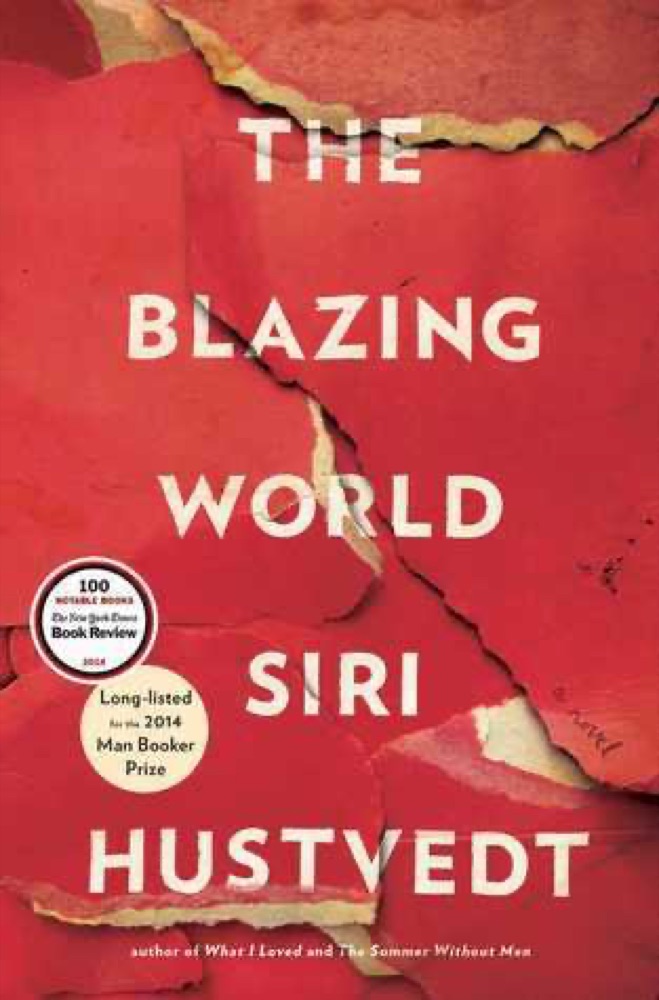 The Blazing World
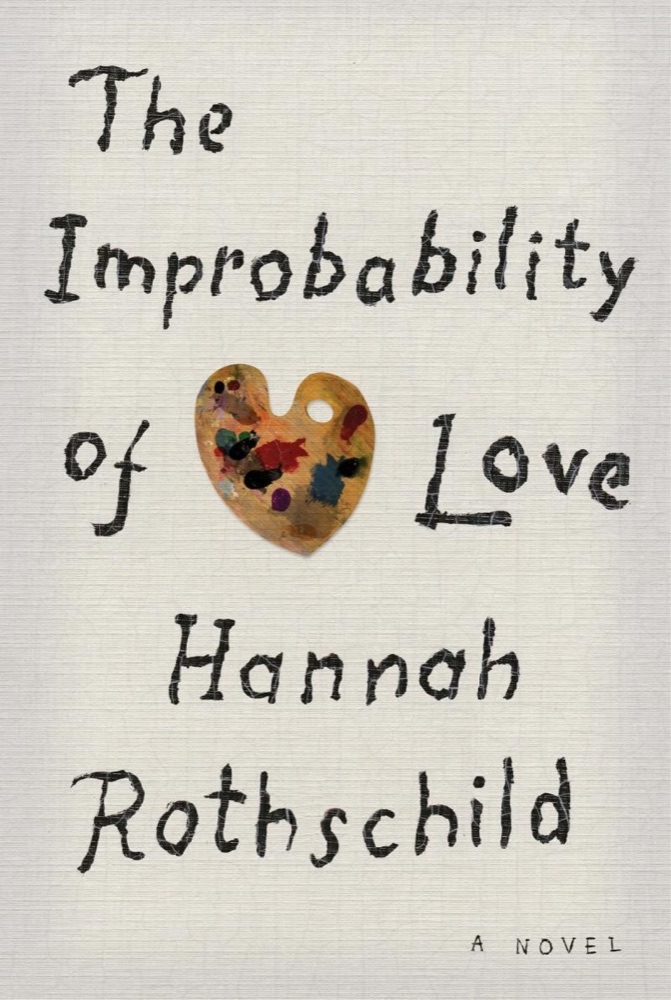 The Improbability of Love
 How to Think More About Sex
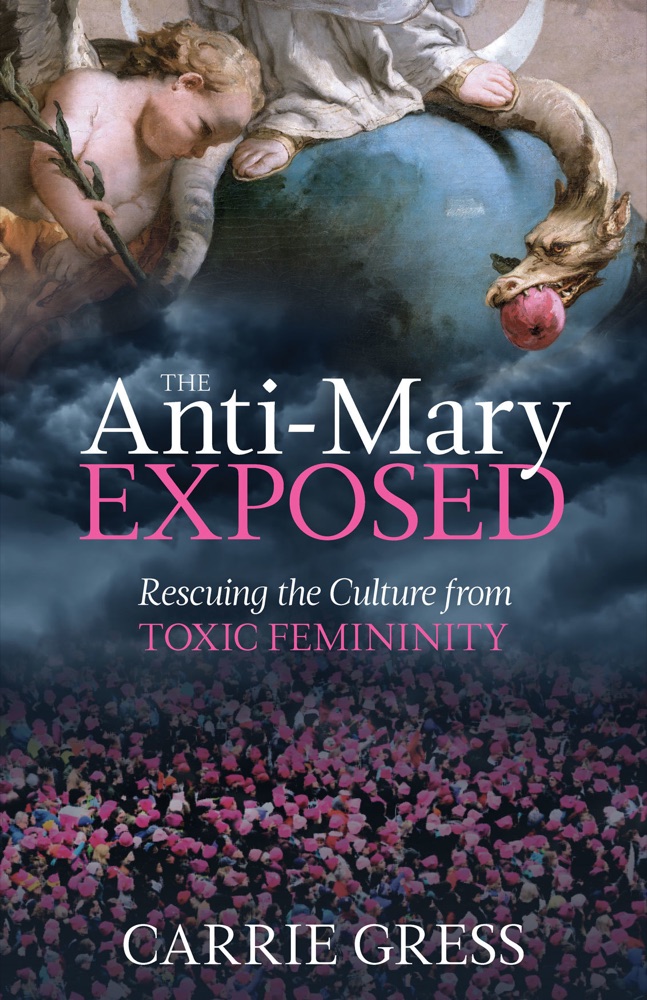 The Anti-Mary Exposed: Rescuing the Culture from Toxic Femininity
 Unlikeable Female Characters: The Women Pop Culture Wants You to Hate
 Grotesque
 The Evolution of Beauty: How Darwin's Forgotten Theory of Mate Choice Shapes the Animal World—And Us
 Recollections of My Nonexistence: A Memoir
 Bonk: The Curious Coupling of Science and Sex
 The Parallax View
 Trick Mirror: Reflections on Self-Delusion
 All the Beauty in the World: The Metropolitan Museum of Art and Me
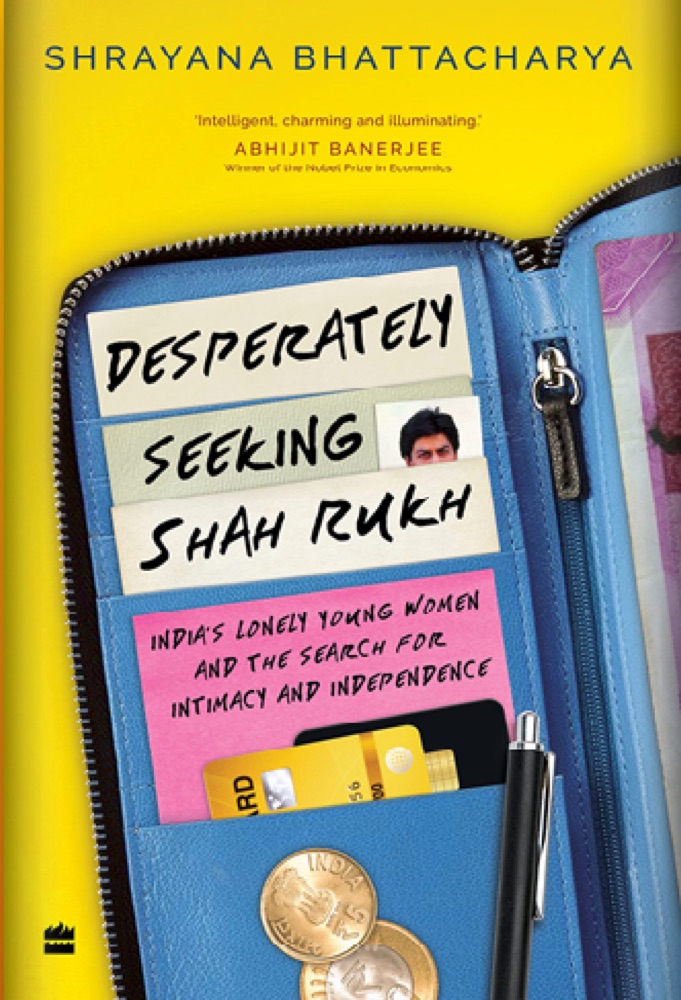 Desperately Seeking Shah Rukh: India's Lonely Young Women and the Search for Intimacy and Independence