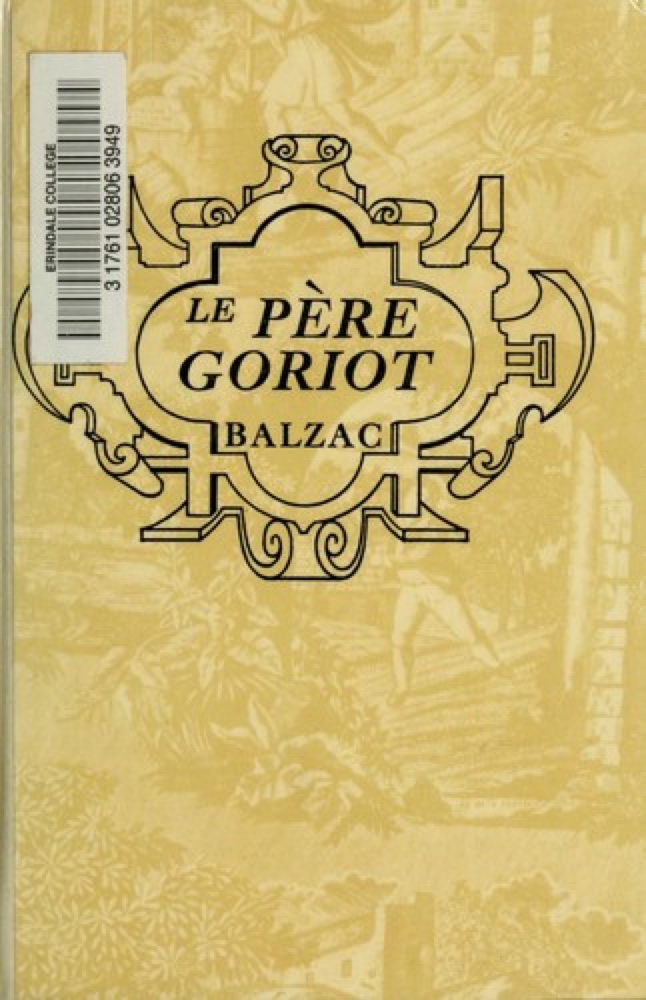
 Père Goriot
Quotes from the Book
Life cannot go on without a great deal of forgetting.
30
If the artist does not fling himself, without reflecting, into his work, as Curtis flung himself into the yawning gulf, as the soldier flings himself into the enemy's trenches, and if, once in this crater, he does not work like a miner on whom the walls of his gallery have fallen in; if he contemplates difficulties instead of overcoming them one by one ... he is simply looking on at the suicide of his own talent.
29
Hortense was a wife; Valerie a mistress. Many men desire to have these two editions of the same work, although it is proof of deep inferiority in a man if he cannot make his wife his mistress. Seeking variety is a sign of impotence.
19
for she was invaded by a kind of love which every girl has gone through —the love of the unknown, love in its vaguest form,
12
Virtue will cut your head off, vice will only cut your hair.
8
Women always persuade men they have made into sheep that they are lions with a will of iron.
7
Parent may hinder their children's marriage; but children cannot interfere with the insane acts of their parents in their second childhood.
5
A ignorância é a mãe de todos os crimes, porque um crime é, antes de mais, uma falta de raciocínio.
5
Beauty is the greatest of human powers. All autocratic, unbridled power, with nothing to counterbalance it, leads to abuse, to mad excess. Despotism is power gone mad. In women, despotism takes the form of satisfying their whims.
3
The savage has only impulse; the civilized man has impulses and ideas. And in the savage the brain retains, as we may say, but few impressions, it is wholly at the mercy of the feeling that rushes in upon it; while in the civilized man, ideas sink into the heart and change it; he has a thousand interests and many feelings, where the savage has but one at a time.
3
A disdainful woman, above all a dangerous woman, stimulates curious interest as spice seasons good food.
2
Women always persuade men that they are lions, with a will of iron, when they are making sheep of them.
2
Like a true Parisian creole, Madame Marneffe detested having to exert herself. She had the cool indifference of cats, who run and pounce only when obliged to by necessity. She required life to be all pleasure, and pleasure to be all calm plain sailing.
2
Hers was one of those anonymous insect-like existences to be found in certain houses, in which one may discover at the end of four years that there is an old gentleman living on the fourth floor who once knew Voltaire, Pilâtre de Rozier, Beaujon, Marcel, Molé, Sophie Arnould, Franklin, and Robespierre.
2
Ceaseless work is the law of art, as it is of life, for art is the creation of an ideal of life. So great artists, like true poets, do not wait for order or customers. They produce today, tomorrow, all the time. Consequently they have a habit of work, a perpetual awareness of their difficulties, which keeps them in partnership with the muse and her creative forces. Canova used to live in his studio just as Voltaire lived in his study. Homer and Phidias must have lived in this way. Wenceslas
2
Give a Paris woman at bay four-and-twenty hours, and she will overthrow a ministry.
2
These Machiavellis in petticoats are the most dangerous women, and of all the evil kinds of Parisian female, they are the worst.
1
Many married women, faithful to family duty and their husbands, will at this point probably ask themselves why such strong men, so really good and kind, who are so vulnerable to women like Madame Marneffe, do not find the realization of their dreams and the fulfilment of their passions in their wives, especially when their wives are like Adeline Hulot. The reason is linked with one of the most fundamental mysteries of human nature. Love, which awakens the mind to joy and delight, the virile, austere pleasure of the most noble faculties of the soul, and sex, the vulgar commodity sold in the market, are two aspects of the same thing. Women capable of satisfying the hunger for both are geniuses in their own kind, and no more numerous than the great writers, artists, and inventors of a nation. Men of all kinds, the distinguished man and the fool, the Hulots as much as the Crevels, desire both an ideal love and pleasure. They are all in quest of that mysterious hermaphrodite, that rare work, which most often turns out to be a work in two volumes.
1
The rather insipid, cold and commonplace character of her face, the stiff braids of her light brown hair, her colouring, were indicative of the down-to-earth, sensible woman she was, with no charm, but with no weakness either.
1
To be a virtuous and even prudish woman in the world's eyes, and a courtesan to her husband, is to be a woman of genius, and there are few.
1
And Marneffe left for the Minsistry, where, thanks to his Director's invaluable friendship, he did not need to arrive before eleven o'clock. He had little to do there, in any case, in consideration of his notorious incapacity and his aversion to work.
1
Nothing is more irritating to a married man than to meet his wife at every turn, standing in the way of a desire, however fleeting.
1
Constant labour is the law of art as well as the law of life, for art is the creative activity of the mind. And so great artists, true poets, do not wait for either commissions or clients; they create today, tomorrow, ceaselessly.
1
In two and a half years Steinbock produced a statue and a child. The child was of exquisite beauty; the statue execrable.
1
It was a cry of real love. A woman's outburst of despair melts a lover's heart, and the forgiveness that he is secretly eager to give her is easily yielded, especially when the woman is young, beautiful, and wearing a dress so low cut that she could rise from the top of it in the costume of Eve.
1
Sorrow, like pleasure, creates its own atmosphere. A first glance into any home tells one whether love reigns there, or despair.
1
Love and hatred are passions that feed on their own fuel; but of the two, hatred is the more enduring.
1
Watch on YouTube
About Honoré de Balzac
We have collected 104 quotes from 7 books by Honoré de Balzac on BookQuoters.
More about the author →More by Honoré de Balzac
All books by Honoré de Balzac →
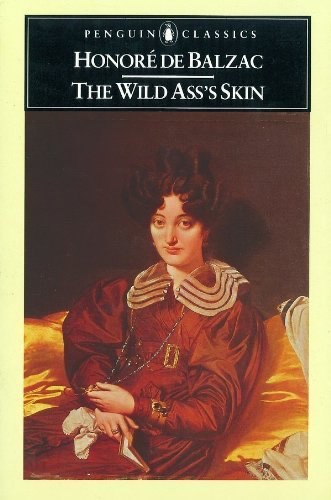

About the book
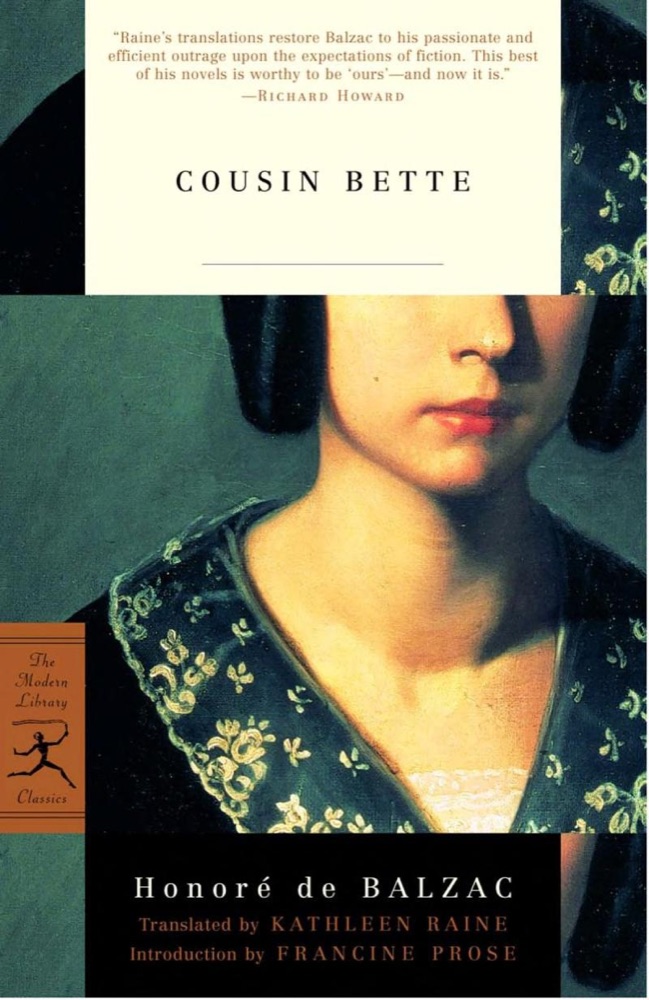
Poor, plain spinster Bette is compelled to survive on the condescending patronage of her socially superior relatives in Paris: her beautiful, saintly cousin Adeline, the philandering Baron Hulot and their daughter Hortense. Already deeply resentful of their wealth, when Bette learns that the man she is in love with plans to marry Hortense, she becomes consumed by the desire to exact her revenge and dedicates herself to the destruction of the Hulot family, plotting their ruin with patient, silent malice.
Cousin Bette is a gripping tale of violent jealousy, sexual passion and treachery, and a brilliant portrayal of the grasping, bourgeois society of 1840's Paris. The culmination of the Comedie humaine, Balzac's epic chronicle of his times, it is one of his greatest triumphs as a novelist.
Book details
- First published
- 1846
- Author
- Honoré de Balzac
- Genre
- Classics
- Goodreads rating
- 3.85 (11k ratings)
Keep reading
 The Moon and Sixpence
 La dame aux camélias
Père Goriot
La dame aux camélias
Père Goriot
 Love
Love
 The Robber Bride
 When We Lost Our Heads
 The Way We Live Now
 Babylonia
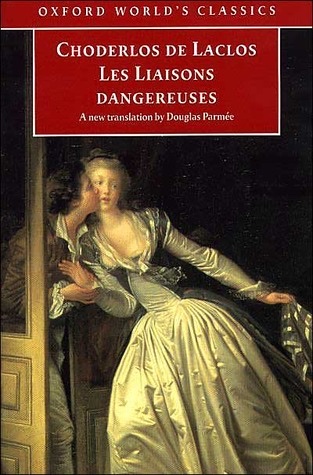 Les Liaisons dangereuses
 The Familiar
 The Portrait of a Lady
 Vanity Fair
 The Return of the Native
 A Spy in the House of Love
 Far from the Madding Crowd
 The Woman in White
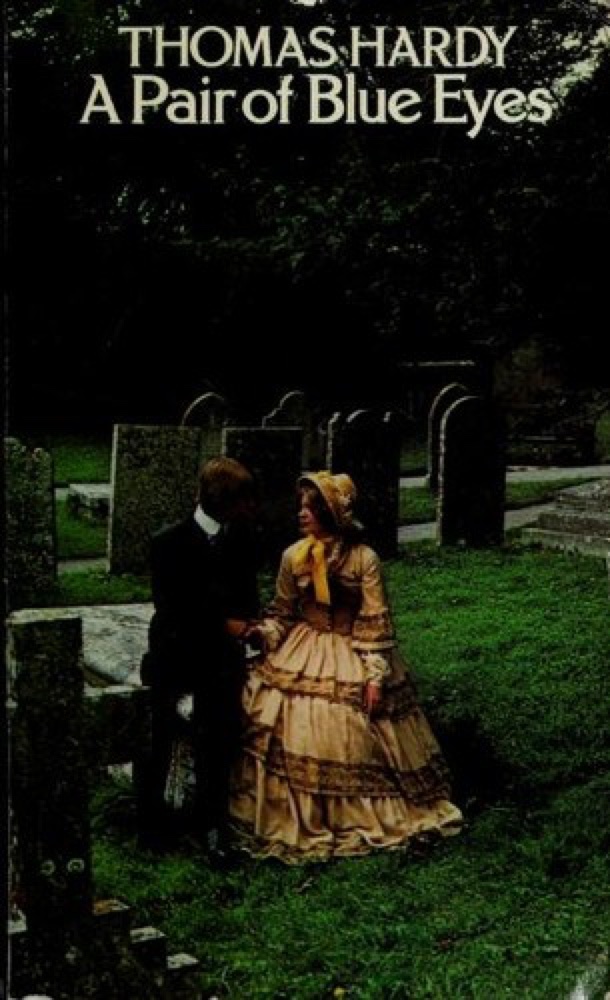 A Pair of Blue Eyes
 The Professor
 Mexican Gothic
 The Scarlet Letter
 Lady Audley's Secret
 The Painted Veil
 Fool Me Twice
 The Second Sex
 The Guermantes Way
 All Passion Spent
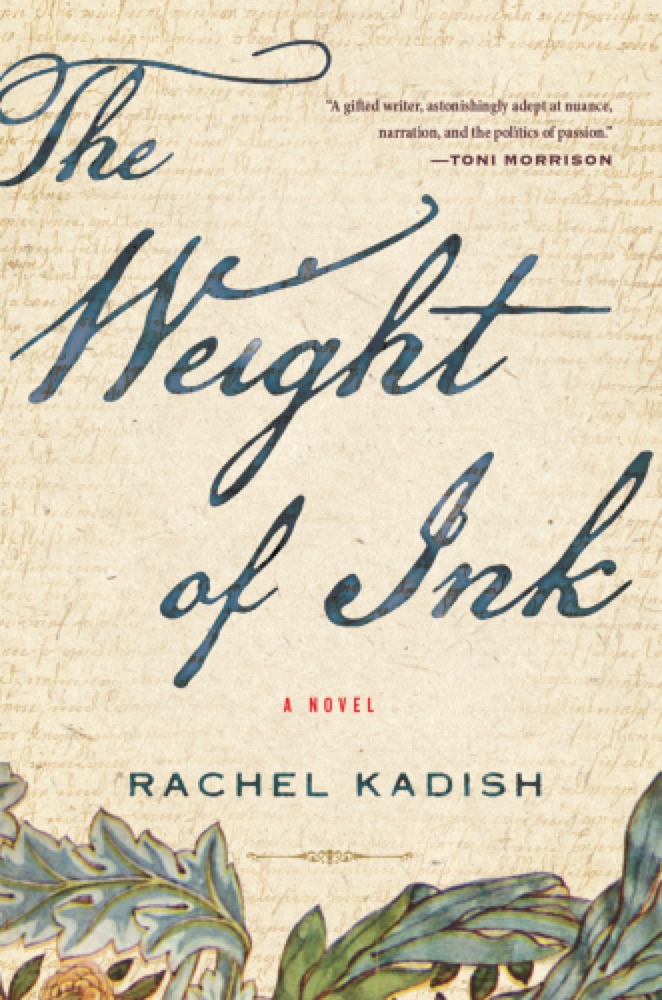 The Weight of Ink
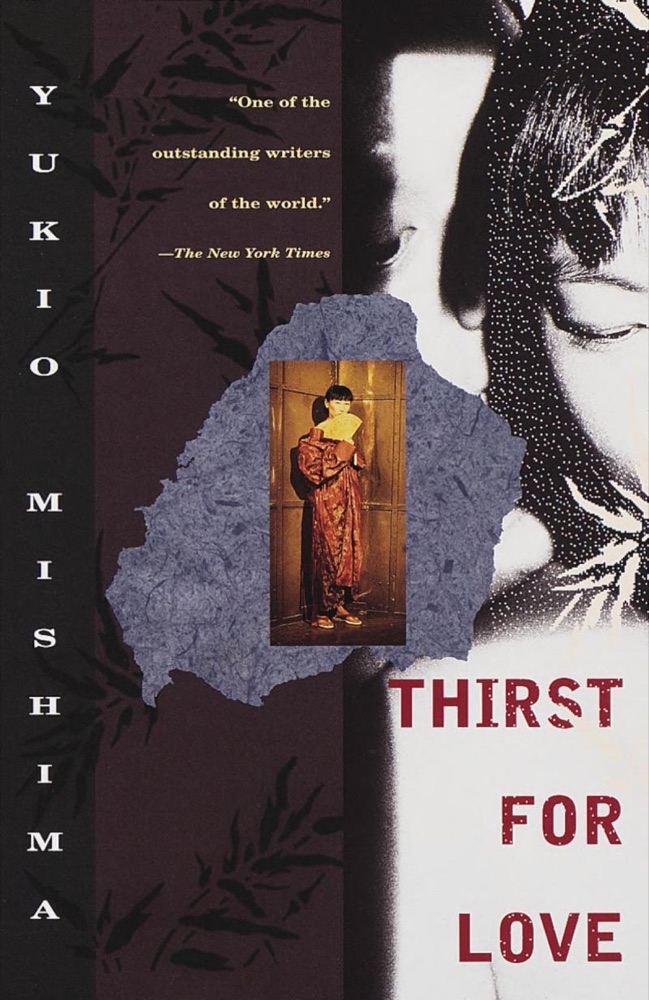 Thirst for Love
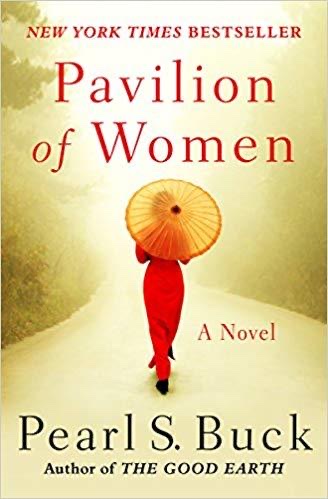 Pavilion of Women: A Novel of Life in the Women's Quarters
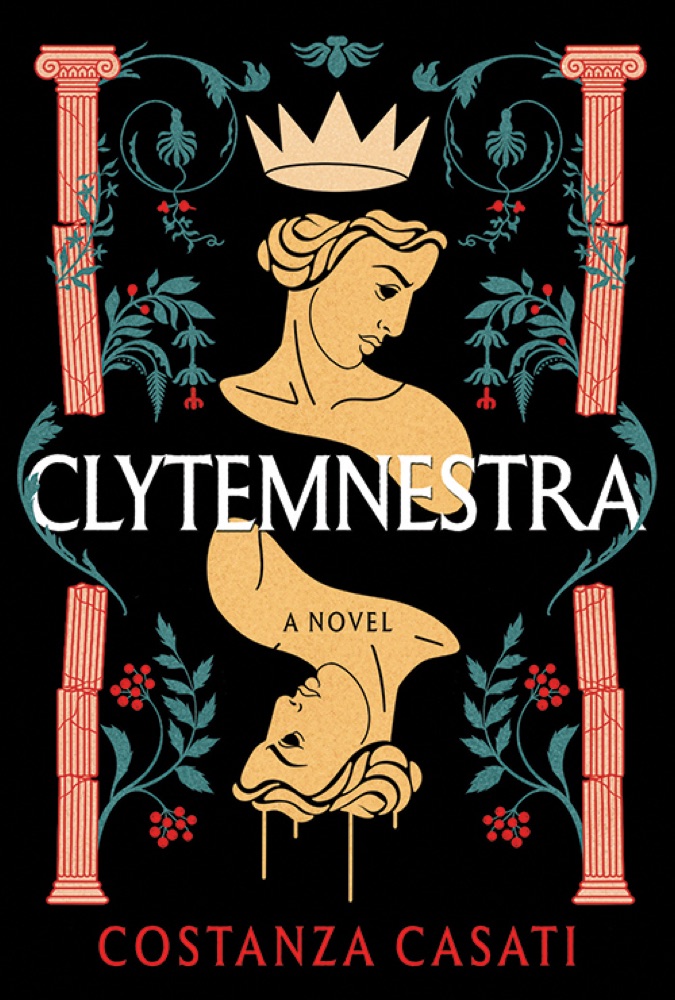 Clytemnestra
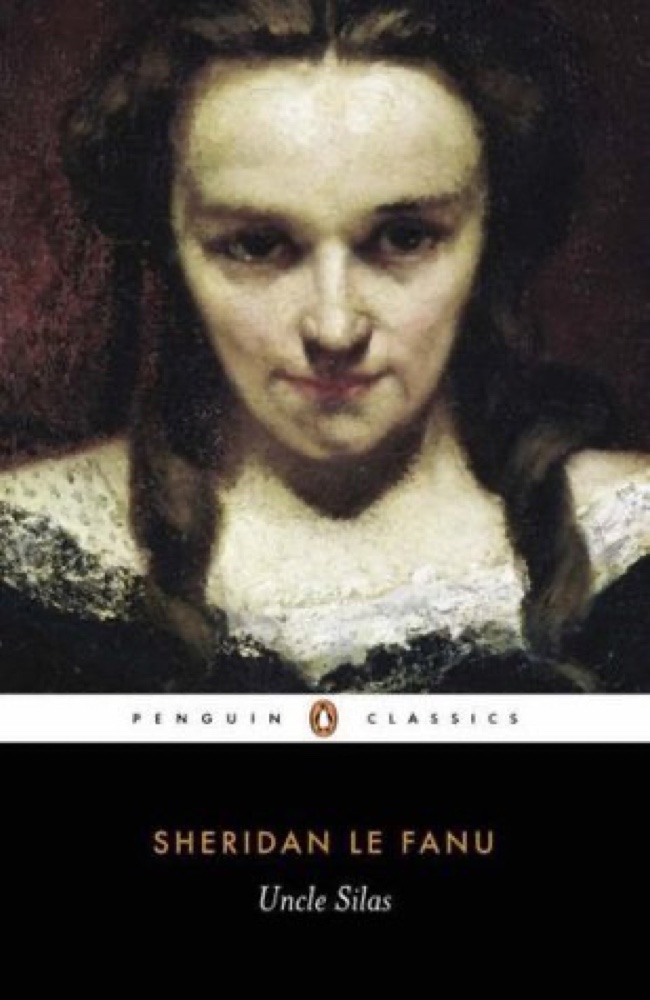 Uncle Silas
 The Female Eunuch
 The French Lieutenant's Woman
 Legacy
 A Long Fatal Love Chase
 Barchester Towers
 At Your Pleasure
 The Life of Charlotte Brontë
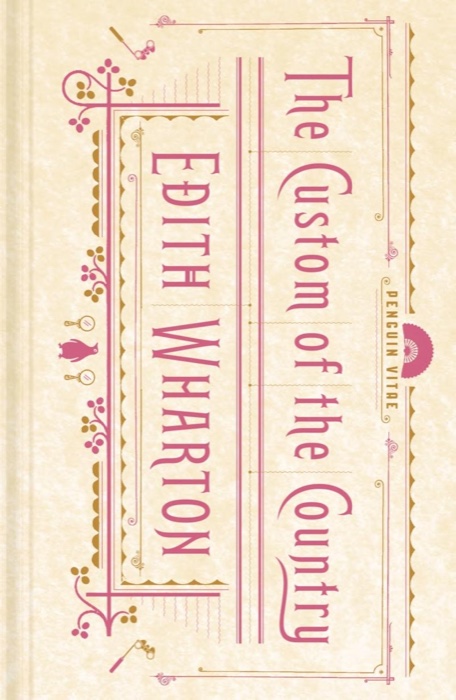 The Custom of the Country
 The Fraud
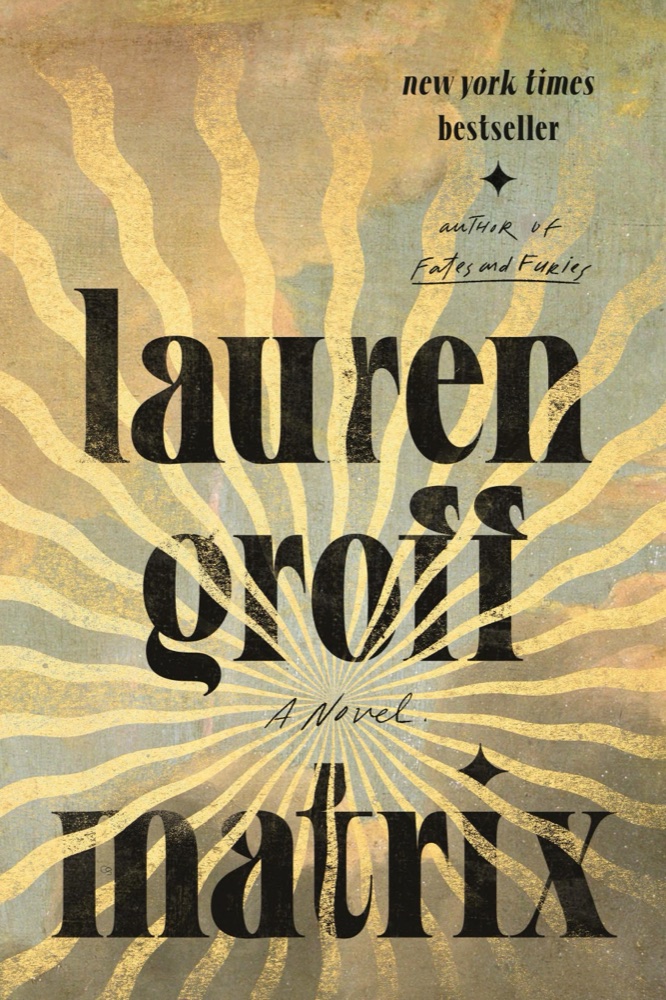 Matrix
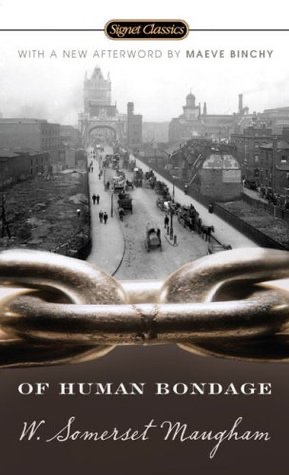 Of Human Bondage
 The Scarlet Pimpernel
 Madame Bovary
 The Crimson Petal and the White
 The Christie Affair
 A Tale of Love and Darkness
 Can You Forgive Her?
 Women in Love
 Shirley
 Gaudy Night
 The Red and the Black
 Ravelstein
 The Penelopiad
 The Daughter of Doctor Moreau
 Delta of Venus
 The Volcano Lover: A Romance
 Zuleika Dobson
 The Memoirs of Cleopatra
 Felix Holt: The Radical