
 Drive: The Surprising Truth About What Motivates Us
Quotes from the Book
But clearly, the lesson is that incentives can be a dangerous weapon. A critic of this research might say that the problem is not incentives, but dumb incentives. No doubt, some incentives are dumber than others. But no incentives can ever be smart enough to substitute for people who do the right thing because it’s the right thing.
6
Ninety percent of adults spend half their waking lives doing things they would rather not be doing at places they would rather not be.
3
If society asks more of us, and arranges its social institutions appropriately, it will get more.
1
to be satisfied with our work, we typically need a belief in the purpose of what we do. Amy
1
We “design” human nature, by designing the institutions within which people live. So we must ask ourselves just what kind of a human nature we want to help design.
Forty years ago, the distinguished anthropologist Clifford Geertz said that human beings are “unfinished animals.” What he meant is that it is human nature to have a human nature that is very much the product of the society that surrounds us. That human nature is more created than discovered.
If we design workplaces that permit people to find meaning in their work, we will be designing a human nature that values work,
So is a theory about human nature a discovery, or is it an invention? I believe that often, it is more invention than discovery. I think that ideas, like Adam Smith’s, about what motivates people to work have shaped the nature of the workplace. I think they have shaped the workplace in directions that are unfortunate. What this means is that instead of walking around thinking that “well, work just is what it is, and we have to deal with it,” we should be asking whether the way work is is the way it should be. My answer to that question is an unequivocal no.
Watch on YouTube
About Barry Schwartz
We have collected 8 quotes from 1 book by Barry Schwartz on BookQuoters.
More about the author →About the book
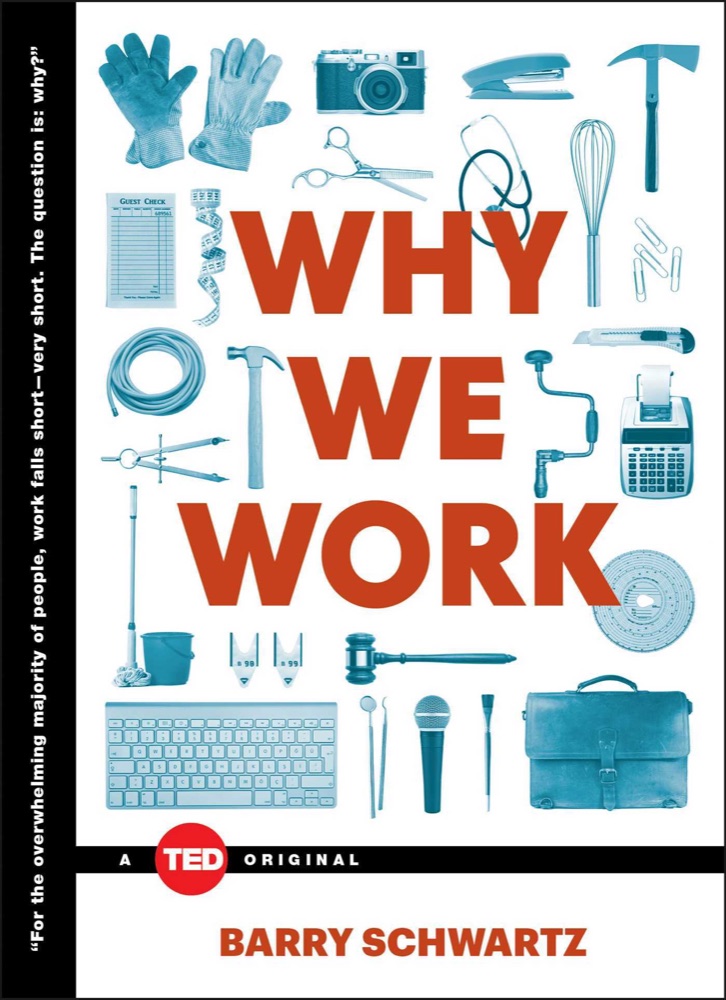
An eye-opening, groundbreaking tour of the purpose of work in our lives, showing how work operates in our culture and how you can find your own path to happiness in the workplace.
Why do we work? The question seems so simple. But Professor Barry Schwartz proves that the answer is surprising, complex, and urgent.
We’ve long been taught that the reason we work is primarily for a paycheck. In fact, we’ve shaped much of the infrastructure of our society to accommodate this belief. Then why are so many people dissatisfied with their work, despite healthy compensation? And why do so many people find immense fulfillment and satisfaction through “menial” jobs? Schwartz explores why so many believe that the goal for working should be to earn money, how we arrived to believe that paying workers more leads to better work, and why this has made our society confused, unhappy, and has established a
Book details
- First published
- 2015
- Author
- Barry Schwartz
- Genre
- Nonfiction
- Goodreads rating
- 3.64 (2k ratings)
Keep reading
Drive: The Surprising Truth About What Motivates Us
 Shop Class as Soulcraft: An Inquiry Into the Value of Work
 The Happiness Hypothesis: Finding Modern Truth in Ancient Wisdom
 The Elephant in the Brain: Hidden Motives in Everyday Life
 Predictably Irrational: The Hidden Forces That Shape Our Decisions
 A Hunter-Gatherer's Guide to the 21st Century: Evolution and the Challenges of Modern Life
 Humankind: A Hopeful History
 Punished by Rewards: The Trouble with Gold Stars, Incentive Plans, A's, Praise and Other Bribes
 Finding Flow: The Psychology of Engagement with Everyday Life
 Social: Why Our Brains Are Wired to Connect
 Sapiens: A Brief History of Humankind
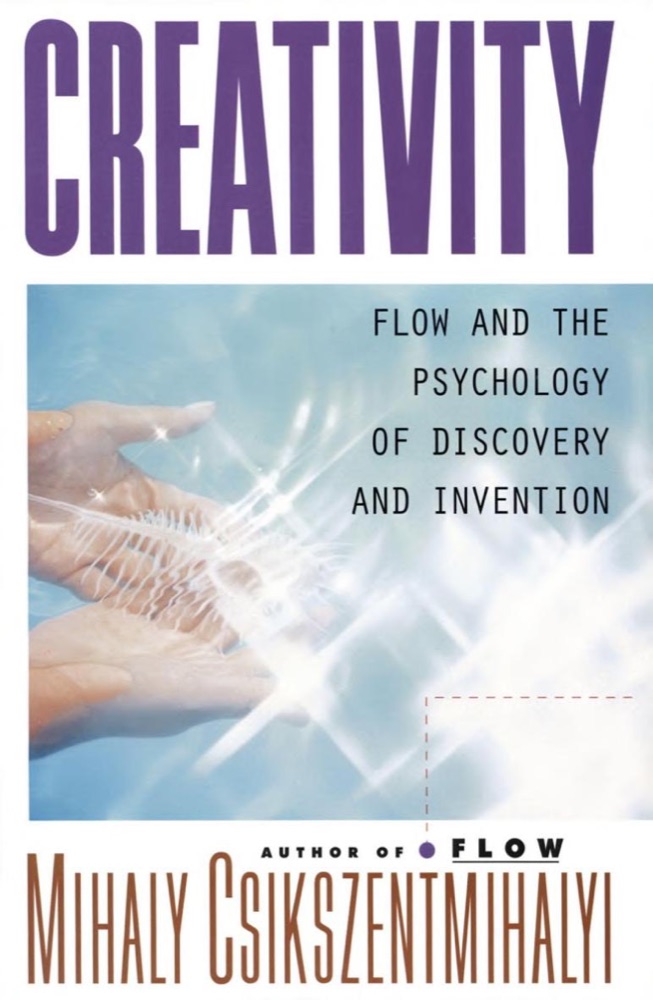 Creativity: Flow and the Psychology of Discovery and Invention
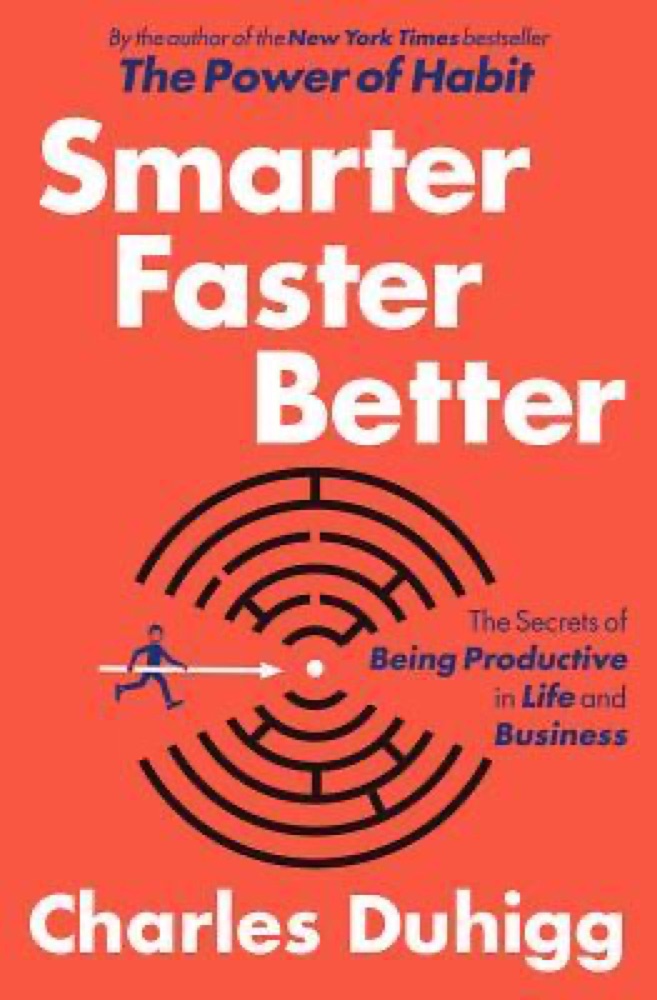 Smarter Faster Better: The Secrets of Being Productive in Life and Business
 In Praise of Idleness and Other Essays
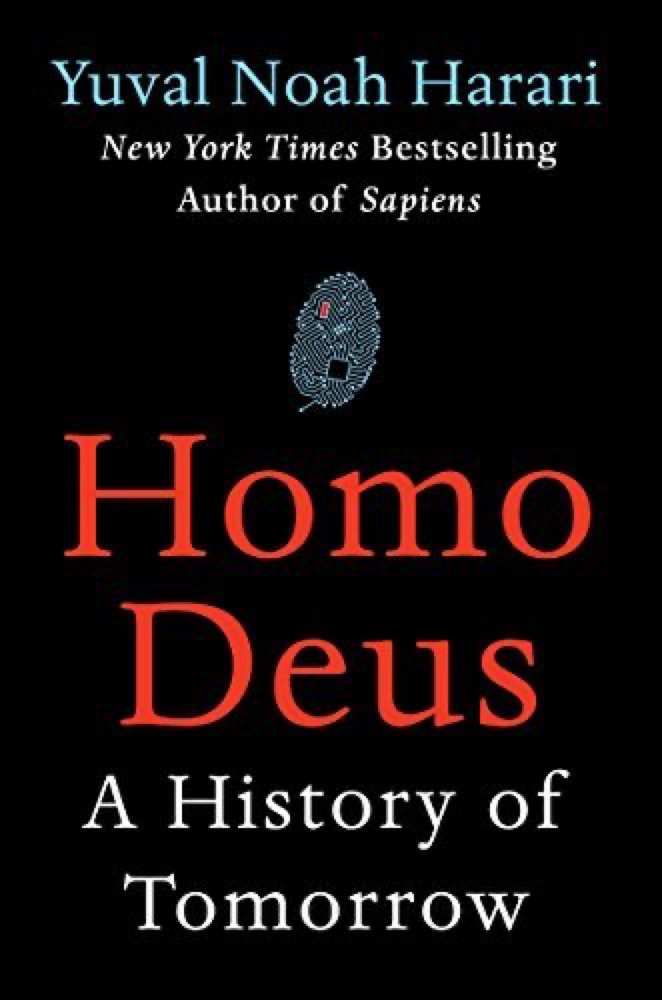 Homo Deus: A History of Tomorrow
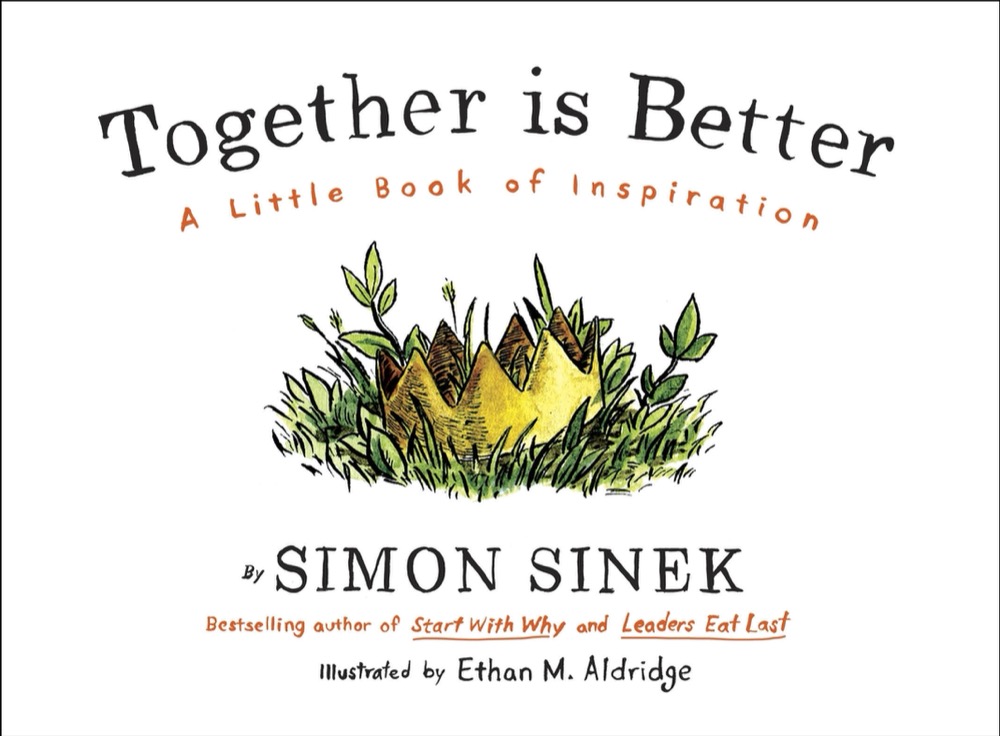 Together Is Better
 The Social Animal: The Hidden Sources of Love, Character, and Achievement
 How to Be Perfect: The Correct Answer to Every Moral Question
 Utopia for Realists: How We Can Build the Ideal World
 The Blank Slate: The Modern Denial of Human Nature
 Walden Two
 The World Is Flat: A Brief History of the Twenty-first Century
 Conscious Capitalism
 Barking Up the Wrong Tree: The Surprising Science Behind Why Everything You Know About Success Is (Mostly) Wrong
 The Culture of Make Believe
 Overwhelmed: Work, Love, and Play When No One Has the Time
 Endgame, Vol. 1: The Problem of Civilization
 The Spirit Level: Why More Equal Societies Almost Always Do Better
 This Is What Inequality Looks Like
 The Vanishing American Adult: Our Coming-of-Age Crisis—and How to Rebuild a Culture of Self-Reliance
 Beyond Civilization: Humanity's Next Great Adventure
 The Pleasures and Sorrows of Work
 The Art of Creative Thinking
 The Art of the Commonplace: The Agrarian Essays
 Bullshit Jobs: A Theory
 The Element: How Finding Your Passion Changes Everything
 The Utopia of Rules: On Technology, Stupidity, and the Secret Joys of Bureaucracy
 Civilized to Death: What Was Lost on the Way to Modernity
 The Social Conquest of Earth
 Ethics for the New Millennium
 A Whole New Mind: Why Right-Brainers Will Rule the Future
 Justice: What's the Right Thing to Do?
 Psych: The Story of the Human Mind
 Small Is Beautiful: Economics as if People Mattered
 First Things First
 The Practice: Shipping Creative Work
 The 7 Habits of Highly Effective People: Personal Workbook
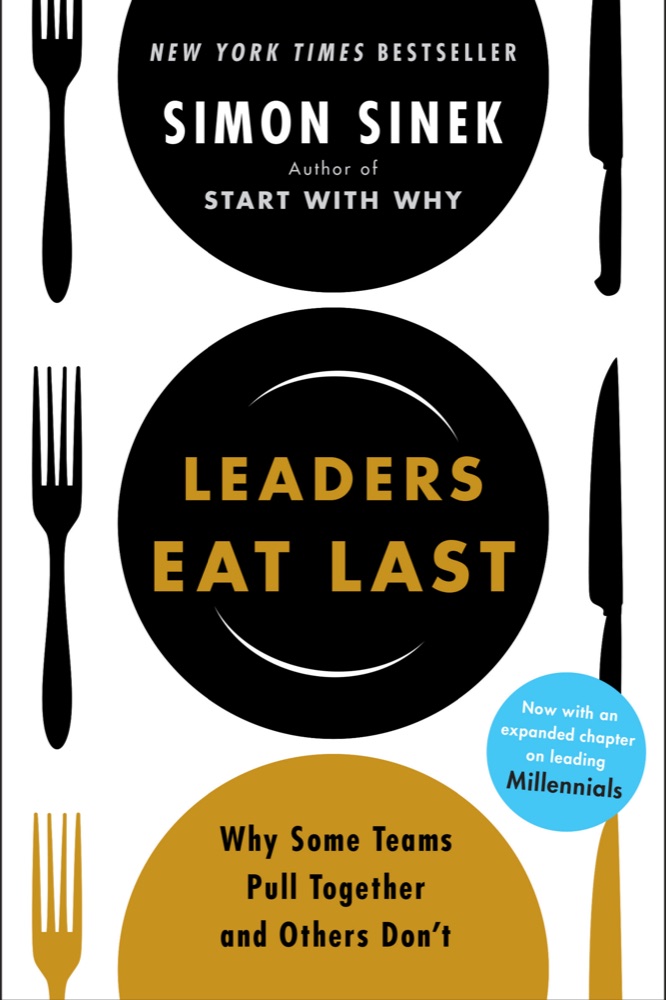 Leaders Eat Last: Why Some Teams Pull Together and Others Don't
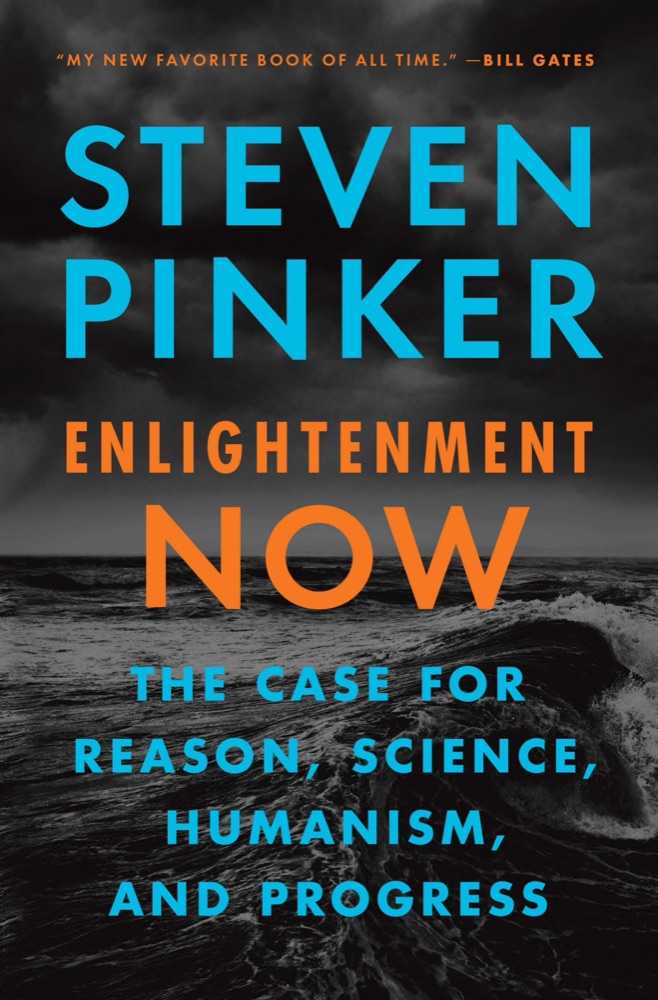 Enlightenment Now: The Case for Reason, Science, Humanism, and Progress
 Sacred Economics: Money, Gift, and Society in the Age of Transition
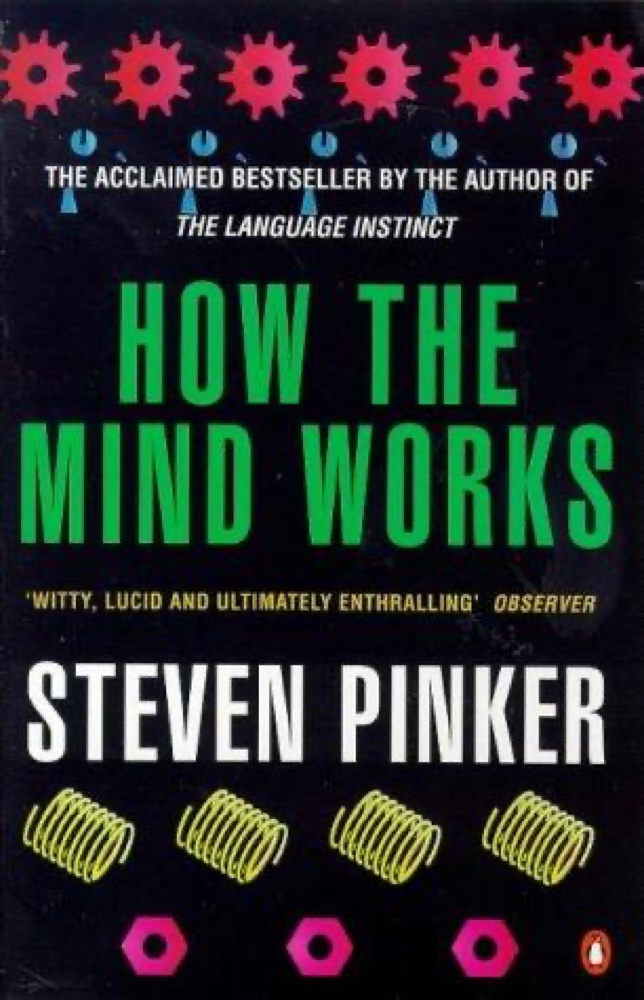 How the Mind Works
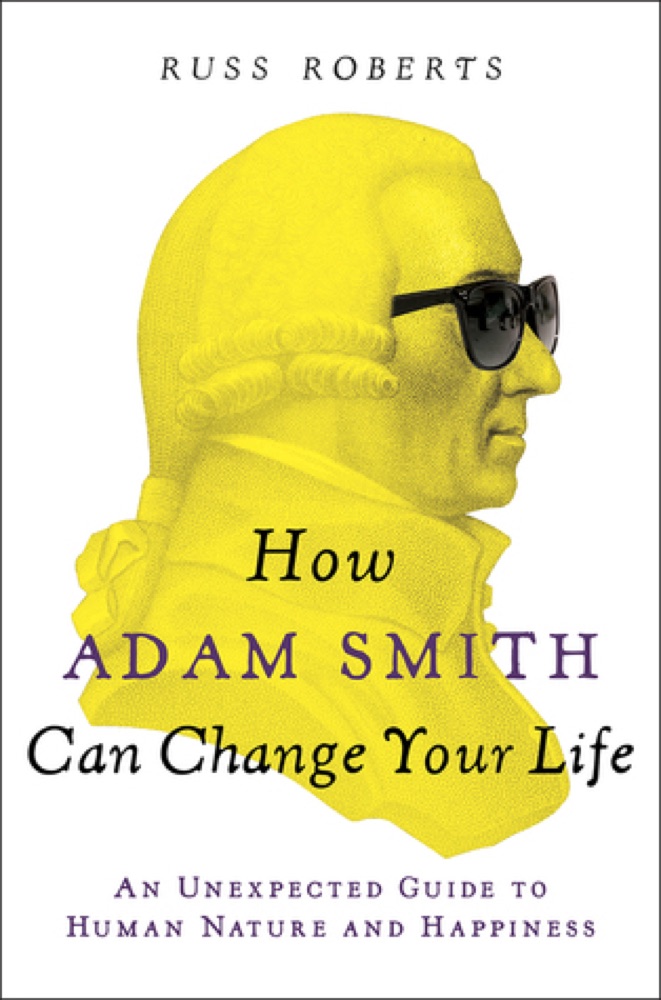 How Adam Smith Can Change Your Life: An Unexpected Guide to Human Nature and Happiness
 Linchpin: Are You Indispensable?
 Straw Dogs: Thoughts on Humans and Other Animals
 The Moral Landscape: How Science Can Determine Human Values
 We Make the Road by Walking: Conversations on Education and Social Change
 The Fifth Discipline: The Art & Practice of The Learning Organization
 Bright-Sided: How the Relentless Promotion of Positive Thinking Has Undermined America
 QBQ! The Question Behind the Question: Practicing Personal Accountability in Work and in Life
 A Language Older Than Words