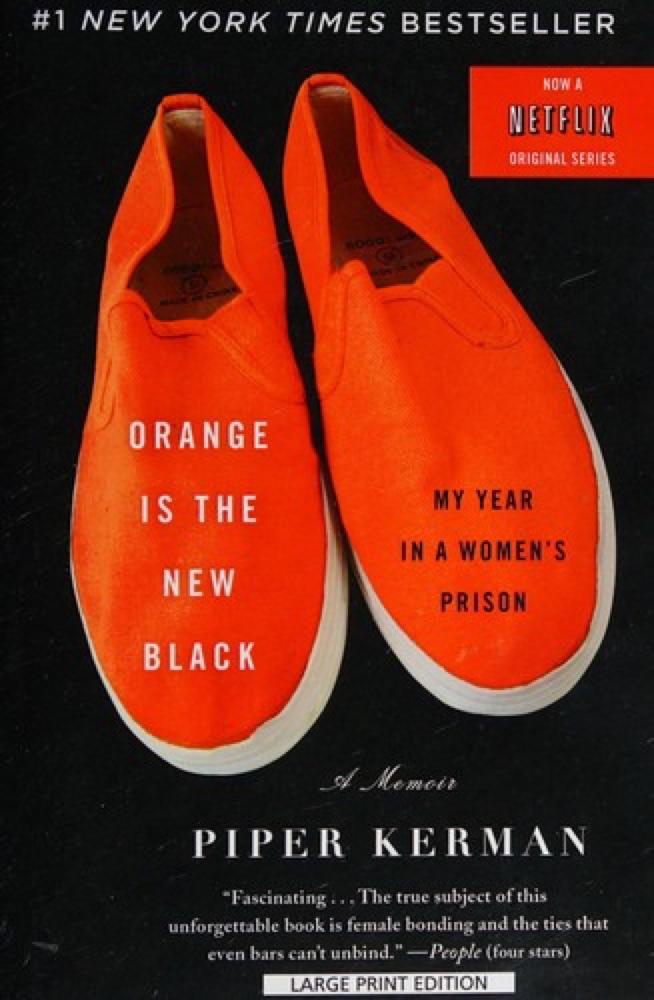

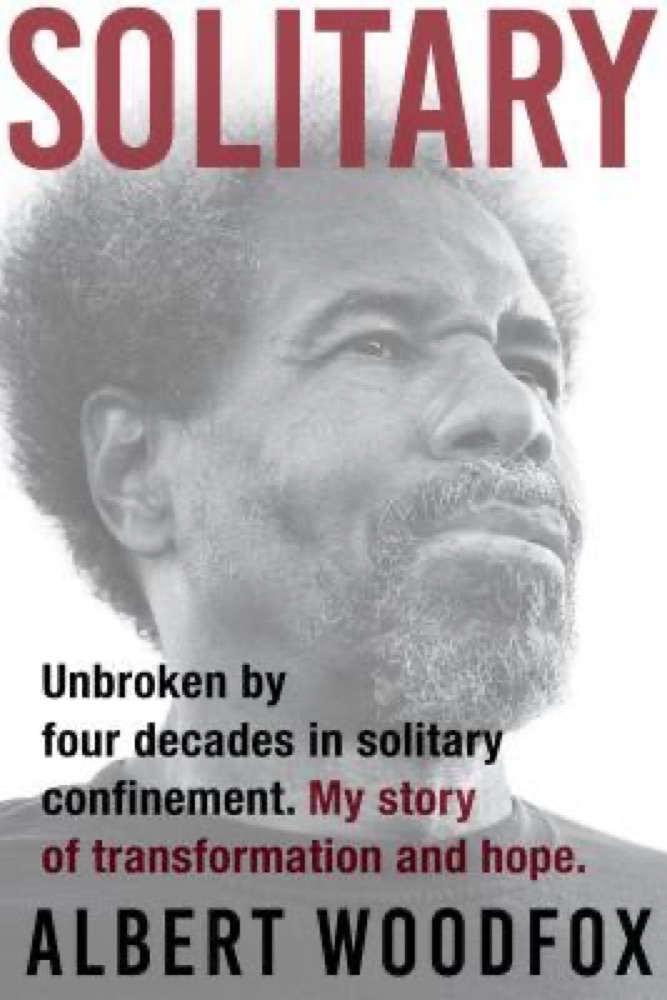
 Solitary: Unbroken by Four Decades in Solitary Confinement
Quotes from the Book
We were never friends. Not for a second. I loved you.
We have a racially based justice system that overpunishes, fails to rehabilitate, and doesn't make us safer.
I knew that I would have to be brave. Not foolhardy, not in love with risk and danger, not making ridiculous exhibitions of myself to prove that I wasn't terrified--really genuinely brave. Brave enough to be quiet when quiet was called for, brave enough to observe before flinging myself into something, brave enough to not abandon my true self when someone else wanted to seduce or force me in a direction I didn't want to go, brave enough to stand my ground quietly.
Two hundred women, no phones, no washing machines, no hair dryers--it was like Lord of the Flies on estrogen.
Every human being makes mistakes and does things they’re not proud of. They can be everyday, or they can be catastrophic. And the unfortunate truth of being human is that we all have moments of indifference to other people’s suffering. To me, that’s the central thing that allows crime to happen: indifference to other people’s suffering. If you’re stealing from someone, if you’re hurting them physically, if you’re selling them a product that you know will hurt them—the thing that allows a person to do that is that they somehow convince themselves that that’s not relevant to them. We all do things that we’re not proud of, even though they might not have as terrible consequences.
Do you have to find the evil in yourself in order to truly recognize it in the world?
When you are deep in misery, you reach out to those who can help, people who can understand.
Prison is quite literally a ghetto in the most classic sense of the world, a place where the U.S. government now puts not only the dangerous but also the inconvenient—people who are mentally ill, people who are addicts, people who are poor and uneducated and unskilled.
Faggots make the best friends," she said philosophically. "They're very loyal.
Our current criminal justice system has no provision for restorative justice, in which an offender confronts the damage they have done and tries to make it right for the people they have harmed. Instead, our system of "corrections" is about arm's-length revenge and retribution, all day and all night.
If I could forgive, it meant I was a strong good person who could take responsibility for the path I had chosen for myself, and all the consequences that accompanied that choice. And it gave me the simple but powerful satisfaction of extending a kindness to another person in a tough spot.
Nothing about the daily workings of the prison system focuses its inhabitants’ attention on what life back on the outside, as a free citizen, will be like. The life of the institution dominates everything. This is one of the awful truths of incarceration, the fact that the horror and the struggle and the interest of your immediate life behind prison walls drives the “real world” out of your head. That makes returning to the outside difficult for many prisoners.
From a young age I had learned to get over--to cover my tracks emotionally, to hide or ignore my problems in the belief that they were mine alone to solve.
I imagined Martha Stewart trying to take over Pops kitchen. That would be better than Godzilla vs. Mothra
He told us that it was important to eat right, exercise, and treat your body as a temple. But he didn't tell us how to get health care services that people with no money could afford. He didn't tell us how we could quickly obtain birth control and other reproductive health services. He didn't recommend any solutions for behavioral or psychiatric care, and for sure some of those broads needed it. He didn't say what options there might be for people who had struggled with substance abuse, sometimes for decades, when they were confronted by old demons on the outside.
In the federal system alone there were 90,000 prisoners locked up for drug offenses, compared with about 40,000 for violent crimes. A federal prisoner costs at least $30,000 a year to incarcerate, and females actually cost more.
how important it is to stay true to yourself even in the midst of an adventure or experiment.
Maybe, because all these good people loved me enough to help me, maybe I wasn't quite as bad as I felt. Maybe there was a part of me that was worthy of their love.
In my travels I had encountered all kinds of people whose dignity seemed to have a price -- widely variable -- and I thought that next time I had better set my price higher than anyone would pay.
Brave enough to be quiet when quiet was called for, brave enough to observe before flinging myself into something, brave enough to not abandon my true self when someone else wanted to seduce or force me in a direction I didn’t want to go, brave enough to stand my ground quietly.
IF YOU are a relatively small woman, and a man at least twice your size is bellowing at you in anger, and you’re wearing a prisoner’s uniform, and he has a pair of handcuffs on his belt, I don’t care how much of a badass you think you are, you’ll be fucking scared
I had learned to hasten the days by chasing the enjoyment in them, no matter how elusive. Some people on the outside look for what is amiss in every interaction, every relationship, and every meal; they are always trying to hang their mortality on improvement. It was incredibly liberating to instead tackle the trick of making each day fly more quickly. "Time, be my friend," I repeated every day.
Prison is quite literally a ghetto in the most classic sense of the word, a place where the U.S. government now puts not only the dangerous but also the inconvenient—people who are mentally ill, people who are addicts, people who are poor and uneducated and unskilled. Meanwhile the ghetto in the outside world is a prison as well, and a much more difficult one to escape from than this correctional compound. In fact, there is basically a revolving door between our urban and rural ghettos and the formal ghetto of our prison system.
I am confident that someday in the future The Rock, who was once a professional wrestler, will run for president of the United States, and I think that he will win. I have seen with my own eyes the power of The Rock. The Rock is a uniter, not a divider. When the BOP showed Walking Tall, the turnout for every screening all weekend long was unprecedented. The Rock has an effect on women that transcends divisions of race, age, cultural background - even social class, the most impenetrable barrier in America. Black, white, Spanish, old, young, all women are hot for The Rock. Even the lesbians agreed that he was mighty easy on the eyes.
According to Bertrand Russell, the virtuous stoic was one whose will was in agreement with the natural order. He described the basic idea like this: In the life of the individual man, virtue is the sole good; such things as health, happiness, possessions, are of no account. Since virtue resides in the will, everything really good or bad in a man’s life depends only upon himself. He may become poor, but what of it? He can still be virtuous. A tyrant may put him in prison, but he can still persevere in living in harmony with Nature. He may be sentenced to death, but he can die nobly, like Socrates. Therefore every man has perfect freedom, provided he emancipates himself from mundane desires.
The public expects sentences to be punitive but also rehabilitative; however, what we expect and what we get from our prisons are very different things. The lesson that our prison system teaches its residents is how to survive as a prisoner, not as a citizen - not a very constructive body of knowledge for us or the communities to which we return.
All this freedom, but I still feel like I’m locked up.
Prison is quite literally a ghetto in the most classic sense of the world, a place where the U.S. government now puts not only the dangerous but also the inconvenient-people who are mentally ill, people who are addicts, people who are poor and uneducated and unskilled.
Brave enough to be quiet when quiet was called for, brave enough to observe before flinging myself into something, brave enough to not abandon my true self when someone else wanted to seduce or force me in a direction I didn’t want to go, brave enough to stand my ground quietly. I waited an unquantifiable amount of time while trying to be brave.
Very close by the CMS shops, hidden about a quarter mile away in the woods, was the prison’s rifle range. Correctional officers could spend quality time with their firearms down there, and the hammering of multiple rounds was typical background noise during our workdays. There was something unsettling about toiling away for a prison while listening to your jailers practice shooting you.
Did you know?
- The memoir was published on April 6, 2010, by Spiegel & Grau.
- Kerman served her sentence largely at the Federal Correctional Institution in Danbury, Connecticut.
- In the book she is identified by her prison number, inmate #11187-424.
- The title plays on the fashion cliché 'the new black,' combined with the orange associated with American prison uniforms.
- The book inspired the Netflix series Orange Is the New Black, created by Jenji Kohan, which premiered in 2013.
- Kerman graduated from Smith College before her involvement in the events described in the memoir.
About Piper Kerman
Piper Kerman (born September 28, 1969) is an American author and prison-reform advocate who graduated from Smith College. After serving thirteen months in federal prison for a money-laundering conviction tied to a drug operation, she wrote the bestselling memoir Orange Is the New Black and became an advocate for criminal-justice reform, serving on the board of the Women's Prison Association.
More about the author →About the book
Orange Is the New Black: My Year in a Women's Prison is Piper Kerman's 2010 memoir about the thirteen months she served in federal custody. Years after a brief post-college involvement with an international drug-smuggling operation, during which she carried laundered money for a former lover, Kerman was indicted, pleaded guilty, and eventually surrendered to serve her sentence at the Federal Correctional Institution in Danbury, Connecticut. The book recounts her transition from a settled professional life back in Brooklyn to life as inmate #11187-424.
The memoir chronicles the daily reality of incarceration: the routines, the improvised economy, the strict institutional rules, and above all the relationships Kerman forms with the other women serving time alongside her. Written from the perspective of an educated, privileged newcomer, it observes both her own reckoning with a decade-old crime and the humanity, resilience, and hardship of the women she meets inside.
Beyond its personal narrative, the book became a widely read entry point into conversations about the American prison system, particularly the experiences of incarcerated women. Its popularity grew enormously after it was adapted into the acclaimed Netflix series of the same name, and Kerman has since become a prominent advocate for criminal-justice and prison reform.
Book details
- First published
- 2010
- Length
- 298 pages
- Reading time
- 3 hours
- Author
- Piper Kerman
- Genre
- Nonfiction
- Goodreads rating
- 3.72 (207k ratings) →
Movie & TV adaptations
- IMDb
If you liked this, read…
- 1Just MercyNonfiction that immerses readers in the realities of the American criminal-justice system.
- 2A Piece of CakeAnother memoir of a woman confronting crime, addiction, and reinvention.
Keep reading
Solitary: Unbroken by Four Decades in Solitary Confinement
 No Beast So Fierce
 Freedom
 My Government Means to Kill Me
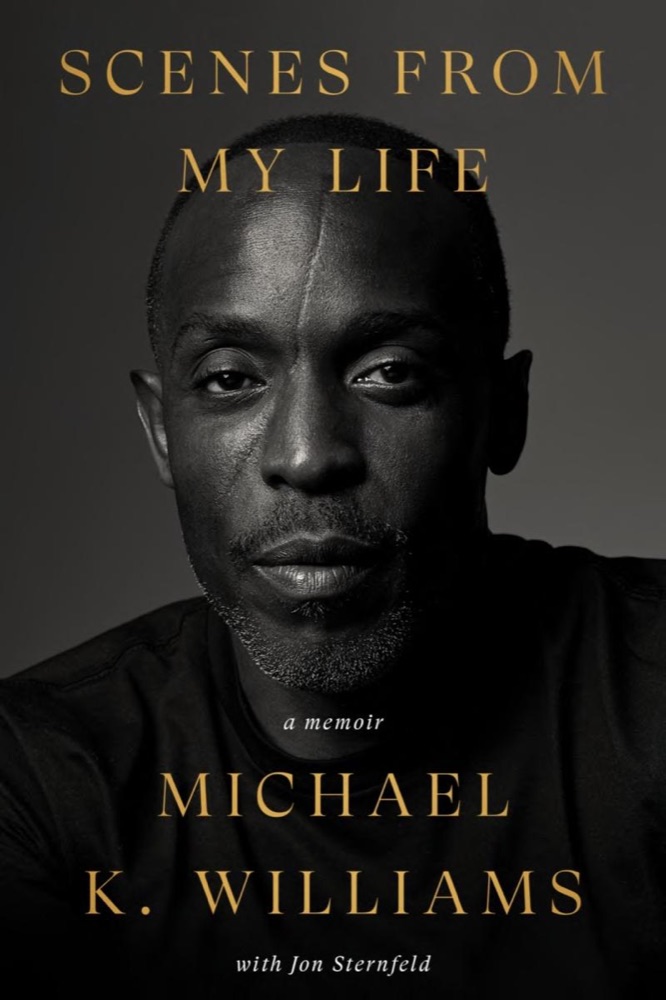 Scenes from My Life: A Memoir
 The Asylum for Wayward Victorian Girls
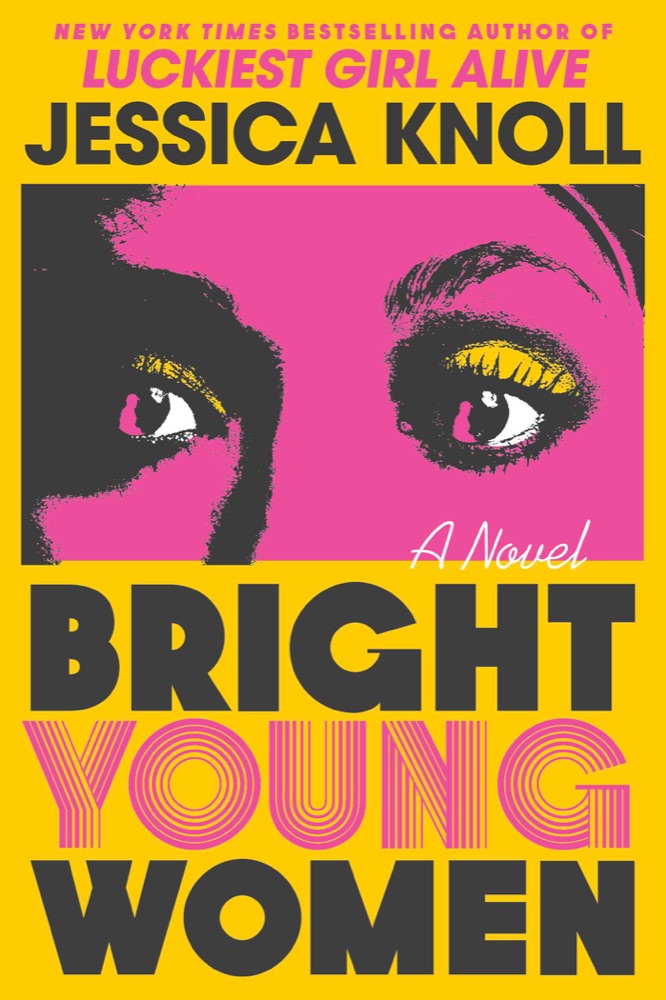 Bright Young Women
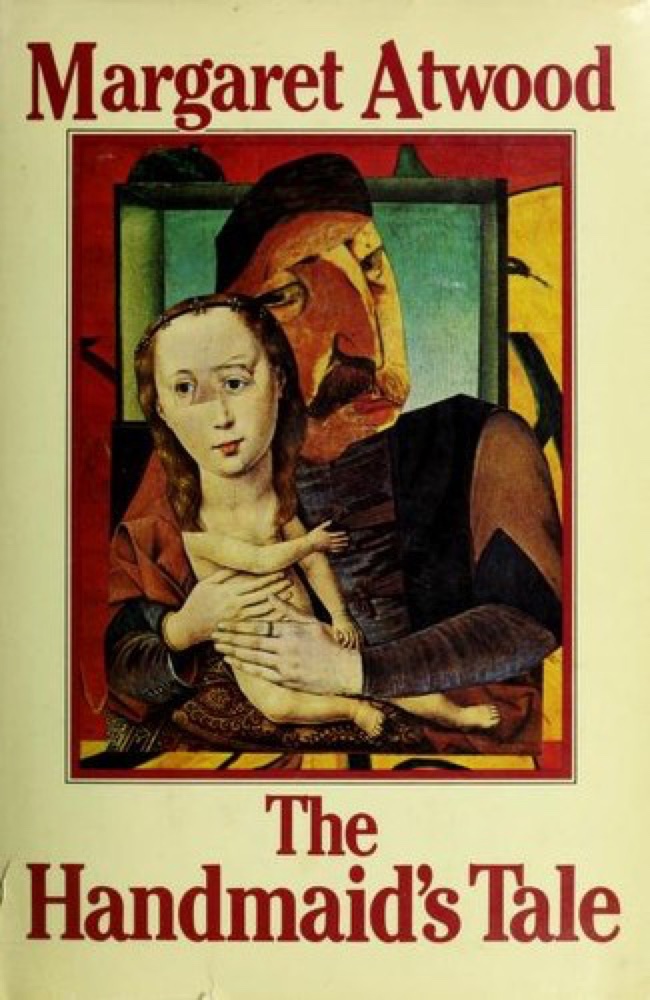 The Handmaid's Tale
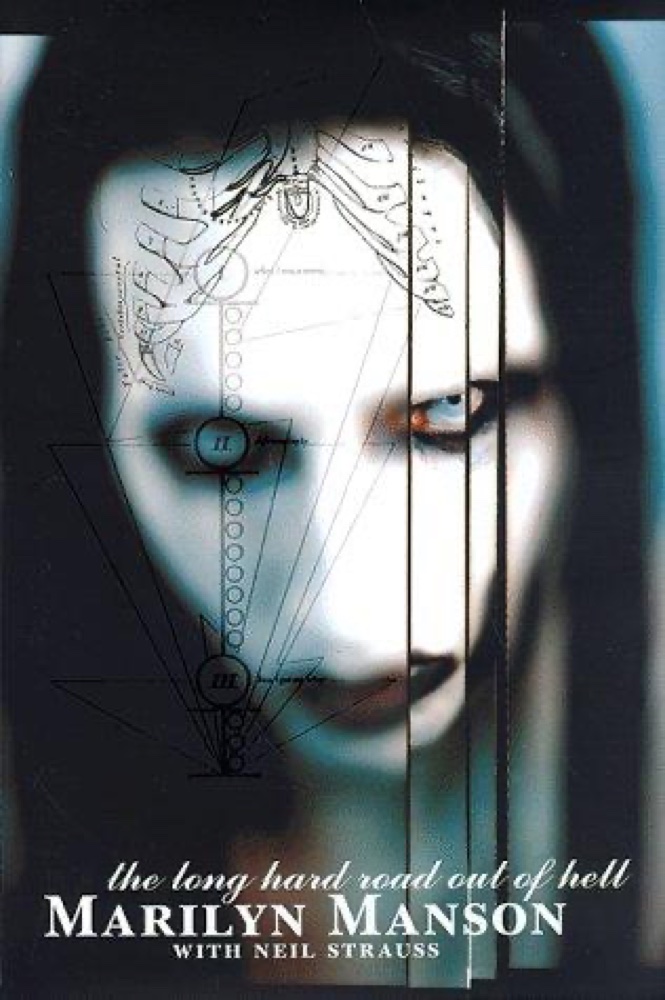 The Long Hard Road Out of Hell
 Alias Grace
 I Have Some Questions for You
 Worm
Worm
 Rainbow Black
 Riding the Elephant: A Memoir of Altercations, Humiliations, Hallucinations, and Observations
 Broken Harbor
 Evil Games
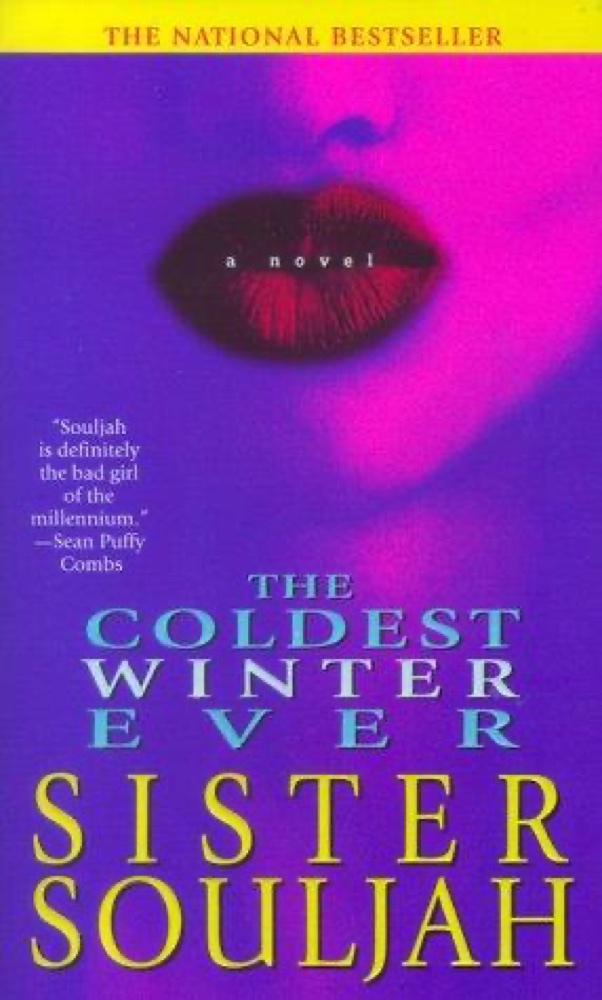 The Coldest Winter Ever
 Infamous
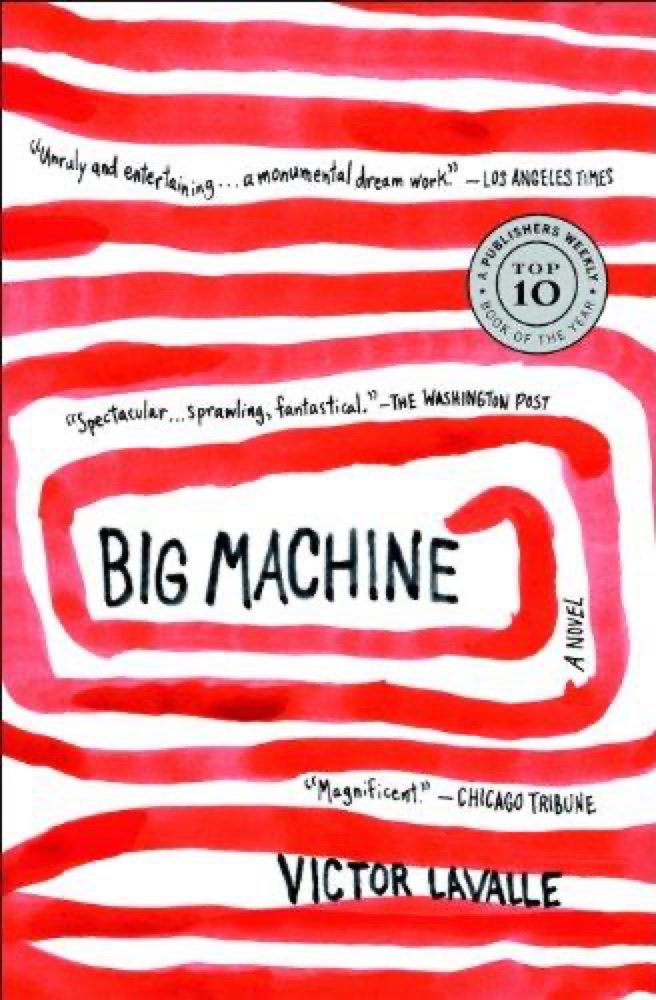 Big Machine
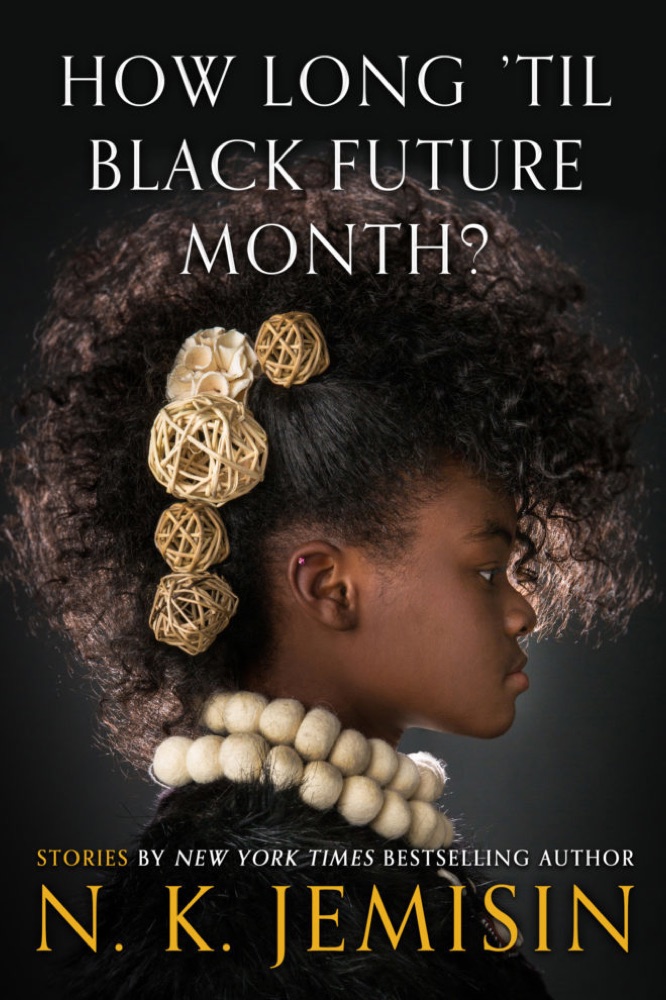 How Long 'til Black Future Month?
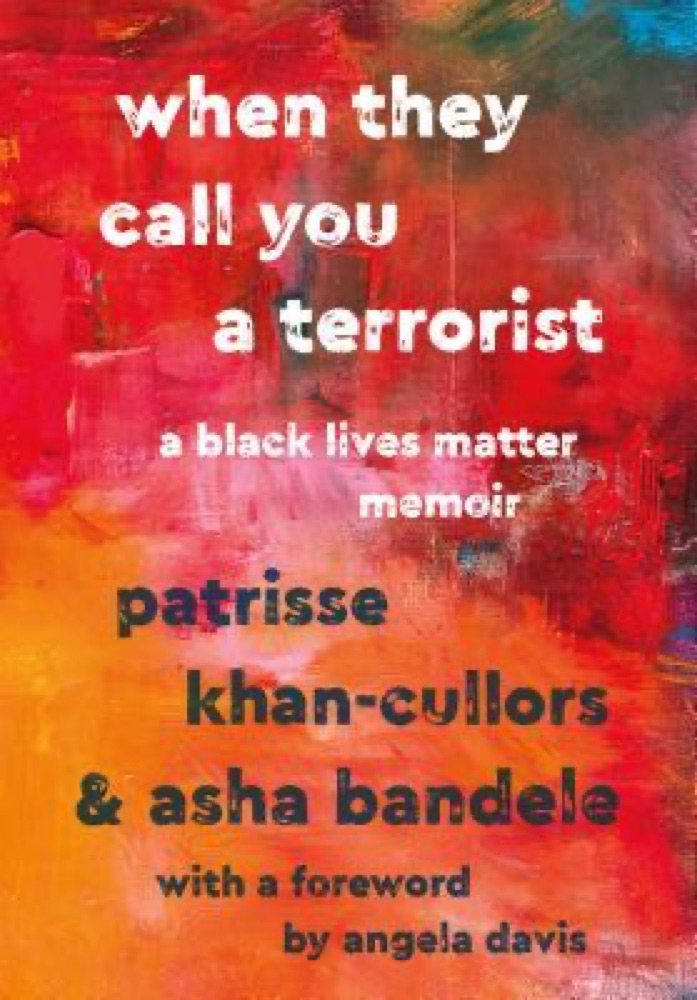 When They Call You a Terrorist: A Black Lives Matter Memoir
 Kingdom of Fear: Loathsome Secrets of a Star-Crossed Child in the Final Days of the American Century
 Jailbird
 Odd Hours
 The Sympathizer
 Scar Tissue
 A Knock at Midnight: A Story of Hope, Justice, and Freedom
 The Sun Does Shine: How I Found Life and Freedom on Death Row
 Between the World and Me
 A Naked Singularity
 Long Walk to Freedom
 The Lords of Discipline
 Close to the Knives: A Memoir of Disintegration
 Coming Home
 Tricks for Free
 Tell No One
 The Girl with the Dragon Tattoo
 Underground Airlines
 Writing My Wrongs
 The Moon is a Harsh Mistress
 The Nickel Boys
 Survivor
 Tales of Ordinary Madness
 Ham on Rye
 Rita Hayworth and Shawshank Redemption
 James
James
 Brave New World
 Eleanor Oliphant Is Completely Fine
 Ancillary Sword
 The Good Daughter
 She Who Waits
 Just Mercy
 Just Another Number
 Fledgling
 The House of Hidden Meanings
 Eileen
 I Know Why the Caged Bird Sings
 Open City
 A Long Way Down
 The Likeness