
 A History of God: The 4,000-Year Quest of Judaism, Christianity, and Islam
Quotes from the Book
If your understanding of the divine made you kinder, more empathetic, and impelled you to express sympathy in concrete acts of loving-kindness, this was good theology. But if your notion of God made you unkind, belligerent, cruel, of self-righteous, or if it led you to kill in God's name, it was bad theology.
243
I discovered that I felt at home and alive in the silence, which compelled me to enter my interior world and around there. Without the distraction of constant conversation, the words on the page began to speak directly to my inner self. They were no long expressing ideas that were simply interesting intellectually, but were talking directly to my own yearning and perplexity.
72
Religion is not about accepting twenty impossible propositions before breakfast, but about doing things that change you. It is a moral aesthetic, an ethical alchemy. If you behave in a certain way, you will be transformed. The myths and laws of religion are not true because they they conform to some metaphysical, scientific or historical reality but because they are life enhancing. They tell you how human nature functions, but you will not discover their truth unless you apply these myths and doctrines to your own life and put them into practice.
71
Theology is-- or should be-- a species of poetry,which read quickly or encountered in a hubbub of noise makes no sense. You have to open yourself to a poem with a quiet, receptive mind, in the same way you might listen to a difficult piece of music... If you seize upon a poem and try to extort its meaning before you are ready, it remains opaque. If you bring your own personal agenda to bear upon it, the poem will close upon itself like a clam, because you have denied its unique and separate identity, its inviolate holiness.
33
I no longer think that any principle or opinion is worth anything if it makes you unkind or intolerant.
29
Theologians in all the great faiths have devised all kinds of myths to show that this type of kenosis, of self-emptying, is found in the life of God itself. They do not do this because it sounds edifying, but because this is the way that human nature seems to work. We are most creative and sense other possibilities that transcend our ordinary experience when we leave ourselves behind.
20
The constant reprimands made me hyperconscious of my own performance, and so instead of getting rid of self, I had become embedded in the egoism I was supposed to transcend. Now I was beginning to understand that a silence that is not clamorous with vexation and worried self-regard can become part of the texture of your mind, can seep into you, moment by moment, and gradually change you.
17
I had failed to make a gift of myself to God.
15
When the horror recedes and the world resumes its normal shape, you cannot forget it. You have seen what is "really" there, the empty horror that exists when the consoling illusion of our mundane experience is stripped away, so you can never respond to the world in quite the same way again." from Coleridge: Like one, that on a lonesome road Doth walk in fear and dread, And having once turned round walks on, And turns no more his head; Because he knows, a frightful fiend Doth close behind him tread
12
Every single one of the major traditions—Confucianism, Buddhism, and Hinduism, as well as the monotheisms—teaches a spirituality of empathy, by means of which you relate your own suffering to that of others.
10
Even though the discples were not aware of it, the presence was with them while they were reviewing the scriptures together on the road. Henceforth, we will catch only a fleeting glimpse of it -- in the study of sacred writings, in other human beings, in liturgy, and in communion with strangers. But these moments remain us that our fellow men and women are themselves sacred; there is something about them taht is worthy of absolute reverence, is in the last resort mysterious, and we will always elude us.
9
Compassion does not, of course, mean to feel pity or condescend, but to feel with
5
We should probably all pause to confront our past from time to time, because it changes its meaning as our circumstances alter.
5
Of all the great world religions, Christianity should value the body most. After all, it taught that God had in some sense taken a human body and used it to redeem the world; everything about the physical should have been sacred and sacramental. But that had not happened. instead, the churches had found it almost impossible to integrate the sexual with the divine and had developed a Platonic aversion to the body - particularly the bodies of women.
4
We are, the great spiritual writers insist, most fully ourselves when we give ourselves away, and it is egotism that holds us back from that transcendent experience that has been called God, Nirvana, Brahman, or the Tao. What I now realize, from my study of the different religious traditions, is that a disciplined attempt to go beyond the ego brings about a state of ecstasy. Indeed, it is in itself ekstasis. Theologians in all the great faiths have devised all kinds of myths to show that this type of kenosis, or self-emptying, is found in the life of God itself. They do not do this because it sounds edifying, but because this is the way that human nature seems to work. We are most creative and sense other possibilities that transcend our ordinary experience when we leave ourselves behind.
2
As soon as I stopped trying to exploit my literary skills to advance my career or enhance my reputation, I found that I was opening myself to the text, could lose myself to the beauty of the words and in the wisdom of the writer. It was a kind of ekstasis, an ecstasy that was not an exotic, tranced state of consciousness but, in the literal sense of the word, a going beyond self.
2
Actions are not intrinsically good or evil, but should be judged by their consequences. Right acts are those that produce the best results. There was nothing in itself wrong with attending Mass, so even though it was the product of a belief system that was palpably false, if it helped Jacob, then he should go to Blackfriars.
1
Compassion has been advocated by all the great faiths because it has been found to be the safest and surest means of attaining enlightenment.
1
Many found the very idea hilarious. “Hi, Karen—how’s God?” they would ask, as though inquiring about a mutual acquaintance.
1
Yet despite my depression and my fear for the future, I could not quite succumb to the prevailing despair. The worst had happened, but that meant that I no longer had anything much to lose, and increasingly I found that quite liberating.
1
It did seem unjust that Jane, who was by far the abler of the two, should sacrifice her career for Mark’s.
1
But it was more than that. Paris represented life, sensuality, freedom, and fun. And that somehow made it impossible.
1
And how could I hope to sense God’s presence when I continually broke the silence, frequently had uncharitable thoughts, and above all, constantly yearned for human affection and wept when reprimanded?
1
What I now realize, from my study of the different religious traditions, is that a disciplined attempt to go beyond the ego brings about a state of ecstasy.
Watch on YouTube
About Karen Armstrong
We have collected 127 quotes from 5 books by Karen Armstrong on BookQuoters.
More about the author →More by Karen Armstrong
A History of God: The 4,000-Year Quest of Judaism, Christianity, and Islam
 The Case for God
 A Short History of Myth
 Twelve Steps to a Compassionate Life
About the book
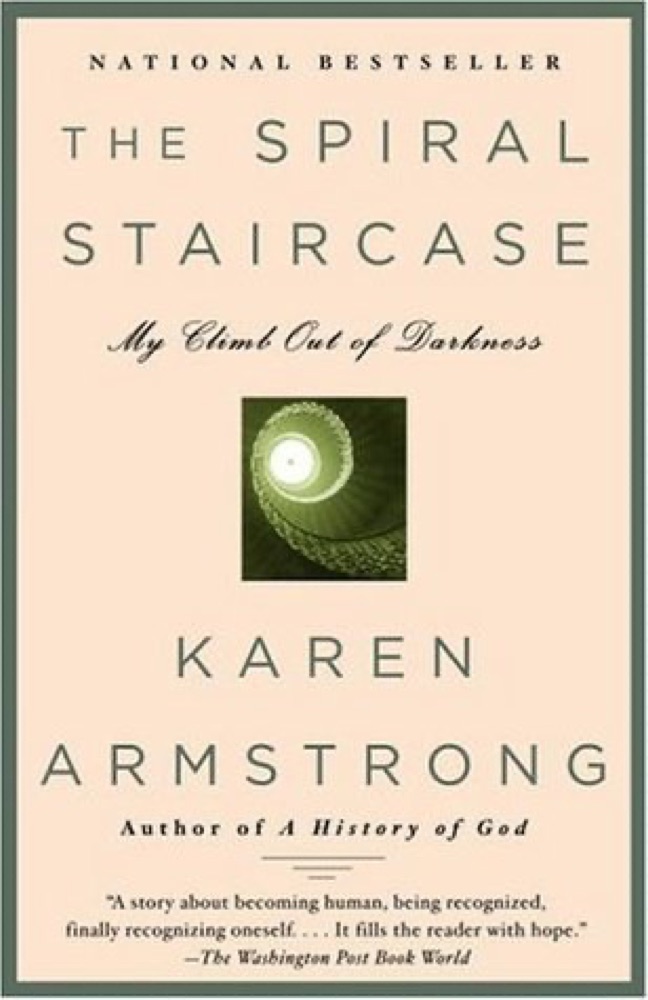
NATIONAL BESTSELLER • The New York Times bestselling author of A History of God delivers the gripping, inspirational story about her own search for God.
“A story about becoming human, being recognized, finally recognizing oneself…. It fills the reader with hope.” — The Washington Post Book World
In 1962, at age seventeen, Karen Armstrong entered a convent, eager to meet God. After seven brutally unhappy years as a nun, she left her order to pursue English literature at Oxford. But convent life had profoundly altered her, and coping with the outside world and her expiring faith proved to be excruciating. Her deep solitude and a terrifying illness–diagnosed only years later as epilepsy—marked her forever as an outsider. In her own mind she was a complete failure: as a nun, as an academic, and as a normal woman capable of intimacy. Her future seemed very much in question until she stumb
Book details
- First published
- 2004
- Author
- Karen Armstrong
- Genre
- Nonfiction
- Goodreads rating
- 3.94 (9k ratings)
Keep reading
 Surprised by Joy: The Shape of My Early Life
 The Varieties of Religious Experience
 The Seven Storey Mountain
 The Journey Home
 Why Religion? A Personal Story
 Leaving Church: A Memoir of Faith
 Father Joe: The Man Who Saved My Soul
 This Here Flesh: Spirituality, Liberation, and the Stories That Make Us
 A Severe Mercy: A Story of Faith, Tragedy and Triumph
 Hallelujah Anyway: Rediscovering Mercy
 The Cloister Walk
 Children of God
 My Bright Abyss: Meditation of a Modern Believer
 Faith, Hope and Carnage
 The Long Loneliness: The Autobiography of the Legendary Catholic Social Activist ― A Memoir about the Worker Movement and Spiritual Conversion
 Everything Belongs: The Gift of Contemplative Prayer
 The Story of My Experiments With Truth
 Wholehearted Faith
 No Man Is an Island
 Traveling Mercies: Some Thoughts on Faith
 The Holy Longing: The Search for a Christian Spirituality
 Amazing Grace: A Vocabulary of Faith
 Yoga Bitch: One Woman's Quest to Conquer Skepticism, Cynicism, and Cigarettes on the Path to Enlightenment
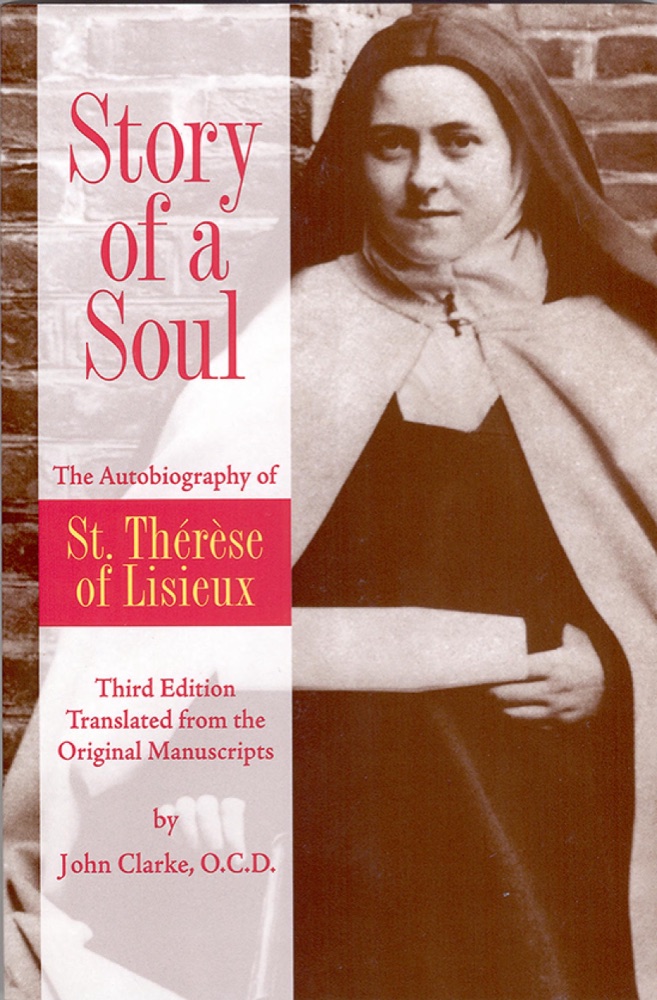 Story of a Soul: The Autobiography of St. Therese of Lisieux
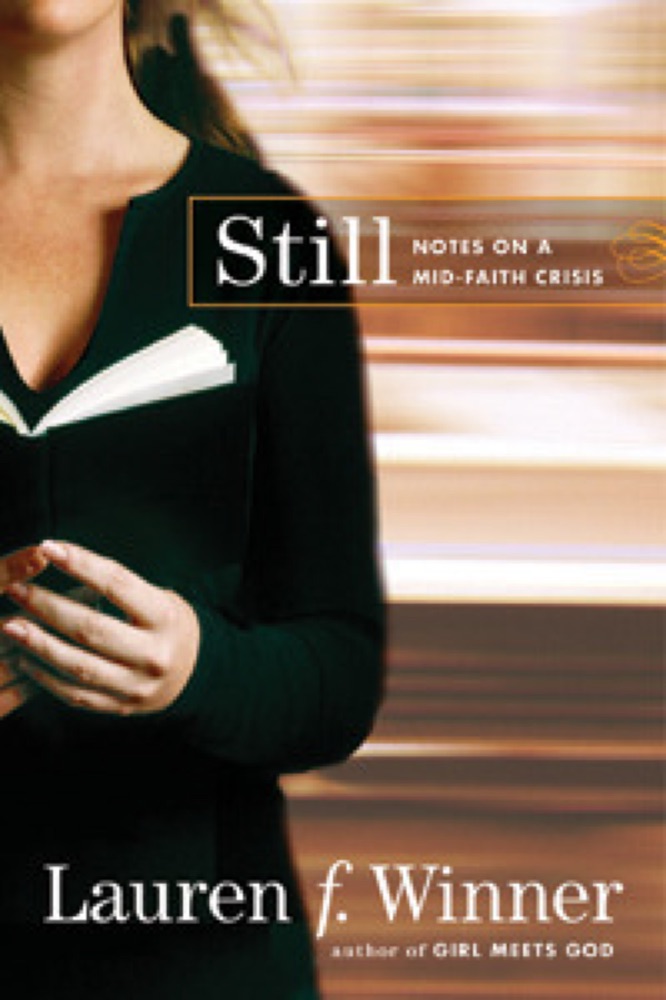 Still: Notes on a Mid-Faith Crisis
 Tattoos on the Heart: The Power of Boundless Compassion
 Blue Like Jazz: Nonreligious Thoughts on Christian Spirituality
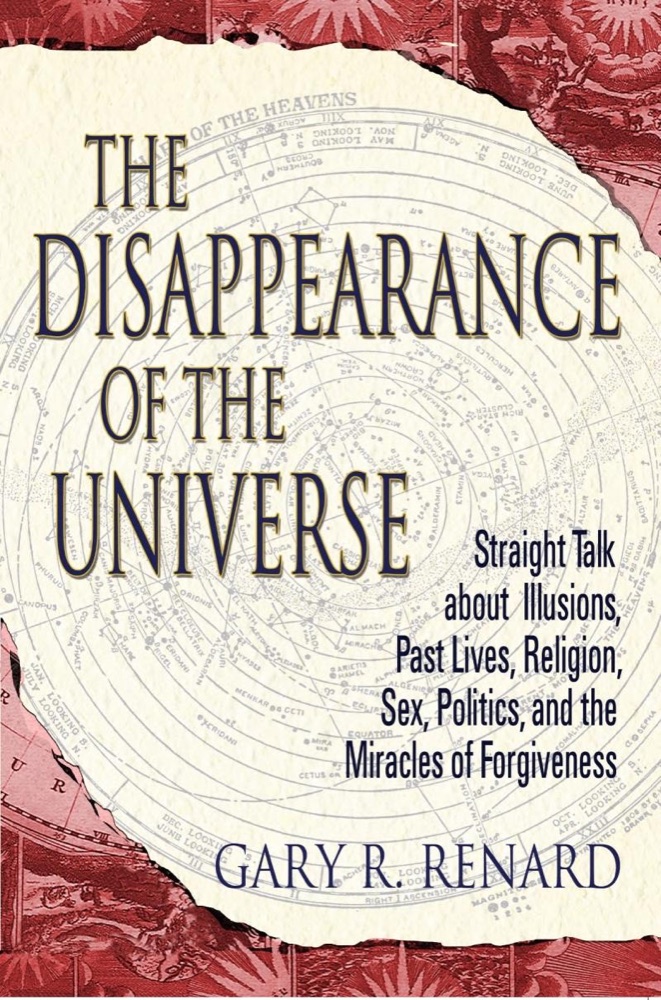 The Disappearance of the Universe: Straight Talk about Illusions, Past Lives, Religion, Sex, Politics, and the Miracles of Forgiveness
 The Doors of Perception
 Barking to the Choir: The Power of Radical Kinship
 The Life of Saint Teresa of Ávila by Herself
 All My Knotted-Up Life: A Memoir
 The Gay Science
 Plan B: Further Thoughts on Faith
 Demian
 The Sparrow
 Searching for God Knows What
 The God Who Weeps: How Mormonism Makes Sense of Life
 A Circle of Quiet
 Walking on Water: Reflections on Faith and Art
 Dust Tracks on a Road
 The Perennial Philosophy
 Breaking the Spell: Religion as a Natural Phenomenon
 Jayber Crow
 Christy
 The Secret Scripture
 The World's Religions
 Prayer in the Night: For Those Who Work or Watch or Weep
 New Seeds of Contemplation
 We Who Wrestle with God: Perceptions of the Divine
 Miracles and Other Reasonable Things: A Story of Unlearning and Relearning God
 Now Is the Time to Open Your Heart
 The Life You've Always Wanted: Spiritual Disciplines for Ordinary People
 Reflections on the Psalms
 Finding Meaning in the Second Half of Life: How to Finally, Really Grow Up
 Knife: Meditations After an Attempted Murder
 Breathing Underwater: Spirituality and the 12 Steps
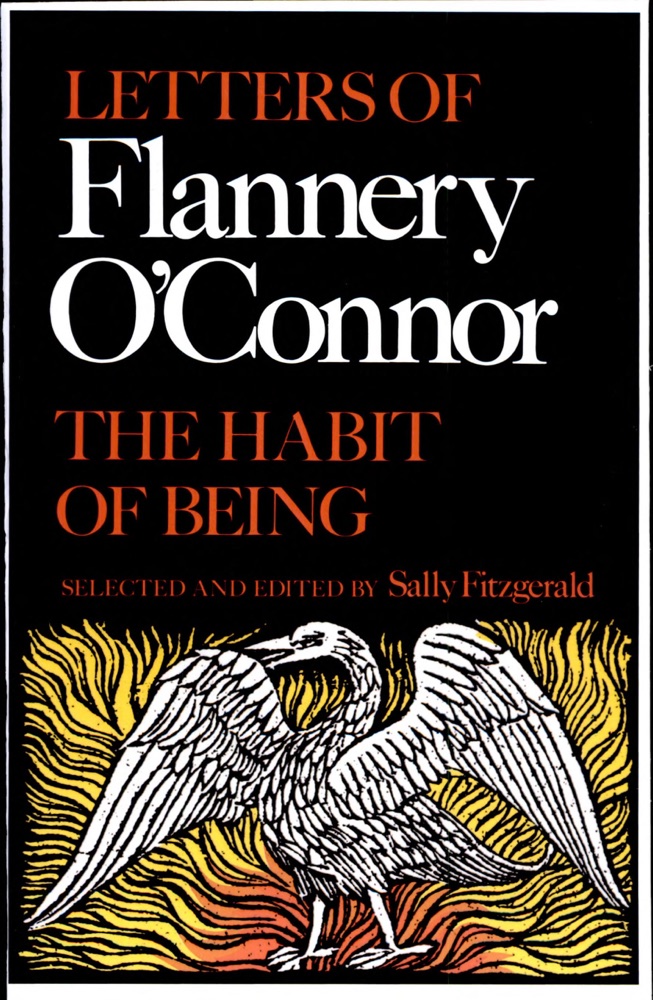 The Habit of Being: Letters of Flannery O'Connor
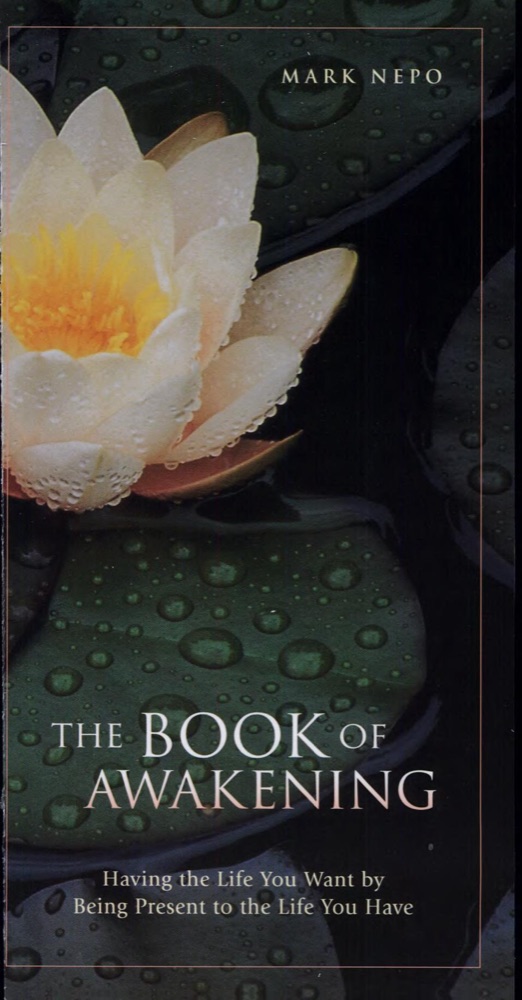 The Book of Awakening: Having the Life You Want by Being Present to the Life You Have