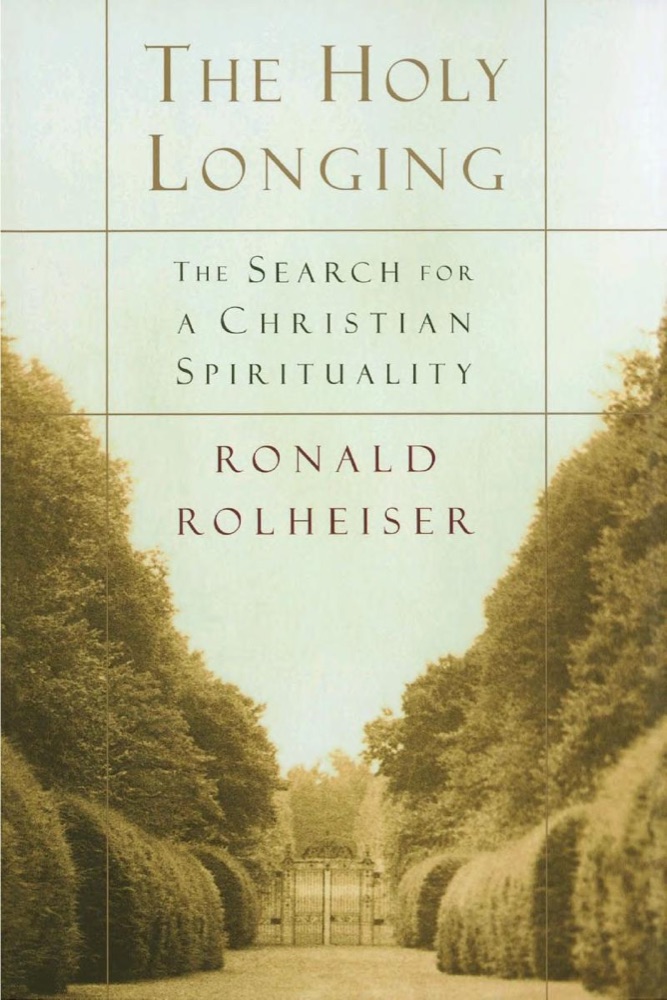

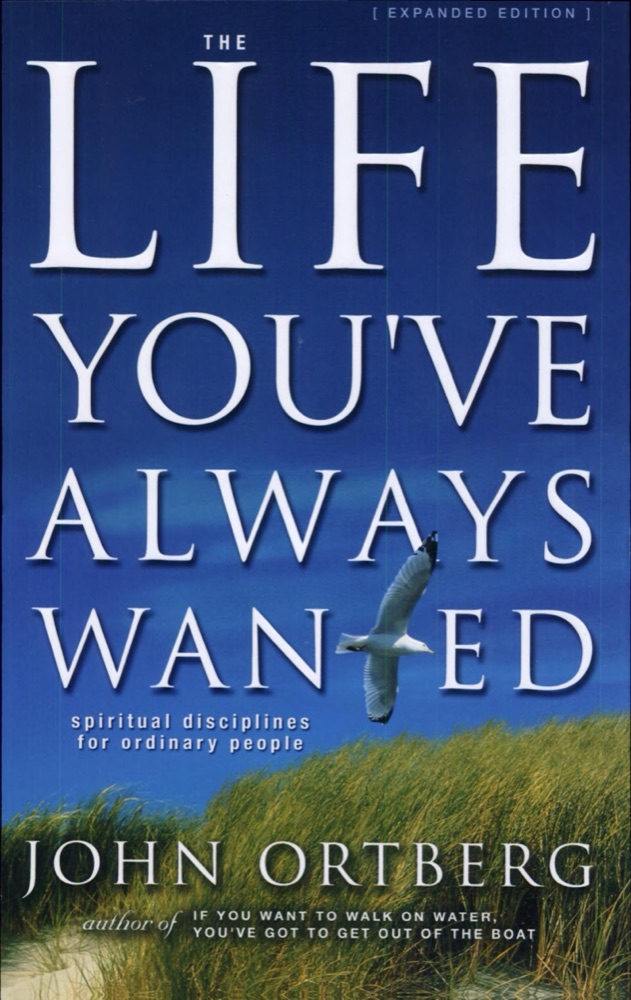
 The Life You've Always Wanted: Spiritual Disciplines for Ordinary People
Quotes from the Book
Defined simply, narcissism means excessive self-preoccupation; pragmatism means excessive focus on work, achievement, and the practical concerns of life; and restlessness means an excessive greed for experience, an overeating, not in terms of food but in terms of trying to drink in too much of life...And constancy of all three together account for the fact that we are so habitually self-absorbed by heartaches, headaches, and greed for experience that we rarely find the time and space to be in touch with the deeper movements inside of and around us.
13
Every choice is a renunciation. Indeed. Every choice is a thousand renunciations. To choose one thing is to turn one's back on many others.
11
Becoming like Jesus is as much as about having a relaxed and joyful heart as it is about believing and doing the right thing, as much about proper energy as about proper truth.
9
In this life, all symphonies remain unfinished. Our deep longings are never really satisfied. What this means, among other things, is that we are not restful creatures who sometimes get restless, fulfilled people who sometimes are dissatisfied, serene people who sometimes experience disquiet. Rather, we are restless people who occasionally find rest, dissatisfied people who occasionally find fulfillment, and disquieted people who occasionally find serenity. We do not naturally default into rest, satisfaction, and quiet but into their opposite.
8
Spirituality is, ultimately, about what we do with that desire. What we do with our longings, both in terms of handling the pain and the hope they bring us, that is our spirituality.
6
In Western culture, the joyous shouting of children often irritates us because it interferes with our depression. That is why we have invented a term, hyperactivity, so that we can, in good conscience, sedate the spontaneous joy in many of our children.
4
Spirituality is about what we do about the fire inside of us, about how we channel our eros.
4
Spirituality is more about whether or not we can sleep at night than about whether or not we go to church. It is about being integrated or falling apart, about being within community or being lonely, about being in harmony with Mother Earth or being alienated from her.
4
Ultimately abortion takes place because there is something wrong within the culture, within the system, and not simply because this or that particular woman is seeking to end an unwanted pregnancy.
3
Charity is appeased when some rich person gives money to the poor while justice asks why one person can be that rich when so many are poor.
3
Write a book,” he told me, “that I can give to my adult children to explain why I still believe in God and why I still go to church—and that I can read on days when I am no longer sure why I believe or go to church.
3
We do not wake up in this world calm and serene, having the luxury of choosing to act or not act. We wake up crying, on fire with desire, with madness. What we do with that madness is our spirituality.
2
If a child or a brother or a sister or a loved one of yours strays from the church in terms of faith practice and morality, as long as you continue to love that person, and hold him or her in union and forgiveness, he or she is touching the hem of the garment, is held to the Body of Christ, and is forgiven by God, irrespective of his or her official external relationship to the church and Christian morality. Your touch is Christ’s touch. When you love someone, unless that someone actively rejects your love and forgiveness, she or he is sustained in salvation. And this is true even beyond death. If someone close to you dies in a state which, externally at least, has her or him at odds ecclesially and morally with the visible church, your love and forgiveness will continue to bind that person to the Body of Christ and continue to forgive that individual, even after death. One
2
Everyone has to have a spirituality and everyone does have one, either a life-giving one or a destructive one.
2
Present injustices exist not so much because simple individuals are acting in bad faith or lacking in charity, but because huge, impersonal systems (that seem beyond the control of the individuals acting within them) disprivilege some even as they unduly privilege others.
1
It does not, as a superficial understanding might interpret, invite us to sin, but rather it invites us always to be in that space where God can help us after we have sinned, namely, in a state where we honestly admit our sin.
Martin Luther is credited with coining the phrase “Sin boldly!
He was on the receiving end of murderous anger, jealousy, and hatred, but he never passed them on to others. Instead he carried hatred, anger, jealousy, and wound long enough until he was able to transform them into forgiveness, compassion, and love.
find what metaphorically might be termed “Elijah’s jug,”2 namely, the sustenance that God promised to provide to those who are walking the long road toward the divine mountain.
Sexuality is a beautiful, good, extremely powerful, sacred energy, given us by God and experienced in every cell of our being as an irrepressible urge to overcome our incompleteness, to move toward unity and consummation with that which is beyond us.
It is painful to sleep alone but it is perhaps even more painful to sleep alone when you are not sleeping alone.
In South Africa, prior to the abolition of apartheid, people used to light a candle and place it in their windows as a sign of hope, a sign that one day this evil would be overcome. At one point, this was declared illegal, just as illegal as carrying a gun. The children used to joke about this, saying: “Our government is scared of lit candles!” Eventually, as we know, apartheid was overcome. Reflecting upon what ultimately brought its demise, it is fair to suggest that “lit candles” (which the government so wisely feared) were considerably more powerful than were guns.
God never overpowers. God’s power in this world is never the power of a muscle, a speed, a physical attractiveness, a brilliance, or a grace which (as the contemporary expression has it) blows you away and makes you shout: “Yes! Yes! There is a God!
The desire to win over others, to defeat one’s enemies, to humiliate the opposition, are all characteristics of violence and are still too painfully evident in almost all of our peace efforts.
A prophet, Daniel Berrigan submits, must make a vow of love not of alienation.
Movement toward the poor is a privileged route toward God and toward spiritual health. There can be no spiritual health, individually or communally, when there is no real involvement with the struggles of the poor. Conversely, riches, of any kind, are spiritually dangerous.
To have a just world we need a new world order.
the friends of Jesus, do not recognize him, even though he has been dead and absent for only a day and a half. Why can they not recognize him? Because they are too focused on his former reality.
Watch on YouTube
About Ronald Rolheiser
We have collected 28 quotes from 1 book by Ronald Rolheiser on BookQuoters.
More about the author →About the book
Ronald Rolheiser makes sense of what is frequently a misunderstood spirituality. In posing the question "What is spirituality?" Father Rolheiser gets quickly to the heart of common difficulties with the subject, and shows through compelling anecdotes and personal examples how to channel that restlessness, that deep desire, into a healthy spirituality.
This book is for those searching to understand what Christian spirituality means and how to apply it to their own lives. Rolheiser explains the nonnegotiables--the importance of community worship, the imperatives surrounding social action, the centrality of the Incarnation, the sustenance of the spiritual life--and how spirituality necessarily impacts every aspect of human experience. At the core of this readable, deeply revealing book is an explanation of God and the Church in a world that more often than not doubts the credibility of b
Book details
- First published
- 1999
- Author
- Ronald Rolheiser
- Genre
- Nonfiction
- Goodreads rating
- 4.09 (3k ratings)
Keep reading
The Life You've Always Wanted: Spiritual Disciplines for Ordinary People
 Emotionally Healthy Spirituality: Unleash A Revolution In Your Life in Christ
 Rediscover Catholicism
 The Deeply Formed Life: Five Transformative Values to Root Us in the Way of Jesus
 Breathing Underwater: Spirituality and the 12 Steps
 Celebration of Discipline: The Path to Spiritual Growth
 Renovation of the Heart: Putting On the Character of Christ
 Barking to the Choir: The Power of Radical Kinship
 A Long Obedience in the Same Direction: Discipleship in an Instant Society
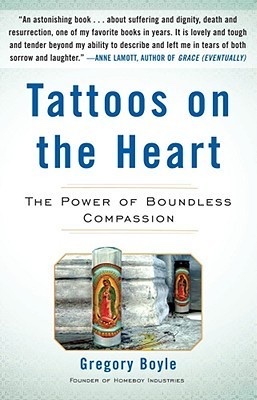 Tattoos on the Heart: The Power of Boundless Compassion
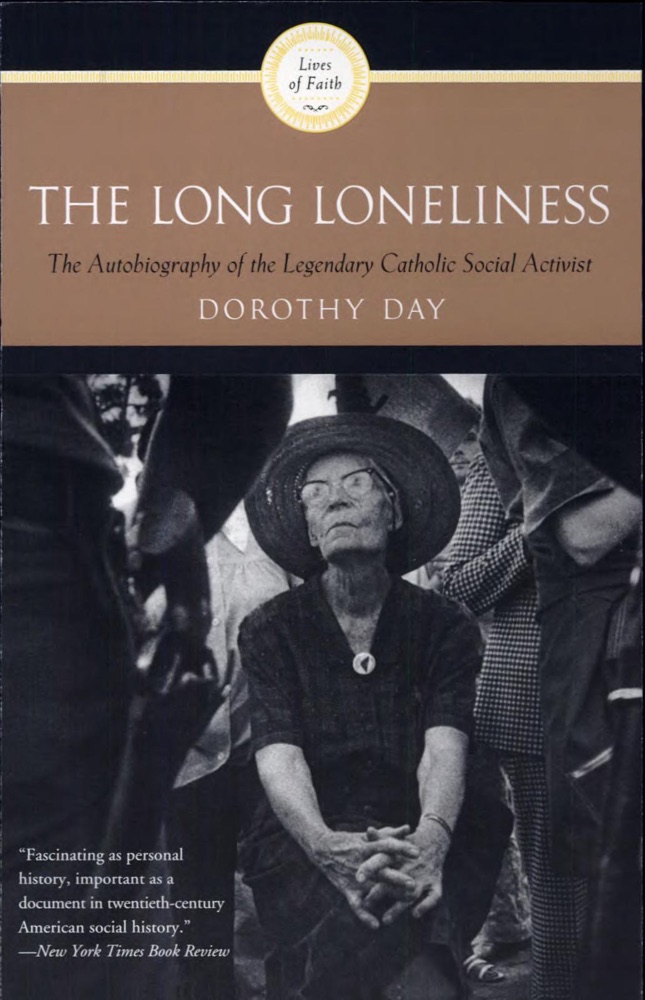 The Long Loneliness: The Autobiography of the Legendary Catholic Social Activist ― A Memoir about the Worker Movement and Spiritual Conversion
 Shameless: A Case for Not Feeling Bad About Feeling Good
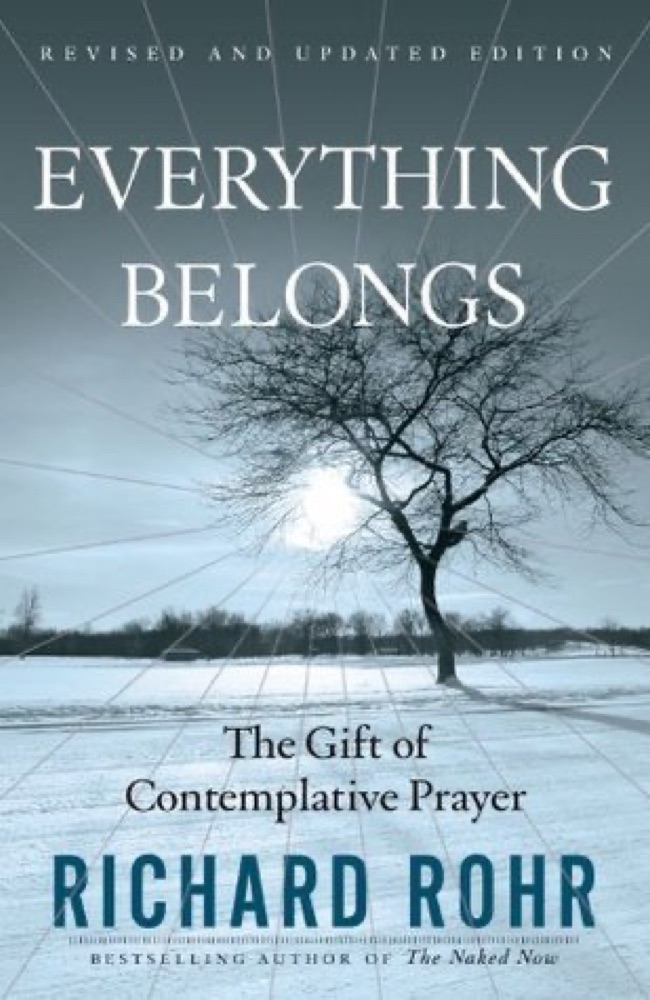 Everything Belongs: The Gift of Contemplative Prayer
 No Man Is an Island
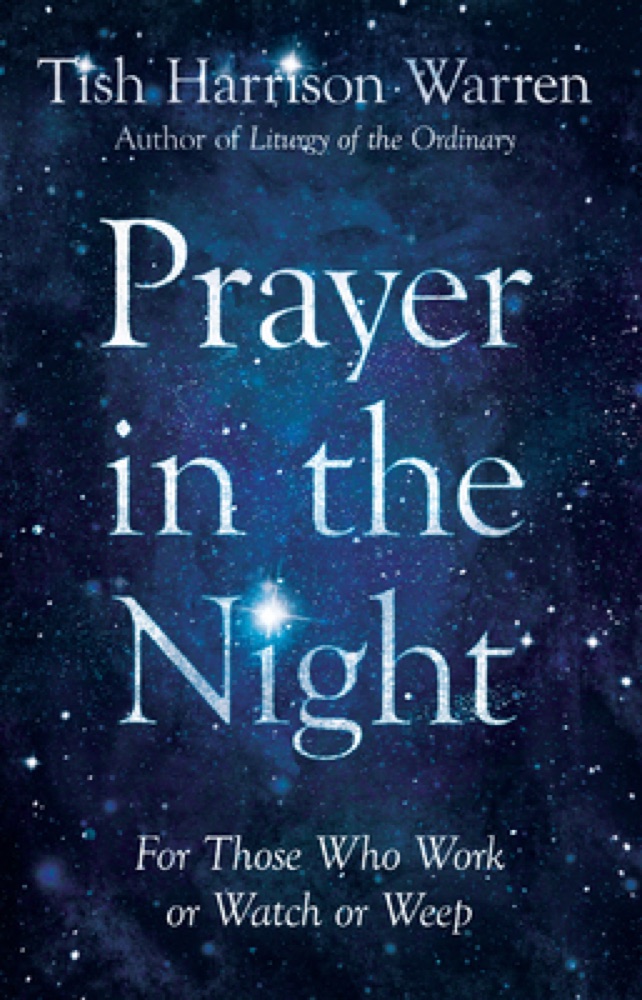 Prayer in the Night: For Those Who Work or Watch or Weep
 What We Talk about When We Talk about God
 The Secret Thoughts of an Unlikely Convert: An English Professor's Journey Into Christian Faith
 Amazing Grace: A Vocabulary of Faith
 The Wounded Healer
 Christ Plays in Ten Thousand Places: A Conversation in Spiritual Theology
 Searching for God Knows What
 The Irresistible Revolution: Living as an Ordinary Radical
 The Reason for God: Belief in an Age of Skepticism
 The Grand Weaver: How God Shapes Us through the Events in Our Lives
 The Cloister Walk
 Hallelujah Anyway: Rediscovering Mercy
 When I Don't Desire God: How to Fight For Joy
 The God Who Weeps: How Mormonism Makes Sense of Life
 The Prodigal God: Recovering the Heart of the Christian Faith
 The Problem of Pain
 Studies in the Sermon on the Mount
 The Bible Jesus Read
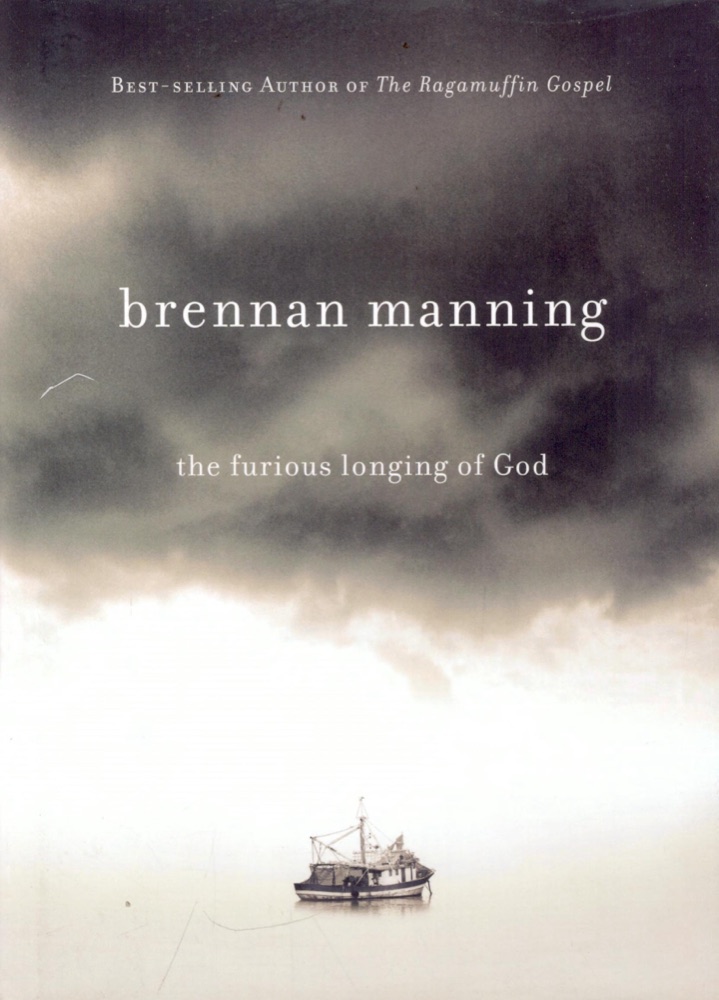 The Furious Longing of God
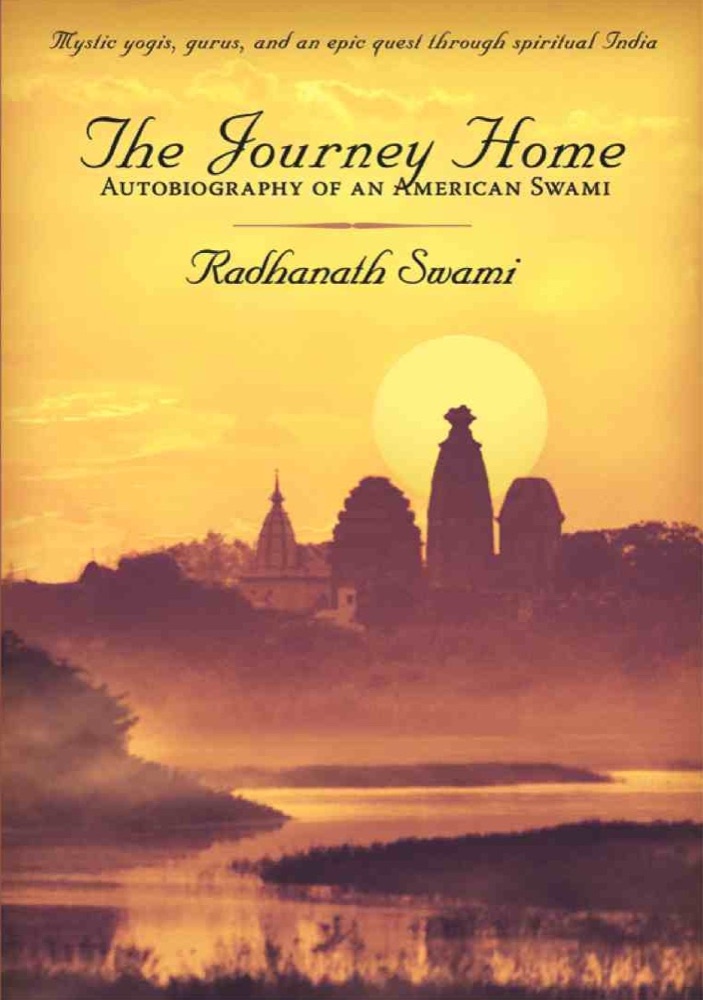 The Journey Home
 The Seven Storey Mountain
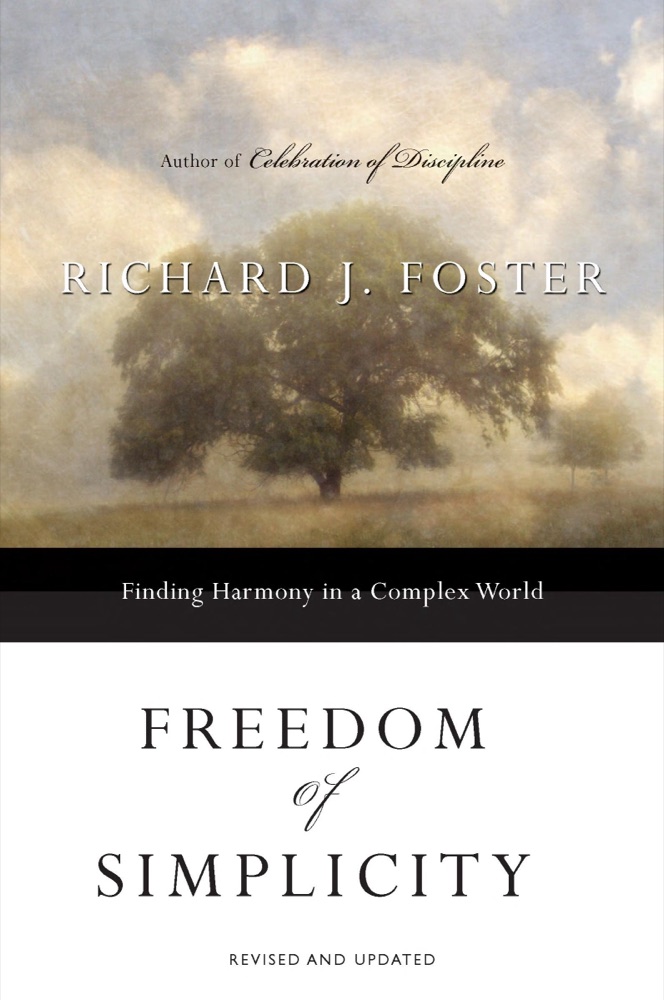 Freedom of Simplicity: Finding Harmony in a Complex World
 The Weight of Glory
 Reaching Out: The Three Movements of the Spiritual Life
 The Spirit of the Disciplines: Understanding How God Changes Lives
 Disciplines of a Godly Man
 Wholehearted Faith
 Abba's Child: The Cry of the Heart for Intimate Belonging
 The Divine Conspiracy: Rediscovering Our Hidden Life in God
 Wild Goose Chase: Reclaim the Adventure of Pursuing God
 The Varieties of Religious Experience
 Plan B: Further Thoughts on Faith
 The Cross of Christ
 The Crucible of Doubt: Reflections On the Quest for Faith
 My Bright Abyss: Meditation of a Modern Believer
 Instruments in the Redeemer's Hands: People in Need of Change Helping People in Need of Change
 The Sacred Romance: Drawing Closer to the Heart of God
 Waking the Dead: The Glory of a Heart Fully Alive
 Beautiful Outlaw: Experiencing the Playful, Disruptive, Extravagant Personality of Jesus
 New Seeds of Contemplation
 Jesus Among Other Gods: The Absolute Claims of the Christian Message
 Desiring God: Meditations of a Christian Hedonist
 Searching for and Maintaining Peace: A Small Treatise on Peace of Heart
 Letters and Papers from Prison