
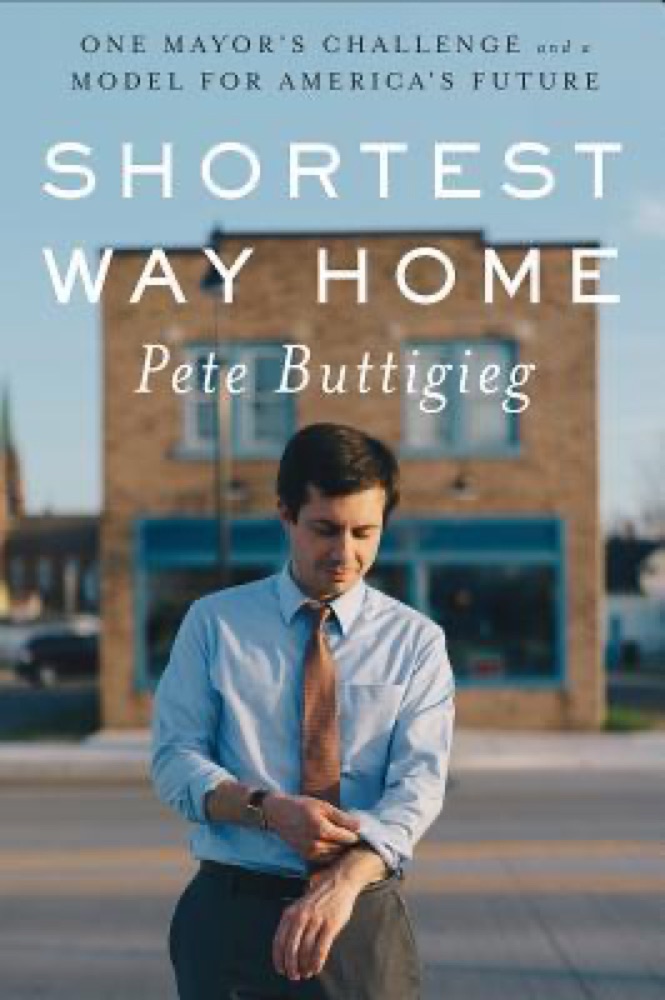
 Shortest Way Home: One Mayor's Challenge and a Model for America's Future
Quotes from the Book
When no one’s word is authoritative, any crank is as credible as the next person. It is the irony at the heart of conspiracy thinking: You can’t trust anyone these days, so you may as well place some credence in some stranger who just tweeted something exciting, if unproven. ... When someone whispers, “Trust no one,” they are inevitably also saying, “Trust me.
8
To love a country, as to love a person, is to love a flawed and exquisite creation, to see what is best in it, to be angry when it is not what it could be, precisely because you have seen glimmers of its greatness.
6
To believe that your hopes of election depend on fewer people voting is to have a tragically weak level of trust in the value of your own positions, and your ability to defend them.
4
Our ability to trust in institutions and in one another—the ability to trust that we are subject to the same facts, even living in the same reality—is now endangered. A combination of causes has brought us to this point, a crisis of trust that has the potential to be paralyzing.
3
Doubt is our product,” said the memo, “since it is the best means of competing with the ‘body of fact’ that exists in the mind of the general public. It is also the best means for establishing a controversy.
3
The truth is our election system is flawed. But it will only be improved if we trust it enough to use it to elect people committed to fixing it.
3
playing to an audience’s distrust of others, you can more quickly secure their trust in you.
2
Ours is not an ethnic identity, but a civic one. This means that for us, even more than for most people around the world, a sense of trust is not just strategically important but existentially meaningful. If the cornerstone of American identity is democracy, the cornerstone of democracy is trust.
1
But I was admittedly frustrated after Iowa. The conspiracies multiplied. Someone noticed that our campaign had purchased software from the same software company that made the flawed app in Iowa—enough to send the Twittersphere into a tailspin. A staff member on my campaign was married to someone who ran a company that invested in the company that made the app—clear evidence! No one really took the trouble to explain what all these tidbits were supposed to amount to, but then, conspiracy thinking is not obliged to answer questions; it merely asks them, insinuating.
1
We cannot have a free Government without elections, and if the rebellion could force us to forego or postpone a national election, it might fairly claim to have already conquered and ruined us.
1
the Constitution an attempt to structure the founders’ beliefs on how that trust could be distributed.
1
Addressing this question - of how to create or enhance a sense of belonging within as diverse a group as the American electorate or, even more broadly, the American people - is central to our chances of building greater trust in our country.
1
Economists comparing the economic growth of various countries have found a strong positive correlation between GDP growth and measured social trust. The effect even seems to apply when comparing different states in the U.S., with one study finding that a ten percent increase in trust translated to about a half percent increase in per capita income growth and even a positive effect on employment rates.
1
We will have to decide which approaches we wish to emulate from abroad, which structures we wish to dismantle from before, which strategies we wish to retrieve from our past, and which institutions we may need to fashion completely anew.
1
choose a politics defined not by who we push away, but by how many we can call to our side.
TRUST ISN’T ABOUT perfection. It’s not about certainty. Trust only arises, is only needed, because we are so often less-than-credible beings. Trust in institutions is important precisely because we can’t all be checking on them all the time. Trust in one another matters because we do not have the energy or the tools to be constantly verifying what others will do. The extraordinary power of trust is that it lets us proceed as though we are certain of what to expect from others,
As Arendt said, “facts need testimony to be remembered and trustworthy witnesses to be established in order to find a secure dwelling place in the domain of human affairs.
A police officer is supposed to represent safety; when an officer kills a resident, it strikes at the core of the relationship between a community and the police officers who are trusted with arrest powers, and weapons, in order to do their job.
Americans will not suddenly begin to trust government if they don’t see better results; and government won’t suddenly deliver a dramatically higher standard of living if it remains starved of resources, no matter how many efficiencies we find at the margins.
when you are trying to change a dynamic that feeds on itself, you have to find a point at which to intervene.
while circumstances are distinct in each of the Nordic countries, what they now all have in common is a robust social democracy that takes care of its citizens and rewards higher rates of taxation with first-rate services that drive more widespread well-being.
America’s highest ideals hold out the promise that the country can be a place of belonging for everyone.
For John Adams, it was a central issue: “The only Maxim of a free Government ought to be to trust no Man living with Power to endanger the public Liberty.
The formation of trust has to do with predictable, supportive behavior over time.
Individual decisions are of course not the only things that shape health outcomes: environmental factors, discrimination, and access to health insurance and health providers all play a role. But to the considerable extent that our health is shaped by the choices we make as individuals, those choices are in turn shaped by our levels of trust.
Public health strategies, as Fauci had experienced decades before, depend on a population trusting in experts and authorities, because the outcome of these strategies can depend on the decisions that individuals make, and who they choose to listen to.
Our interests may differ, our identities may be diverse, and our values may not always be the same. But we can only negotiate among these interests, identities, and values if we stand on the same field of fact.
Across fifty years, through a combination of failed policies, amoral technologies, and concerted, deliberate attacks, foreign and domestic, we have lost access to the basic levels of trust that democracy demands. The democratic process is our only means powerful enough to move us to safer ground, but it, too, relies on trust.
What Russia, led by KGB veteran Vladimir Putin, understands is that trust is a national security asset, critical to the strategic position of the United States, and therefore a high-value target.
Watch on YouTube
About Pete Buttigieg
We have collected 57 quotes from 2 books by Pete Buttigieg on BookQuoters.
More about the author →More by Pete Buttigieg
Shortest Way Home: One Mayor's Challenge and a Model for America's Future
About the book
Pete Buttigieg demonstrates how a breakdown of trust is central to our nation’s current predicament—and how our future depends on finding ways to instill confidence in the American project, and in each other.
Trust is the essential foundation of America’s democracy, asserts Pete Buttigieg, former presidential candidate and bestselling author of Shortest Way Home . In a century shaped by terrorism, financial collapse, Trumpist populism, global pandemic, and systemic racism, trust—in our government, corporations, experts, and, most tragically, in one another—has precipitously eroded and, for so many, never existed in the first place. Recognizing that we are now experiencing disastrous consequences, the former South Bend mayor offers a direct reckoning with the corruption of social responsibility, interweaving history, political philosophy, and affecting passages of memoir, offering a new
Book details
- First published
- 2020
- Author
- Pete Buttigieg
- Genre
- Nonfiction
- Goodreads rating
- 4.15 (6k ratings)
Keep reading
 One Nation: What We Can All Do to Save America's Future
 The Audacity of Hope: Thoughts on Reclaiming the American Dream
 The Truths We Hold: An American Journey
 Promises to Keep: On Life and Politics
 What Unites Us: Reflections on Patriotism
 Independent Study
 United: Thoughts on Finding Common Ground and Advancing the Common Good
 Doing Justice: A Prosecutor's Thoughts on Crime, Punishment, and the Rule of Law
 Glenn Beck's Common Sense: The Case Against an Out-of-Control Government, Inspired by Thomas Paine
Shortest Way Home: One Mayor's Challenge and a Model for America's Future
Glenn Beck's Common Sense: The Case Against an Out-of-Control Government, Inspired by Thomas Paine
Shortest Way Home: One Mayor's Challenge and a Model for America's Future
 The Next Decade: Where We've Been . . . and Where We're Going
 Ill Fares the Land
 Across That Bridge: A Vision for Change and the Future of America
 Behold a Pale Horse
 Upheaval: Turning Points for Nations in Crisis
 A Higher Loyalty: Truth, Lies, and Leadership
 The Small and the Mighty: Twelve Unsung Americans Who Changed the Course of History, from the Founding to the Civil Rights Movement
 The Federalist Papers
 The Soul of America: The Battle for Our Better Angels
 Predictably Irrational: The Hidden Forces That Shape Our Decisions
 Democracy in America
 A Promised Land
 The Person You Mean to Be: How Good People Fight Bias
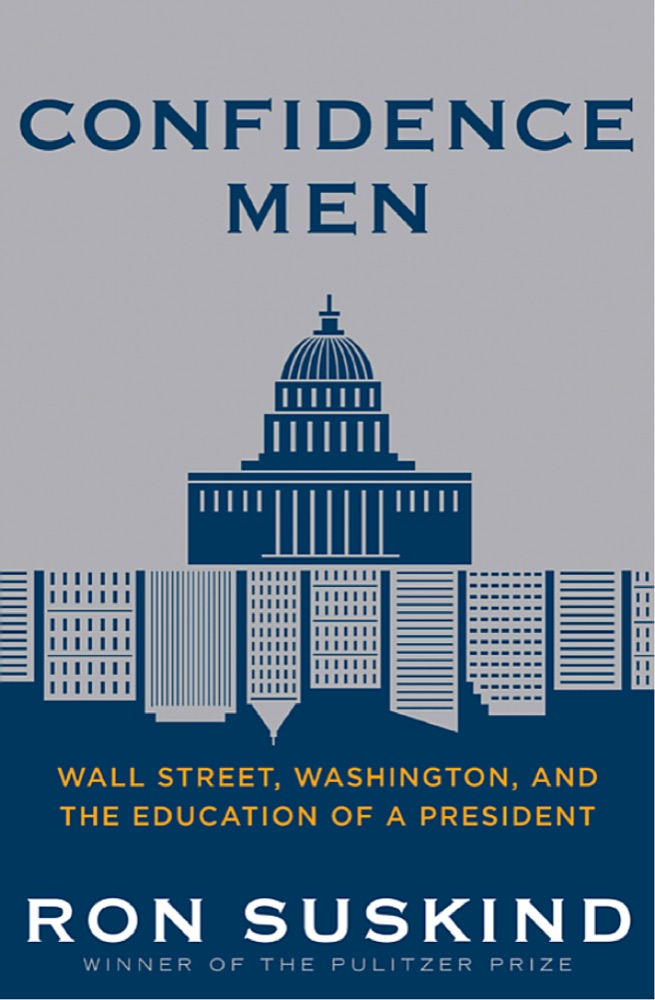 Confidence Men: Wall Street, Washington, and the Education of a President
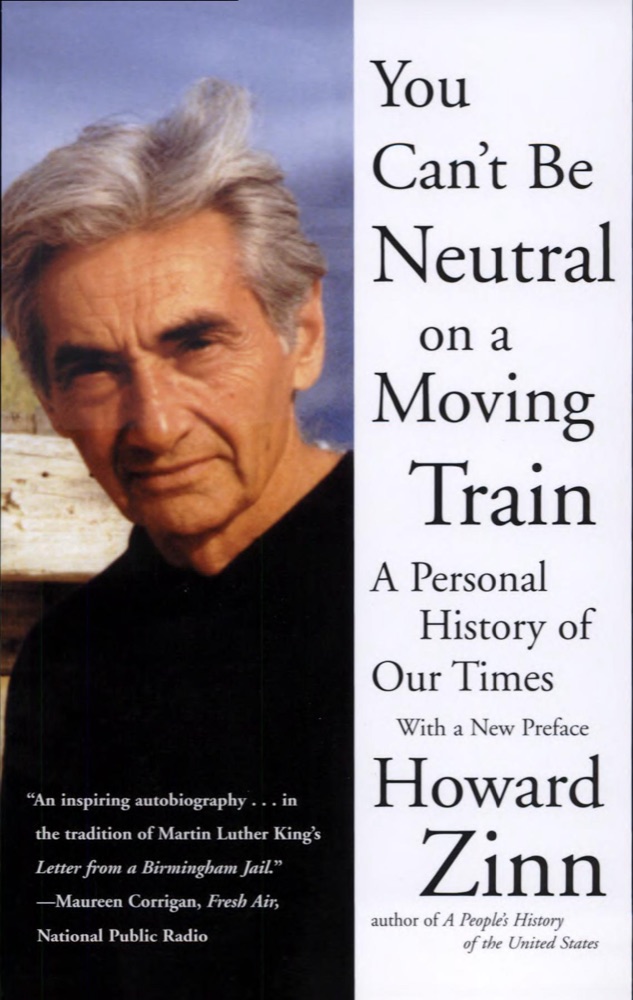 You Can't Be Neutral on a Moving Train: A Personal History of Our Times
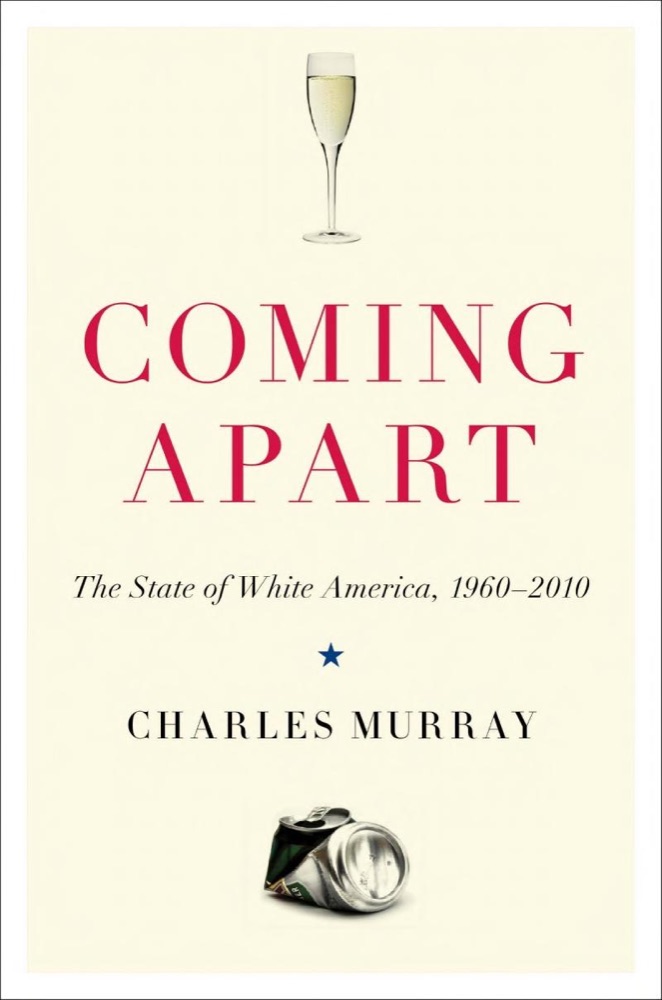 Coming Apart: The State of White America, 1960-2010
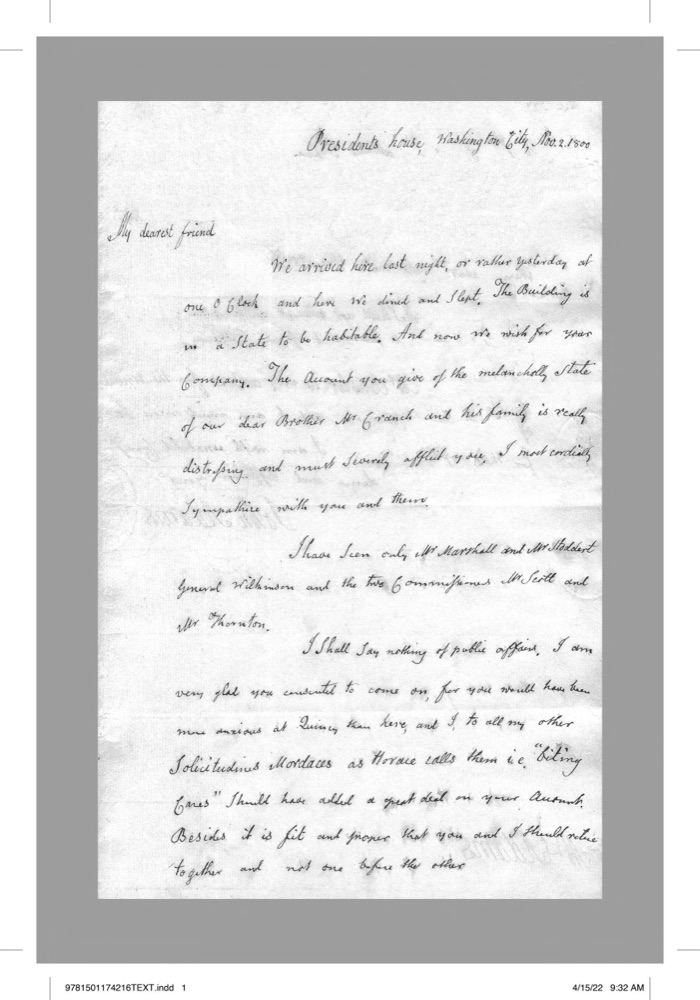 The American Spirit: Who We Are and What We Stand For
 On Tyranny: Twenty Lessons from the Twentieth Century
 Reflections on the Revolution in France
 The System: Who Rigged It, How We Fix It
 Let Us Dream: The Path to a Better Future
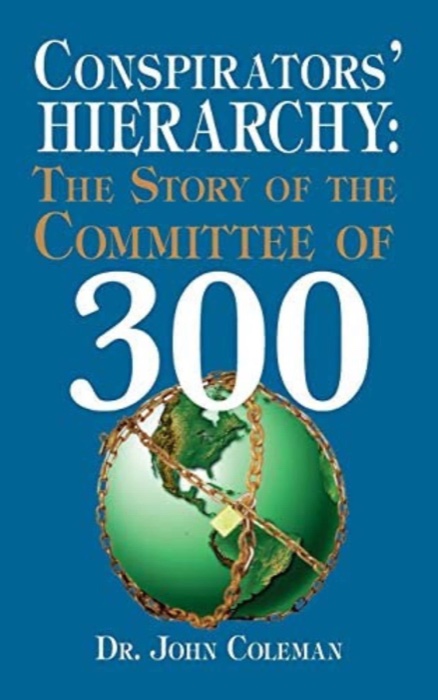 Conspirators' Hierarchy: The Story of the Committee of 300
 Civil Disobedience
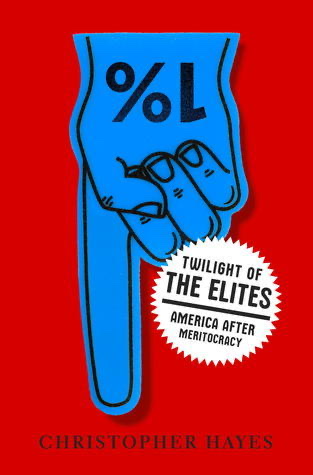 Twilight of the Elites: America After Meritocracy
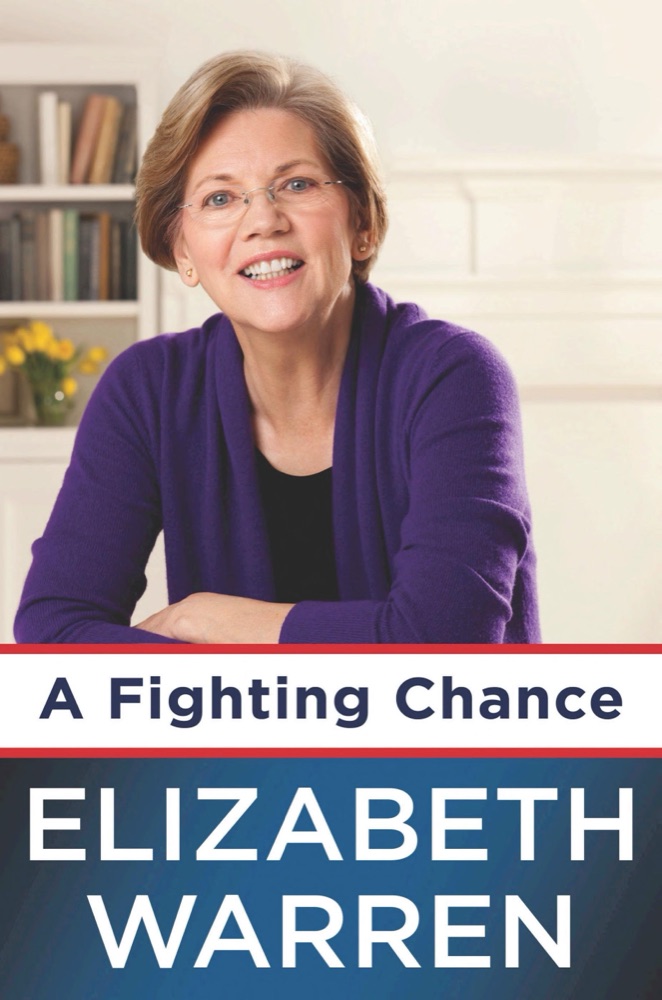 A Fighting Chance
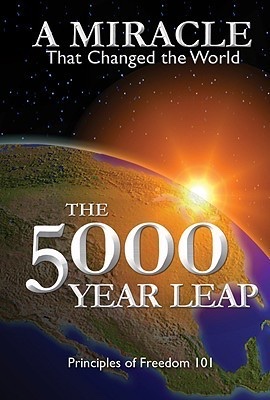 The 5000 Year Leap: A Miracle That Changed the World
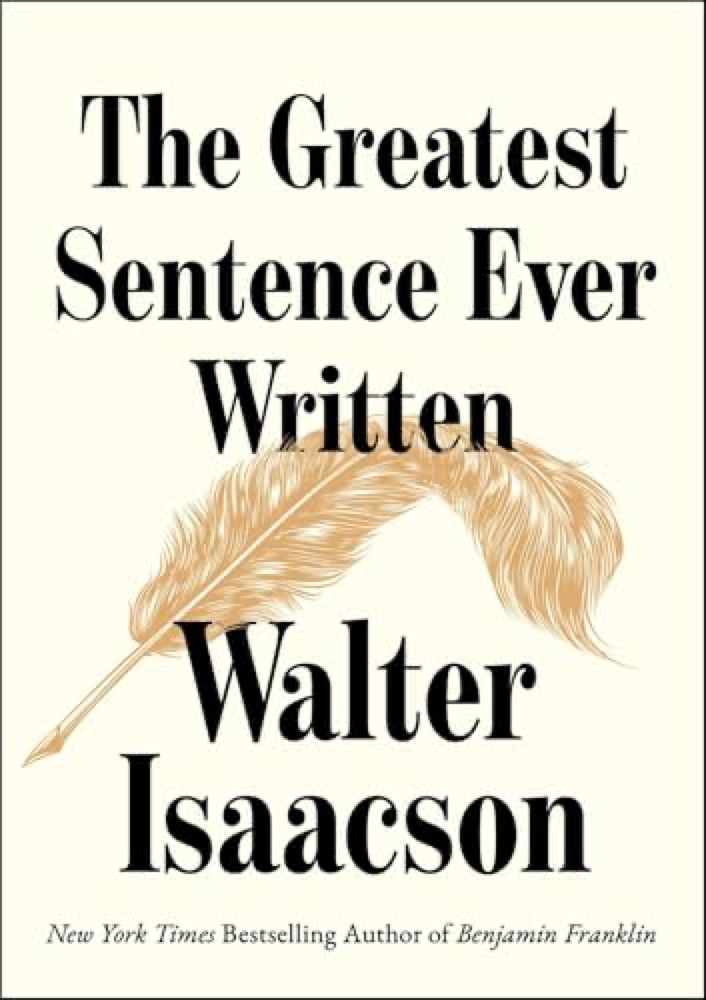 The Greatest Sentence Ever Written
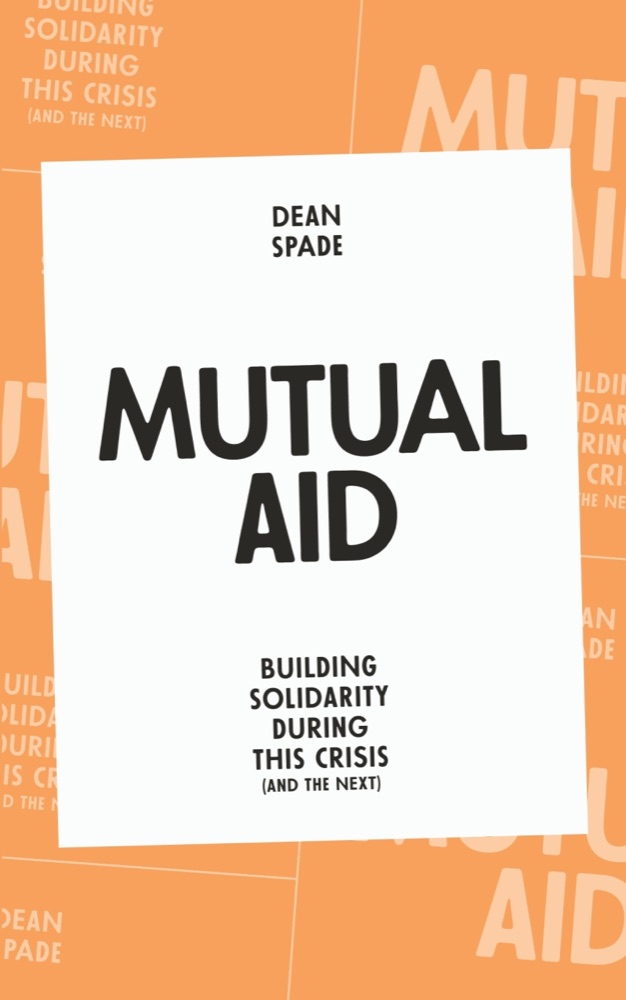 Mutual Aid: Building Solidarity in This Crisis
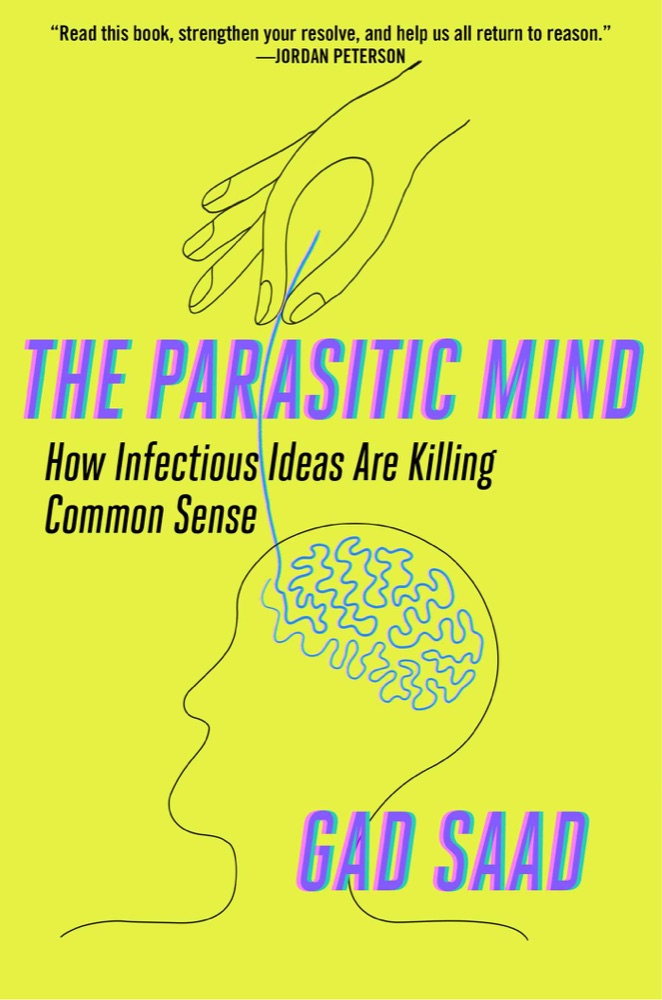 Parasitic Mind: How Infectious Ideas Are Killing Common Sense
 Walden Two
 Dead Fall
 Influence: The Psychology of Persuasion
 Revolution
 Permanent Record
 Children of Dune
 The Autobiography of Eleanor Roosevelt
 What's Our Problem?: A Self-Help Book for Societies
 Not for Profit: Why Democracy Needs the Humanities
 The Mandibles: A Family, 2029–2047
 The Road to Serfdom
 Humankind: A Hopeful History
 Why We're Polarized
 The Blue Sweater: Bridging the Gap Between Rich and Poor in an Interconnected World
 Political Order and Political Decay: From the Industrial Revolution to the Globalization of Democracy
 Lead from the Outside: How to Build Your Future and Make Real Change
 Mistakes Were Made (But Not by Me): Why We Justify Foolish Beliefs, Bad Decisions, and Hurtful Acts
 In the Light of What We Know
 A People's History of the United States
 The World Is Flat: A Brief History of the Twenty-first Century
 Becoming Madam Secretary