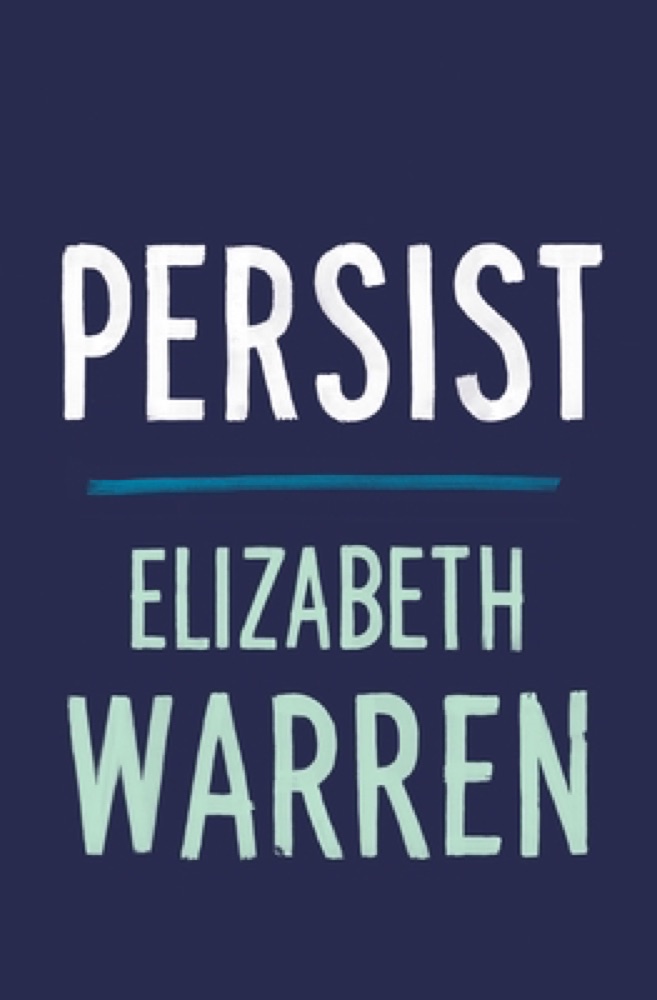
 Persist
Quotes from the Book
We lose eight children and teenagers to gun violence every day. If a mysterious virus suddenly started killing eight of our children every day, America would mobilize teams of doctors and public health officials. We would move heaven and earth until we found a way to protect our children. But not with gun violence.
70
Today the game is rigged—rigged to work for those who have money and power. Big corporations hire armies of lobbyists to get billion-dollar loopholes into the tax system and persuade their friends in Congress to support laws that keep the playing field tilted in their favor. Meanwhile, hardworking families are told that they’ll just have to live with smaller dreams for their children.
20
There is nobody in this country who got rich on his own. Nobody. You built a factory out there? Good for you. But I want to be clear: You moved your goods to market on the roads the rest of us paid for. You hired workers the rest of us paid to educate. You were safe in your factory because of police forces and fire forces that the rest of us paid for. You didn't have to worry that marauding bands would come and seize everything at your factory, and hire someone to protect against this, because of the work the rest of us did. Now look, you built a factory and it turned into something terrific, or a great idea? God bless! Keep a big hunk of it. But part of the underlying social contract is you take a hunk of that and pay forward for the next kid who comes along.
20
When you have no real power, go public -- really public. The public is where the real power is.
20
I believe that it’s this optimism about the future that sets us apart as a people, this optimism that makes America an exceptional nation. We built this country by striking out on new adventures and propelling ourselves forward on a path we named progress. Along the way, we learned that when we invest in one another, when we build schools and roads and research labs, we build a better future—a better future for ourselves and our children and our grandchildren. Equality. Opportunity. The pursuit of happiness. An America that builds something better for the next kid and the kid after that and the kid after that. No one is asking for a handout. All we want is a country where everyone pays a fair share, a country where we build opportunities for all of us; a country where everyone plays by the same rules and everyone is held accountable. And we have begun to fight for it. I believe in us. I believe in what we can do together, in what we will do together. All we need is a fighting chance.
10
This crisis didn’t have to happen. America had a boom-and-bust cycle from the 1790s to the 1930s, with a financial panic every ten to fifteen years. But we figured out how to fix it. Coming out of the Great Depression, the country put tough rules in place that gave us fifty years without a financial crisis. But in the 1980s, we started pulling the threads out of the regulatory fabric, and we found ourselves back in the boom-and-bust cycle. When this crisis is over, there will be a once-in-a-generation chance to rewrite the rules. What we set in place will determine whether our country continues down this path toward a boom-and-bust economy or whether we reestablish an economy with more stability that gives ordinary folks a chance at real prosperity.
9
For capitalism to work, we all need one another.
9
The bankers might not have said it in so many words, but gradually their strategy emerged: Target families who were already in a little trouble, lend them more money, get them entangled in high fees and astronomical interest rates, and then block the doors to the bankruptcy exit if they really got in over their heads.
8
The single best predictor that a family would go bankrupt was if they had a child.
7
My grandmother had never been very political, and she sure didn't follow high finance. But decades later, she was still repeating her line that she knew two things about Franklin Roosevelt: He made it safe to put money in banks and---she always paused here and smiled---he did a lot of other good things. And that was my pitch to Congressman Frank. Start with something that people understand, something that solves a problem they can see. Do that, and then they'll have confidence in the work you do to fix the parts they can't see... Start simple. Fix something people can see.
5
I had a choice. I could be an insider or I could be an outsider. Outsiders can say whatever they want. But people on the inside don’t listen to them. Insiders, however, get lots of access and a chance to push their ideas. People—powerful people—listen to what they have to say. But insiders also understand one unbreakable rule: They don’t criticize other insiders. I
4
By late 2008, one out of every five mortgage holders owed more than their homes were worth. The banks called in the loans, and the foreclosure notices piled up.
4
He didn't seem to understand yet was that I didn't really care about the ways of Washington.
3
It’s a story about what’s worth fighting for, and how sometimes, even when we fight against very powerful opponents, we can win.
3
the Founding Fathers had called for bankruptcy protection in the Constitution itself, and surely even the banking lobby wouldn’t pick a fight with them.
2
I also learned an essential truth: When you have no real power, go public—really public. The public is where the real power is.
2
These families need you.” I said it quietly, and the silence stretched some more. I tried to steady my breathing. He paused again, then gave a deep sigh and said, “All right. I’ll do it. I’ll do what I can.
2
What kind of people are we? What are our shared values? Many congressional Republicans think it’s fine to give billions of dollars in tax breaks to giant oil companies and corporations that park their money overseas, even as medical research budgets are hit by another round of cuts and care centers have long waiting lists. But those spending choices don’t reflect the values of the American people.
1
Rich Cordray did. Rich was fearless, and he led by example. Among other things, he investigated Capital One for misleading customers about the costs of “free” add-ons to their credit cards—“free” services that actually cost customers a total of $140 million. (He ultimately forced Capital One to send the hidden fees back to every customer—and not one customer had to file papers or ask for a refund because the checks came automatically in the mail. Rich and his team also hit up the company to pay an additional $25 million fine.)
1
America’s middle class was under attack. The nation’s broad prosperity had been forged by people like my parents—people who knew hardship and conflict and who kept on fighting, determined to pass on something better to their children. But the strength of the middle class was not unlimited. I felt as though I were looking at a once sturdy house that was crumbling: the windows were broken and the roof was caving in. It wasn’t a happy story. Instead, the book was an alarm, a warning that our country was headed in a terrible direction.
1
The banking industry bought everything; they even bought their own facts. The industry commissioned three different studies, each of which was touted as “independent.” Each explained the urgent need to change the law—exactly the way the banking industry wanted it changed. One particularly damaging result of these bogus studies was a claim that bankruptcy cost every hardworking, bill-paying American family a $550 “hidden tax.” The number was entirely made up, fabricated out of thin air, but the press reported it as “fact” for years.
1
Medical problems, job losses, and family breakups had laid these families low. Most had hung on and tried to repay long past any reasonable chance of doing so. As I saw it, the families in bankruptcy were mostly good people caught in a bad situation
1
America’s middle class is under attack. Worse, it’s not under attack by some unstoppable force of nature. It’s in trouble because the game is deliberately rigged.
1
When you have no real power, go public—really public. The public is where the real power is. Those
1
This shouldn’t be a my-party-your-party exercise. We should work together with one nonpartisan staff. The
1
There were a million things we needed to figure out—and the congressman thought the most important thing we needed to do was slice up the operating budget so each political party was assured its “fair share”? Welcome to Washington. Once
1
Families are going broke because they buy too much stuff!
1
Watch on YouTube
About Elizabeth Warren
We have collected 42 quotes from 2 books by Elizabeth Warren on BookQuoters.
More about the author →More by Elizabeth Warren
Persist
About the book
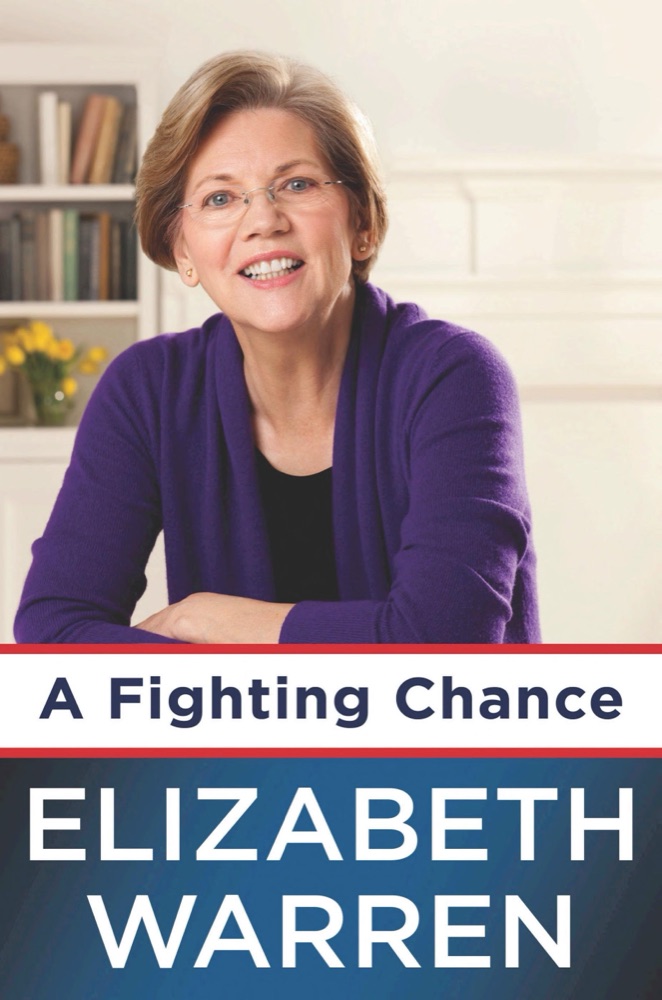
An unlikely political star tells the inspiring story of the two-decade journey that taught her how Washington really works—and really doesn't—in A Fighting Chance
As a child in small-town Oklahoma, Elizabeth Warren yearned to go to college and then become an elementary school teacher—an ambitious goal, given her family's modest means. Early marriage and motherhood seemed to put even that dream out of reach, but fifteen years later she was a distinguished law professor with a deep understanding of why people go bankrupt. Then came the phone call that changed her life: could she come to Washington DC to help advise Congress on rewriting the bankruptcy laws?
Thus began an impolite education into the bare-knuckled, often dysfunctional ways of Washington. She fought for better bankruptcy laws for ten years and lost. She tried to hold the federal government accountable during the financi
Book details
- First published
- 2014
- Author
- Elizabeth Warren
- Genre
- Nonfiction
- Goodreads rating
- 4.15 (15k ratings)
Keep reading
 Becoming Madam Secretary
 The Truths We Hold: An American Journey
 I Survived Capitalism and All I Got Was This Lousy T-Shirt: Everything I Wish I Never Had to Learn About Money
 The Creature from Jekyll Island: A Second Look at the Federal Reserve
 The Audacity of Hope: Thoughts on Reclaiming the American Dream
 One Nation: What We Can All Do to Save America's Future
 Griftopia: Bubble Machines, Vampire Squids, and the Long Con That Is Breaking America
 Promises to Keep: On Life and Politics
 Shortest Way Home: One Mayor's Challenge and a Model for America's Future
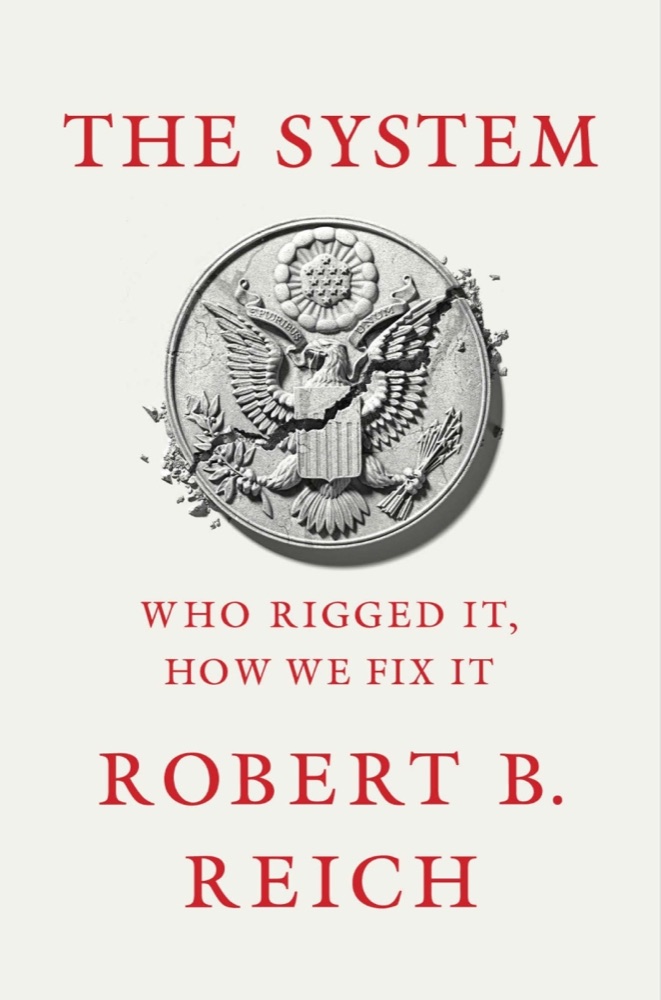 The System: Who Rigged It, How We Fix It
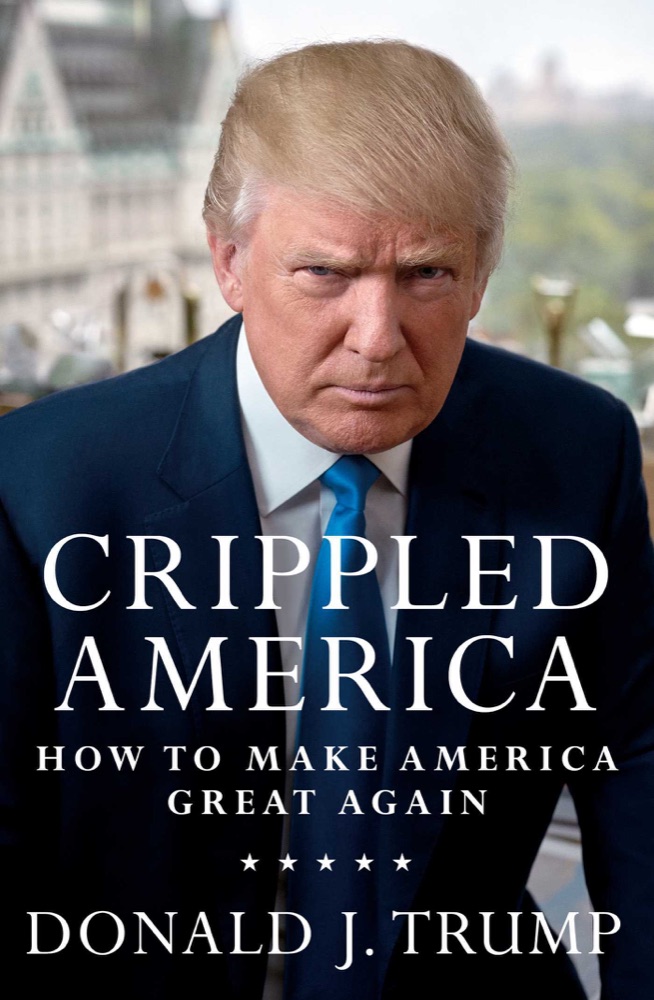 Crippled America: How to Make America Great Again
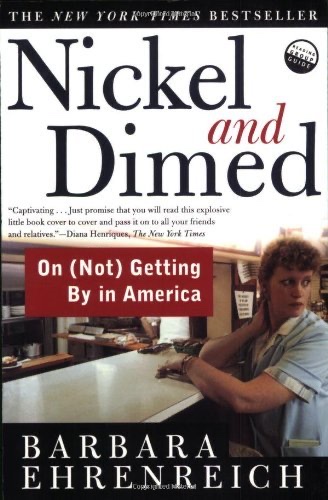 Nickel and Dimed: On (Not) Getting by in America
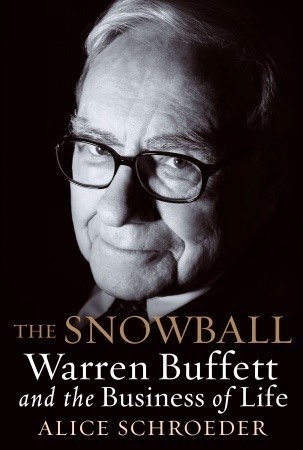 The Snowball: Warren Buffett and the Business of Life
 Evil Geniuses: The Unmaking of America
 The Path to Power
 A Promised Land
 The Mandibles: A Family, 2029–2047
 Occupy
Persist
Occupy
Persist
 The Small and the Mighty: Twelve Unsung Americans Who Changed the Course of History, from the Founding to the Civil Rights Movement
 Decision Points
 Free to Choose: A Personal Statement
 United: Thoughts on Finding Common Ground and Advancing the Common Good
 Coming Apart: The State of White America, 1960-2010
 Poverty, by America
 Independent Study
 Twilight of the Elites: America After Meritocracy
 Behold a Pale Horse
 The Invisible Bridge: The Fall of Nixon and the Rise of Reagan
 Boomerang: Travels in the New Third World
 The Autobiography of Eleanor Roosevelt
 The View From Flyover Country: Essays by Sarah Kendzior
 Strangers in Their Own Land: Anger and Mourning on the American Right
 Glenn Beck's Common Sense: The Case Against an Out-of-Control Government, Inspired by Thomas Paine
 Naked Economics: Undressing the Dismal Science
 The Great Crash 1929
 Homeland
 Poor Economics: A Radical Rethinking of the Way to Fight Global Poverty
 Make Trouble: Standing Up, Speaking Out, and Finding the Courage to Lead
 Give People Money: The Simple Idea to Solve Inequality and Revolutionise Our Lives
 Deer Hunting with Jesus: Dispatches from America's Class War
 Debt: The First 5,000 Years
 Walkaway
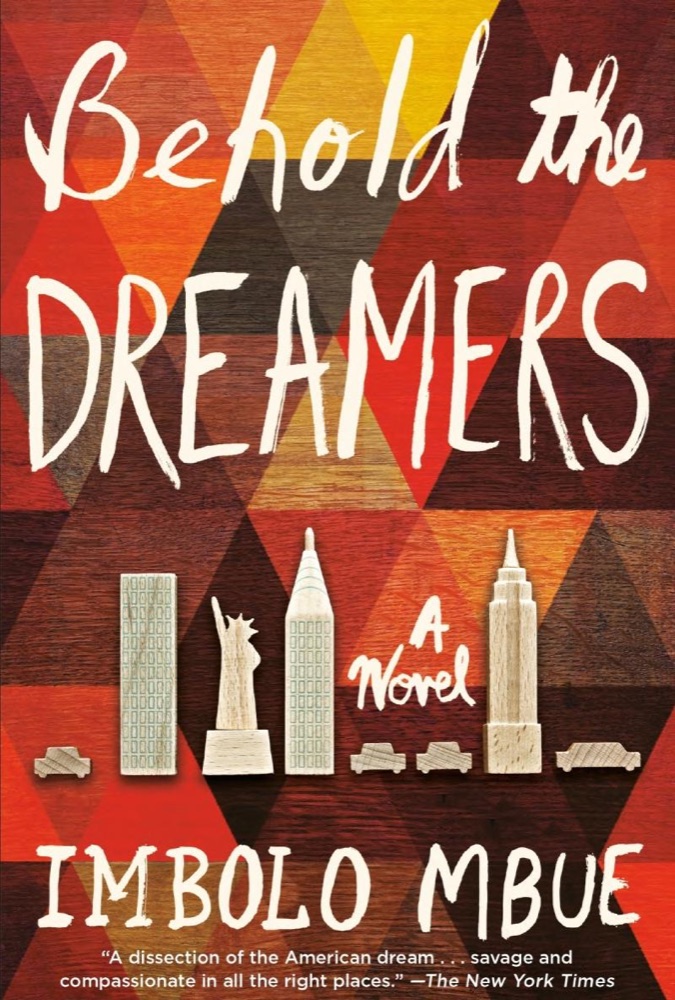 Behold the Dreamers
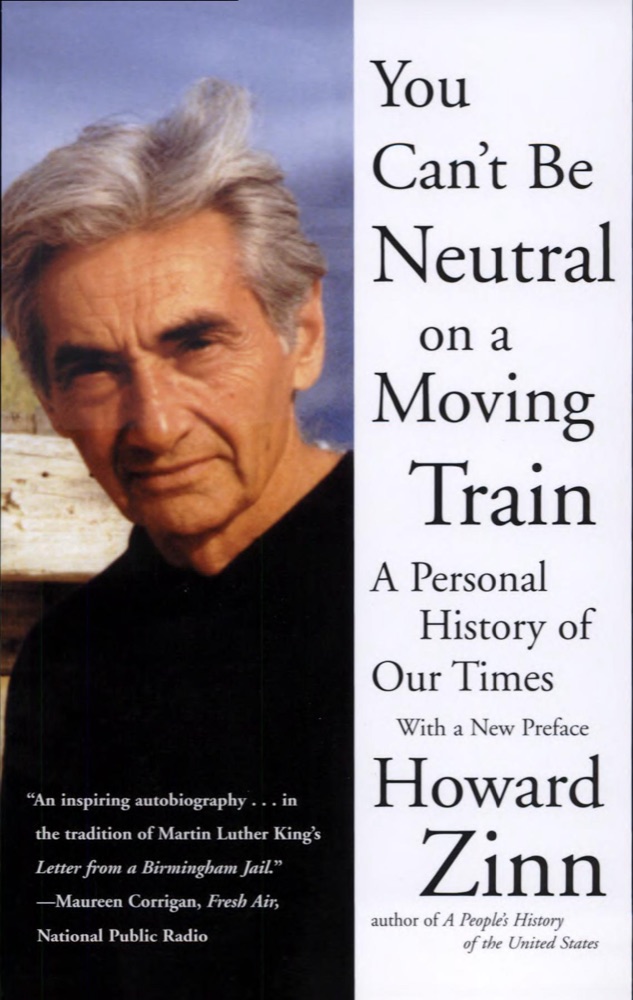 You Can't Be Neutral on a Moving Train: A Personal History of Our Times
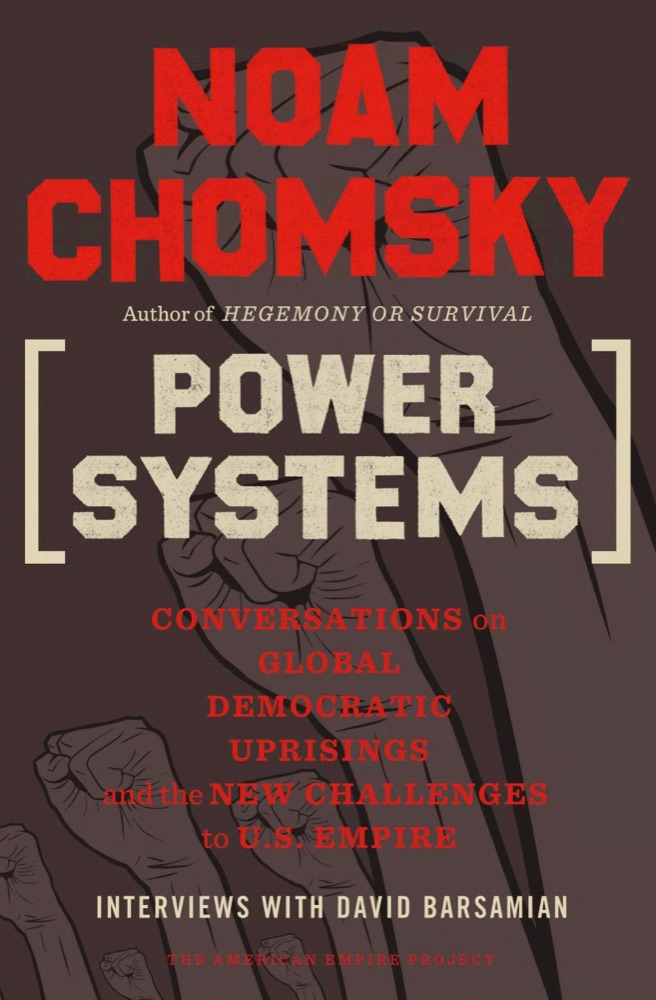 Power Systems: Conversations on Global Democratic Uprisings and the New Challenges to U.S. Empire
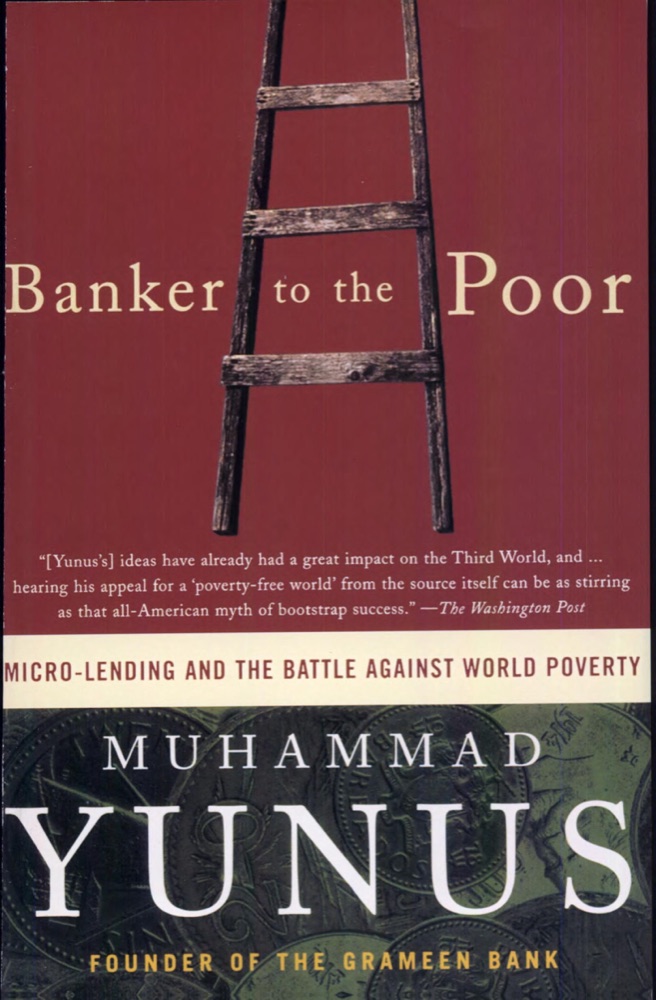 Banker to the Poor: Micro-Lending and the Battle Against World Poverty
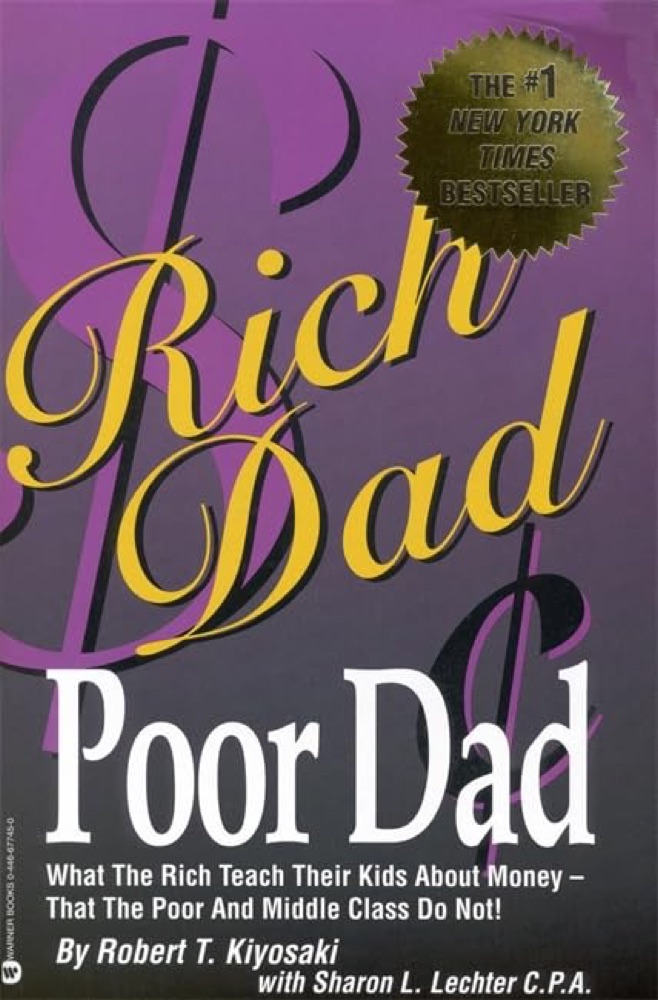 Rich Dad Poor Dad
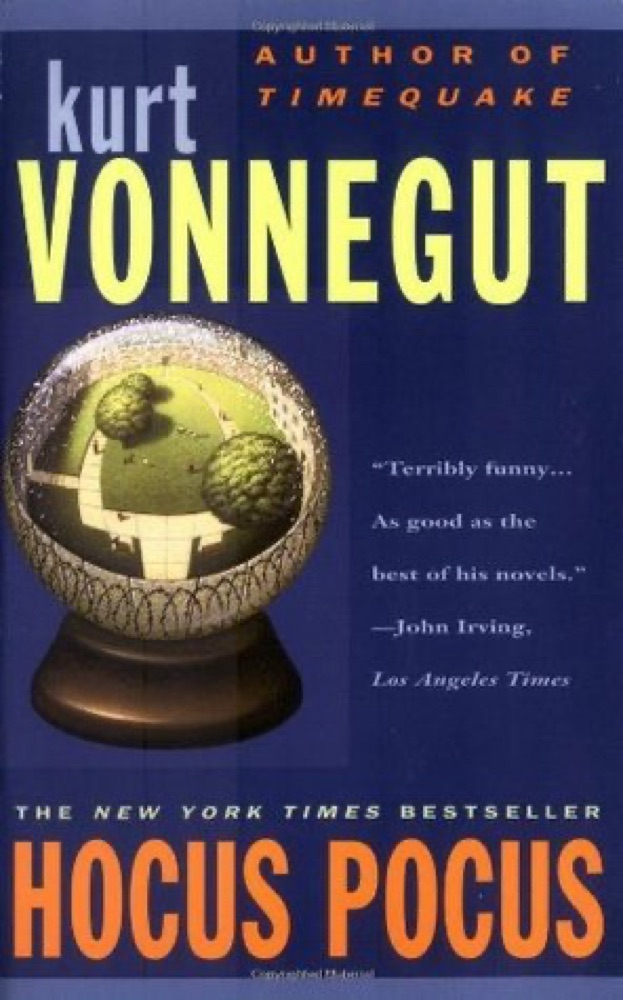 Hocus Pocus
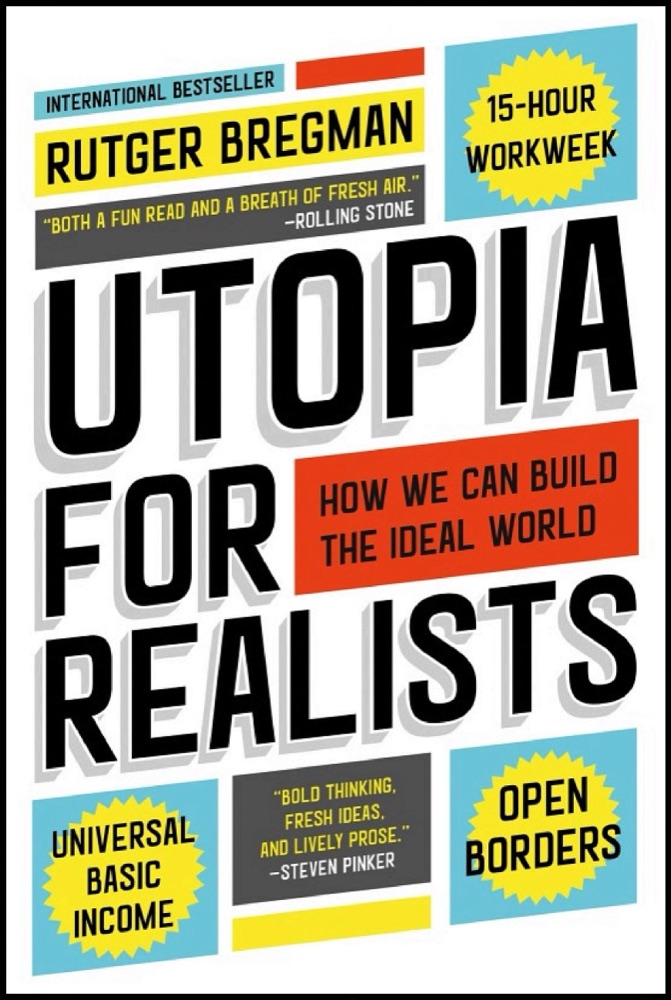 Utopia for Realists: How We Can Build the Ideal World
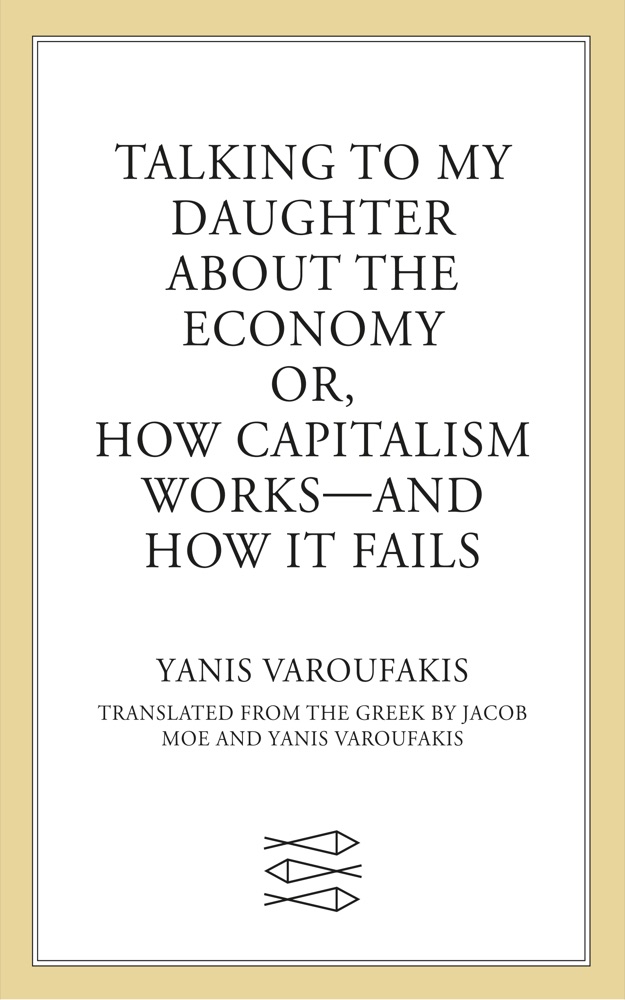 Talking to My Daughter About the Economy: or, How Capitalism Works—and How It Fails
 Here Comes Trouble
 The Big Short: Inside the Doomsday Machine
 Assata: An Autobiography
 The World Is Flat: A Brief History of the Twenty-first Century
 Confessions of an Economic Hit Man
 New York 2140
 23 Things They Don't Tell You About Capitalism
 Too Big to Fail: The Inside Story of How Wall Street and Washington Fought to Save the Financial System from Crisis — and Themselves
 First Family