
 Agent Zigzag: A True Story of Nazi Espionage, Love, and Betrayal
Quotes from the Book
In the United States, fascism is on the rise. Libraries are under attack. Some pundits ask why universities bother with departments that don’t just teach students to write computer code. Violent bigotry is fashionable again, and for many people, the appeal of politics is the opportunity to impose cruelty on others. The admonition to remember has never seemed so important.
6
The historical record often neglects certain kinds of stories. For example, in the Library of Congress, OSS veterans helped catalogue the OSS records; this was a good service to the country, but they often catalogued the names of men and not the names of women. In memoirs that men wrote about the war years, the names of women are, likewise, often absent – they’re “a shapely analyst.” Say or “a woman from Harvard.” I’m grateful to have a way to fill in the stories of figures who, despite their importance, don’t receive their due space in the archives.
3
The Jewish poet Heinrich Heine was right to say, “Those who burn books will, in the end, burn people.” In 1933, Hitler gave the order to burn books. In 1941, he gave the order to burn people.
2
And second, in the fight against the Nazis, refugees like Cohen and the Clarks ultimately helped turn the tide of the war. Nazi Europe based its whole identity on forming an in-group that violently excluded these people. America, when it honored its best values, welcomed them. It's the American way: welcoming strangers, seizing the practical gains of diversity, finding common cause between aristocrats and thieves.
2
Authoritarian regimes, in the words of Robert Hutchings, a scholar of public affairs and the former chair of the US National Intelligence Council, are prey to "intellectual pathologies" that drastically narrow what they're capable of thinking: intense conformity, resistance to contrary information, the overestimation of insiders and the stereotyping of outsiders. Authoritarianism is a catastrophic intellectual handicap.
2
The OSS and the SOE learned early on that lone saboteurs can take down their targets more effectively than fleets of bomber planes; that small groups of people on foot can go where squadrons of tanks can't; that ordinary people with local knowledge can foil the plans of occupying generals-that, in short, the monumental power Hitler's regime worshipped could be outmaneuvered by precisely the weakness he despised in others.
2
Authoritarianism is a catastrophic intellectual handicap.
2
Women, as you must know, have a far greater capacity for cool and lonely courage than men. Men usually want a mate with them.
1
Again and again, Sweden tilted its neutrality in Germany's favor to the point where onlooker suggested that Germany accepted Sweden's neutrality because it benefited Germany more than occupying Sweden would have done.
The Nazis demanded that the press in Sweden normalize, treat as credible, and give equal time to Nazism. That strategy extended to newspapers, but also libraries, bookstores, and universities. These efforts worked to legitimize ideas that were once abhorent.
An observer who had been living in Sweden wrote in 1943, "Perhaps the most curious phenomenon of Swedish press policy was that every, even the tamest bit of criticism directed against the Nazis had to be invariably compensated by a corresponding poke of the allies so as to safeguard Sweden's neutrality. Is there a safe place on the sidelines of a conflict like this one?
Sweden had no formal system of press censorship. Instead, newspaper editors censored their own papers in the name of maintaining neutrality, which some historians have argued better served the interests of the Third Reich than flagrant government censorship would have done.
The hard work of assembling the libraries of the RSHA and its sister organizations came, in large part, from the compelled labor of Jewish scholars, who were forced to identify their own cultural treasures.
The RSHA seized Jewish books so that the so-called scholars of Department VII could use them—with a backbreaking amount of reading against the grain—to “prove” that the Jews were conspiring against Western civilization.
Reich Security Main Office (Reichssicherheitshauptamt, hereafter the RSHA), an intelligence body that managed the planning and implementation of the Final Solution, and which collected Jewish books to use while working up a justification for wiping out the Jewish people.
Men want women to smile, which means that getting them to treat you like a man often means not smiling. Don’t laugh. Don’t say little reassuring things. Be curt in a way they’d read as normal in a man but as arrogant in a woman. Or as angry in a woman.
The word for cozy in Swedish, treflig, carries with it a whole world of meanings: a warm little nook to sit in after you’ve been outside in weather so cold that the air hurts your face; a good book; a cup of mulled wine; warmth; solitude; respite.47 Nordiska Bokhandeln was treflig.
This is the traditional task of the historian: sitting for days and months in archives, riffling through the evidence until the evidence starts to whisper.
The bureaucratic efficiency that we associate with the Nazi regime relied on the recognition that paperwork can hide accountability for even the most abominable acts.
He frequently, and unexpectedly, would draw the knife from its concealed location and place the point at either the throat or stomach of various OSS personnel whom he was meeting for the first time.
Gentlemen may not read other people’s letters, but scholars do. They’re good at it.
You can burn my books and the books of the best minds in Europe, but the ideas in them have seeped through a million channels and will continue to quicken other minds.
In the mid-twentieth century...the CIA, together with other government entities such as the State Department and the United States Information Agency (USIA), began a program of investment in the Iowa Writers' Workshop, which had been founded in 1936 to build an American home for the world's literati.
But the thing about stories is that you don’t always get to choose the one you’re in.
Hitler's impression of America's weaknesses started with the fact that it was a nation filled with what he saw as lesser races. Hitler also despised intellectuals, regarding any career that entailed digging through libraries as particularly pointless. But that type of thinking was why the very people Hitler's Reich sought to exclude or destroy were singularly equipped to defeat him.
She was also a woman, which for him was a plus.
... because knowledge is, itself, a kind of magic, regardless of whether you get it from the stars or from the sublunary hermeneutics of the human fields of learning.
Watch on YouTube
About Elyse Graham
We have collected 27 quotes from 1 book by Elyse Graham on BookQuoters.
More about the author →About the book
The riveting, untold story of the scholars, librarians, and university professors who were recruited as spies during WWII and helped turn the tide of the war
At the start of WWII, the US found itself in desperate need of an intelligence agency. The Office of Strategic Services (OSS), a precursor to today’s CIA, was quickly formed—and, in an effort to fill its ranks with experts, the OSS turned to academia for recruits. Suddenly, literature professors, librarians, and historians were training to perform undercover operations and investigative work—and these surprising spies would go on to profoundly shape both the course of the war and our cultural institutions with their efforts.
In Book and Dagger, Elyse Graham draws on personal histories, diaries, and declassified OSS files to tell the story of a small but connected group of humanities scholars turned unlikely spies. Among them are J
Book details
- First published
- 2024
- Author
- Elyse Graham
- Genre
- History
- Goodreads rating
- 3.81 (4k ratings)
The buzz
- The New York TimesReview in The New York Timesprofessional review (via Book Marks)
- The Washington PostReview in The Washington Postprofessional review (via Book Marks)
- Kirkus ReviewsReview in Kirkus Reviewsprofessional review (via Book Marks)
- Publishers WeeklyReview in Publishers Weeklyprofessional review (via Book Marks)
- BooklistReview in Booklistprofessional review (via Book Marks)
- BookPageReview in BookPageprofessional review (via Book Marks)
Keep reading
Agent Zigzag: A True Story of Nazi Espionage, Love, and Betrayal
 The Woman Who Smashed Codes: A True Story of Love, Spies, and the Unlikely Heroine who Outwitted America's Enemies
 The Collector of Burned Books
 The Rise and Fall of the Third Reich: A History of Nazi Germany
 The Librarian of Burned Books
 They Thought They Were Free: The Germans 1933-45
 Under the Same Stars
 Defying Hitler
 Koba the Dread: Laughter and the Twenty Million
 The Light of Days: The Untold Story of Women Resistance Fighters in Hitler's Ghettos
 Berlin Diary: The Journal of a Foreign Correspondent 1934-1941
 The Last Lion: Winston Spencer Churchill: Alone, 1932-40
 Fascism: A Warning
 From Dawn to Decadence: 500 Years of Western Cultural Life, 1500 to the Present
 A Quiet Flame
 Modern Times: The World from the Twenties to the Nineties
 Arguably: Selected Essays
 Code Girls: The Untold Story of the American Women Code Breakers Who Helped Win World War II
 The Untold History of The United States
 The Librarian of Auschwitz
 What's Left?
 The Message
 The Origins of Totalitarianism
 Closing the Ring
 Executive Orders
 Joseph Anton: A Memoir
 Anti-Intellectualism in American Life
 People of the Book
 Bloodlands: Europe Between Hitler and Stalin
 The Monuments Men: Allied Heroes, Nazi Thieves, and the Greatest Treasure Hunt in History
 The Prague Cemetery
 The Third Reich at War
 A People's History of the United States
 The Betrayal of Anne Frank: A Cold Case Investigation
 The Postcard
 Conspirators' Hierarchy: The Story of the Committee of 300
 Fall of Giants
 In the Garden of Beasts: Love, Terror, and an American Family in Hitler's Berlin
 The Diamond Age
 Eichmann in Jerusalem: A Report on the Banality of Evil
 Stasiland: Stories from Behind the Berlin Wall
 Flashpoints: The Emerging Crisis in Europe
 A Collection of Essays
 Too Like the Lightning
 Dear Mr. M
 The Proud Tower: A Portrait of the World Before the War, 1890-1914
 Postwar: A History of Europe Since 1945
 The Chancellor: The Remarkable Odyssey of Angela Merkel
 Epitaph for a Spy
 The Book That Held Her Heart
 On Tyranny: Twenty Lessons from the Twentieth Century
 The Best and the Brightest
 You Can't Be Neutral on a Moving Train: A Personal History of Our Times
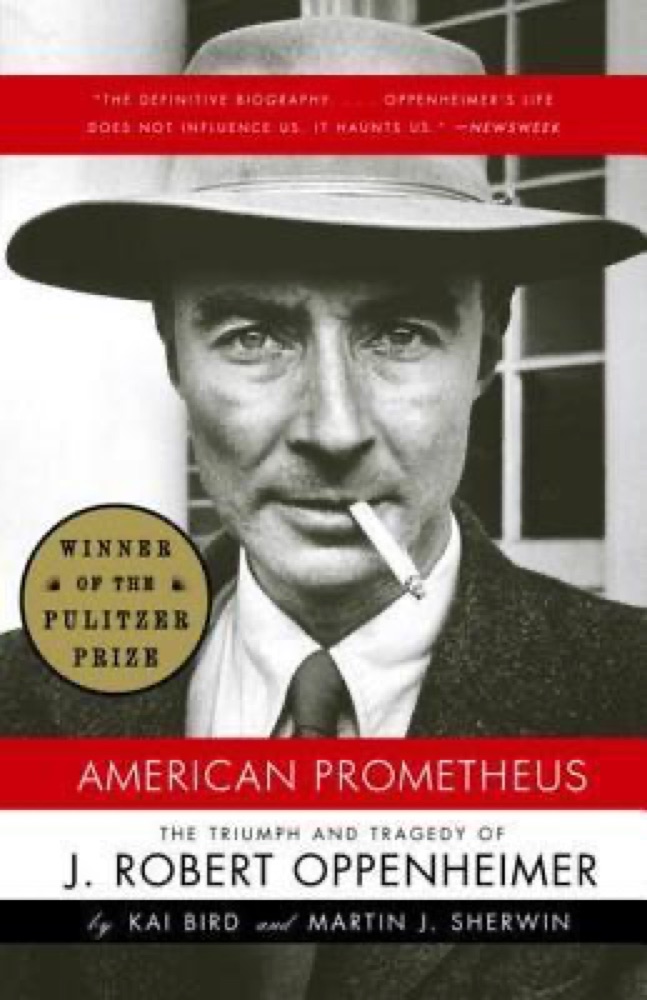 American Prometheus: The Triumph and Tragedy of J. Robert Oppenheimer
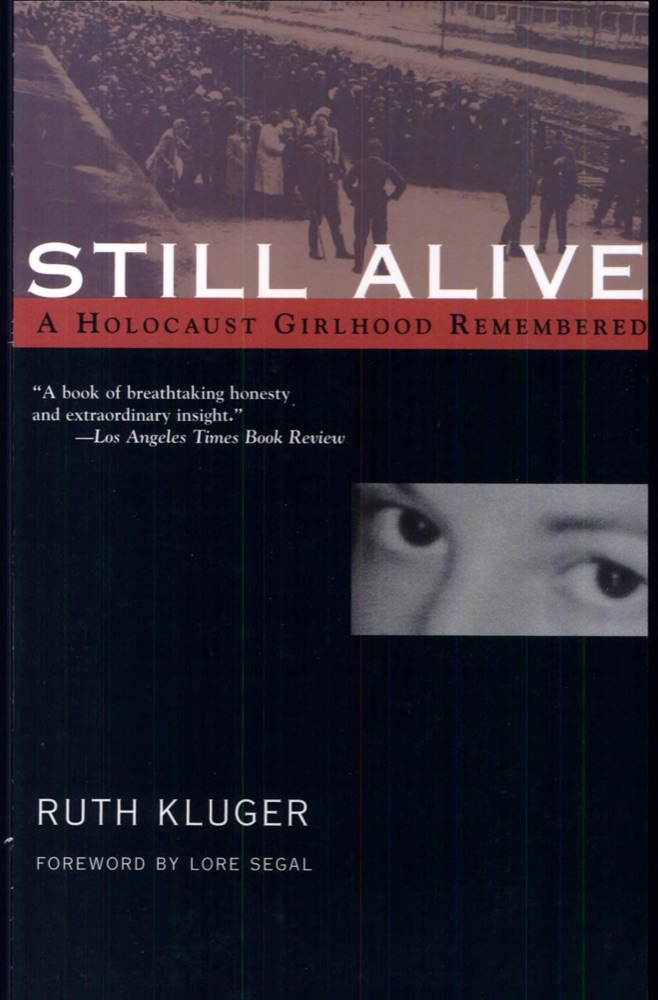 Still Alive: A Holocaust Girlhood Remembered
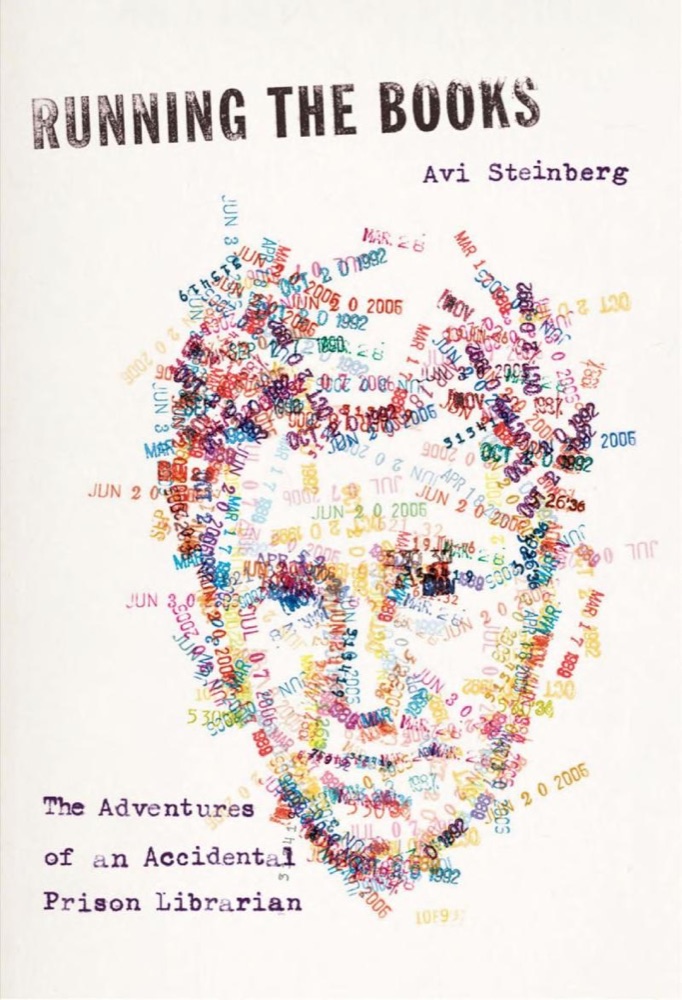 Running the Books: The Adventures of an Accidental Prison Librarian
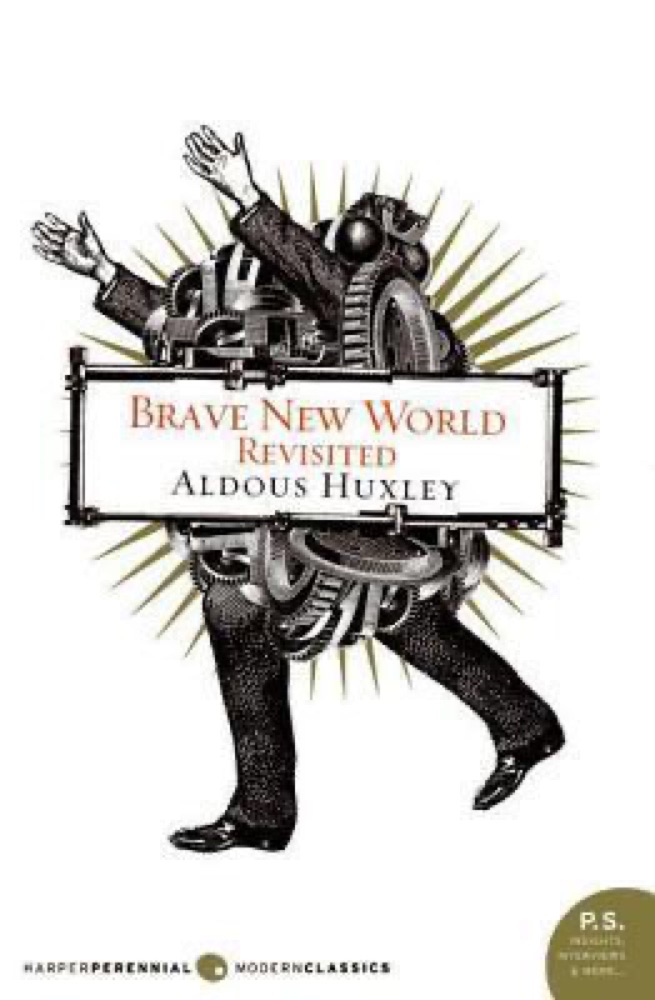 Brave New World Revisited
 The Coldest Winter: America and the Korean War
 The Second World War
 I Will Bear Witness 1933-41 A Diary of the Nazi Years