
 The Second World War
Quotes from the Book
German soldiers made use of Stalingrad orphans themselves. Daily tasks, such as filling water-bottles, were dangerous when Russian snipers lay in wait for any movement. So, for the promise of a crust of bread, they would get Russian boys and girls to take their water-bottles down to the Volga’s edge to fill them. When the Soviet side realized what was happening, Red Army soldiers shot children on such missions.
This armchair strategist never possessed the qualities for true generalship, because he ignored practical problems.
Order No. 227, more commonly known as ‘Not One Step Backwards’. Stalin made many changes, then signed it. The order was to be read to all troops in the Red Army. ‘Panic-mongers and cowards must be destroyed on the spot. The retreat mentality must be decisively eliminated. Army commanders who have allowed the voluntary abandonment of positions must be removed and sent for immediate trial by military tribunal.’ Anyone who surrendered was ‘a traitor to the Motherland’. Each army had to organize ‘three to five well-armed detachments (up to 200 men each)’ to form a second line to shoot down any soldier who tried to run away. Zhukov implemented this order on the Western Front within ten days, using tanks manned by specially selected officers. They followed the first wave of an attack, ready ‘to combat cowardice’, by opening fire on any soldiers who wavered. Three
The army’s exact losses are still uncertain, but there was no doubt that the Stalingrad campaign represented the most catastrophic defeat hitherto experienced in German history.
That the Soviet regime was almost as unforgiving towards its own soldiers as towards the enemy is demonstrated by the total figure of 13,500 executions, both summary and judicial, during the battle of Stalingrad.
These ‘mine-dogs’, trained on Pavlovian principles, had been taught to run under large vehicles to obtain their food. The stick, catching against the underside, would detonate the charge. Most of the dogs were shot before they reached their target, but this macabre tactic had an unnerving effect. It
The military authorities were concerned that soldiers going home on leave would demoralize the home population with horror stories of the Ostfront. ‘You are under military law,’ ran the forceful reminder, ‘and you are still subject to punishment. Don’t speak about weapons, tactics or losses. Don’t speak about bad rations or injustice. The intelligence service of the enemy is ready to exploit it.’ One soldier, or more likely a group, produced their own version of instructions, entitled ‘Notes for Those Going on Leave.’ Their attempt to be funny reveals a great deal about the brutalizing affects of the Ostfront. ‘You must remember that you are entering a National Socialist country whose living conditions are very different to those to which you have been accustomed. You must be tactful with the inhabitants, adapting to their customs and refrain from the habits which you have come to love so much. Food: Do not rip up the parquet or other kinds of floor, because potatoes are kept in a different place. Curfew: If you forget your key, try to open the door with the round-shaped object. Only in cases of extreme urgency use a grenade. Defense Against Partisans: It is not necessary to ask civilians the password and open fire upon receiving an unsatisfactory answer. Defense Against Animals: Dogs with mines attached to them are a special feature of the Soviet Union. German dogs in the worst cases bite, but they do not explode. Shooting every dog you see, although recommended in the Soviet Union, might create a bad impression. Relations with the Civil Population: In Germany just because someone is wearing women’s clothes does not necessarily mean that she is a partisan. But in spite of this, they are dangerous for anyone on leave from the front. General: When on leave back to the Fatherland take care not to talk about the paradise existence in the Soviet Union in case everybody wants to come here and spoil our idyllic comfort.
Red Army cavalry divisions also ranged far into the rear, mounted on resilient little Cossack ponies. Squadrons and entire regiments would suddenly appear fifteen miles behind the front, charging artillery batteries or supply depots with drawn sabres and terrifying war-cries. The
The biggest mistake made by German commanders was to have underestimated ‘Ivan’, the ordinary Red Army soldier. They quickly found that surrounded or outnumbered Soviet soldiers went on fighting when their counterparts from western armies would have surrendered.
Stalin, whose bullying nature contained a strong streak of cowardice,
Its first major task had been the liquidation of over 4,000 Polish officers in the forest at Katyn.
Watch on YouTube
About Antony Beevor
We have collected 35 quotes from 2 books by Antony Beevor on BookQuoters.
More about the author →More by Antony Beevor
The Second World War
Book details
- Author
- Antony Beevor
- Genre
- History
- Goodreads rating
- 4.33 (43k ratings) →
Keep reading
The Second World War
 The Third Reich at War
 Bloodlands: Europe Between Hitler and Stalin
 The Guns at Last Light: The War in Western Europe, 1944-1945
 The Guns of August
 An Army at Dawn: The War in North Africa, 1942-1943
 Stalin: The Court of the Red Tsar
 Symphony for the City of the Dead: Dmitri Shostakovich and the Siege of Leningrad
 Koba the Dread: Laughter and the Twenty Million
 A Writer at War: Vasily Grossman with the Red Army
 The Candy Bombers: The Untold Story of the Berlin Airlift and America's Finest Hour
 The Coldest Winter: America and the Korean War
 Mr. Lincoln's Army
 The Day of Battle: The War in Sicily and Italy, 1943-1944
 This Kind of War: A Study in Unpreparedness
 The Rise and Fall of the Third Reich: A History of Nazi Germany
 Homage to Catalonia
 Ghost Soldiers: The Epic Account of World War II's Greatest Rescue Mission
 Berlin Diary: The Journal of a Foreign Correspondent 1934-1941
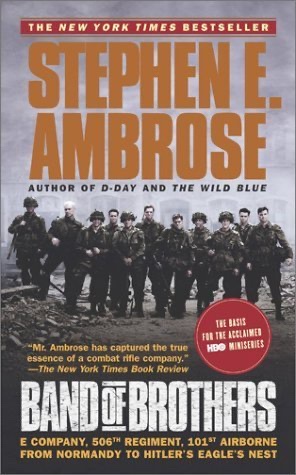 Band of Brothers: E Company, 506th Regiment, 101st Airborne from Normandy to Hitler's Eagle's Nest
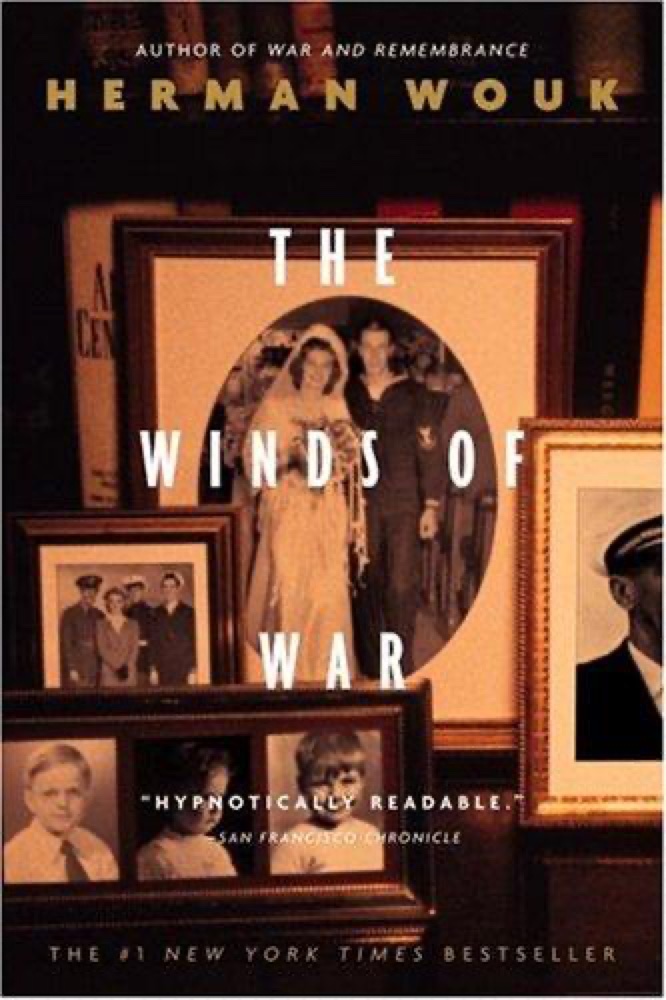 The Winds of War
 Closing the Ring
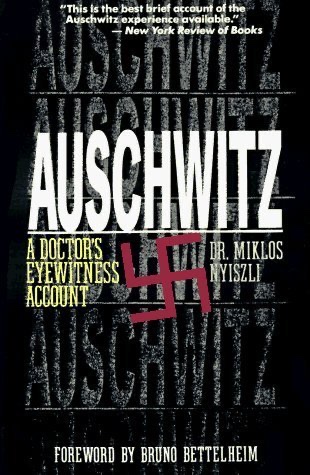 Auschwitz: A Doctor's Eyewitness Account
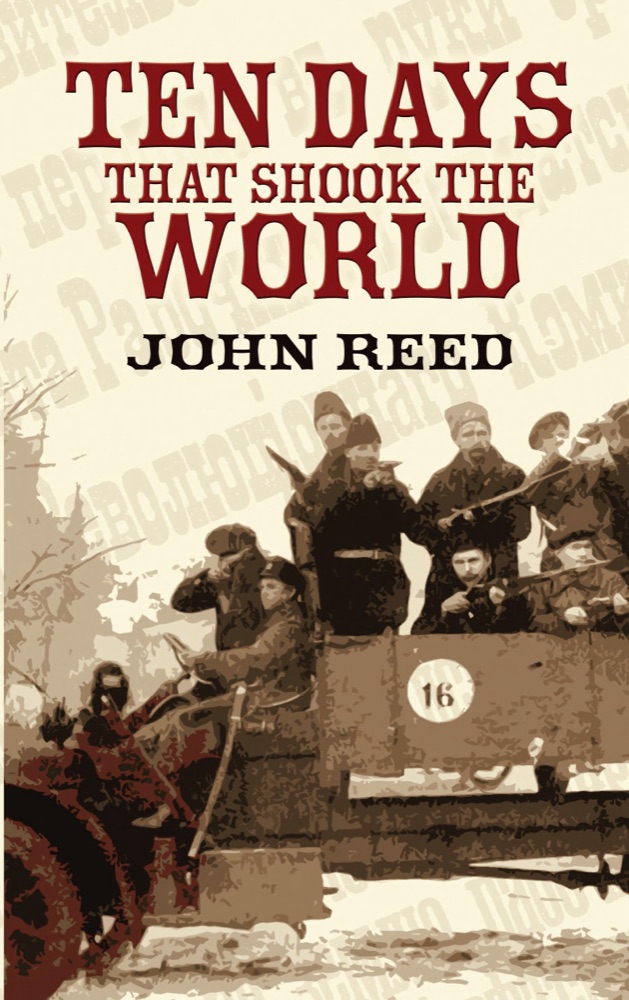 Ten Days that Shook the World
 Storm of Steel
 On Killing: The Psychological Cost of Learning to Kill in War and Society
 Agent Zigzag: A True Story of Nazi Espionage, Love, and Betrayal
 Postwar: A History of Europe Since 1945
 The Light of Days: The Untold Story of Women Resistance Fighters in Hitler's Ghettos
 War and Remembrance
 History of the Russian Revolution
 Defying Hitler
 The Rape of Nanking
 The Forgotten Soldier
 The Winter Fortress: The Epic Mission to Sabotage Hitler's Atomic Bomb
 Everything Flows
 Young Stalin
 Stilwell and the American Experience in China, 1911-45
 Night Soldiers
 Precipice
 The Good Soldier Švejk
 The Gulag Archipelago 1918-1956
 A Russian Journal
 Vietnam: An Epic Tragedy, 1945-1975
 The Sebastopol Sketches
 D-Day, June 6, 1944: The Battle for the Normandy Beaches
 The Forgotten Highlander: My Incredible Story of Survival During the War in the Far East
 War
War
 Dominion
 Dispatches
 The Auschwitz Escape
 Modern Times: The World from the Twenties to the Nineties
 Kolyma Tales
 We Were Soldiers Once... and Young: Ia Drang - The Battle that Changed the War in Vietnam
 Ninefox Gambit
 A Rumor of War: The Classic Vietnam Memoir
 Fall of Giants
 Pacific Crucible: War at Sea in the Pacific, 1941-1942
 Nicholas and Alexandra
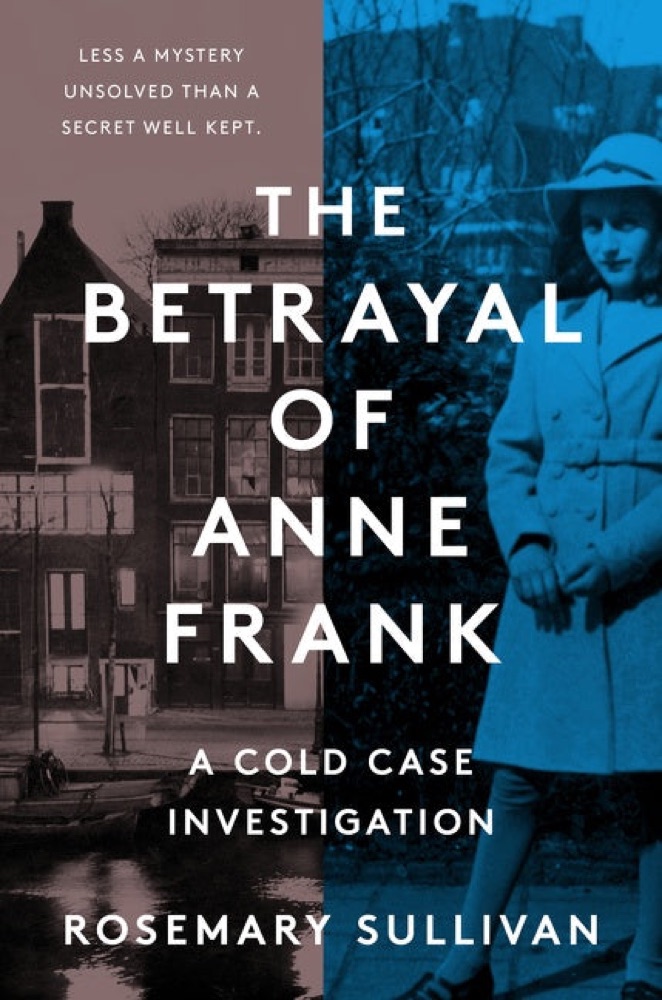 The Betrayal of Anne Frank: A Cold Case Investigation