
 Liar's Poker
Quotes from the Book
There is nothing more satisfying to me,” he said, “than to create a complete self-contained world when a computer is controlling it.
3
Clark liked to say that human beings, when they took risks, fell into one of two types, pigs or chickens. “The difference between these two kinds of people,” he’d say, “is the difference between the pig and the chicken in the ham-and-eggs breakfast. The chicken is interested, the pig is committed. If you are going to do anything worth doing, you need a lot of pigs.” The
2
His life was dedicated to the fine art of tearing down and building anew.
2
For a technology company to succeed, he argued, it needed always to be looking to destroy itself. If it didn’t, someone else would.
2
In something like an instant the man had changed his life. He reinvented his relationship to the world around him in a way that is considered normal only in California.
2
For engineering talent Clark looked to Silicon Graphics. In particular he had his sights on the Indian engineers who had taught him to write the code for his boat and then built the interactive television. Clark had a thing for Indians. “The Indian outcasts of Silicon Valley,” he usually called them; “my Indian hordes,” in less sober moments. He thought of the young Indian men who had taught him the tools he needed to program his sailboat as some of the sharpest technical minds he’d ever encountered. “As a concentrated group,” he said, “they were the most talented engineers in the Valley…and they work their butts off!” As it happened, the Indian education system had been built to find and to cultivate precisely those skills Clark, and people like Clark, valued most.
1
Back in 1921 Veblen had predicted that engineers would one day rule the U.S. economy. He argued that since the economy was premised on technology and the engineers were the only ones who actually understood how the technology worked, they would inevitably use their superior knowledge to seize power from the financiers and captains of industry who wound up on top at the end of the first round of the Industrial Revolution.
1
This was only one of many recent changes along the capitalist food chain. Wall Street had gone from being the celebrities of the money culture to being its lackeys.
1
The technologist’s tendency to commit all his resources to new technology,
1
This gorgeous financial myopia was common in the Valley, and one of the chief sources of its success.
1
The computer programmer creates the only path available to the computer user; the effect of his decisions on others is masked by their abstraction.
1
With every stroke of their keyboards they hacked a path through the forest that others would be required to follow.
1
there must be some connection between his excessively romantic attitude toward computer programming and his appeal to women.
1
The trouble was that clarity and simplicity were more important in computer language than in human language.
1
Lance was to computer programming what Joyce was to literature, possibly profound but also baffling.
1
He had little patience for the mystical, spiritual approach of computer programming.
1
In context the computer programmers appeared idle. They sat quietly, stared into their screens and sipped cappuccinos. And yet they were by far the most important people on board Hyperion.
1
The general idea was to sell their software first to rich technophiles and then, gradually, infiltrate the minds of the middle-class owners of suburban tract houses.
1
The American Home of the Future, it went without saying, would be controlled and monitored by a computer. The computer would permit the owner to enter into a new, fantastic relationship with his dwelling.
1
Microsoft was twelve years old before people started talking about Microsoft millionaires; Netscape was one and a half.
1
Success was his chosen form of revenge.
1
a thousand people don’t build anything; if you need to build something really complicated really fast, you hire fifty of the smartest people you can find.
1
Microsoft had made it clear that the only way to preserve your station in Valley life was to create a monopoly. If you created a monopoly, you were at least partially exempt from the ordinary rapid cycle of creation and destruction.
1
Moore’s law came with a social corollary: high-tech could not remain high-tech for long.
1
He still had the Dutch habit of laughing at whatever you told him, just in case it happened to be a joke.
1
There's nothing that gets you interested in money like having some of it,
Clark believed that engineers, as the creators of wealth, should be rewarded accordingly. His views align with Vannevar Bush's philosophy that engineers are the engine of capitalism.
In a digression from his otherwise rigorous analysis
I think they are all mad,” said Robert
Watch on YouTube
About Michael Lewis
We have collected 252 quotes from 9 books by Michael Lewis on BookQuoters.
More about the author →More by Michael Lewis
Liar's Poker
 The Big Short: Inside the Doomsday Machine
 Boomerang: Travels in the New Third World
 Flash Boys: A Wall Street Revolt
About the book
In the weird glow of the dying millennium, Michael Lewis set out on a safari through Silicon Valley to find the world’s most important technology entrepreneur. He found this in Jim Clark, a man whose achievements include the founding of three separate billion-dollar companies. Lewis also found much more, and the result—the best-selling book The New New Thing—is an ingeniously conceived history of the Internet revolution.
Book details
- First published
- 1999
- Author
- Michael Lewis
- Genre
- Nonfiction
- Goodreads rating
- 3.76 (10k ratings)
Keep reading
 The Soul of a New Machine
 The Innovators: How a Group of Hackers, Geniuses and Geeks Created the Digital Revolution
 In the Beginning...Was the Command Line
 Chaos Monkeys: Obscene Fortune and Random Failure in Silicon Valley
 Hackers & Painters: Big Ideas from the Computer Age
 Steve Jobs: The Man Who Thought Different: A Biography
 Becoming Steve Jobs: The Evolution of a Reckless Upstart into a Visionary Leader
 Fall; or, Dodge in Hell
 Steve Jobs
 Elon Musk
 Idea Man
 Player Piano
 2061: Odyssey Three
 American Colossus: The Triumph of Capitalism, 1865-1900
 Hackers: Heroes of the Computer Revolution
 Reamde
 The Technological Republic: Hard Power, Soft Belief, and the Future of the West
 Elon Musk: Inventing the Future
 Influx
 Hatching Twitter: A True Story of Money, Power, Friendship, and Betrayal
 Zero to One: Notes on Startups, or How to Build the Future
 Solar
Solar
 The Financier
 Smartcuts: How Hackers, Innovators, and Icons Accelerate Success
 Distrust That Particular Flavor
 The Scriptlings
Flash Boys: A Wall Street Revolt
The Scriptlings
Flash Boys: A Wall Street Revolt
 The Star Fraction
 Selected Stories of Philip K. Dick
 The Snowball: Warren Buffett and the Business of Life
 How We Got to Now: Six Innovations That Made the Modern World
 Uncanny Valley
 Bitcoin Billionaires: A True Story of Genius, Betrayal, and Redemption
 Loonshots: How to Nurture the Crazy Ideas That Win Wars, Cure Diseases, and Transform Industries
 The First Tycoon: The Epic Life of Cornelius Vanderbilt
 Service Model
 The Prize: The Epic Quest for Oil, Money, and Power
 The Everything Store: Jeff Bezos and the Age of Amazon
 The Rational Optimist: How Prosperity Evolves
 What the Dog Saw and Other Adventures
 I Hate the Internet
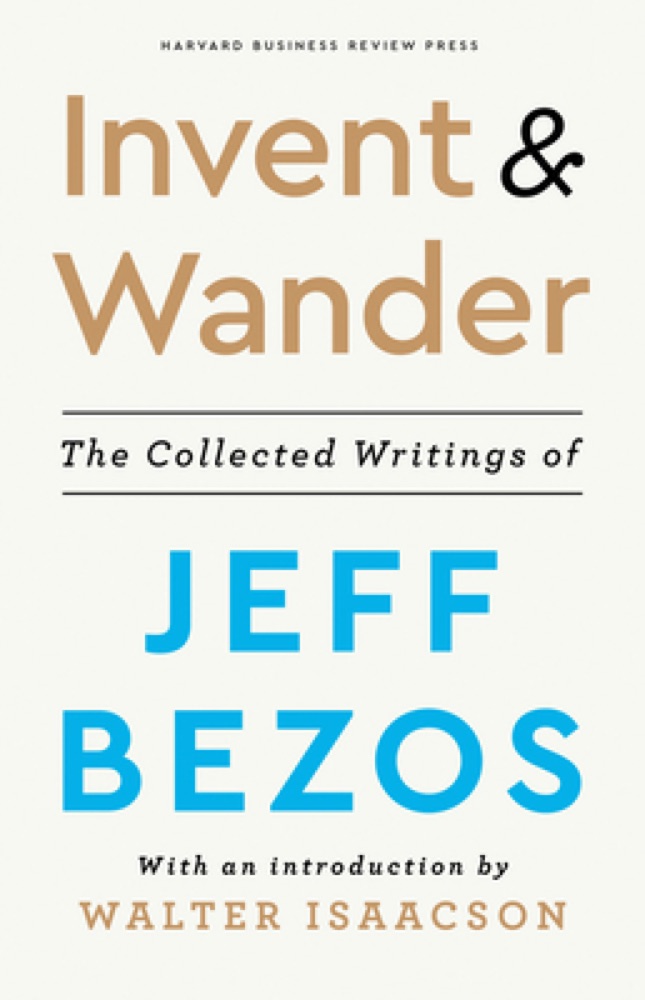 Invent and Wander: The Collected Writings of Jeff Bezos
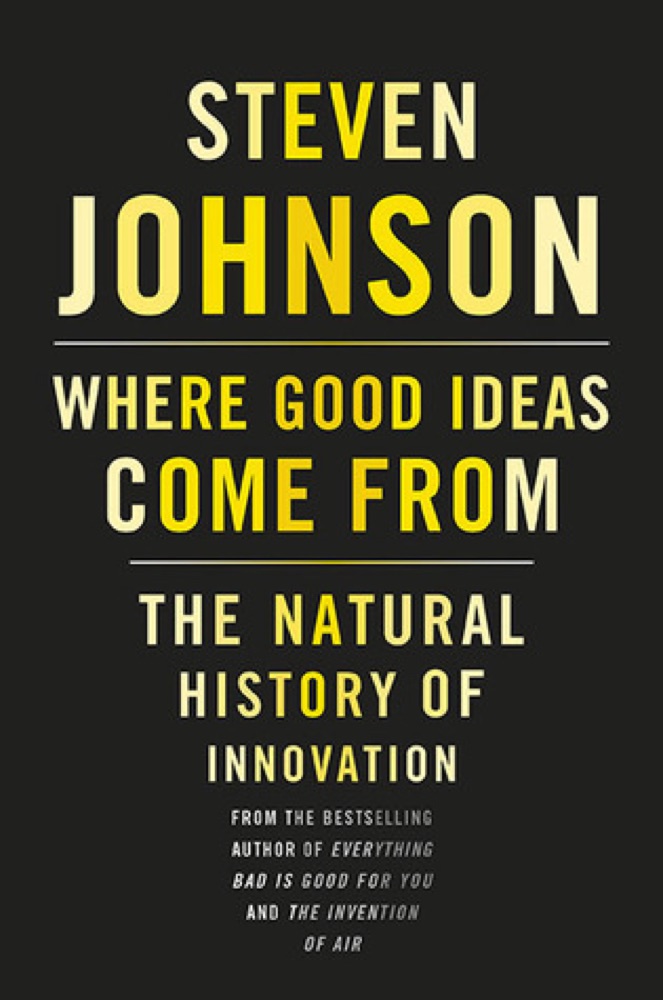 Where Good Ideas Come From: The Natural History of Innovation
 Second Foundation
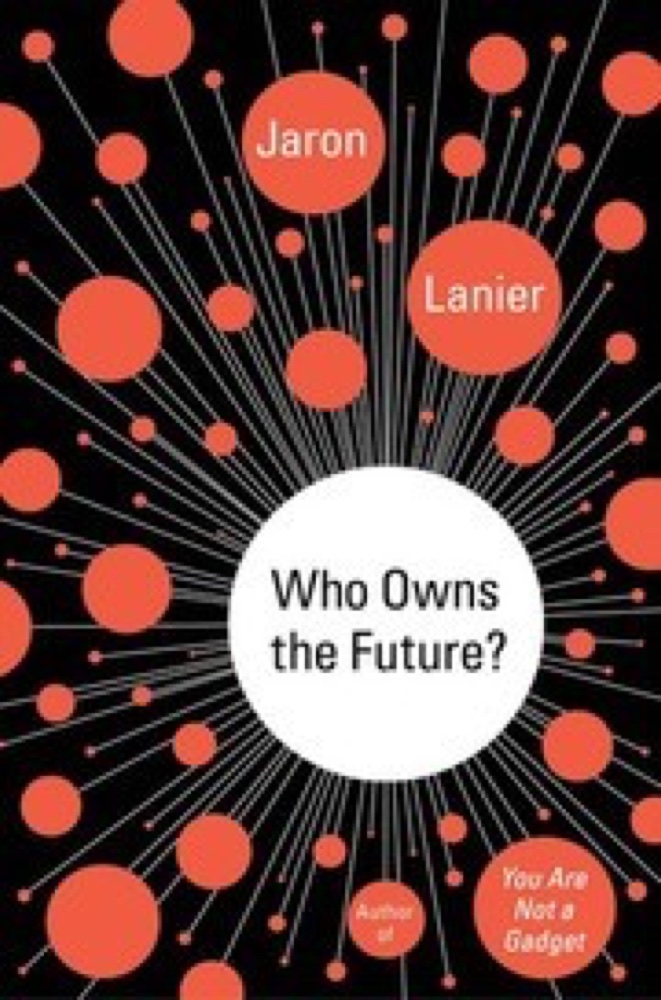 Who Owns the Future?
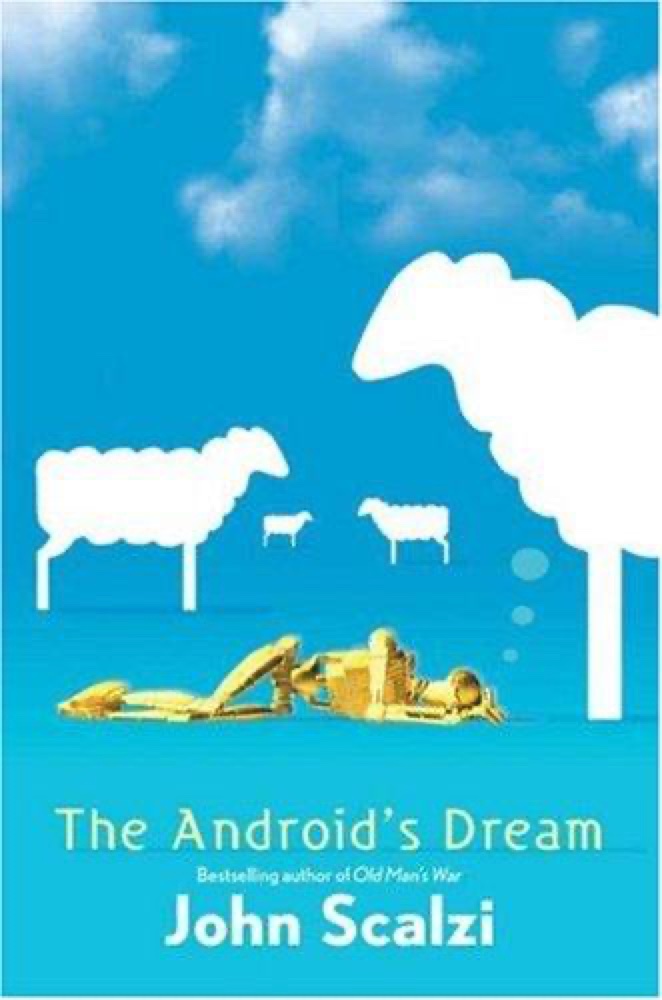 The Android's Dream
 The Most Human Human: What Talking with Computers Teaches Us About What It Means to Be Alive
 Adapt: Why Success Always Starts with Failure
 A Fire Upon the Deep
 2001: A Space Odyssey
 Founders at Work: Stories of Startups' Early Days
 The Caves of Steel
 Masters of Doom: How Two Guys Created an Empire and Transformed Pop Culture
 Prey
Prey
 Rama II
 Makers
 Hit Refresh: The Quest to Rediscover Microsoft's Soul and Imagine a Better Future for Everyone
 Sid Meier's Memoir!: A Life in Computer Games
 You Are Not a Gadget
 The Shockwave Rider