
 I, Robot
Quotes from the Book
The most hopelessly stupid man is he who is not aware he is wise.
...all the suffering that humanity ever knew can be traced to the one fact that no man in the history of the Galaxy, until Hari Seldon, and very few men thereafter, could really understand one another. Every human being lived behind an impenetrable wall of choking mist within which no other but he existed. Occasionally there were the dim signals from deep within the cavern in which another man was located - so that each might grope toward the other. Yet because they did not know one another, and could not understand one another, and dared not trust one another, and felt from infancy the terrors and insecurity of that ultimate isolation - there was the hunted fear of man for man, the savage rapacity of man toward man.
All roads lead to Trantor, and that is where all stars end.
Galaxy! When can a man know he is not a puppet? How can a man know he is not a puppet?
In all the known history of Mankind, advances have been made primarily in physical technology; in the capacity of handling the inanimate world about Man. Control of self and society has been left to to chance or to the vague gropings of intuitive ethical systems based on inspiration and emotion. As a result no culture of greater stability than about fifty-five percent has ever existed, and these only as the result of great human misery.
Well, he used to say that only a lie that wasn't ashamed of itself could possibly succeed. He also said that nothing had to be true, but everything had to sound true
Speech, originally, was the device whereby Man learned, imperfectly, to transmit the thoughts and emotions of his mind. By setting up arbitrary sounds and combinations of sounds to represent certain mental nuances, he developed a method of communication - but one which in its clumsiness and thick-thumbed inadequacy degenerated all the delicacy of the mind into gross and guttural signaling
Only a lie that wasn't ashamed of itself could possibly succeed
...and he wreaked havoc among the buttered toast as he said it.
Feet, for tens of thousands of years, had clogged and shuffled in the mud – and held down the minds which, for an equal time, had been fit for the companionship of the stars.
Stoop, then, or you will be beaten to your knees. Stoop voluntarily, and you may save a remnant. You have depended on metal and power and they have sustained you as far as they could. You have ignored mind and morale and they have failed you.
Where history concerns mainly personalities, the drawings become either black or white according to the interests of the writer.
The most hopelessly stupid man is he who is not aware that he is wise.
Psychohistory was the quintessence of sociology; it was the science of human behavior reduced to mathematical equations. The individual human being is unpredictable, but the reactions of human mobs, Seldon found, could be treated statistically.
Yet because they did not know one another, and could not understand one another, and dared not trust one another, and felt from infancy the terrors and insecurity of that ultimate isolation — there was the hunted fear of man for man, the savage rapacity of man toward man
Down—down—the results can be followed; and all the suffering that humanity ever knew can be traced to the one fact that no man in the history of the Galaxy, until Hari Seldon, and very few men thereafter, could really understand one another. Every human being lived behind an impenetrable wall of choking mist within which no other but he existed. Occasionally there were the dim signals from deep within the cavern in which another man was located—so that each might grope toward the other. Yet because they did not know one another, and could not understand one another, and dared not trust one another, and felt from infancy the terrors and insecurity of that ultimate isolation—there was the hunted fear of man for man, the savage rapacity of man toward man.
Galaxy! When can a man know he is not a puppet? How can a man know he is not a puppet? Arcadia
Why do you think it is stupid to go to windows instead of to doors?” “Because you advertise what you’re trying to hide, silly. If I have a secret, I don’t put tape over my mouth and let everyone know I have a secret. I talk just as much as usual, only about something else. Didn’t you ever read any of the sayings of Salvor Hardin? He was our first Mayor, you know.” “Yes, I know.” “Well, he used to say that only a lie that wasn’t ashamed of itself could possibly succeed. He also said that nothing had to be true, but everything had to sound true. Well, when you come in through a window, it’s a lie that’s ashamed of itself and it doesn’t sound true.” “Then what would you have done?” “If I had wanted to see my father on top secret business, I would have made his acquaintance openly and seen him about all sorts of strictly legitimate things. And then when everyone knew all about you and connected you with my father as a matter of course, you could be as top secret as you wanted and nobody would ever think of questioning it.
Good,” said the First Speaker. “And tell me, what do you think of all this. A finished work of art, is it not?” “Definitely!” “Wrong! It is not.” This, with sharpness. “It is the first lesson you must unlearn. The Seldon Plan is neither complete nor correct. Instead, it is merely the best that could be done at the time. Over a dozen generations of men have pored over these equations, worked at them, taken them apart to the last decimal place, and put them together again. They’ve done more than that. They’ve watched nearly four hundred years pass and against the predictions and equations, they’ve checked reality, and they have learned.
Agitation from the other side of the desk. “No—now you must take this phlegmatically. You had hoped you would qualify. You had feared you would not. Actually, both hope and fear are weaknesses. You knew you would qualify and you hesitate to admit the fact because such knowledge might stamp you as cocksure and therefore unfit. Nonsense! The most hopelessly stupid man is he who is not aware that he is wise. It is part of your qualification that you knew you would qualify.” Relaxation on the other side of the desk. “Exactly. Now you feel better and your guard is down. You are fitter to concentrate and fitter to understand. Remember, to be truly effective, it is not necessary to hold the mind under a tight, controlling barrier which to the intelligent probe is as informative as a naked mentality. Rather, one should cultivate an innocence, an awareness of self, and an unselfconsciousness of self which leaves one nothing to hide. My mind is open to you. Let this be so for both of us.
It’s always easy to explain the unknown by postulating a superhuman and arbitrary will.
He never created a finish product. Finished products are for decadent minds. His was an evolving mechanism and the Second Foundation was the instrument of that evolution.
It was a sign of decaying culture, of course, that dams had been built against the further development of ideas.
the intruder was an obviously mature thirty, at least—quite elderly, in fact.)
only a lie that wasn’t ashamed of itself could possibly succeed.
Did you know?
- The novel was first published as two separate novellas in Astounding Science Fiction between 1948 and 1950 before being collected as a book in 1953.
- It is the third and final volume of Asimov's original Foundation trilogy.
- In 1966 the Foundation trilogy received a special Hugo Award for Best All-Time Series.
- The book is divided into two parts, 'Search by the Mule' and 'Search by the Foundation.'
- Much of the second half centers on a teenage protagonist, Arcadia Darell.
About Isaac Asimov
Isaac Asimov (1920-1992) was a Russian-born American writer and biochemistry professor, one of the most prolific authors of the twentieth century and a central figure of science fiction's Golden Age. He is best known for the Foundation series and the Robot stories, which introduced his Three Laws of Robotics.
More about the author →More by Isaac Asimov
All books by Isaac Asimov →
About the book
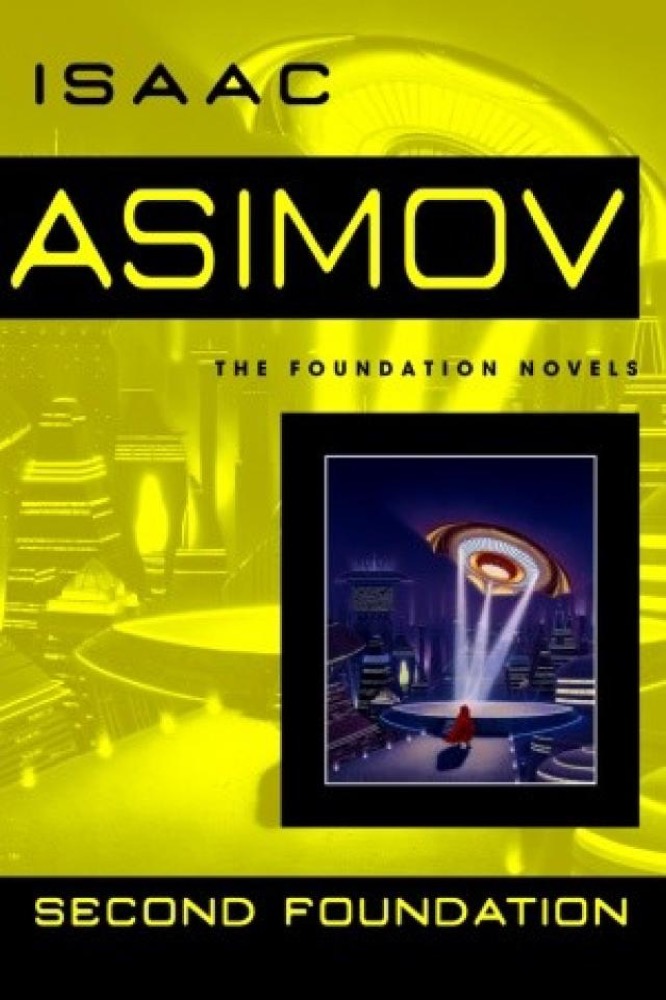
Second Foundation is the third book in Isaac Asimov's original Foundation trilogy, first published in 1953 after appearing as two novellas in Astounding Science Fiction. It picks up the saga of Hari Seldon's plan to shorten the coming galactic dark age, now imperiled by the Mule, a mutant conqueror whose mental powers let him bend whole worlds to his will. The novel unfolds in two parts: in the first, the Mule hunts for the elusive, hidden Second Foundation that alone can threaten him; in the second, set decades later, the surviving First Foundation grows fearful of the Second Foundation's own quiet influence and sets out to find and destroy it.
At the center of the second half is Arcadia Darell, the precocious teenage daughter of a Foundation scientist, whose curiosity draws her into the search across the galaxy. Asimov turns the book into a series of intellectual duels and reversals, in which nothing is quite what it appears and each side tries to outthink the other about the location and intentions of the mind-shaping Second Foundationers. The story hinges less on battles than on deduction, misdirection, and the unsettling question of whether human history can be secretly steered.
As the capstone of the trilogy, Second Foundation helped cement the Foundation series as one of the most influential works in science fiction; the trilogy received a special Hugo Award in 1966 for Best All-Time Series. Its themes of psychohistory, free will versus determinism, and hidden manipulators guiding civilization have echoed through decades of later science fiction. Asimov eventually returned to the saga in the 1980s with sequels and prequels, but the original three books, closing here, remain the core of his galactic vision.
Key characters
- The MuleMutant conqueror with mind-controlling powers who seeks the Second Foundation
- Arcadia (Arkady) DarellPrecocious teenage daughter of a Foundation scientist, central to the second search
- Dr. Toran DarellFoundation scientist and Arcadia's father who develops mind-static technology
- Bail ChannisYoung agent who accompanies the Mule's search and is secretly a Second Foundationer
- Han PritcherMind-controlled Foundation officer serving the Mule in the hunt
- Preem PalverFirst Speaker who leads the Second Foundation
Book details
- First published
- 1953
- Length
- 210 pages
- Reading time
- 3 hours
- Author
- Isaac Asimov
- Genre
- Classics
- Goodreads rating
- 4.28 (207k ratings) →
- First line
- “There is much more that the Encyclopedia has to say on the subject of the Mule and his Empire but almost all of it is not germane to the issue at immediate hand, and most of it is considerably too dry for our purposes in any case.”
Series & reading order
- 1 Foundation
- 2 Foundation and Empire
- 3 Second Foundation
If you liked this, read…
- 1FoundationThe first book of the same trilogy that establishes Seldon's plan
- 2Foundation and EmpireThe direct predecessor introducing the Mule
- 3DuneAnother sweeping saga of galactic empire, prophecy, and hidden manipulation
Keep reading
 Foundation
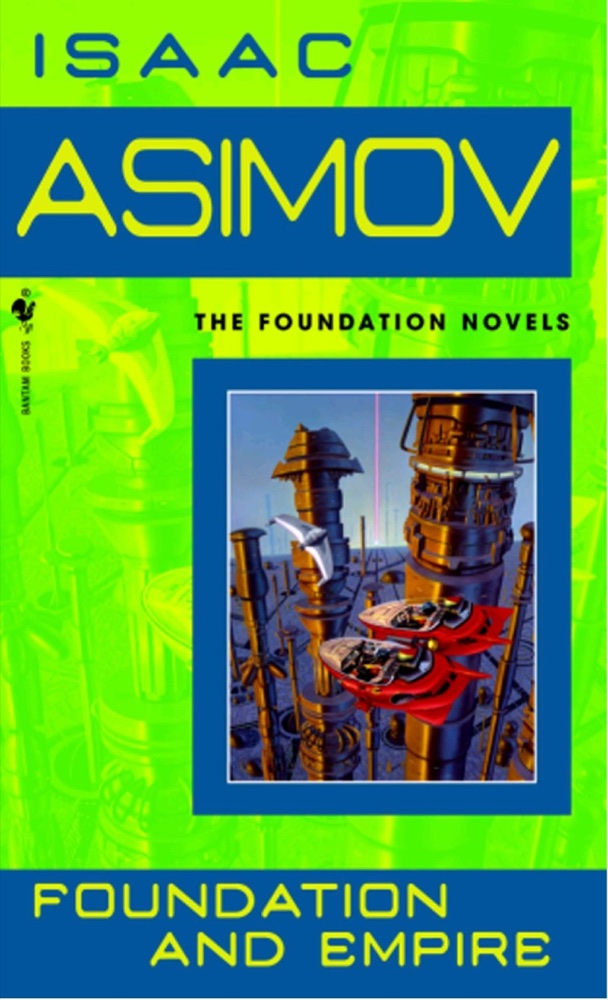 Foundation and Empire
 That Hideous Strength
 House Corrino
 City
City
 Seven Surrenders
 2001: A Space Odyssey
 Quicksilver
 Foundation's Edge
 The Man Without Qualities
 City of Illusions
 Pyramids
 The Star Fraction
 Cryptonomicon
 Solar
Solar
 Too Like the Lightning
 The Sunlit Man
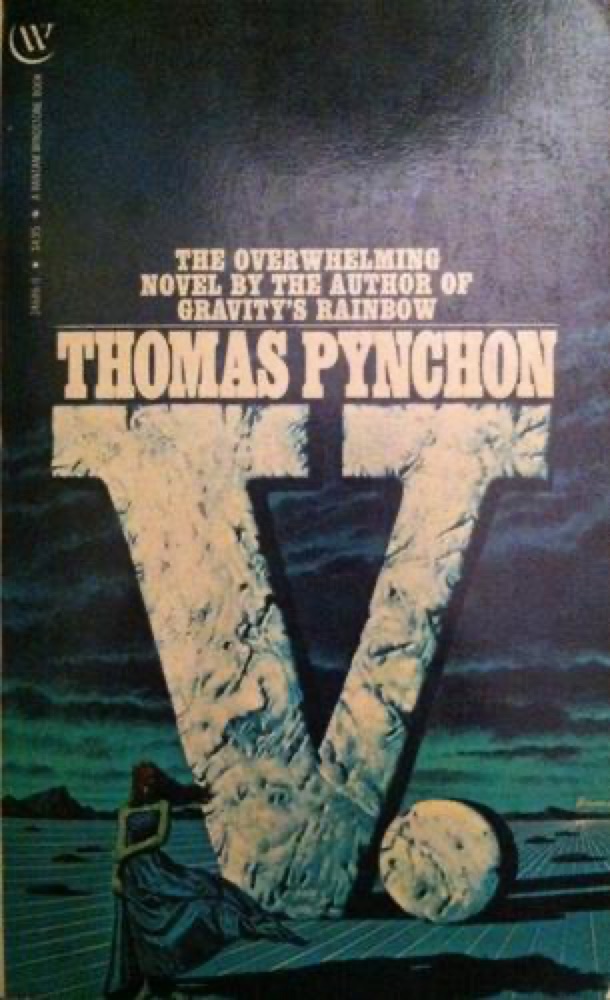 V.
V.
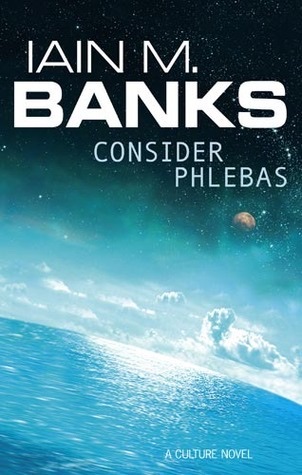 Consider Phlebas
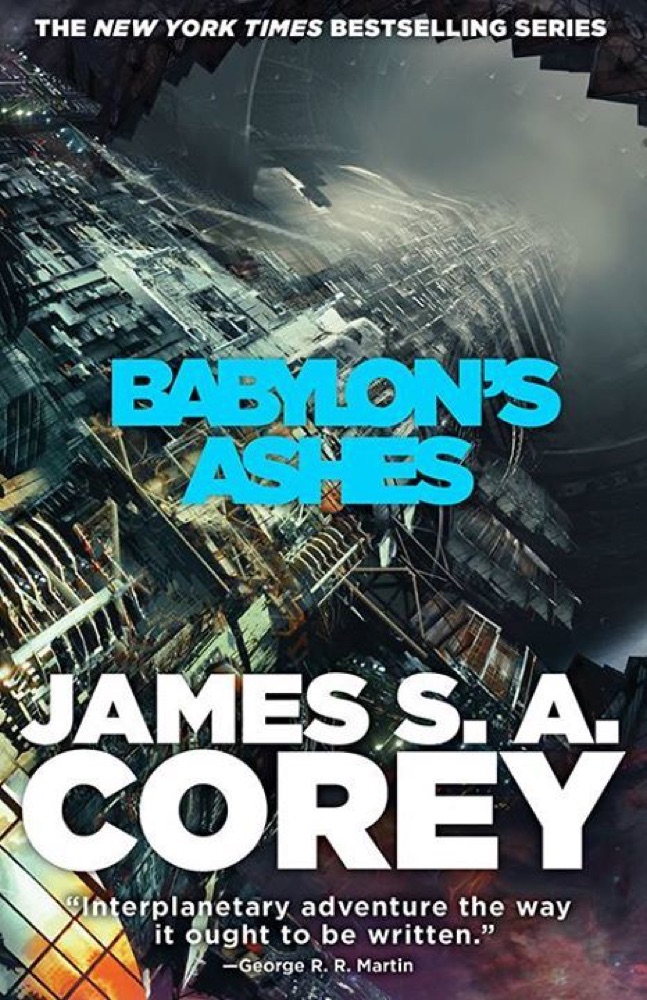 Babylon's Ashes
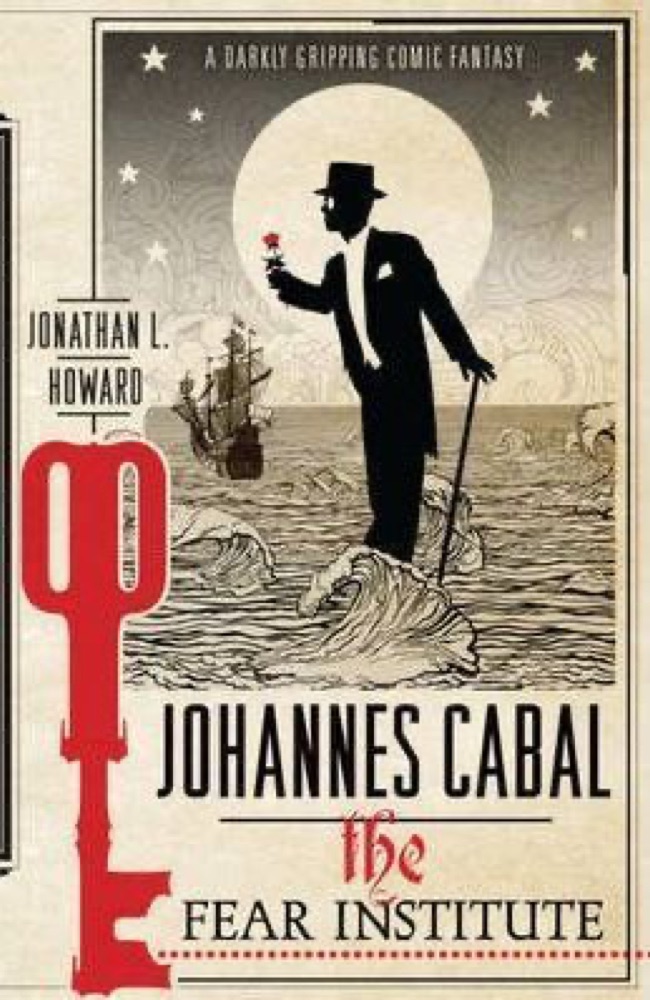 The Fear Institute
 Red Mars
 Authority
 Arm of the Sphinx
 Xenocide
 The Futurological Congress: From the Memoirs of Ijon Tichy
 Radio Free Albemuth
 The Secret Agent
 Songs of Distant Earth
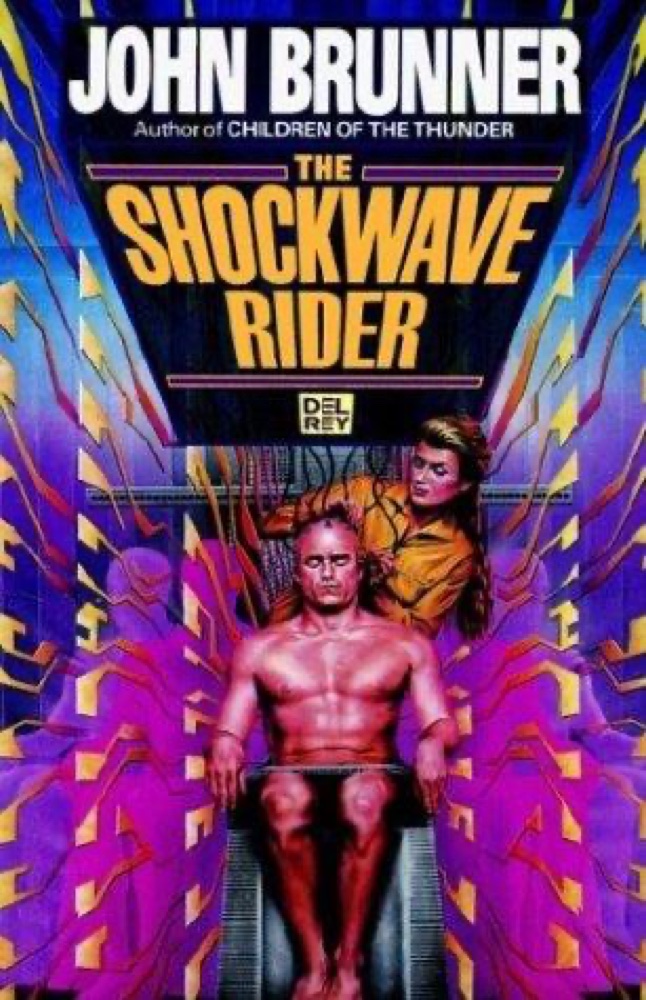 The Shockwave Rider
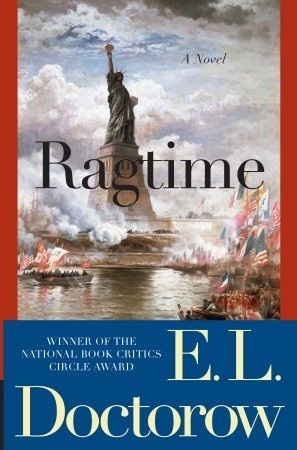 Ragtime
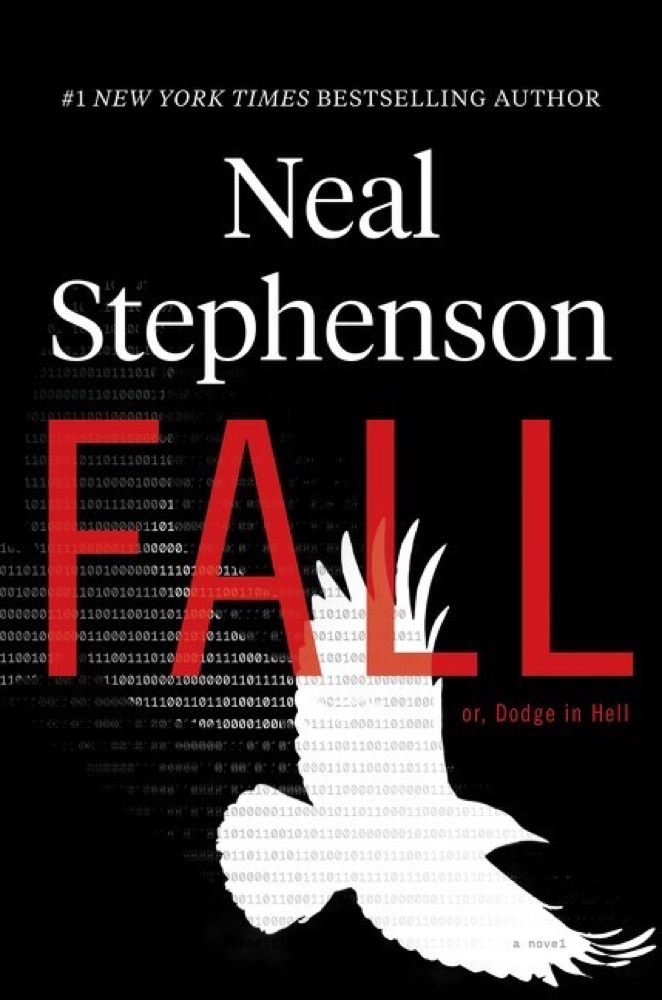 Fall; or, Dodge in Hell
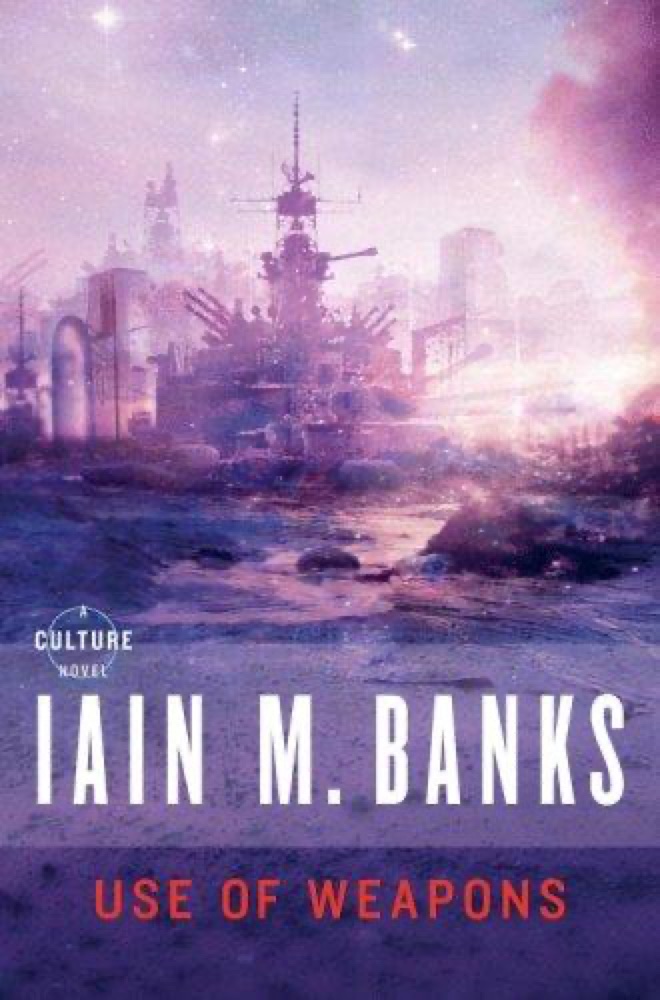 Use of Weapons
 The Magic Mountain
 Foucault's Pendulum
 The Lost World
 An Instance of the Fingerpost
 A Connecticut Yankee in King Arthur's Court
 Childhood's End
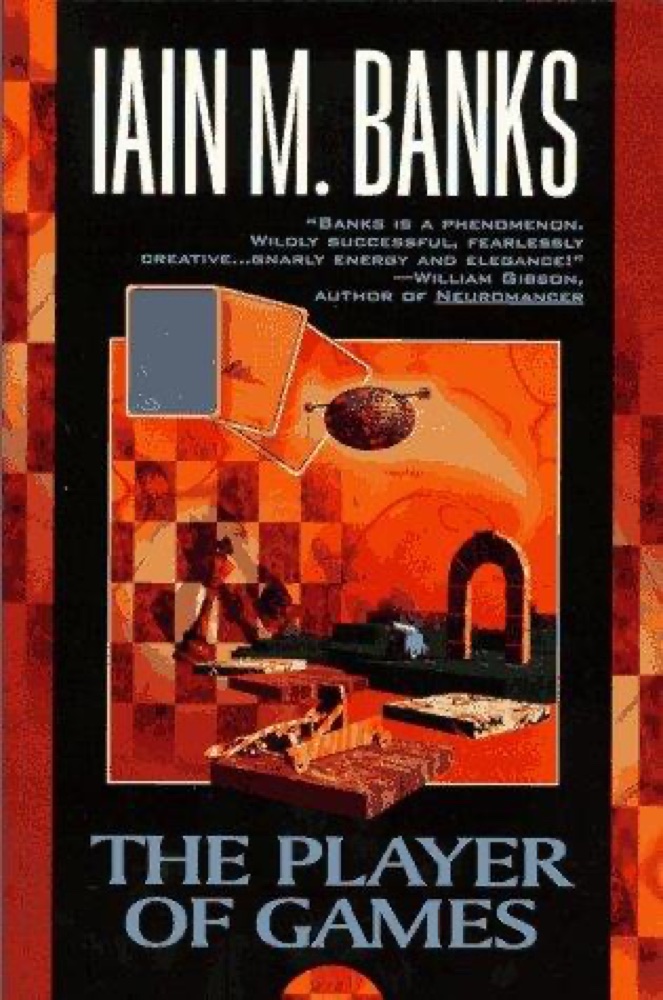 The Player of Games
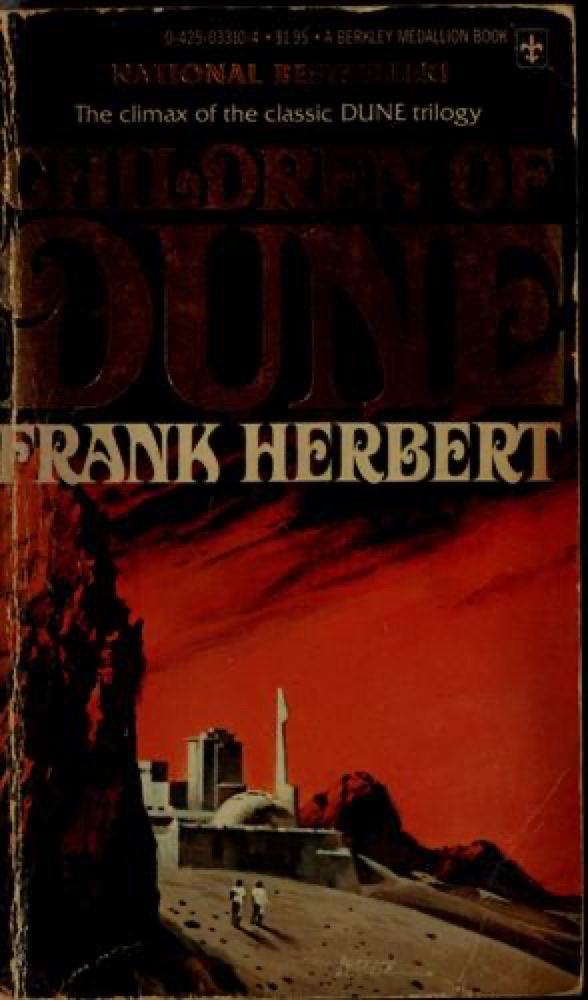 Children of Dune
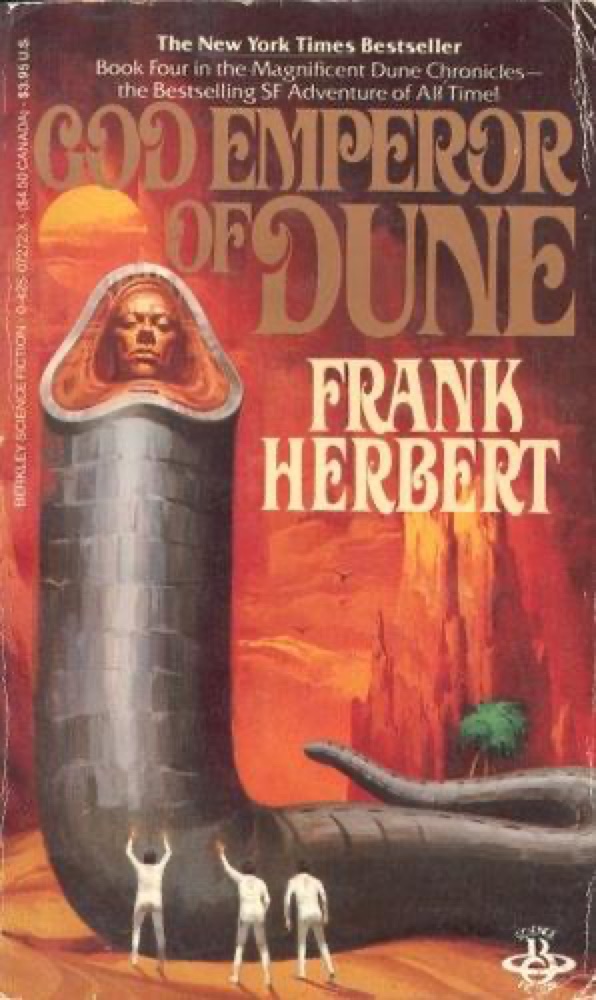 God Emperor of Dune
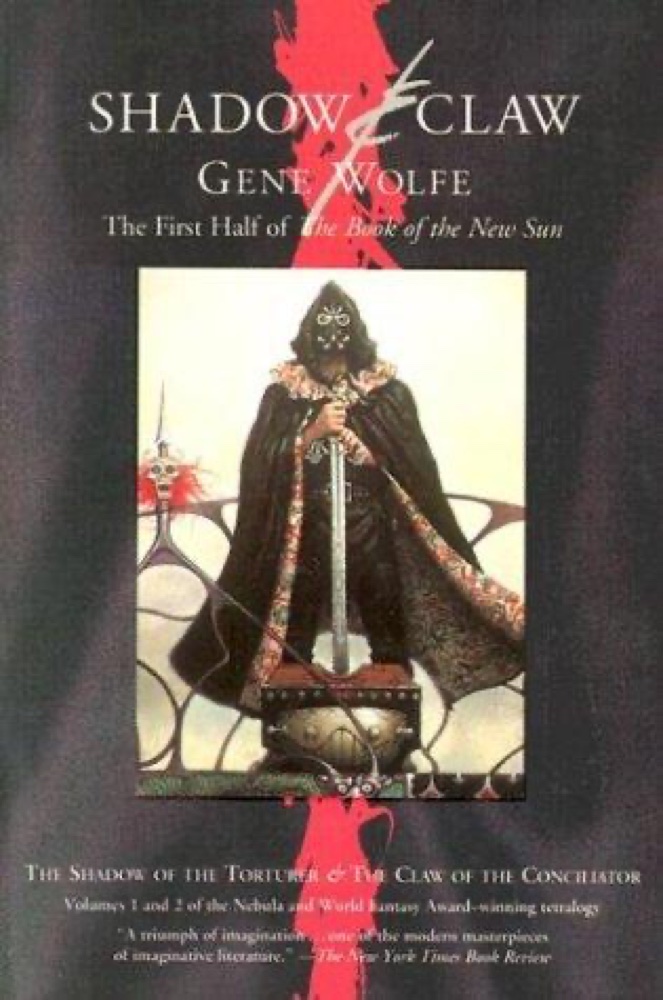 Shadow & Claw
 Alas, Babylon
 The Man in the High Castle
 The First Circle
 The Fall of Babel
 Wolf Hall
 Notes from Underground
 The Noise of Time
 Point Omega
 The Three-Body Problem
 Dead Souls
 Mirror Dance
 The Time Machine
 A Study in Scarlet
 VALIS
VALIS
 The Star Diaries
 Sixty Stories
 Cage of Souls