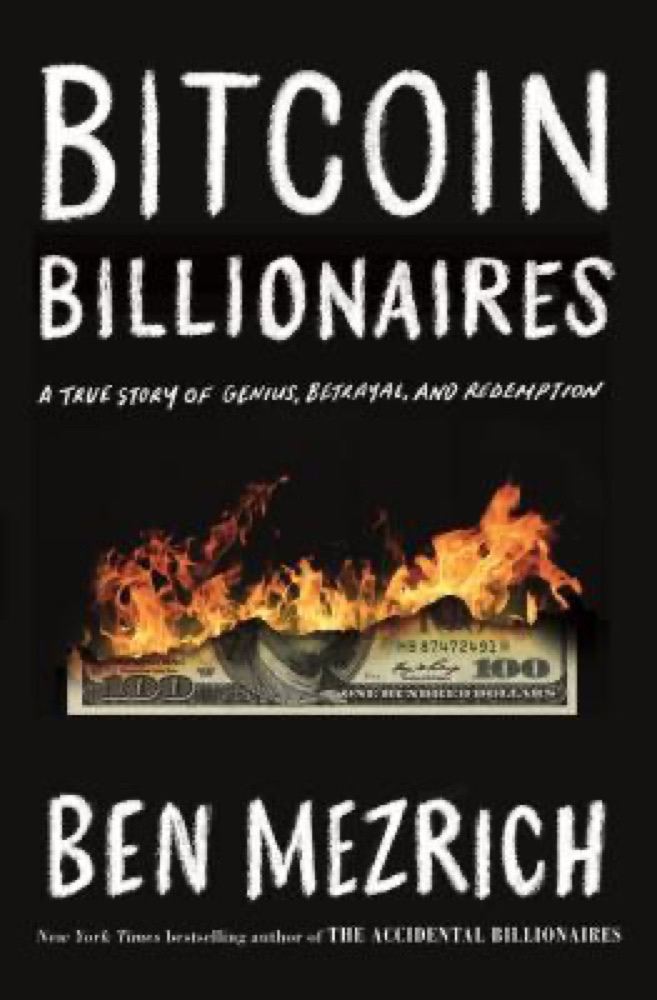

 The Snowball: Warren Buffett and the Business of Life
Quotes from the Book
Zuckerberg had gotten lucky—in another world, the twins never would have had to approach him for coding help. In any event, Tyler and Cameron didn’t believe they were on the earth to exist; they were here to create, to build.
2
As an entrepreneur, you had one, maybe two, but usually not more than three chances to catch lightning in a bottle; as a venture capitalist, however, you could chase lightning as long as you had cash to invest.
2
In rowing,” Tyler said, “sometimes there’s one guy in your boat who slows the whole thing down. He might mean well. He might be trying as hard, or even harder, than anyone else, but it doesn’t matter, he’s weighing everyone down. We call that guy an anchor.” And with that, the twins left the building.
1
Gold is valuable because of its naturally occurring properties: it’s scarce, durable, portable, divisible, fungible, hard to counterfeit, and easy to authenticate,
1
The U.S. government stepped in during economic crises all the time. Less than five years earlier, the United States had used billions of dollars of taxpayer money to bail out Wall Street banks during the 2008 financial crisis. During the Great Depression the government had prohibited U.S. citizens from owning gold: in 1933, President Roosevelt had signed executive order 6102, requiring citizens to turn in their gold for cash. It wasn’t until 1975, when President Ford repealed this order, that it was again legal for Americans to own gold that wasn’t jewelry or coins. And all bank deposits were only insured to the tune of $250,000. “More than twenty thousand account holders at Laika, the second largest bank in Cyprus, are going to have half of their savings taken away,
1
The less you know, the more soundly you sleep.
1
Which left only rhodium, palladium, platinum, silver, and gold—five of the eight noble metals. Rhodium and palladium wouldn’t be discovered until the 1880s, well after money had been in use for thousands of years; and platinum’s melting point would have been too high for preindustrial furnaces. By process of elimination you were left with silver and gold. Silver tarnished easily and had a much greater industrial application—too useful to make good money—leaving gold just useful enough. “Gold is valuable because of its naturally occurring properties: it’s scarce, durable, portable, divisible, fungible, hard to counterfeit, and easy to authenticate,” Tyler said. “Exactly,” Voorhees responded, “and bitcoin has all of those properties too—
1
Silicon Valley was a town made up of engineers who thought in frameworks, decision trees, and game theory.
1
You still had to use the Balkanized, legacy banking system, which was built before the internet even existed, littered with middlemen and rent-seekers all along the way. And only if the central authorities of this network allowed it to happen, would your money move at a snail’s pace from point A to point B.
1
Tyler was to his left, and to his right were the three other witnesses who had joined them for the headlining session of the first day of testimony. Directly next to Cameron sat Fred Wilson, a seasoned venture capitalist veteran who had moved into the cyber currency space in a big way, with the countenance of someone who had seen a number of technology waves, including the first dot-com boom and bust. Next to Wilson, the up-and-comer venture capitalist Jeremy Liew, a partner at Lightspeed Venture. And at the end of the bench, Barry Silbert, the founder and CEO of the startup SecondMarket.
1
you can be unethical and still be legal.
We have elected to put our money and faith in a mathematical framework that is free of politics and human error.
Libertarians or individualists believed people should be free to do whatever they wanted with their money. But in reality, people had never been free to do whatever they wanted with their money. There were laws, regulations, criminal statutes.
Watch on YouTube
About Ben Mezrich
We have collected 13 quotes from 1 book by Ben Mezrich on BookQuoters.
More about the author →About the book
The fascinating story of brothers Tyler and Cameron Winklevoss's big bet on crypto-currency and its dazzling pay-off.
Planning to start careers as venture capitalists, the brothers quickly discover that no one will take their money after their fight with Zuckerberg. While nursing their wounds in Ibiza, they accidentally run into an eccentric character who tells them about a brand-new idea: cryptocurrency. Immersing themselves in what is then an obscure and sometimes sinister world, they begin to realize “crypto” is, in their own words, "either the next big thing or total bulls--t." There’s nothing left to do but make a bet.
From the Silk Road to the halls of the Securities and Exchange Commission, Bitcoin Billionaires will take us on a wild and surprising ride while illuminating a tantalizing economic future. On November 26, 2017, the Winklevoss brothers became the first bitcoin bi
Book details
- First published
- 2019
- Author
- Ben Mezrich
- Genre
- Nonfiction
- Goodreads rating
- 3.98 (8k ratings)
The buzz
- The New York TimesReview in The New York Timesprofessional review (via Book Marks)
- The GuardianReview in The Guardianprofessional review (via Book Marks)
- IrishtimesReview in Irishtimesprofessional review (via Book Marks)
- FtReview in Ftprofessional review (via Book Marks)
- BookreporterReview in Bookreporterprofessional review (via Book Marks)
Keep reading
The Snowball: Warren Buffett and the Business of Life
 Flash Boys: A Wall Street Revolt
 Who Owns the Future?
 Liar's Poker
 The Creature from Jekyll Island: A Second Look at the Federal Reserve
 I Survived Capitalism and All I Got Was This Lousy T-Shirt: Everything I Wish I Never Had to Learn About Money
 Zero to One: Notes on Startups, or How to Build the Future
 Too Big to Fail: The Inside Story of How Wall Street and Washington Fought to Save the Financial System from Crisis — and Themselves
 The Bitcoin Standard: The Decentralized Alternative to Central Banking
 The Price of Tomorrow: Why Deflation is the Key to an Abundant Future
 The Big Short: Inside the Doomsday Machine
 A Short History of Financial Euphoria
 Chaos Monkeys: Obscene Fortune and Random Failure in Silicon Valley
 A Fighting Chance
 Berkshire Hathaway Letters to Shareholders
 The Prize: The Epic Quest for Oil, Money, and Power
 Rich Dad's Guide to Investing: What the Rich Invest in That the Poor and Middle Class Do Not!
 The Mandibles: A Family, 2029–2047
 Naked Economics: Undressing the Dismal Science
 Principles for Dealing with the Changing World Order: Why Nations Succeed and Fail
 Founders at Work: Stories of Startups' Early Days
 The Wolf of Wall Street
 The Great Crash 1929
 Stay Hungry Stay Foolish
 The Millionaire Fastlane: Crack the Code to Wealth and Live Rich for a Lifetime!
 Invent and Wander: The Collected Writings of Jeff Bezos
 Griftopia: Bubble Machines, Vampire Squids, and the Long Con That Is Breaking America
 Debt: The First 5,000 Years
 Hackers & Painters: Big Ideas from the Computer Age
 The Essays of Warren Buffett: Lessons for Corporate America
 What I Learned Losing a Million Dollars
 Freakonomics: A Rogue Economist Explores the Hidden Side of Everything
 Smartcuts: How Hackers, Innovators, and Icons Accelerate Success
 How To Get Rich
 Fooled by Randomness: The Hidden Role of Chance in Life and in the Markets
 The Monk and the Riddle: The Education of a Silicon Valley Entrepreneur
 The Evolution of Everything: How New Ideas Emerge
 The World Is Flat: A Brief History of the Twenty-first Century
 Hatching Twitter: A True Story of Money, Power, Friendship, and Betrayal
 The Everything Store: Jeff Bezos and the Age of Amazon
 Blue Mars
 Becoming Steve Jobs: The Evolution of a Reckless Upstart into a Visionary Leader
 Early Retirement Extreme: A Philosophical and Practical Guide to Financial Independence
 Homeland
 Cryptonomicon
 The $100 Startup: Reinvent the Way You Make a Living, Do What You Love, and Create a New Future
 Secrets of Jewish Wealth Revealed!
 The Rational Optimist: How Prosperity Evolves
 Fall; or, Dodge in Hell
 The Intelligent Investor
 The Algebra of Wealth: A Simple Formula for Financial Security
 Currency Wars: The Making of the Next Global Crisis
 Loonshots: How to Nurture the Crazy Ideas That Win Wars, Cure Diseases, and Transform Industries
 The Little Book of Behavioral Investing: How not to be your own worst enemy
 The Smartest Guys in the Room: The Amazing Rise and Scandalous Fall of Enron
 Same as Ever: A Guide to What Never Changes
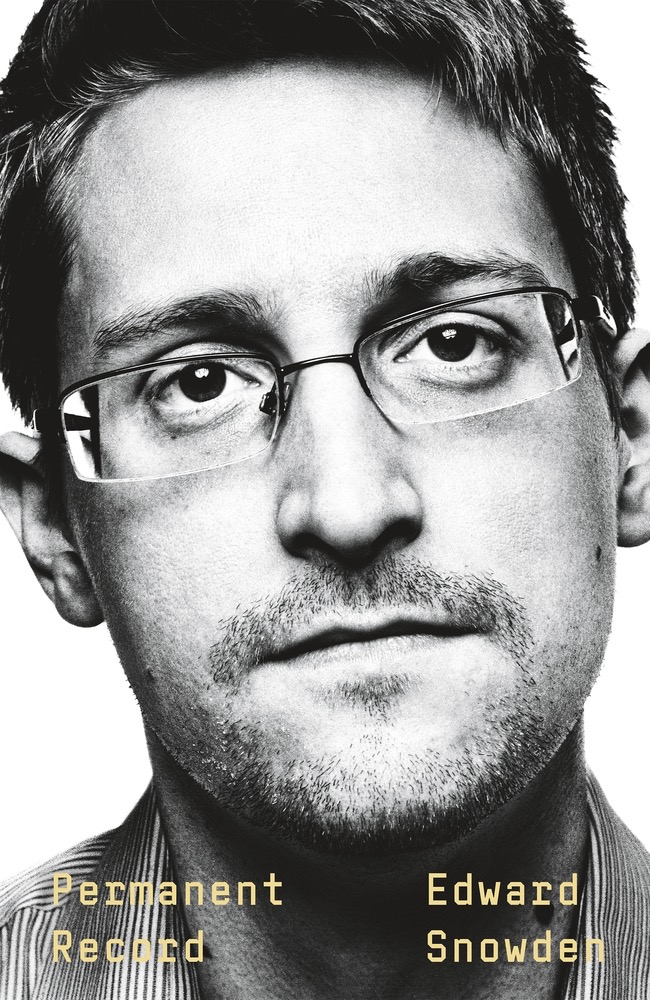 Permanent Record
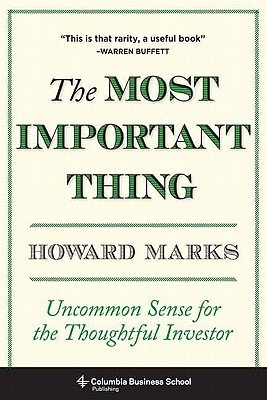 The Most Important Thing: Uncommon Sense for the Thoughtful Investor
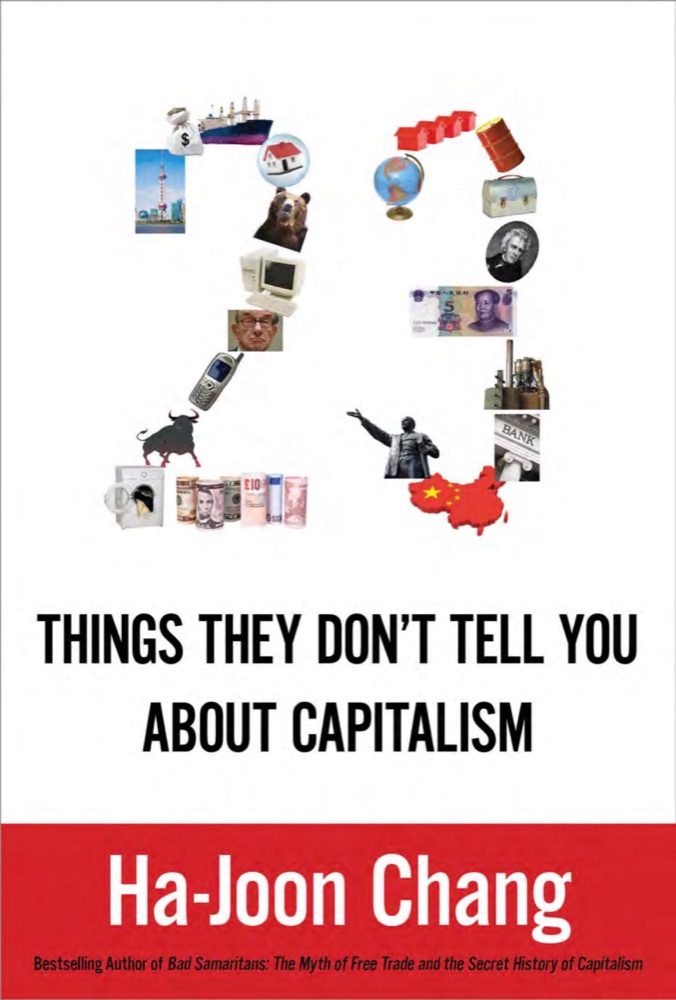 23 Things They Don't Tell You About Capitalism