 Plainwater: Essays and Poetry
Quotes from the Book
It’s yad that propels us, like a motor, onward. Yad is like envy, but it’s not simply that. It’s like spite, rage, anger, but more elegant, more complicated. It’s like pity for someone, regret for something you did or did not do, for a chance you missed, for an opportunity you squandered.
8
Of course she loved the komita more -- he must have been her sweetheart, her first big love. Most likely, they made plans together, imagined a little house, a pair of children. She wouldn't keep his diary for so many years otherwise. And then, with their love peaking, he was killed. I know that much without yet having read the end. At first she felt betrayed. He'd put some strange ideals, brotherhood and freedom, before his love for her. She hated him for that. But then one morning, almost a year after his death, the postman brought a package with foreign stamps. She read the diary, still hating him. She read it every day. She learned each letter by heart, and with the months her hatred thinned, and in the end his death turned their love ideal, doomed not to die. Yes, that's what I've come to think now. Their love was foolish, childish, sugar-sweet, the kind of love that, if you are lucky to lose it, flares up like a thatched roof but burns as long as you live. While our love...I am her husband, she is my wife.
5
Do you know what this is?" the girl bellowed slowly. "No," I said. She seemed genuinely pleased. "These are the deeds of our Savior. The word of our Lord." "Oh, Lenin's collected works," I said. "Which volume?
1
When Grandpa learned I was leaving for America to study, he wrote me a goodbye note. “You rotten capitalist pig,” the note read, “have a safe flight. Love, Grandpa.” It was written on a creased red ballot from the 1991 elections, which was a cornerstone in Grandpa’s Communist ballot collection, and it bore the signatures of everybody in the village of Leningrad. I was touched to receive such an honor, so I sat down, took out a one-dollar bill, and wrote Grandpa the following reply: “You communist dupe, thanks for the letter. I’m leaving tomorrow, and when I get there I’ll try to marry an American woman ASAP. I’ll be sure to have lots of American children. Love, your grandson.” *
1
I thought how much I wanted to be like the river, which had no memory, and how little like the earth, which could never forget. *
1
At seventy-one you can't expect to hear a story, any story, and take it as it is. At my age a story stirs up a vortex that sucks into its eye more stories, and spits out still more. I must remember what I must.
1
How’s life treating you?” she says exactly in those words. Life treating you … A stupider question was never asked. Life doesn’t treat you. People do. And
I try to teach Magda some things. Since we’re not men and can’t afford. I take my books to her and sit her in a corner in a nice room that smells of rice with milk and cinnamon and teach her things. She does okay in math. She knows multiplication. At first it was, like, 1 × 1, 1 × 2, and it was never past the two, everything equaled two. 5 × 7, 9 × 8, everything was 2. But now she gets it. She gets history. She likes simpler things, made up stories, poems, but she is awful with language. And she can’t spell to save her life.
You must write without waiting for an address. My
I felt estranged, often confused, until gradually, with time, the world around me seeped in through my eyes, ears, tongue. At last the words rose liberated. I was ecstatic, lexicon drunk. I talked so much my roommate eventually quit spending time in our room and returned only after I’d gone to bed. I cornered random professors during their office hours and asked them questions that required long-winded answers. I spoke with strangers on the street, knowing I was being a creep. Such knowledge couldn’t stop me. My ears rang, my tongue swelled up. I went on for months, until one day I understood that nothing I said mattered to those around me. No one knew where I was from, or cared to know. I had nothing to say to this world. I
finally drove Grandpa back to his native village. When my father asked for an explanation, he could not let himself admit the real reason. “I’m tired of looking at walls,” he said instead. “I’m tired of watching the sparrows shit. I need my Balkan slopes, my river. I need to tidy your mother’s grave.” We said nothing on parting. He shook my hand. Without
Grandpa, please,” I’d say. “I have to study.” “What you have to do is acquire a taste.” He’d leave me to read but then would barge into my room a minute later with some weak excuse. Had I called him? Did I need help with a difficult passage? “Grandpa, these are children’s books.” “First children’s books, then Lenin’s.” He’d sit at the foot of my bed, and motion me to keep on reading. If I came home from school frightened because a stray dog had chased me down the street, Grandpa would only sigh. Could I imagine Kalitko the shepherd scared of a little dog? If I complained of bullies Grandpa would shake his head. “Imagine Mitko Palauzov whining.” “Mitko Palauzov was killed in a dugout.” “A brave and daring boy indeed,” Grandpa would say, and pinch his nose to stop the inevitable tears. And
The West gave her ideas. She would often go to the river and sit on the bank and stare, quietly, for hours on end.
Or how, for that matter, will hitting another person in the face stop the blood gushing from your own nose? I tried to suck it up and act like the pain was easy to ignore. She
Because of the unusual predicament the two villages were in, our people had managed to secure permission from both countries to hold, once every five years, a major reunion, called the sbor. This was done officially so we wouldn’t forget our roots. In reality, though, the reunion was just another excuse for everyone to eat lots of grilled meat and drink lots of rakia. A man had to eat until he felt sick from eating and he had to drink until he no longer cared if he felt sick from eating.
Their love was foolish, childish, sugar-sweet, the kind of love that, if you are lucky to lose it, flares up like a thatched roof but burns as long as you live. While our love … I am her husband, she is my wife. But
I can’t know what each of them is thinking, but we’re connected through the dusty words. “And then?” Pavel says every time I stop to catch some air. “What happens after that? And then?” But halfway through the story, his breathing evens out and he’s asleep. My
A few old men are still nesting on the benches and I say, “Pavka, am I like them? Dried up and ugly.” “You are like them,” he says, “except not ugly.” “I wish I was a kid again. But I don’t suppose you understand.” “I wish I was an old man.” He takes a silent breath. “I’ve noticed, dyadka, that when old men speak, the young ones listen. And no one listens to a kid. But if I was old, I’d talk to my dad.” We
He drew maps of Bulgaria in the dust, enormous as it had been more than five centuries ago, before the Turks had taken over our land. He’d draw a circle around the North and say “This is called Moesia. This is where we live, free at last, thanks to the Russian brothers.” Then he’d circle the South. “This is Thrace. It stayed part of the Turkish empire for seven years after the North was freed, but now we are one, united. And this,” he’d say and circle farther south, “is Macedonia. Home to Bulgarians, but still under the fez.” He’d brush fingers along the lines and watch the circles for a long time, put arrows where he thought the Russians should invade and crosses where battles should be waged. Then he’d spit in the dust and draw the rest of Europe and circle it, and circle Africa and Asia. “One day, siné, all these continents will be Bulgarian again. And maybe the seas.
Dearest Nora, I miss you. I wish I was by your side now. But you know how things are—a man can’t stay put, knowing that in Macedonia the Turks are slaughtering our brothers, trying to keep them under the fez. I told you then and I tell you now—if men like me don’t go to liberate the brothers, no one will. The Russians helped us be free. It’s now our turn to help. I love you, Nora, but there are things before which even love must bow. I know with time you’ll understand and forgive.
It’s night again. It could be yesterday’s, or tomorrow’s. A night four years back. They’re all the same.
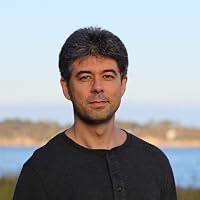
About Miroslav Penkov
We have collected 21 quotes from 1 book by Miroslav Penkov on BookQuoters.
More about the author →About the book
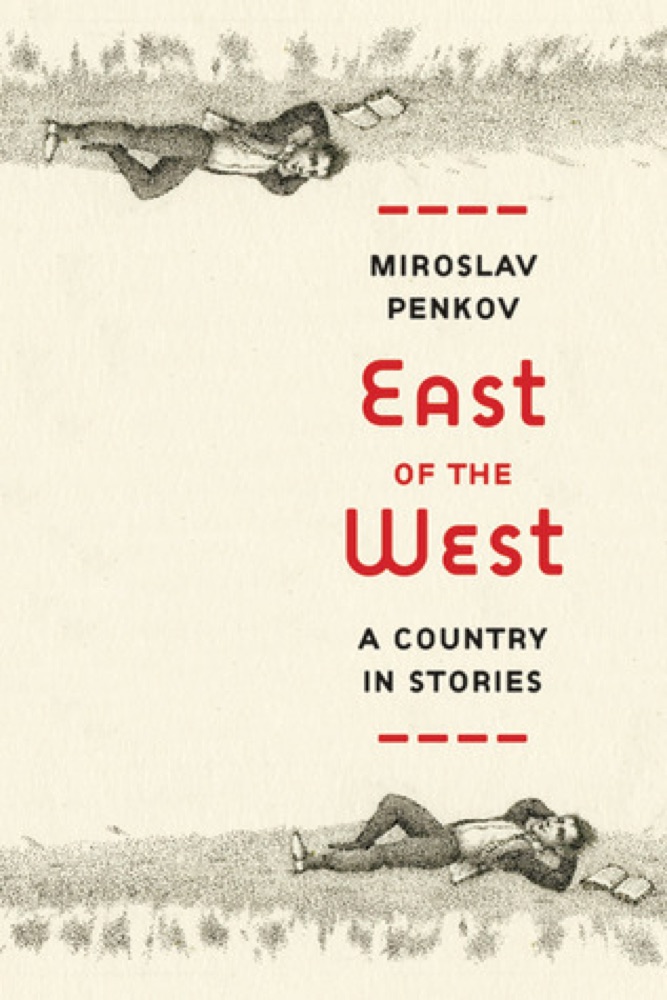
A grandson tries to buy the corpse of Lenin on eBay for his Communist grandfather. A failed wunderkind steals a golden cross from an Orthodox church. A boy meets his cousin (the love of his life) once every five years in the river that divides their village into east and west. These are Miroslav Penkov's strange, unexpectedly moving visions of his home country, Bulgaria, and they are the stories that make up his beguiling and deeply felt debut.In East of the West, Penkov writes with great empathy of centuries of tumult; his characters mourn the way things were and long for things that will never be. But even as they wrestle with the weight of history, with the debt to family, with the pangs of exile, the stories in East of the West are always light on their feet, animated by Penkov's unmatched eye for the absurd.
Book details
- First published
- 2011
- Author
- Miroslav Penkov
- Genre
- Fiction
- Goodreads rating
- 4.19 (3k ratings)
Keep reading
Plainwater: Essays and Poetry
 The Road Back
 The Idiot
 Our Country Friends
 Selected Stories
 Selected Stories of Anton Chekhov
 The Tunnel
 Mischling
 Tamar
Tamar
 Edinburgh
 Spaceman of Bohemia
 The Slynx
 Another Country
 The Book of Salt
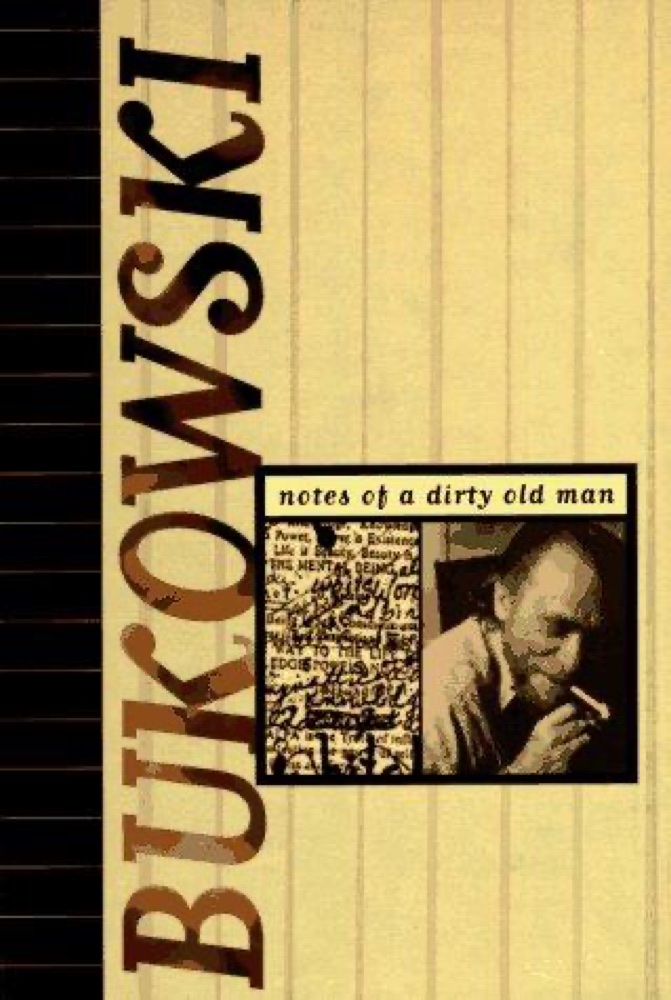 Notes of a Dirty Old Man
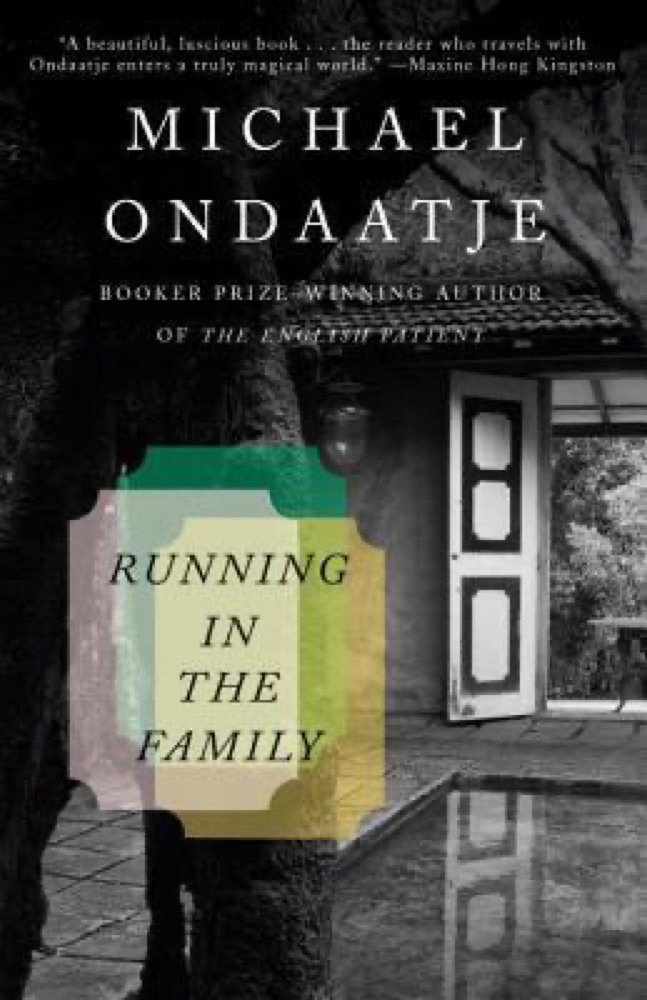 Running in the Family
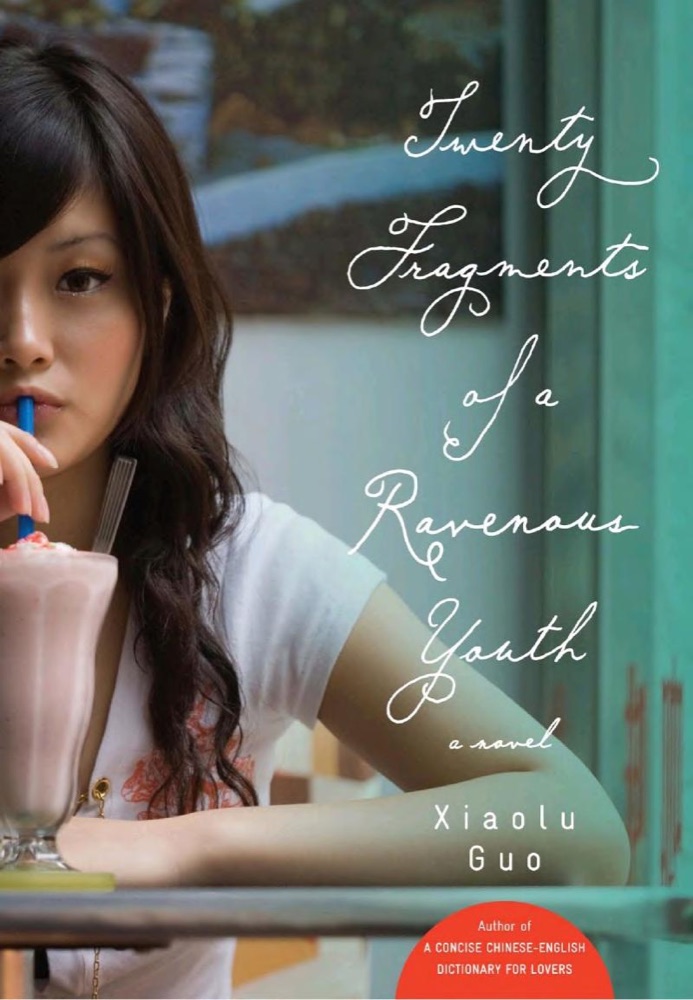 Twenty Fragments of a Ravenous Youth
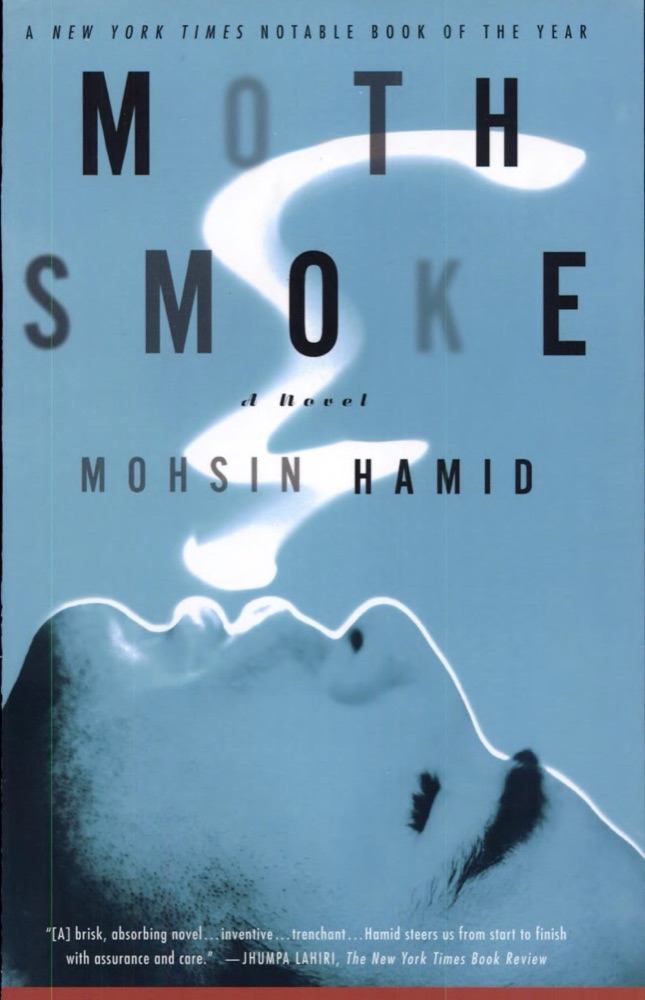 Moth Smoke
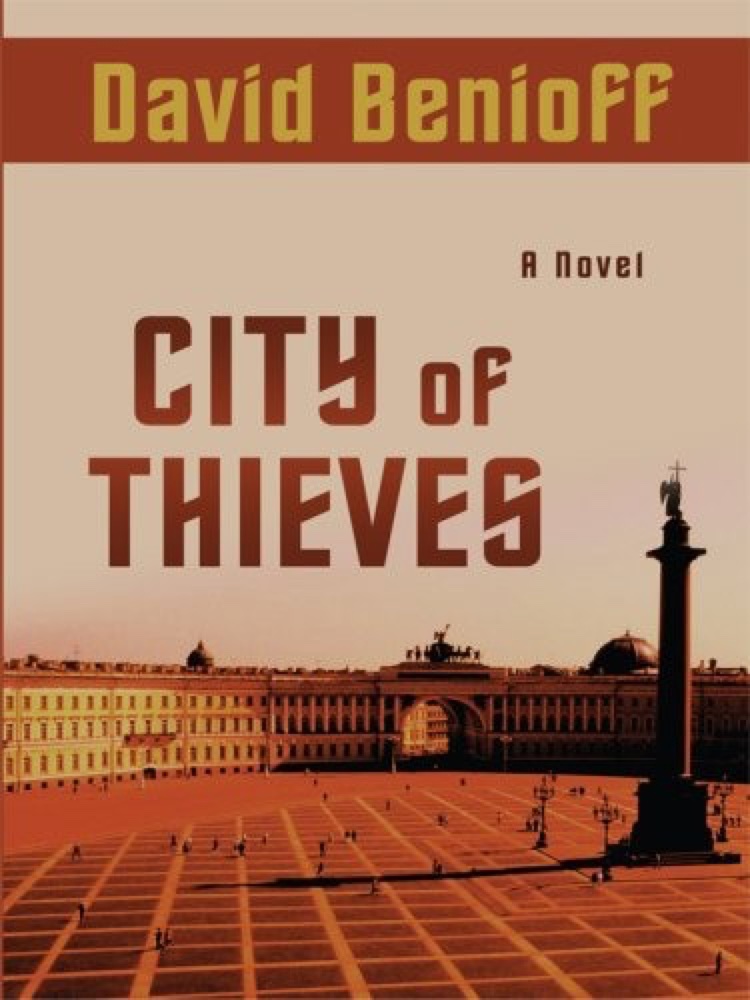 City of Thieves
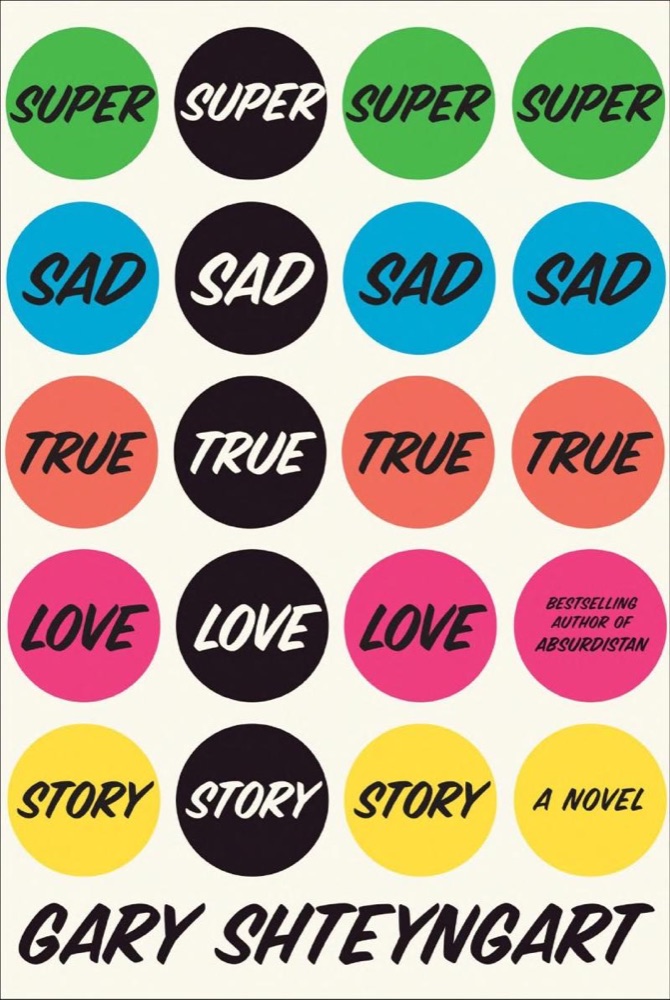 Super Sad True Love Story
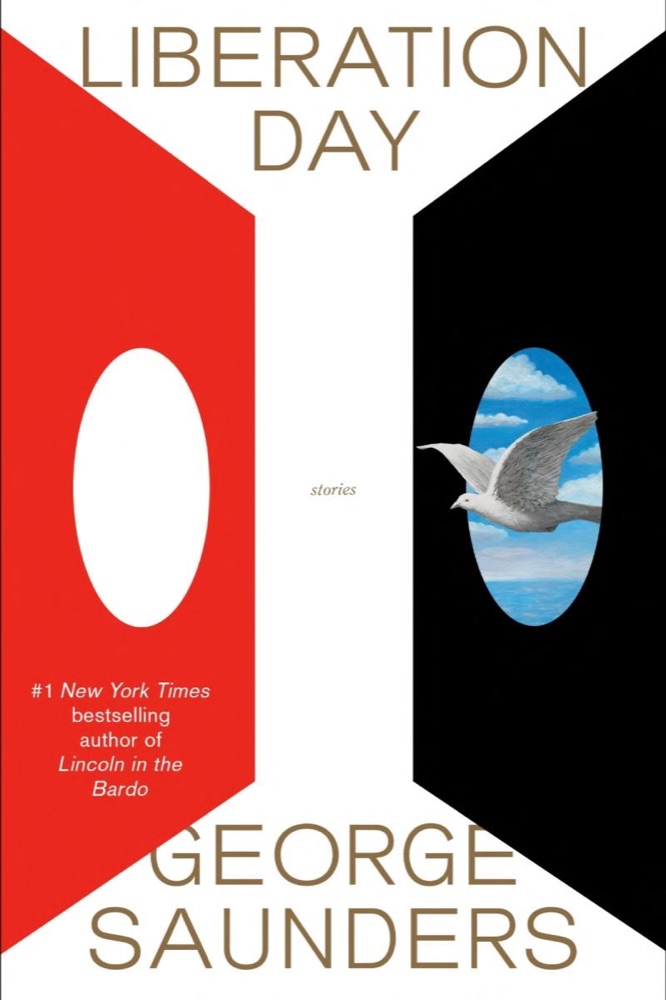 Liberation Day
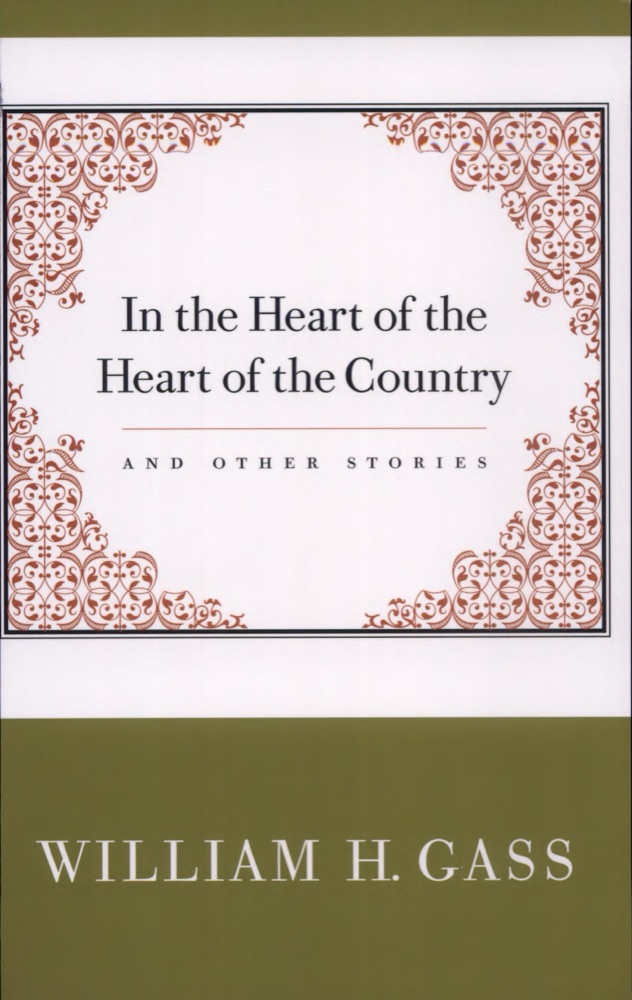 In the Heart of the Heart of the Country and Other Stories
 A Children's Bible
 Sixty Stories
 Malina
 Afterparties
 Ask the Dust
 Christmas Holiday
 The Emperor of Gladness
 Mister Pip
 Em and The Big Hoom
 All of Us: The Collected Poems
 The Wars
 The Night Diary
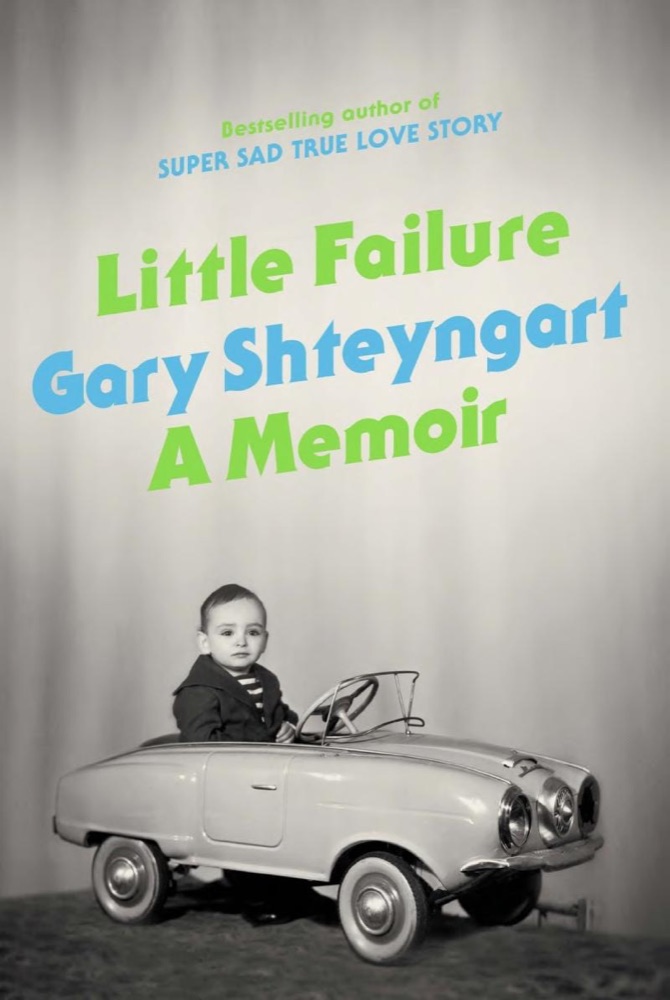 Little Failure: A Memoir
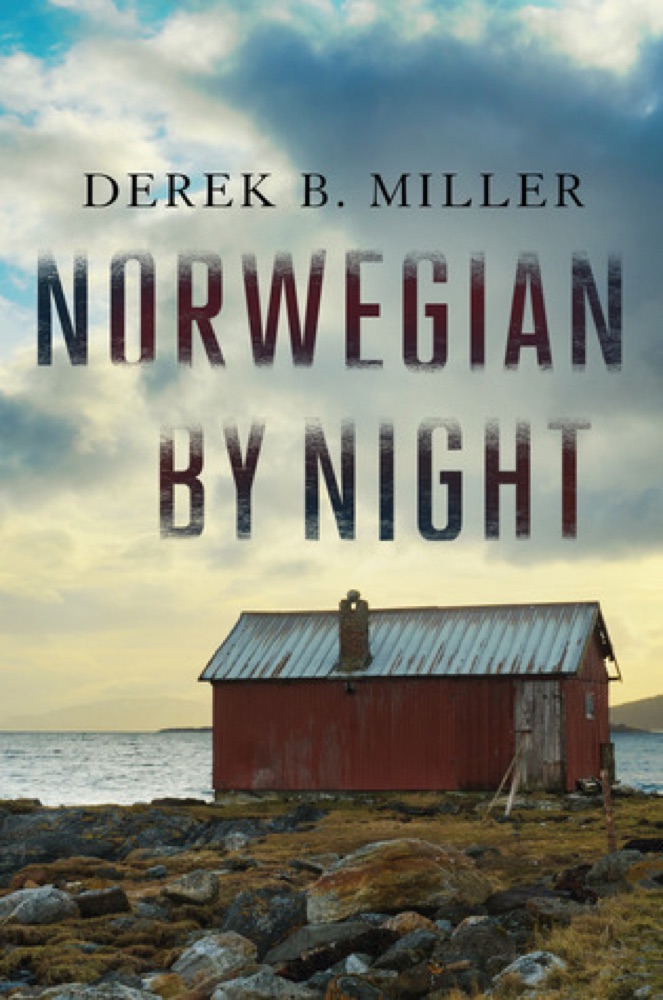 Norwegian by Night
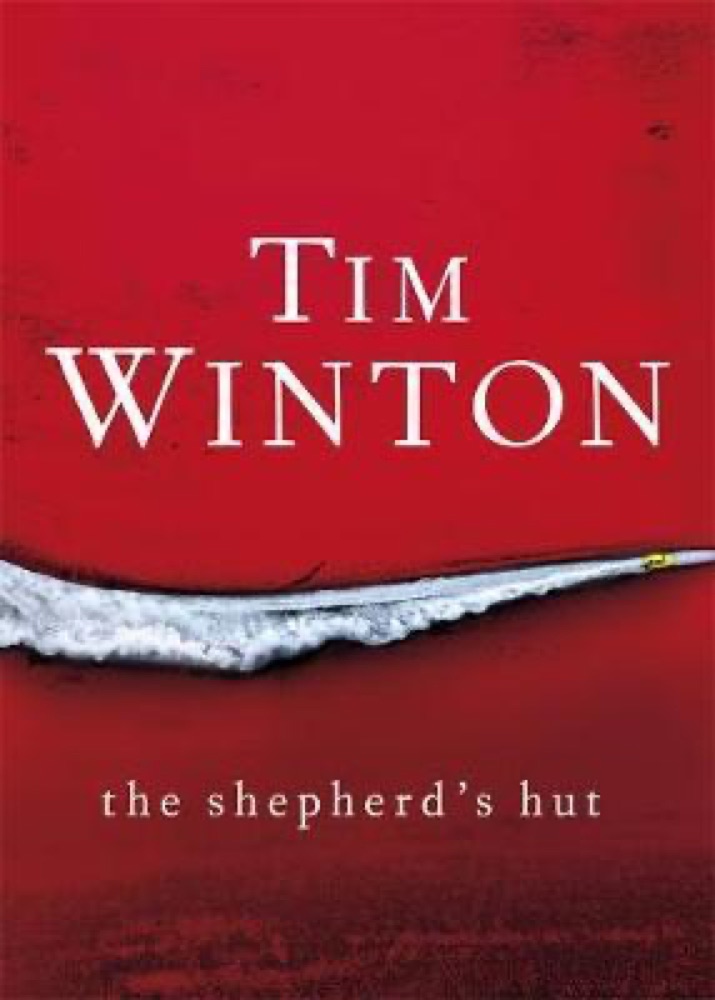 The Shepherd's Hut
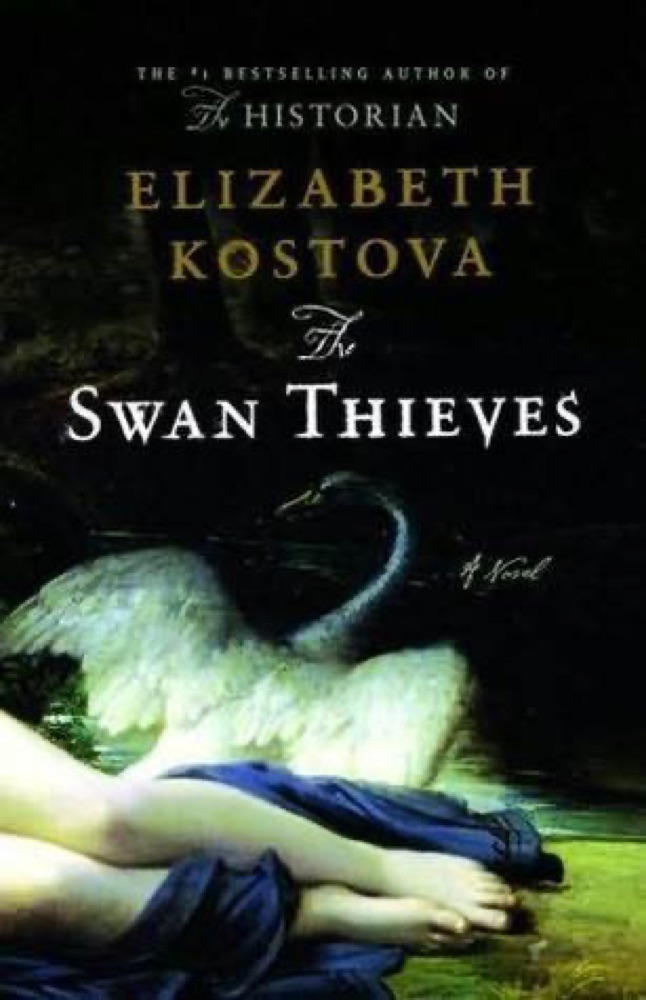 The Swan Thieves
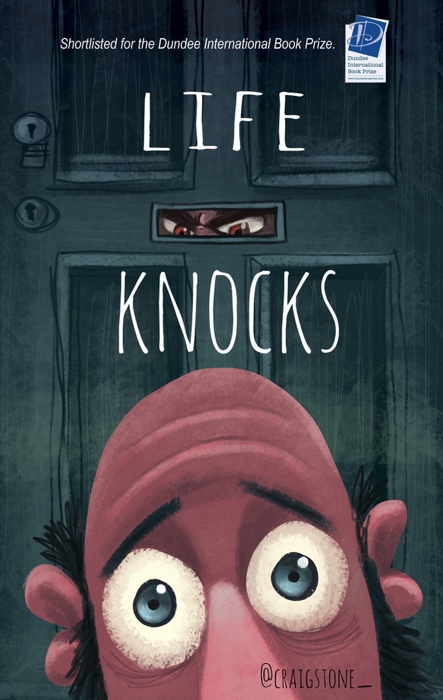 Life Knocks
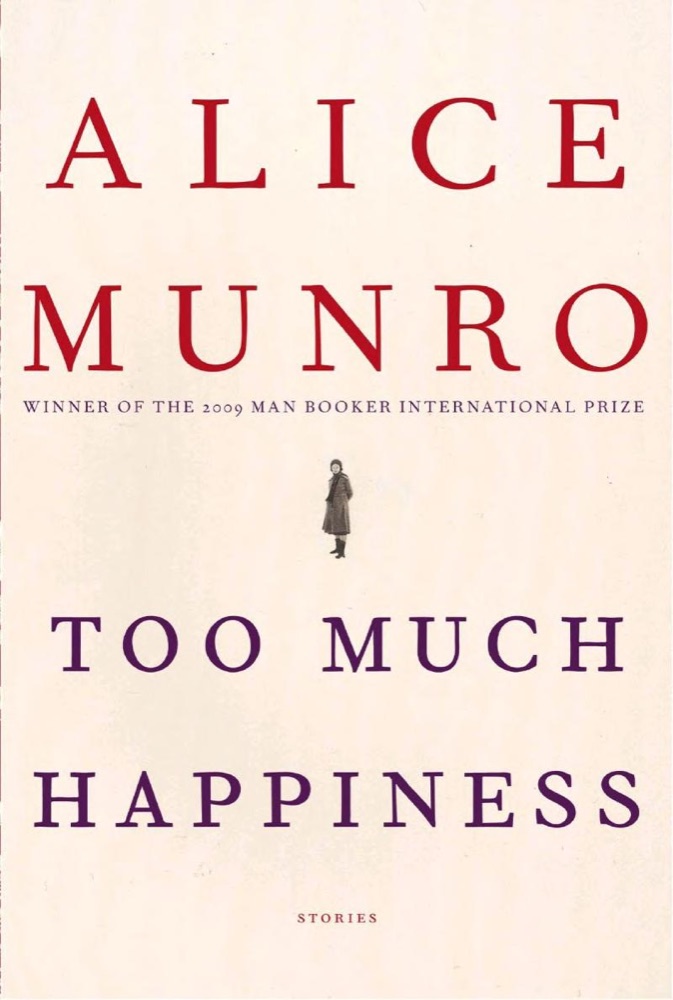 Too Much Happiness: Stories
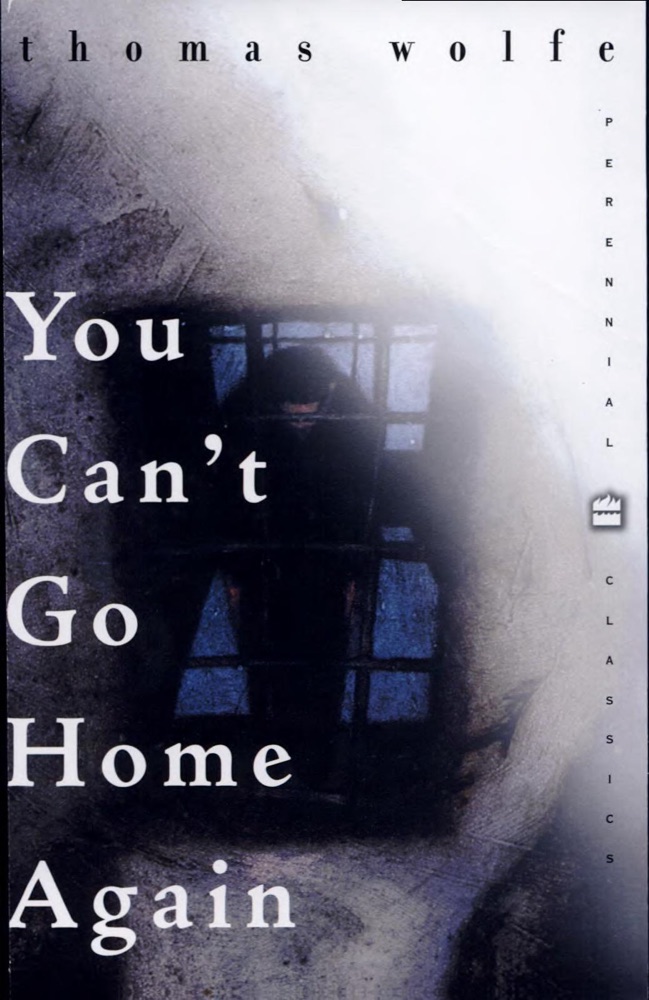 You Can't Go Home Again
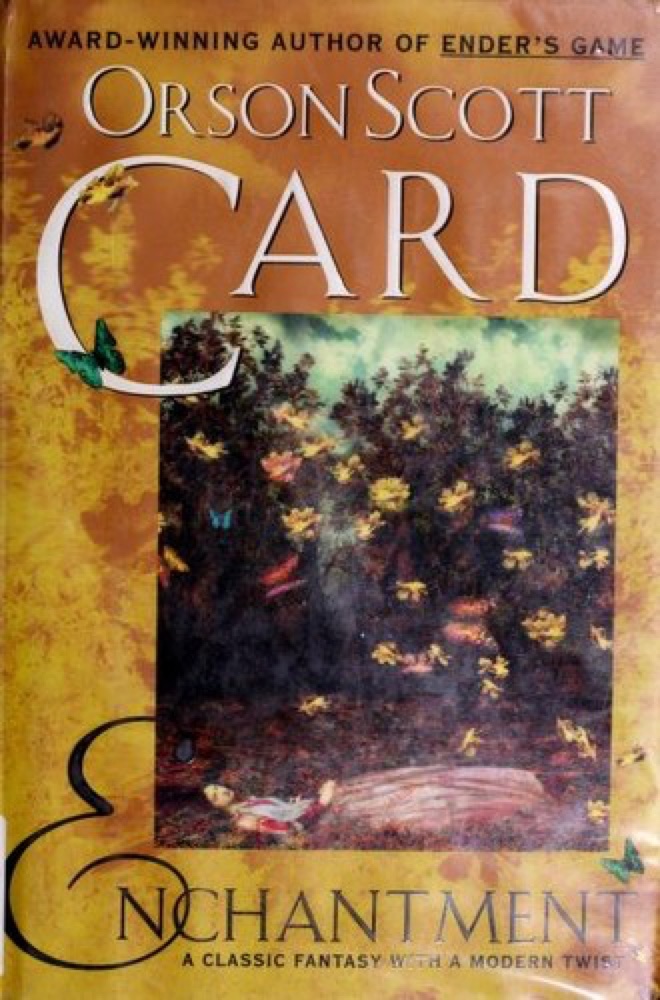 Enchantment
 When We Were Orphans
 The Twelve Chairs
 People of the Book
 Enormous Changes at the Last Minute: Stories
 Invictus
 The Name of the Wind
 Something Wicked This Way Comes
 Dream Count
 Between Shades of Gray
 What Is the What
 Bradbury Stories: 100 of His Most Celebrated Tales
 Identity
 Letters to the Lost
 A Bend in the River
 Just Above My Head
 The Colossus of Maroussi