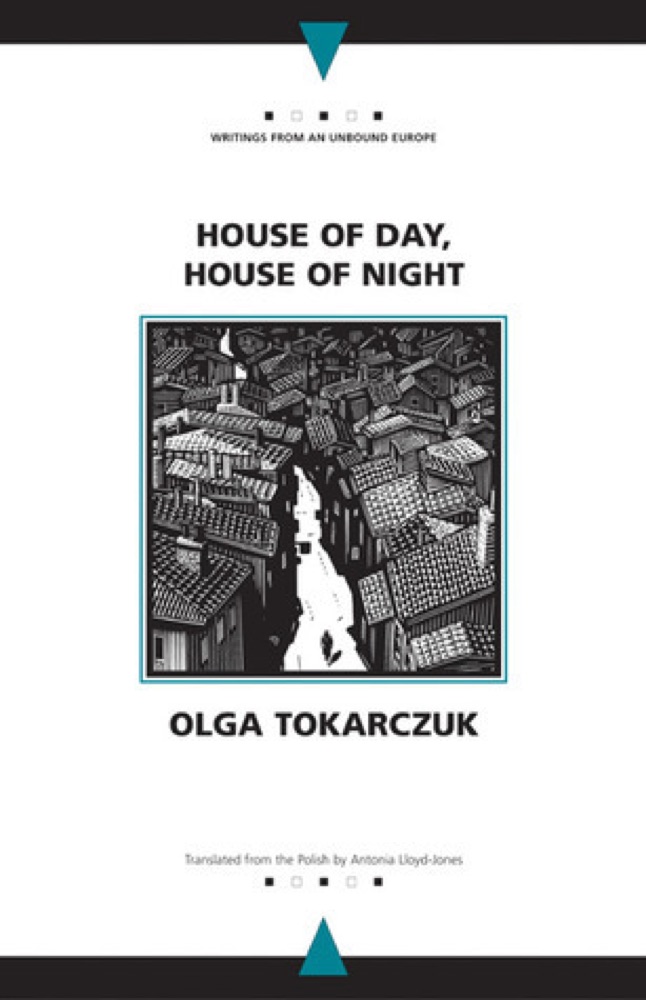

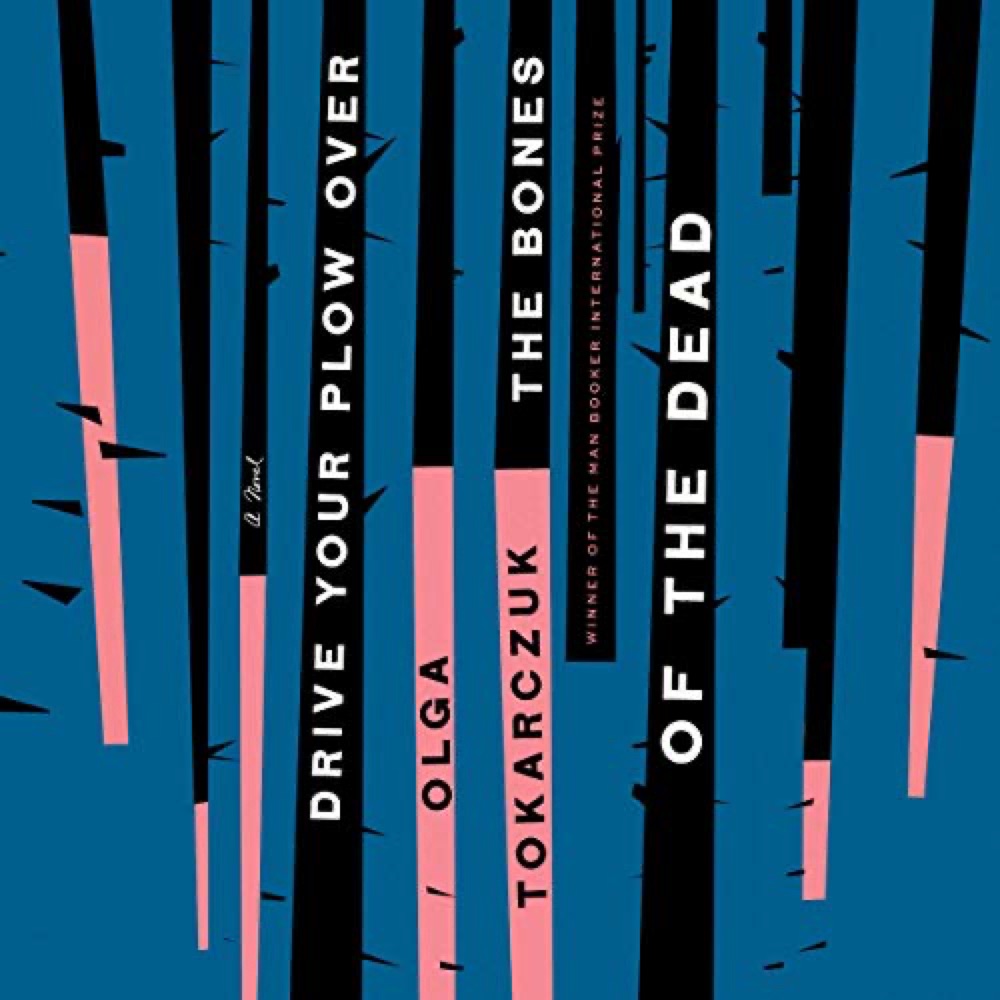
 Drive Your Plow Over the Bones of the Dead
Quotes from the Book
Speaking does harm, sows confusion and weakens things that are obvious. Speaking makes me tremble inside. I don't think I have ever said anything really important in my entire life -- there's a lack of words for the most important things anyway. (I must make a list of missing words -- top of it I'll put a verb that means something in between "I sense" and "I see.")
28
Your memory creates postcard images, but it doesn't really comprehend the world at all. That's why a landscape is so affected by the mood of the person looking at it. In it a person sees his own inner, transitory moments. Wherever he looks, he sees nothing but himself.
25
Jaka to rozkosz, jaka słodycz życia – siedzieć w chłodnym domu, pić herbatę, pogryzać ciasto i czytać. Przeżuwać długie zdania, smakować ich sens, odkrywać nagle w mgnieniu sens głębszy, zdumiewać się nim i pozwalać sobie zastygać z oczami wklejonymi w prostokąt szyby. Herbata stygnie w delikatnej filiżance; nad jej powierzchnią unosi się koronkowy dymek, który znika w powietrzu zostawiając ledwie uchwytny zapach. Sznureczki liter na białej stronie książki dają schronienie oczom, rozumowi, całemu człowiekowi. Okruszki ciasta wysypują się na serwetę, zęby dzwonią leciutko o porcelanę. W ustach zbiera się ślina, bo mądrość jest apetyczna jak drożdżowe ciasto, ożywiająca jak herbata.
5
Quite out of the blue a bizarre and compelling idea came into my head today: that we have ended up as human beings through forgetfulness, through lack of attention, and that in reality we are creatures participating in a vast, cosmic battle that has probably been going on since time immemorial and which, for all we know, may never end. All we see of it are glimmers, in blood-red moons, in fires and gales, in frozen leaves that fall in October, in the jittery flight of a butterfly, in the irregular pulse of time that can lengthen a night into infinity or come to a violent stop each day at noon. I am actually an angel or a demon sent into the turmoil of one life on a sort of mission, which is either carrying itself out without my help, or else I have totally forgotten about it. This forgetfulness is part of the war--it's the other side's weapon, and they've attacked me with it so that I'm wounded, invalided out of the game for a while. As a result, I don't know how powerful or how weak I am--I don't know anything about myself because I can't remember anything, and that's why I don't try to look for either weakness or power in myself. It's an extraordinary feeling--to imagine that somewhere deep inside, you are someone completely different from the person you always thought you were. But it didn't make me feel anxious, just relieved, finally free of a kind of weariness that used to permeate my life.
2
This was how the end must look. No deluge, no rains of fire, no Auschwitz, no comet. This is how the world will look when God has deserted it, whoever he is. Like an abandoned house, everything coated in cosmic dust, muggy and steeped in silence. Everything living will congeal and grow mold in the light that has no pulse and therefore is dead. In this spectral light everything will crumble.
2
Jak wygląda świat, kiedy życie staje się tęsknotą? Wygląda papierowo, kruszy się w palcach, rozpada. Każdy ruch przygląda się sobie, każda myśl przygląda się sobie, każde uczucie zaczyna się i nie kończy, i w końcu sam przedmiot tęsknoty staje się papierowy i nierzeczywisty. Tylko tęsknienie jest prawdziwe, uzależnia. Być tam, gdzie się nie jest, mieć to, czego się nie posiada, dotykać kogoś, kto nie istnieje. Ten stan ma naturę falującą i sprzeczną w sobie. jest kwintesencją życia i jest przeciwko życiu. Przenika skórę do mięśni i kości, które zaczynają odtąd istnieć boleśnie. Nie boleć. Istnieć boleśnie – to znaczy, że podstawą ich istnienia był ból. Toteż nie ma od takiej tęsknoty ucieczki. Trzeba by uciec poza własne ciało, a nawet poza siebie. Upijać się? Spać całe tygodnie? Zapamiętywać się w aktywności aż do amoku? Modlić się nieustannie?
2
People are built like houses inside- they have stairwells, spacious halls, vestibules that are always too weakly lit to count the doors into the rooms, row upon row of apartments, damp chambers, slimy, tiled bathrooms with cast-iron baths, steps with handrails taut as veins, artery-like corridors, joint-like landings, passages, guest rooms, draughty chambers into which a sudden current of warm air flows, closets, twists and turns and cubby-holes, and larders full of forgotten supplies.
2
jeżeli ktoś zaczyna zdanie od słowa "zawsze", to znaczy, ze stracił kontakt ze światem, i że mówi o sobie
2
Whenever people say “everything,” “always,” “never,” “every,” they’re really only talking about themselves—in the real world such generalities don’t exist.
1
I told Marta that each of us has two homes — one actual home with a fixed location in time and space, and a second that is infinite, with no address and no chance of being immortalized in architectural plans — and that we live in both of them simultaneously.
1
He saw a valley, over which hung a low, orange sky. All the lines of this world were indistinct and the shadows were blurred, cast by some alien light. In the valley there were no houses, no traces of humanity, not a single clump of nettles or a wild currant bush was growing. There was no stream, though the place where one used to be was overgrown with thick, hard, tawny grass, like a scar. There was no day in this world, and no night either. The orange sky kept shining all the time - neither warm nor cold, motionless and indifferent. The hill was still covered in forest, but when he looked at it closely he could see that it was dead; at some point it had hardened and turned to stone. Pinecones hung on the spruce trees, and their branches were still covered in ashen needles, because there was no wind to scatter them. He had a terrible foreboding that if an sort of movement were to occur in this landscape the forest would come crashing down and turn to dust.
1
Każda taka rozmowa wyczerpywała się sama i siedziałyśmy obok siebie na schodkach jej domu albo na moim tarasie, na metalowych krzesłach, które od zeszłorocznych deszczy zaczęły rdzewieć. Milczenie, jakie się między nami zasiało, milczenie-samosiejka rozrastało się na wszystkie strony, łapczywie zabierając nam przestrzeń. Nie było już czym oddychać. A im dłużej milczałyśmy, tym mniej możliwe stawało się wypowiedzenie jakiegokolwiek słowa, tym odleglejsze i mniej ważne wydawały się wszelkie możliwe tematy. Takie milczenie bywało aksamitne, ciepłe jak styropian, było miłe w dotyku i suche, było jedwabne. Ale czasem bałam się, że Marta może nie czuć tego co ja i zamachnie się na tę naszą ciszę jakimś nieopatrznym „No tak…” albo „Tak to jest…”, albo nawet czystym, niewinnym westchnieniem. I ten strach zaczynał mi psuć całą przyjemność z milczenia, bo stawałam się mimowolnie jego strażnikiem, a więc i jego więźniem, i naprężałam się gdzieś w środku, jeżyłam na oczekiwany z niepokojem moment, że coś gładko cudownego, coś niewymuszenie oczywistego stanie się nieznośne i kiedyś się wreszcie skończy. I cóż sobie wtedy powiemy, Marto? Ale Marta okazywała się zawsze mądrzejsza ode mnie. Wstawała bezszelestnie i niezauważalnie odchodziła do swojego rabarbaru, do peruk trzymanych w tekturowych pudełkach, a nasza wspólnie wypielęgnowana roślina, nasza wspólna cisza rozciągała się w ślad za nią i było jej jeszcze więcej niż przedtem, jeszcze potężniej rosła. Wtedy zostawałam w niej sama, dwuwymiarowa, bez właściwości, w półistnieniu, które mogło być tylko rozwleczonym w czasie olśnieniem.
1
– Wcale nie trzeba wychodzić z domu, żeby poznać świat – powiedziała nagle Marta, gdy obierałyśmy groszek na schodach przed jej domem. Zapytałam, jak. Może myślała o czytaniu książek, oglądaniu wiadomości, słuchaniu Radia Nowa Ruda, włóczeniu się po Internecie, przeglądaniu gazet, chodzeniu na plotki do sklepu. Ale Marta miała na myśli bezowocność podróży. W podróżach trzeba zajmować się sobą, żeby dać sobie radę, patrzeć na siebie i na to, jak pasuje się do świata. Jest się skupionym na sobie, myśli się o sobie, sobą opiekuje. W podróżach zawsze w końcu natyka się na siebie, jakby się samemu było ich celem. We własnym domu po prostu się jest, nie trzeba z niczym walczyć ani niczego zdobywać. Nie trzeba pilnować połączeń kolejowych, rozkładów jazdy, nie trzeba zachwytów i rozczarowań. Można siebie samego zawiesić na kołku, a wtedy widzi się najwięcej.
1
Z jakichś względów ludzie nie potrafią wyobrażać sobie końców, nie tylko końców rzeczy wielkich, ale nawet najmniejszych. Może samo wyobrażanie sobie czegokolwiek wyczerpuje jakoś rzeczywistość; może ona nie chce być wyobrażana w głowach ludzi, może chce być wolna, jak zbuntowany nastolatek, i to właśnie dlatego zawsze jest inaczej, niż można to było sobie wyobrazić.
1
Kiedy sny powtarzają zdarzenia z przeszłości, kiedy ją międlą, zmieniają w obrazy, przesypują przez sita znaczeń, zaczyna mi się wydawać, że przeszłość tak samo jak przyszłość na zawsze pozostanie nieodgadniona i nieznana. To, że coś przeżyłam, wcale nie znaczy, że poznałam tego znaczenie. Dlatego tak samo boję się o przeszłość, jak i o przyszłość. Niechby się okazało, że coś, co znałam i uważałam do tej pory za stałe i pewne, mogło się dziać z zupełnie innej przyczyny i w sposób, jakiego nie podejrzewałam. Że prowadziło mnie ku czemu innemu, a ja nie odkryłam kierunku, że byłam ślepa, że spałam. Co pocznę ze swoim teraz?
1
He saw it. Not in front, or behind him, just somewhere out in the darkness. It was huge and powerful. The whiteness of its fur gleamed in the light of the snow. 'Wolf, in the name of the Polish border I beg you to spare my life,' he said into the darkness. The wolf stopped behind him, wondering.
1
Life is beautiful, despite the terrible things other people say about it.
When dreams repeat events from the past, when they mangle them, turn them into images, and sift them through a web of meanings, I start to fear that the past, just like the future, will remain obscure and inscrutable forever. The fact that I have experienced something doesn’t mean I have understood it. Suppose it turned out that something I thought I knew about and had always regarded as fixed and certain might have happened for a completely different reason and in a way I had never suspected. That it had led me to the wrong conclusion, and that I had failed to go in the right direction because I was blind, or asleep.
The one advantage to emerge from this is that the world seen from a different viewpoint is a different world, so I can live in as many worlds as I am able to see.
Marta creates a typology Marta and I went to pick wild chamomile for drying. Despite the heat wave
When you’re traveling you have to take care of yourself in order to get by
Readers are advised that some of the recipes in this book should carry the health warning
Only succumb to those adventures that you think worthwhile.
For some reason people are unable to imagine endings, the ends not only of momentous events, but even of the most minor ones. Perhaps, the very effort of imagining something has the effect of exhausting reality; perhaps it doesn't want to be imagined, maybe it wants to be free, like a rebellious teenager, and that's why it's always different from how we might imagine it.
Watch on YouTube
About Olga Tokarczuk
We have collected 130 quotes from 5 books by Olga Tokarczuk on BookQuoters.
More about the author →More by Olga Tokarczuk
About the book
The English translation of the prize-winning international bestseller Winner of the Gunter Grass Prize
Nowa Ruda is a small town in Silesia, an area that has been a part of Poland, Germany, and the former Czechoslovakia in the past. When the narrator moves into the area, she discovers everyone--and everything--has a story. With the help of Marta, her enigmatic neighbor, the narrator accumulates these stories, tracing the history of Nowa Ruda from the its founding to the lives of its saints, from the caller who wins the radio quiz every day to the man who causes international tension when he dies straddling the border between Poland and Czechoslovakia.
Each of the stories represents a brick and they interlock to reveal the immense monument that is the town. What emerges is the message that the history of any place--no matter how humble--is limitless, that by describing or digging at
Book details
- First published
- 1998
- Author
- Olga Tokarczuk
- Genre
- Fiction
- Goodreads rating
- 4.02 (10k ratings)
The buzz
- The New York TimesReview in The New York Timesprofessional review (via Book Marks)
- Kirkus ReviewsReview in Kirkus Reviewsprofessional review (via Book Marks)
- Publishers WeeklyReview in Publishers Weeklyprofessional review (via Book Marks)
- The Boston GlobeReview in The Boston Globeprofessional review (via Book Marks)
- BooklistReview in Booklistprofessional review (via Book Marks)
- BookPageReview in BookPageprofessional review (via Book Marks)
Keep reading
 Spaceman of Bohemia
 Primeval and Other Times
 The Empusium
 Flights
 The Complete Stories
 Plainwater: Essays and Poetry
 The Complete Short Stories
 The Shadow of the Sun
 FUTU.RE
 Autumn
 Malina
 We Do Not Part
 Memories, Dreams, Reflections
 Waking Lions
 Rooftops of Tehran
 All That I Am
 The Appointment
 The Gray House
 Soul Mountain
 Selected Stories
 Chrzest ognia
 The Notebooks of Malte Laurids Brigge
 All That Man Is
 Travels with Herodotus
 Smilla's Sense of Snow
 A General Theory of Oblivion
 Hardboiled & Hard Luck
 The Taiga Syndrome
 Traveler of the Century
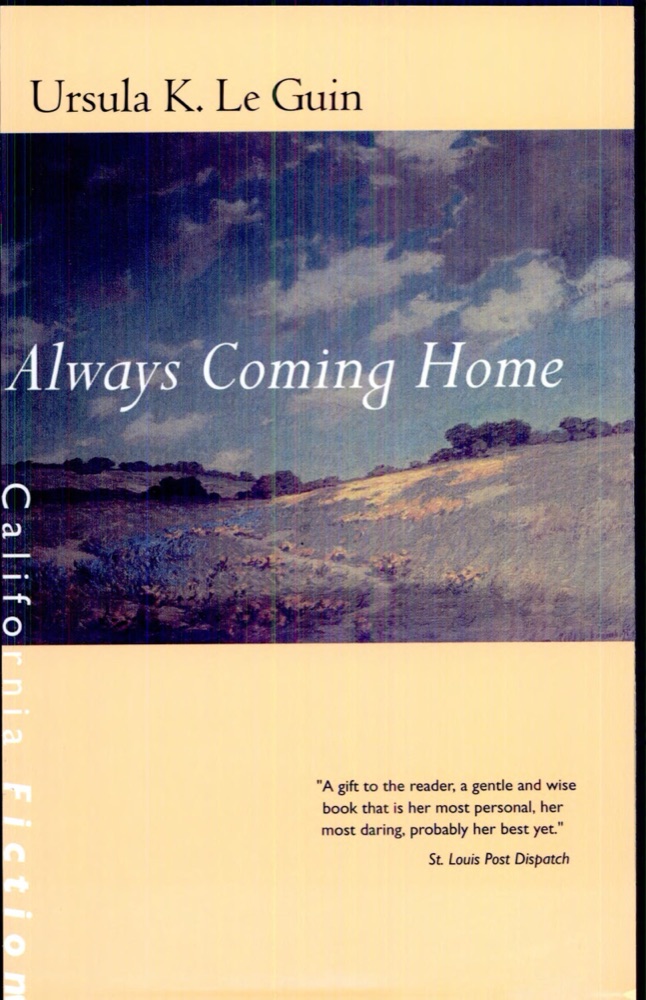 Always Coming Home
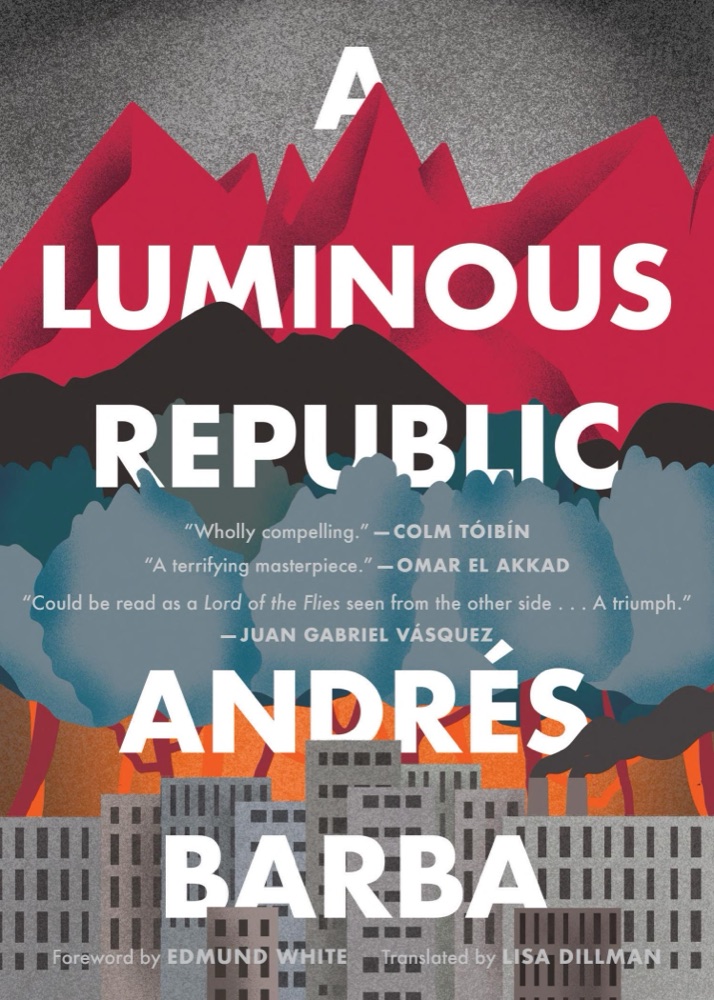 A Luminous Republic
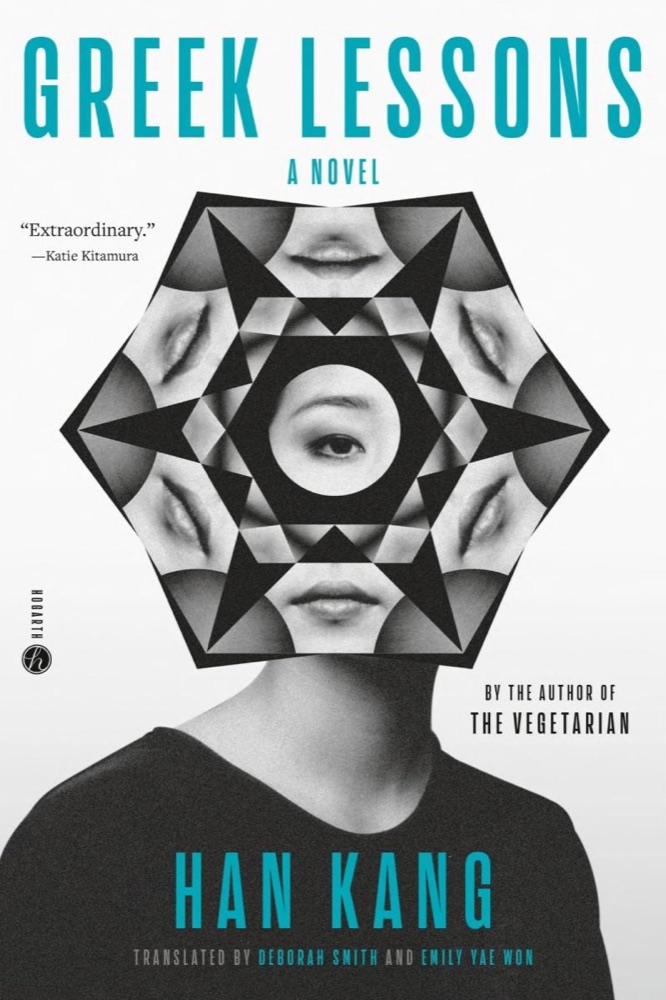 Greek Lessons
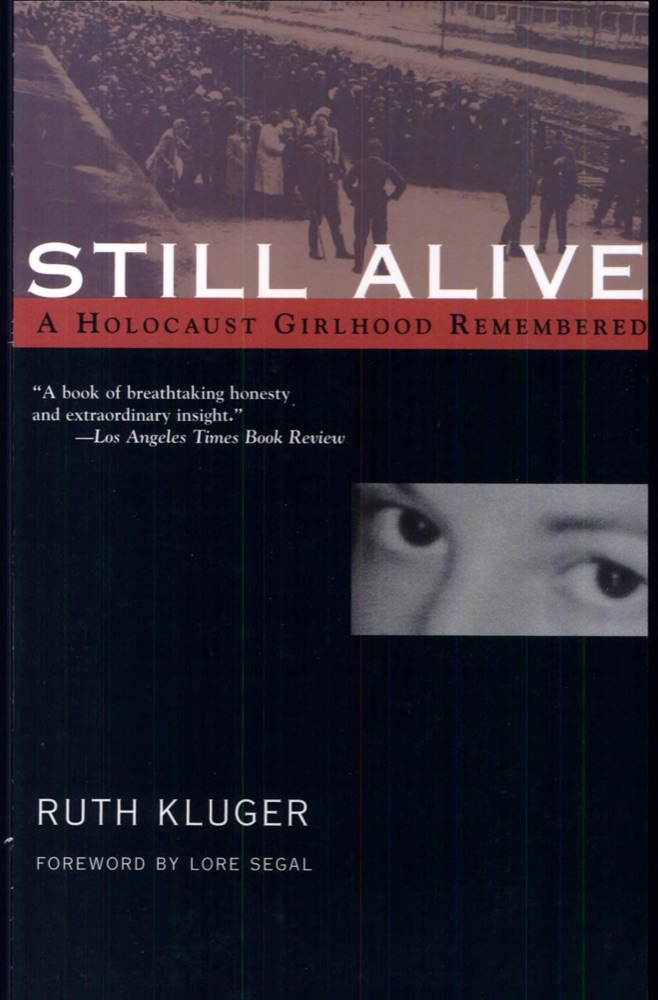 Still Alive: A Holocaust Girlhood Remembered
 Concrete
 Atemschaukel
 Poems New and Collected
 Black Spring
 The Temple of the Golden Pavilion
 The Way of the World
 Under Western Eyes
 View with a Grain of Sand: Selected Poems
 Independent People
 Kafka on the Shore
 The Mysterious Flame of Queen Loana
 A Woman in Berlin: Eight Weeks in the Conquered City: A Diary
 The Adventures of China Iron
 Selected Stories of Anton Chekhov
 Sea of Silver Light
 The Devil in the Flesh
 Identity
 Rosewater
 The Book of Chameleons
 Hallucinating Foucault
 Winter
 Night Train to Lisbon
 Cosmos
 Mutant Message Down Under
 Zeno's Conscience
 The Enchanted