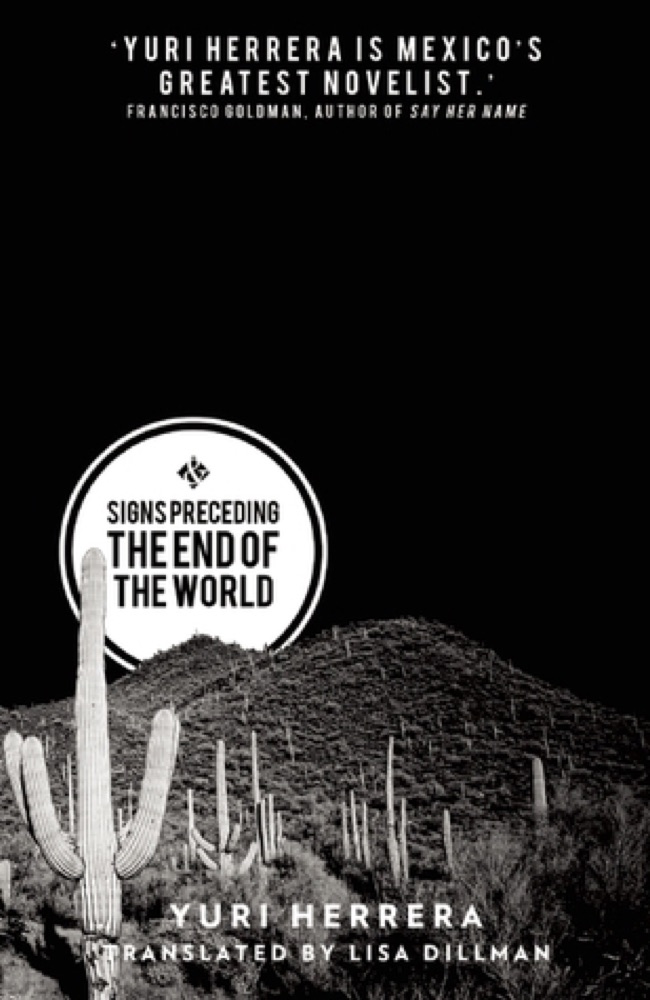

 Kingdom Cons
Quotes from the Book
We are to blame for this destruction, we who don’t speak your tongue and don’t know how to keep quiet either. We who didn’t come by boat, who dirty up your doorsteps with our dust, who break your barbed wire. We who came to take your jobs, who dream of wiping your shit, who long to work all hours. We who fill your shiny clean streets with the smell of food, who brought you violence you’d never known, who deliver your dope, who deserve to be chained by neck and feet. We who are happy to die for you, what else could we do? We, the ones who are waiting for who knows what. We, the dark, the short, the greasy, the shifty, the fat, the anemic. We the barbarians.
35
Nosotros somos los culpables de esta destrucción, los que no hablamos su lengua ni sabemos estar en silencio. Los que no llegamos en barco, Los que ensuciamos de polvo sus portales, los que rompemos sus alambradas. Los que venimos a quitarles el trabajo, los que aspiramos a limpiar su mierda, los que anhelamos trabajar a deshoras. los que llenamos de olor a comida sus calles tan limpias, los que les trajimos violencia que no conocían, los que transportamos sus remedios, los que merecemos ser amarrados del cuello y los pies; nosotros, a los que no nos importa morir por ustedes, ¿cómo podía ser de otro modo? Los que quién sabe qué aguardamos. Nosotros los oscuros, los chaparros, los grasientos, los mustios, los obesos, los anémicos. Nosotros, los bárbaros.
12
I’m dead, Makina said to herself when everything lurched: a man with a cane was crossing the street, a dull groan suddenly surged through the asphalt, the man stood still as if waiting for someone to repeat the question and then the earth opened up beneath his feet: it swallowed the man, and with him a car and a dog, all the oxygen around and even the screams of passers-by. I’m dead, Makina said to herself, and hardly had she said it than her whole body began to contest that verdict and she flailed her feet frantically backward, each step mere inches from the sinkhole, until the precipice settled into a perfect circle and Makina was saved. Slippery bitch of a city, she said to herself. Always about to sink back into the the cellar.
8
...pero tenía la impresión de haber soñado dos ciudades perdidas: literalmente: ciudades perdidas dentro de otras ciudades perdidas, deambulando todas sobre una superficie impenetrable
7
Makina had never seen snow before and the first thing that struck her as she stopped to watch the weightless crystals raining down was that something was burning. One came to perch on her eyelashes; it looked like a stack of crosses or the map of a palace, a solid and intricate marvel at any rate, and when it dissolved a few seconds later she wondered how it was that some things in the world — some countries, some people — could seem eternal when everything was actually like that miniature ice palace: one-of-a-kind, precious, fragile.
6
Their gestures and tastes reveal both ancient memory and the wonderment of a new people. And then they speak. They speak an intermediary tongue that Makina instantly warms to because it’s like her: malleable, erasable, permeable; a hinge pivoting between two like but distant souls, and then two more, and then two more, never exactly the same ones; something that serves as a link. More than the midpoint between homegrown and anglo their tongue is a nebulous territory between what is dying out and what is not yet born….a shrewd metamorphosis, a self-defensive shift …. if you say Give me fire when they say Give me a light, what is not to be learned about fire, light and the act of giving? It’s not another way of saying things: these are new things. The world happening anew, Makina realizes: promising other things, signifying other things, producing different objects.
6
They might be talking in perfect latin tongue and without warning begin to talk in perfect anglo tongue and keep it up like that, alternating between a thing that believes itself to be perfect and a thing that believes itself to be perfect, morphing back and forth between two beasts until out of carelessness or clear intent they suddenly stop switching tongues and start speaking that other one. In it brims nostalgia for the land they left or never knew when they use the words with which they name objects; while actions are alluded to with an anglo verb conjugated latin-style, pinning on a sonorous tail from back there. Using in one tongue the word for a thing in the other makes the attributes of both resound: if you say Give me fire when they say Give me a light, what is not to be learned about fire, light and the act of giving? It’s not another way of saying things: these are new things
5
First there was nothing. Nothing but a frayed strip of cement over the white earth. Then she made out two mountains colliding in the back of beyond: like they'd come from who knows where and were headed to anyone's guess but had come together at that intense point in the nothingness and insisted on crashing noisily against each other, though the oblivious might think they simply stood there in silence.
3
Rucksacks. What do people whose life stops here take with them? Makina could see their rucksacks crammed with time. Amulets, letters, sometimes a huapango violin, sometimes a jaranera harp. Jackets. People who left took jackets because they’d been told that if there was one thing they could be sure of over there, it was the freezing cold, even if it was desert all the way. They hid what little money they had in their underwear and stuck a knife in their back pocket. Photos, photos, photos. They carried photos like promises but by the time they came back they were in tatters.
3
They play, said the old man. Every week the anglos play a game to celebrate who they are. He stopped, raised his cane and fanned the air. One of them whacks it, then sets off like it was a trip around the world, to every one of the bases out there, you know the anglos have bases all over the world, right? Well the one who whacked it runs from one to the next while the others keep taking swings to distract their enemies, and if he doesn't get caught he makes it home and his people welcome him with open arms and cheering.
3
and all of her memory, she truly understood, and when everything in the world fell silent finally said to herself I’m ready.
2
Makina could never be sure of what she’d dreamed, in the same way that she couldn’t be sure a place was where the map said it was until she’d gotten there, but she had the feeling she’d dreamed of lost cities: literally, lost cities inside other lost cities, all ambulating over an impenetrable surface.
2
And when she arrived and saw what she’d come to find it was sheer emptiness.
1
The city was an edgy arrangement of cement particles and yellow paint. Signs prohibiting things thronged the streets, leading citizens to see themselves as ever protected, safe, friendly, innocent, proud, and intermittently bewildered, blithe, and buoyant; salt of the
1
Makina spoke all three, and knew how to keep quiet in all three, too.
1
They want to live forever but still can't see that for that to work they need to change color and number. But it's already happening.
1
He leaned in toward her, and as he gave her a hug said Give Cora a kiss from me. He said it the same way he gave her the hug, like it wasn't his sister he was hugging, like it wasn't his mother he was sending a kiss to, but just a polite platitude. Like he was ripping out her heart, like he was cleanly extracting it and placing it in a plastic bag and storing it in the refrigerator to eat later.
1
All families had started off in some mysterious waay: to repopulate the earth, or by accident, or by force, or out of boredom; and it's all a mystery what each will become.
1
You are the door, not the one who walks through it.
Who knows if they’ll last, who knows if these names will be adopted by all, she thinks, but there they are, doing their damnedest.
Using in one tongue the word for a thing in the other makes the attributes of both resound: if you say Give me fire when they say Give me a light, what is not to be learned about fire, light and the act of giving? It’s not another way of saying things: these are new things. The world happening anew, Makina realizes: promising other things, signifying other things, producing different objects.
Makina had no idea what so-called respectable people were referring to when they talked about Family. She's known families that were truncated, extended, bitter, friendly, guileful, doleful, hospitable, ambitious, but never had she known a Happy Family of the sort people talked about, the sort so many swore to defend; all of them were more than just one thing, or they were all the same thing but in completely different ways: none were only the fun-loving or solely stingy, and the stories that made any two laugh had nothing in common. She'd seen people who'd run off to save their families and others who'd run off to be saved from them. Families full of endless table chat as easygoing as families that loved each other without words.
You're going to cross and you're going to get your feet wet and you're going to be up against real roughnecks; you'll get desperate, of course, but you'll see wonders and in the end you'll find your brother, and even if you're sad, you'll wind up where you need to be.
That must be why they're so happy, and don't mind imitating people who've always despised them. Or perhaps they just want the papers, she said to herself, any kind of papers, even if it's only to fit in; maybe being different gets old after a while.
but a second—or many—later she stopped feeling the weight of uncertainty and guilt;
I guess that’s what happens to everybody who comes, he continued. We forget what we came for, but there’s this reflex to act like we still have some secret plan.
Watch on YouTube
About Yuri Herrera
We have collected 46 quotes from 3 books by Yuri Herrera on BookQuoters.
More about the author →More by Yuri Herrera
Kingdom Cons
 The Transmigration of Bodies
About the book
Winner of the 2016 Best Translated Book Award for Fiction
Signs Preceding the End of the World is one of the most arresting novels to be published in Spanish in the last ten years. Yuri Herrera does not simply write about the border between Mexico and the United States and those who cross it. He explores the crossings and translations people make in their minds and language as they move from one country to another, especially when there’s no going back.
Traversing this lonely territory is Makina, a young woman who knows only too well how to survive in a violent, macho world. Leaving behind her life in Mexico to search for her brother, she is smuggled into the USA carrying a pair of secret messages – one from her mother and one from the Mexican underworld.
Book details
- First published
- 2009
- Author
- Yuri Herrera
- Genre
- Fiction
- Goodreads rating
- 3.88 (17k ratings)
The buzz
- The GuardianReview in The Guardianprofessional review (via Book Marks)
- Publishers WeeklyReview in Publishers Weeklyprofessional review (via Book Marks)
- AsymptotejournalReview in Asymptotejournalprofessional review (via Book Marks)
- HuffingtonpostReview in Huffingtonpostprofessional review (via Book Marks)
- TherumpusReview in Therumpusprofessional review (via Book Marks)
- BookslutReview in Bookslutprofessional review (via Book Marks)
Keep reading
 The Ministry of Utmost Happiness
 A Memory Called Empire
 Last Night in Montreal
 Ammonite
 Mexican Gothic
 Out of Oz
 Birds of America
 The Water Knife
 Liesl & Po
 What Strange Paradise
 The Adventures of China Iron
 A Conjuring of Light
 Wanderers
 The Ground Beneath Her Feet
 Plainwater: Essays and Poetry
 No One Is Talking About This
 The Djinn Waits a Hundred Years
 House Made of Dawn
 What We All Long For
 The Promise
 Sea of Silver Light
 Homeseeking
 Gold Fame Citrus
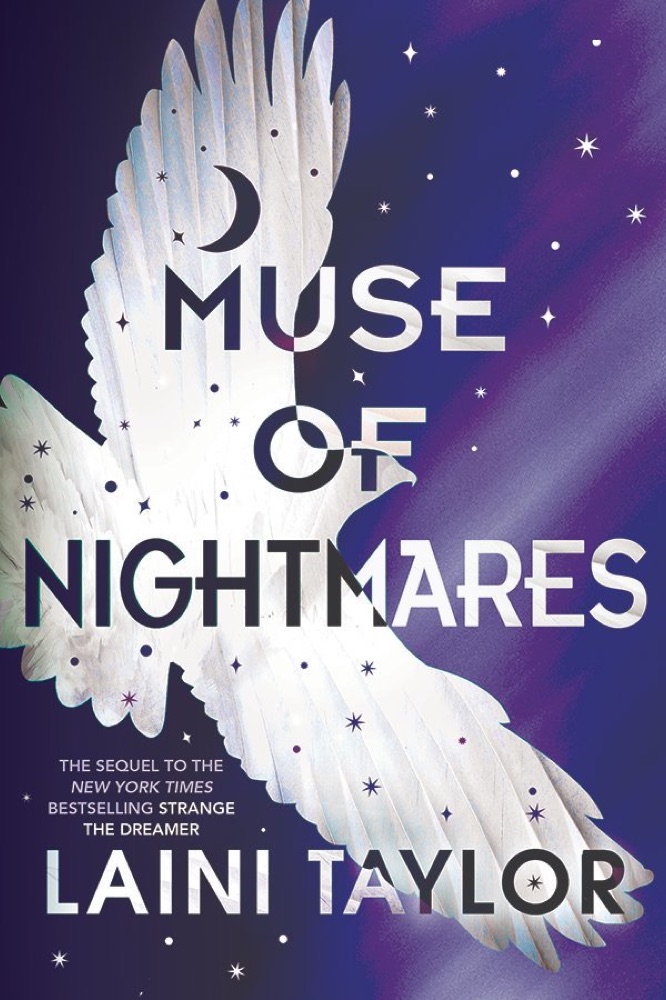 Muse of Nightmares
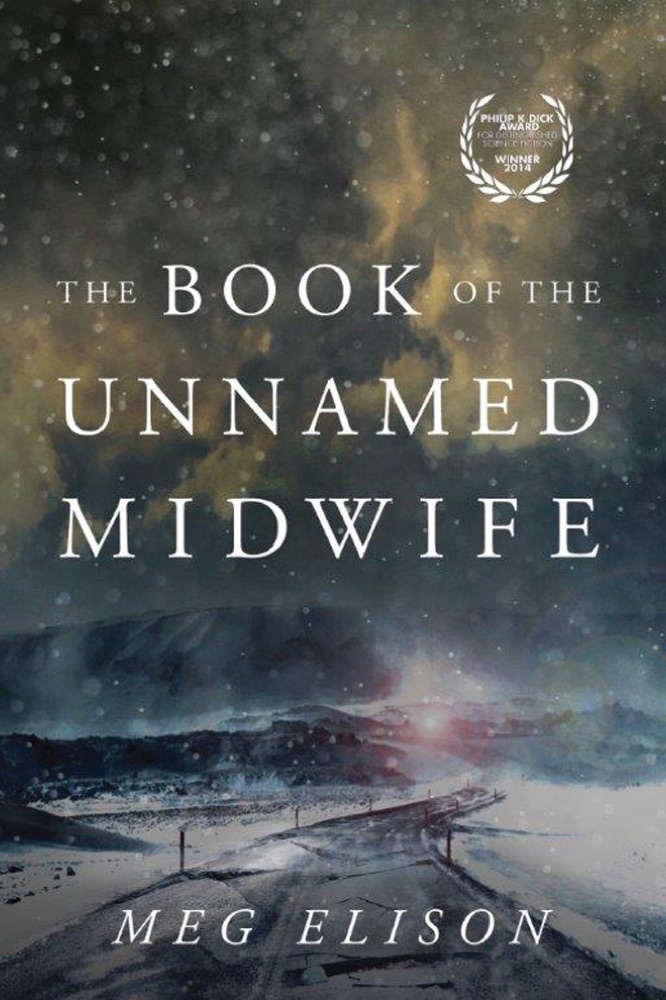 The Book of the Unnamed Midwife
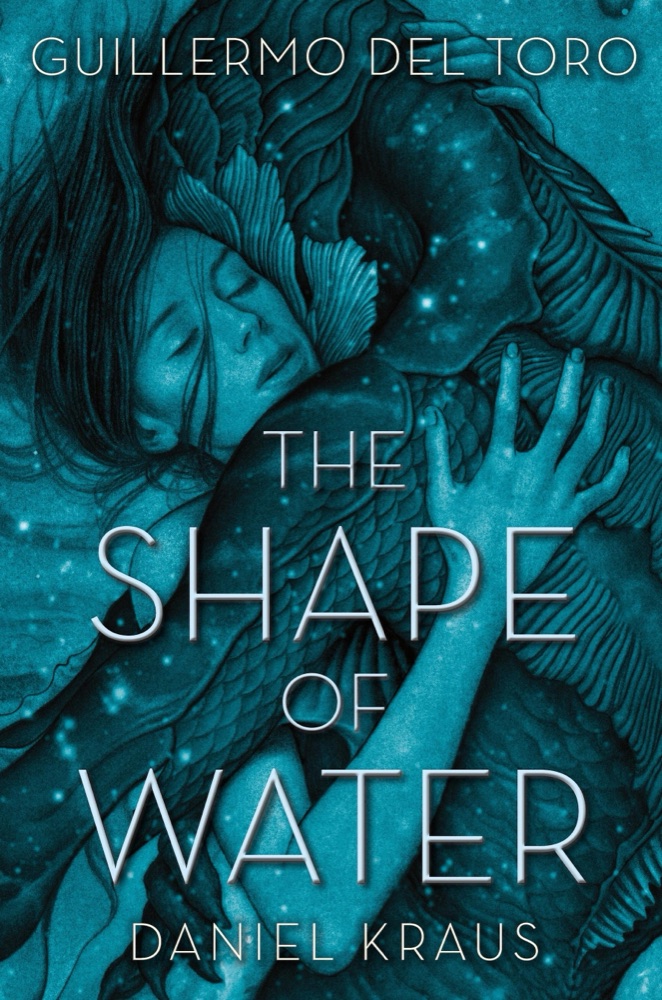 The Shape of Water
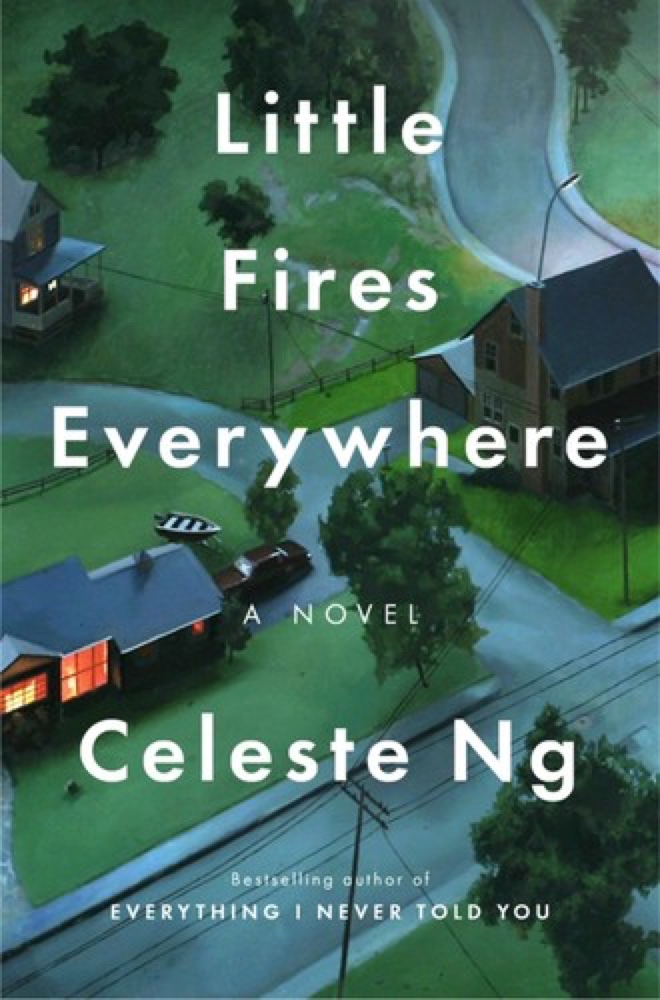 Little Fires Everywhere
 10 Minutes 38 Seconds in This Strange World
 My Brilliant Friend
 The Telling
 NW
NW
 The Passage
 The Crying of Lot 49
 America Is Not the Heart
 Embassytown
 Against the Day
 Palimpsest
 Home Fire
 The Quick and the Dead
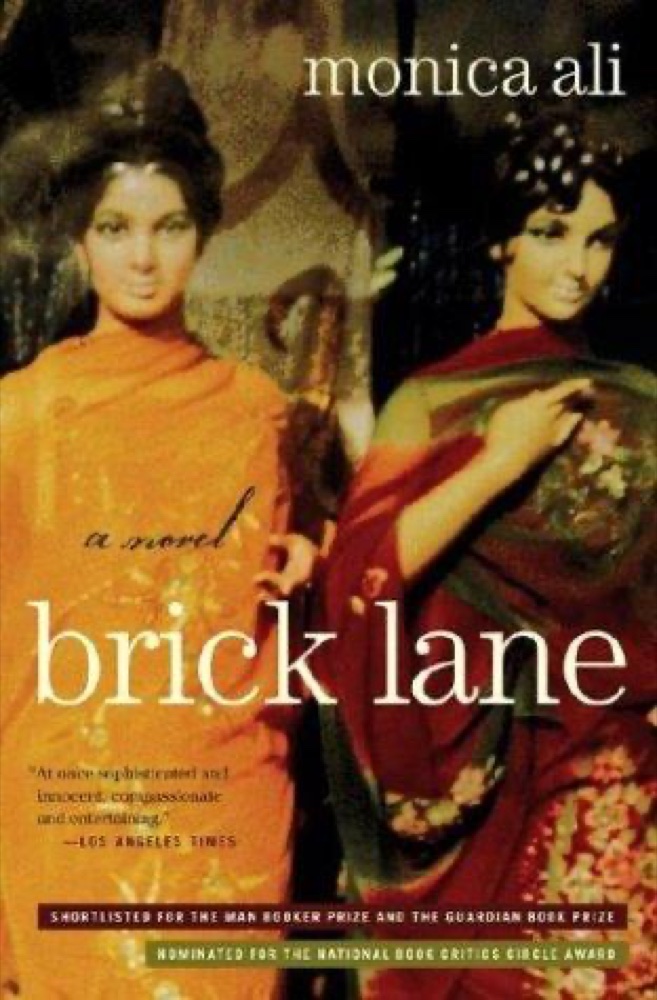 Brick Lane
 The Robber Bride
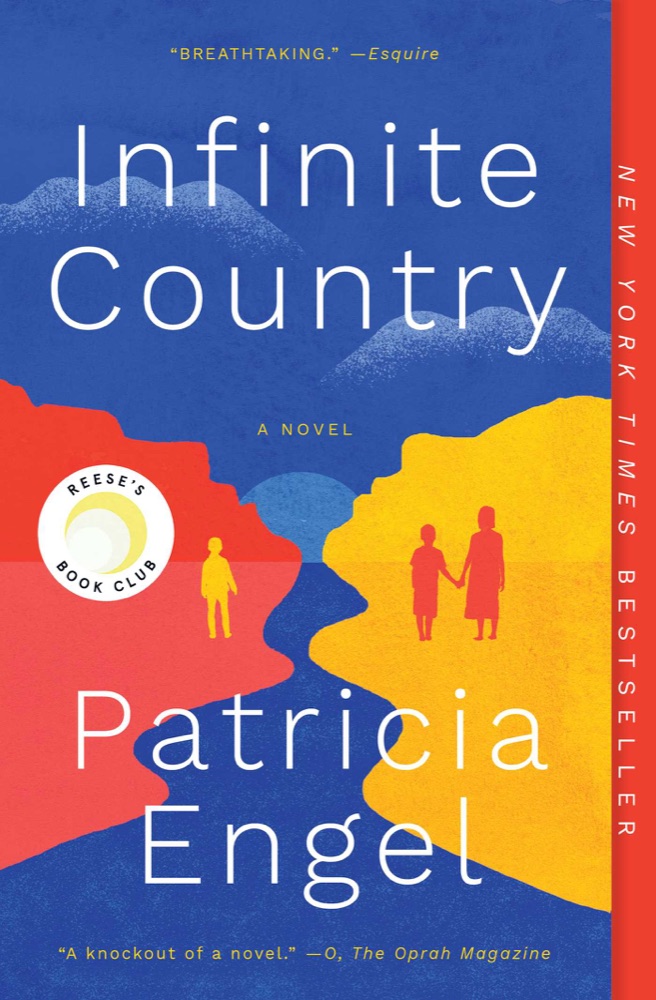 Infinite Country
 The Novel Habits of Happiness
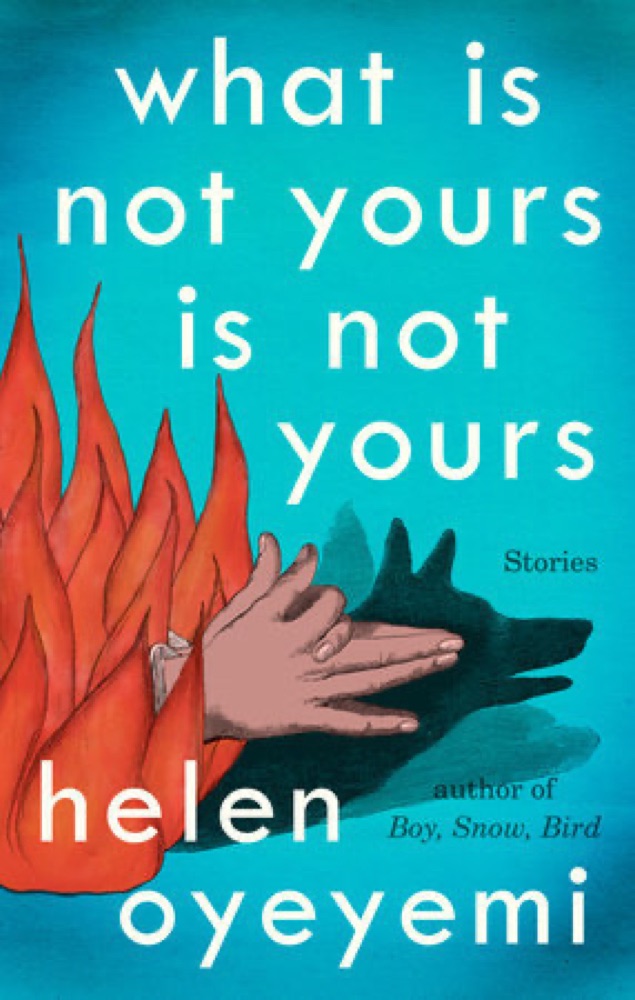 What Is Not Yours Is Not Yours
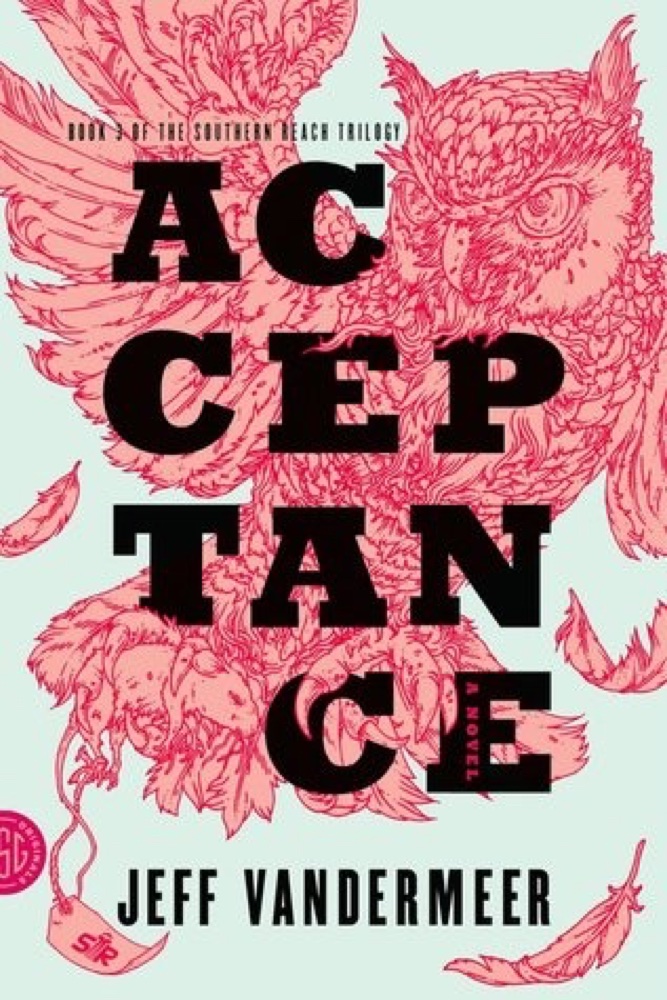 Acceptance
 The Stardust Grail
 A Visit from the Goon Squad
 The Fifth Season
 Thrust
 Flights
 The Bronzed Beasts
 Exit West
 The Declaration
 The New Hunger
 We Need New Names
 Clap When You Land
 I Cheerfully Refuse
 The Mere Wife
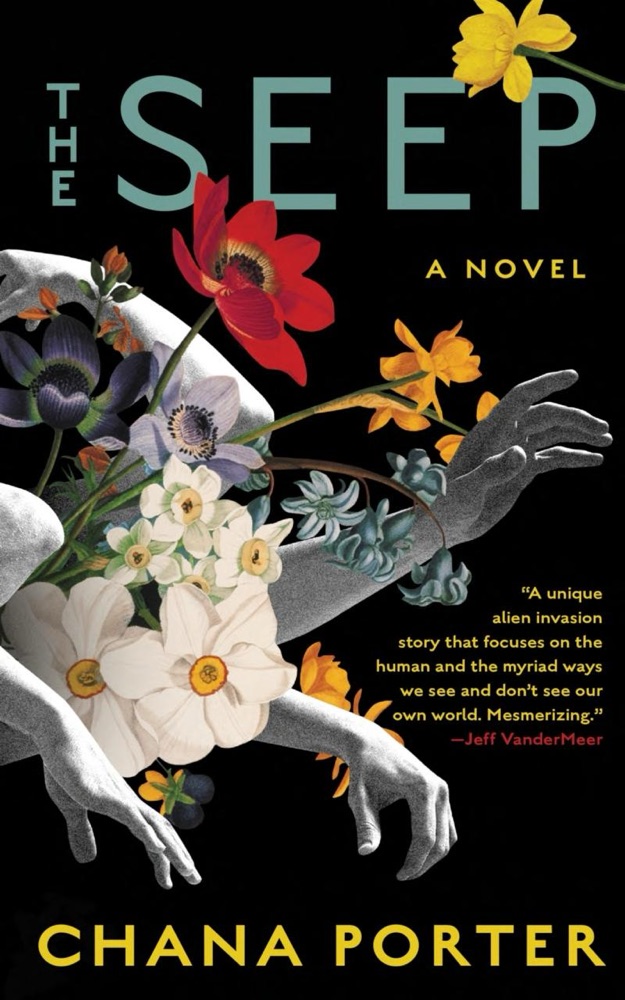 The Seep
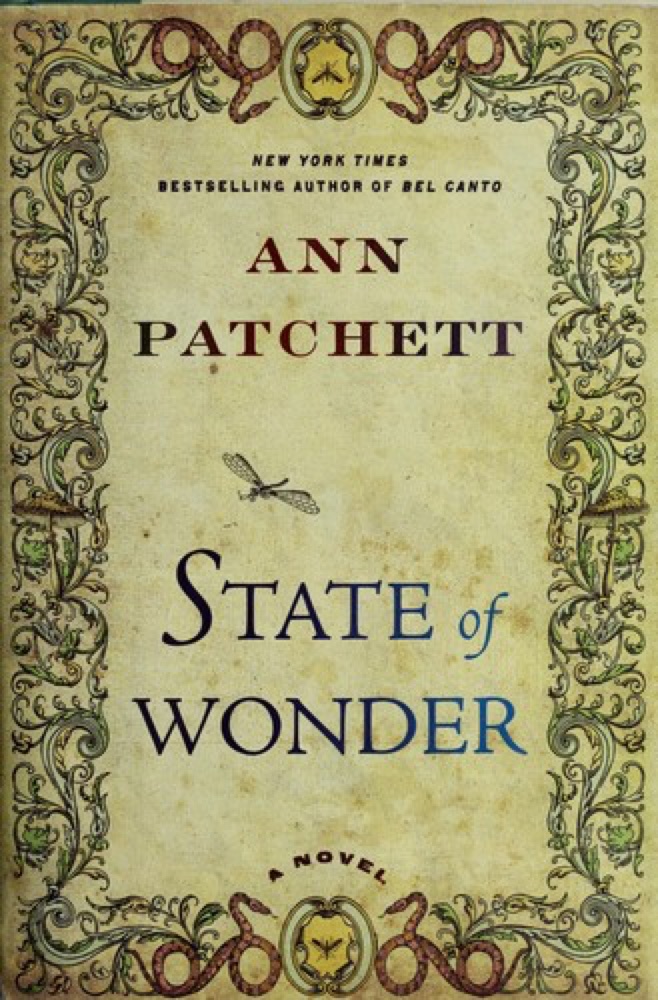 State of Wonder