
 House Made of Dawn
Quotes from the Book
Ella era mi polo y yo la aguja imantada de la brújula: todo mi cuerpo se estiraba hacia ella, se empequeñecía de ganas concentradas. Fue bajo el imperio de esa fuerza que empecé a sentir y hoy creo que es posible que siempre sea así, que se sienta al mundo en relación con otros, con el lazo con otros. Me sentía viva y feroz como una manada de depredadores y amorosa como Estreya, que festeja cada mañana y cada reencuentro como si lo sorprendieran, como si supiera que podrían no haber sucedido, sabe, mi perrito, que el azar y la muerte son más feroces que la pólvora y que podían irrumpir como irrumpen las tormentas.
5
We were nearly in the wetlands where water doubles happiness just as it doubles every image reflected in it, filling each one with plural lives.
2
The smell of near-black tea leaves torn from the green mountains of India that would travel to Britain without losing their moisture, and without losing the sharp perfume born of the tears Buddha shed for the world's suffering, suffering that also travels in tea: we drink green mountains and rain, and we also drink what the Queen drinks. We drink the Queen, we drink work, and we drink the broken back of the man bent double as he cuts the leaves, and the broken back of the man carrying them. Thanks to steam power, we no longer drink the lash of the whip on the oarsmen's backs. But we do drink choking coal miners. And that's the way of the world: everything alive lives off the death of someone or something else. Because nothing comes from nothing.
2
Es un país de aventuras vegetales el mío; lo más importante que pasa le pasa a la semilla, sucede sordo y a ciegas, sucede en ese barro primordial del que vendríamos y al que vamos seguro: se hincha de humedad la semilla en la negrura, esquiva cuises y vizcachas, se rompe en tallo, en hoja verde, atraviesa la entraña, emerge todavía munida de sus dos cotiledones hasta que logra extraer la fuerza suficiente del sol y del agua como para dejarlos caer y ahí aparece la vaca y se la come a la hierbita esa que le nació al suelo y se reproduce, la vaca, y se multiplica lenta y segura en generaciones de animales que van a parar, casi todos, al degüello y cae la sangre al suelo de las semillas y los huesos le construyen un esqueleto de delicias para caranchos y lombrices y la carne viaja en los barcos frigoríficos hasta Inglaterra, otra vena, una cruenta y helada, de esa trama que va de todas partes al centro, al corazón voraz del imperio. Lo nuestro es lo de la matriz. Procesos sordos, ciegos, ya lo dije, primordiales, invisibles, ligados al magma de todos los principios y todos los fines. Lo de Inglaterra es otra cosa. Es la isla del hierro y del vapor, la de la inteligencia, la que se construye sobre el trabajo de los hombres y no sobre el de la tierra y la carne.
1
Poverty yields cracked skin. It carves and slowly scrapes away at its young, and leaves them to fend for themselves in all weathers.
1
Munidas de transparencia llegaríamos a la toldería: llevábamos caña, espejos —los reflejos son de lo diáfano— y la prenda mayor, el diamante
1
when I embraced Kaukalitrán I sank even deeper into the forest that is Indian Territory. Into the summertime I sank. Into the berries bursting red and replete from the bushes. Into the mushrooms growing in the shade of the trees. Into every single tree I sank. And I became aware of the whims of my heart, the different appetites my body could have: I wanted to be both the berry and the mouth biting into it.
What you couldn’t do was leave. Or kill. The death sentence that awaited murderers was to be put inside the hide of a freshly slaughtered cow, a method they called the beef roll. The poor wretch would be rolled in the cow’s skin, stitched inside it and left outside in the blazing sun: slowly the hide would tighten, smothering him as it dried, hour after hour, until he was dead. After
I’ve had three cases, no, wait a minute, Hernández consulted his ledger, four cases of men having relations with their mothers: you should see how their kids turned out, stunted, bow-legged, with skinny arms, one of them even squired son-brothers with underbites, a bunch of short dark Hapsburgs, illiterate, and toothless by the age of thirteen, that’s what I get in return for giving those little brutes food, work and schooling, the Colonel exclaimed,
I knew full well that all journeys come to an end, and maybe this experience of time as finite is what lends light and texture to every living moment, knowing that you have to go back home, that you’re in a foreign land. I watched hungrily, I collected images, I tried to be alert to everything. I felt things acutely; my whole body, my whole skin was completely alive as if it was made of hunting animals, of felines, of the pumas that we were afraid to meet in the desert. I was awake and aware that life has a perimeter, almost as if I could see it. And
And in each fragment of that river that was devouring its own banks, a bit of sky was reflected.
Day was dawning, light was filtering through the clouds, a soft rain fell, and when the oxen lumbered off, there was a moment that was pale and golden, and tiny droplets of rain sparkled in the breeze, and the grassland was greener than ever. Then it began to pour and everything shone, even the dark grey of the clouds; it was the beginning of another life. It was a radiant omen.
It was like we were secreting fine threads to make a shell or carapace, woven together like a kind of house made not from spider’s silk, straw, mud or the leathery shell of a crab, but gradually formed from the loops of words and gestures. From Liz’s story and my care for each of our possessions, a space was emerging. One that was ours, with the wagon which went steadily forward, with that empty land which was becoming as flat as it seems to those who have known hills and mountains.
Home always seems fixed to the ground, even when home is a boat. Or a wagon.
It was the first journey; I knew full well that all journeys come to an end, and maybe this experience of time as finite is what lends light and texture to every living moment, knowing that you have to go back home, that you’re in a foreign land.
Before the storm, what hung in the air, and even the air itself, seemed to be the long inhalation of the bellows of a machine priming itself for an explosion, or the stampede of a herd of captive beasts. Invariably after the stillness a commotion would begin. Everything yielded to the violence of the wind that took advantage of the sudden darkness to lash the world, a world barely visible in the metallic flashes that struck everything that stood upright, drawing a new line from the lines in the sky down to the earth: a line making everything crack, split and fly off in fury, as if reluctantly snatched from stillness.
I wish you could see us; but no one will. We know how to leave as if vanishing into thin air: imagine a people that disappears, a people whose colours, houses, dogs, clothes, cows and horses all gradually dissolve like a spectre: their outline turns blurry and insubstantial, the colours fade, and everything melts into the white cloud. And so we go.
He never appreciated what I did for him by taking some of his songs and putting them in my book. I took his voice, the voice of the voiceless, do you see, to the whole country...
It was also a rite of passage, the ditch was almost a branding iron, something to mark the man; from then on a new life had begun. He made them dig a grave for their pasts, a frontier, a before and after.
But the dragon aroused such passion in me, that beautiful beast made from horrible beasts: the eyes of a locust, the horns of a zebu, the snout of an ox, the nose of a dog, the whiskers of a catfish, the shaggy mane of a ñandú, the tail of a viper, the scales of a fish, the claws of a gigantic chimango, and with potent phlegm made of fire. The dragon was an animal that I liked to imagine flying above our heads and over our roof like a guardian angel: why shouldn’t a wagon be a house protected by a dragon?
The first price we had to pay for such happiness was the dust. I, having lived wholly inside the dust, having been little more than one of the many forms that dust took there, having been contained in the atmosphere - the earth of the pampa is also sky - started to feel it, to notice it, to hate it when it made my teeth gritty, when it stuck to my sweat, when it weighed down my hat. We declared war on the dust, all the while knowing that we were fighting a losing battle: we come from dust.
It's difficult to know what you remember, is it what actually happened? Or is it the story that you've told and re-told and polished like a gemstone over the course of years, like something that has lustre but is as lifeless as a stone?
Los pastizales se bamboleaban con el viento cuando salimos y parecía la pampa un mar de dos colores: cuando se dejaban vencer los tallos, era blanca y destellaba como espuma; cuando volvían a su posición inicial, era verde y fulguraban los distintos tonos de los pastos, que parecían brotes tiernos aunque ya casi nada brotaba. Más bien volvía todo a la tierra haciéndose marrón, iba del verde claro, el amarillo, el oro y el ocre a la caída. Otra vez respirábamos, como si hubiéramos salido de una cueva, como si el aire de la estancia hubiera sido turbio, pesado [...].
Watch on YouTube
About Gabriela Cabezón Cámara
We have collected 23 quotes from 1 book by Gabriela Cabezón Cámara on BookQuoters.
More about the author →About the book
Shortlisted for the International Booker Prize 2020
1872. The pampas of Argentina. China is a young woman eking out an existence in a remote gaucho encampment. After her no-good husband is conscripted into the army, China bolts for freedom, setting off on a wagon journey through the pampas in the company of her new-found friend Liz, a settler from Scotland. While Liz provides China with a sentimental education and schools her in the nefarious ways of the British Empire, their eyes are opened to the wonders of Argentina’s richly diverse flora and fauna, cultures and languages, as well as to the ruthless violence involved in nation-building.
This subversive retelling of Argentina’s foundational gaucho epic Martín Fierro is a celebration of the colour and movement of the living world, the open road, love and sex, and the dream of lasting freedom. With humour and sophistication, Gabrie
Book details
- First published
- 2017
- Author
- Gabriela Cabezón Cámara
- Genre
- Fiction
- Goodreads rating
- 3.81 (7k ratings)
The buzz
- The New York TimesReview in The New York Timesprofessional review (via Book Marks)
- The GuardianReview in The Guardianprofessional review (via Book Marks)
- The Times Literary SupplementReview in The Times Literary Supplementprofessional review (via Book Marks)
- Publishers WeeklyReview in Publishers Weeklyprofessional review (via Book Marks)
- LA Review of BooksReview in LA Review of Booksprofessional review (via Book Marks)
- New StatesmanReview in New Statesmanprofessional review (via Book Marks)
Keep reading
House Made of Dawn
 In Patagonia
 Plainwater: Essays and Poetry
 Primeval and Other Times
 Out of Africa
 Four Souls
 Always Coming Home
 We Do Not Part
 Barkskins
 The Hungry Tide
 The Bedlam Stacks
 One for the Blackbird, One for the Crow
 The Pox Party
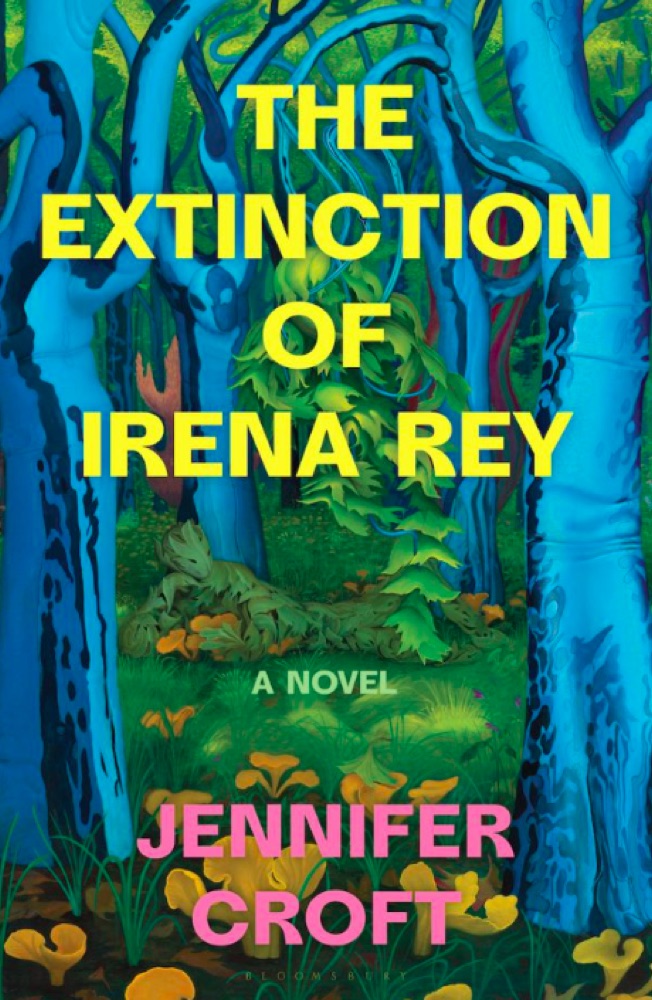 The Extinction of Irena Rey
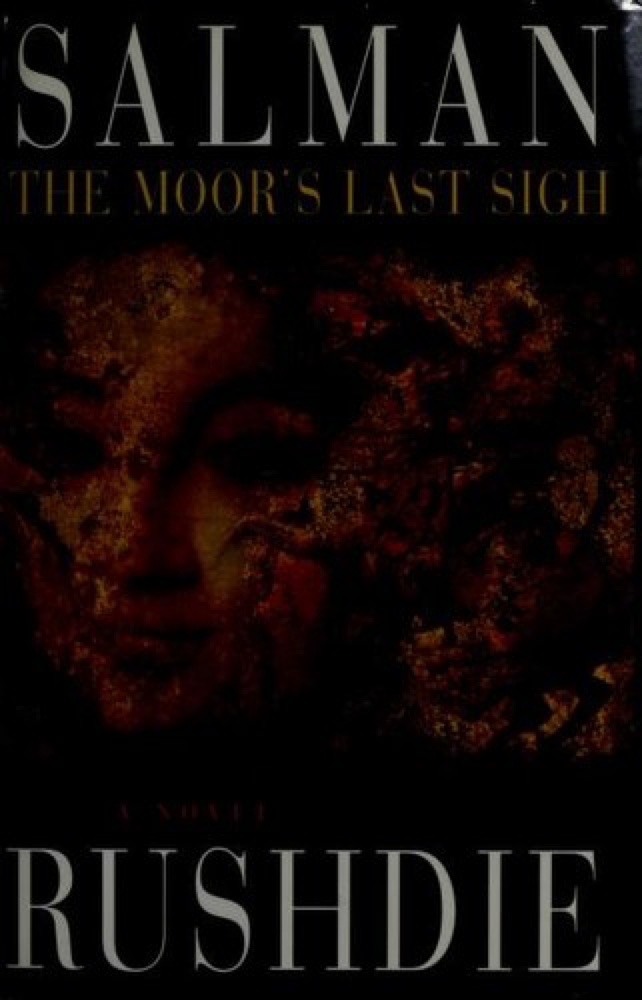 The Moor's Last Sigh
 Jaguars Ripped My Flesh
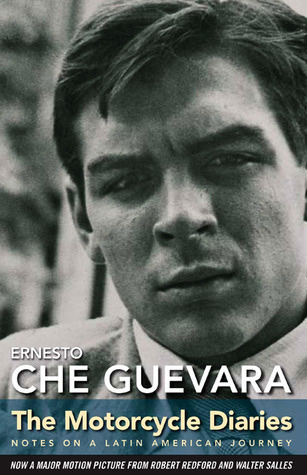 The Motorcycle Diaries: Notes on a Latin American Journey
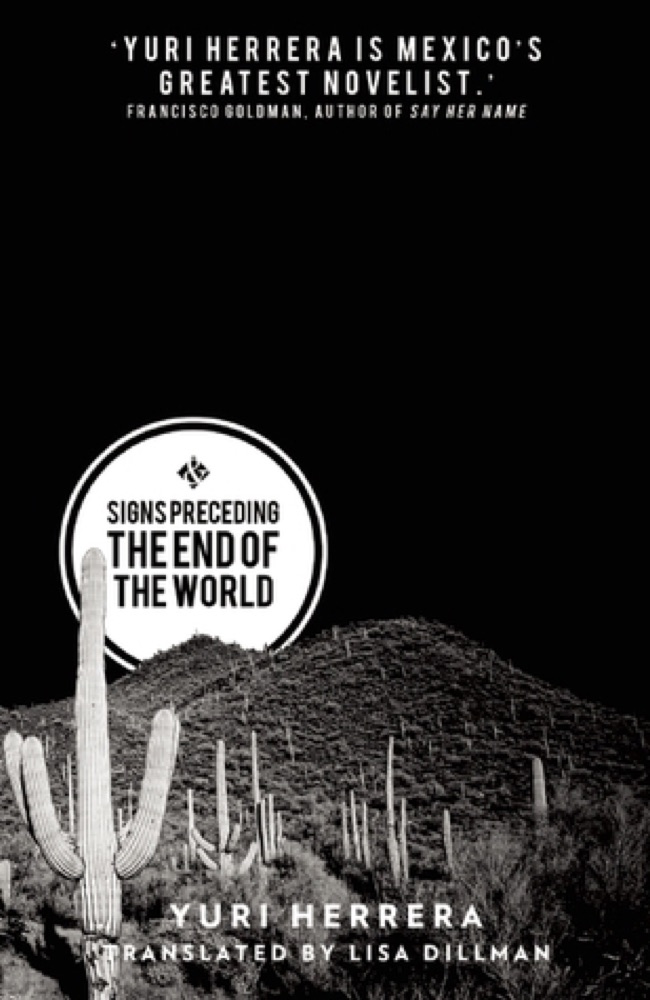 Signs Preceding the End of the World
 Poems, 1962-2012
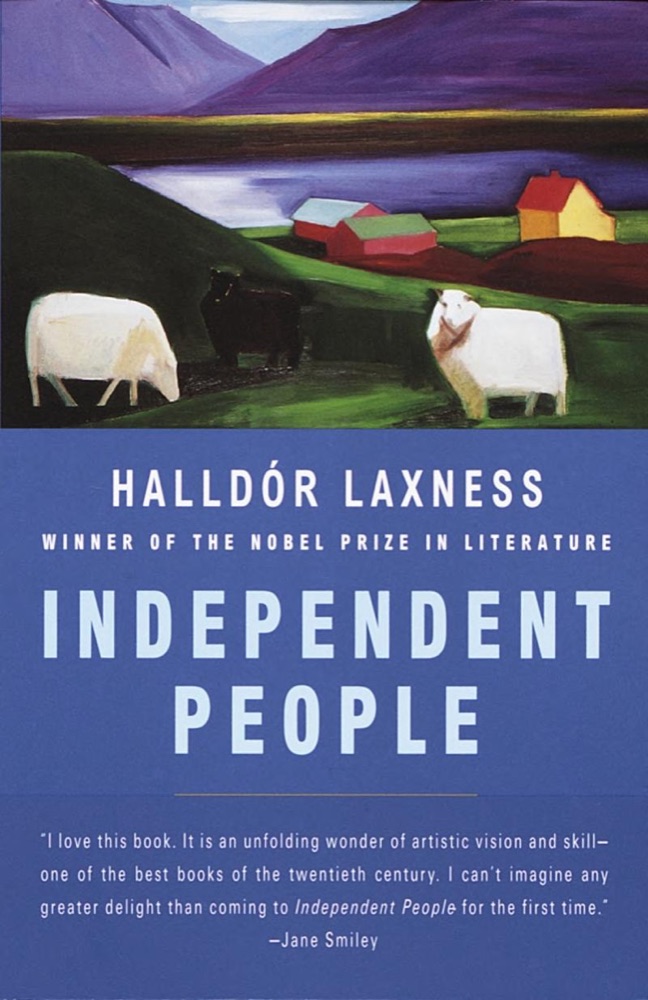 Independent People
 Invictus
 The Night Watchman
 Death in Spring
 The Salt Path
 Life & Times of Michael K
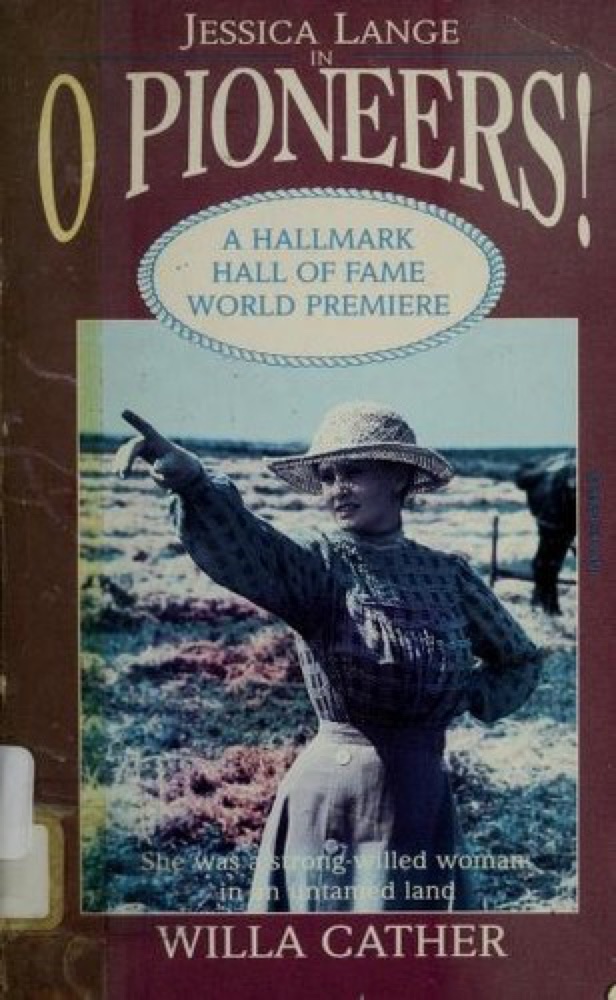 O Pioneers!
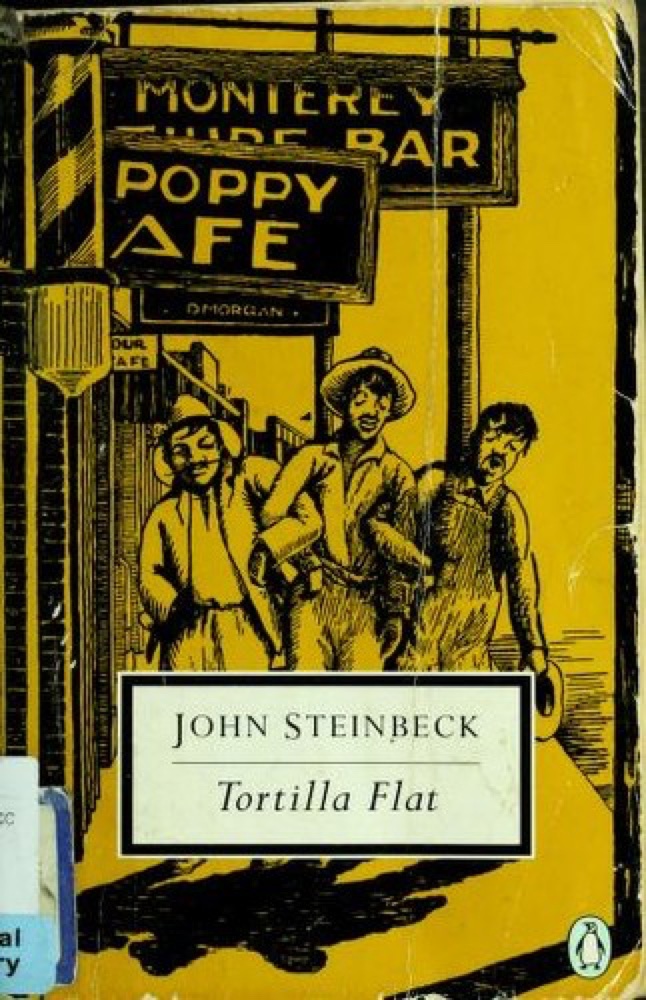 Tortilla Flat
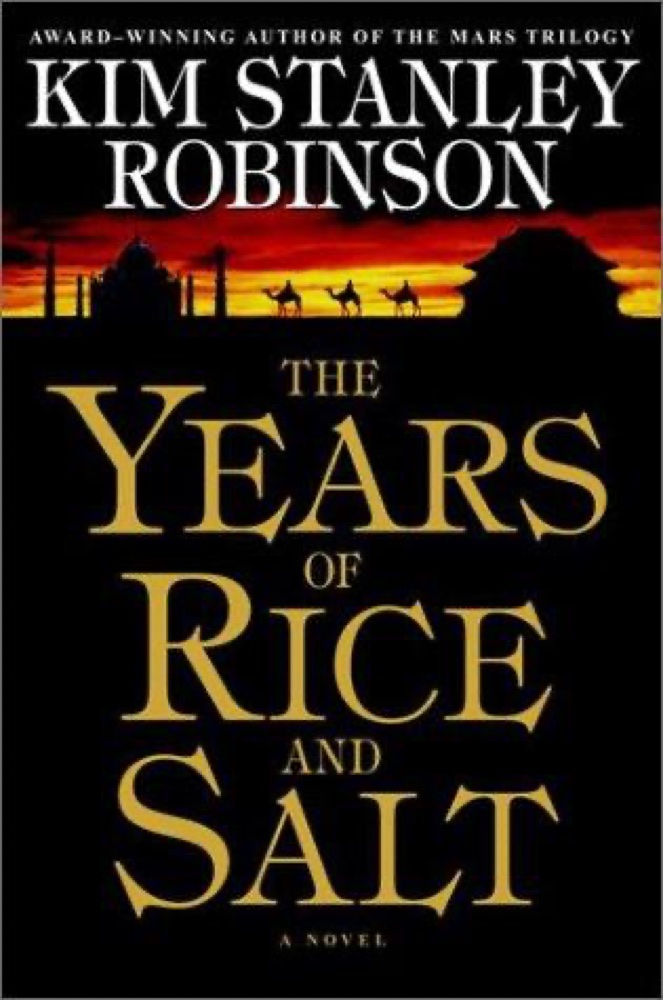 The Years of Rice and Salt
 Wind, Sand and Stars
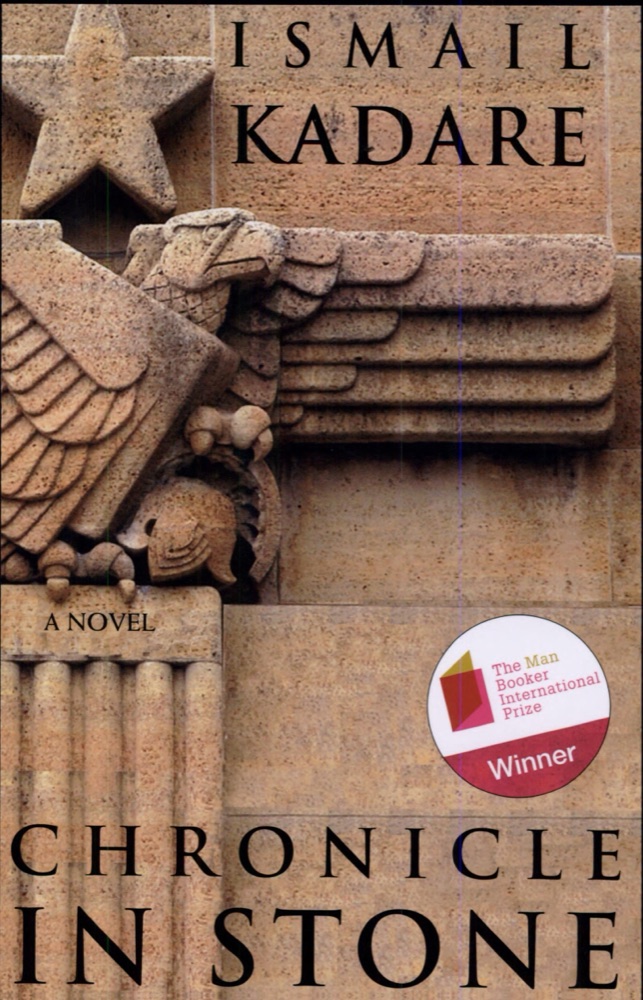 Chronicle in Stone
 Arctic Dreams
 A General Theory of Oblivion
 Divisadero
 The Telling Room: A Tale of Love, Betrayal, Revenge, and the World's Greatest Piece of Cheese
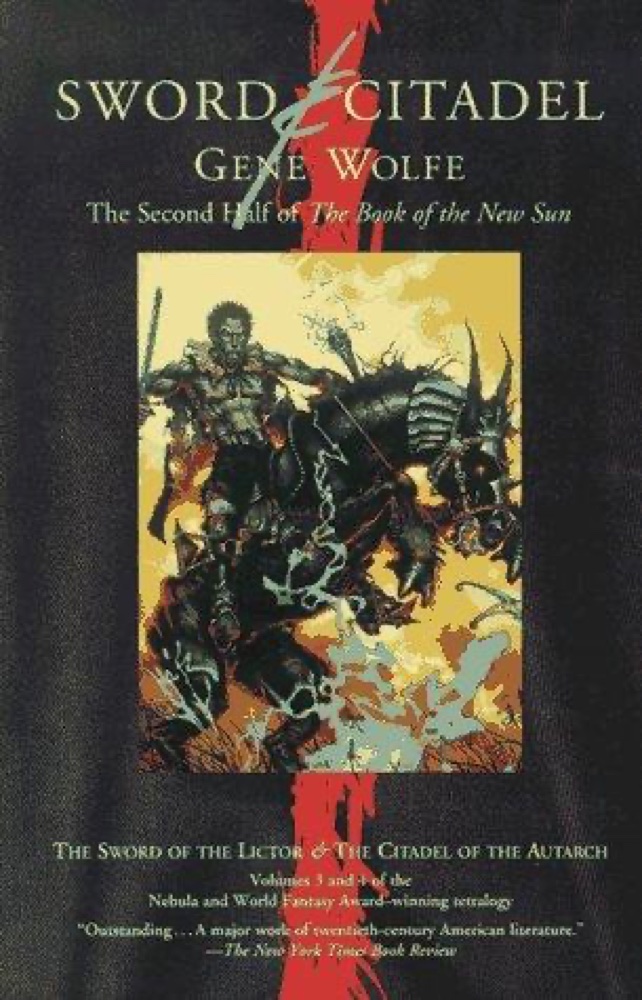 Sword & Citadel
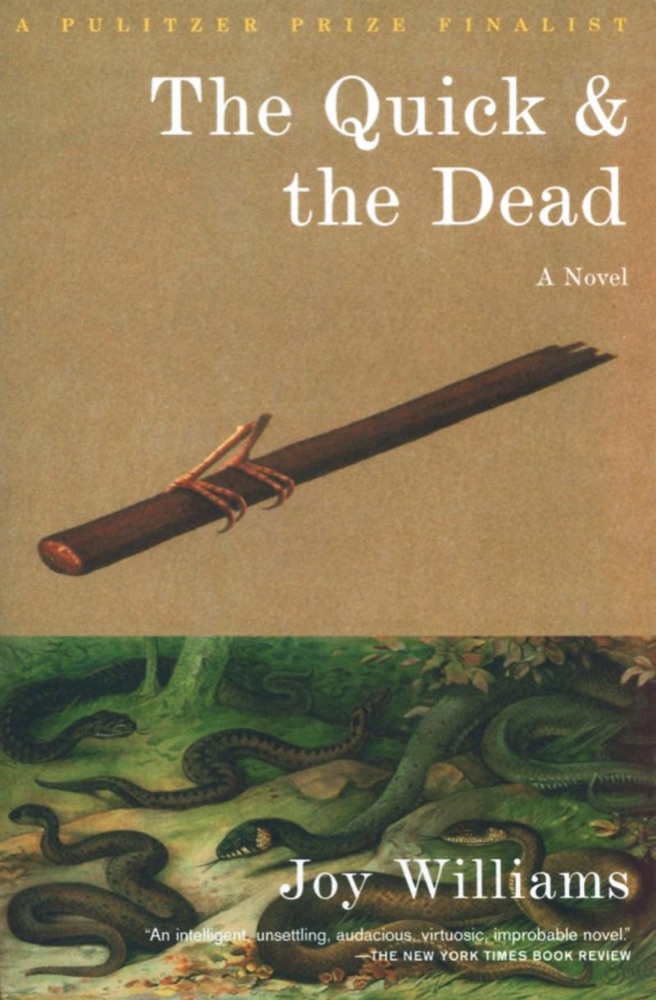 The Quick and the Dead
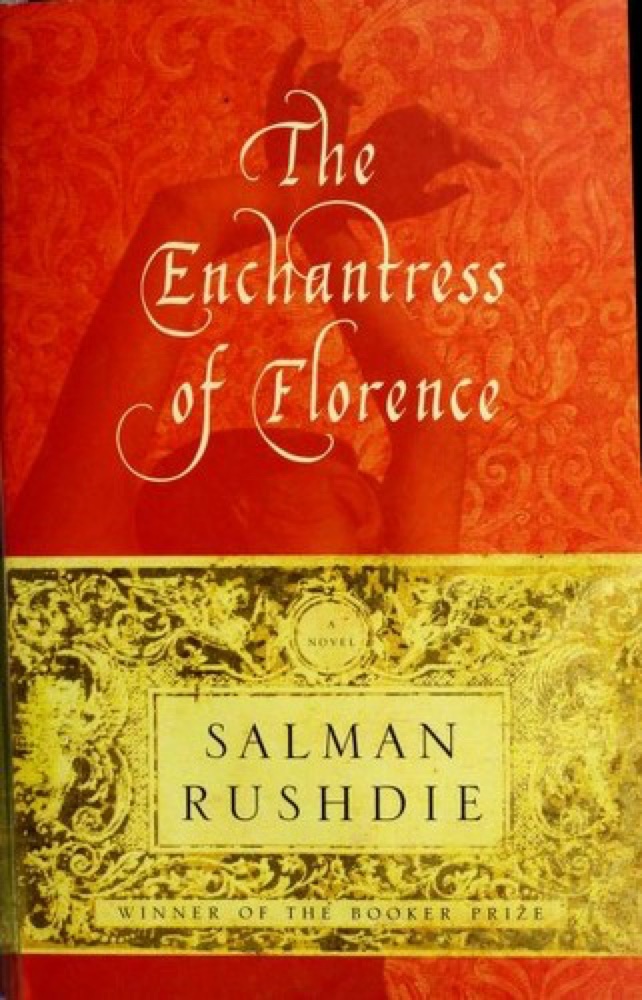 The Enchantress of Florence
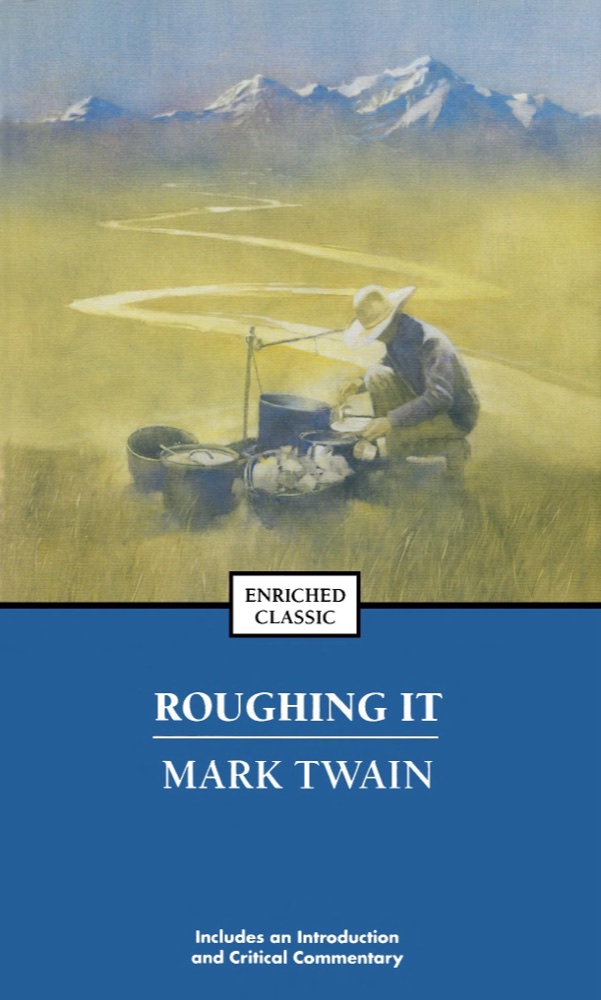 Roughing It
 You Can't Go Home Again
 The Shadow of the Sun
 My Ántonia
 And Our Faces, My Heart, Brief as Photos
 Tinkers
 Ammonite
 Look Homeward, Angel
 South of the Border, West of the Sun
 The Cat's Table
 The House of Doors
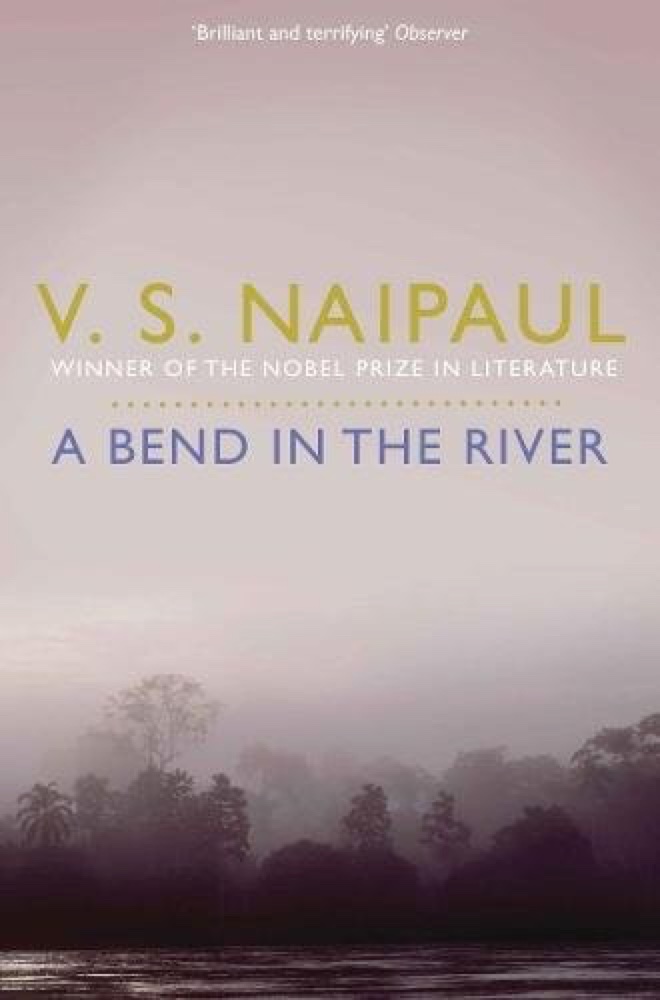 A Bend in the River
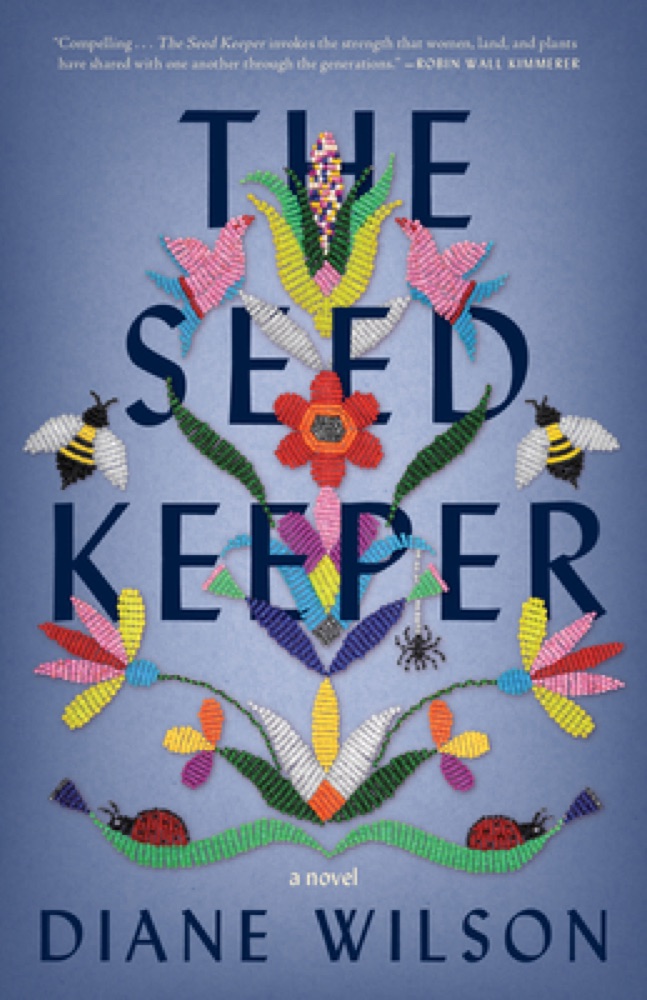 The Seed Keeper
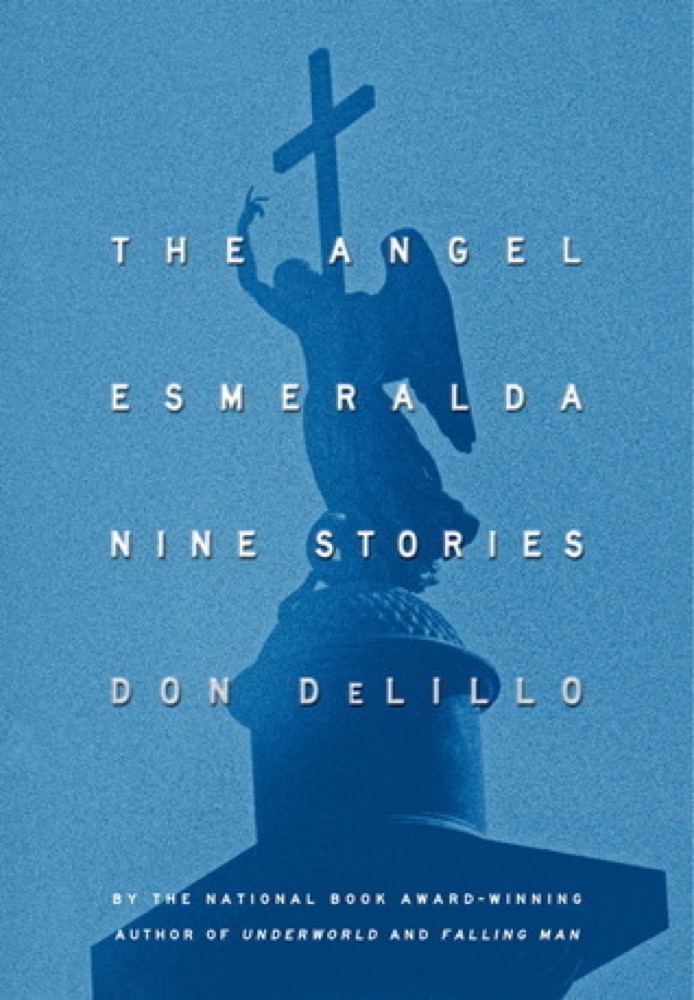 The Angel Esmeralda
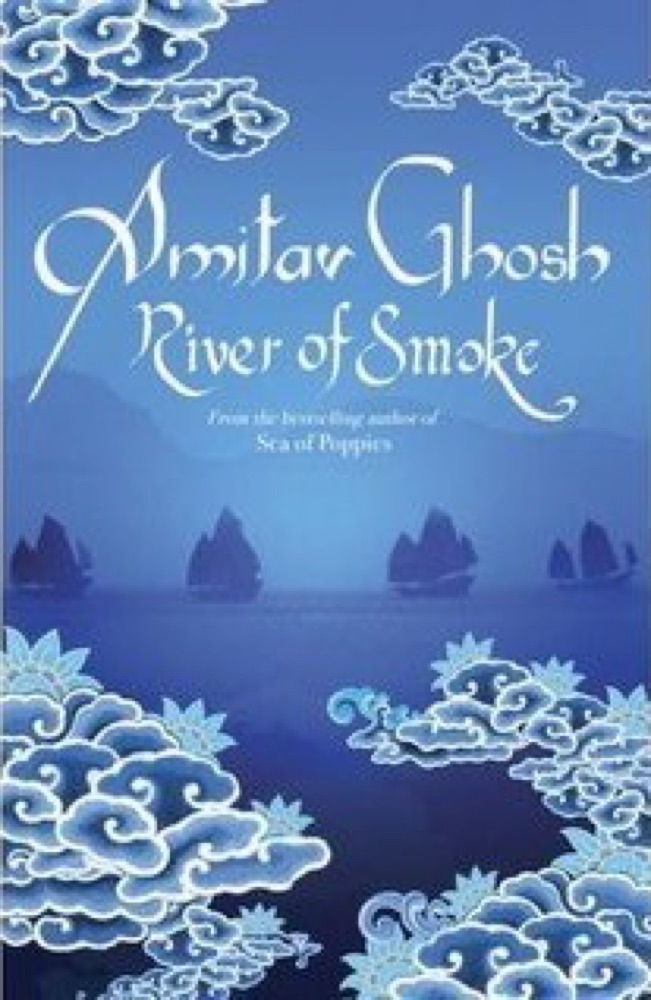 River of Smoke
 The Shell Collector
 The Wild Silence
 The Scar
 The Etched City
 Days Without End
 Don't Let's Go to the Dogs Tonight
 Petals of Blood
 The Old Patagonian Express: By Train Through the Americas