 Secondhand Time: The Last of the Soviets
Quotes from the Book
Fear is more human than bravery, you’re scared and you’re sorry, at least for yourself, but you force your fear back into your subconscious.
18
Well, I admit it. I had the greatest respect for the Afghan people, even while I was shooting and killing them. I still do. You could even say I love them. I like their songs and prayers, as peaceful and timeless as their mountains.
7
We were told that this was a just war, that we were helping the Afghan people to put an end to feudalism and build a wonderful socialist society.
7
Life was full of adventure: I learnt the smell of danger — I’ve got a sixth sense for it now. We’re homesick for it, some of us; it’s called the ‘Afghan syndrome’.
5
A soldier must be like a bullet, constantly ready to be fired.’ I learnt that by heart. You go to war in order to kill. Killing is my profession — that’s what I was trained to do.
5
We don’t need anything. Just listen to us and try to understand. Society is good at doing things, ‘giving’ medical help, pensions, flats. But all this so-called giving has been paid for in very expensive currency. Our blood.
5
Dreptul omului de a nu ucide. De a nu învața să ucidă. Neînscris în nicio constituție.
4
still remember the way a twenty-year-old shouted, ‘I don’t want to hear about any political mistakes! I just don’t want to! Give me my two legs back if it was all a mistake.
4
I accepted the official line so completely that even now, after all I’ve read and heard, I still have a minute hope that our lives weren’t entirely wasted. It’s the self-preservation instinct at work.
4
Yur Karyakin once wrote: ‘We should not judge a man’s life by his perception of himself. Such a perception may be tragically inadequate.’ And I read something in Kafka to the effect that man was irretrievably lost within himself.
4
There’s not much humanity in a human being — that’s what war taught me.
3
I spend most of my time crying and praying for that bookish Moscow girl who doesn't exist any more.
3
They were told they were on a holy mission and that their country would remember them. Now people turn away and try to forget the war, especially those who sent us there in the first place.
3
Coming home was terribly difficult and very strange. I felt I’d had my skin ripped off. I couldn’t stop crying, I could bear to be only with people who’d been there themselves.
3
It's three years since my son died and I haven't dreamt about him once. I go to sleep with with his vest and trousers under my pillow. 'Come to me in my dreams, Sasha. Come and see me!' But he never does. I wonder what I've done to offend him.
2
All of us who were there have a graveyard full of memories.
2
Fear is more human than bravery, you're scared and you're sorry, at least for yourself, but you force your fear back into your subconscious. And you try not to think that you may end up lying here, thousands of miles from home. There are men flying around in space but down here we go on killing each other as we have done for a thousand years, with bullets, knives and stones.
2
A te gândi la moarte e ca și cum te-ai gândi la viitor. Atunci când te gândești la ea și când o vezi, se petrece ceva cu timpul. Pe lângă teama de moarte există și atracția ei...
2
We’re all suffering from a wasting disease, you know. Over there it showed itself as a mismatch between our weight and our height, but here, back home, it’s a mismatch between our feelings and our ability to express them in what we say and do.
2
That first March a pile grew up behind the hospital — a pile of amputated arms, legs and other bits of our men. Dead bodies with gouged-out eyes, and stars carved into the skin of their backs and stomachs by the mujahedin.
2
We put up the stone, a good one, of expensive marble, and spent all the money we’d been saving for his wedding on the memorial. We adorned the grave with red tiles and planted red flowers.
1
At the hospital I watched a Russian girl put a teddy bear on an Afghan boy’s bed. He picked up the toy with his teeth and played with it, smiling. He had no arms. ‘Your Russians shot him,’ his mother told me through the interpreter. ‘Do you have kids? A boy or a girl?’ I couldn’t make out whether her words expressed more horror or forgiveness.
1
The Afghans weren’t people to us, and vice versa. We couldn’t afford to see each other as human beings.
1
There was a general shortage of medication. Even the iodine ran out. Either the supply system failed, or else we’d used up our allowance — another triumph of our planned economy. We used equipment captured from the enemy. In my bag I always had twenty Japanese disposable syringes. They were sealed in a light polyethylene packing which could be removed quickly, ready for use. Our Soviet ‘Rekord’ brand, wrapped in paper which always got torn, were frequently not sterile. Half of them didn’t work, anyhow — the plungers got stuck. They were crap. Our homeproduced plasma was supplied in half-litre glass bottles. A seriously wounded casualty needs two litres — i.e. four bottles. How are you meant to hold them up, arm-high, for nearly an hour in battlefield conditions? It’s practically impossible. And how many bottles can you carry? We captured Italian-made polyethylene packages containing one litre each, so strong you could jump on them with your army boots and they wouldn’t burst. Our ordinary Soviet-made sterile dressings were also bad. The packaging was as heavy as oak and weighed more than the dressing itself. Foreign equivalents, from Thailand or Australia, for example, were lighter, even whiter somehow … We had absolutely no elastic dressings, except what we captured — French and German products. And as for our splints! They were more like skis than medical equipment! How many can you carry with you? I carried English splints of different lengths for specific limbs, upper arm, calf, thigh, etc. They were inflatable, with zips. You inserted the arm or whatever, zipped up and the bone was protected from movement or jarring during transportation to hospital. In the last nine years our country has made no progress and produced nothing new…
1
I guess that's how you experience your own death, from a distance
1
What colour is a scream? What does it taste like? What is the colour of blood? Red in hospital, grey on dry sand and bright blue on stone, in the evening when it's all dried out. Blood spills as quickly from a seriously injured person as liquid from a broken jar . . . his life flickers out, only the eyes shine bright and stare past you, stubbornly until the very end. Everything's been paid for. By us. And in full.
1
Watch on YouTube
About Svetlana Alexievich
We have collected 103 quotes from 4 books by Svetlana Alexievich on BookQuoters.
More about the author →More by Svetlana Alexievich
Secondhand Time: The Last of the Soviets
 Voices from Chernobyl: The Oral History of a Nuclear Disaster
 War's Unwomanly Face
About the book
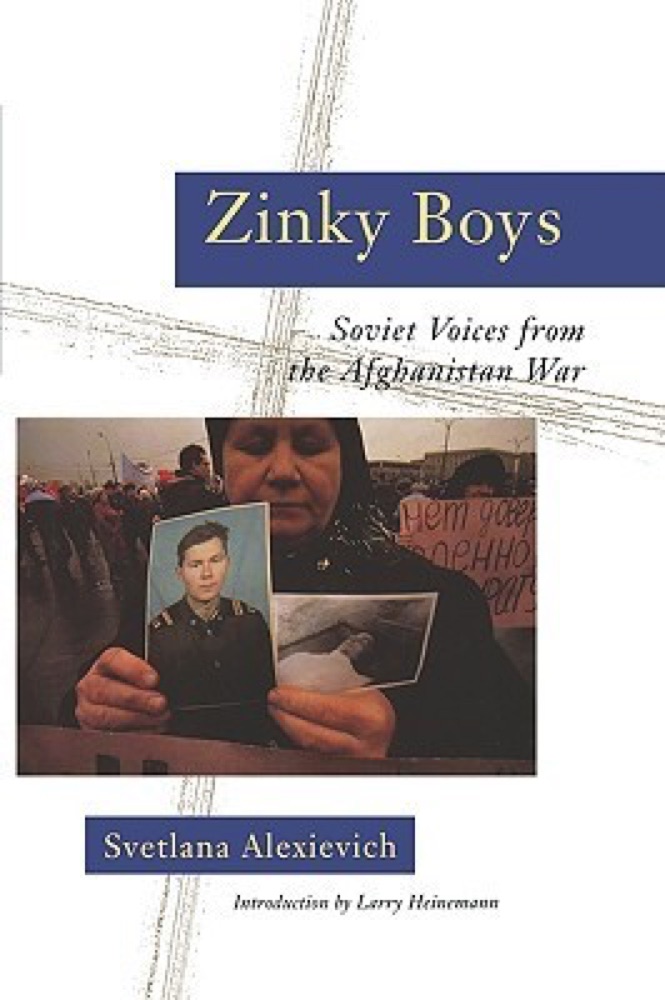
From 1979 to 1989 a million Soviet troops engaged in a devastating war in Afghanistan that claimed 50,000 casualties—and the youth and humanity of many tens of thousands more. Creating controversy and outrage when it was first published in the USSR—it was called by reviewers there a “slanderous piece of fantasy” and part of a “hysterical chorus of malign attacks”—Zinky Boys presents the candid and affecting testimony of the officers and grunts, nurses and prostitutes, mothers, sons, and daughters who describe the war and its lasting effects. What emerges is a story that is shocking in its brutality and revelatory in its similarities to the American experience in Vietnam. The Soviet dead were shipped back in sealed zinc coffins (hence the term “Zinky Boys”), while the state denied the very existence of the conflict. Svetlana Alexievich brings us the truth of the Soviet-Afghan War: the bea
Book details
- First published
- 1989
- Author
- Svetlana Alexievich
- Genre
- Nonfiction
- Goodreads rating
- 4.30 (13k ratings)
Keep reading
 The Wars
 The Forgotten Soldier
 The Girl Who Smiled Beads: A Story of War and What Comes After
 Girl at War
 All Quiet on the Western Front
 Blood on the Tracks
 What Moves the Dead
 Dispatches
 All But My Life: A Memoir
 Tree of Smoke
 City of Thieves
 Emergency Sex (And Other Desperate Measures): True Stories from a War Zone
 A Rumor of War: The Classic Vietnam Memoir
 Zlata's Diary: A Child's Life in Wartime Sarajevo
 City of Blades
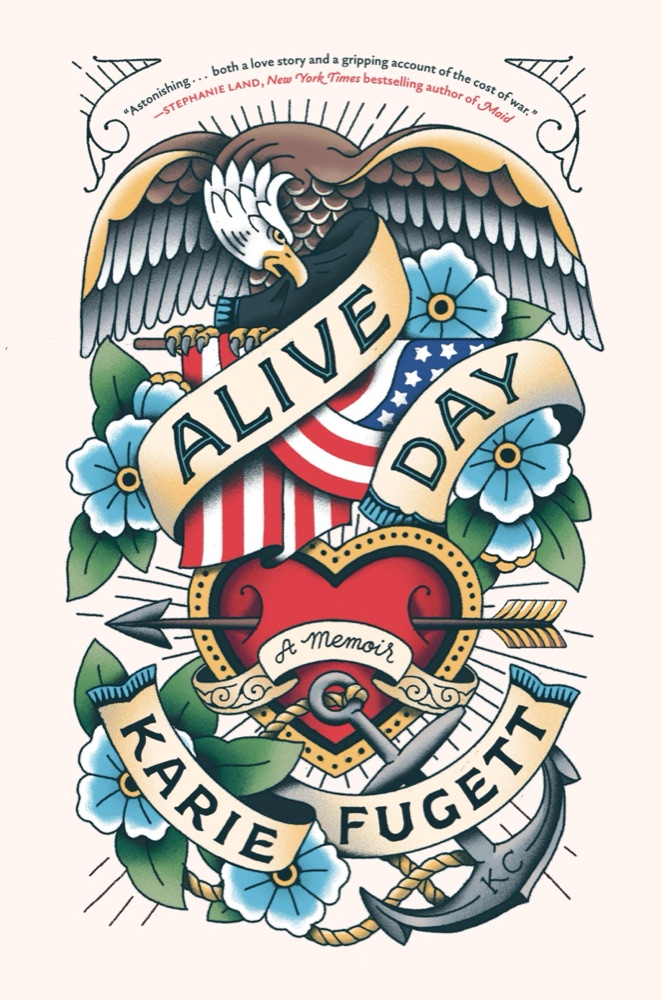 Alive Day: A Memoir
 The Book of My Lives
War's Unwomanly Face
The Book of My Lives
War's Unwomanly Face
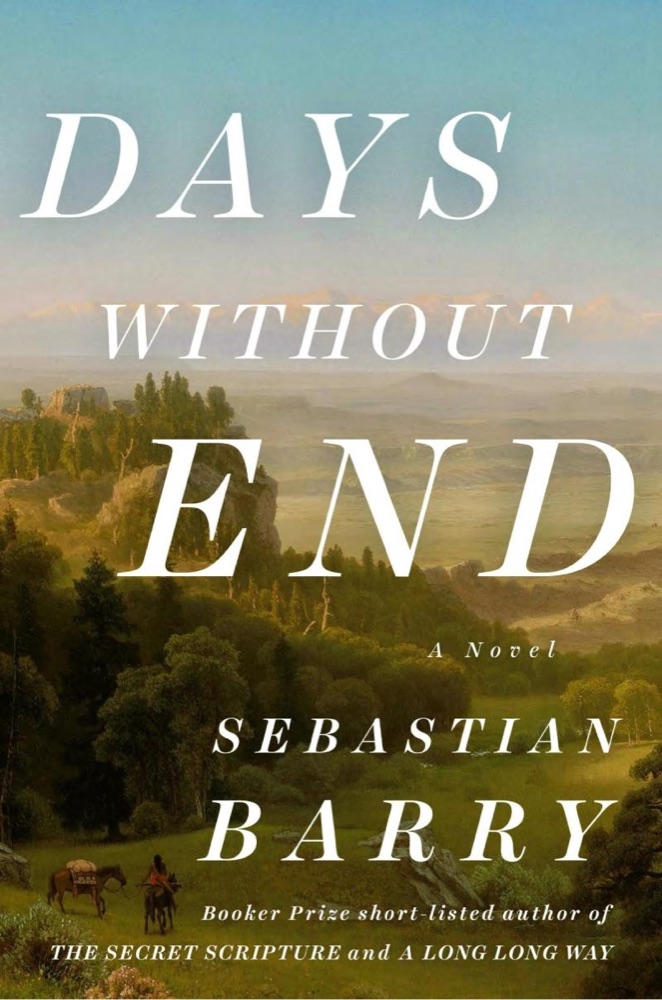 Days Without End
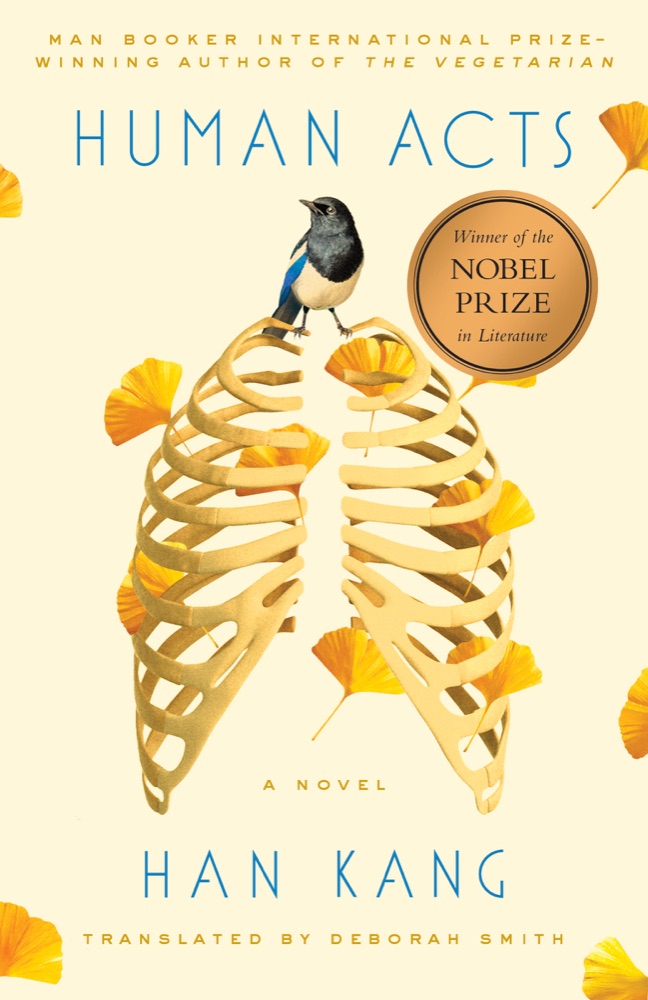 Human Acts
 The Things They Carried
 Salt to the Sea
 Daughters of Smoke and Fire
 The Wasted Vigil
 We Are Not Free
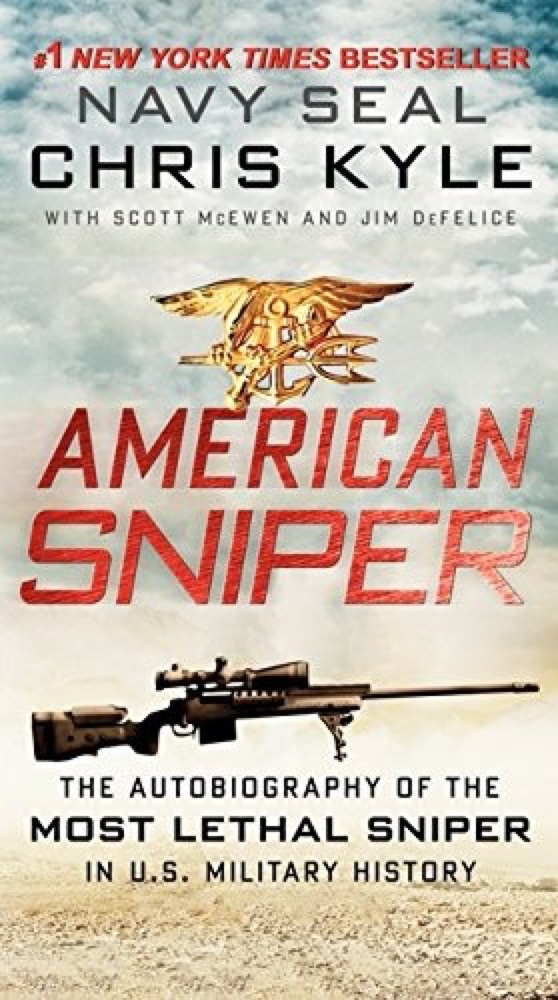 American Sniper: The Autobiography of the Most Lethal Sniper in U.S. Military History
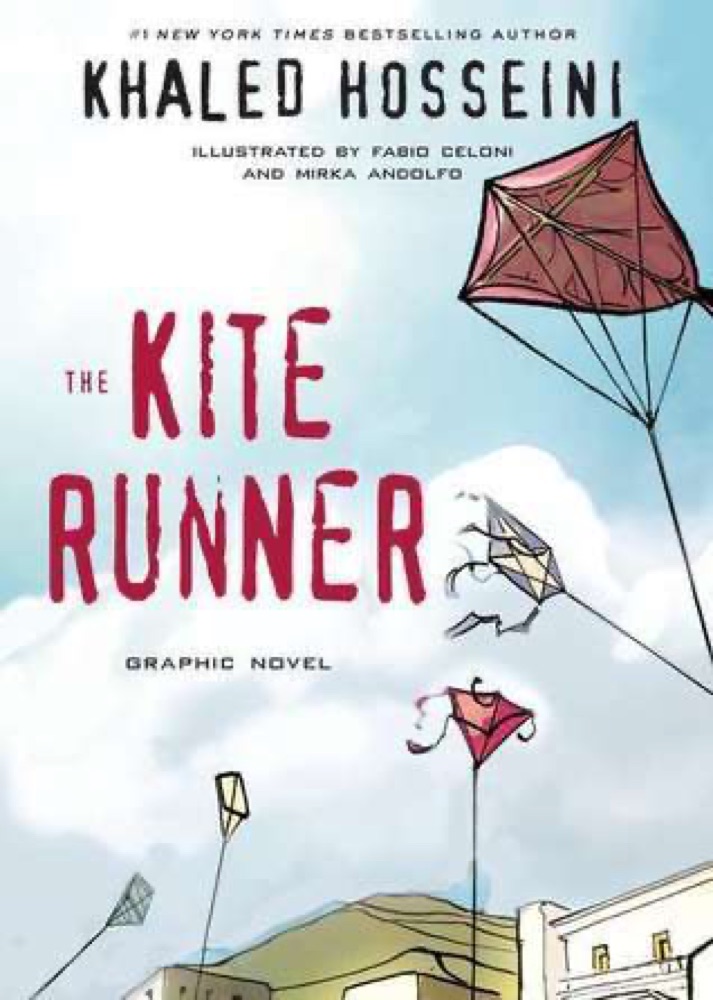 The Kite Runner
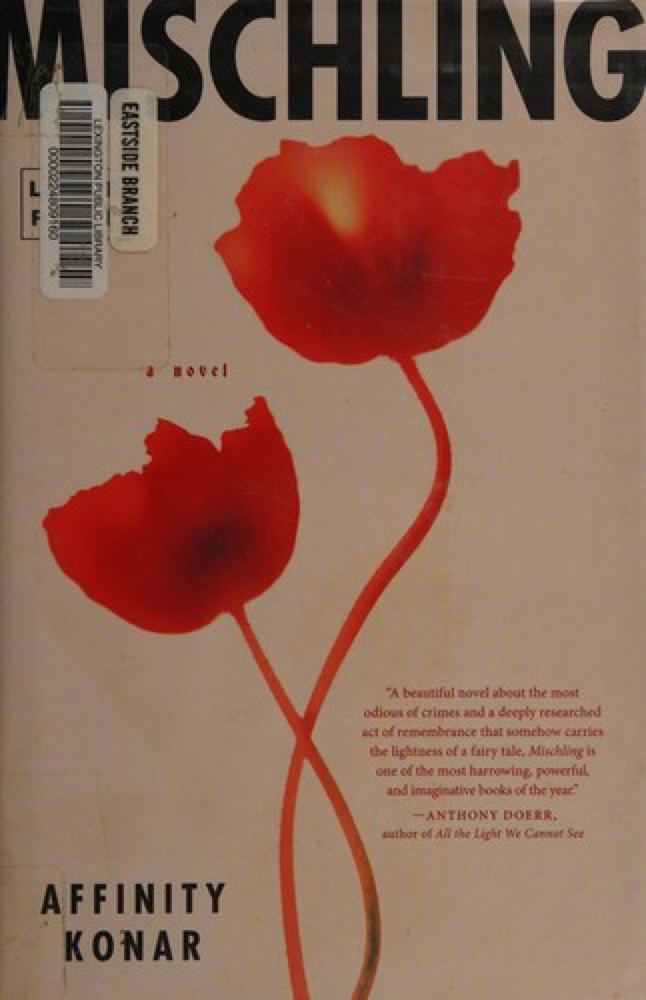 Mischling
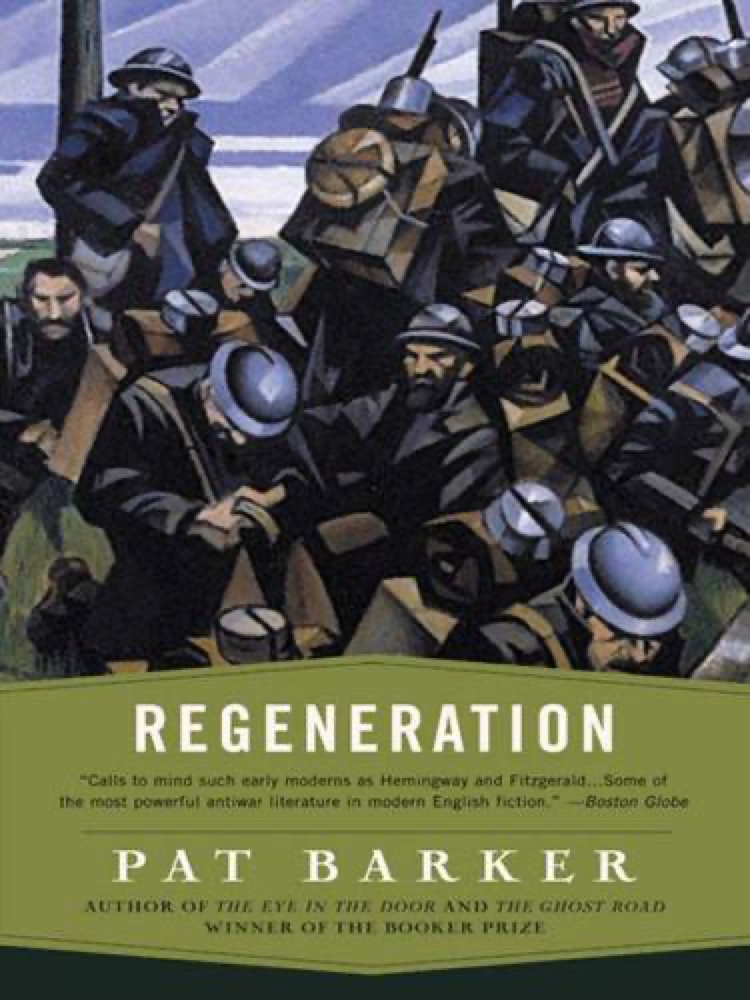 Regeneration
 If I Die in a Combat Zone, Box Me Up and Ship Me Home
 The Road Back
 A Woman in Berlin: Eight Weeks in the Conquered City: A Diary
 Men We Reaped
 The Huntress
 How Beautiful We Were
 A Fort of Nine Towers: An Afghan Family Story
 Requiem for a Wren
 War and Turpentine
 World War Z: An Oral History of the Zombie War
 The Night Diary
 The Complete Persepolis
 The Forgotten Highlander: My Incredible Story of Survival During the War in the Far East
 American War
 The Sweet Hereafter
 The Notebook, The Proof, The Third Lie: Three Novels
 The Good Soldiers
 In the Miso Soup
 The Thin Red Line
 Stasiland: Stories from Behind the Berlin Wall
 The Naked and the Dead
 Home Front
 The Yellow Birds
 The Eighth Life
 Billy Lynn's Long Halftime Walk
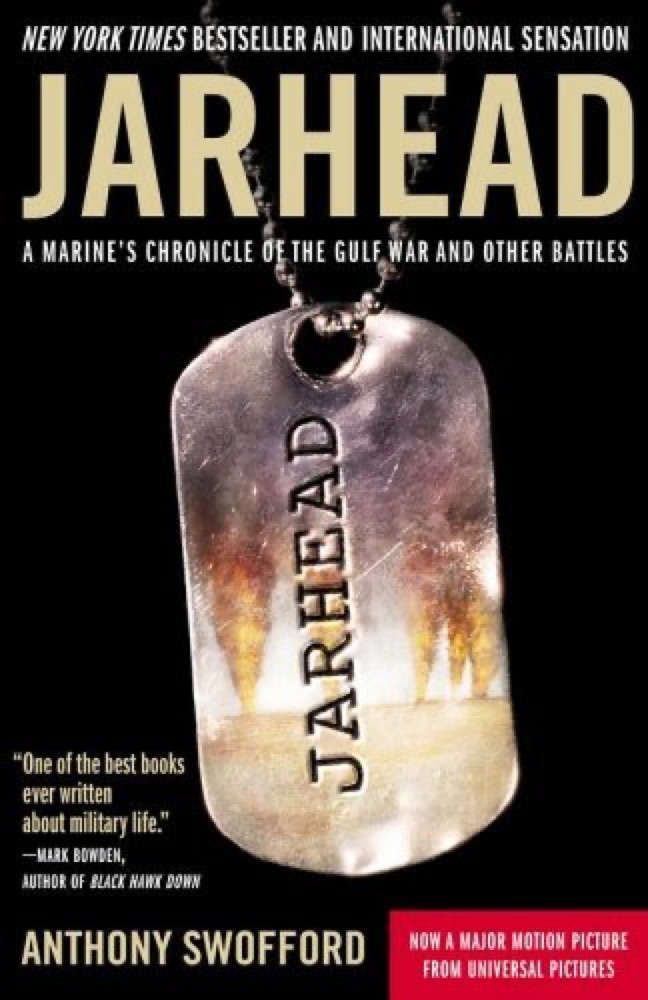 Jarhead : A Marine's Chronicle of the Gulf War and Other Battles
 The Likeness
 The End of Men
 A House in the Sky
 The Postcard
 The Forever War