
 The Offing
Quotes from the Book
I take another look at the stone, run my fingertip over the meticulous brushstrokes, and realize that nothing ever returns to time unless it is stored in mute, voiceless objects; rocks do tell tales after all.
2
Nothing makes a deeper impression on a boy than seeing his strong mother suddenly girlish and hurt
1
The truth in life often lies buried in places we do not associate with authenticity. Life is more subtle, in this respect, than linear human morality. It goes to work like a painter-copyist, using illusion to depict the truth.
1
Ik weet niet voldoende over neurologie om te kunnen peilen wat er precies gebeurt wanneer je halsoverkop getroffen wordt door een bepaalde gestalte, een bepaalde blik, een houding, iets waardoor een persoon plots uniek voor je wordt. Ik vermoed dat er heel ingewikkelde dingen samenkomen in één ogenblik, een soort associatieve explosie die een indruk van het unieke oplevert, het gevoel dat dit alles zonder meer onmiddellijk en onvoorwaardelijk betekenis en zin heeft. Wie verliefd is, ziet symbolen in de triviaalste dingen.
1
For some people, no life is long enough to recover from the shock of love, not even if they live to be nearly a hundred. - Page. 270
Zijn huwelijk met Gabrielle was wolkeloos voor wie niet beter wist. Vergroeid met elkaar als twee oude bomen die decennia door elkaars kruinen heen hebben moeten groeien omwille van het schaars bevochten licht, leefden ze hun eenvoudige dagen, alleen doorbroken door de frivool aandoende vrolijkheid van hun dochter, hun enig kind. De dagen verdwenen in de plooien van verstrooide tijd. Hij schilderde. (p. 18)
Soldiers are destroyers and bitter men when they return from furlough to the front.
Clues like these turn out to have been present throughout my childhood, invisible to me, and only by drawing links between my memories and what I read could I begin work on a modest form of restitution, inadequate reparations for my unforgivable innocence in those days.
The war had shot humanism full of holes, and what came rushing in was the infernal heat of a barren moral wasteland that could hardly be sown with new ideals, since it was abundantly clear how far astray the old ones had led us. The new politics that would now flare up was fueled by wrath, resentment, rancor, and vengefulness, and showed even greater potential for destruction.
My story is growing monotonous, just as the war grew monotonous, death monotonous, our hatred of the Huns monotonous, just as life itself grew monotonous and finally began to turn our stomachs.
We turn tough and get sentimental; we laugh as we cry; our life’s a waking slumber, a slumberous wake; we quarrel with our arms around each other; we lash out at each other while shrugging our shoulders; no part of our bodies or minds remains intact; we breathe as long as we live, and live merely because we are breathing, as long as it lasts.
This task confronted me with the painful truth behind any literary work: I first had to recover from the authentic story, to let it go, before I could rediscover it in my own way.
To me, he was still a hero; he gave me fencing lessons, sharpened my pocketknife, taught me how to draw clouds by rubbing an eraser over shapes sketched with a piece of charred wood from the fireplace, and how to render the myriad leaves of a tree without drawing each one separately—the true secret of art, as he called it.
They’re all daubers, today’s painters; they’ve completely lost touch with the classical tradition, the subtle, noble craft of the old masters. They muddle along with no respect for the laws of anatomy, don’t even know how to glaze, never mix their own paint, use turpentine like water, and are ignorant of the secrets of grinding your own pigments, of fine linseed oil and the blowing of siccatives—no wonder there are no more great painters.
It is like the wrath of God, minus God: every action is weighed in some unfathomable balance, and at any time, the most trivial movement may be punishable by death. The slightest misjudgment could easily be the last judgment. Not that this makes death trivial, but dying does seem more absurd than ever—the hellish pain, the formless horrors that bulge out of the body, the unbearable wailing of the lads in their final moments, their hands on their torn-up bodies as they clutch at their own entrails and moan for their mothers. They are children, countless wasted boys of barely twenty, who should be out in the sun, living their lives, but have sunk into the muck here instead.
They were so posh that even their Dutch sounded French.
Ik heb van oudsher een voorliefde voor de zilte, aan verdwenen zee herinnerende geur die op nevelige dagen over een polderlandschap han hangen -- aarde, zo vlak als water, zo onpeilbaar en stil als een verzonken zee. Brak water in de kreken, zilt in de lucht, de zware geur van grond en vee, de zo vertrouwenwekkende, eenvoudige aarde, de troost die uitgaat van dat rurale, in zichzelf berustende leven. ... de polders, op dagen in mei of in september, met hun door de lucht buitelende kieviten boven de velden, de zerpe geur van populieren, de varkensstallen, de einders overal rondom. De betovering van de zintuigen sloeg toe.
What remains to us here, behind the Yser, is not much more than a strip of land almost impossible to defend; a few rain-soaked trenches around razed villages; roads blown to smithereens, unusable by any vehicle; a creaky old horse cart we haul around ourselves, loaded with crates of damp ammunition that are constantly on the verge of sliding into a canal, forcing us to slog like madmen for every ten yards of progress as we stifle our warning cries; the snarling officers in the larger dug-outs, walled off with boards, where the privates have to bail water every day and brush the perpetual muck off their superiors’ boots; the endless crouching as we walk the trenches, grimy and smelly; our louse-ridden uniforms; our arseholes burning with irritation because we have no clean water for washing them after our regular attacks of diarrhoea; our stomach cramps as we crawl over heavy clods of earth like trolls in some gruesome fairy tale; the evening sun slanting down over the barren expanse; infected fingers torn by barbed wire; the startling memory of another, improbable life, when a thrush bursts into song in a mulberry bush or a spring breeze carries the smell of grassy fields from far behind the front line, and we throw ourselves flat on our bellies again as howitzers open fire out of nowhere, the crusts of bread in our hands falling into the sludge at the boot-mashed bottom of the stinking trench.
Watch on YouTube
About Stefan Hertmans
We have collected 18 quotes from 1 book by Stefan Hertmans on BookQuoters.
More about the author →About the book
Shortly before his death in 1981, Stefan Hertmans' grandfather gave him a couple of filled exercise books. Stories he’d heard as a child had led Hertmans to suspect that their contents might be disturbing, and for years he didn’t dare to open them.
When he finally did, he discovered unexpected secrets. His grandfather’s life was marked by years of childhood poverty in late-nineteenth-century Belgium, by horrific experiences on the frontlines during the First World War and by the loss of the young love of his life. He sublimated his grief in the silence of painting.
Drawing on these diary entries, his childhood memories and the stories told within Urbain’s paintings, Hertmans has produced a poetic novelisation of his grandfather’s story, brought to life with great imaginative power and vivid detail.
War and Turpentine is an enthralling search for a life that coincided with the tr
Book details
- First published
- 2013
- Author
- Stefan Hertmans
- Genre
- Fiction
- Goodreads rating
- 3.92 (13k ratings)
Keep reading
The Offing
 The Wars
 The Postcard
 The Eighth Life
 The Forgotten Soldier
 The Tunnel
 The Book of My Lives
 The Road Back
 In Search of Lost Time
 Black Lamb and Grey Falcon
 TransAtlantic
 The Untouchable
 The Fall of Babel
 The Brutal Telling
 V.
V.
 Brideshead Revisited: The Sacred and Profane Memories of Captain Charles Ryder
 The Story of the Lost Child
 The Swan Thieves
 The Moor's Last Sigh
 Tree of Smoke
 The Wasted Vigil
 Kolyma Tales
 Warlight
 Moonglow
 My Childhood
 Birds Without Wings
 The Naked and the Dead
 Still Alive: A Holocaust Girlhood Remembered
 Testament of Youth
 Forge of Darkness
 All Quiet on the Western Front
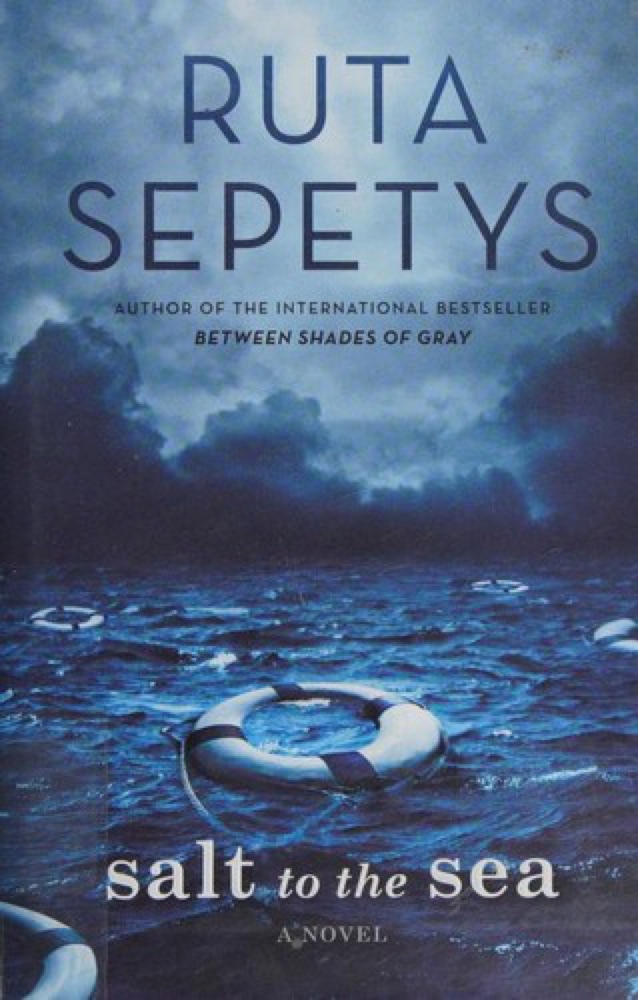 Salt to the Sea
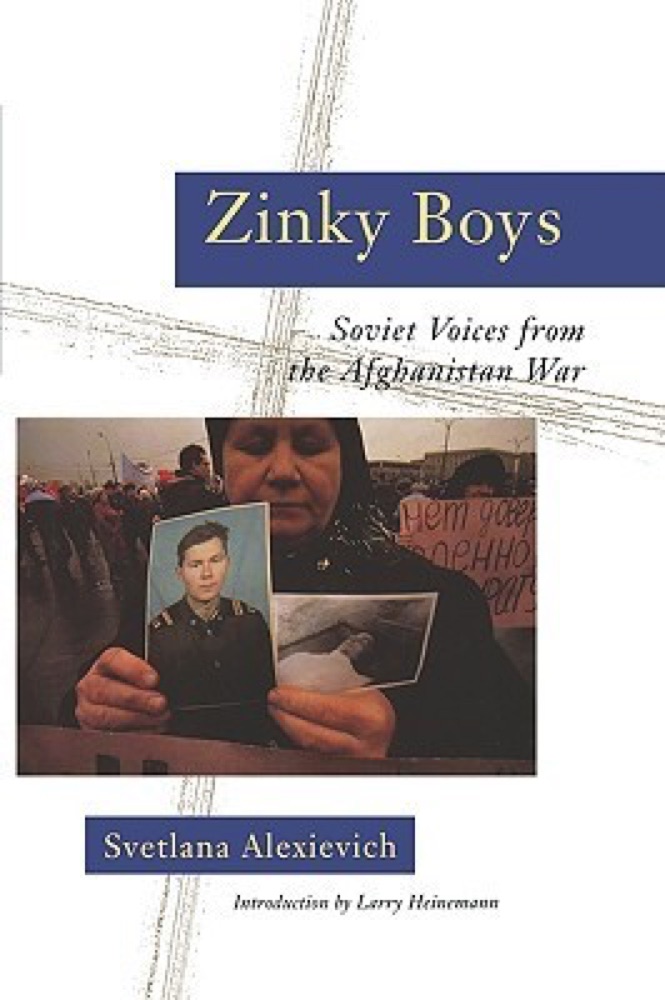 Zinky Boys: Soviet Voices from the Afghanistan War
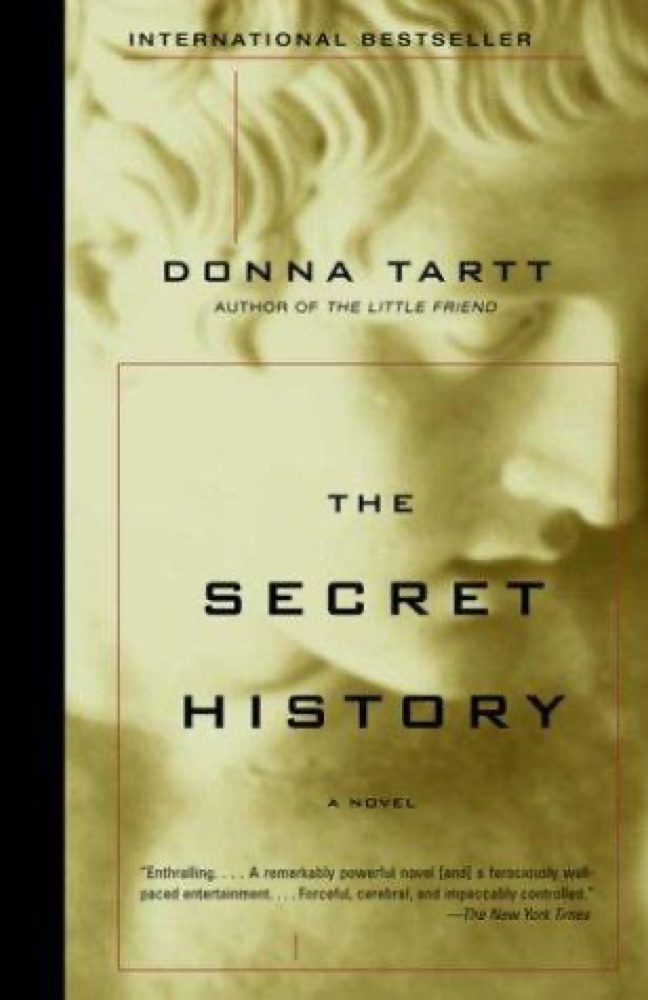 The Secret History
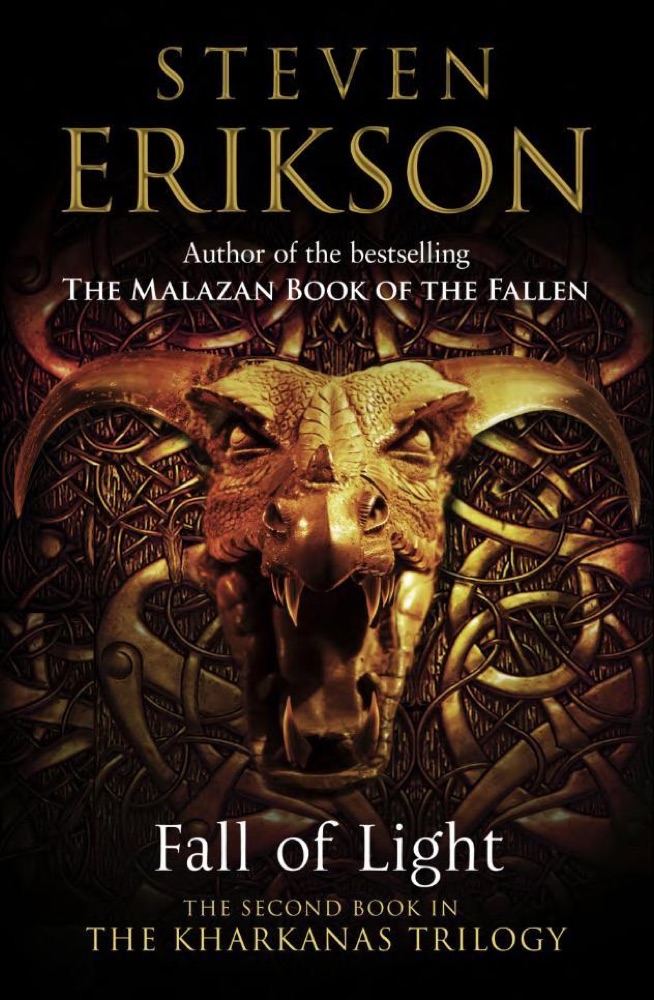 Fall of Light
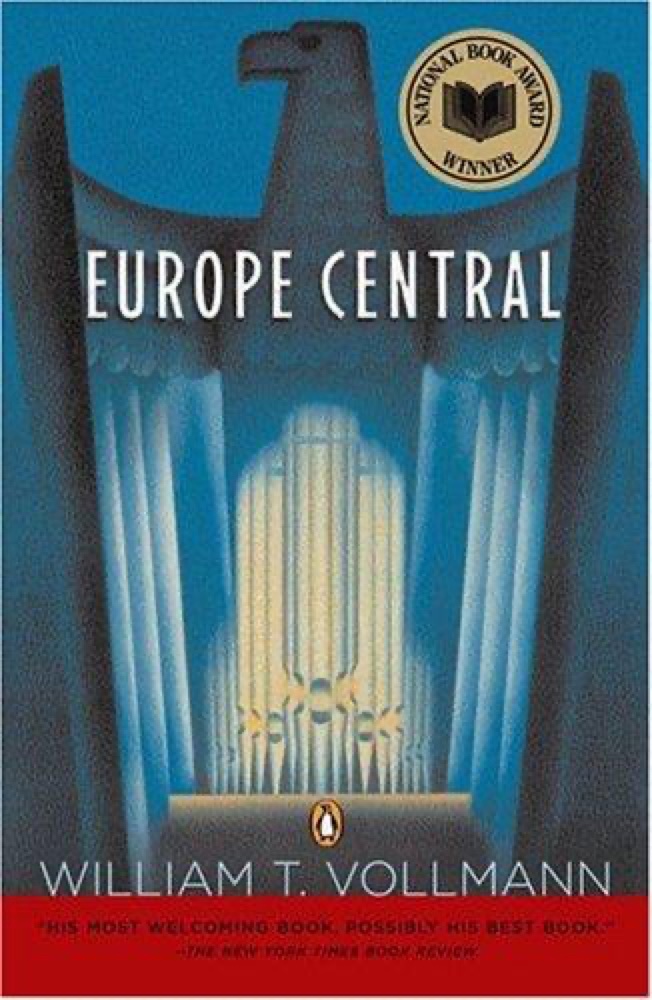 Europe Central
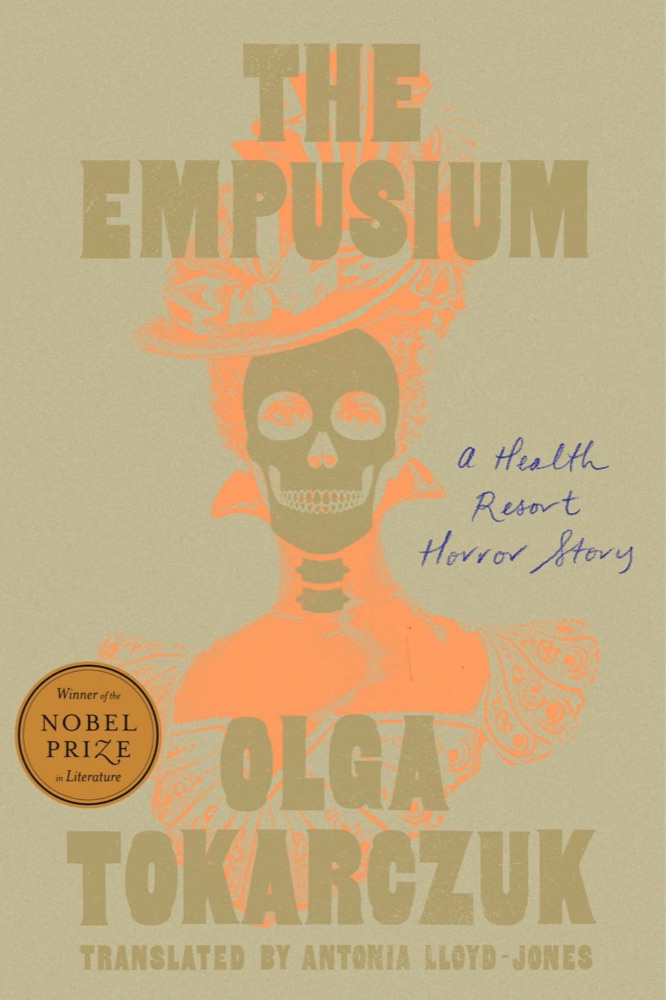 The Empusium
 The Notebook, The Proof, The Third Lie: Three Novels
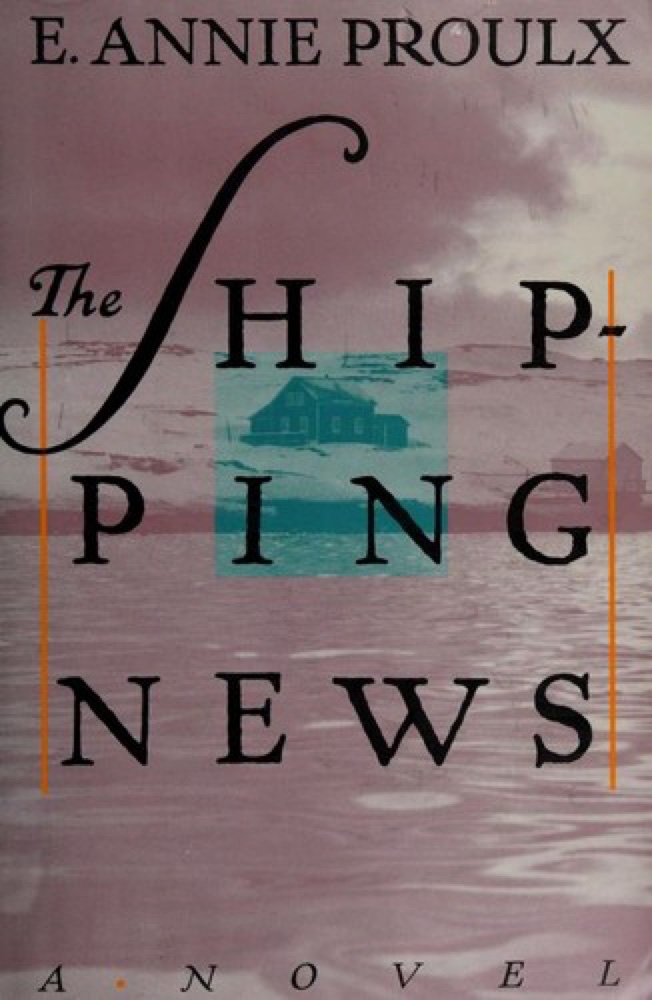 The Shipping News
 The Tsar of Love and Techno
 Plainwater: Essays and Poetry
 The Last Mortal Bond
 A Collection of Essays
 Days Without End
 Tinkers
 Ilustrado
 The Scapegoat
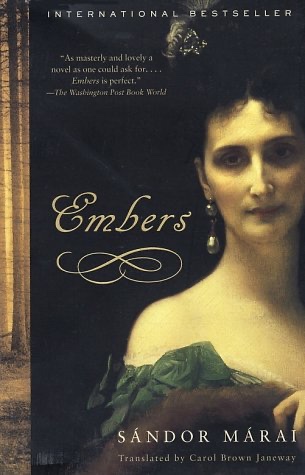 Embers
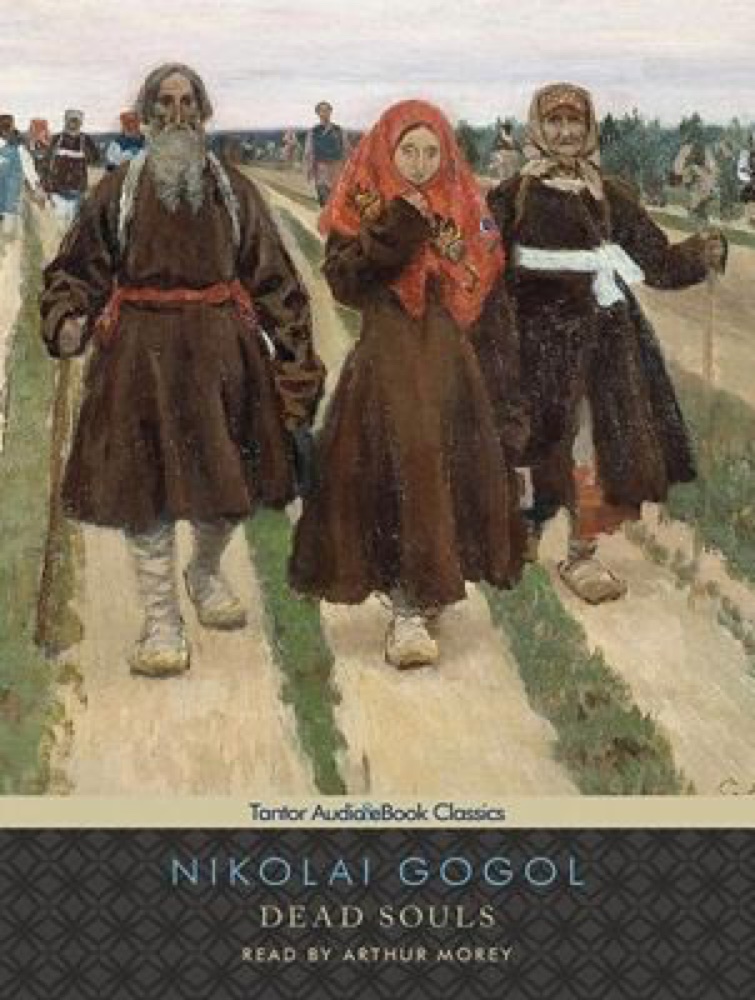 Dead Souls
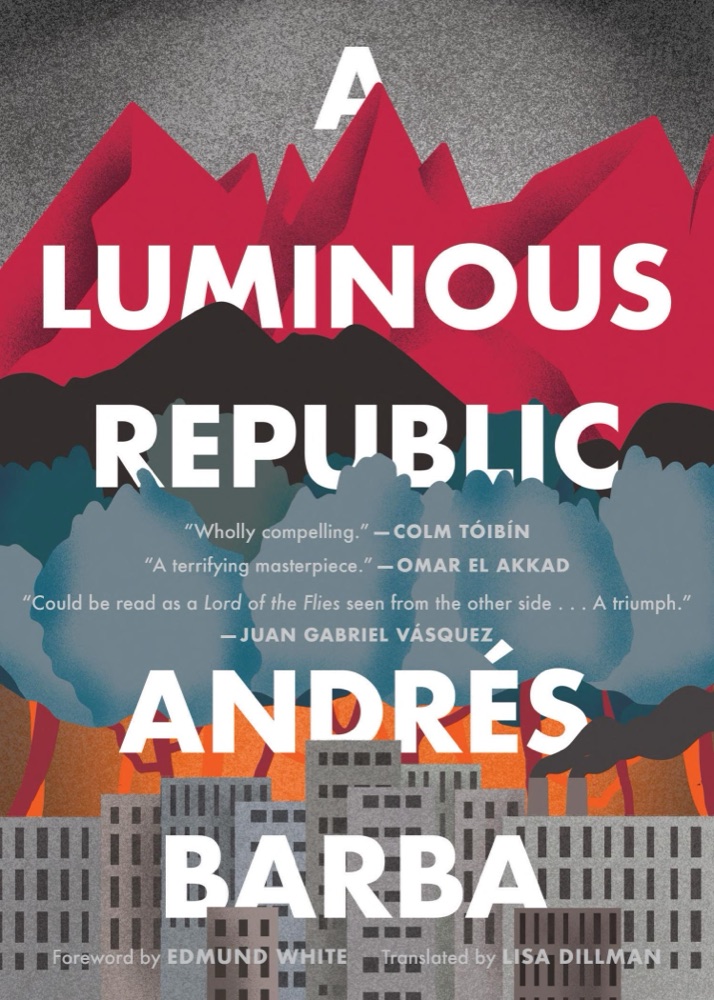 A Luminous Republic
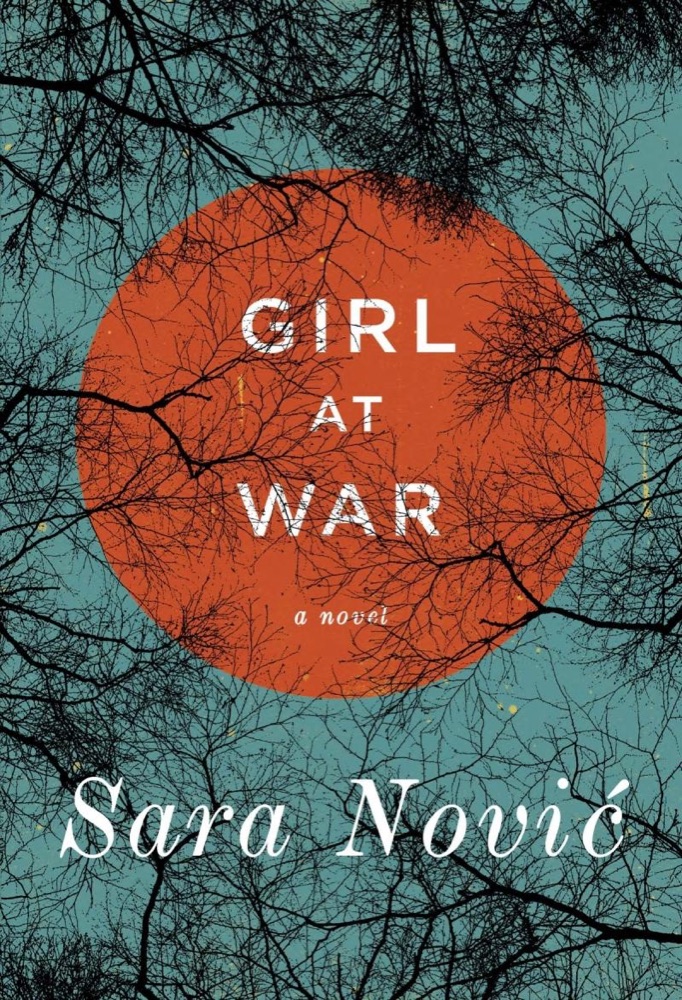 Girl at War
 The Prince of Tides
 Cage of Souls
 All That I Am
 Four Souls
 White Teeth
 The October Country
 People of the Book
 The Story of a New Name
 Ada, or Ardor: A Family Chronicle