
 The Sense of an Ending
Quotes from the Book
Every portrait that is painted with feeling is a portrait of the artist, not the sitter. The sitter is merely the accident, the occasion. It is not he who is revealed by the painter; it is rather the painter who, on coloured canvas, reveals himself.
3
It is a moment when a shift in the nature of literary fame occurs. Previously, a famous writer was a writer who became famous by writing. Wilde pioneered the idea of becoming famous first, and then getting down to the writing. By the end of 1882 he was “still” only a minor poet and diligent lecturer. But he was also famous on two continents and therefore primed for a literary career.
3
Frenchly, they set off with 1,300 litres of claret, fifty bottles of Pernod, and a mechanical piano.
2
Wilde also established another prime rule of fame in the modern age: that there is no such thing as bad publicity, there is only publicity. Success is better measured in column inches than by what those columns contain.
2
the novel has almost as many forms as there are forms of love and sex.
2
The past is the present's toy and plaything, gratifyingly unable to answer back.
1
His grandfather had white peacocks roosting in a catalpa tree.
1
The main reason Britons sought exile in France was to escape scandal (and be able to carry on in their scandalous ways): it was the place to go for the upper-class bankrupt, bigamist, cardsharp and homosexual. They sent us their ousted leaders and dangerous revolutionaries; we sent them our posh riff-raff. Another reason for continental exile was expressed by the painter Walter Sickert in a letter from Dieppe in 1900: 'It is bloody healthy here & fucking cheap ("Fucking" used here as an adverb, not a substantive gerund).
1
The French had the more pragmatic approach: you married for social position, for money or property, for the perpetuation of family, but not for love. Love rarely survived marriage, and it was a foolish hypocrisy to pretend that it might.
1
Watch on YouTube
About Julian Barnes
We have collected 269 quotes from 12 books by Julian Barnes on BookQuoters.
More about the author →More by Julian Barnes
All books by Julian Barnes →

About the book
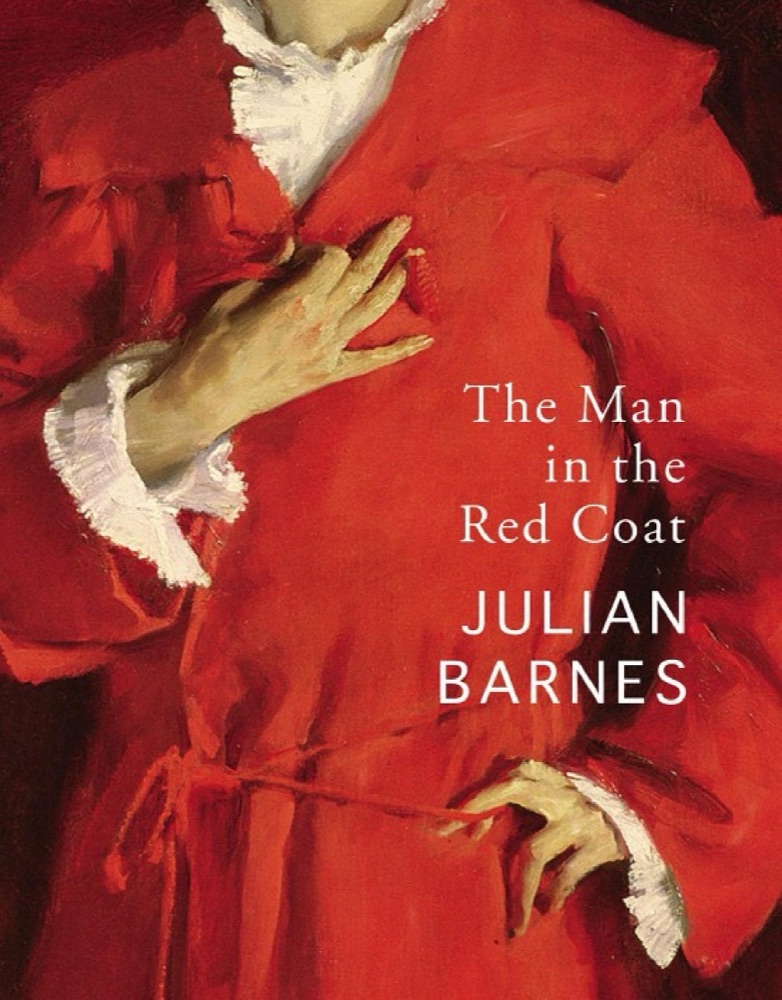
The Man Booker Prize-winning author of The Sense of an Ending takes us on a rich, witty tour of Belle Epoque Paris, via the life story of the pioneering surgeon Samuel Pozzi
In the summer of 1885, three Frenchmen arrived in London for a few days’ shopping. One was a Prince, one was a Count, and the third was a commoner with an Italian name, who four years earlier had been the subject of one of John Singer Sargent’s greatest portraits. The commoner was Samuel Pozzi, society doctor, pioneer gynaecologist and free-thinker – a rational and scientific man with a famously complicated private life.
Pozzi's life played out against the backdrop of the Parisian Belle Epoque. The beautiful age of glamour and pleasure more often showed its ugly side: hysterical, narcissistic, decadent and violent, a time of rampant prejudice and blood-and-soil nativism, with more parallels to our own age than
Book details
- First published
- 2019
- Author
- Julian Barnes
- Genre
- Nonfiction
- Goodreads rating
- 3.68 (4k ratings)
The buzz
- The New York TimesReview in The New York Timesprofessional review (via Book Marks)
- The Wall Street JournalReview in The Wall Street Journalprofessional review (via Book Marks)
- The GuardianReview in The Guardianprofessional review (via Book Marks)
- NPRReview in NPRprofessional review (via Book Marks)
- The Times Literary SupplementReview in The Times Literary Supplementprofessional review (via Book Marks)
- The TimesReview in The Timesprofessional review (via Book Marks)
Keep reading
 The Picture of Dorian Gray and Other Fantastic Tales
 Flaubert's Parrot
 Black Lamb and Grey Falcon
 Cakes and Ale
 Experience
 Complete Works of Oscar Wilde
 The Great Mistake
 The Volcano Lover: A Romance
 Dr. Thorne
 The Longest Journey
 Cultural Amnesia: Necessary Memories from History and the Arts
 The Complete Works of Charles Dickens
 Death in Venice and Other Tales
 The Magnificent Ambersons
 The Greater Journey: Americans in Paris
 Mademoiselle de Maupin
 The Forsyte Saga
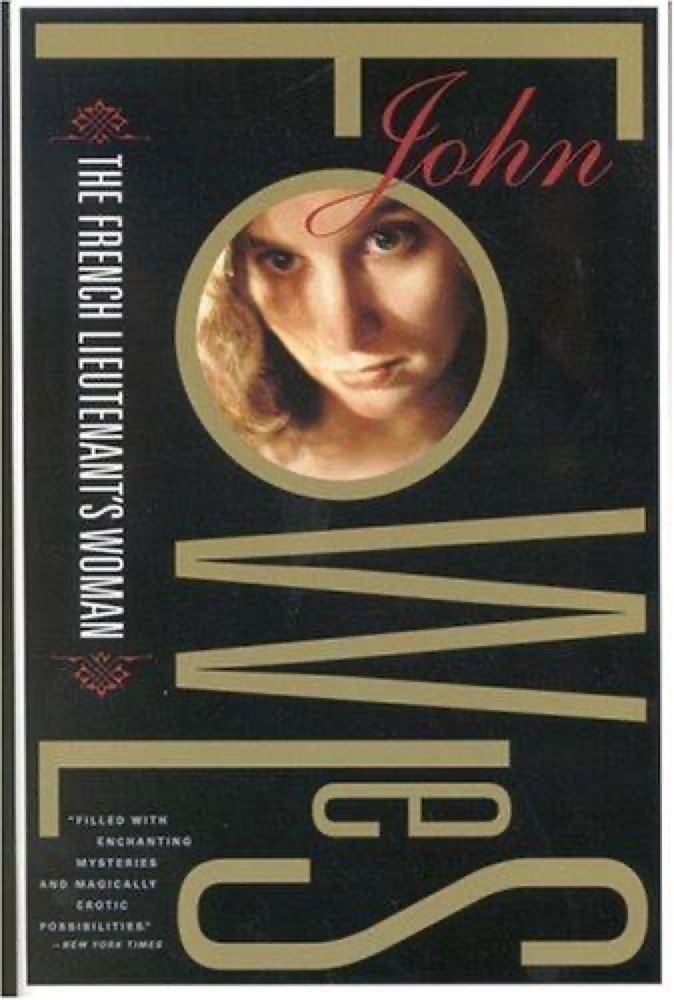 The French Lieutenant's Woman
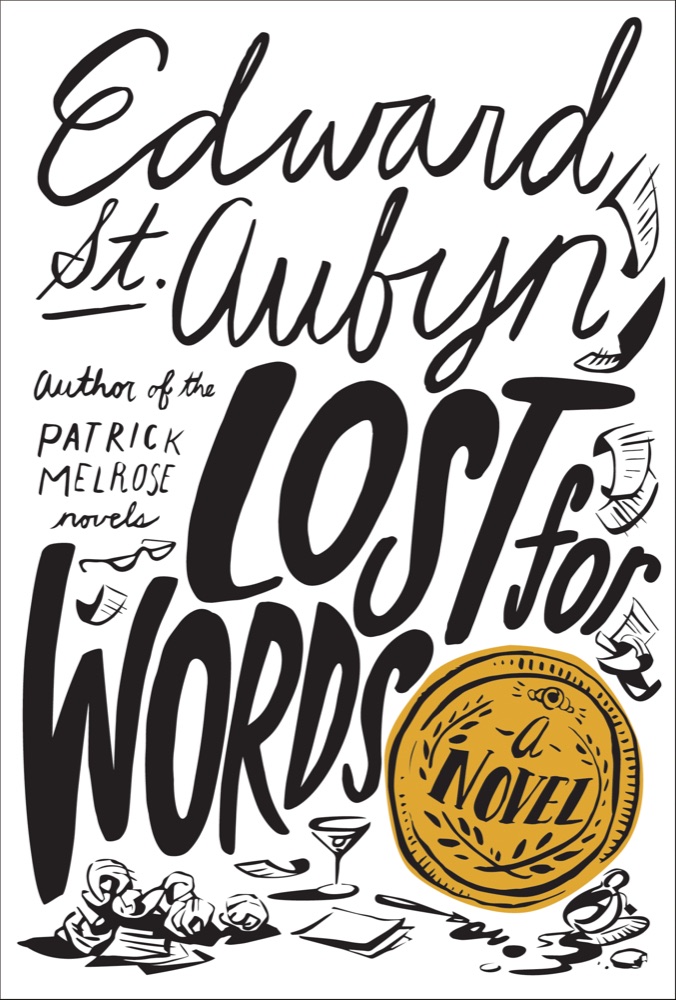 Lost for Words
 At Home: A Short History of Private Life
 Death in the Afternoon
 The Swan Thieves
 The Tiger in the Smoke
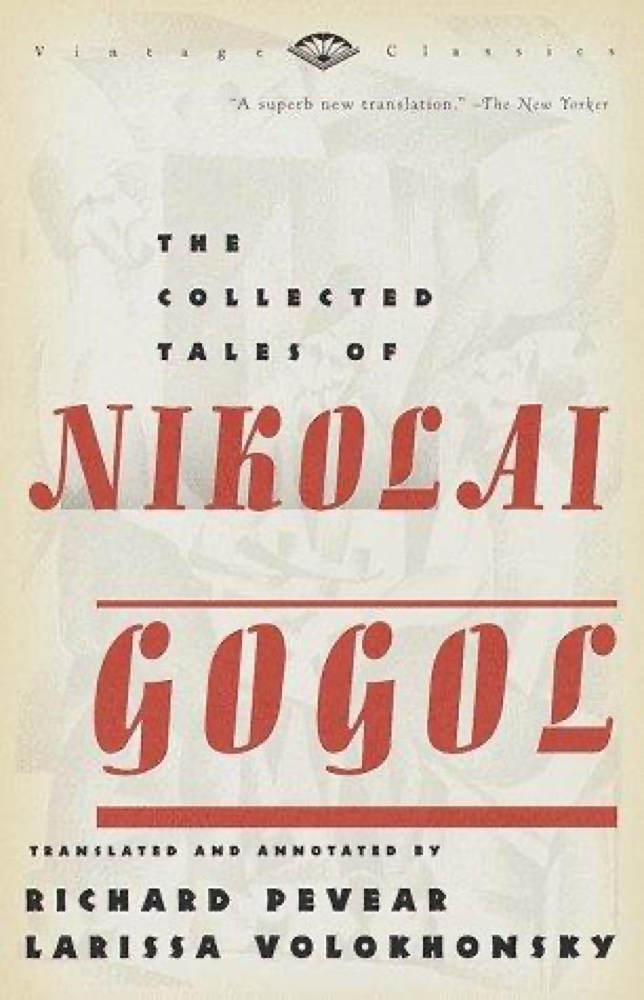 The Collected Tales of Nikolai Gogol
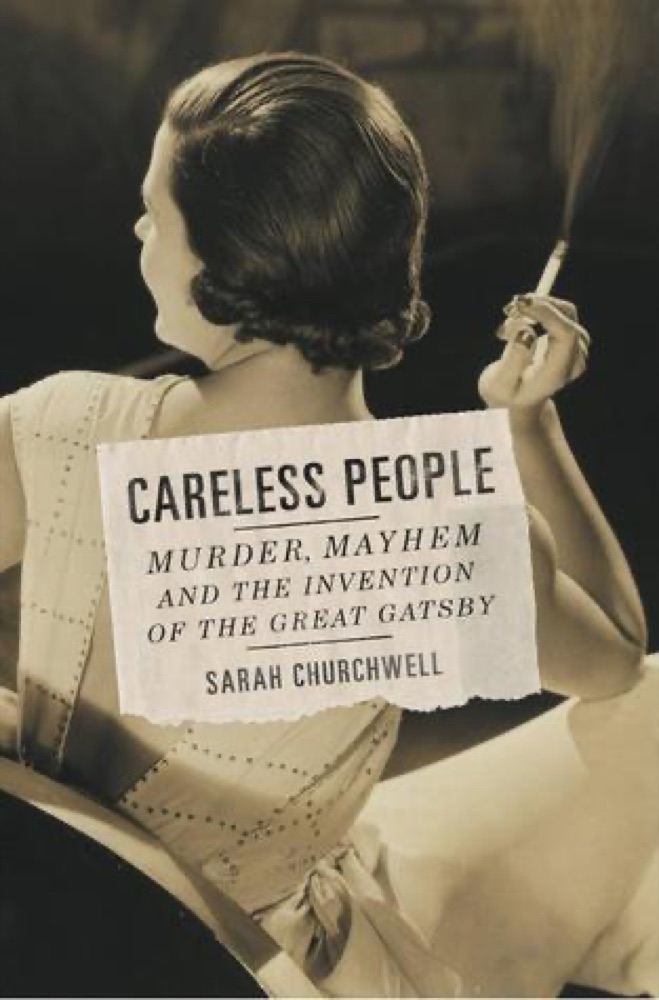 Careless People: Murder, Mayhem, and the Invention of The Great Gatsby
 The Proud Tower: A Portrait of the World Before the War, 1890-1914
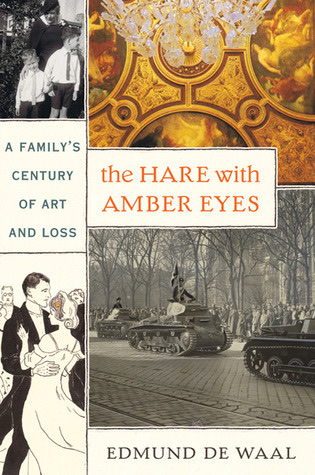 The Hare With Amber Eyes: A Family's Century of Art and Loss
 Ravelstein
 The Rise of Silas Lapham
 The Curtain: An Essay in Seven Parts
 The Post-Birthday World
 Barchester Towers
 The Good Soldier
 Lord Arthur Savile's Crime and Other Stories
 Don Juan
 Post Captain
 Paris to the Moon
 Cocaine
 The Fraud
 The Mark and the Void
 How Proust Can Change Your Life
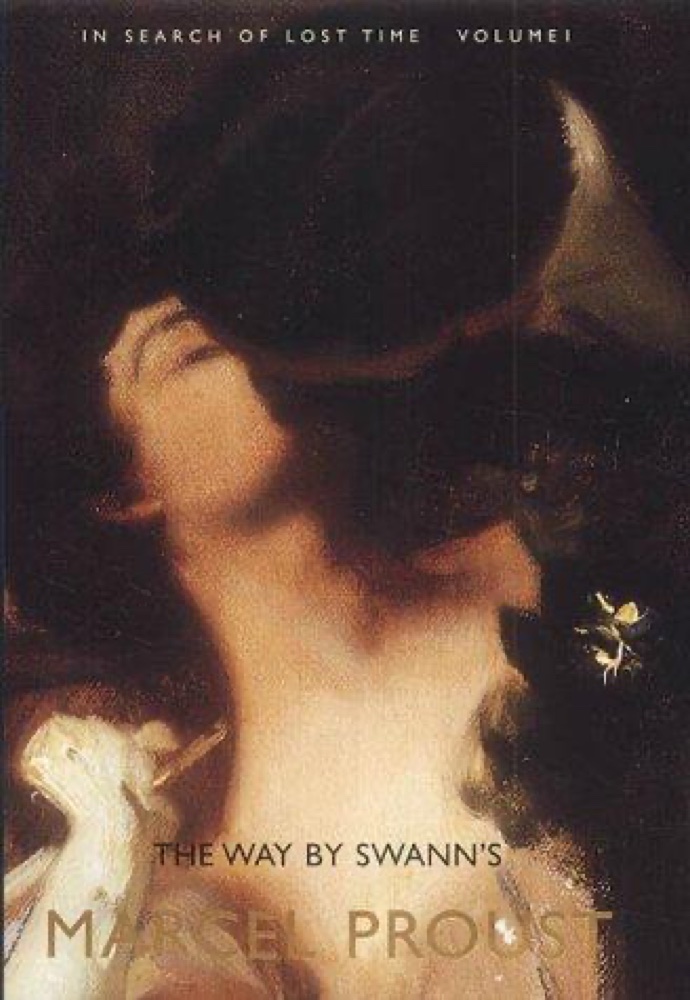 In Search of Lost Time
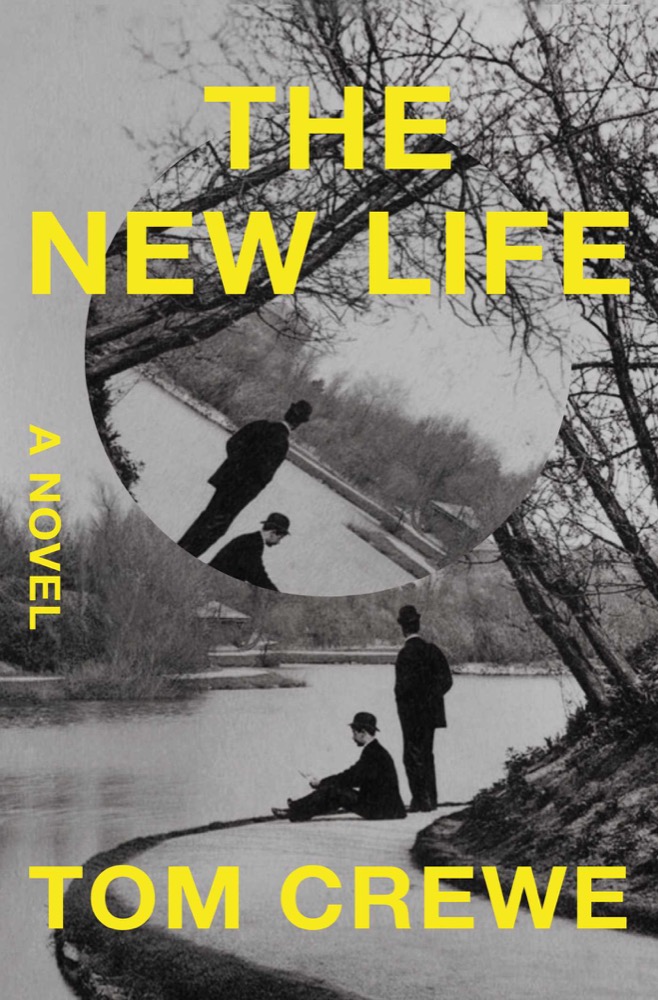 The New Life
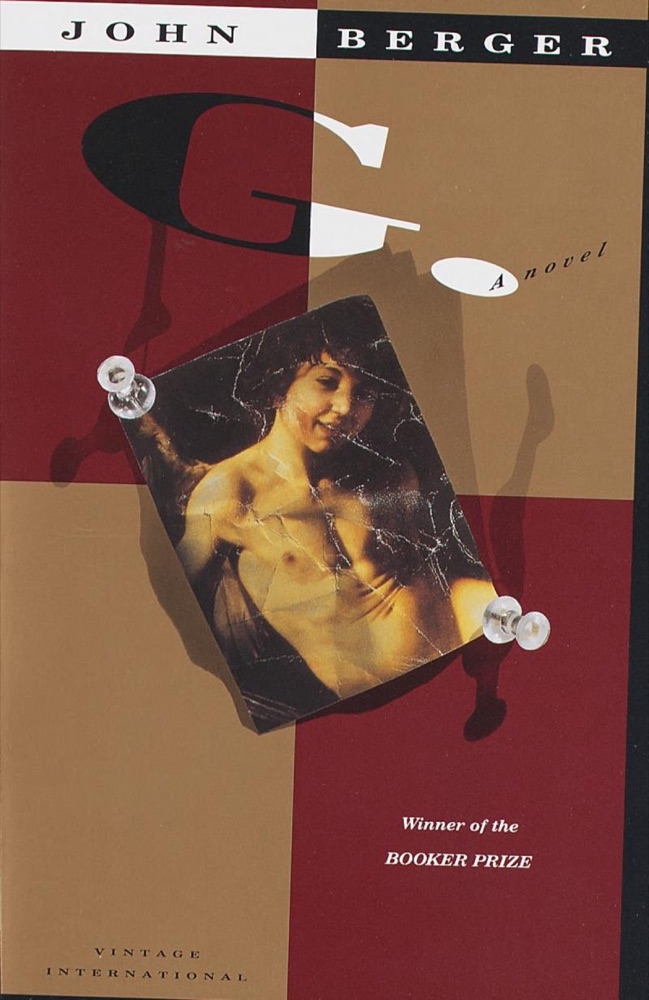 G.
G.
 Skinny Legs and All
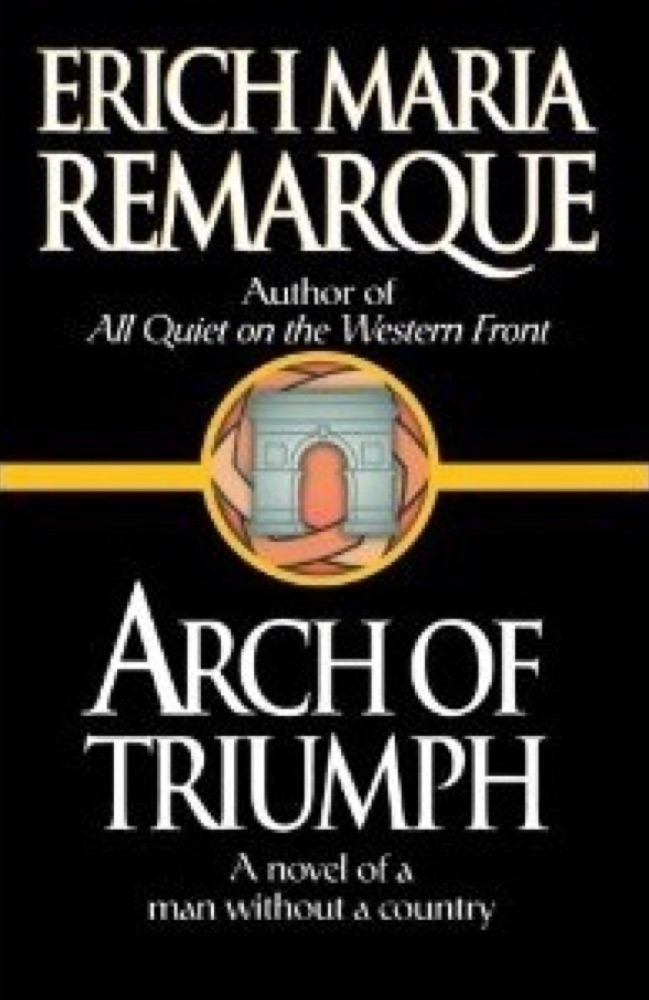 Arch of Triumph
 All Passion Spent
 Aspects of the Novel
 House of Trelawney
 Zuleika Dobson
 Sodom and Gomorrah
 The Summer Without Men
 The Belle of Belgrave Square
 Antic Hay
 Gourmet Rhapsody
 Cousin Bette
 Dear Mr. M
 The Marriage Plot
 The Memoirs of Cleopatra
 The Madwoman Upstairs