
 Point Counter Point
Quotes from the Book
Jealousy is a fever that arises from a stupid, baseless excitement in our unthinking brain. Jealousy is a phenomenon of auto-suggestion. The woman you love has gone to bed with X. You hate X, you hate her, and you have perpetually before your eyes the vision of your loved one and X embracing in an act that fills you with horror. But you too in your time have deceived the woman you love and have done with Y what X did in bed with woman you love. Well, what remains in your skin ,your mind of Mrs Y? Nothing whatever. No more than X left with your woman. In other words, auto suggestion. Do you want evidence of that? Well, then, if you don't know the man, you imagine him to be hateful, offensive, repulsive, and you feel that if you met him you'd kill him. But, if you happen to see his photograph, you begin to realize that it's possible to look at him without horror; and believe me, if you were actually introduced to him you'd approach him with a cordial smile on your lips, look him in the eye without trembling and, if you have reached my degree of perfection, you'd actually be capable of cheerfully patting him on the back and telling him he's a good chap. In a not too distant future, reason and education will have driven home the lesson of the futility of jealousy.
The alcoholic retains the ability to condemn his addiction and advise those not subject to it to avoid succumbing to the liquid poison. But the cocaine addict likes proselytizing; thus, instead of constituting a tangible warning, every victim of the drug acts as a source of infection.
The height of perfection is mediocrity.
The mob loves those who amuse and serve it. But to amuse it you have to love it. I love no one, least of all the mob, because the mob, the multitude, are like women: they betray those who love them.
A man tells you the most interesting things he knows during the first half hour he talks to you; after that he either repeats himself or offers you variations of the same theme.
I work because I need to have two thousand francs in my pocket every month, but I have no desire to glorify work either by enthusiasm or envy or emulation. Life is a mere waiting room in which we spend time before entering into the void. Who would think of working in a waiting room? While awaiting our turn we chat, we look at the pictures on the walls. But work? There is no point in it, if when our turn comes to go into the next room we shall no longer see anything.
He was forty, which is the most frightening age in life. You don't feel sorry for the old, because they are old already; you don't feel sorry for the dead, because they are dead already. But you do feel sorry for those approaching old age, those approaching death. Forty! At fairgrounds you see roller coasters dashing up a steep slope followed by a steep drop and then another ascent. At the top of the slope, or rather just before the top, the vehicle has used up all the energy it acquired in the descent and it slows down and hesitates as if the top were unattainable, as it it were terrified of the approaching plunge. The man approaching forty is in a similar state of hesitation and uncertainty; his pace slackens, he is paralyzed by the approaching summit and the descent he cannot see but knows lies just ahead.
Women are like posters. One is stuck on top of another and covers it completely. Perhaps just for a moment, when the paste is still soft and the paper still wet and slightly transparent, you may still catch a vague impression of the splashes of color of the first, but soon there's no more trace of it. Then, when the second one is removed, both come away together, leaving your memory and your heart as blank as a wall.
We have to defend views we don't share and impose them on the public; deal with questions we don't understand and vulgarize them for the gallery. We can't have ideas of our own, we have to have those of the editor; and even the editor doesn't have the right to think with his own head, because when he's sent for by the board of directors he has to stifle his own views, if he has any, and support those of the shareholders.
Conferences are assemblies of people who argue about how to conduct an argument and end by sending a telegram of congratulation to the minister.
Nature [provides] with the excitement of the dance in the interest of the reproduction of the species.
I've come to see that competitors are necessary to those who want to get on in the world. Opposition is indispensable to success.
Mysticism was merely virility in a state of liquidation; sperm that had gone bad.
What a jester God is, Tito went on. No doubt it was He who created such blessings as water to make the grass grow, grass to fill animals' bellies, animals to fill men's bellies, women for men to keep, the serpent to cause trouble to both sexes, truffles to slice and serve with lobsters, the sun to dry washing, the stars to shine on poets, and the moon so that Neapolitan songs could be written about it. But it strikes me as strange that things should have emerged from nothing at the mere sound of their names. I think the Almighty likes parlor tricks and arranged the whole thing beforehand, that like a good conjurer He had His boxes with double bottoms and His glasses prepared in advance, and that His bravura in seeming to create everything out of nothing in six days was a piece of American-style ballyhoo designed pour épater les bourgeois.
No, I don't want to commit suicide, but I should like to fade away and die gently. To depart from life as one gets out of a bath.
[T]he distance between sympathy and sensuality is as short as that which separates those two words in the dictionary.
In a not too distant future, reason and education will have driven home the lesson of the futility of jealousy. The day will come when our beloved children (the cuckolds of the future) will be prepared to be cuckolded and will no longer suffer for it, because we shall have inoculated them with commonsense and given them anti-cuckoldry injections. Now
When I was twenty they told me to swear loyalty to the King, a person who acts in the capacity because his father and grandfather did the same before him. I took the oath because they forced my to, otherwise I wouldn't have done it. Then they sent me to kill people I didn't know who were dressed rather like I was. One day they said to me: "Look, there's one of your enemies, fire at him," and I fired, but missed. But he fired and wounded me. I don't know why they said it was a glorious wound.
Not having a moustache, he was in the habit of twirling his eyebrows. “Why do you keep twirling your eyebrows?” a young lady asked him one day. “We all twirl the hairs we have, depending on our age and sex,” Tito replied. The young lady thought him very witty and fell in love with him. She
I met two or three men who were very kind to me. There was a magistrate who couldn't stand priests, and a priest who didn't have a good word to say for magistrates; and there was a landlord who let furnished rooms by the hour and spoke highly of both priests and magistrates, because both were his best clients.
About Pitigrilli
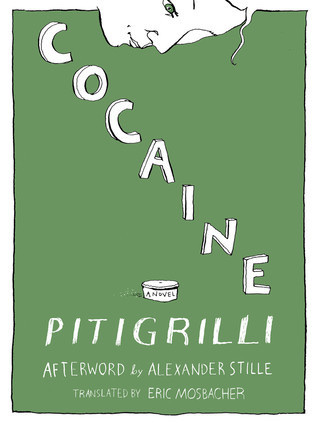
We have collected 20 quotes from 1 book by Pitigrilli on BookQuoters.
More about the author →Book details
- Author
- Pitigrilli
- Genre
- Literature
- Goodreads rating
- 3.79 (642 ratings) →
Keep reading
Point Counter Point
 V.
V.
 Diary of a Drug Fiend
 Fierce Invalids Home from Hot Climates
 Notes of a Dirty Old Man
 Sixty Stories
 Cuckold
 Sexus
Sexus
 The Rebel Angels
 The Razor's Edge
 Moth Smoke
 Tropic of Cancer
 The Fall
 Gaudy Night
 The Sea, the Sea
 Disgrace
 The Adolescent
 Selected Stories
 Henderson the Rain King
 Lady Chatterley's Lover
 Another Roadside Attraction
 The Golden Notebook
 Skinny Legs and All
 Antic Hay
 The Gun Seller
 Don Juan
 A Single Man
 The Volcano Lover: A Romance
 A Fraction of the Whole
 That Hideous Strength
 Farewell Waltz
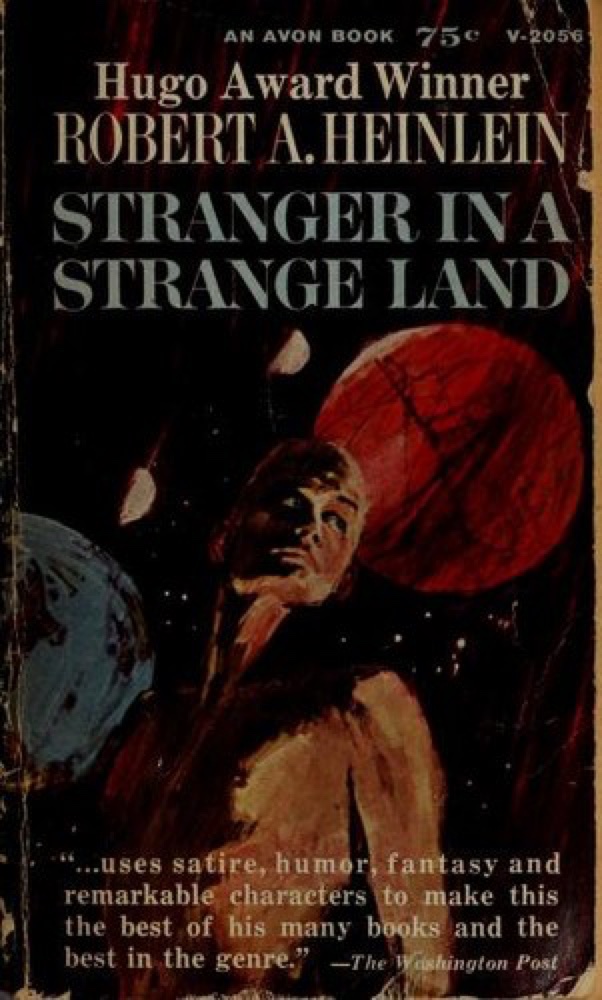 Stranger in a Strange Land
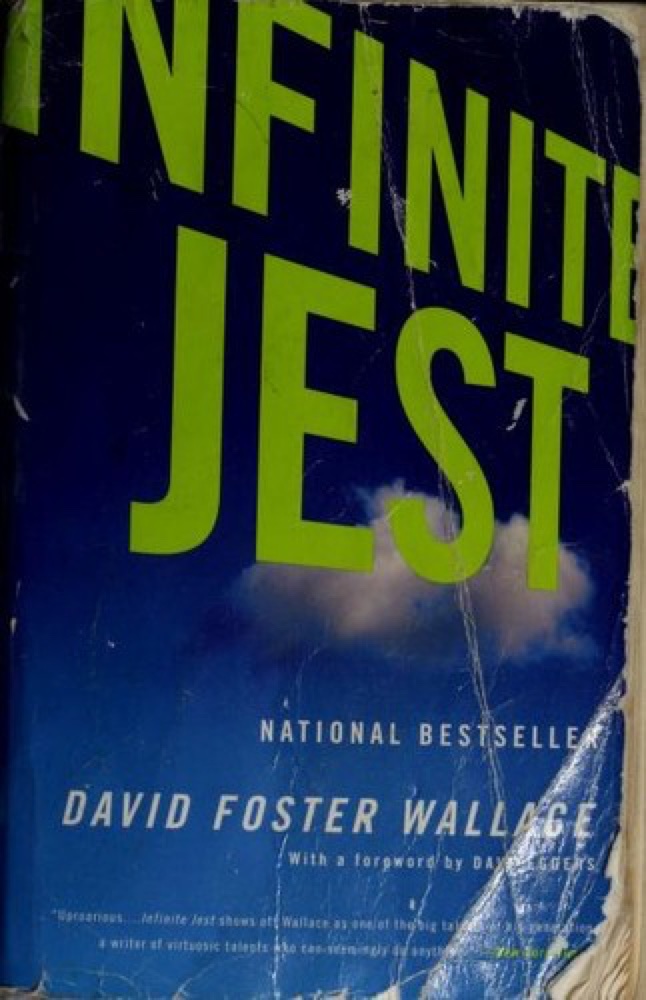 Infinite Jest
 The Magic Mountain
 The Hangman's Replacement: Sprout of Disruption
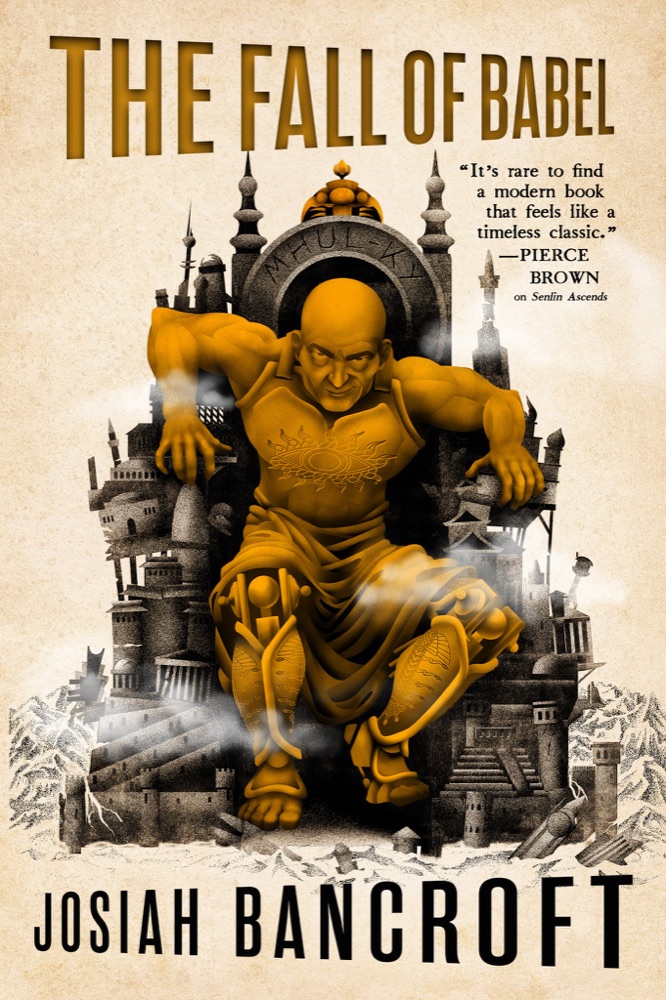 The Fall of Babel
 The Memoirs of Cleopatra
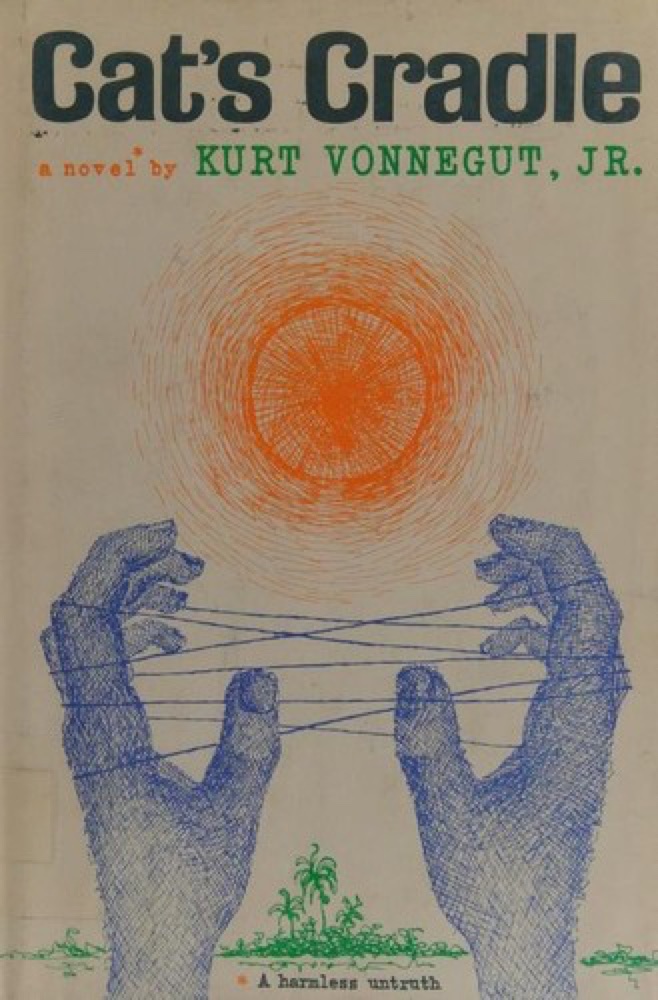 Cat's Cradle
 Speedboat
 Q & A
Q & A
 The Moonstone
 Ragtime
 Beautiful Losers
 White Teeth
 Breakfast of Champions
 Fall of Man in Wilmslow
 The Bone Clocks
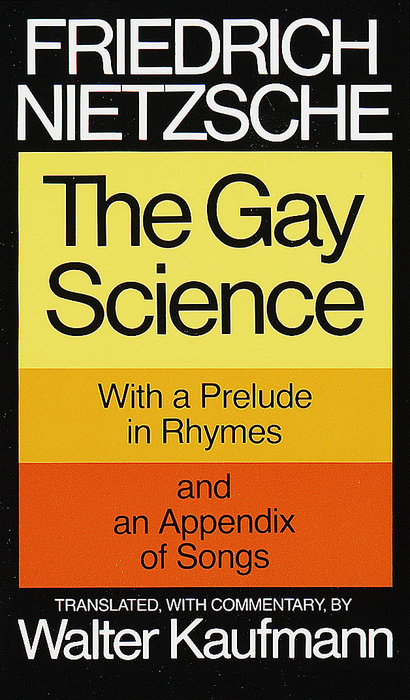 The Gay Science
 Flaubert's Parrot
 The Elementary Particles
 The Liar
 The Gambler
 The Dice Man
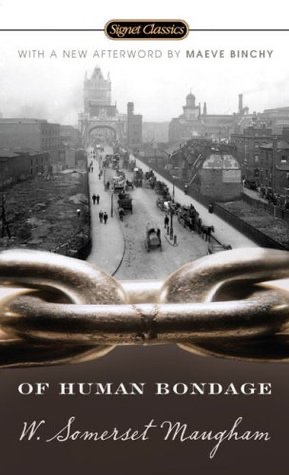 Of Human Bondage
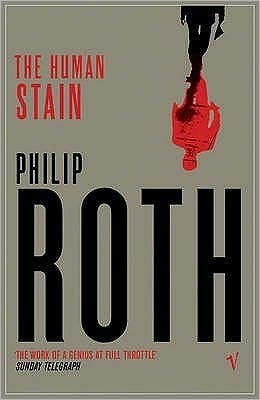 The Human Stain
 The Joke
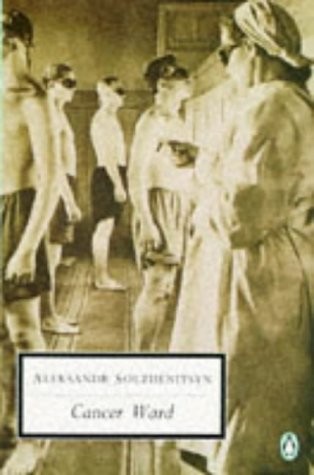 Cancer Ward
 Idle Thoughts of an Idle Fellow
 The Magus
 Sweet Thursday