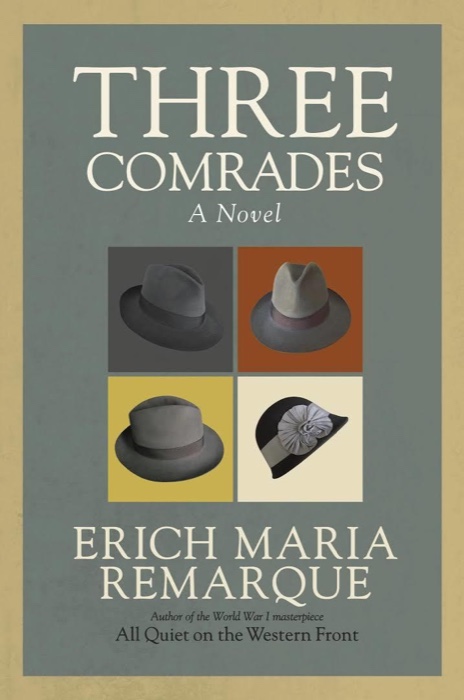
 Three Comrades
Quotes from the Book
-Why does a man live? -In order to think about it...
Anything you can settle with money is cheap.
Come let me kiss you. Life was never so precious as today— when it meant so little.
I don’t want to get old.” “You won’t get old. Life will pass over your face, that will be all, and it will become more beautiful. One is old only when one no longer feels.” “No. When one no longer loves.
Love should not be polluted with friendship.
I’ll tell you the story of the wave and the rock. It’s an old story. Older than we are. Listen. Once upon a time there was a wave who loved a rock in the sea, let us say in the Bay of Capri. The wave foamed and swirled around the rock, she kissed him day and night, she embraced him with her white arms, she sighed and wept and besought him to come to her. She loved him and stormed about him and in that way slowly undermined him, and one day he yielded, completely undermined, and sank into her arms.” “And suddenly he was no longer a rock to be played with, to be loved, to be dreamed of. He was only a block of stone at the bottom of the sea, drowned in her. The wave felt disappointed and deceived and looked for another rock “What does that mean? He should have remained a rock.” “The wave always says that. But things that move are stronger than immovable things. Water is stronger than rocks.
The best way to lose a woman was to show her a kind of life that one could offer her for only a few days.
There was only the broad square with the scattered dim moons of the street lamps and with the monumental stone arch which receded into the mist as though it would prop up the melancholy sky and protect beneath itself the faint lonely flame on the tomb of the Unknown Soldier, which looked like the last grave of mankind in the midst of night and loneliness.
Am I jealous? he thought, astonished. Jealous of the chance object to which she has attached herself? Jealous of something that does not concern me? One can be jealous of a love that has turned away, but not of that to which it has turned.
(Ravic speaking of a butterfly caught in the Louvre) In the morning it would search for flowers and life and the light honey of blossoms and would not find them and later it would fall asleep on millennial marble, weakened by then, until the grip of the delicate, tenacious feet loosened and it fell, a thin leaf of premature autumn.
When we love each other we are immortal and indestructible like the heartbeat and the rain and the wind.
The simplest and the most incredible thing in the world had come true again: two people speaking to each other, each for himself; and sounds, called words, shaped the same images and feelings in that palpitating mass behind the skull, and out of meaningless vibrations of the vocal chords and their unexplainable reactions in the viscous gray convolutions, skies suddenly grew again in which were mirrored clouds, brooks, past times, growth and decay and hard-won wisdom.
Ljubav nije jezero u kome se uvek može ogledati... ona ima plimu i oseku i olupine i potonule gradove i bure i kovčege sa zlatom i bisere… ali biseri su duboko...
What do you know about me? What do you know about love that comes into a life in which everything has become questionable? What is your cheap intoxication compared to that? When falling and falling suddenly changes, when the endless Why becomes the final You, when like a fata morgana above the desert of silence feeling suddenly arises, takes shape, and inexorably the delusion of the blood becomes a landscape compared with which all dreams are pale and commonplace? A landscape of silver, a city of filigree and rose quartz, shining like the bright reflection of blooming blood—what do you know about it? Do you think that one can talk about it so easily? That a glib tongue can quickly press it into a cliché of words or even of feelings? What do you know about graves that open and how one stands in dread of the many colorless empty nights of yesterday—yet they open and no skeletons now lie bleaching there, only earth is there, earth, fertile seeds, and already the first green. What do you know about that? You love the intoxication, the conquest, the Other You that wants to die in you and that will never die, you love the stormy deceit of the blood, but your heart will remain empty because one cannot keep anything that does not grow from within oneself. And not much can grow in a storm. It is in the empty nights of loneliness that it grows, if one does not despair. What do you know about it?
To be alone—the eternal refrain of life. It wasn’t better or worse than anything else. One talked too much about it. One was always and never alone. A violin, suddenly—somewhere out of a twilight—in a garden on the hills around Budapest. The heavy scent of chestnuts. The wind. And dreams crouched on one’s shoulders like young owls, their eyes becoming lighter in the dusk. A night that never became night. The hour when all women were beautiful.
I don’t know what it is. I simply can’t stand it. It’s like a hand reaching out of the dark. It is fear—blind fear as if it were lying in wait somewhere for me.
Everything was all right. That which had been and that which was still to come. It was enough. If it were the end, it was all right so. He had loved somebody and lost her. He had hated another and killed him. Both had freed him. One had brought his feelings to life again; the other had eradicated his past. Nothing remained behind unfulfilled. No desire was left; no hatred, nor any lament. If this were a new beginning, then that was what it was. One would start without expectation, prepared for many things, with the simple strength of experience which had strengthened and not torn asunder. The ashes had been cleared away. Paralyzed places were alive again. Cynicism had turned into strength. It was all right.
She was very beautiful and he felt he loved her. She was not beautiful as a state or a picture is beautiful; she was beautiful as a meadow across which the wind blows. It was life that pulsed in her and that had formed her into what she was.
There was always a screen behind which one could hide— a superior who in turn had his superior— orders, instructions, duties, commands— and finally the many-headed monster, morale, necessity, hard reality, responsibility, or whatever it was called— there was always a screen behind which to evade the simple law of humanity.
Love is not a businessman who wants to see a return on his investments. And imagination needs only a few nails on which to hang its veil. Whether they are of gold, tin, or covered with rust makes no difference to it. Wherever it gets caught, it is caught. Thornbush or rosebush, as soon as the veil of moonlight and mother-of-pearl has fallen on it, either becomes a fairy tale out of A Thousand and One Nights
We have our dreams because without them we could not bear the truth.
See what has become of us. As far as I know, only the old Greeks had gods of drinking and the joy of life: Bacchus and Dionysus. Instead of that we have Freud, inferiority complexes and the psychoanalysis. We’re afraid of the too great words in love and not afraid of much too great words in politics. A sorry generation!
Regret is the most useless thing in the world. One cannot recall anything. And one cannot rectify anything. Otherwise we would all be saints. Life did not intend to make us perfect. Whoever is perfect belongs in a museum.
40
No one could become stranger than the person you once loved
35
Don't ask about the consequences if you want to do something. Otherwise you'll never do it.
19
A strange night, he thought. Somewhere now there is shooting and men are being hunted and imprisoned and tortured and murdered, some corner of a peaceful world is being trampled upon, and one knows it, helplessly, and life buzzes on in the bright bistros of the city, no one cares, and people go calmly to sleep, and I am sitting here with a woman between pale chrysanthemums and a bottle of calvados, and the shadow of love rises, trembling, lonesome, strange and sad, it too an exile from the safe gardens of the past, shy and wild and quick as if it had no right
18
There is no guilt in feelings ever.
16
He looked around. The room, a few suitcases, some belongings, a handful of well-read books— a man needed few things to live. And it was good not to get used to many things when life was unsettled. Again and again one had to abandon them or they were taken away. One should be ready to leave every day. That was the reason he had lived alone— when one was on the move one should not have anything that could bind one. Nothing that could stir the heart. The adventure— but nothing more.
15
Actually, what does man live for?” “To think about it. Any other question?” “Yes. Why does he die just when he has done that and has become a bit more sensible?” “Some people die without having become more sensible.” “Don’t evade my question. And don’t start talking about the transmigration of souls.” “I’ll ask you something else first. Lions kill antelopes; spiders flies; foxes chickens; which is the only race in the world that wars on itself uninterruptedly, fighting and killing one another?” “Those are questions for children. The crown of creation, of course, the human being— who invented the words love, kindness, and mercy.” “Good. And who is the only being in Nature that is capable of committing suicide and does it?” “Again the human being— who invented eternity, God, and resurrection.” “Excellent,” Ravic said. “You see of how many contradictions we consist. And you want to know why we die?
14
Watch on YouTube
About Erich Maria Remarque
We have collected 158 quotes from 10 books by Erich Maria Remarque on BookQuoters.
More about the author →More by Erich Maria Remarque
All books by Erich Maria Remarque →

About the book
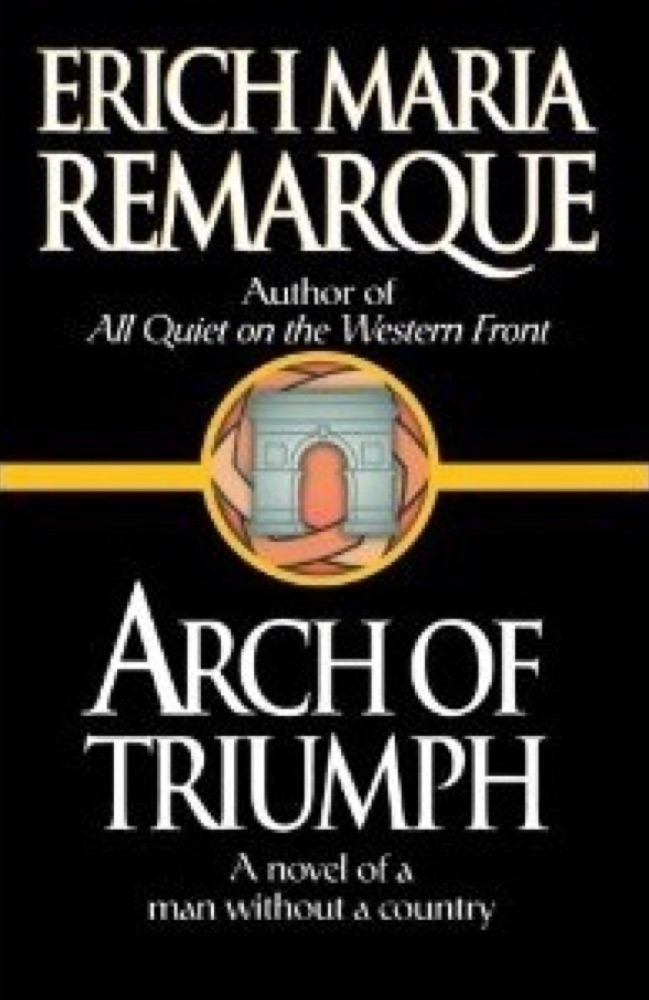
It is 1939. Despite a law banning him from performing surgery, Ravic – a German doctor and refugee living in Paris – has been treating some of the city’s most elite citizens for two years on the behalf of two less-than-skillful French physicians. Forbidden to return to his own country, and dodging the everyday dangers of jail and deportation, Ravic manages to hang on – all the while searching for the Nazi who tortured him back in Germany. And though he’s given up on the possibility of love, life has a curious way of taking a turn for the romantic, even during the worst of times….
Book details
- First published
- 1945
- Author
- Erich Maria Remarque
- Genre
- Classics
- Goodreads rating
- 4.43 (33k ratings)
Keep reading
 Doctor Zhivago
 Light Years
 A Soldier of the Great War
 The Passion
 Trust: Betrayed
 Identity
 Les Misérables
 The Magus
 The Beautiful
 The History of Love
 Oblomov
 Women in Love
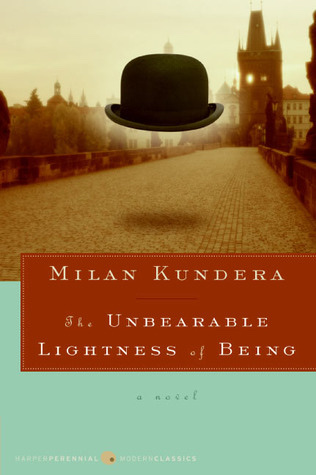 The Unbearable Lightness of Being
 Embers
 The Spy
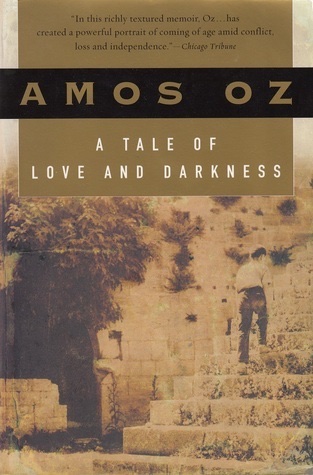 A Tale of Love and Darkness
 Spring Snow
 The Proposal
 Brideshead Revisited: The Sacred and Profane Memories of Captain Charles Ryder
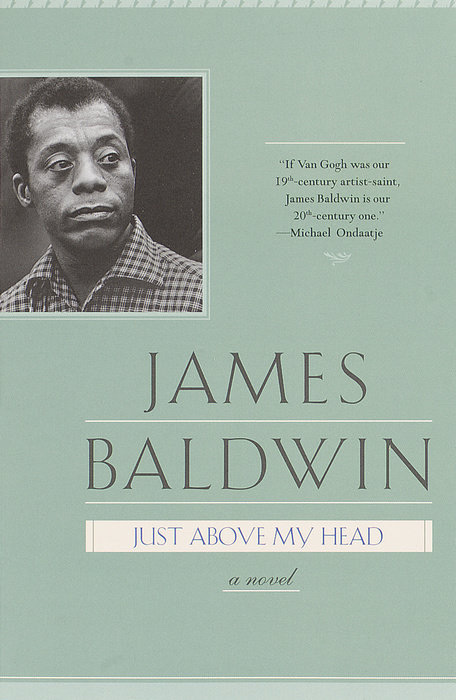 Just Above My Head
 Narcissus and Goldmund
 The Devil in the Flesh
 The Valley of Amazement
 Howards End
 Prince Lestat
 A Room with a View
 Bel Canto
 The Fall
 Requiem
 In Sunlight and in Shadow
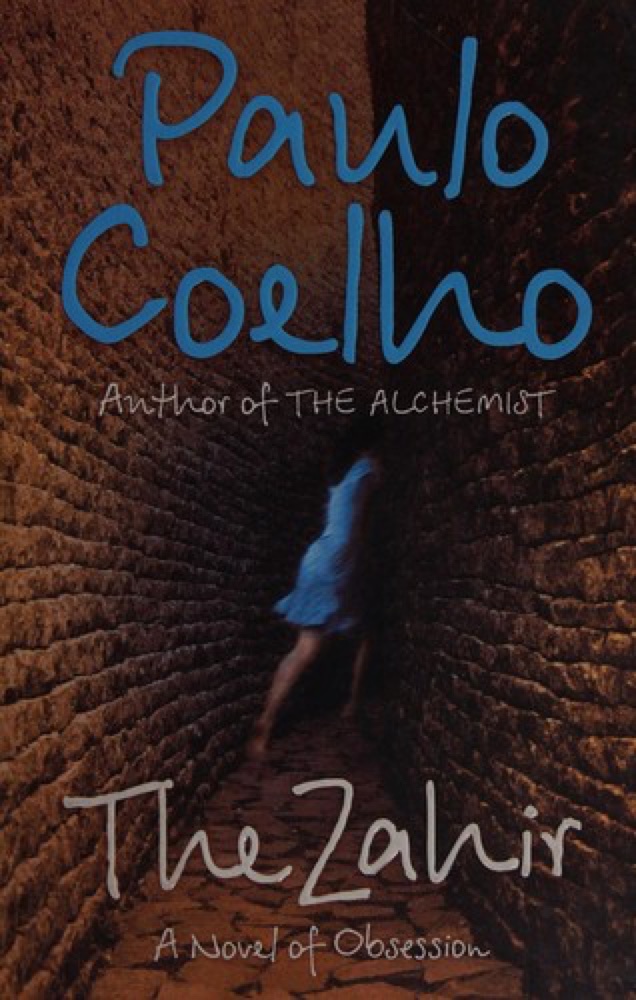 The Zahir
 The Impossible Lives of Greta Wells
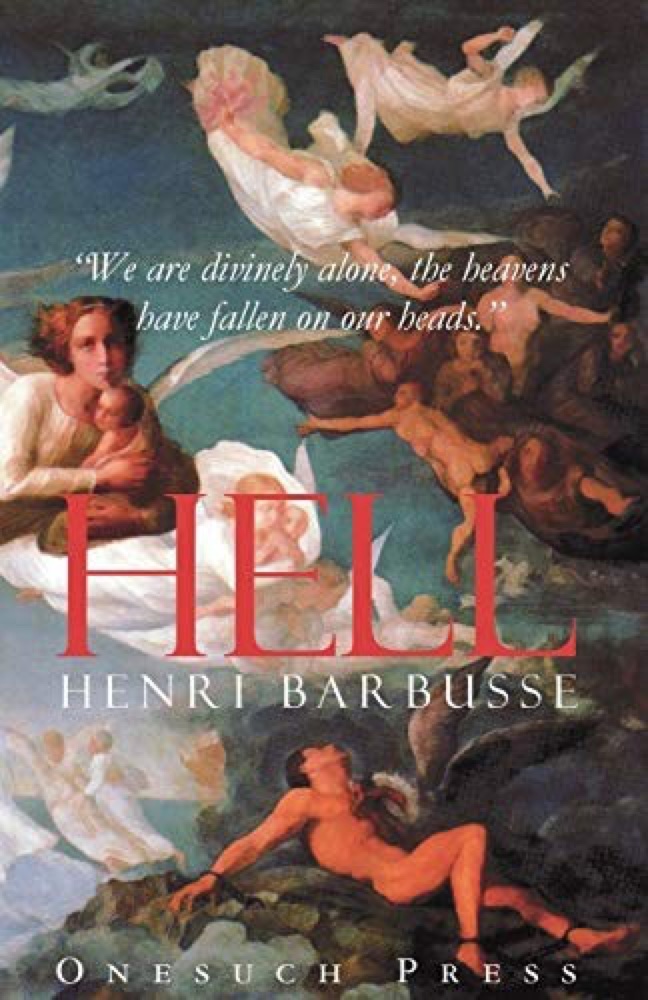 Hell
Hell
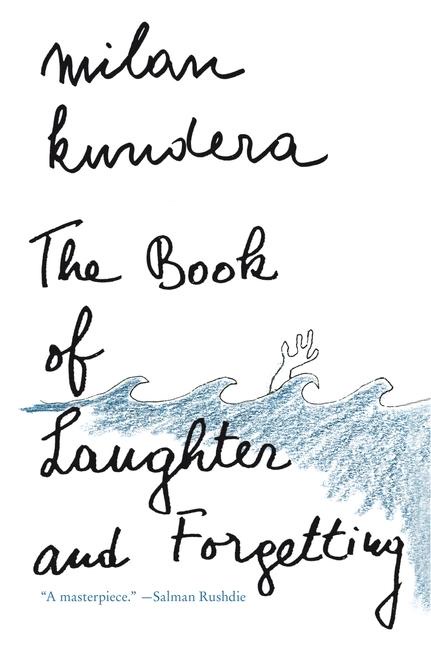 The Book of Laughter and Forgetting
 Sexus
Sexus
 Rain and Other South Sea Stories
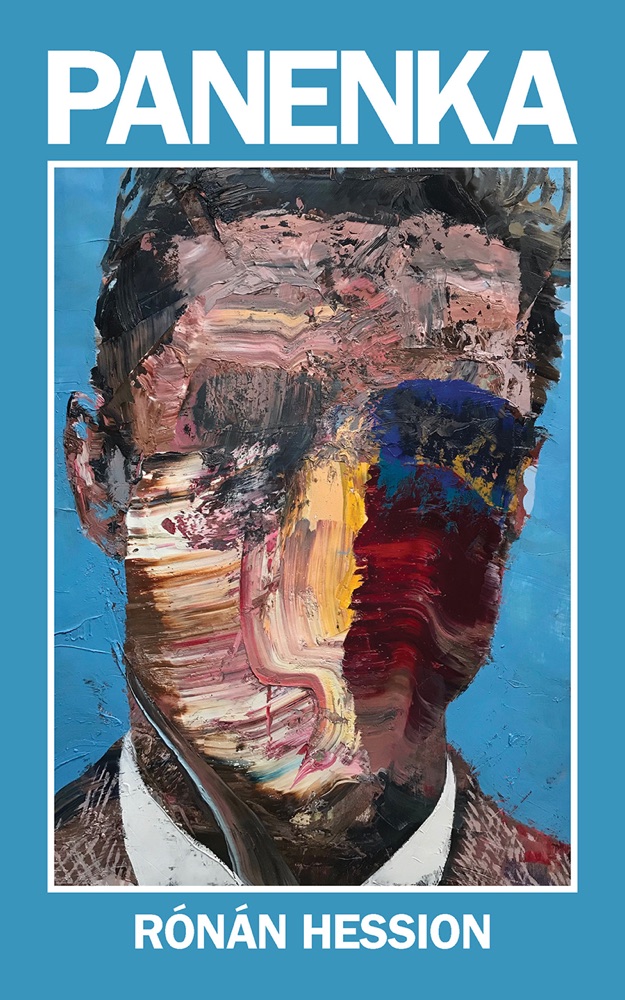 Panenka
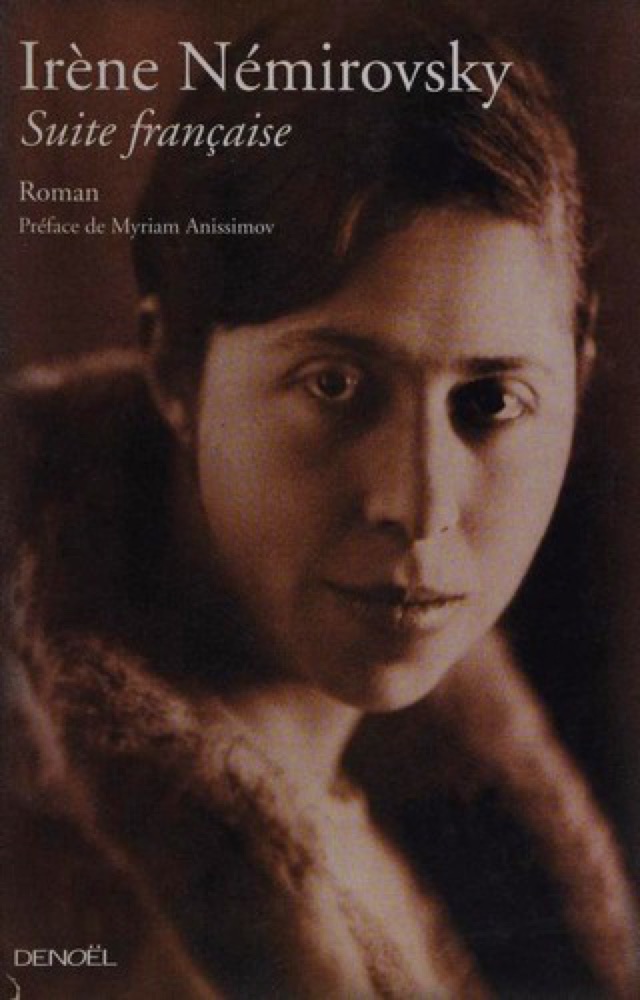 Suite Française
 The Good Soldier
 Teardrop
 Selected Stories
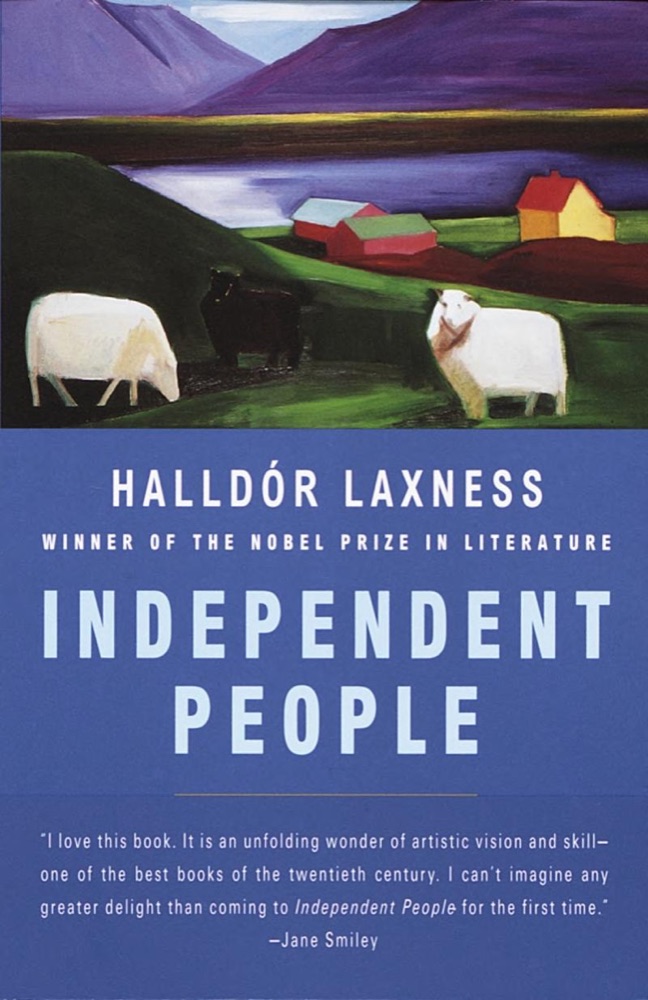 Independent People
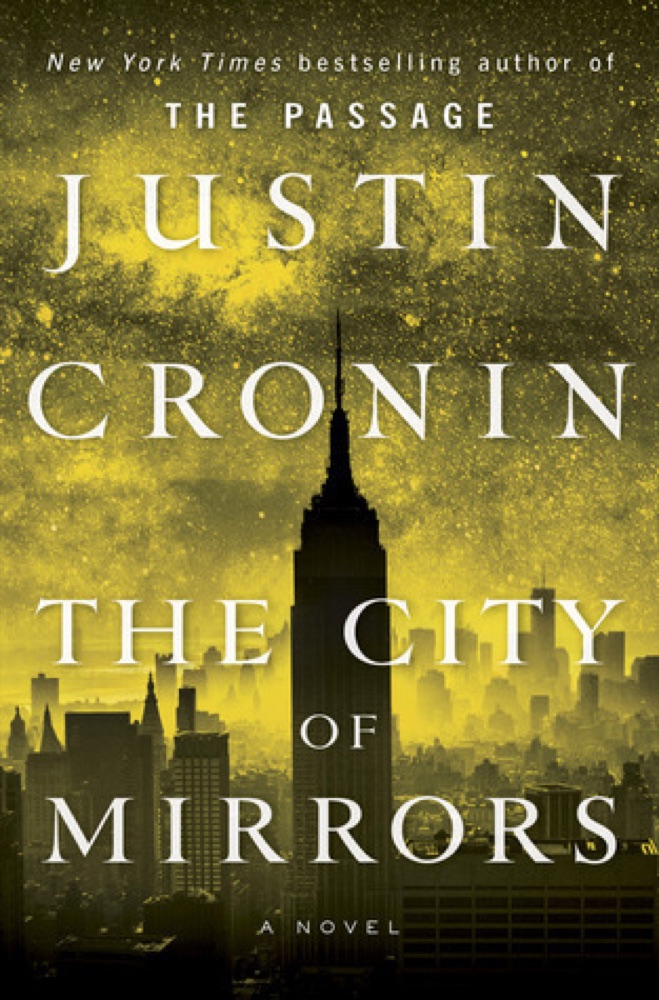 The City of Mirrors
 Anastasia
Three Comrades
Anastasia
Three Comrades
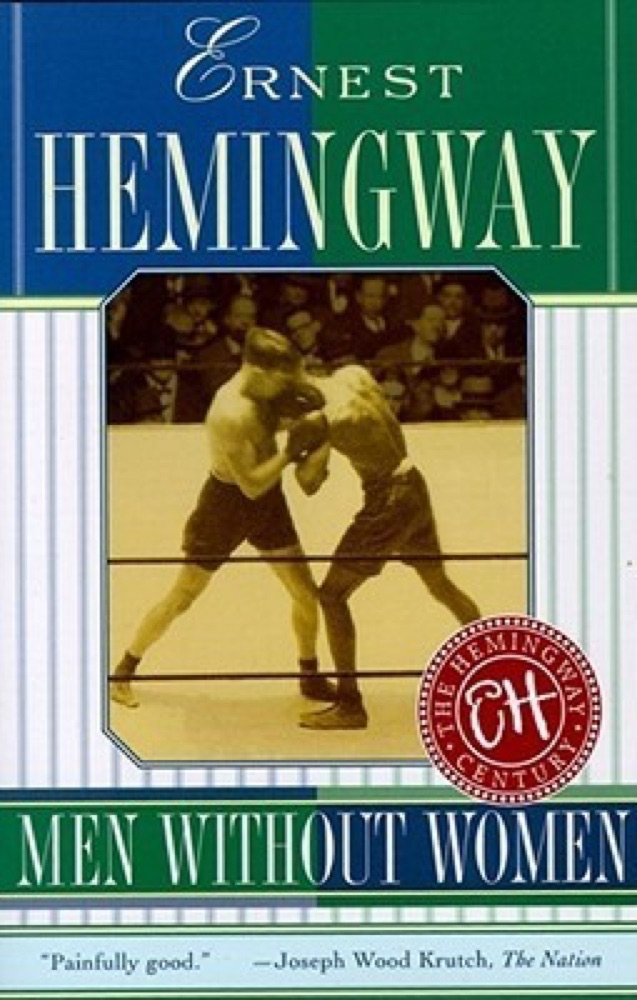 Men Without Women
 The Last Rose of Shanghai
 The Goldfinch
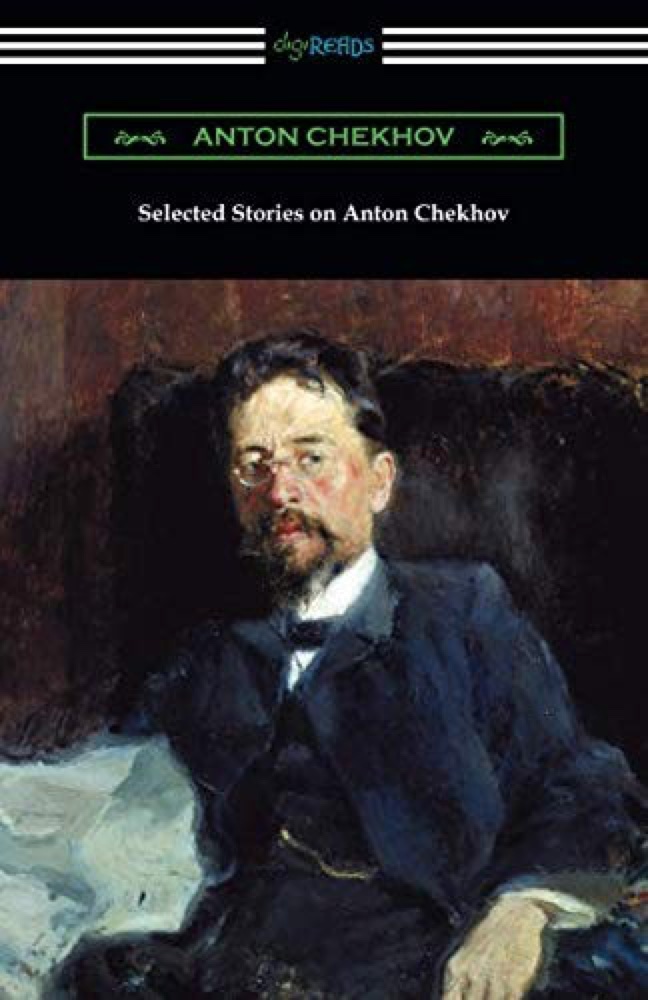 Selected Stories of Anton Chekhov
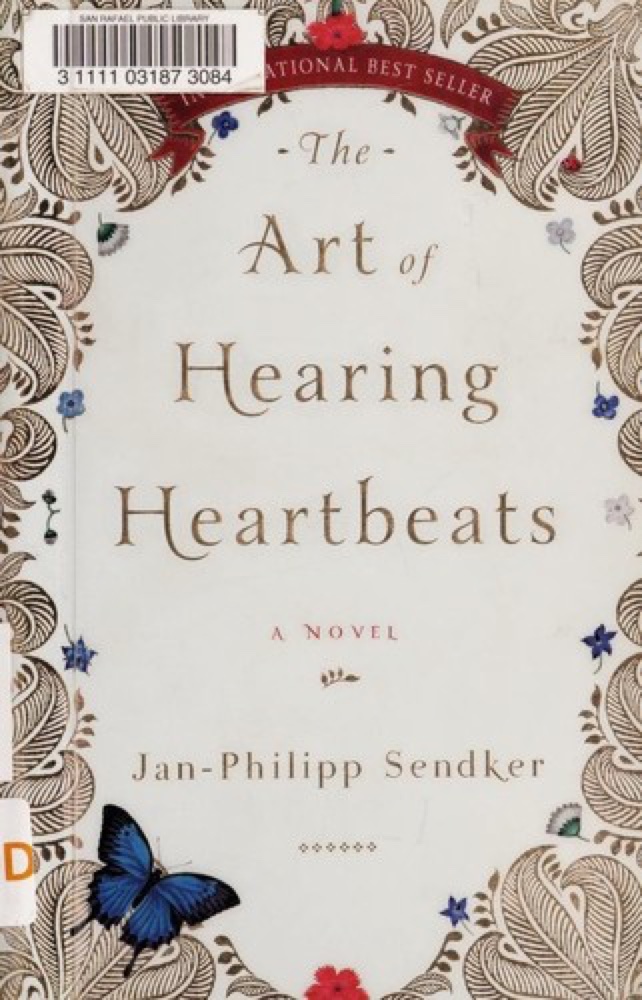 The Art of Hearing Heartbeats
 Shantaram
 The Eighth Life
 What I Loved
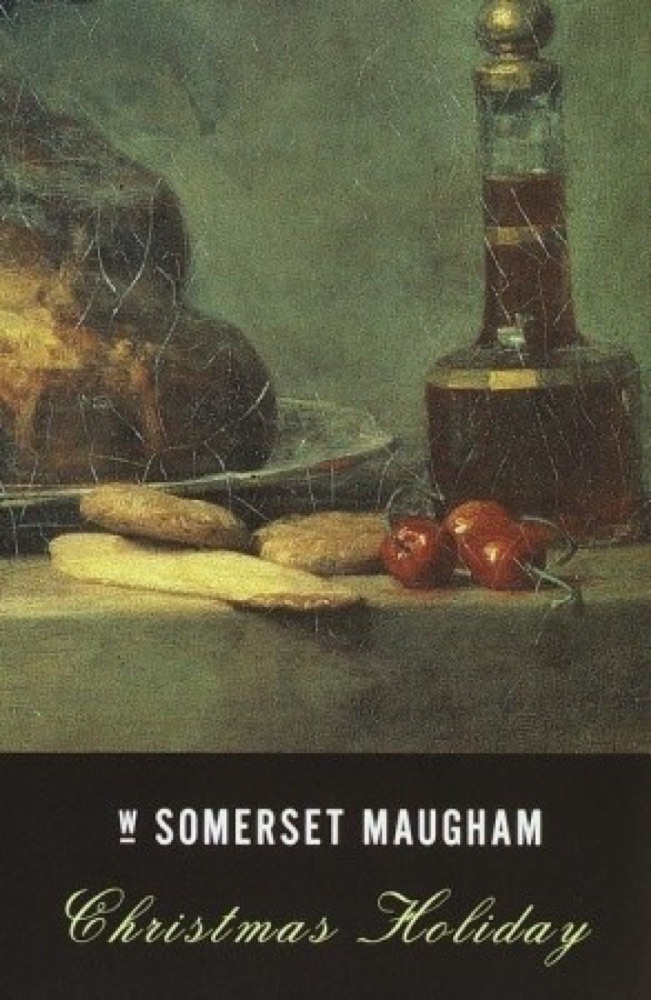 Christmas Holiday
 Sexing the Cherry
 A Luminous Republic
 Fugitive Pieces
 Wind, Sand and Stars
 Held
Held
 Shōgun