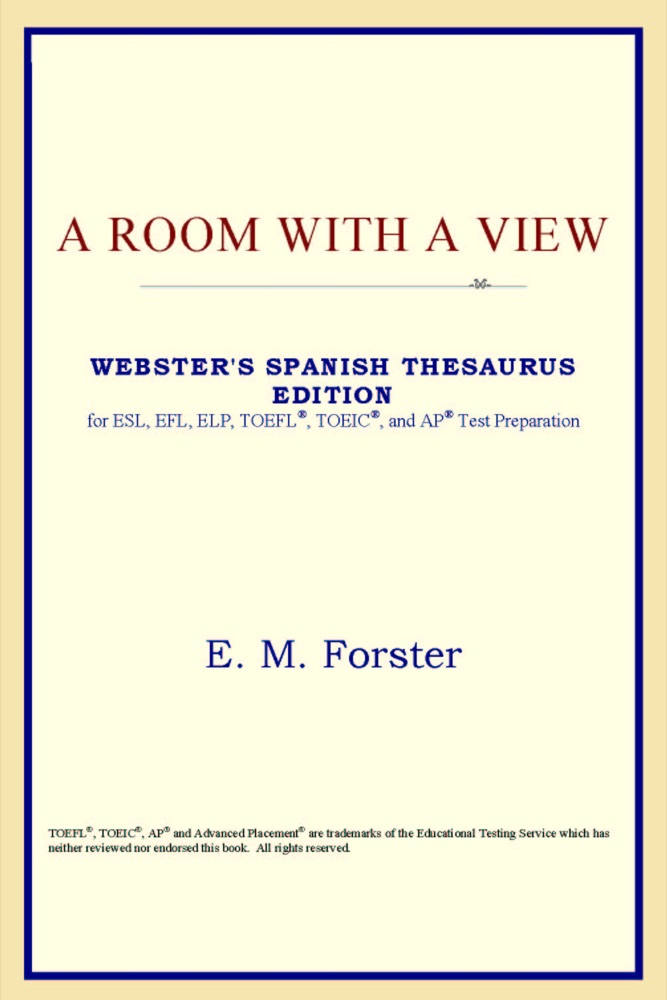
 A Room with a View
Quotes from the Book
It's not what people do to you, but what they mean, that hurts.
85
The bully and the victim never quite forget their first relations.
17
Don't believe those lies about intellectual people. They're only written to soothe the majority.
15
He had shown her all the workings of his soul, mistaking this for love.
8
Talk away. If you bore us, we have books." With this invitation Rickie began to relate his history. The reader who has no book will be obliged to listen to it.
7
Yet complicated people were getting wet - not only the shepherds. For instance, the piano-tuner was sopping. So was the vicar's wife. So were the lieutenant and the peevish damsels in his Battlesden car. Gallantry, charity, and art pursued their various missions, perspiring and muddy, while out on the slopes beyond them stood the eternal man and the eternal dog, guarding eternal sheep until the world is vegetarian.
6
Boys are marvellous creatures. Perhaps they will sink below the brutes; perhaps they will attain to a woman’s tenderness.
6
Don’t you think there are two great things in life that we ought to aim at—truth and kindness? Let’s have both if we can, but let’s be sure of having one or the other.
6
Oh, poor, poor fellow!' said Mrs. Elliot with a remorse that was sincere, though her congratulations would not have been.
6
But a lover is dogmatic. To him the world shall be beautiful and pure. When it is not, he ignores it.
5
When real things are so wonderful, what is the point of pretending?
4
The sense of purity is a puzzling, and at times a fearful thing. It seems so noble, and it starts at one with morality. But it is a dangerous guide, and can lead us away not only from what is gracious, but also from what is good.
4
He never retorted that the artist is not a bricklayer at all, but a horseman whose business it is to catch Pegasus at once, not to practise for him by mounting tamer colts. This is hard, hot and generally ungraceful work, but it is not drudgery. For drudgery is not art, and cannot lead to it.
4
Athletes, he believed, were simple, straightforward people, cruel and brutal if you like, but never petty. They knocked you down and hurt you, and then went on their way rejoicing.
4
There stood a young man who had the figure of a Greek athlete and the face of an English one...Just where he began to be beautiful the clothes started.
4
We are conventional people, and conventions — if you will but see it — are majestic in their way, and will claim us in the end. We do not live for great passions or for great memories, or for anything great.
3
With his head on the fender and all his limbs relaxed, he felt almost as safe as he felt once when his mother killed a ghost in the passage by carrying him through it in her arms. There was no ghost now; he was frightened at reality; he was frightened at the splendors and horrors of the world.
3
Mr. Ansell was not merely a man of some education; he had what no education can bring — the power of detecting what is important. Like many fathers, he had spared no expense over his boy, — he had borrowed money to start him at a rapacious and fashionable private school; he had sent him to tutors; he had sent him to Cambridge. But he knew that all this was not the important thing. The important thing was freedom.
3
Something had changed. He had journeyed—as on rare occasions a man must—till he stood behind right and wrong. On the banks of the grey torrent of life, love is the only flower.
3
He was thinking of the irony of friendship—so strong it is, and so fragile. We fly together, like straws in an eddy, to part in the open stream.
3
The book was Shelley, and it opened at a passage that he had cherished greatly two years before, and marked as “very good.” “I never was attached to that great sect, Whose doctrine is, that each one should select Out of the crowd a mistress or a friend, And all the rest, though fair and wise, commend To cold oblivion, though it is in the code Of modern morals, and the beaten road Which those poor slaves with weary footsteps tread, Who travel to their home among the dead By the broad highway of the world, and so With one chained friend, perhaps a jealous foe, The dreariest and the longest journey go.
2
He was thinking of the irony of friendship — so strong it is, and so fragile. We fly together, like straws in an eddy, to part in the open stream. Nature has no use for us: she has cut her stuff differently. Dutiful sons, loving husbands, responsible fathers these are what she wants, and if we are friends it must be in our spare time. Abram and Sarai were sorrowful, yet their seed became as sand of the sea, and distracts the politics of Europe at this moment. But a few verses of poetry is all that survives of David and Jonathan.
2
And as her love revived, so did her capacity for suffering. Life, more important, grew more bitter.
2
The soul has her own currency. She mints her spiritual coinage and stamps it with the image of some beloved face. With it she pays her debts, with it she reckons, saying, “This man has worth, this man is worthless.” And in time she forgets its origin; it seems to her to be a thing unalterable, divine. But the soul can also have her bankruptcies. Perhaps she will be the richer in the end. In her agony she learns to reckon clearly. Fair as the coin may have been, it was not accurate; and though she knew it not, there were treasures that it could not buy. The face, however beloved, was mortal, and as liable as the soul herself to err. We do but shift responsibility by making a standard of the dead. There is, indeed, another coinage that bears on it not man’s image but God’s. It is incorruptible, and the soul may trust it safely; it will serve her beyond the stars. But it cannot give us friends, or the embrace of a lover, or the touch of children, for with our fellow mortals it has no concern. It cannot even give the joys we call trivial—fine weather, the pleasures of meat and drink, bathing and the hot sand afterwards, running, dreamless sleep. Have we learnt the true discipline of a bankruptcy if we turn to such coinage as this? Will it really profit us so much if we save our souls and lose the whole world?
1
Gallantry, charity, and art pursued their various missions, perspiring and muddy, while out on the slopes beyond them stood the eternal man and the eternal dog, guarding eternal sheep until the world is vegetarian.
1
Watch on YouTube
About E.M. Forster
We have collected 206 quotes from 8 books by E.M. Forster on BookQuoters.
More about the author →More by E.M. Forster
All books by E.M. Forster →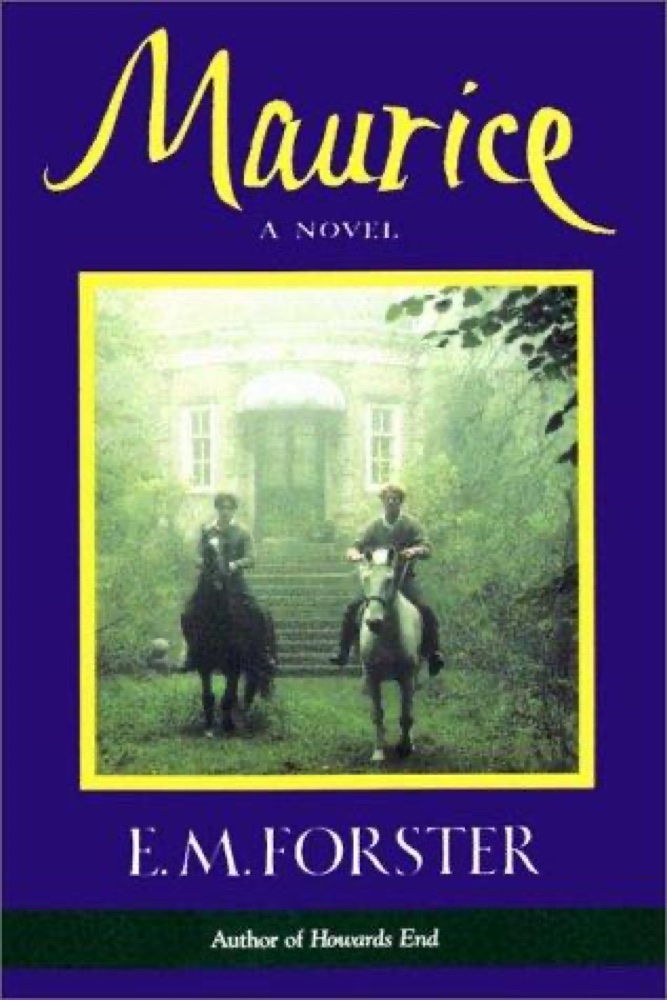
About the book
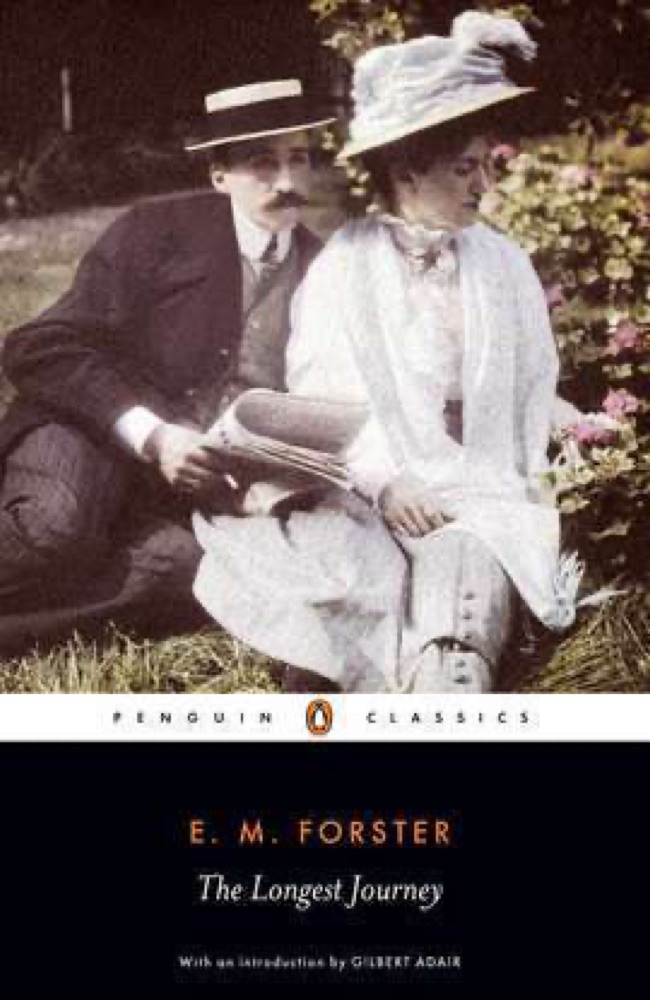
E. M. Forster once described The Longest Journey as the book "I am most glad to have written." An introspective novel of manners at once comic and tragic, it tells of a sensitive and intelligent young man with an intense imagination and a certain amount of literary talent. He sets out full of hope to become a writer, but gives up his aspirations for those of the conventional world, gradually sinking into a life of petty conformity and bitter disappointments.
Book details
- First published
- 1907
- Author
- E.M. Forster
- Genre
- Classics
- Goodreads rating
- 3.47 (3k ratings)
Keep reading
 Of Human Bondage
 Howards End
 A Passage to India
 Independent People
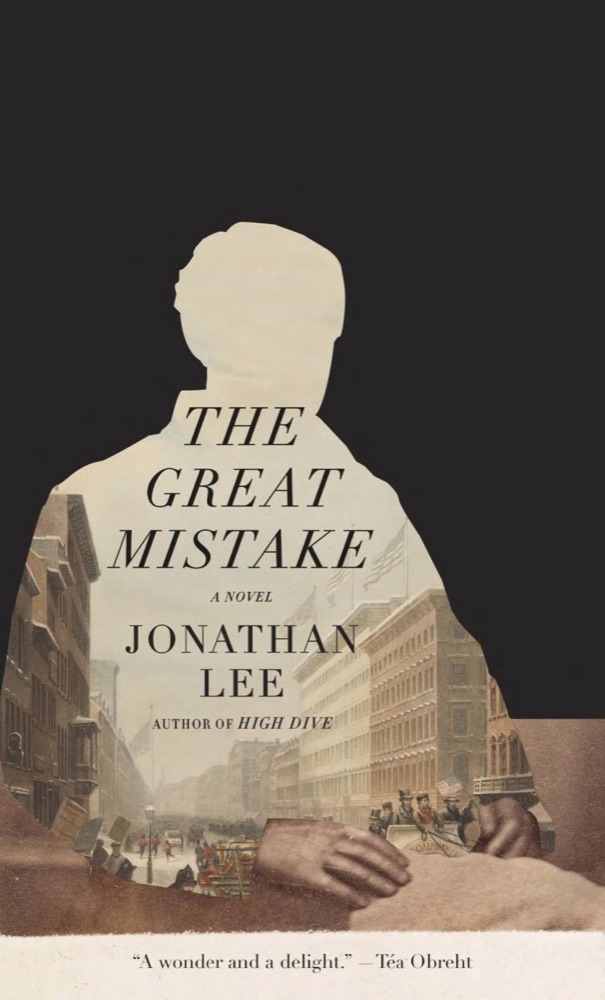 The Great Mistake
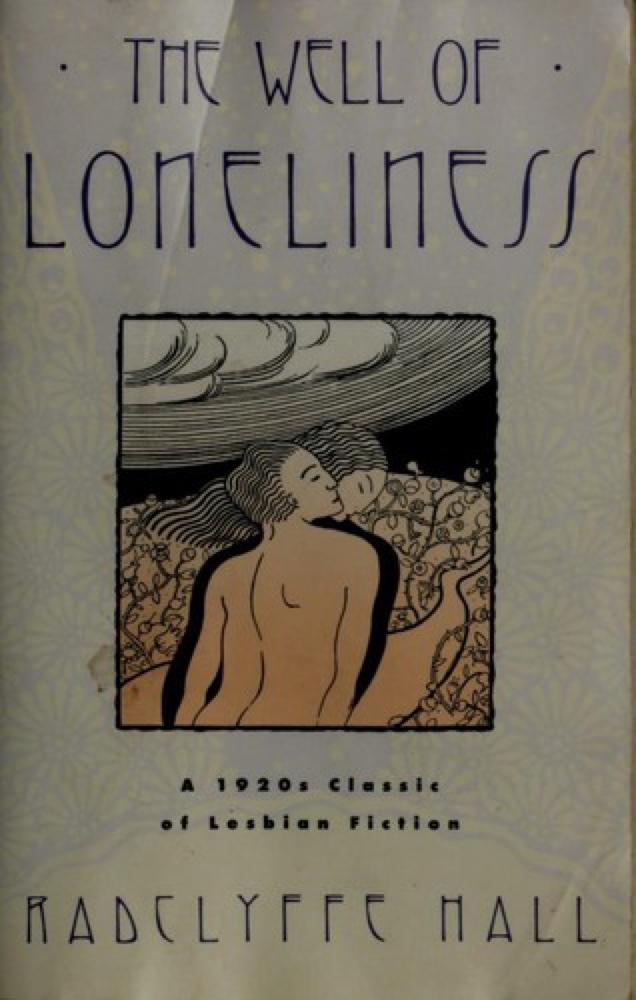 The Well of Loneliness
 Nicholas Nickleby
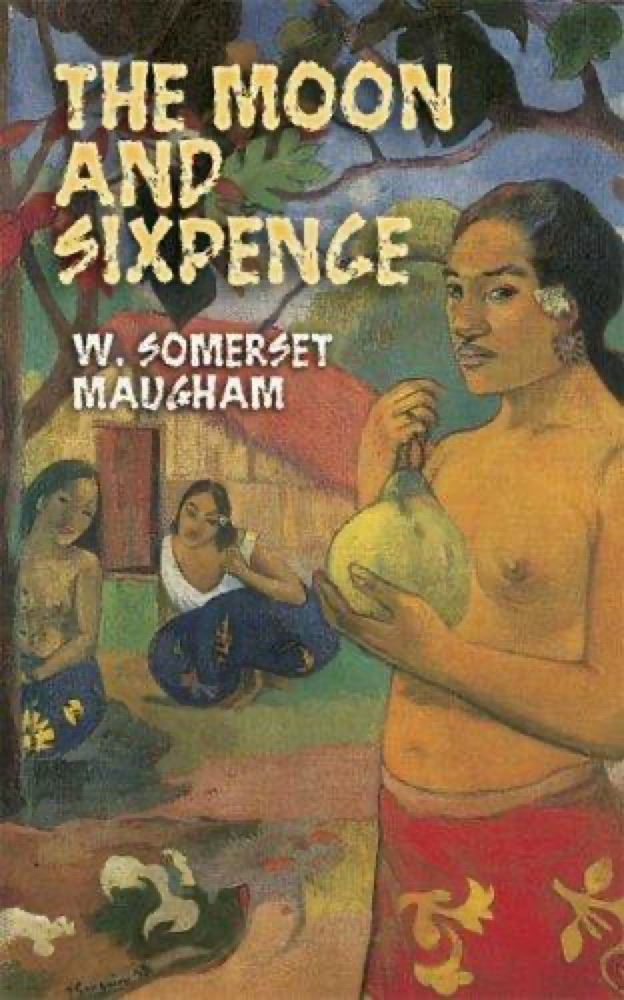 The Moon and Sixpence
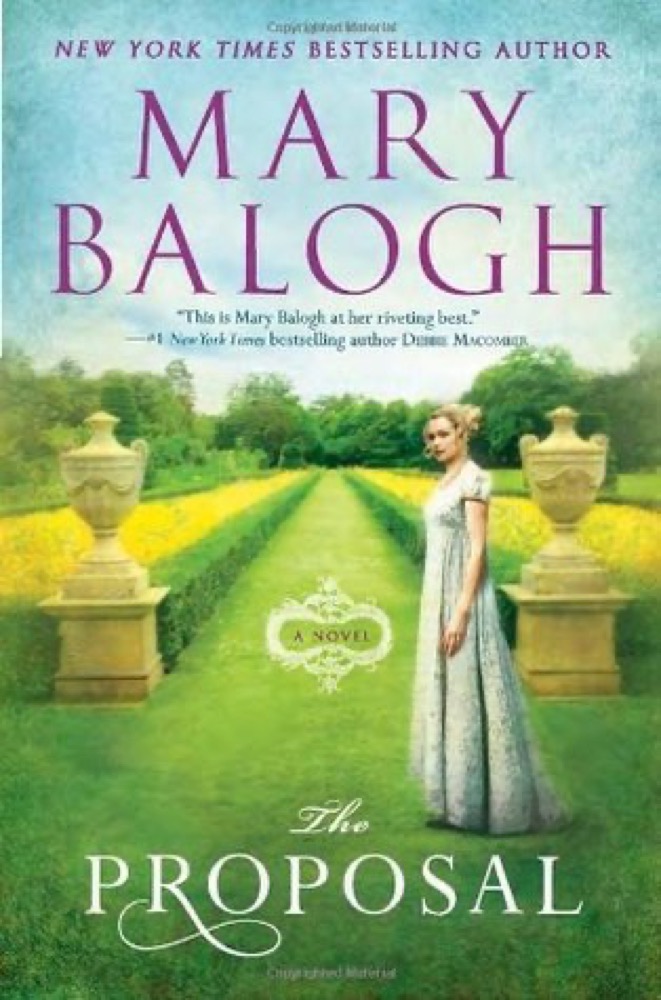 The Proposal
 Oliver Twist
A Room with a View
Oliver Twist
A Room with a View
 Embers
 A Little Life
 The Long Way Home
 Arthur & George
 Allan Quatermain
 The Song of the Lark
 The Pillars of the Earth
 Descent into Hell
 Père Goriot
 The Last Man
 The Once and Future King
 A Soldier of the Great War
 Miss Lonelyhearts
 One of Ours
 The Narrow Road to the Deep North
 Uncle Tom's Cabin
 Selected Stories
 The Mill on the Floss
 The Real Life of Sebastian Knight
 Cakes and Ale
 Victory
 Framley Parsonage
 Brideshead Revisited: The Sacred and Profane Memories of Captain Charles Ryder
 Freedom
 The Luminaries
 The Blithedale Romance
 Silas Marner
 In Sunlight and in Shadow
 The First Man
 The Jewel in the Crown
 Ben-Hur: A Tale of the Christ
 Black Lamb and Grey Falcon
 Arch of Triumph
 Hard Times
 Mary Barton
 Mythology
 The Heart of the Matter
 Light Years
 The Ministry of Fear
 Selected Stories of Anton Chekhov
 Martin Eden
 Doctor Zhivago
 The Clockmaker's Daughter
 The Good Soldier
 The Magic Mountain
 Chances Are...
 Aphorisms on Love and Hate
 Antic Hay
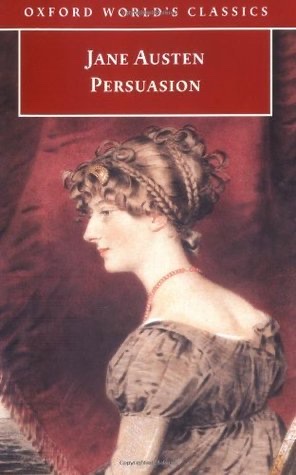 Persuasion