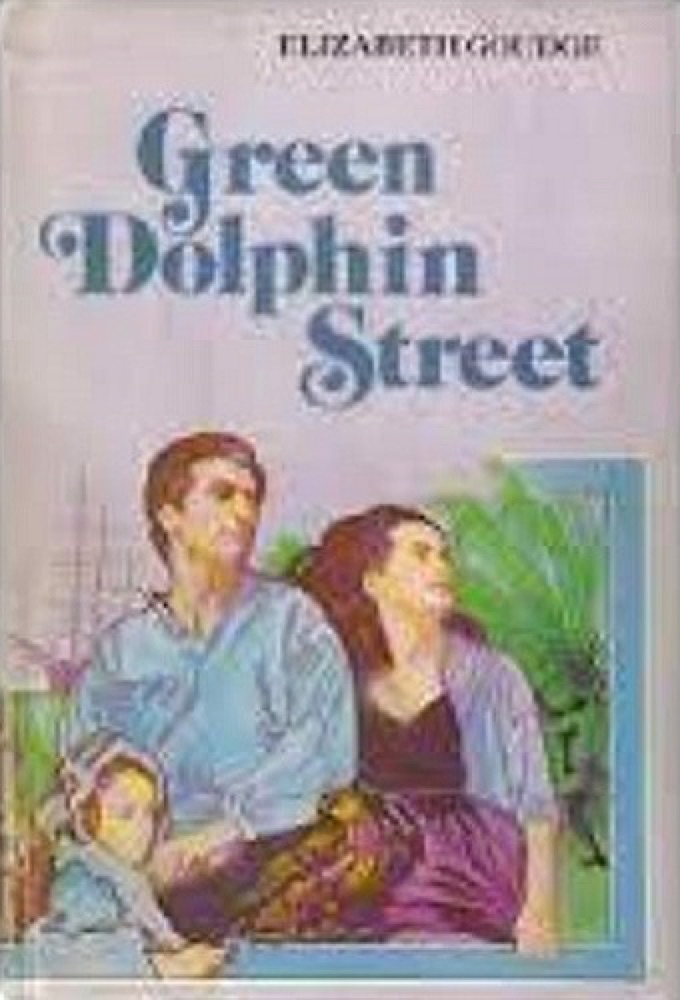
 Green Dolphin Street
Quotes from the Book
One must be businesslike, although the glass is falling.
7
All emotion now was a twilight thing.
4
Henry by the compulsion of love had cheated her of her chosen life, yet he had given her another life, an ample life, a life in touch with the greater world, if that took her fancy; or a life, alternatively, pressed close up against her own nursery. For a life of her own, he had substituted his life with its interests, or the lives of her children with their potentialities. He assumed that she might sink herself in either, if not both, with equal joy. It had never occurred to him that she might prefer simply to be herself.
4
Youth had no beauty like the beauty of an old face; the face of youth was an unwritten page.
3
Her body had, in fact, become her companion, a constant resource and preoccupation; all the small squalors of the body, known only to oneself, insignificant in youth, easily dismissed, in old age became dominant and entered into fulfilment of the tyranny they had always threatened. Yet it was, rather than otherwise, an agreeable and interesting tyranny.
3
There had been no moments when she could differentiate and say: Then, at such a moment, I love him; and again, Then, at such another, I loved him not. The stress had been constant. her love for him had been a straight black line drawn right through her life. It had hurt her, it had damaged her, it had diminished her, but she had been unable to curve away from it.
3
According to his lights, he gave you all you could desire. He merely killed you, that's all. Men do kill women. Most women enjoy being killed; so I am told. Being a woman, I daresay that even you took a certain pleasure in the process.
2
But, perversely, the flittering of the butterflies had always remained more important.
2
My dear Mr FitzGeorge!' cried Lady Slane. 'You really mustn't talk as though my life had been a tragedy. I had everything that most women would covet: position, comfort, children, and a husband I loved. I had nothing to complain of - nothing.' 'Except that you were defrauded of the one thing that mattered. Nothing matters to an artist except the fulfilment of his gift. You know that as well as I do. Frustrated, he grows crooked like a tree twisted into an unnatural shape. All meaning goes out of life, and life becomes existence - a makeshift. Face it, Lady Slane. Your children, your husband, your splendour, were nothing but obstacles that kept you from yourself. They were what you chose to substitute for your real vocation. You were too young, I suppose, to know any better, but when you chose that life you sinned against the light.
2
She found herself suddenly surrounded by a host of assumptions. It was assumed that she trembled for joy in his presence, languished in his absence, existed solely (but humbly) for the furtherance of his ambitions, and thought him the most remarkable man alive, as she herself was the most favoured of women, a belief in which everybody was fondly prepared to indulge her. Such was the unanimity of these assumptions that she was almost persuaded into believing them true.
2
Simplify life as one might, one could not wholly escape its enormous complication.
1
If one wanted beauty, one had only to rest one's eyes on her, so fine and old and lovely, like an ivory carving; flowing down like water into her chair, so slight and supple were her limbs, the firelight casting a flush of rose over her features and snowy hair. Youth had no beauty like the beauty of an old face; the face of youth was an unwritten page. Youth could never sit as still as that, in absolute repose, as though all haste, all movement, were over and done with, and nothing left but waiting and acquiescence.
1
Numbers exist in the void; it is impossible to imagine the destruction of numbers, even though you imagine the destruction of the universe.
1
She had plenty of leisure now, day in, day out, to survey her life as a tract of country traversed, and at last become a landscape instead of separate fields or separate years and days, so that it became a unity and she could see the whole view, and could even pick out a particular field and wander round it again in spirit, though seeing it all the while as it were from a height, fallen in its proper place, with the exact pattern drawn round it by the hedge, and the next field into which the gap in the hedge would lead. So, she thought, could she at last put circles on her life. Slowly she crossed that day, as one crosses a field by a little path through the grasses, with the sorrel and the buttercups waving on either side; she crossed it again slowly, from breakfast to bed-time, and each hour, as one hand of the clock passed over the other, regained for her its separate character: this was the hour, she thought, when I first came downstairs that day, swinging my hat by its ribbons; this was the hour when he persuaded me into the garden, and sat with me on the seat beside the lake, and told me it was not true that with one blow of its wing a swan could break the leg of a man.
1
This hour of union with the old woman soothed her like music, like chords lightly touched in the evening, with the shadows closing and the moths bruising beyond an open window. She leaned against the old woman’s knee as a support, a prop, drowned, enfolded, in warmth, dimness, and soft harmonious sounds. The hurly-burly receded; the clangour was stilled…
1
For one's hands are the parts of one's body that one suddenly sees with the maximum of detachment; they are suddenly far off; and one observes their marvellous articulations, and miraculous response to the transmission of instantaneous messages, as though they belonged to another person, or to another piece of machinery; one observes even the oval of their nails, the pores of their skin, the wrinkles of their phalanges and knuckles, their smoothness or rugosities, with an estimating and interested eye; they have been one's servants and yet one has not investigated their personality; a personality which, cheiromancy assures us is so much bound up with out own. One sees them also, as the case may be, loaded with rings or rough with work.
I always preferre the works of God to the works of man. The works of God, I always felt, were given freely to anyone who could appreciate them, whether millionair or pauper, wheras the works of man were reserved for the millionaires. Unless, indeed, the works of man were sufficient to the man who made them; then, it wouldn't matter what millionaire bought them in after years.
That was old age, when people knew everything so well that they could no longer afford to express it save in symbols.
He carried a pencil always behind his ear, a pencil so broad and of so soft a lead that it could serve for nothing except making a mark across a plank of wood, but which Lady Slane never saw used for any other purpose than scratching his head.
...his diminishing honours trailing away behind him like the tail of a comet - he had drooped in his chair after dinner, and the accumulation of ninety years had receded abruptly into history.
I am not a simpleton', he said, 'nor am I a childish old man. I dislike childishness and all such rubbish. I feel nothing but impatience with the people who pretend that the world is other than it is. The world, Lady Slane, is pitiably horrible. It is horrible because it is based upon competitive struggle - and really one does not know whether to call the basis of that struggle a convention or a necessity. Is it some extraordinary delusion, or is it a law of life?
The works of God, I always felt, were given freely to anyone who could appreciate them whether millionaire or pauper…
Watch on YouTube
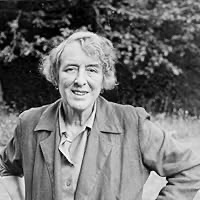
About Vita Sackville-West
We have collected 22 quotes from 1 book by Vita Sackville-West on BookQuoters.
More about the author →About the book
This is an alternate cover edition for ISBN 0860683583
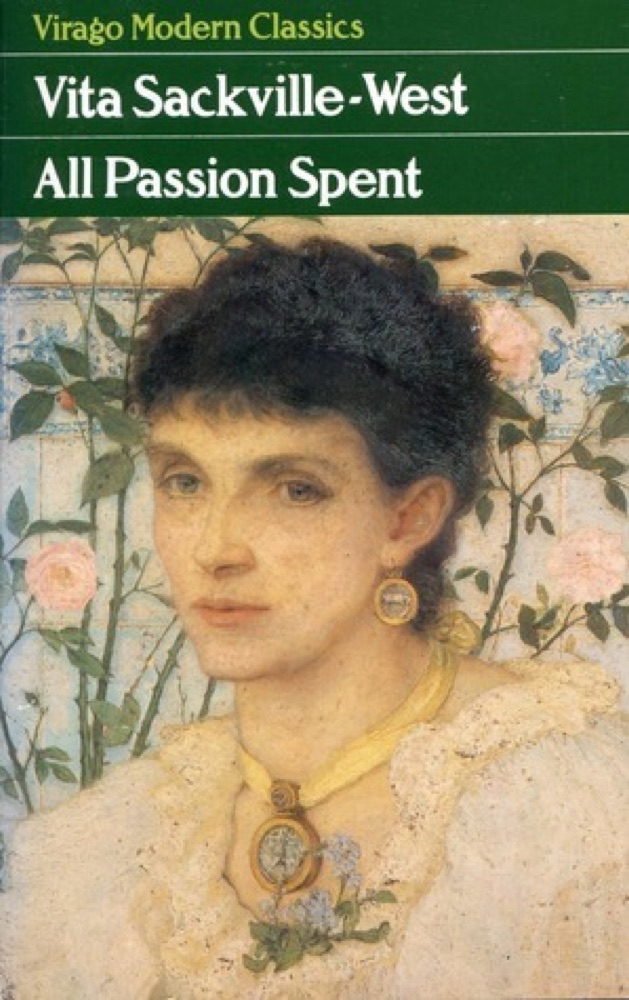
In 1860, as a young girl of 17, Lady Slane nurtures a secret, burning ambition—to become an artist. She becomes, instead, the wife of a great statesman and the mother of six children. Seventy years later, released by widowhood, and to the dismay of her pompous children, she abandons the family home for a tiny house in Hampstead. Here she recollects the dreams of youth, and revels in her newfound freedom with her odd assortment of companions: Genoux, her French maid; Mr. Bucktrout, her house agent; and a coffin maker who pictures people dead in order to reveal their true characters. And then there's Mr. FitzGeorge, an eccentric millionaire who met and loved her in India when she was young and very lovely. It is here in this world of her own that she finds a passion that comes only with the freedom to choose, and it is this, her gr
Book details
- First published
- 1931
- Author
- Vita Sackville-West
- Genre
- Classics
- Goodreads rating
- 4.00 (5k ratings)
Keep reading
Green Dolphin Street
 A Reliable Wife
 The Fraud
 Dubliners
 The Dean's Watch
 Longbourn
 Zuleika Dobson
 The Children's Book
 Lincoln in the Bardo
 Armadale
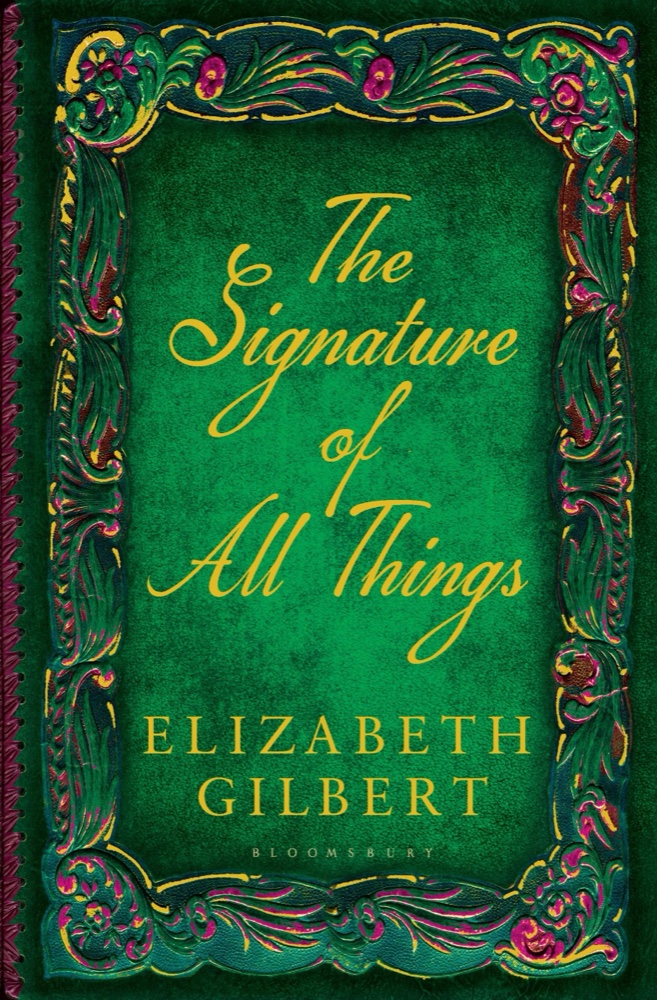 The Signature of All Things
 Jeremy Poldark
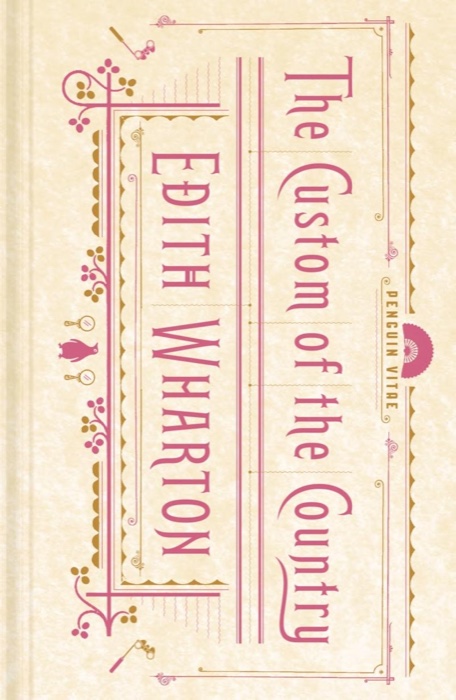 The Custom of the Country
 Too Much Happiness: Stories
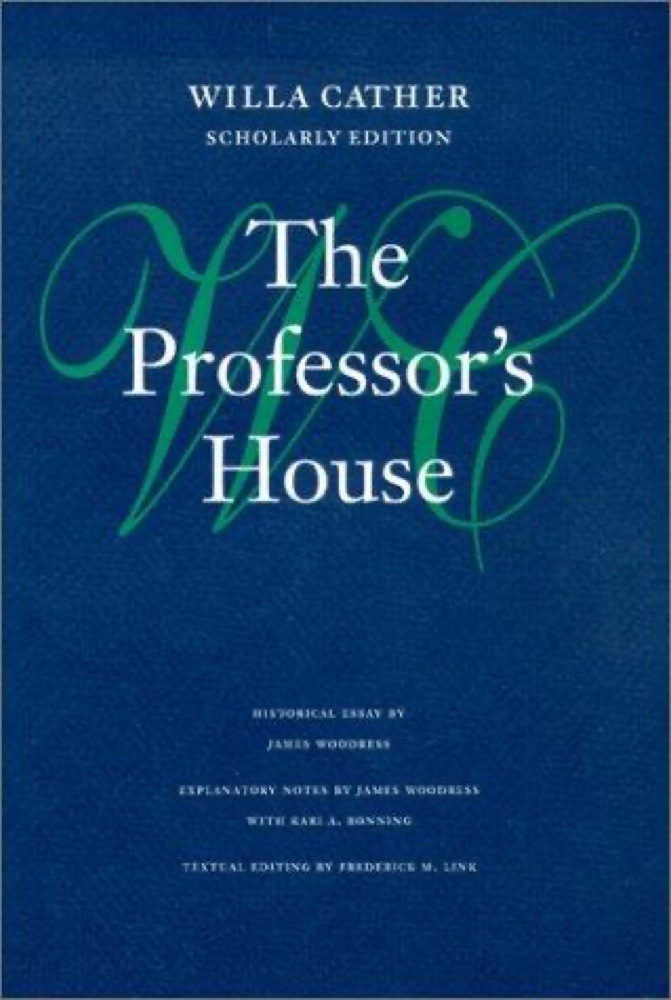 The Professor's House
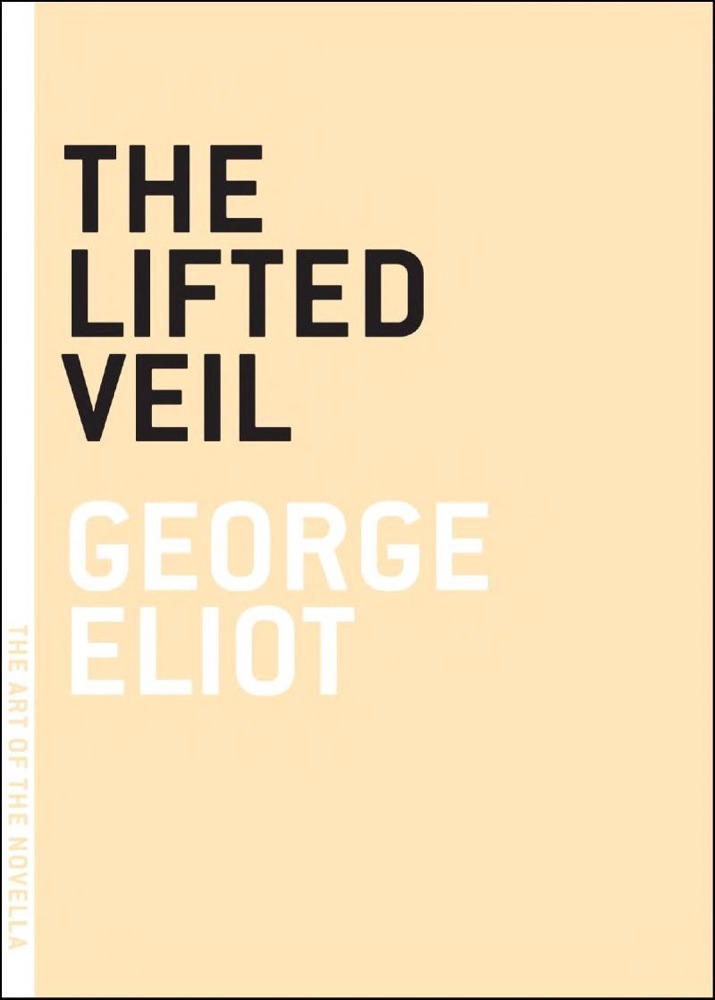 The Lifted Veil
 Bleak House
 The Clockmaker's Daughter
 Mrs. Dalloway
 The Last Report on the Miracles at Little No Horse
 Little Dorrit
 Ragtime
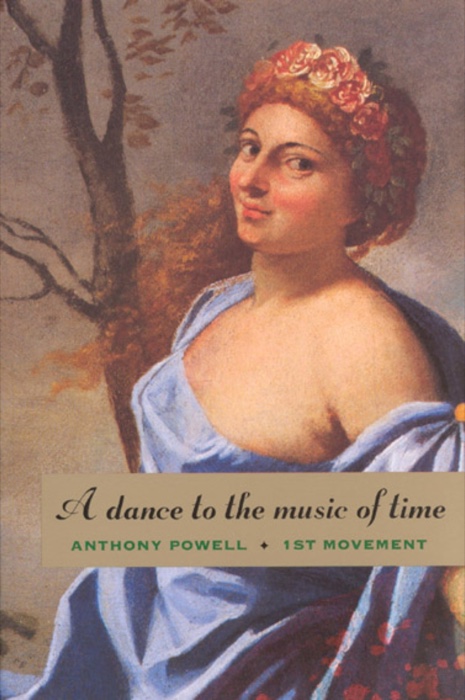 A Dance to the Music of Time: 1st Movement
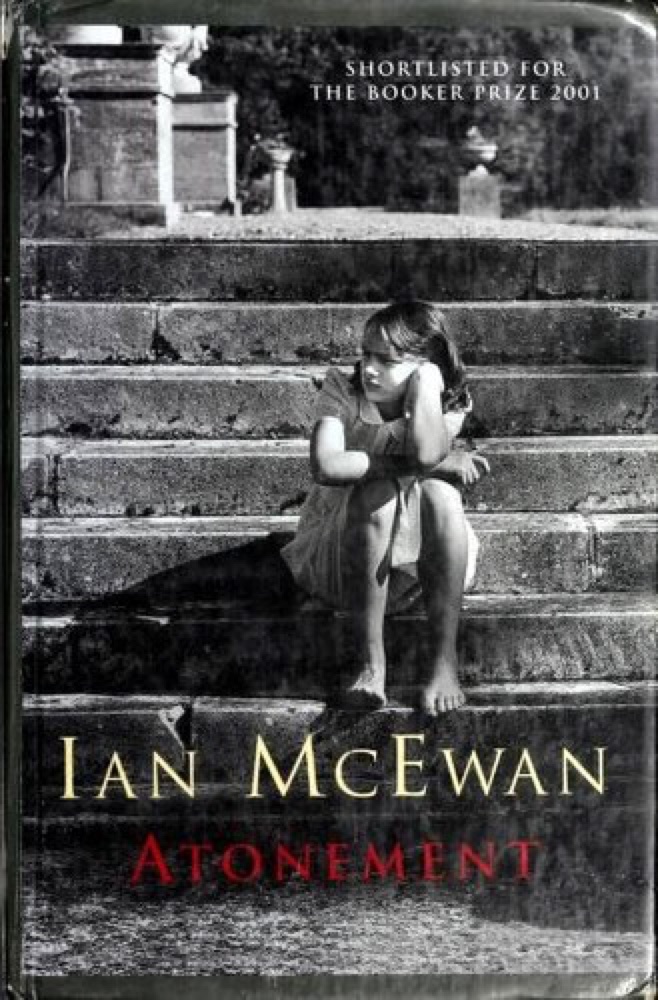 Atonement
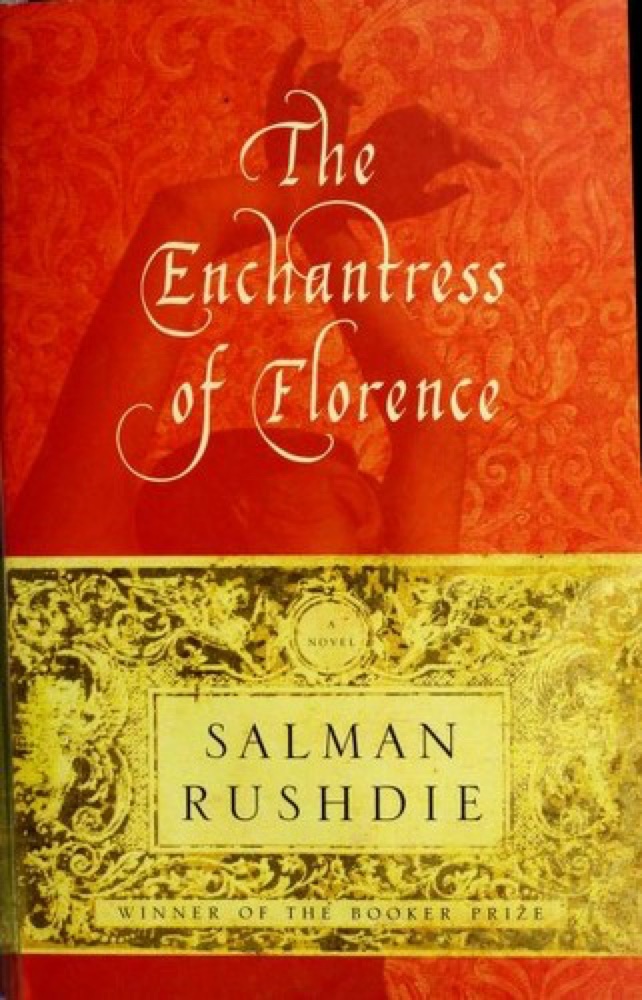 The Enchantress of Florence
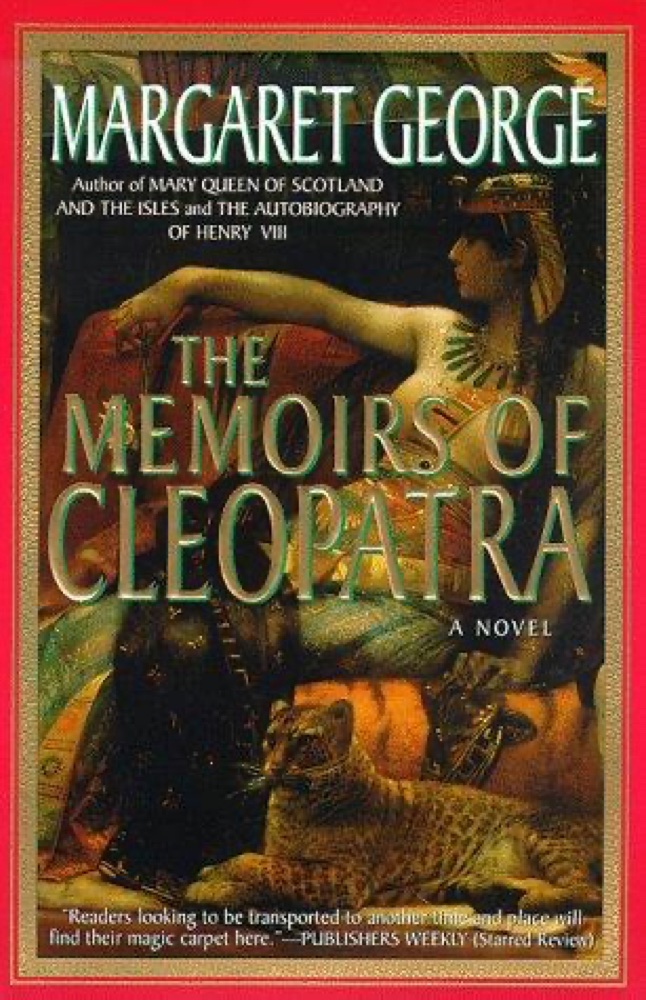 The Memoirs of Cleopatra
 The Children Act
 The Wings of the Dove
 The House of Mirth
 The Return of The Soldier
 The Mill on the Floss
 Ada, or Ardor: A Family Chronicle
 A Slow Fire Burning
 Rain and Other South Sea Stories
 Transcription
 The Muse
 Brideshead Revisited: The Sacred and Profane Memories of Captain Charles Ryder
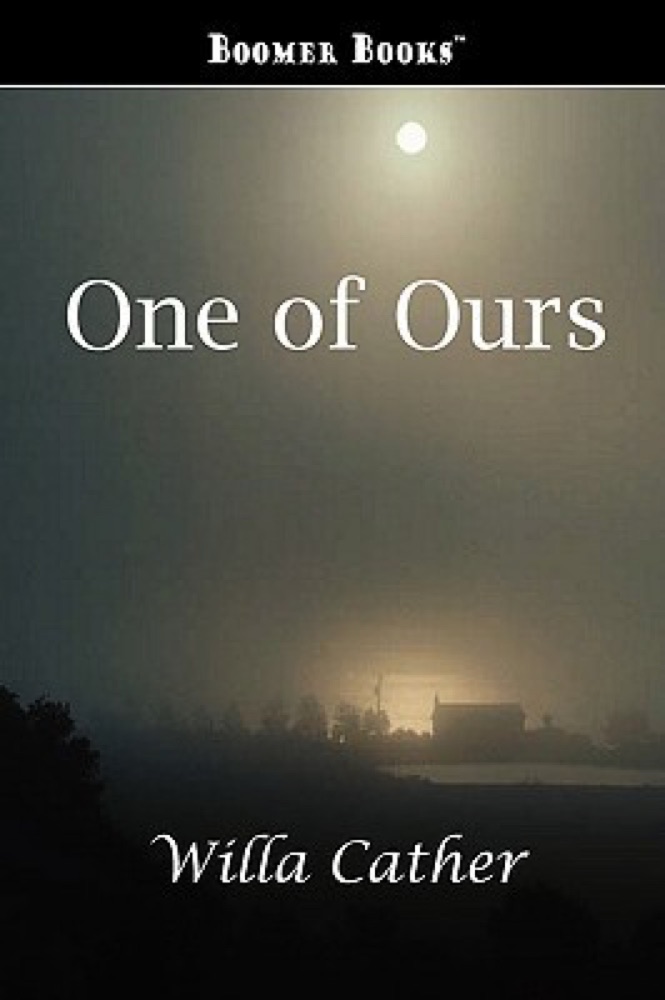 One of Ours
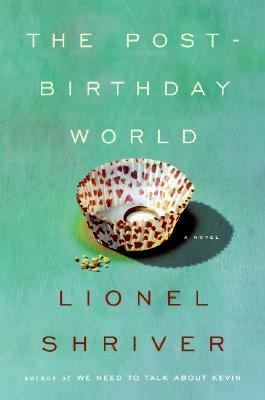 The Post-Birthday World
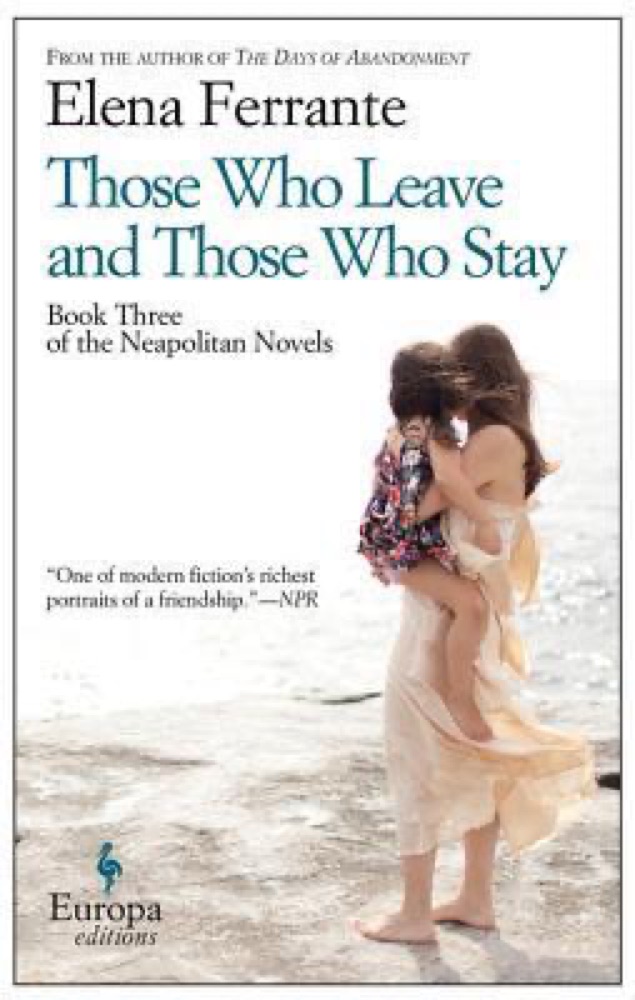 Those Who Leave and Those Who Stay
 The Good Soldier
 The Return of the Native
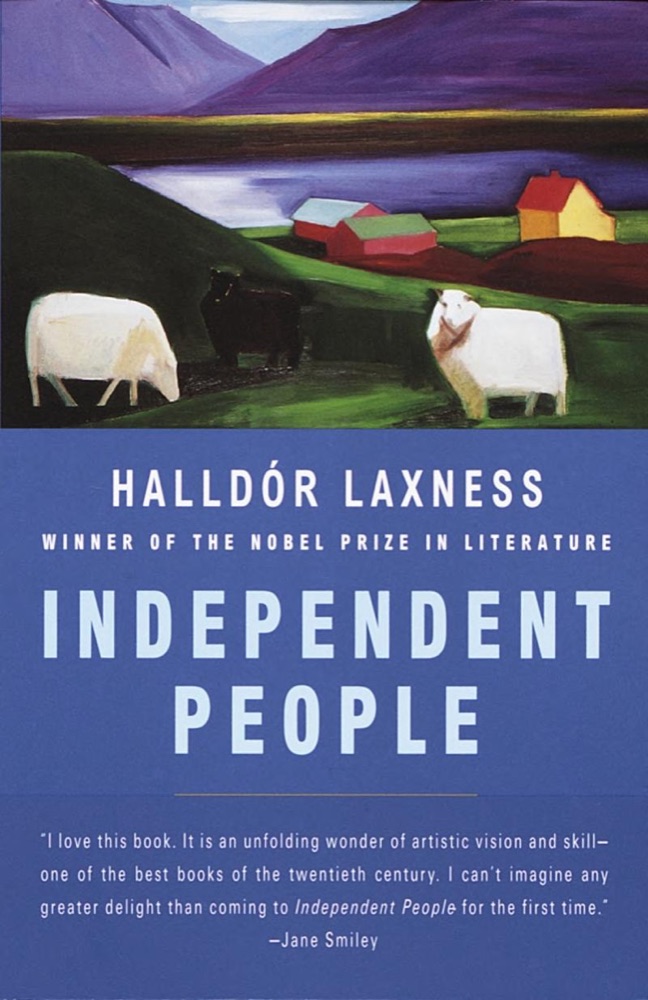 Independent People
 The Daughter of Doctor Moreau
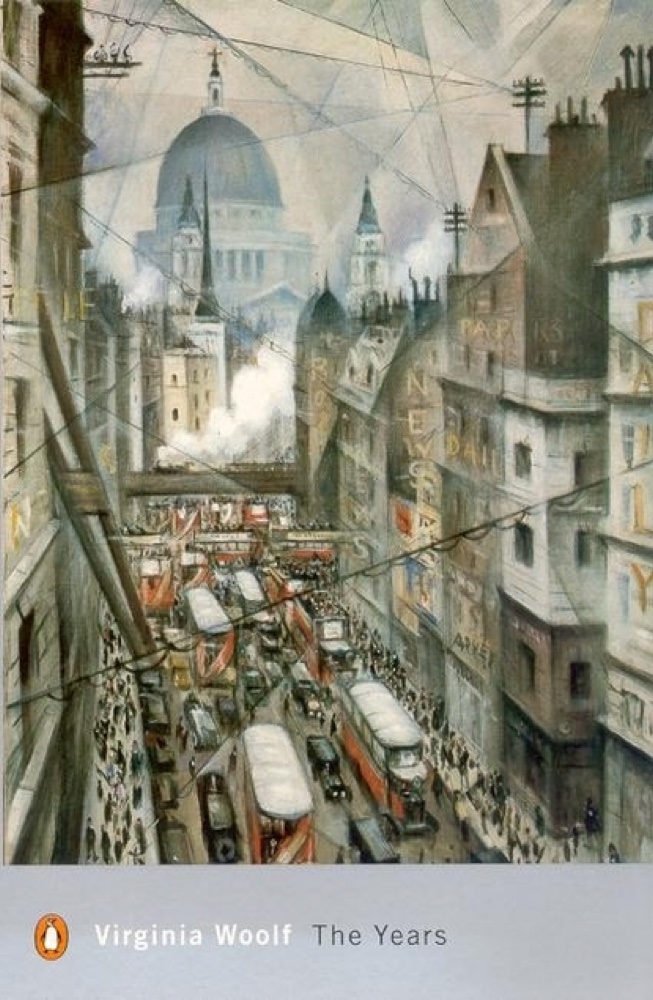 The Years
 Oblomov
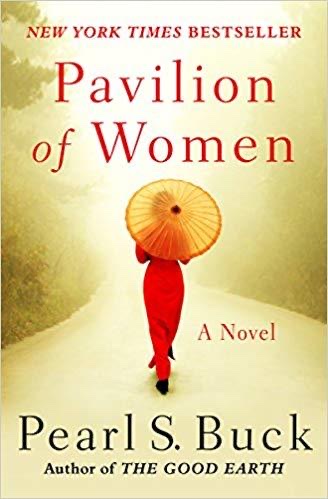 Pavilion of Women: A Novel of Life in the Women's Quarters
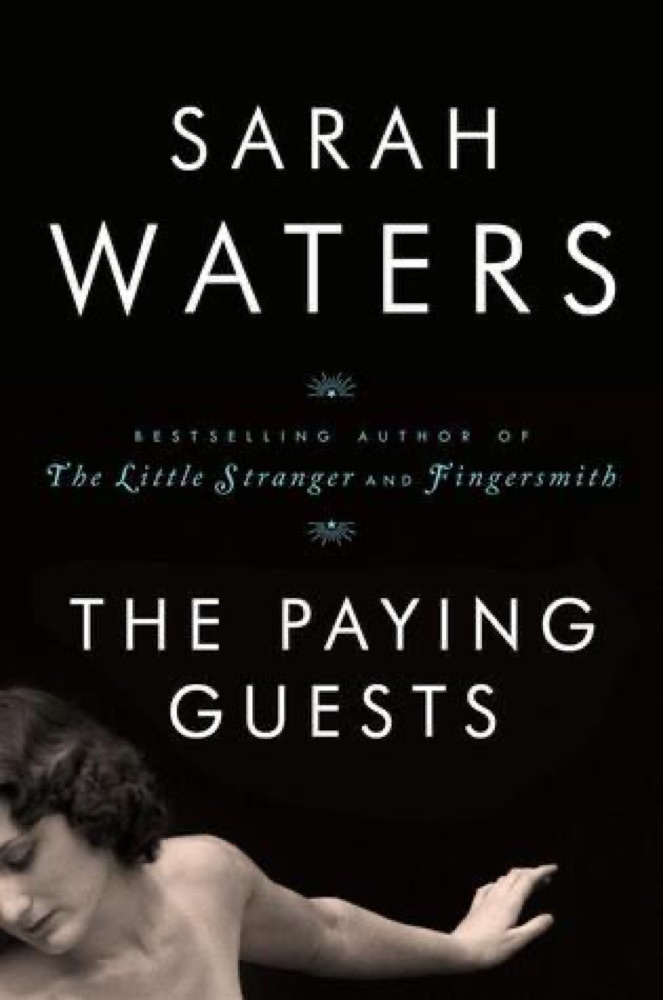 The Paying Guests
 Keep the Aspidistra Flying
 The Damnation Game
 The Portrait of a Lady
 Clear Light of Day
 The Sweetness of Water
 Case Histories
 In Search of Lost Time
 The Weight of Ink
 The Bridge of San Luis Rey
 Hard Times
 In Sunlight and in Shadow
 The Stories of John Cheever