
 Free Will
Quotes from the Book
The opportunity to decieve others is ever present and often tempting, and each instance of deception casts us onto some of the steepest ethical terrain we ever cross.
3
Robert Trivers argues, for instance, that people who can believe their own lies turn out to be the best liars of all—and an ability to deceive rivals has obvious advantages in the state of nature.
3
How would your relationships change if you resolved never to lie again? What truths about yourself might suddenly come into view? What kind of person would you become? And how might you change the people around you? It is worth finding out.
3
We often behave in ways that are guaranteed to make us unhappy. Many of us spend our lives marching with open eyes toward remorse, regret, guilt, and disappointment.And nowhere do our injuries seem more casually self-inflicted, or the suffering we create more disproportionate to the needs of the moment, than in the lies we tell to other human beings. Lying is the royal road to chaos.
3
To speak truthfully is to accurately represent one’s beliefs. But candor offers no assurance that one’s beliefs about the world are true.
3
The lies of the powerful lead us to distrust governments and corporations. The lies of the weak make us callous toward the suffering of others. The lies of conspiracy theorists raise doubts about the honesty of whistle-blowers, even when they are telling the truth.17 Lies are the social equivalent of toxic waste: Everyone is potentially harmed by their spread.
2
It is simply astonishing how people destroy their marriages, careers, and reputations by saying one thing and doing another.
2
If lying seems the only option, given your fear or physical limitations, it clearly shifts the burden of combating evil onto others.
2
We know that trust is deeply rewarding and that deception and suspicion are two sides of the same coin. Research suggests that all forms of lying—including white lies meant to spare the feelings of others—are associated with less satisfying relationships.
2
I have a friend who is a very successful writer. Early in his career, he wrote a script that I thought was terrible, and I told him so. That was not easy to do, because he had spent the better part of a year working on it—but it was the truth (as I saw it). Now, when I tell him that I love something he has written, he knows that I love it. He also knows that I respect his talent enough to tell him when I don’t. I am sure there are people in his life he can’t say that about. Why would I want to be one of them? Secrets
2
Remaining open to the powers of conversation—to new evidence and better arguments—is not only essential for rationality. It is essential for love.
2
A prison is perhaps the easiest place to see the power of bad incentives. And yet in many walks of life, we find otherwise normal men and women caught in the same trap and busily making the world much less good than it could be. Elected officials ignore long-term problems because they must pander to the short-term interests of voters. People working for insurance companies rely on technicalities to deny desperately ill patients the care they need. CEOs and investment bankers run extraordinary risks—both for their businesses and for the economy as a whole—because they reap the rewards of success without suffering the penalties of failure. District attorneys continue to prosecute people they know to be innocent because their careers depend on winning cases. Our government fights a war on drugs that creates the very problem of black-market profits and violence that it pretends to solve. We need systems that are wiser than we are. We need institutions and cultural norms that make us more honest and ethical than we tend to be. The project of building them is distinct from—and, in my view, even more important than—an individual’s refining his personal ethical code.
2
Sincerity, authenticity, integrity, mutual understanding—these and other sources of moral wealth are destroyed the moment we deliberately misrepresent our beliefs, whether or not our lies are ever discovered.
2
Pero cuando se nos pide una opinión, no hacemos ningún favor a nuestros amigos fingiendo no apreciar defectos en su trabajo, en especial cuando quienes no son sus amigos están obligados a reparar en esos mismos defectos.
2
Ethical transgressions are generally divided into two categories: the bad things we do (acts of commission) and the good things we fail to do (acts of omission). We tend to judge the former far more harshly. The origin of this imbalance remains a mystery, but it surely relates to the value we place on a person’s energy and intent.
2
Most forms of private vice and public evil are kindled by sustained lies. Acts of adultery and other personal betrayals, financial fraud, government corruption--even murder and genocide--generally require an additional moral defect: a willingness to lie. Lying is, almost by definition, a refusal to cooperate with others. It condenses a lack of trust and trustworthiness into a single act. It is both a failure of understanding and an unwillingness to be understood. To lie is to recoil from relationship. By lying, we deny others our view of the world. And our dishonesty not only influences the choices they make, it often determines the choices they *can* make--in ways we cannot always predict. Every lie is an assault on the autonomy of those we lie to. By lying to one person, we potentially spread falsehoods to many others--even to whole societies. We also force upon ourselves subsequent choices--to maintain the deception or not--than can complicate our lives. In this way, every lie haunts our future. We can't tell when or how it might collide with reality, requiring further maintenance. The truth never needs to be tended like this. It can simply be reiterated. The lies of the powerful lead us to distrust governments and corporations. The lies of the weak make us callous toward the suffering of others. The lies of conspiracy theorists raise doubts about the honesty of whistle-blowers, even when they are telling the truth. Lies are the social equivalent of toxic waste: Everyone is potentially harmed by their spread.
1
Research indicates that liars trust those they deceive less than they otherwise might--and the more damaging their lies, the less they trust, or even like, their victims. It seems that in protecting their egos and interpreting their own behavior as justified, liars tend to deprecate the people they lie to.
1
lying, even about the smallest matters, needlessly damages personal relationships and public trust.
1
The question is, do you really want to know what other people think about you—about your talents and prospects—or do you want to be deceived about all that?
1
But you seem to have a very strong intuition, which I share, that we should consider honesty to be a nearly ironclad principle, because it is to everyone’s advantage so much of the time, and it allows us to live the kinds of lives and maintain the kinds of relationships we want to have.
1
skillful truth-telling” as opposed to “evasion,” in the sense that if this person could look at the whole conversation—let’s say she magically gets better again and can say, “Oh, I had Alzheimer’s. How did you deal with me when I kept asking about Dad?”—she would look at the transcript and say, “You know, that’s right. In my mind, he was someplace, and I just didn’t know where he was. What you said allowed me to get out of that loop.” That’s fine.
1
He is also the author, with Clint Korver, of Ethics for the Real World.
1
it was in Anna Karenina, Madame Bovary, and Othello, so it is in life. Most forms of private vice and public evil are kindled and sustained by lies. Acts of adultery and other personal betrayals, financial fraud, government corruption—even murder and genocide—generally require an additional moral defect: a willingness to lie. Lying is, almost by definition, a refusal to cooperate with others. It condenses a lack of trust and trustworthiness into a single act. It is both a failure of understanding and an unwillingness to be understood. To lie is to recoil from relationship. By lying, we deny others our view of the world. And our dishonesty not only influences the choices they make, it often determines the choices they can make
1
A commitment to honesty does not necessarily require that we disclose facts about ourselves that we would prefer to keep private. If someone asks how much money you have in your bank account, you are under no ethical obligation to tell him. The truth could well be “I’d rather not say.” So there is no conflict, in principle, between honesty and the keeping of secrets. However, it is worth noting that many secrets—especially those we are asked to keep for others—can put us in a position where we will be forced to choose between lying and revealing privileged information.
1
Now, when I tell him that I love something he has written, he knows that I love it.
1
Communications like these can still be awkward, but a wasteland of embarrassment and social upheaval can generally be avoided by following a single precept: Do not lie.
1
Watch on YouTube
About Sam Harris
We have collected 190 quotes from 7 books by Sam Harris on BookQuoters.
More about the author →

About the book
As it was in Anna Karenina, Madame Bovary, and Othello, so it is in life. Most forms of private vice and public evil are kindled and sustained by lies. Acts of adultery and other personal betrayals, financial fraud, government corruption—even murder and genocide—generally require an additional moral defect: a willingness to lie.
Book details
- First published
- 2011
- Author
- Sam Harris
- Genre
- Philosophy
- Goodreads rating
- 3.88 (23k ratings)
Keep reading
 The Honest Truth About Dishonesty: How We Lie to Everyone - Especially Ourselves
 Radical Honesty : How to Transform Your Life by Telling the Truth
 On the Decay of the Art of Lying
 The Truth and Other Lies
 Mistakes Were Made (But Not by Me): Why We Justify Foolish Beliefs, Bad Decisions, and Hurtful Acts
 Confessions of a Sociopath: A Life Spent Hiding in Plain Sight
 A Higher Loyalty: Truth, Lies, and Leadership
 The Laws of Human Nature
 Testimony
 We Learn Nothing
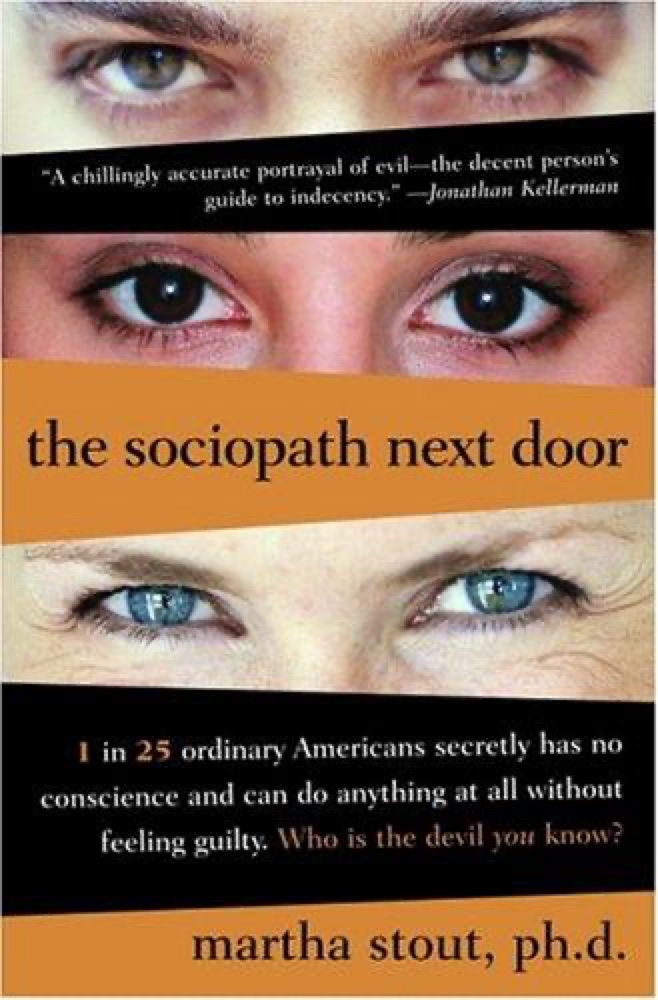 The Sociopath Next Door
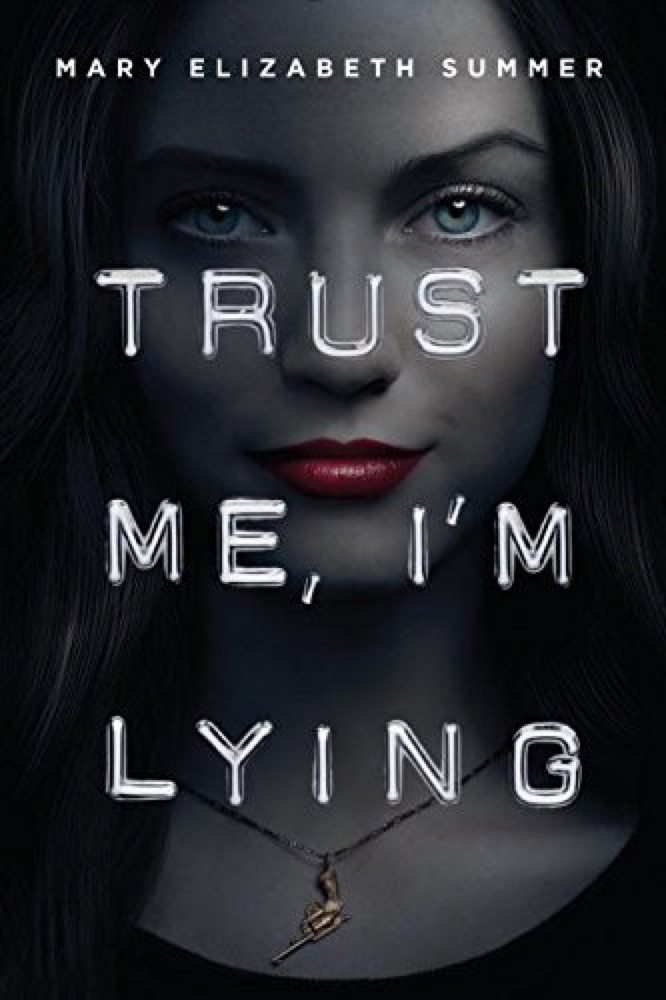 Trust Me, I'm Lying
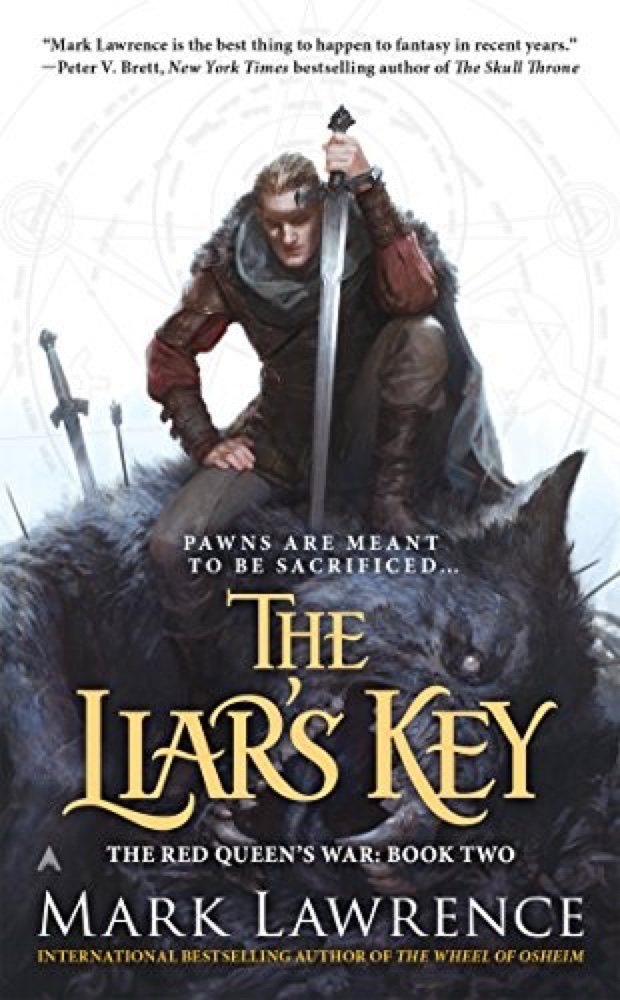 The Liar's Key
 Elizabeth Finch
 Scion of Ikshvaku
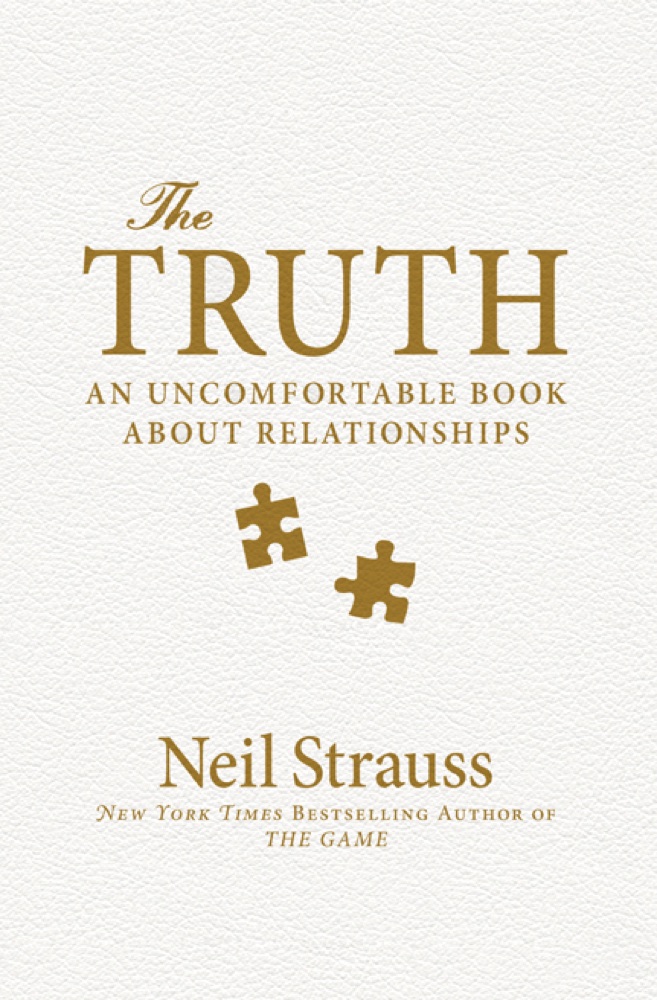 The Truth: An Uncomfortable Book About Relationships
 The Lucifer Effect: Understanding How Good People Turn Evil
 The Story of My Experiments With Truth
 Stranger in a Strange Land
 The Elephant in the Brain: Hidden Motives in Everyday Life
 Rationality: From AI to Zombies
 The Moral Landscape: How Science Can Determine Human Values
 Look Closer
 The Fall
 Can You Keep a Secret?
 The Hod King
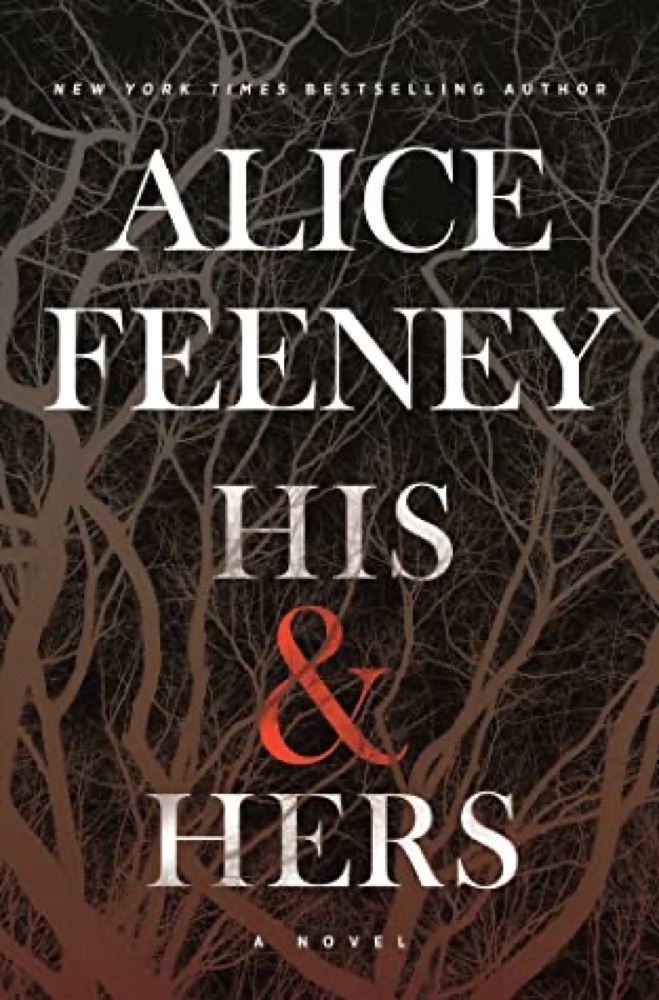 His & Hers
 Blue Bamboo: Japanese Tales of Fantasy
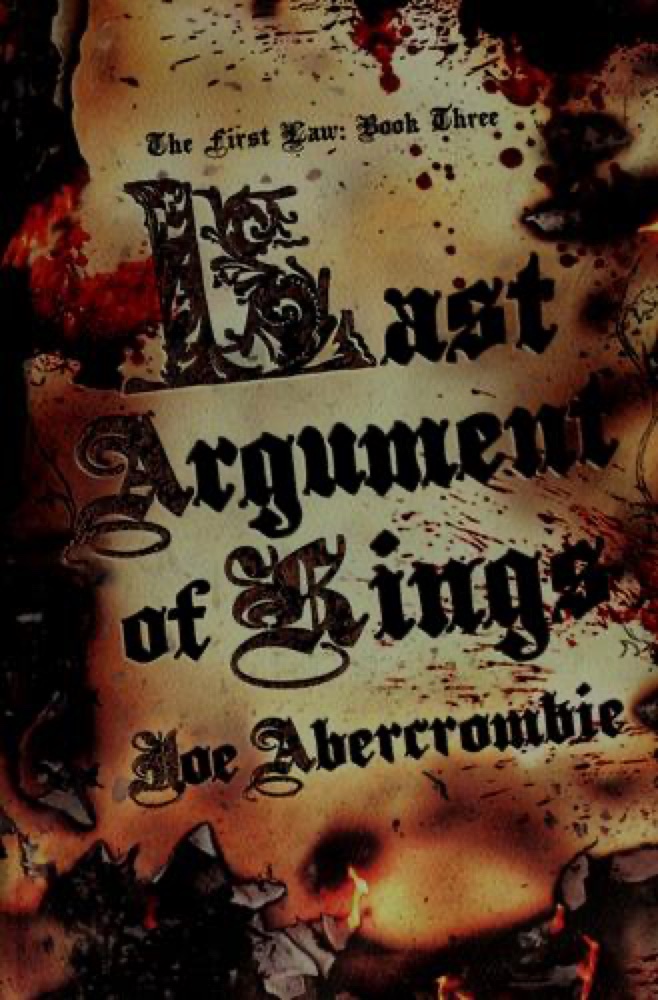 Last Argument of Kings
![What Was She Thinking? [Notes on a Scandal]](/i/book/g/08/what-was-she-thinking-notes-on-a-scandal.jpg) What Was She Thinking? [Notes on a Scandal]
What Was She Thinking? [Notes on a Scandal]
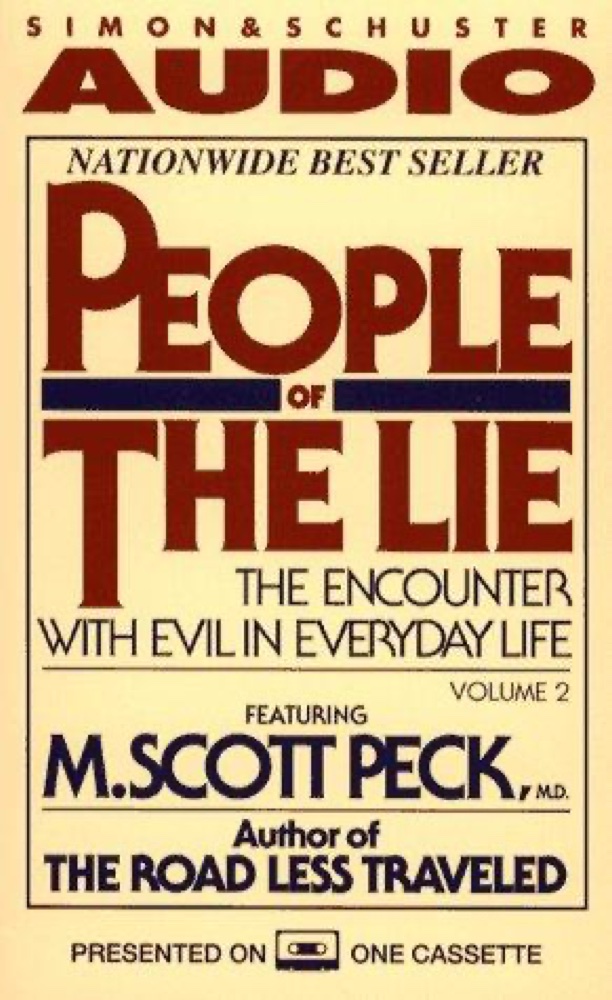 People of the Lie: The Hope for Healing Human Evil
 Bridge of Sighs
 Beyond Good and Evil
 The Girl in the Spider's Web
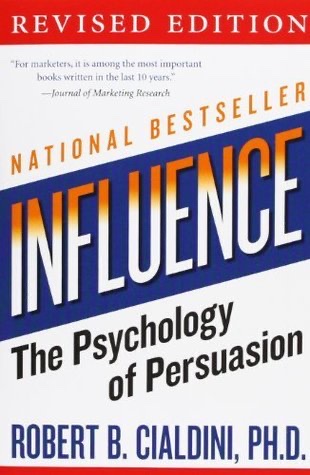 Influence: The Psychology of Persuasion
 Children of Dune
 Trust
Trust
 Doing Justice: A Prosecutor's Thoughts on Crime, Punishment, and the Rule of Law
 Difficult Conversations: How to Discuss What Matters Most
 Skin in the Game: The Hidden Asymmetries in Daily Life
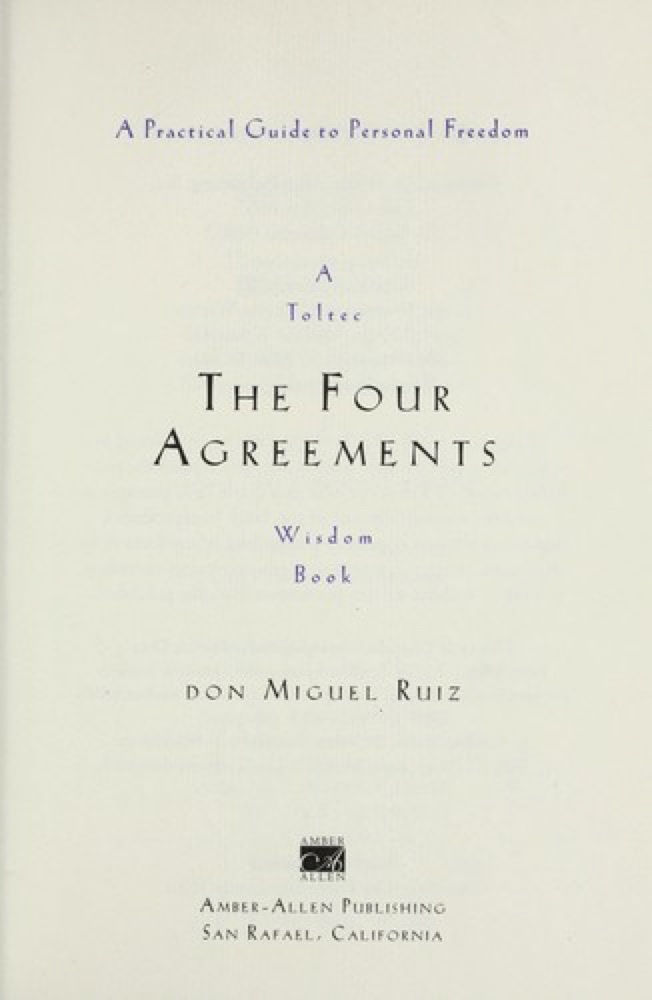 The Four Agreements: A Practical Guide to Personal Freedom
 Confessor
 The World of Divergent: The Path to Allegiant
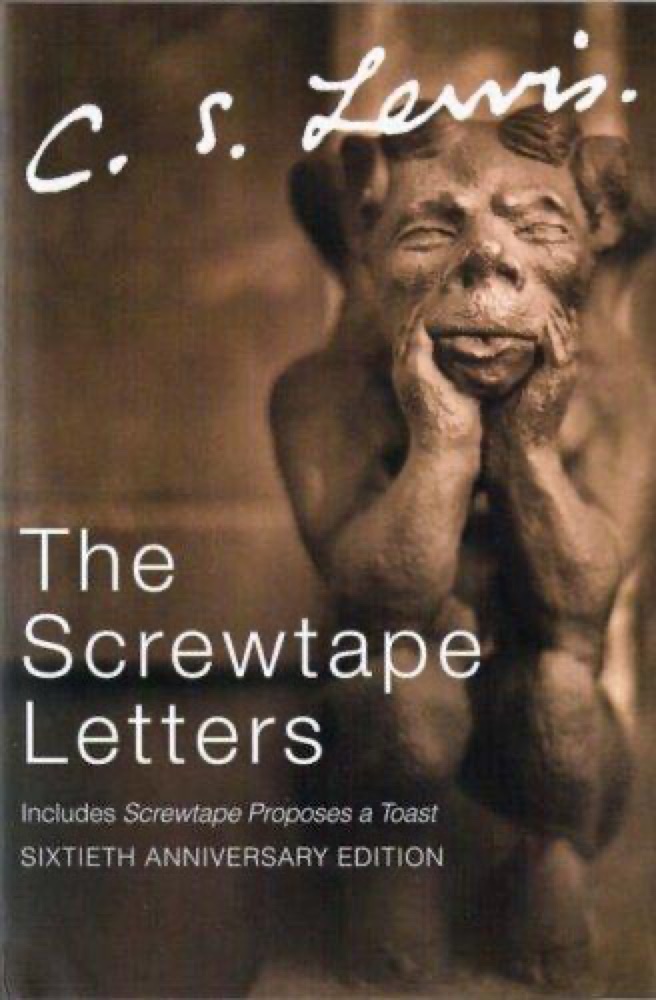 The Screwtape Letters
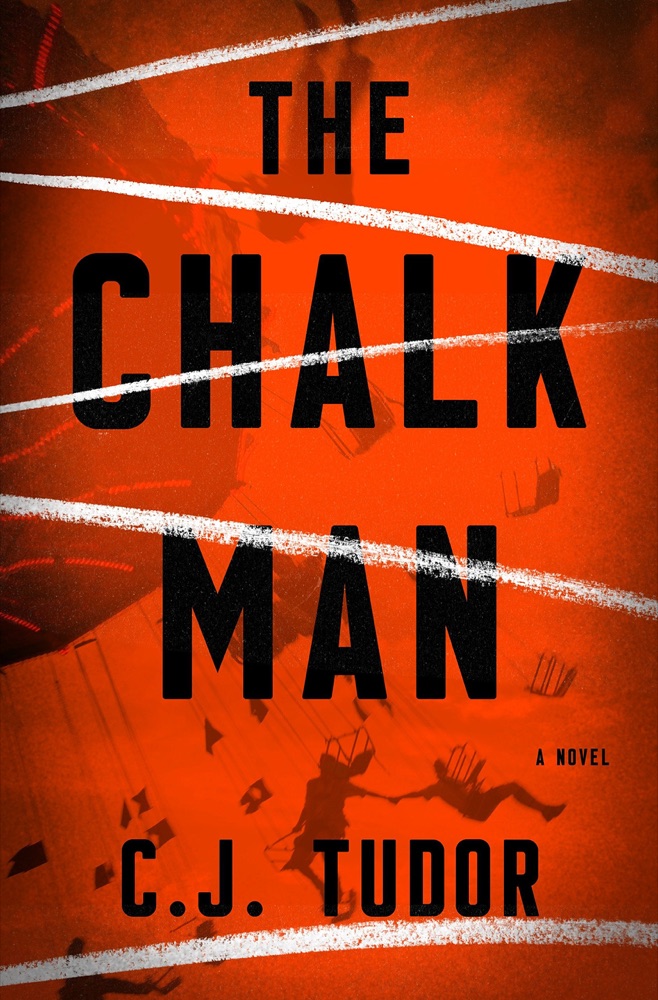 The Chalk Man
 Golden Fool
 Seven Deadly Sins: Settling the Argument Between Born Bad and Damaged Good
 The Fall of Babel
 All Is Not Forgotten
 Letters to a Young Contrarian
 Golden State
 Aphorisms on Love and Hate
 Human, All Too Human
 Crucial Conversations: Tools for Talking When Stakes are High
 The Moral Animal: Why We Are the Way We Are - The New Science of Evolutionary Psychology
 Tell Me More: Stories About the 12 Hardest Things I'm Learning to Say
 Vanishing Acts
 Trust: Betrayed
 Delirium Stories: Hana, Annabel, and Raven