
 The Emperor of All Maladies: A Biography of Cancer
Quotes from the Book
Life’s definition, as it stands now, is akin to a menu. It is not one thing but a series of things, a set of behaviors, a series of processes, not a single property. To be living, an organism must have the capacity to reproduce, to grow, to metabolize, to adapt to stimuli, and to maintain its internal milieu.
3
Unlike an antibody, a gunslinging sheriff itching for a showdown with a gang of molecular criminals in the center of town, a T cell is the gumshoe detective going door to door to look for perpetrators hiding inside.
2
perhaps the most astonishing feature of multicellularity is that it evolved independently, and in multiple different species, not just once, but many, many times. It is as if the drive to become multicellular was so forceful and pervasive that evolution leapt over the fence again and again. Genetic evidence suggests this incontrovertibly. Collective existence—above isolation—was so selectively advantageous that the forces of natural selection gravitated repeatedly toward the collective. The transformation from single cells into multicellularity was, as the evolutionary biologists Richard Grosberg and Richard Strathmann wrote, a “minor major transition.
2
Why, you might ask, do the medical mysteries of the Covid-19 pandemic sit at the center of a book on cell biology? Because cell biology sits at the center of the medical mysteries.
2
Now we will count to twelve and we will all keep still. This one time on the face of the Earth, let’s not speak any language, let’s stop for one second, and not move our arms so much.—Pablo Neruda, “Keeping Still
1
The Brain—is wider than the Sky—For—put them side by side—The one the other will contain With ease—and you—beside—The Brain is deeper than the sea—For—hold them—Blue to Blue—The one the other will absorb—As sponges—Buckets—do——Emily Dickinson, c. 1862
1
Without an edge, there is no self.
1
This, rather, is the story of how the concept of the cell, and our comprehension of cellular physiology, altered medicine, science, biology, social structures, and culture.
1
Theories of vitalism found its richest poetic voice in Samuel Taylor Coleridge, who imagined all of animated nature trembling into existence as this vital force flowed through it, just as a breeze might resonate through a harp and produce music that is irreducible to its mere notes. Humans weren’t merely an agglomeration of “lifeless”, inorganic chemical reactions, and even if we were made of cells, the cells themselves must also possess these vital fluids.
1
True knowledge is to be aware of one’s ignorance. —Rudolf Virchow, letter to his father, ca. 1830s
1
using a virus that could glue cells together, they fused the B cell with a cancer cell. I am still awestruck by the idea. How did they even think of using the undead to resuscitate the dying? The result was one of the strangest cells in biology. The plasma cell retained its antibody-secreting property, while the cancer cell conferred its immortality. They called their peculiar cell a hybridoma—a, well, hybrid of hybrid and oma, the suffix of carcinoma. The immortal plasma cell was now capable of perpetually secreting only one kind of antibody. We call this antibody of a single type (in other words, a clone), a monoclonal antibody. Milstein and Köhler’s paper was published in Nature in 1975.
1
Synaptic pruning is thought to sharpen and reinforce the 'correct' synapses, while removing the weak and unnecessary ones. 'It reinforces an old intuition,' a psychiatrist in Boston told me. 'The secret of learning is the systematic elimination of excess. We grow, mostly, by dying." We are hardwired not to be hardwired, and this anatomical plasticity may be the key to the plasticity of our minds.
1
changed our conception of how an organism’s body works. A major point of physiological “activity,” paradoxically, was to enable stasis. Don’t just do something, stand there.
The innate system is not just among the most ancient, but, being the first responder, the most crucial to our immunity. We associate immunity with B and T cells, or with antibodies, but without neutrophils and macrophages, we would meet the fate of the decomposing fly.
Virchow had refined Schwann and Schleiden’s cell theory by adding three more crucial tenets to the two founding ones (“All living organisms are composed of one or more cells,” and “The cell is the basic unit
The reasons for this paring back of synapses is a mystery, but synaptic pruning is thought to sharpen and reinforce the "correct" synapses, while removing the weak and unnecessary ones. "It reinforces an old intuition," a psychiatrist in Boston told me. "The secret of learning is the systematic elimination of excess. We grow, mostly, by dying.
A friend told me the story of visiting a Tibetan doctor who specialized in pulses. The doctor asked him a few perfunctory questions and then checked his pulse. "You've gone through a terrible breakup," the doctor said. "Your life isn't going to be the same again." The Tibetan doctor was right: something about the pulse -- its rapidity or dullness -- had provided a clue about the longing and belonging. My friend's breakup, and life, had forever been uprooted.
Osteoarthritis, perhaps, was a disease of stem cell loss. The cells that were being worn out—in its first stages—were the cartilage-making stem cells, and they could no longer keep up the genesis of cartilage.
But if you parse that phrase carefully, it turns into a clown car of questions; all sorts of conundrums come tumbling out the doors.
A giraffe’s long neck isn’t the product of generations of its ancestors aspiring to stretch their necks to reach tall trees. It is the consequence of mutations, followed by natural selection, that produces a mammal with an extended vertebral structure that, in turn, creates a long neck.
Under the right evolutionary pressure, single cells can become multicellular aggregates over a mere few generations. Some do take longer, however: in one experiment, unicellular algae became a multicellular agglomerate over 750 generations.
In one of the most intriguing attempts, carried out at the University of Minnesota in 2014, a group of researchers led by Michael Travisano and William Ratcliff made a multicellular being evolve from a unicellular organism.
True knowledge is to be aware of one’s ignorance.—Rudolf Virchow, letter to his father, ca. 1830s
To argue against human enhancement, Saletan continues, “Sandel needs something deeper: a common foundation for the various norms in sports, arts and parenting. He thinks he has found it in the idea of giftedness. To some degree, being a good parent, athlete or performer is about accepting and cherishing the raw material you’ve been given to work with [italics my own]. Strengthen your body, but respect it. Challenge your child, but love her. Celebrate nature. Don’t try to control everything […] Why should we accept our lot as a gift? Because the loss of such reverence would change our moral landscape.
Watch on YouTube
About Siddhartha Mukherjee
We have collected 83 quotes from 3 books by Siddhartha Mukherjee on BookQuoters.
More about the author →More by Siddhartha Mukherjee
The Emperor of All Maladies: A Biography of Cancer
 The Gene: An Intimate History
About the book
Winner of the 2023 PROSE Award for Excellence in Biological and Life Sciences and the 2023 Chautauqua Prize!
Named a New York Times Notable Book and a Best Book of the Year by The Economist, Oprah Daily, BookPage, Book Riot, the New York Public Library, and more!
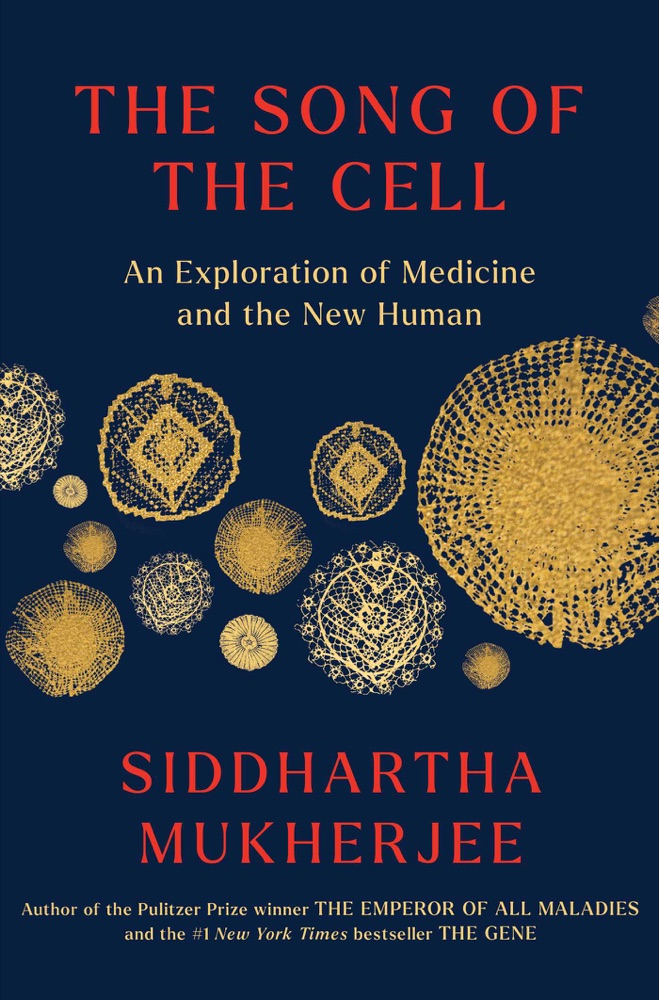
In The Song of the Cell, the extraordinary author of the Pulitzer Prize–winning The Emperor of All Maladies and the #1 New York Times bestseller The Gene “blends cutting-edge research, impeccable scholarship, intrepid reporting, and gorgeous prose into an encyclopedic study that reads like a literary page-turner” (Oprah Daily).
Mukherjee begins this magnificent story in the late 1600s, when a distinguished English polymath, Robert Hooke, and an eccentric Dutch cloth-merchant, Antonie van Leeuwenhoek, looked down their handmade microscopes. What they saw introduced a radical concept that swept through biology and medicin
Book details
- First published
- 2022
- Author
- Siddhartha Mukherjee
- Genre
- Nonfiction
- Goodreads rating
- 4.28 (16k ratings)
The buzz
- The New York TimesReview in The New York Timesprofessional review (via Book Marks)
- The Washington PostReview in The Washington Postprofessional review (via Book Marks)
- The GuardianReview in The Guardianprofessional review (via Book Marks)
- The TimesReview in The Timesprofessional review (via Book Marks)
- Kirkus ReviewsReview in Kirkus Reviewsprofessional review (via Book Marks)
- Star TribuneReview in Star Tribuneprofessional review (via Book Marks)
Keep reading
The Gene: An Intimate History
 The Lives of a Cell: Notes of a Biology Watcher
 Genome: the Autobiography of a Species in 23 Chapters
 The Tell-Tale Brain: A Neuroscientist's Quest for What Makes Us Human
 Genome
 The Big Picture: On the Origins of Life, Meaning, and the Universe Itself
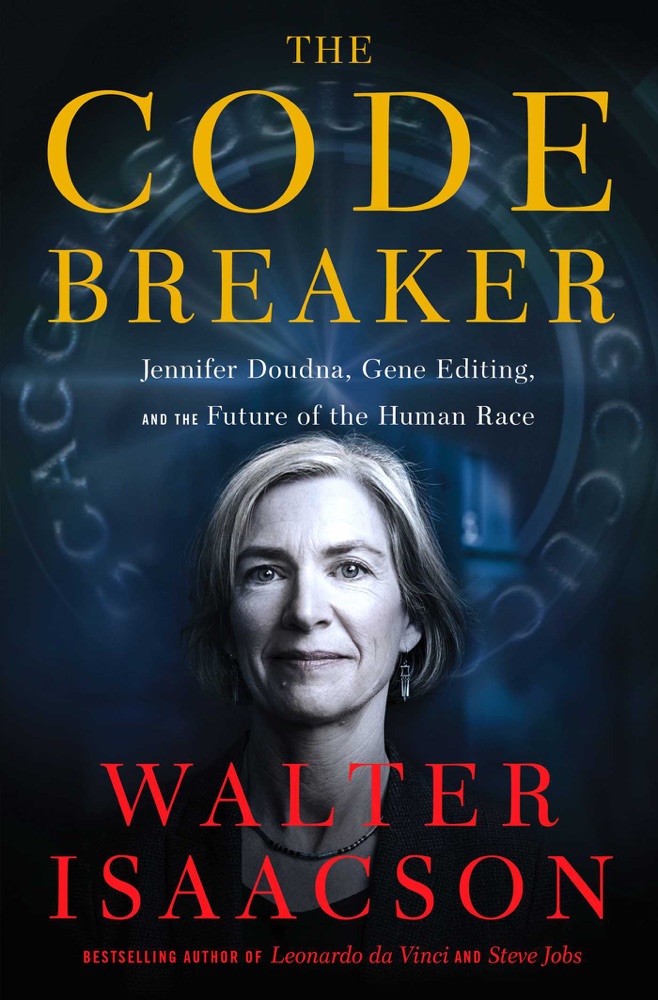 The Code Breaker: Jennifer Doudna, Gene Editing, and the Future of the Human Race
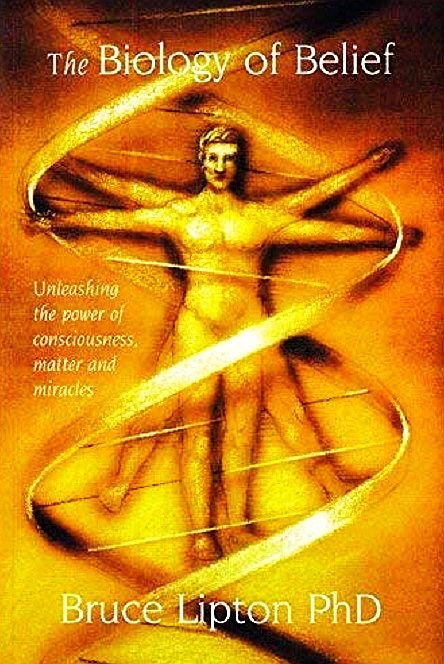 The Biology of Belief: Unleashing the Power of Consciousness, Matter and Miracles
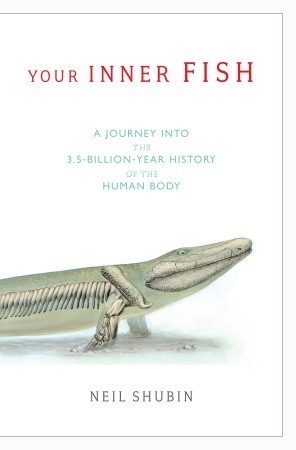 Your Inner Fish: A Journey Into the 3.5-Billion-Year History of the Human Body
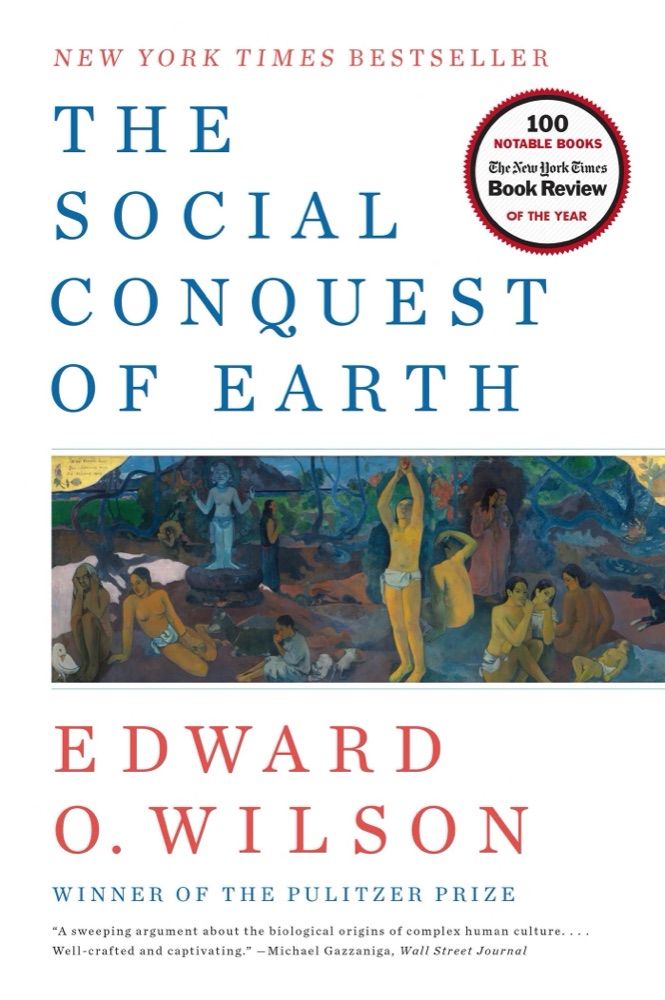 The Social Conquest of Earth
 The Light Eaters: How the Unseen World of Plant Intelligence Offers a New Understanding of Life on Earth
 Darwin's Dangerous Idea: Evolution and the Meanings of Life
 Darwin's Black Box: The Biochemical Challenge to Evolution
 Natural Causes: An Epidemic of Wellness, the Certainty of Dying, and Killing Ourselves to Live Longer
 Shadows of Forgotten Ancestors
 The Violinist's Thumb: And Other Lost Tales of Love, War, and Genius, as Written by Our Genetic Code
 How the Mind Works
 The Ascent of Man
 Dragons of Eden: Speculations on the Evolution of Human Intelligence
 The Information: A History, a Theory, a Flood
 A Devil's Chaplain: Reflections on Hope, Lies, Science, and Love
 The Blind Watchmaker: Why the Evidence of Evolution Reveals a Universe Without Design
 The Future of Humanity: Terraforming Mars, Interstellar Travel, Immortality and Our Destiny Beyond Earth
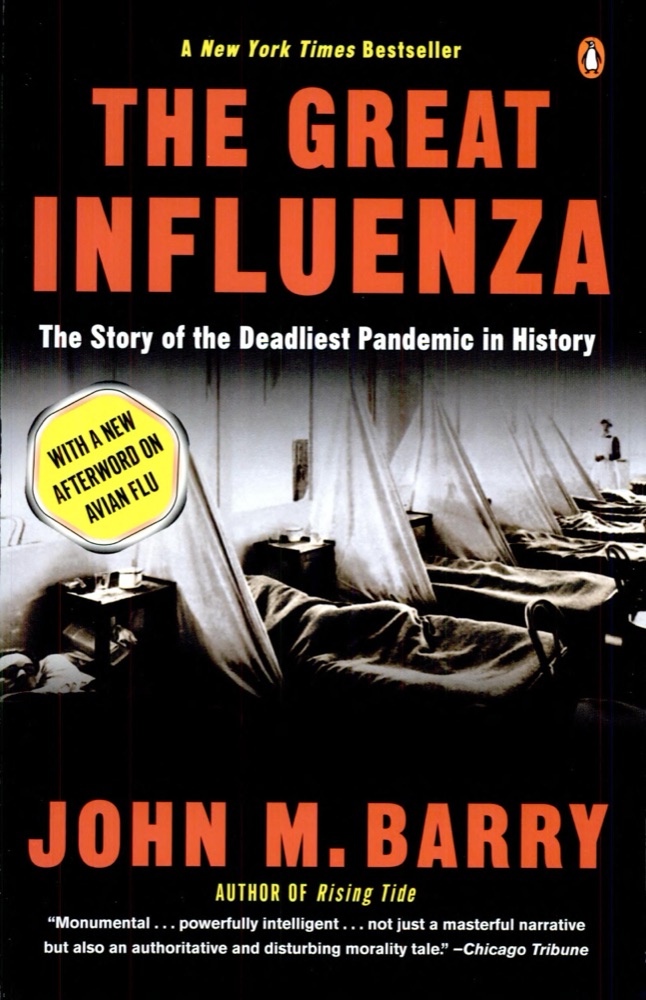 The Great Influenza: The Story of the Deadliest Pandemic in History
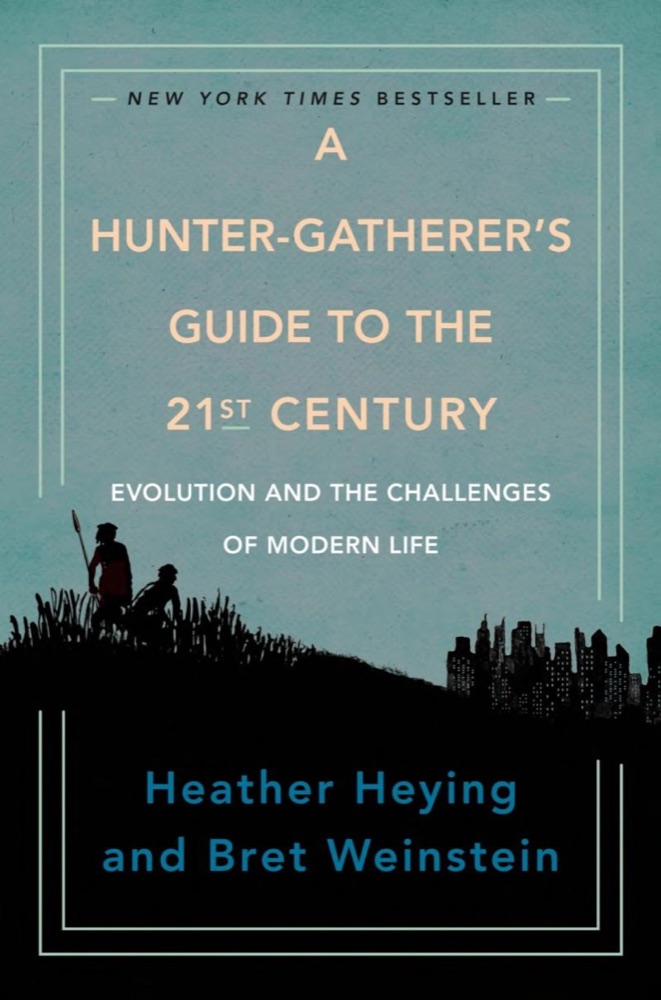 A Hunter-Gatherer's Guide to the 21st Century: Evolution and the Challenges of Modern Life
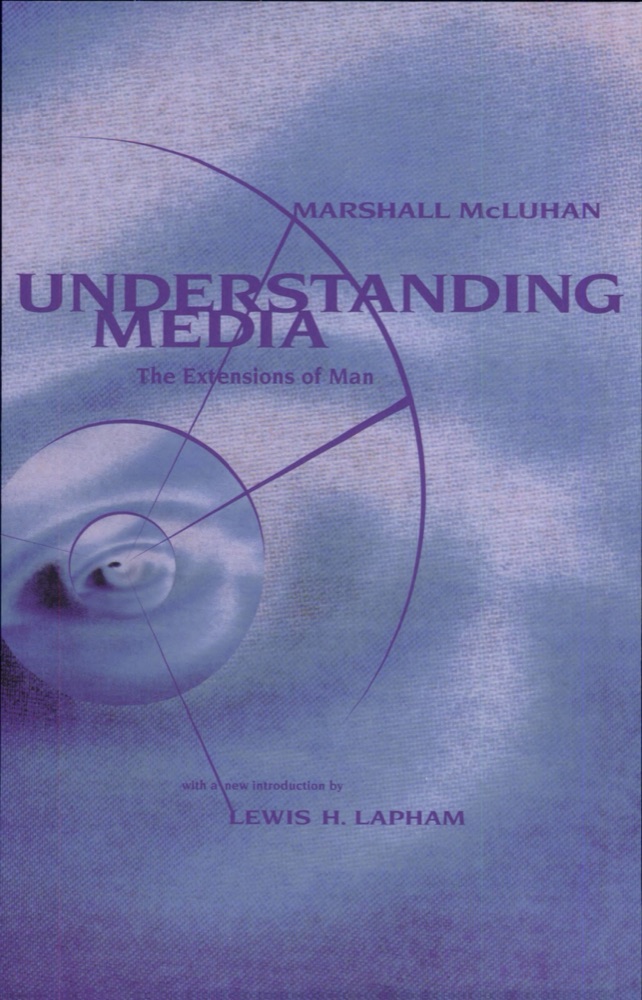 Understanding Media: The Extensions of Man
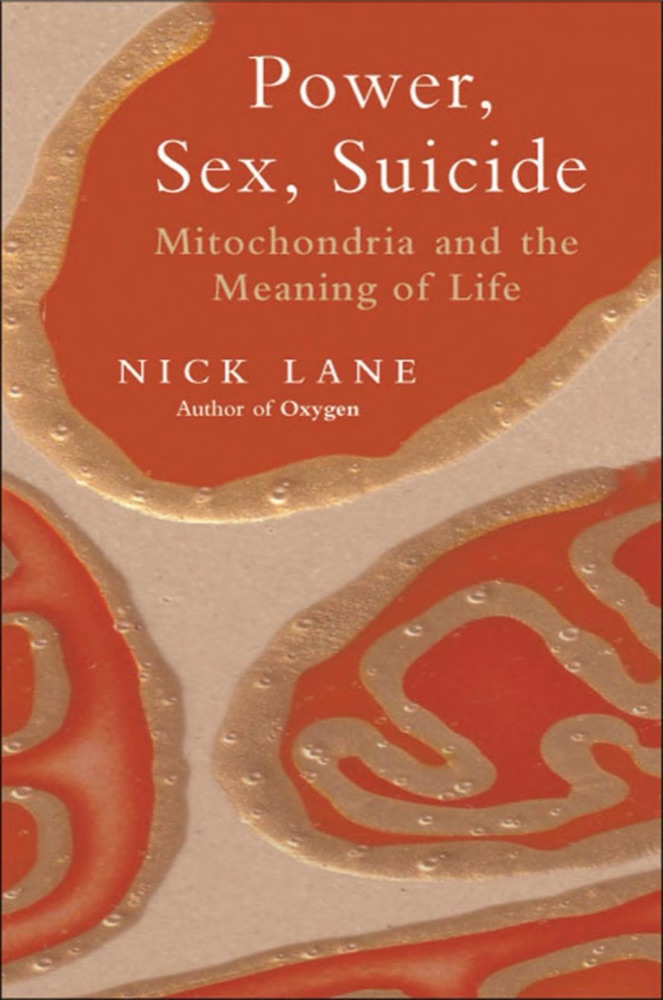 Power, Sex, Suicide: Mitochondria and the Meaning of Life
 The Mountain in the Sea
 The Lost World
 The Fifth Science
 Behave: The Biology of Humans at Our Best and Worst
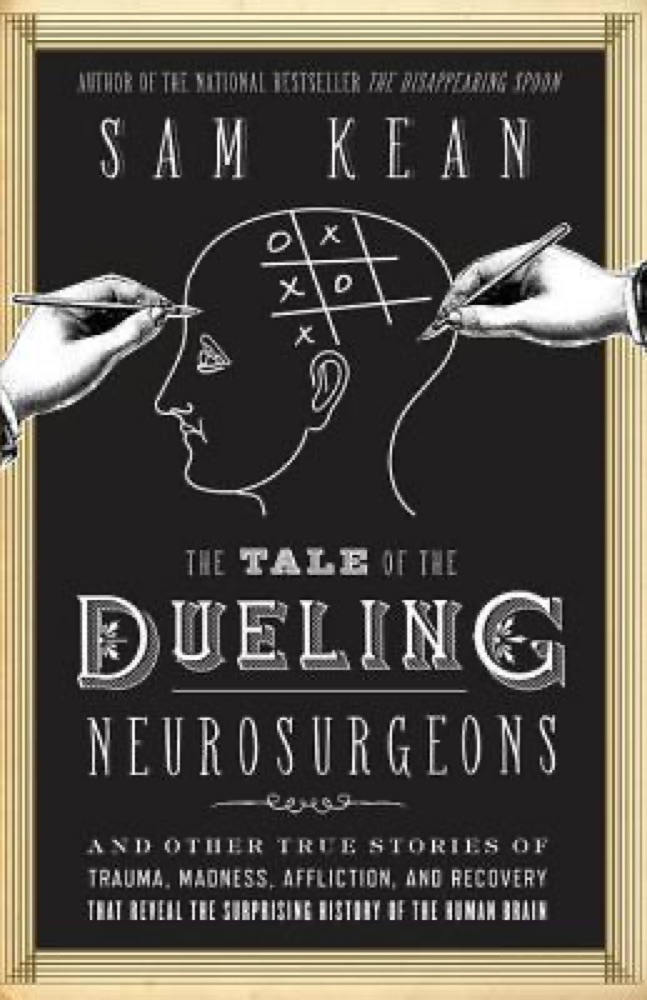 The Tale of the Dueling Neurosurgeons: The History of the Human Brain as Revealed by True Stories of Trauma, Madness, and Recovery
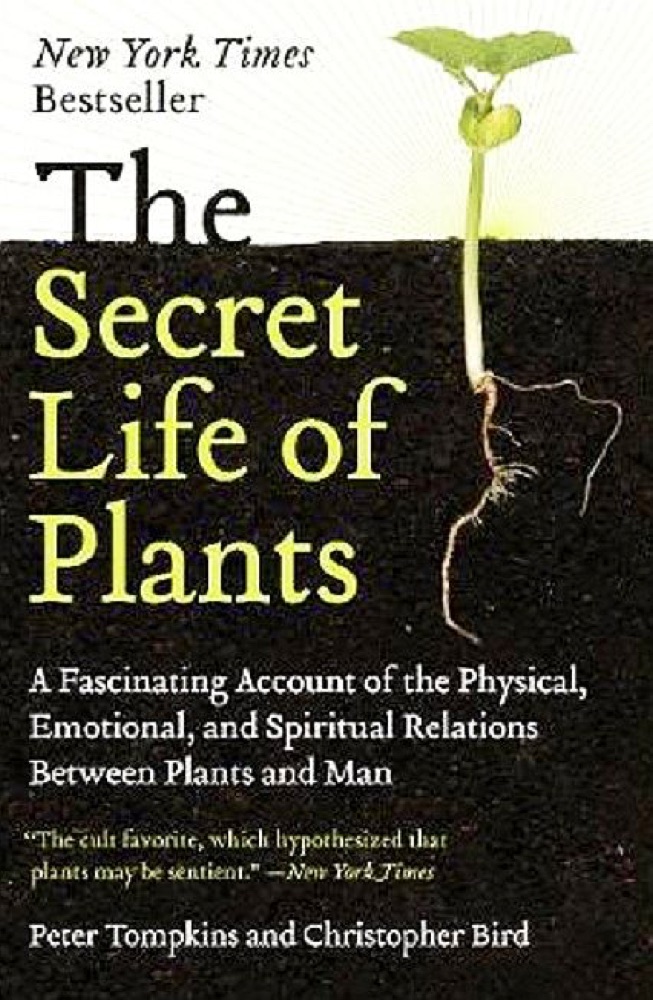 The Secret Life of Plants: A Fascinating Account of the Physical, Emotional and Spiritual Relations Between Plants and Man
The Emperor of All Maladies: A Biography of Cancer
The Secret Life of Plants: A Fascinating Account of the Physical, Emotional and Spiritual Relations Between Plants and Man
The Emperor of All Maladies: A Biography of Cancer
 The Future of the Mind: The Scientific Quest to Understand, Enhance, and Empower the Mind
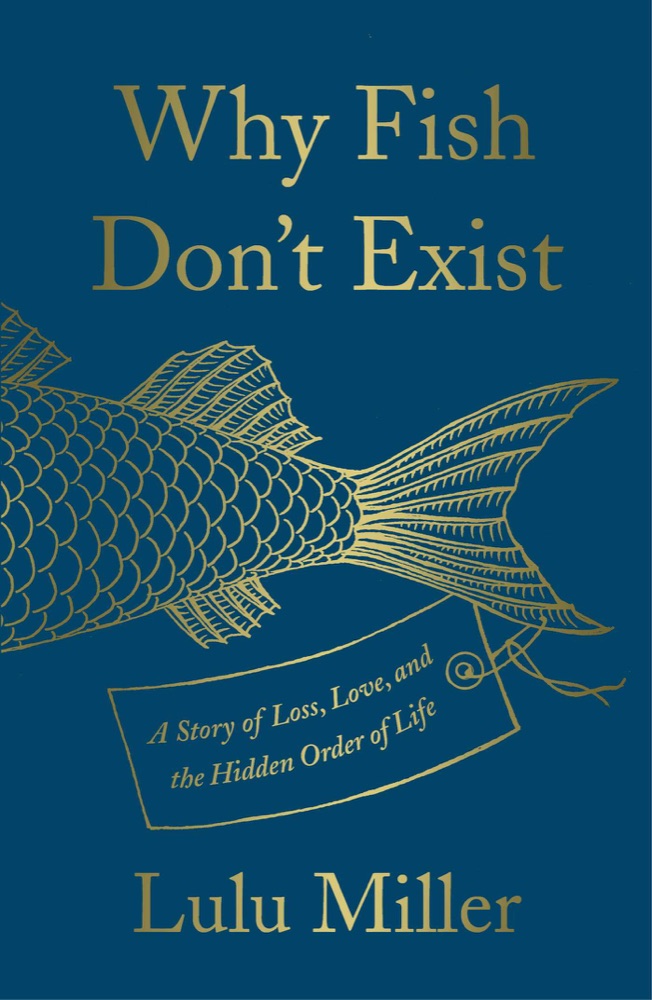 Why Fish Don’t Exist: A Story of Loss, Love, and the Hidden Order of Life
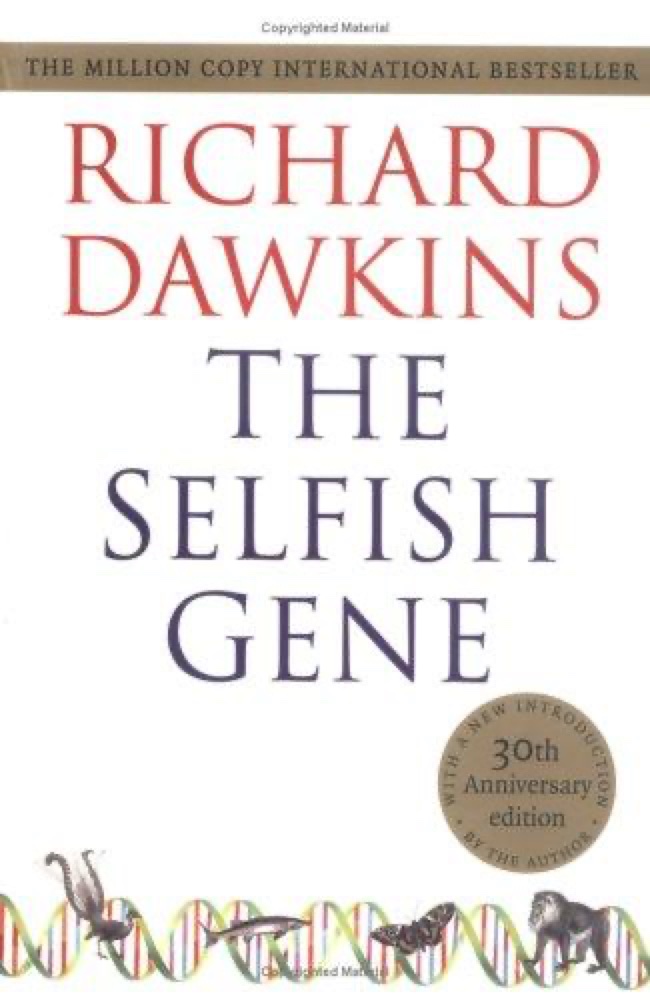 The Selfish Gene
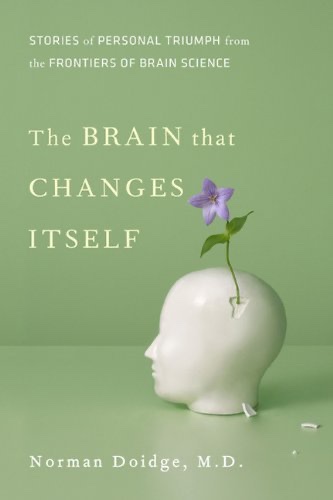 The Brain That Changes Itself: Stories of Personal Triumph from the Frontiers of Brain Science
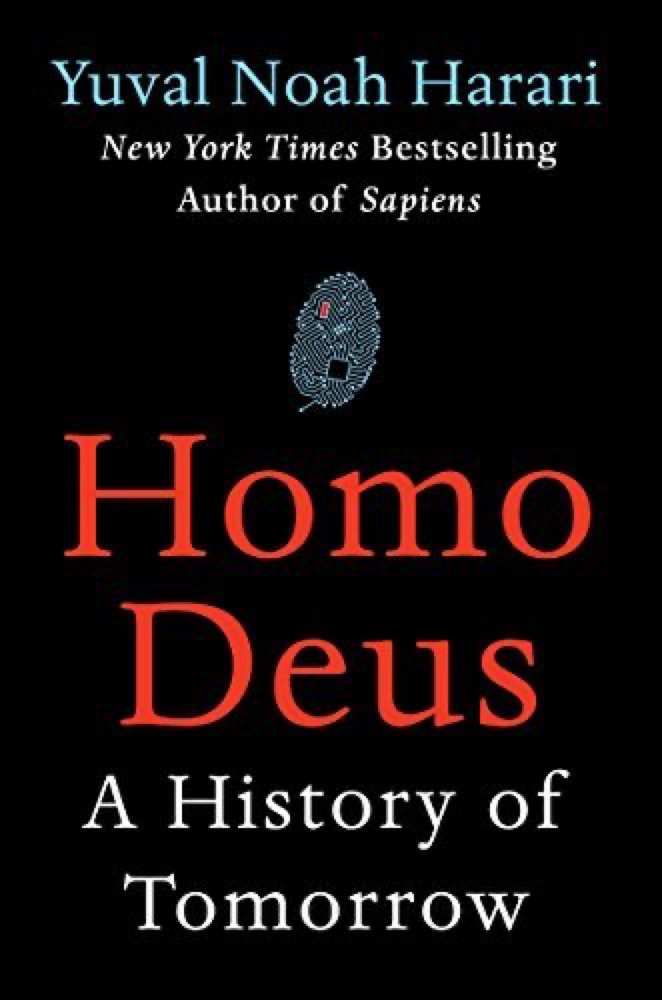 Homo Deus: A History of Tomorrow
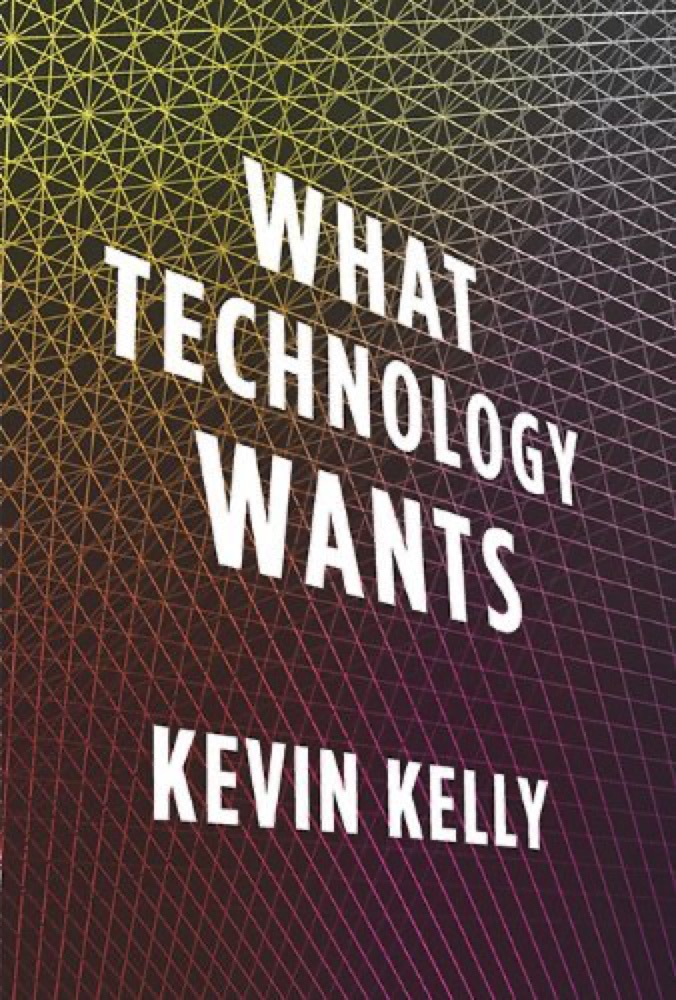 What Technology Wants
 Psych: The Story of the Human Mind
 Until the End of Time: Mind, Matter, and Our Search for Meaning in an Evolving Universe
 Drive Your Plow Over the Bones of the Dead
 Gathering Moss: A Natural and Cultural History of Mosses
 Echopraxia
 The Botany of Desire: A Plant's-Eye View of the World
 An Anthropologist on Mars
 Genesis
 Stories of Your Life and Others
 Wired
Wired
 The Forest Unseen: A Year’s Watch in Nature
 Exhalation
 Consilience: The Unity of Knowledge
 Billions & Billions: Thoughts on Life and Death at the Brink of the Millennium
 The Philosopher and the Wolf
 The Abundance
 The Social Animal: The Hidden Sources of Love, Character, and Achievement
 A Short History of Nearly Everything
 The Cosmic Serpent: DNA and the Origins of Knowledge
 Undeniable: Evolution and the Science of Creation