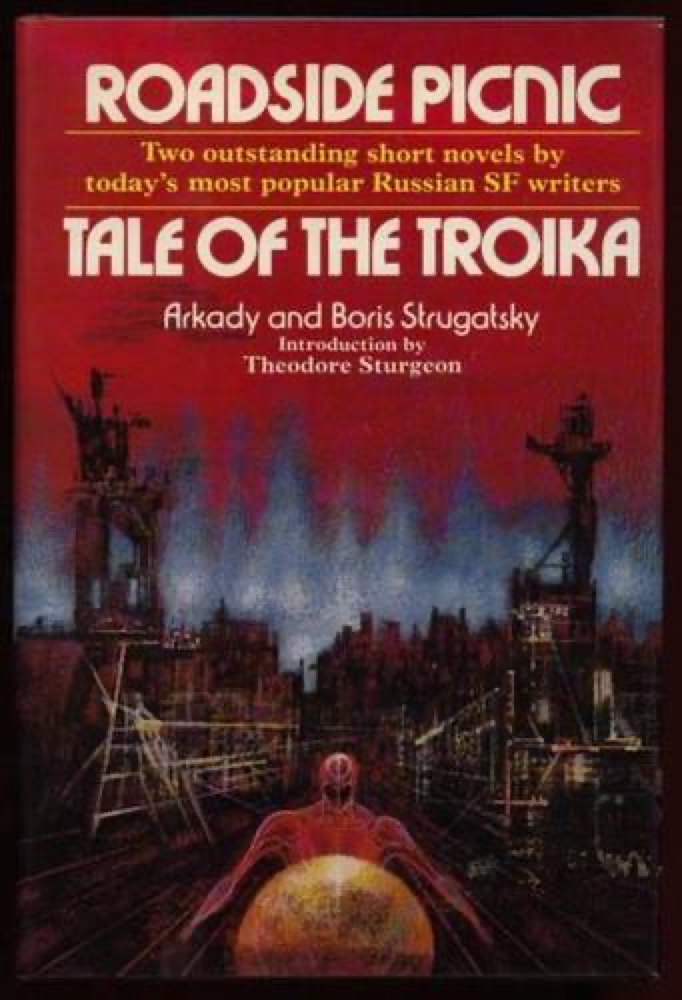
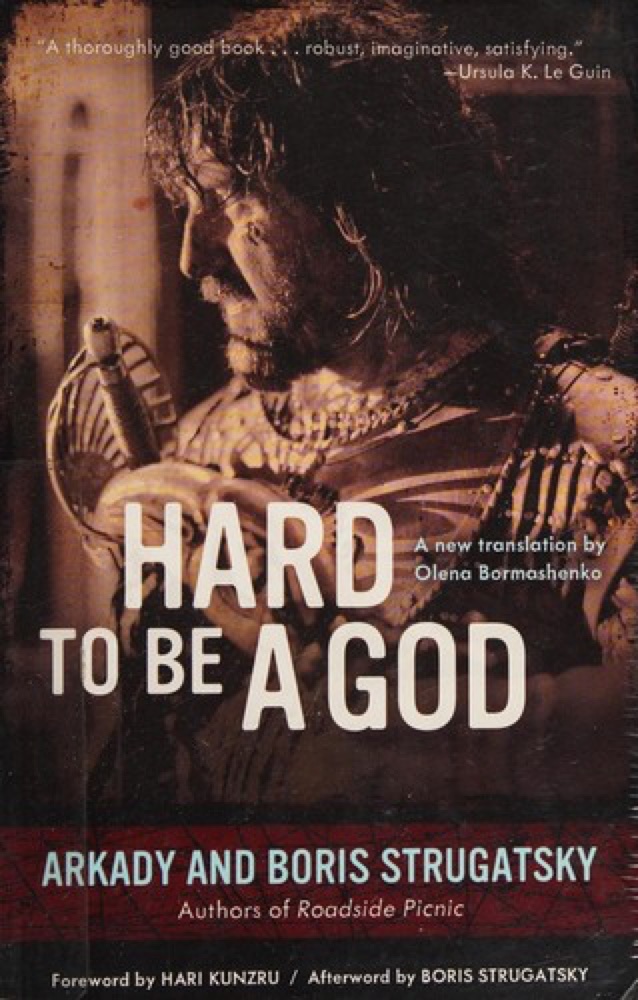
 Hard to Be a God
Quotes from the Book
The hypothesis of God, for instance, gives an incomparably absolute opportunity to understand everything and know absolutely nothing. Give man an extremely simplified system of the world and explain every phenomenon away on the basis of that system. An approach like that doesn't require any knowledge. Just a few memorized formulas plus so-called intuition and so-called common sense.
A picnic. Picture a forest, a country road, a meadow. Cars drive off the country road into the meadow, a group of young people get out carrying bottles, baskets of food, transistor radios, and cameras. They light fires, pitch tents, turn on the music. In the morning they leave. The animals, birds, and insects that watched in horror through the long night creep out from their hiding places. And what do they see? Old spark plugs and old filters strewn around... Rags, burnt-out bulbs, and a monkey wrench left behind... And of course, the usual mess—apple cores, candy wrappers, charred remains of the campfire, cans, bottles, somebody’s handkerchief, somebody’s penknife, torn newspapers, coins, faded flowers picked in another meadow.
intelligence is the ability of a living creature to perform pointless or unnatural acts.
Or how about this hypothetical definition. Reason is a complex type of instinct that has not yet formed completely. This implies that instinctual behavior is always purposeful and natural. A million years from now our instinct will have matured and we will stop making the mistakes that are probably integral to reason. An then, if something should change in the universe, we will all become extinct - precisely because we will have forgotten how to make mistakes, that is, to try various approaches not stipulated by an inflexible program of permitted alternatives.
Xenology is an unnatural mixture of science fiction and formal logic. At its core is a flawed assumption—that an alien race would be psychologically human.
HAPPINESS FOR EVERYBODY, FREE, AND NO ONE WILL GO AWAY UNSATISFIED!
The problem is we don’t notice the years pass, he thought. Screw the years—we don’t notice things change. We know that things change, we’ve been told since childhood that things change, we’ve witnessed things change ourselves many a time, and yet we’re still utterly incapable of noticing the moment that change comes—or we search for change in all the wrong places.
How can I give up stalking when I have a family to feed? Get a job? I don't want to work for you, your work makes me puke, do you understand? This is the way I figure it: if a man works with you, he is always working for one of you, he is a slave and nothing else. And I always wanted to be myself, on my own, so that I could spit at you all, at your boredom and despair.
Look into my soul, I know - everything you need is in there. It has to be. Because I've never sold my soul to anyone! It's mine, it's human! Figure out yourself what I want - because I know it can't be bad! The hell with it all, I just can't think of a thing other than those words of his - HAPPINESS, FREE, FOR EVERYONE, AND LET NO ONE BE FORGOTTEN!
In some sense, we’re all cavemen—we can’t imagine anything more frightening than a ghost or a vampire. But the violation of the principle of causality—that’s actually much scarier than a whole herd of ghosts… or Rubinstein’s monsters… or is that Wallenstein?” “Frankenstein.
a man who is well brought-up may read anything. The only people who boggle at what is perfectly natural are those who are the worst swine and the finest experts in filth. In their utterly contemptible pseudo-morality they ignore the contents and madly attack individual words.
I lock myself in the stall, take out the flask, unscrew it, and attach myself to it like a leech. I’m sitting on the bench, my heart is empty, my head is empty, my soul is empty, gulping down the hard stuff like water. Alive. I got out. The Zone let me out. The damned hag. My lifeblood. Traitorous bitch. Alive. The novices can’t understand this. No one but a stalker can understand. And tears are pouring down my face—maybe from the booze, maybe from something else. I suck the flask dry; I’m wet, the flask is dry. As usual, I need just one more sip. Oh well, we’ll fix that. We can fix anything now. Alive. I light a cigarette and stay seated. I can feel it—I’m coming around.
There’s a need to understand, but that doesn’t require knowledge. The God hypothesis, for example, allows you to have an unparalleled understanding of absolutely everything while knowing absolutely nothing … Give a man a highly simplified model of the world and interpret every event on the basis of this simple model. This approach requires no knowledge. A few rote formulas, plus some so-called intuition, some so-called practical acumen, and some so-called common sense.
Man is born in order to think (there he is, Kirill, finally!). Except that I don't believe that. I've never believed it, and I still don't believe it, and what man is born for -I have no idea. He's born, that's all. Scrapes by as best he can.
You’re absolutely right. Our little town is a hole. It always has been and still is. But now it is a hole into the future. We’re going to dump so much through this hole into your lousy world that everything will change in it. Life will be different. It’ll be fair. Everyone will have everything that he needs. Some hole, huh? Knowledge comes through this hole. And when we have the knowledge, we’ll make everyone rich, and we’ll fly to the stars, and go anywhere we want. That’s the kind of hole we have here
Science fiction lends itself readily to imaginative subversion of any status quo. Bureaucrats and politicians, who can’t afford to cultivate their imaginations, tend to assume it’s all ray-guns and nonsense, good for children. A writer may have to be as blatantly critical of utopia as Zamyatin in We to bring the censor down upon him. The Strugatsky brothers were not blatant, and never (to my limited knowledge) directly critical of their government’s policies. What they did, which I found most admirable then and still do now, was to write as if they were indifferent to ideology—something many of us writers in the Western democracies had a hard time doing. They wrote as free men write.
INTERVIEWER: You probably mean stalkers? DR. PILLMAN: I’m not familiar with the term. INTERVIEWER: That’s what the residents of Harmont call the desperate young men who, despite the grave risks, sneak into the Zone and smuggle out whatever they find. It’s quite the new career.
He gives me a look, and I see that he’s in no mood for jokes. He’s right—this is no joke. But when you’re leaving for the Zone, it’s one of two things: you start bawling, or you crack jokes—and I’m sure as hell not crying. I take a look at Kirill. He’s holding up OK, only mouthing something silently, as if praying. “Praying?” I ask. “Pray, pray! The farther into the Zone, the closer to heaven.” “What?” he says. “Pray!” I yell. “Stalkers cut in line at the gates of heaven!
For some reason he suddenly remembered that Hamfist Kitty’s real name was Raphael. The nickname Hamfist came from his monstrous bony fists, bluish red and bare, that protruded from the thick fur covering his arms as if from a pair of sleeves. And he named himself Kitty in complete confidence that this was the traditional name of the great Mongolian kings. Raphael.
He had never experienced anything like this before outside the Zone. And it had happened in the Zone only two or three times. It was as though he were in a different world. A million odors cascaded in on him at once—sharp, sweet, metallic, gentle, dangerous ones, as crude as cobblestones, as delicate and complex as watch mechanisms, as huge as a house and as tiny as a dust particle. The air became hard, it developed edges, surfaces, and corners, like space was filled with huge, stiff balloons, slippery pyramids, gigantic prickly crystals, and he had to push his way through it all, making his way in a dream through a junk store stuffed with ancient ugly furniture … It lasted a second. He opened his eyes, and everything was gone. It hadn't been a different world—it was this world turning a new, unknown side to him. This side was revealed to him for a second and then disappeared, before he had time to figure it out.
Watch on YouTube
About Arkady Strugatsky
We have collected 29 quotes from 3 books by Arkady Strugatsky on BookQuoters.
More about the author →More by Arkady Strugatsky
Hard to Be a God
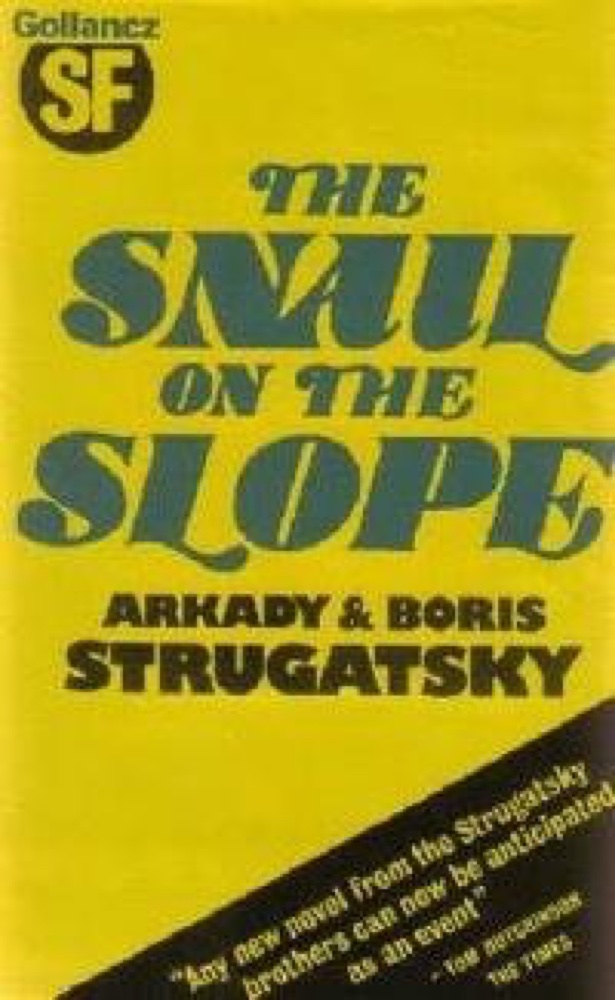 The Snail on the Slope
Book details
- First published
- 1972
- Author
- Arkady Strugatsky
- Genre
- Classics
- Goodreads rating
- 4.12 (93k ratings) →
Keep reading
 Drive Your Plow Over the Bones of the Dead
 The Stone Gods
 The Gone-Away World
 The Man in the High Castle
 Blindsight
 A Language Older Than Words
 The Western Lands
 The Fifth Science
 The Ultimate Hitchhiker's Guide
 Robopocalypse
 Moravagine
 Gnomon
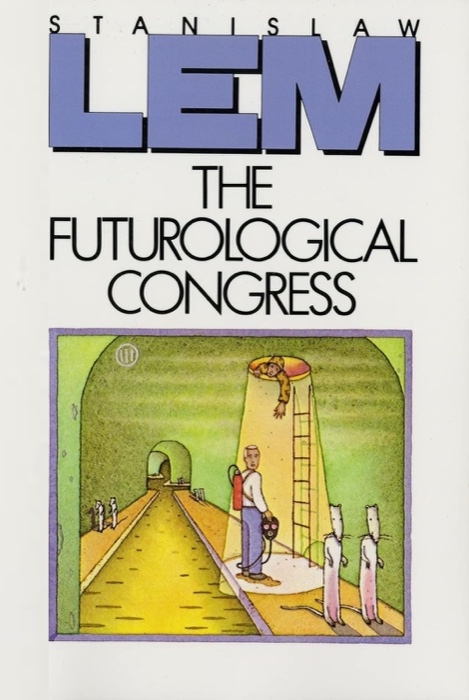 The Futurological Congress: From the Memoirs of Ijon Tichy
 Oryx and Crake
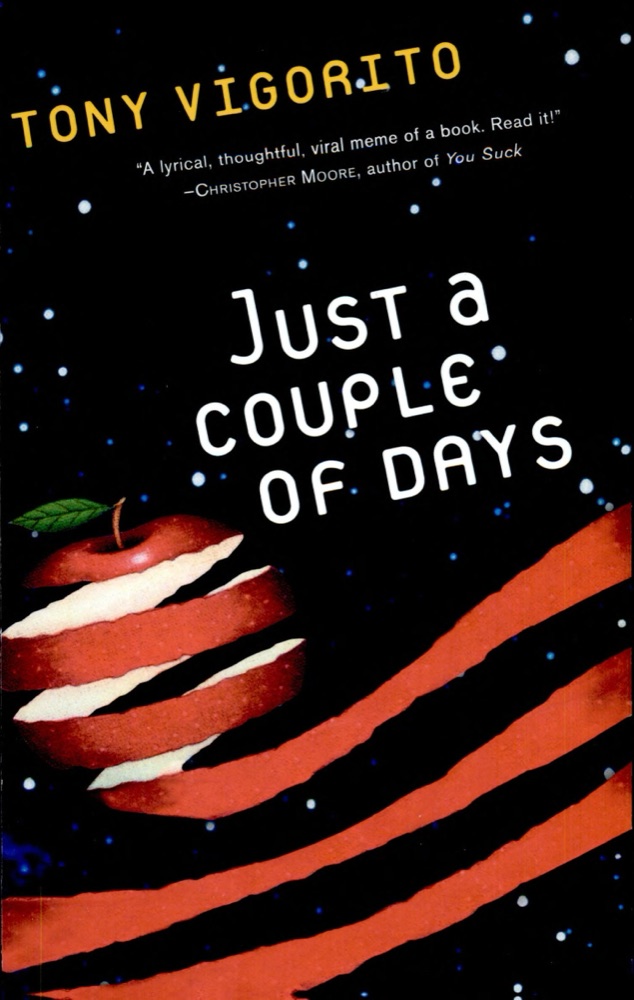 Just a Couple of Days
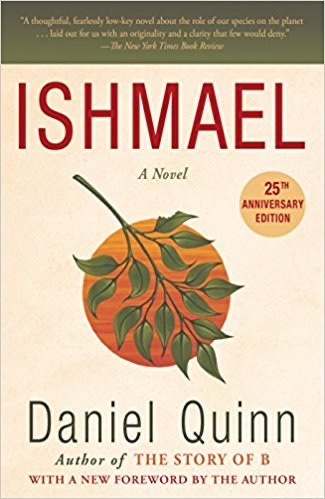 Ishmael: An Adventure of the Mind and Spirit
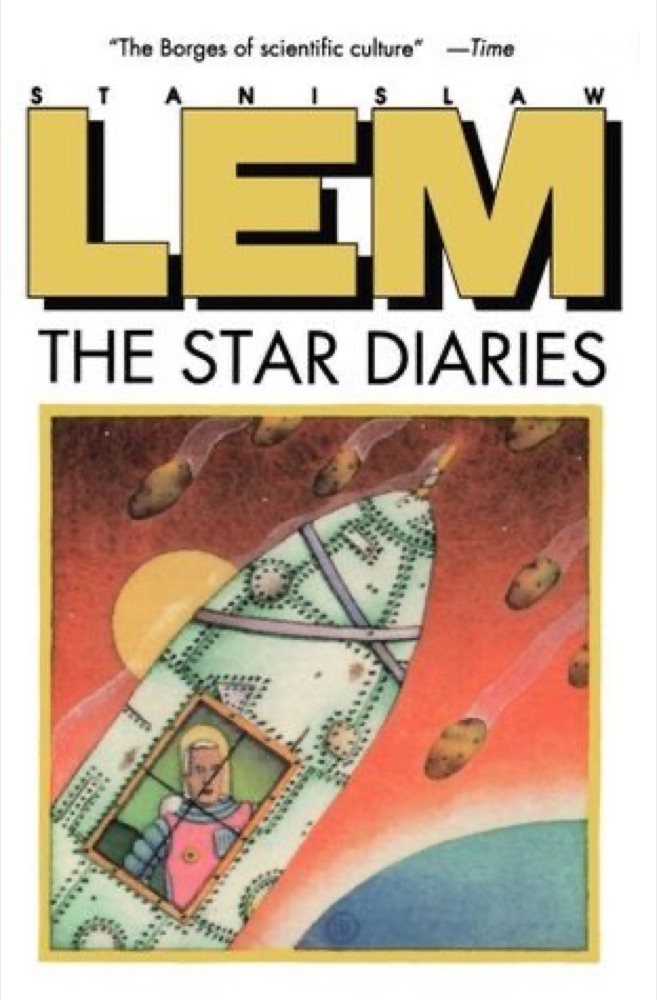 The Star Diaries
 The Universe Versus Alex Woods
 The Manticore
 Stella Maris
 The Gum Thief
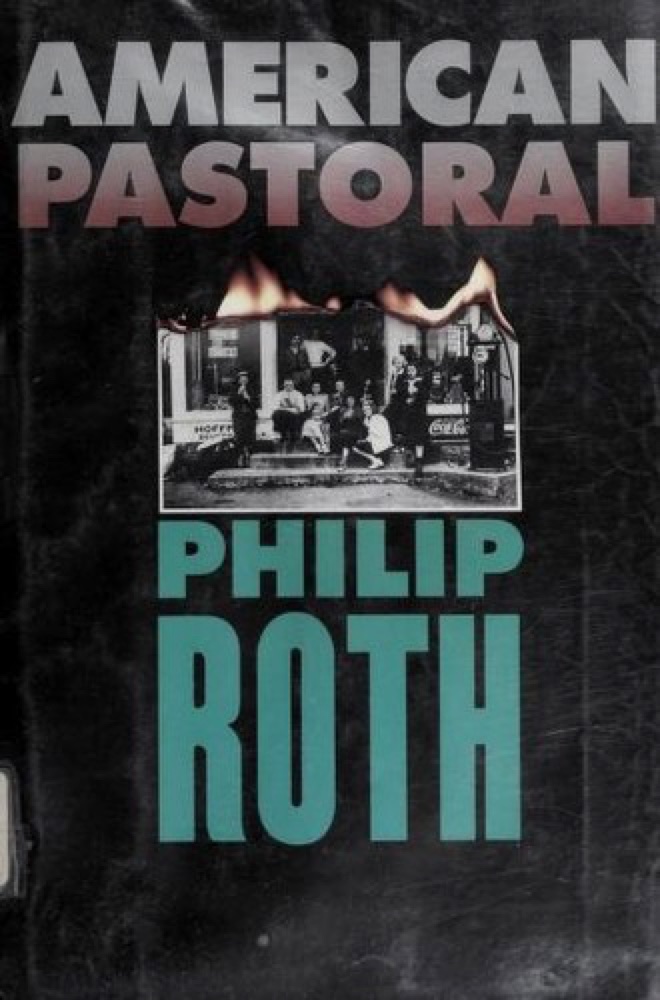 American Pastoral
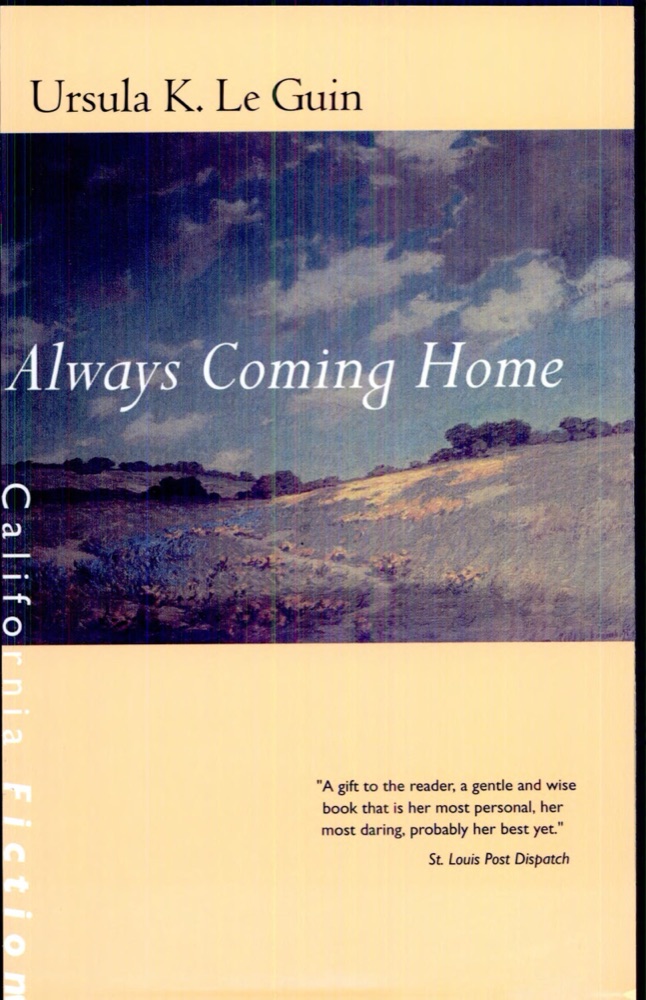 Always Coming Home
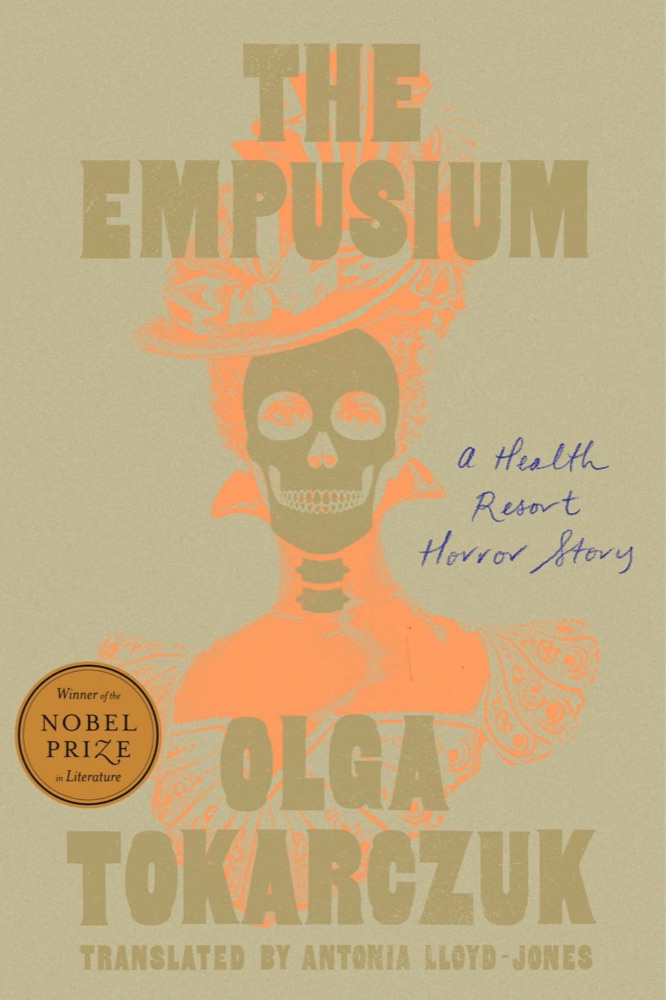 The Empusium
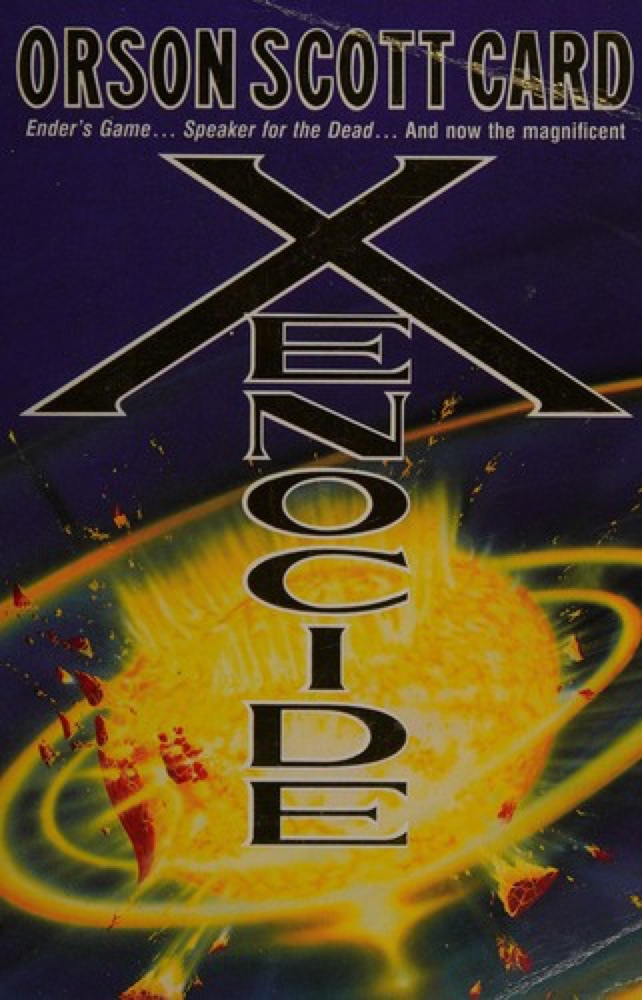 Xenocide
 Foucault's Pendulum
 The Hangman's Replacement: Sprout of Disruption
 Point Omega
 All the King's Men
 Seven Surrenders
 Hogfather
 Sexus
Sexus
 The Humans
 Fahrenheit 451
 This Book Is Full of Spiders
 Villa Incognito
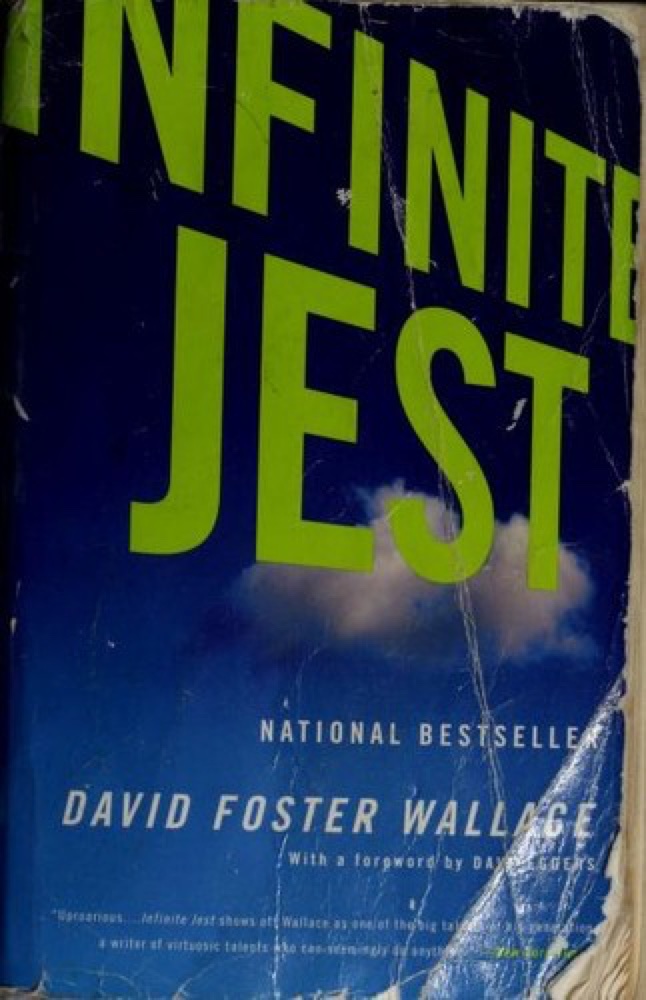 Infinite Jest
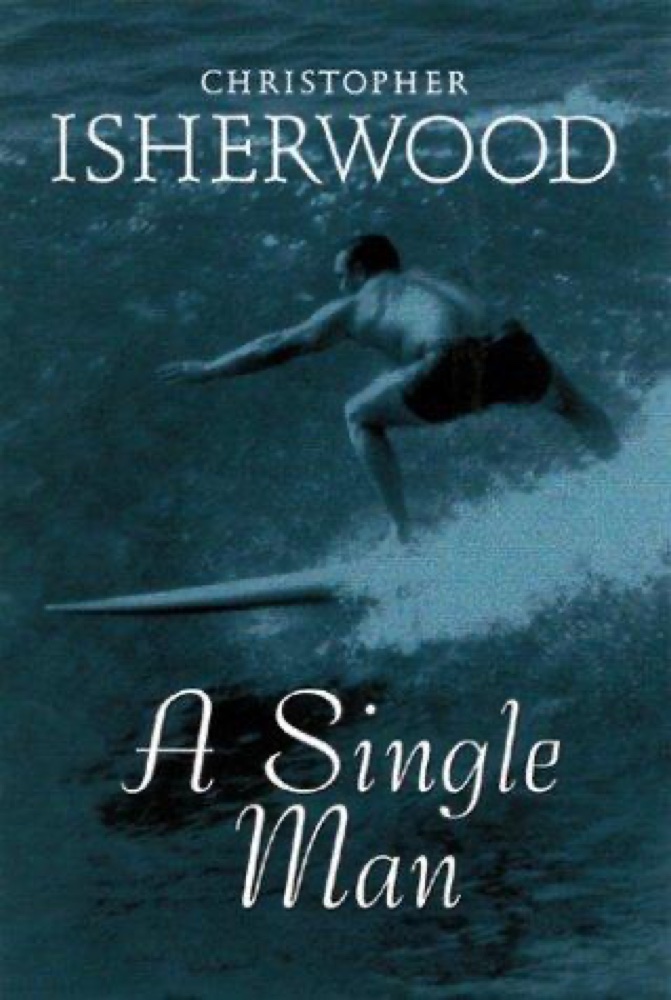 A Single Man
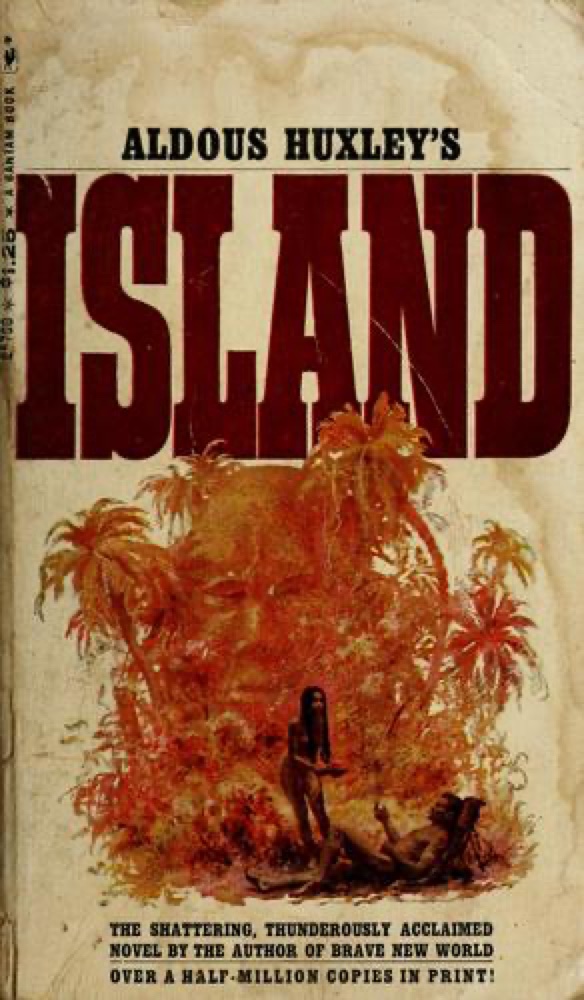 Island
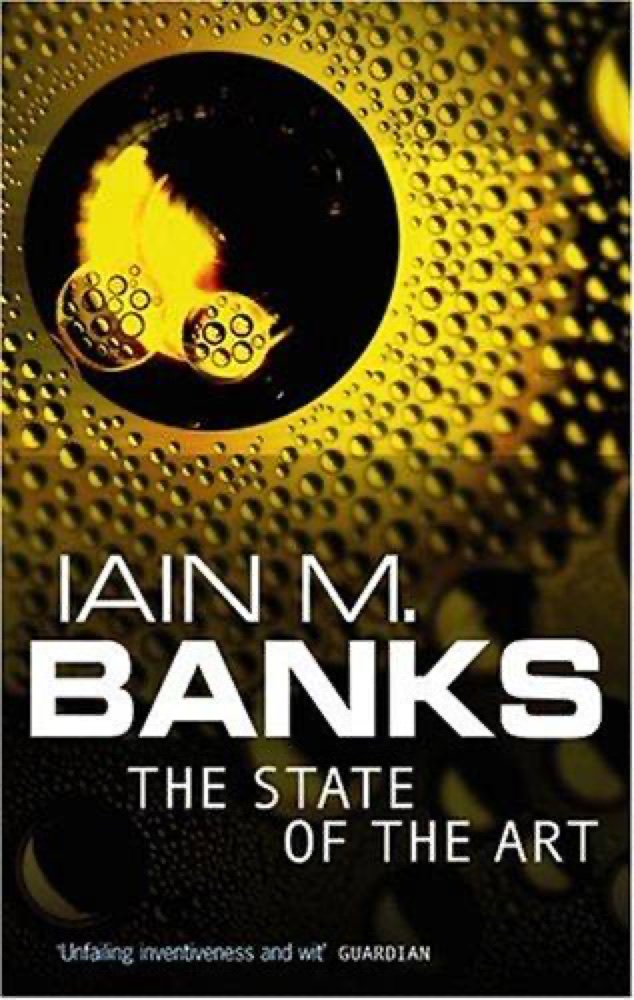 The State of the Art
 Blueprints Of The Afterlife
 Mysteries
 Point Counter Point
 The Elementary Particles
 Watchmen
 The Long Way to a Small, Angry Planet
 The Log from the Sea of Cortez
 Skinny Legs and All
 The Future
 Arm of the Sphinx
 Cat's Cradle
 Henderson the Rain King
 A Man Without a Country
 Flowers for Algernon
 That Hideous Strength
 Demian
 Libra
Libra
 Stories of Your Life and Others
 Rosewater
 The Restaurant at the End of the Universe