 Migrations
Quotes from the Book
Almost every system we exist in is cruel, and it is our job to hold ourselves accountable to a moral center separate from the arbitrary ganglion of laws that, so often, get things wrong.
14
Imagine the freedom of encountering space for the first time and taking it up. Imagine showing up to your high school reunion, seeing everyone who once made you feel small, only now you’re a hundred times bigger than you once were. A dumped goldfish has no model for what a different and better life might look like, but it finds it anyway. I want to know what it feels like to be unthinkable too, to invent a future that no one expected of you.
10
I predict I will always be in negotiation with my body, what it wants, and what I want of it.
9
Imagine having the power to become resilient to all that is hostile to us.
7
But when I think about ponds infested with gallon-big goldfish, I feel a kind of triumph. I see something that no one expected to live not just alive but impossibly flourishing, and no longer alone. I see a creature whose present existence must have come as a surprise even to itself.
7
Though the yeti crab’s environment seems inhospitable to us, it is nothing to be pitied. The pressure does not crush the crab, and the darkness does not oppress it. It is exactly suited to the life it leads, however strange or repulsive we might find it. What use is the sun to an eyeless crab? It already has everything it needs.
4
Feral goldfish are so good at living they have become an ecological menace. Of course, it’s not their fault; goldfish would never have gotten into the river if we hadn’t thought of them as disposable.
4
It wasn’t exactly that I wanted to die but that ceasing to exist (and being reverently mourned) felt more tangible to me than what I had been told I should want.
4
Sometimes you don’t need to pull yourself apart to start over. Metamorphosis isn’t always a full-body thing.
3
What’s left of queerness when it’s not defined by violence endured?
3
If goldfish are doomed in a bowl, they are unstoppable in a river.
2
So what if you could do it over? And then again? What body would you choose? Who would you be and who would you love? Would you do it over, and over, and over again?
2
Trauma is not just a catalyst to regeneration; it is the only catalyst.
2
I am an organism like any other, we people and pigeons and bacteria experiencing homeostasis on the sidewalk
2
We both had been expected to be daughters but turned out to be something else. We had shed our skins, not like snakes but insects—each of us a nymph outgrowing exoskeleton after exoskeleton, and morphing as we did. We didn’t know which molt would be our last, only that we might not be there yet, both of us rivers moving toward the sea.
2
The truth is that I was asked to leave the Petco, but I told everyone that I was banned.
1
No, I am not writing to blame these men, but I also am not excusing them by casting their behavior as something instilled in them by systems beyond their control. Almost every system we exist in is cruel, and it is our job to hold ourselves accountable to a moral center separate from the arbitrary ganglion of laws that, so often, get things wrong. This is the work we inherit as creatures with a complex brain, which comes with inexplicable joys, like love and sex and making out in cars, but also the duty of empathy, of understanding what it means when someone is stumbling.
1
Few institutions last forever, and bars close all the time. But when a place is your only port, your harbor from the elements, its closure means the loss of something sacred. Of course there will be other bars, other clubs, other parties but will they value you? Will they prioritize your safety and your joy? Will they protect you from the cold?
1
So the sturgeon are dying, in lakes and rivers and oceans all over the world. These giant fish survived the asteroid and the Ice Age and so much more only to be wiped out by cosmically puny obstacles: our dams, our boats, our chemicals, our taste for caviar. In his essay “Sturgeon Moon,” the fisher John Cronin asks us to consider the sheer magnitude of the animal’s heritage in new units. If we translate two hundred million years into a twenty-four-hour clock, we have taken less than one-tenth of a second in the last minute of the last hour to imperil every single subspecies of sturgeon on the planet. Such is the reach of their history and our power to destroy it. Today, there may be fewer than one hundred Chinese sturgeon capable of returning to the Yangtze each year to breed. Sometime in the next ten to twenty years, scientists predict, the Chinese sturgeon will go extinct in the wild.
1
The poet Ross Gay asks if joining together all our sorrows—all our dead relatives and broken relationships, all the moments that make life seem impossible—if joining all these big and little griefs together, if that constitutes joy. As
1
Perhaps if I was not an individual organism but a species, able to prototype myself over millions of years, I might have faith that my body would one day become what it’s meant to be. Maybe I would have elongated limbs to skitter atop water or bony flippers to wedge into sand. I might have a layer of gelatin or retractable spines. Maybe the way I understand myself can accommodate the physical changes that only happen on an evolutionary timescale.
1
I’m not interested in writing toward some resolution of belonging. Maybe it’s a side effect of coming out twice in adulthood, but I do not want to feel resolved about myself.
1
But life always finds a place to begin anew, and communities in need will always find one another and invent new ways to glitter, together, in the dark.
I filled every waking moment with a task; no one could say I hadn’t tried hard enough, worked hard enough, given everything I had to give. At least now I slept easily, short and dreamless nights that ended in a stack of alarms. I could no longer sense who I was, what “happy” might look like, because there was always something I had to think about.
I want to know what kinds of transformation the cuttlefish is capable of when it is motivated not by fear but by community and sex, and I am not interested in calling it a disguise.
Watch on YouTube
About Sabrina Imbler
About the book
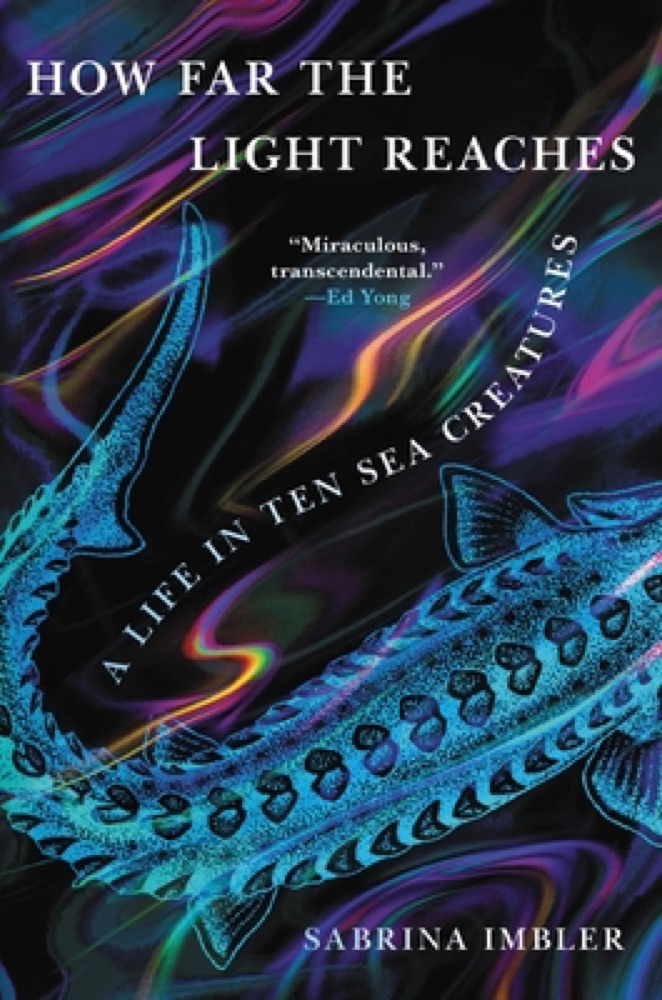
A queer, mixed race writer working in a largely white, male field, science and conservation journalist Sabrina Imbler has always been drawn to the mystery of life in the sea, and particularly to creatures living in hostile or remote environments. Each essay in their debut collection profiles one such creature: the mother octopus who starves herself while watching over her eggs, the Chinese sturgeon whose migration route has been decimated by pollution and dams, the bizarre Bobbitt worm (named after Lorena), and other uncanny creatures lurking in the deep ocean, far below where the light reaches. Imbler discovers that some of the most radical models of family, community, and care can be found in the sea, from gelatinous chains that are both individual organisms and colonies of clones to deep-sea crabs that have no need for the sun, nourished instead by the chemicals and heat throbbing fro
Book details
- First published
- 2022
- Author
- Sabrina Imbler
- Genre
- Nonfiction
- Goodreads rating
- 4.08 (15k ratings)
The buzz
- The Washington PostReview in The Washington Postprofessional review (via Book Marks)
- Kirkus ReviewsReview in Kirkus Reviewsprofessional review (via Book Marks)
- Publishers WeeklyReview in Publishers Weeklyprofessional review (via Book Marks)
- LA Review of BooksReview in LA Review of Booksprofessional review (via Book Marks)
- BookPageReview in BookPageprofessional review (via Book Marks)
- AutostraddleReview in Autostraddleprofessional review (via Book Marks)
Keep reading
Migrations
 They Bloom at Night
 Split Tooth
 Aquarium
 The Shape of Water
 Turtle Diary
 The Space Between Worlds
 Deep Creek: Finding Hope in the High Country
 High Tide in Tucson
 Why Fish Don’t Exist: A Story of Loss, Love, and the Hidden Order of Life
 Wild Dark Shore
 The Raw Shark Texts
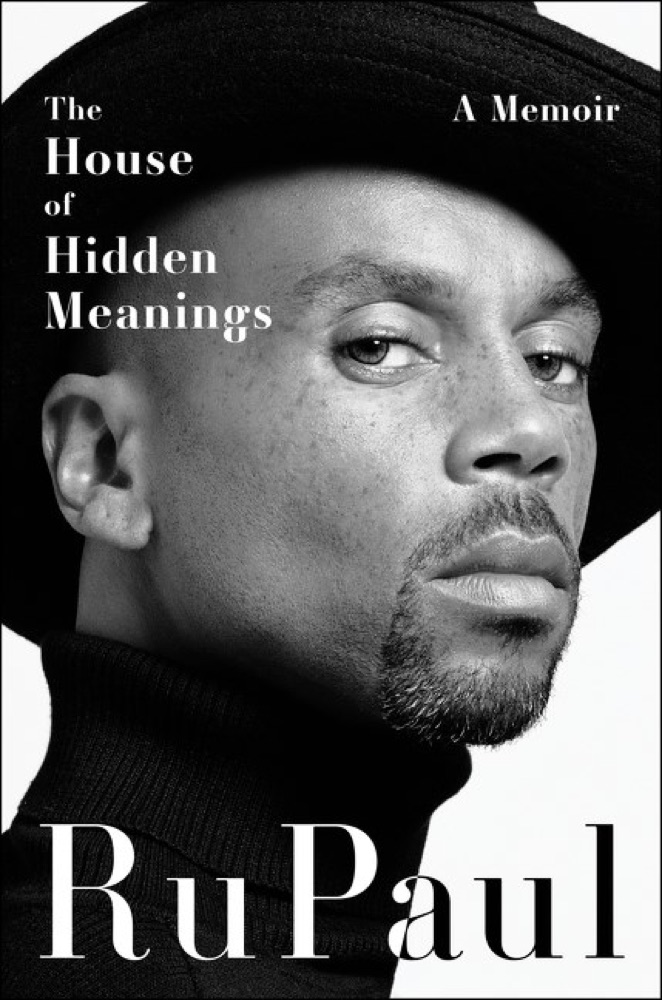 The House of Hidden Meanings
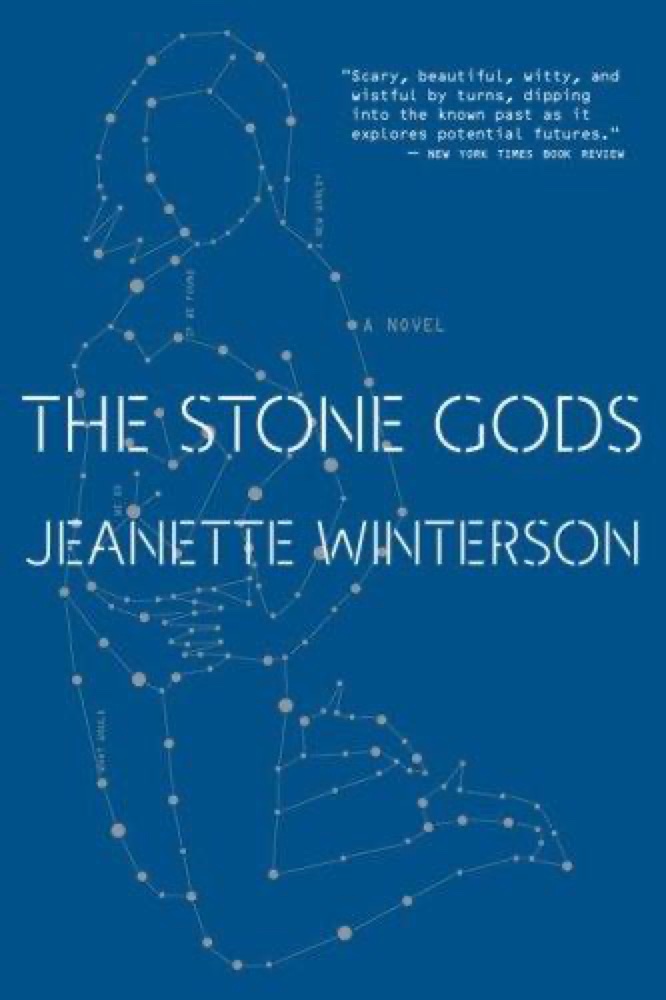 The Stone Gods
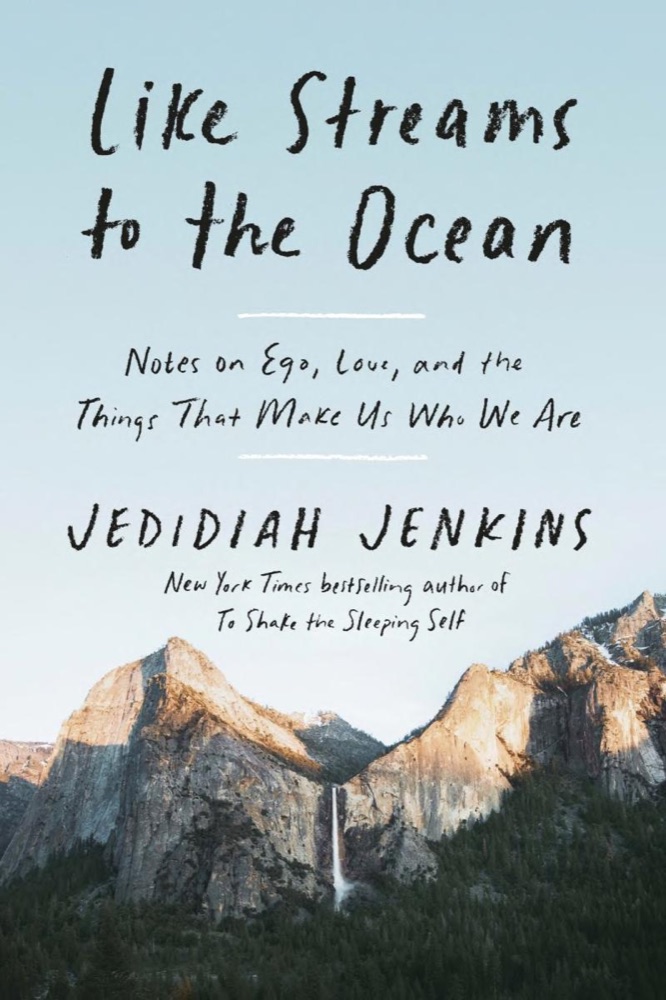 Like Streams to the Ocean: Notes on Ego, Love, and the Things That Make Us Who We Are
 Terminal Boredom: Stories
 The Spirit Bares Its Teeth
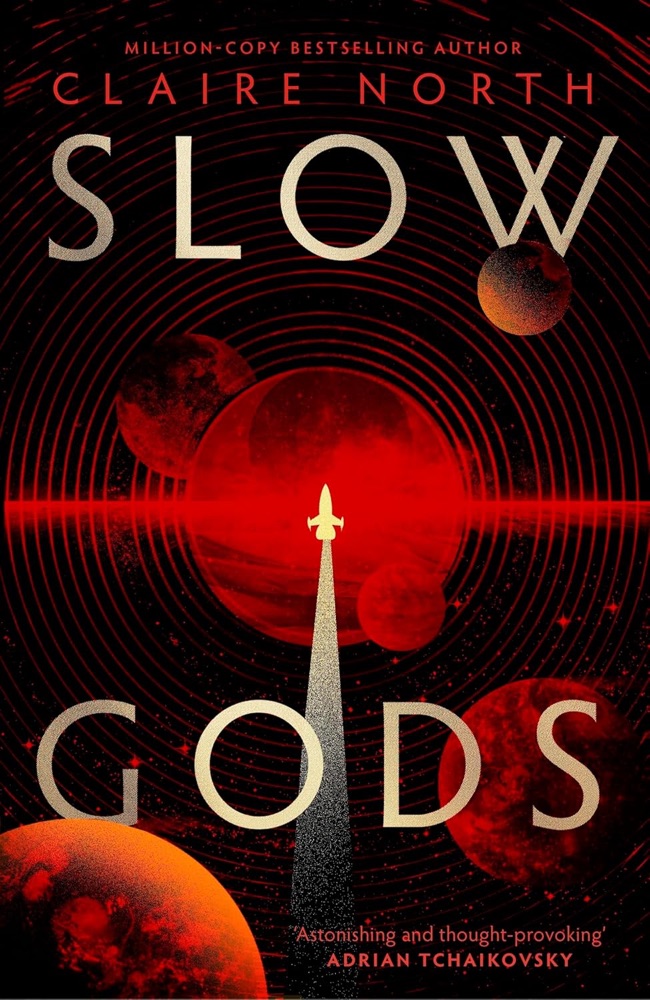 Slow Gods
 Managing Expectations: A Memoir in Essays – A Poignant Collection of Personal Stories on Acting, Failure, and Motherhood's Joy
 The First Time She Drowned
 Hollow Kingdom
 The World and Other Places: Stories
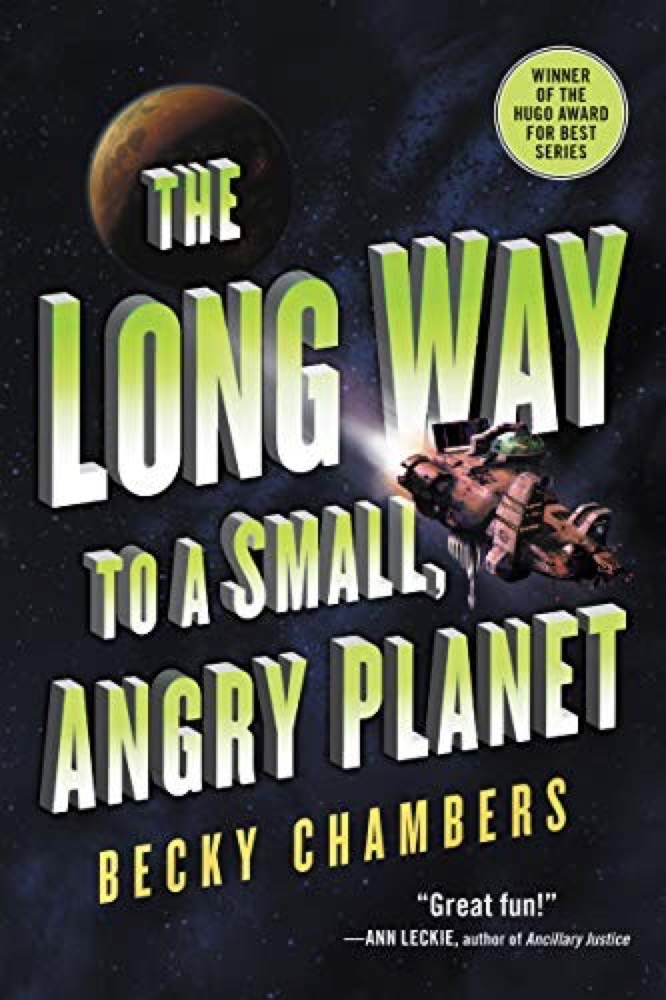 The Long Way to a Small, Angry Planet
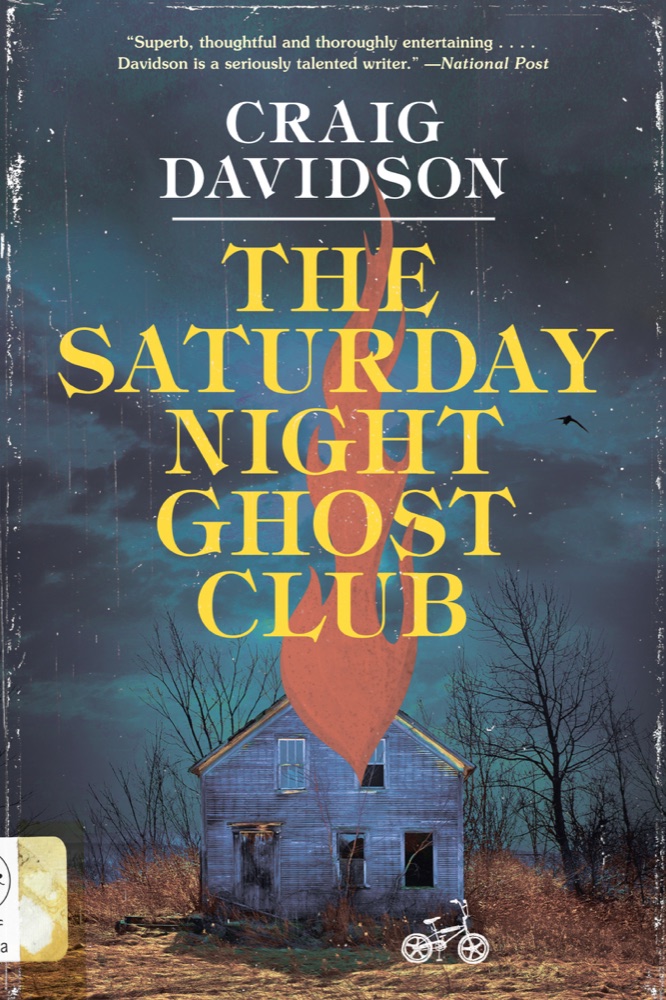 The Saturday Night Ghost Club
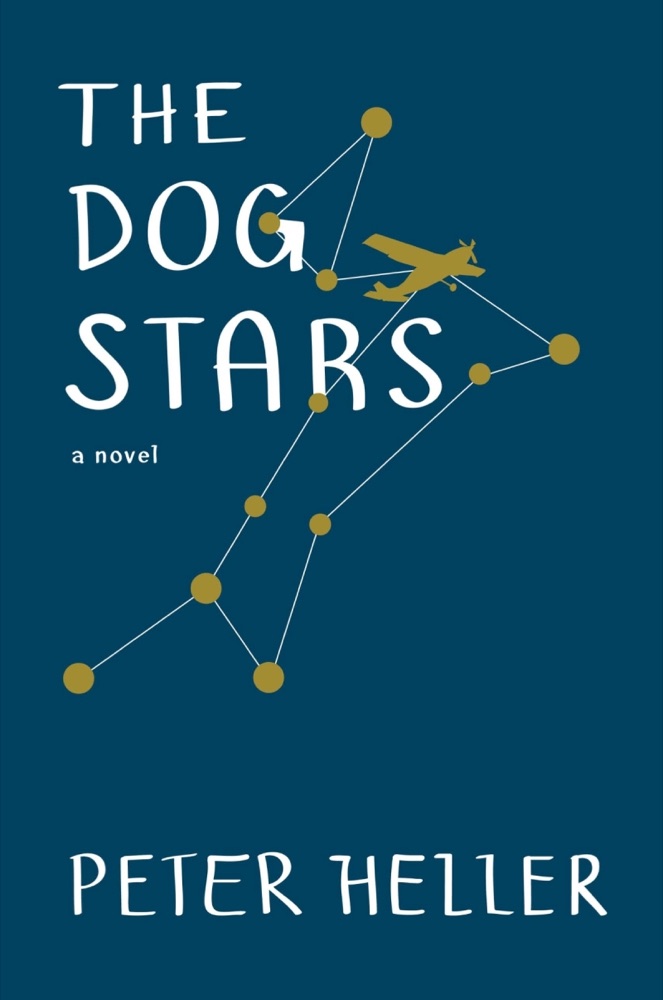 The Dog Stars
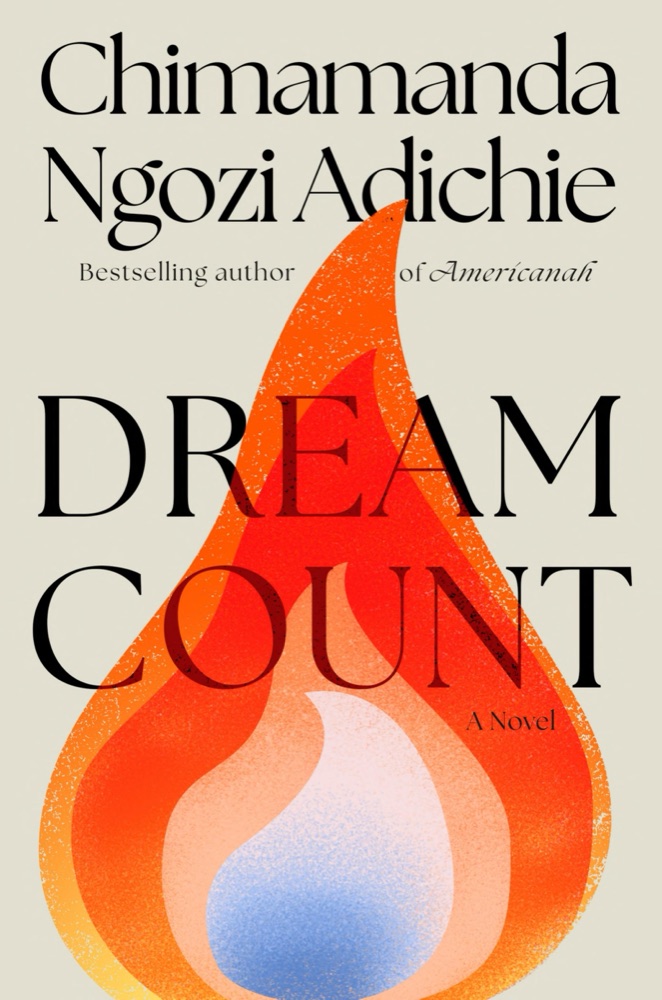 Dream Count
 Sexing the Cherry
 The Wind-Up Bird Chronicle
 The Past Is Red
 In Ascension
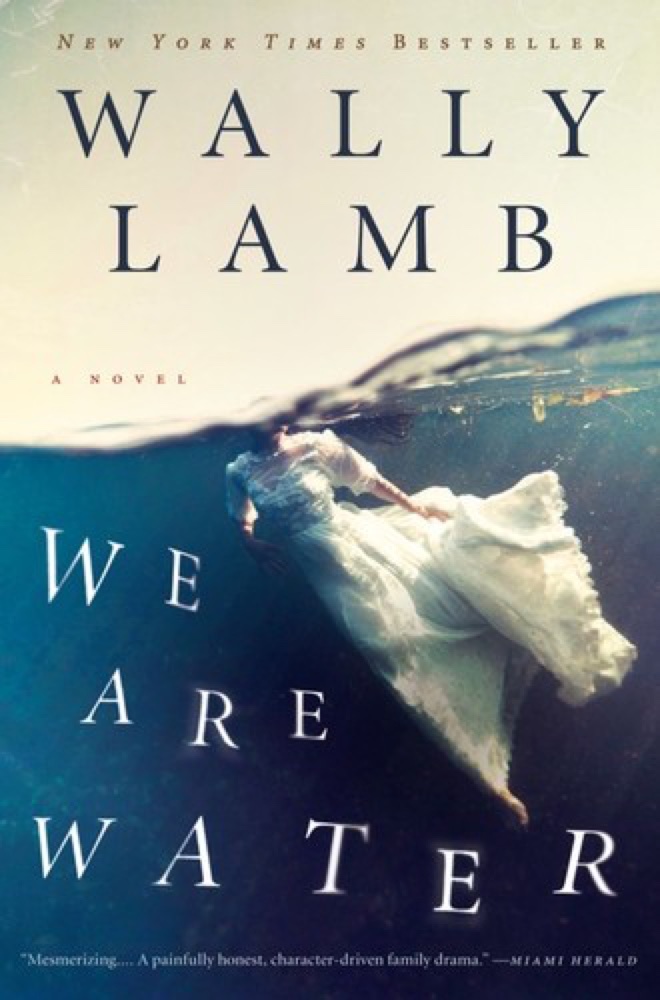 We Are Water
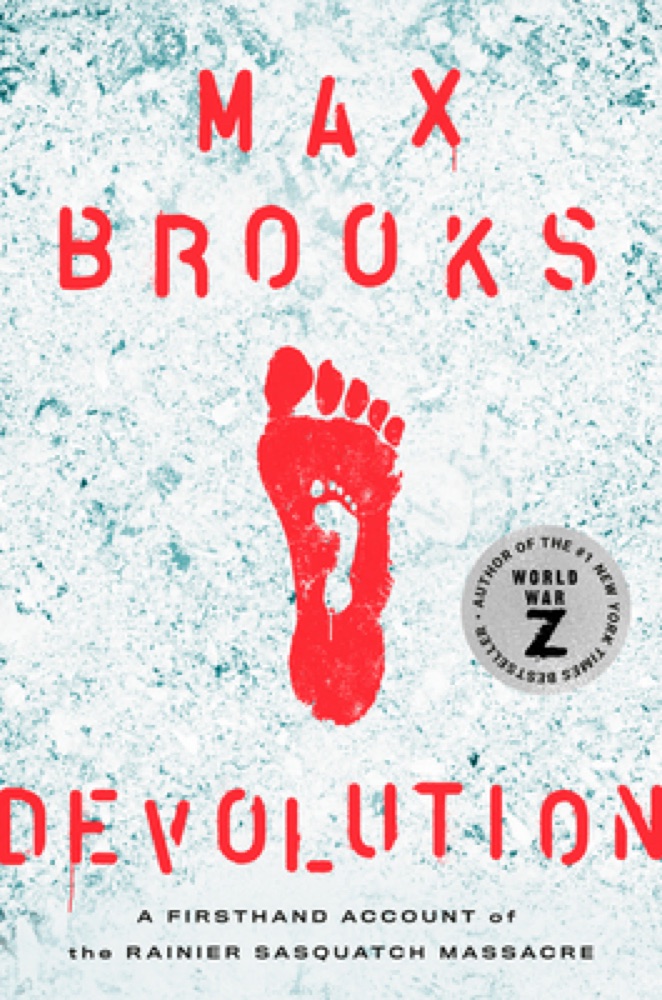 Devolution: A Firsthand Account of the Rainier Sasquatch Massacre
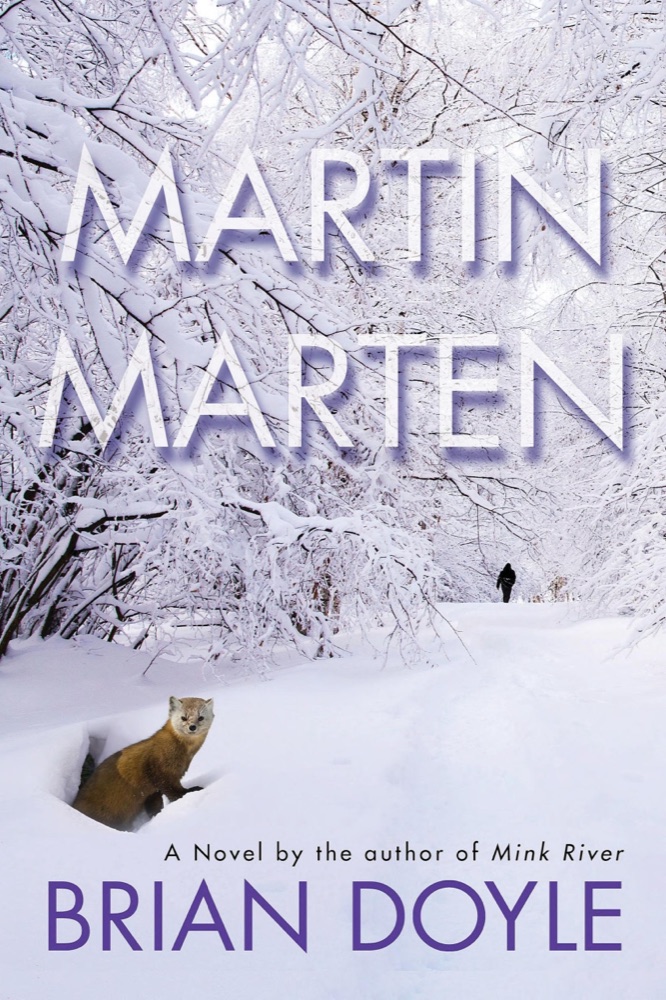 Martin Marten
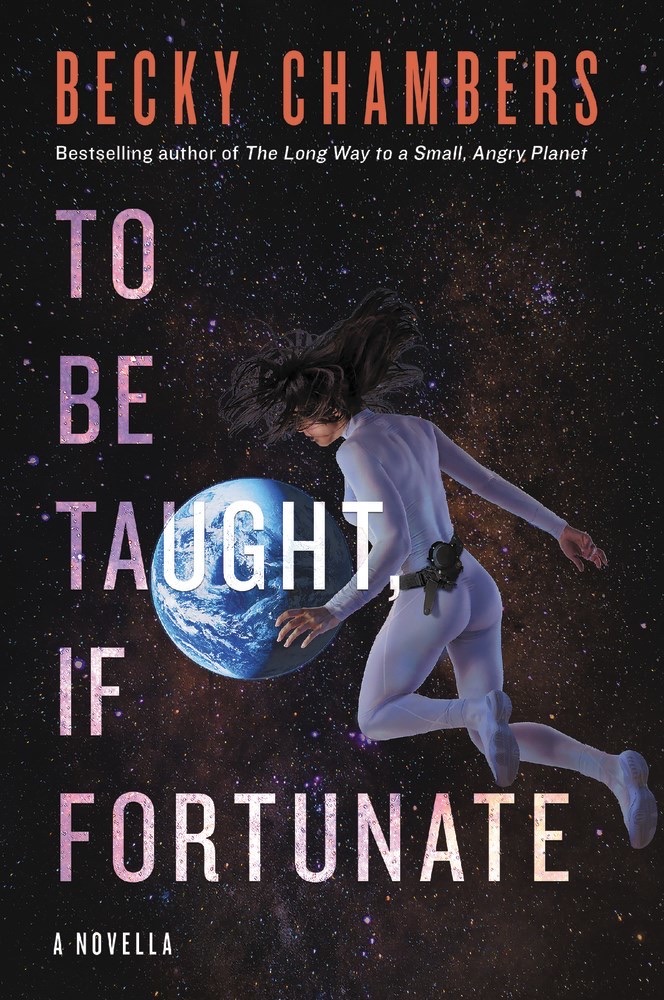 To Be Taught, If Fortunate
 The Rise of Endymion
 Outrun the Moon
 Our Wives Under the Sea
 H is for Hawk
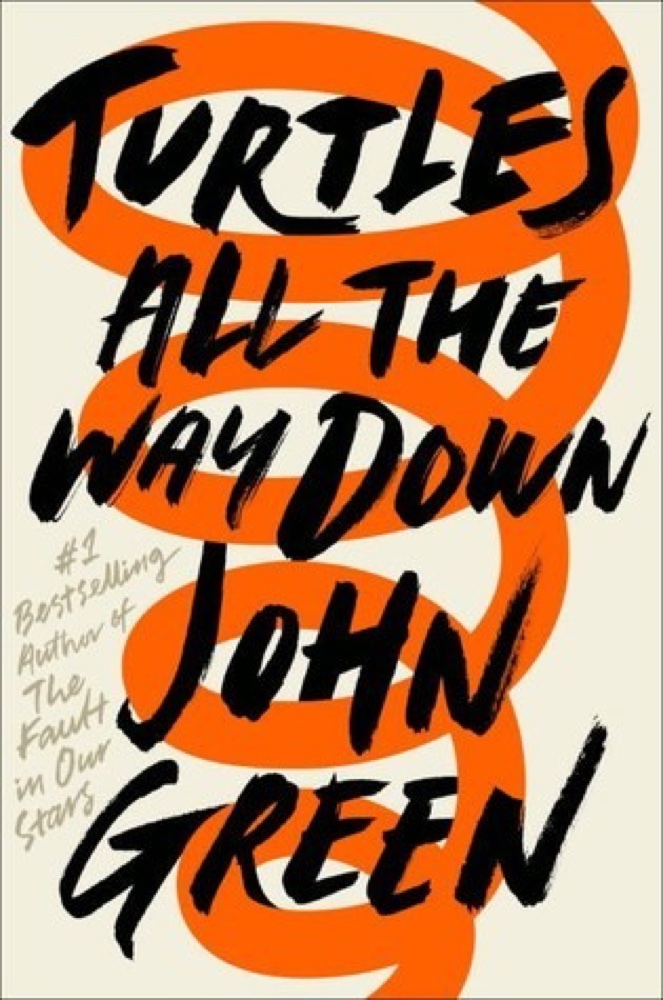 Turtles All the Way Down
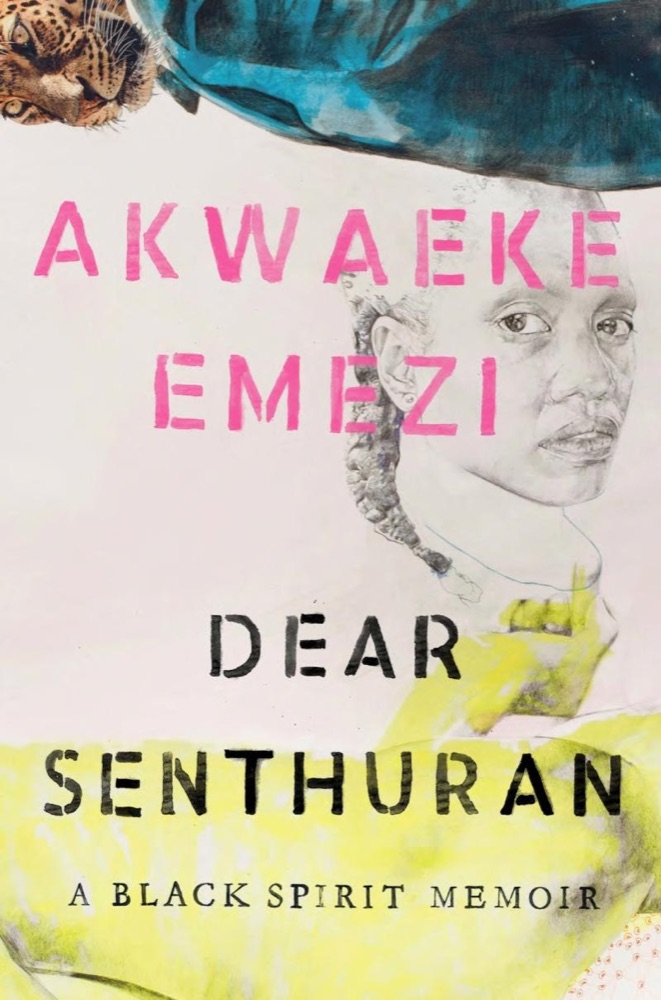 Dear Senthuran: A Black Spirit Memoir
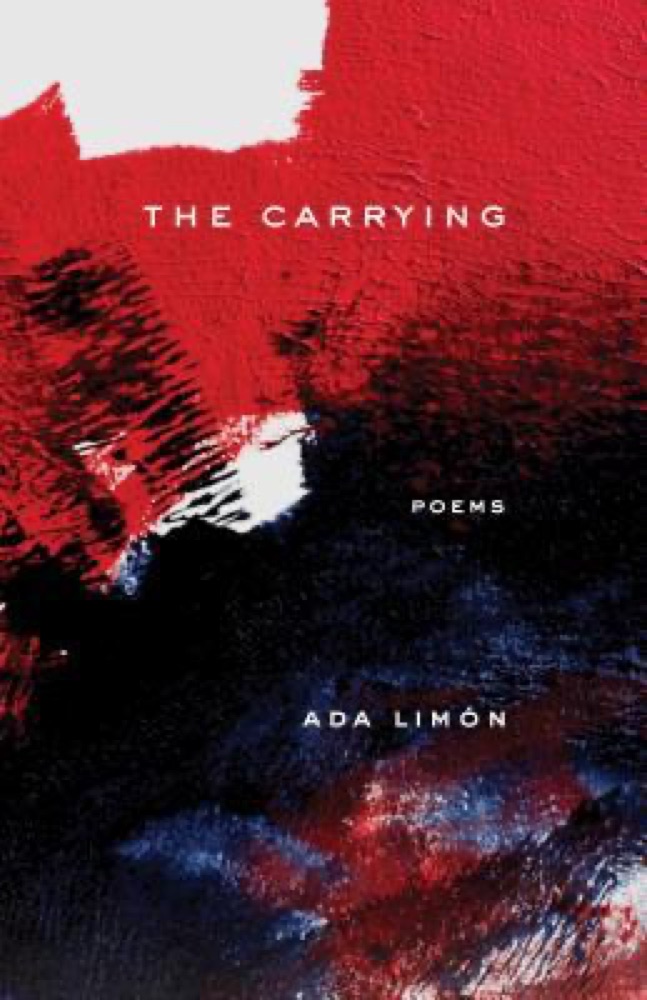 The Carrying
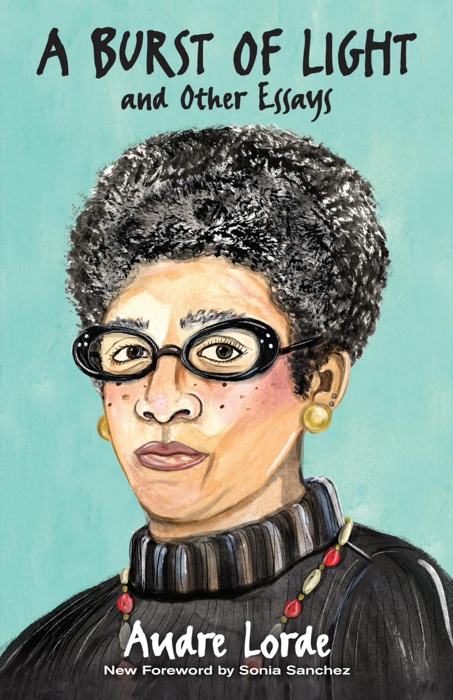 A Burst of Light
 How To Catch A Mole
 Ancestral Night
 Kafka on the Shore
 Ripe
Ripe
 On Earth We're Briefly Gorgeous
 Rosewater
 A Closed and Common Orbit
 Close to the Knives: A Memoir of Disintegration
 We Are All the Same in the Dark
 I Am, I Am, I Am: Seventeen Brushes with Death
 Tropic of Capricorn
 Acceptance
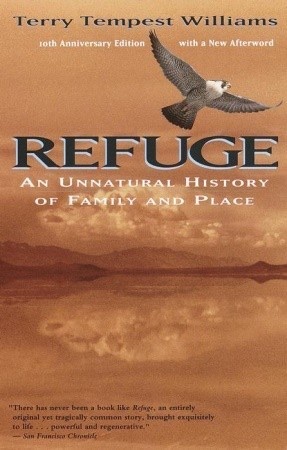 Refuge: An Unnatural History of Family and Place
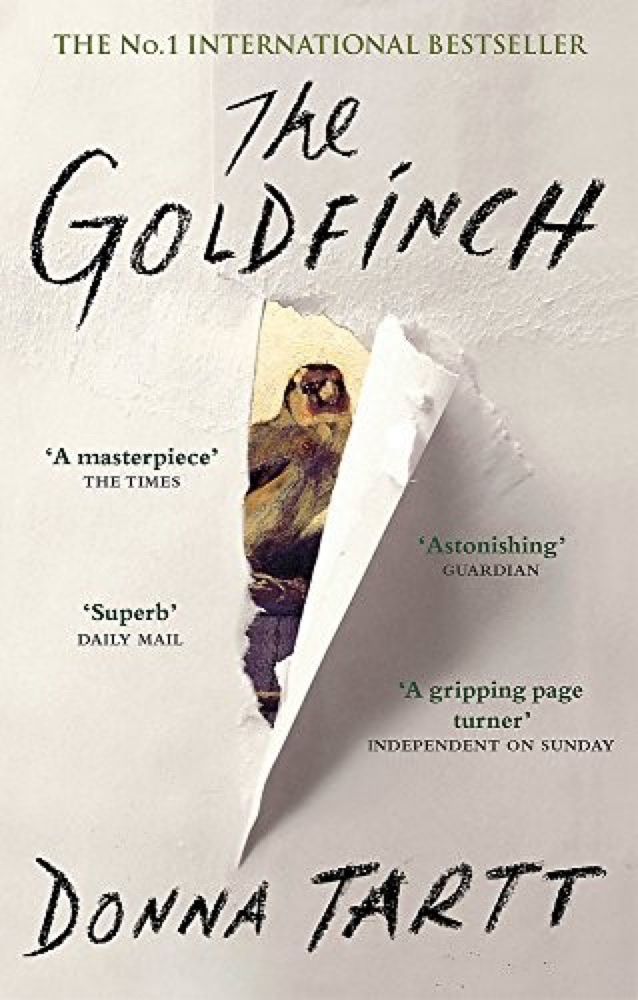 The Goldfinch
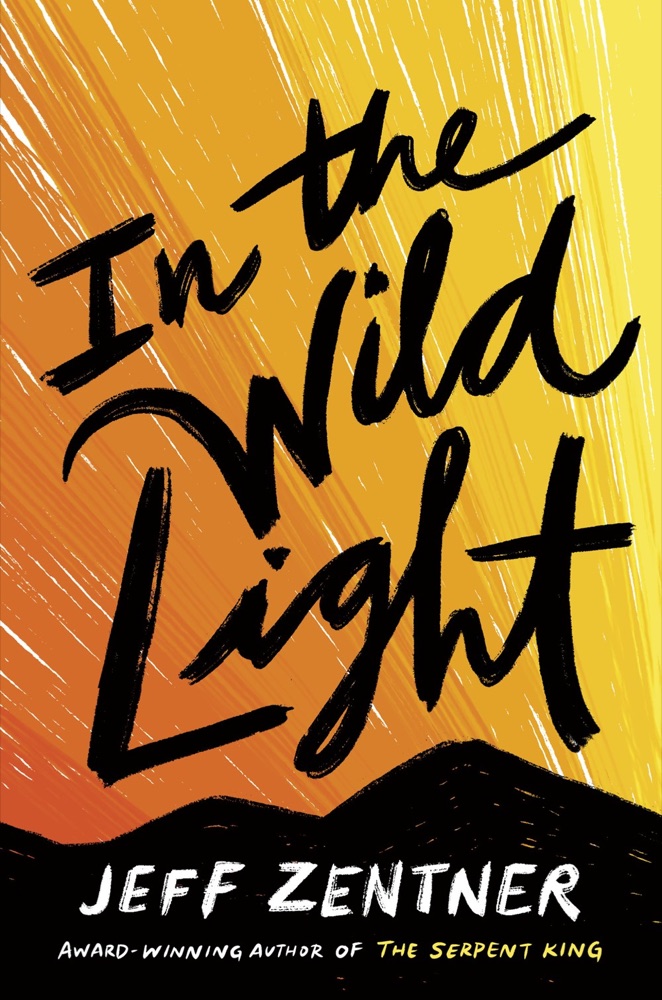 In the Wild Light
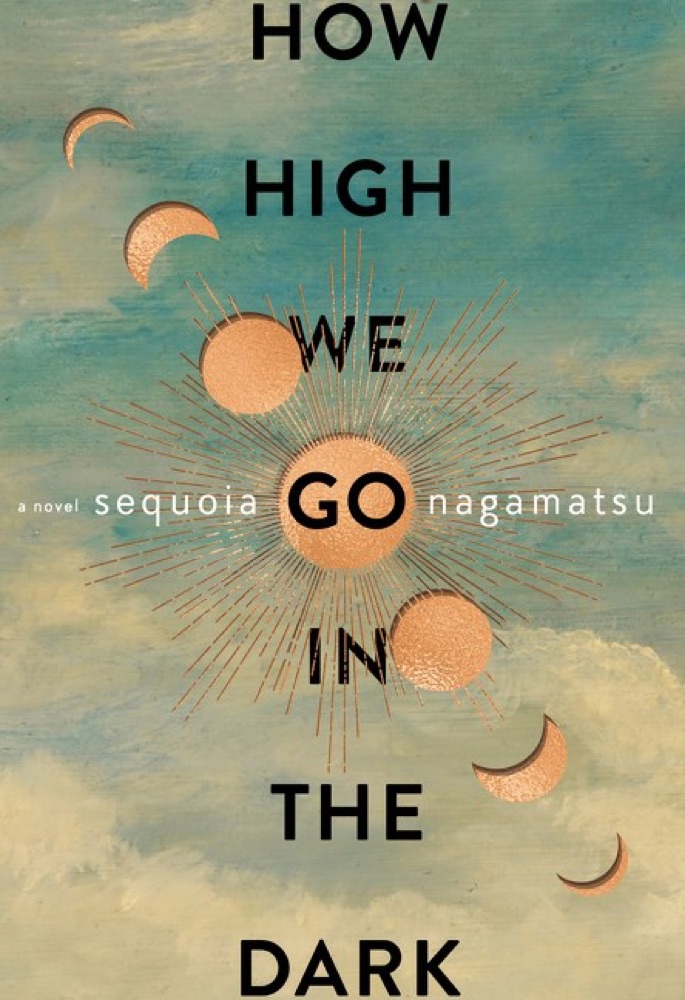 How High We Go in the Dark
 Adrift: Seventy-Six Days Lost at Sea
 Vanishing Treasures: A Bestiary of Extraordinary Endangered Creatures