

 The Handmaid's Tale
Quotes from the Book
If we were all on trial for our thoughts, we would all be hanged.
602
Gone mad is what they say, and sometimes Run mad, as if mad is a different direction, like west; as if mad is a different house you could step into, or a separate country entirely. But when you go mad you don't go any other place, you stay where you are. And somebody else comes in.
443
When you are in the middle of a story it isn't a story at all, but only a confusion; a dark roaring, a blindness, a wreckage of shattered glass and splintered wood; like a house in a whirlwind, or else a boat crushed by the icebergs or swept over the rapids, and all aboard powerless to stop it. It's only afterwards that it becomes anything like a story at all. When you are telling it, to yourself or to someone else.
337
For if the world treats you well, Sir, you come to believe you are deserving of it.
186
Murderess is a strong word to have attached to you. It has a smell to it, that word - musky and oppressive, like dead flowers in a vase. Sometimes at night I whisper it over to myself: Murderess, Murderess. It rustles, like a taffeta skirt across the floor.
176
There is no fool like an educated fool...
110
If I am good enough and quiet enough, perhaps after all they will let me go; but it’s not easy being quiet and good, it’s like hanging on to the edge of a bridge when you’ve already fallen over; you don’t seem to be moving, just dangling there, and yet it is taking all your strength.
103
While he writes, I feel as if he is drawing me; or not drawing me, drawing on me--drawing on my skin--not with the pencil he is using, but with an old-fashioned goose pen, and not with the quill end but with the feather end. As if hundreds of butterflies have settled all over my face, and are softly opening and closing their wings. But underneath that is another feeling, a feeling of being wide-eyed awake and watchful. It's like being wakened suddenly in the middle of the night, by a hand over your face, and you sit up with your heart going fast, and no one is there. And underneath that is another feeling still, a feeling like being torn open; not like a body of flesh, it is not painful as such, but like a peach; and not even torn open, but ripe and splitting open of its own accord. And inside the peach there's a stone.
96
Because you may think a bed is a peaceful thing, Sir, and to you it may mean rest and comfort and a good night's sleep. But it isn't so for everyone; and there are many dangerous things that may take place in a bed.
95
He doesn't understand yet that guilt comes to you not from the things you've done, but from the things that others have done to you.
90
The small details of life often hide a great significance.
83
In his student days, he used to argue that if a woman has no other course open to her but starvation, prostitution, or throwing herself from a bridge, then surely the prostitute, who has shown the most tenacious instinct for self-preservation, should be considered stronger and saner than her frailer and no longer living sisters. One couldn't have it both ways, he'd pointed out: if women are seduced and abandoned they're supposed to go mad, but if they survive, and seduce in their turn, then they were mad to begin with.
81
I am afraid of falling into hopeless despair, over my wasted life, and I am still not sure how it happened.
79
They are hypocrites, they think the Church is a cage to keep God in, so he will stay locked up there and not go wandering about the earth during the week, poking his nose into their business, and looking in the depths and darkness and doubleness of their hearts, and their lack of true charity; and they believed they need only be bothered about him on Sundays when they have their best clothes on and their faces straight, and their hands washed and their gloves on, and their stories all prepared.
75
A prison does not only lock its inmates inside, it keeps all others out. Her strongest prison is of her own construction.
71
When I was younger I used to think that if I could hug myself tight enough I could make myself smaller, because there was never enough room for me, at home or anywhere, but if I was smaller then I would fit in.
57
To go from a familiar thing, however undesirable, into the unknown, is always a matter for apprehension, and I suppose that is why so many people are afraid to die.
52
...the difference between stupid and ignorant was that ignorant could learn.
49
I am certain that a Sewing Machine would relieve as much human suffering as a hundred Lunatic Asylums, and possibly a good deal more.
47
Mary: Some call this "Eve's curse," but I think that is stupid because the real curse of Eve was having to put up with the nonsense of Adam.
45
People dressed in a certain kind of clothing are never wrong. Also they never fart.
42
Sometimes when I am dusting the mirror with the grapes I look at myself in it, although I know it is vanity. In the afternoon light of the parlour my skin is a pale mauve, like a faded bruise, and my teeth are greenish. I think of all the things that have been written about me - that I am inhuman female demon, that I am an innocent victim of a blackguard forced against my will and in danger of my own life, that I was too ignorant to know how to act and that to hang me would be judicial murder, that I am fond of animals, that I am very handsome with a brilliant complexion, that I have blue eyes, that I have green eyes, that I have auburn and also have brown hair, that I am tall and also not above the average height, that I am well and decently dressed, that I robbed a dead woman to appear so, that I am brisk and smart about my work, that I am of a sullen disposition with a quarrelsome temper, that I have the appearance of a person rather above my humble station, that I am a good girl with a pliable nature and no harm is told of me, that I am cunning and devious, that I am soft in the head and little better than an idiot. And I wonder, how can I be all of these different things at once?
34
The newspaper journalists like to believe the worst; they can sell more papers that way, as one of them told me himself; for even upstanding and respectable people dearly love to read ill of others.
33
And then everything went on very quietly for a fortnight, says Dr. Jordan. He is reading aloud from my confession. Yes Sir, it did, I say. More or less quietly. What is everything? How did it go on? I beg your pardon, Sir? What did you do everyday? Oh, the usual, Sir, I say. I performed my duties. You will forgive me, says Dr. Jordan. Of what did those duties consist? I look at him. He is wearing a yellow cravat with small white squares, he is not making a joke. He really does not know. Men such as him do not have to clean up the messes they make, but we have to clean up our own messes, and theirs into the bargain. In that way they are like children, they do not have to think ahead, or worry about the consequences of what they do. But it's not their fault, it is only how they are brought up.
32
I would never blame a human creature for feeling lonely.
31
I don't know why they are all so eager to be remembered. What good will it do them? There are some things that should be forgotten by everyone, and never spoken of again.
31
He doesn’t understand yet that guilt comes to you not from the things you’ve done, but from the things that others have done to you.
27
and the evening was so beautiful, that it made a pain in my heart, as when you cannot tell wether you are happy or sad; and I thought that if I could have a wish, it would be that nothing would ever change, and we would stay that way forever.
25
It is always a mistake to curse back openly at those who are stronger than you unless there is a fence between.
25
Did you know?
- The novel is based on the real 1843 murders of Thomas Kinnear and Nancy Montgomery near Toronto.
- The real Grace Marks was sentenced to life imprisonment while her co-accused James McDermott was hanged.
- Dr. Simon Jordan, the psychiatrist who interviews Grace, is a fictional character invented by Atwood.
- The 2017 Netflix and CBC miniseries adaptation was written by Sarah Polley and directed by Mary Harron.
- Margaret Atwood makes a cameo appearance as a disapproving churchgoer in the fourth episode of the miniseries.
- Quilting and needlework patterns serve as chapter motifs and recurring symbols throughout the book.
About Margaret Atwood
Margaret Atwood is a Canadian author and poet, born in 1939, known for novels including The Handmaid's Tale and The Blind Assassin. She is a two-time Booker Prize winner and one of the most acclaimed writers in contemporary literature.
More about the author →More by Margaret Atwood
All books by Margaret Atwood →
About the book
Alias Grace is a historical novel by Margaret Atwood that fictionalizes the real 1843 murders of Thomas Kinnear and his housekeeper Nancy Montgomery in Canada West, for which two servants, Grace Marks and James McDermott, were convicted. McDermott was hanged while Marks was sentenced to life imprisonment, and Atwood reimagines Grace's story through a series of prison interviews conducted by Dr. Simon Jordan, a fictional psychiatrist trying to determine whether she was a willing murderess, an unwitting accomplice, or genuinely unable to remember the crimes.
Atwood weaves Grace's recollections of childhood poverty in Ireland, immigration to Canada, and her life in domestic service into a meditation on the unreliability of memory and the impossibility of knowing the truth about another person. The novel foregrounds the marginalization of women, immigrants, and servants in Victorian society, and uses needlework and quilting as recurring motifs for women's hidden creativity and the patchwork construction of a life and a story.
Published in 1996, Alias Grace won the Giller Prize and was shortlisted for the Booker Prize, consolidating Atwood's reputation as a leading novelist of historical and feminist fiction. It was adapted into a six-part 2017 miniseries written by Sarah Polley and directed by Mary Harron, which aired on CBC and streamed internationally on Netflix, renewing critical attention to the book.
Key characters
- Grace MarksConvicted servant and central narrator, intelligent and guarded
- Dr. Simon JordanFictional psychiatrist investigating Grace's guilt and memory
- James McDermottFellow servant convicted of the murders and hanged
- Thomas KinnearWealthy Scottish farmer and murder victim
- Nancy MontgomeryKinnear's housekeeper and murder victim
- Mary WhitneyGrace's fellow servant and friend who dies from a botched abortion
Book details
- First published
- 1996
- Length
- 470 pages
- Reading time
- 14 hours
- Author
- Margaret Atwood
- Genre
- Historical
- Goodreads rating
- 4.04 (160k ratings)
Critical reception
- Won the Giller Prize in 1996.
- Shortlisted for the Booker Prize.
- Widely praised as one of Atwood's major works of historical fiction and adapted into an acclaimed 2017 miniseries.
Movie & TV adaptations
- IMDb
Keep reading
 The Confessions of Frannie Langton
 The Story of the Lost Child
 The Fall of Babel
 The Jewel in the Crown
 The Moving Finger
 Odd Hours
 Oranges Are Not the Only Fruit
 Robicheaux
 A Rule Against Murder
 Burial Rites
 Jane Steele
 Conviction
 Crime and Punishment
 The Adolescent
 Varina
 I Never Promised You a Rose Garden
 The Asylum for Wayward Victorian Girls
 Thrice the Brinded Cat Hath Mew'd
 The Story of a New Name
 A Fatal Grace
 The Fall
 Saint Odd
 Light in August
 The Poisonwood Bible
 The Hearing Trumpet
 Rot & Ruin
 The Shape of Mercy
The Handmaid's Tale
The Shape of Mercy
The Handmaid's Tale
 Senlin Ascends
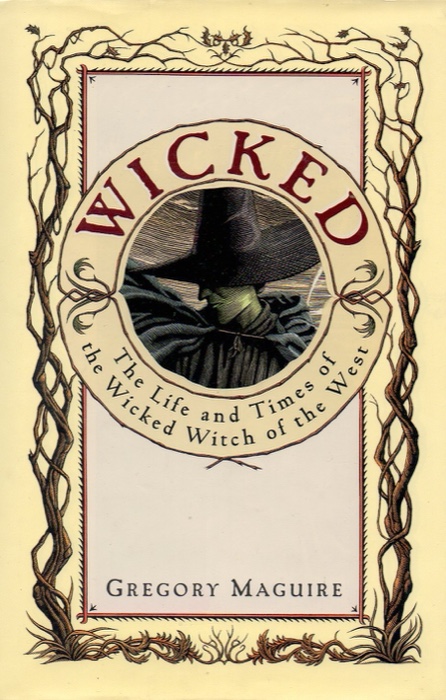 Wicked: The Life and Times of the Wicked Witch of the West
 Gaudy Night
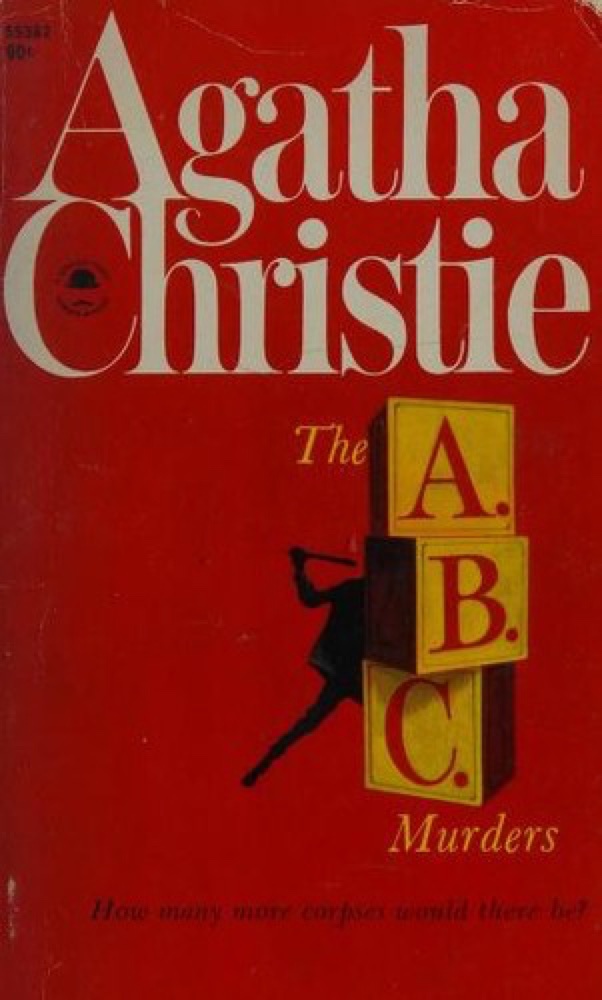 The A.B.C. Murders
 Old Babes in the Wood: Stories
 Full Dark, No Stars
 Too Much Happiness: Stories
 City of Stairs
 Giovanni's Room
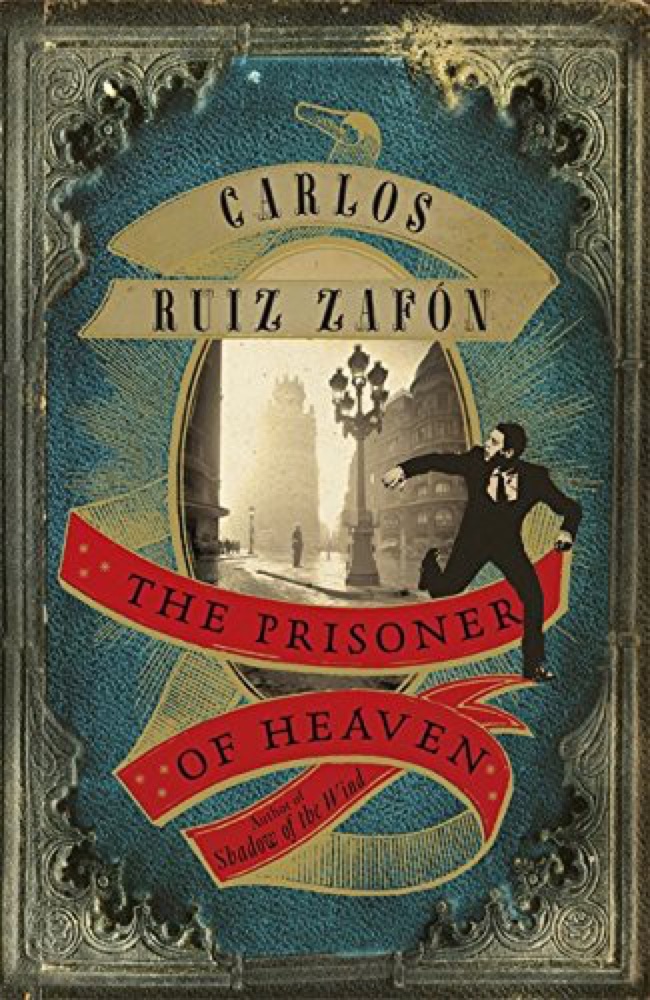 The Prisoner of Heaven
 The Secret History
 Pew
Pew
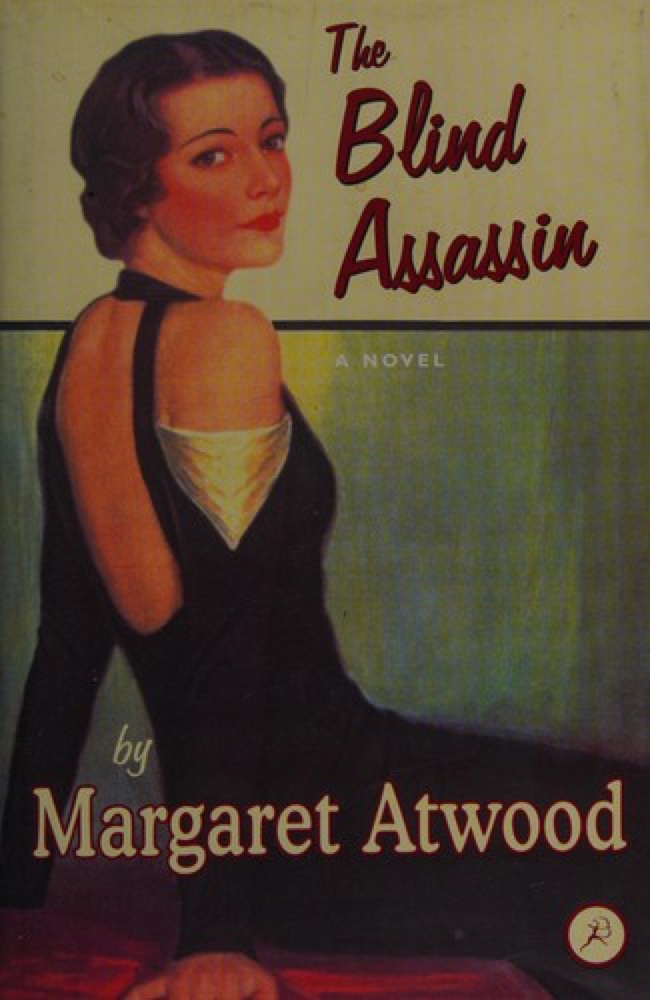 The Blind Assassin
 False Memory
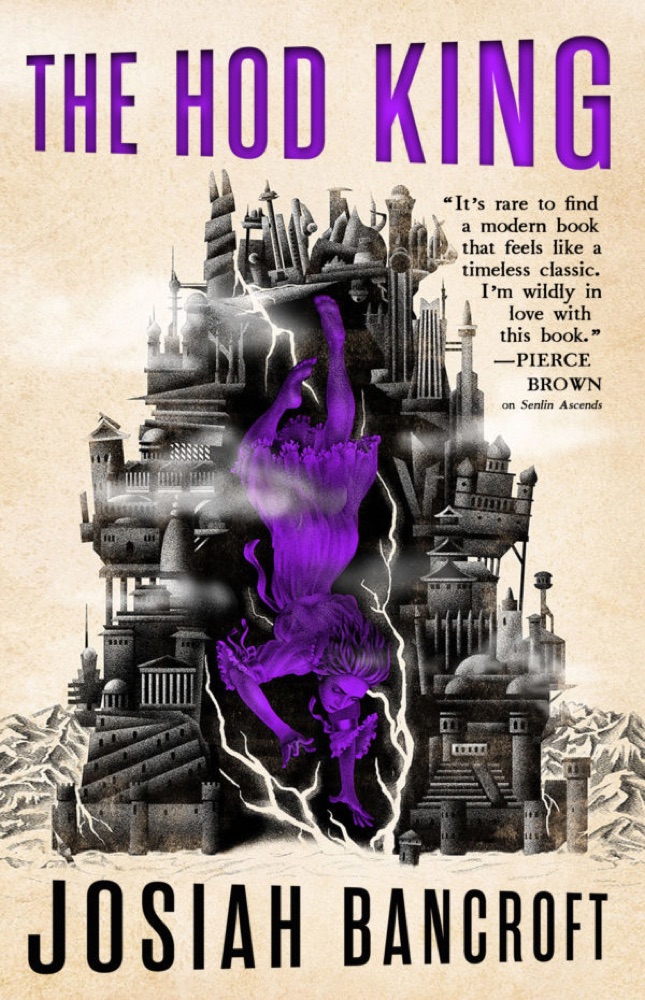 The Hod King
 The Idiot
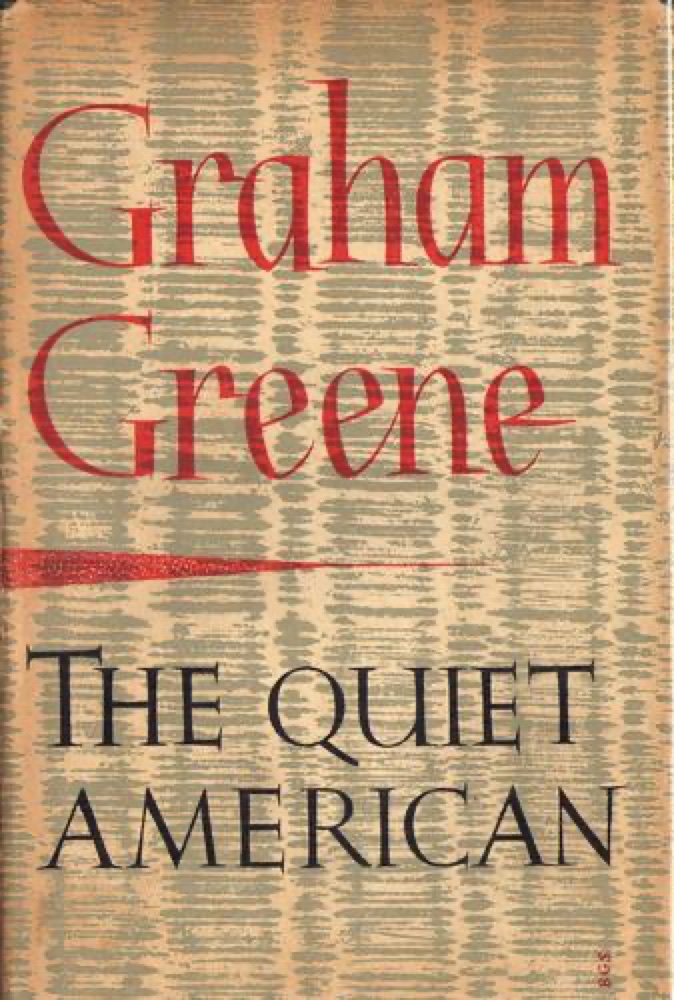 The Quiet American
 Biography of X
 Lila
Lila
 The Kite Runner
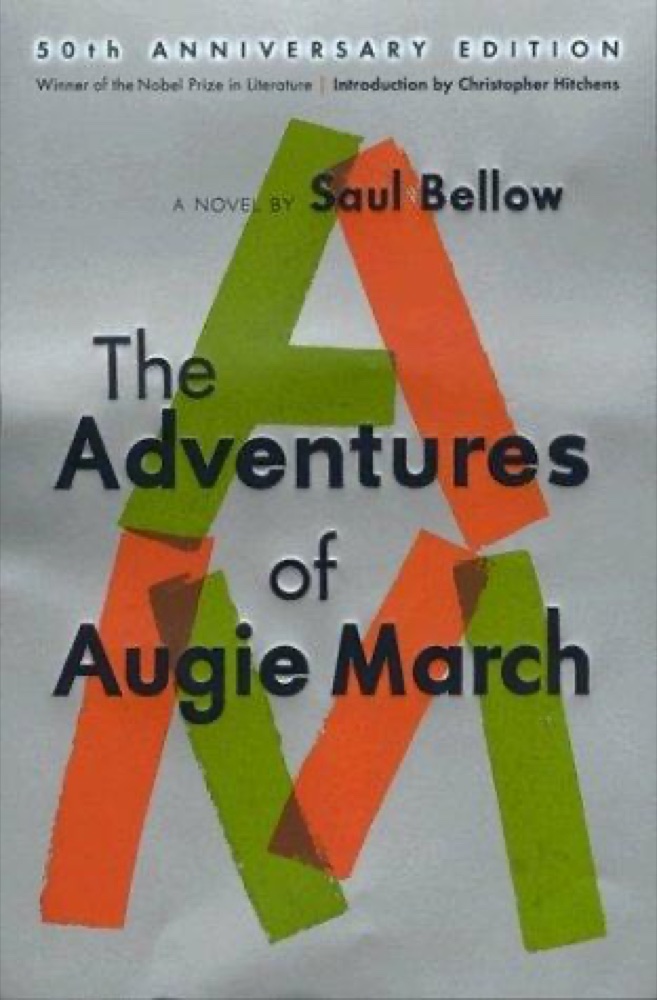 The Adventures of Augie March
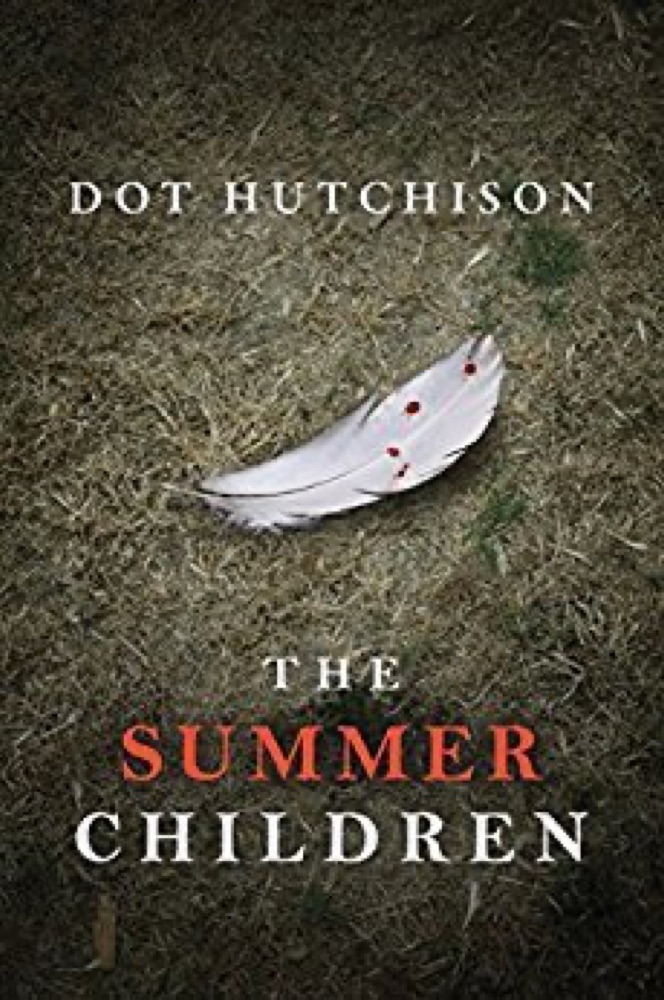 The Summer Children
 The Death of the Heart
 Haunted
 My Friends
 Milkman
 Disgrace
 The Storyteller
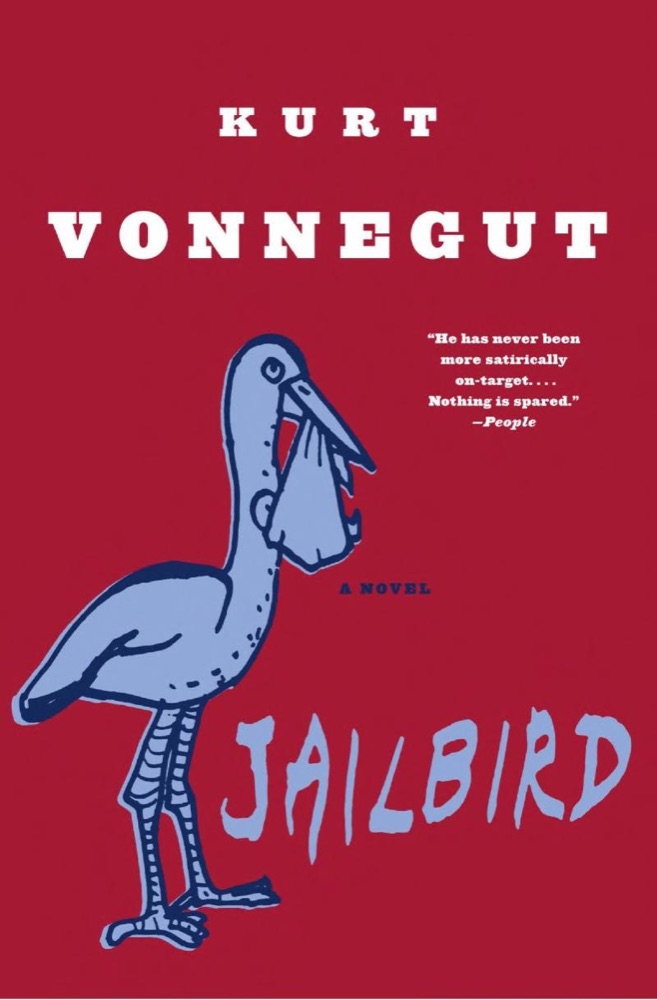 Jailbird
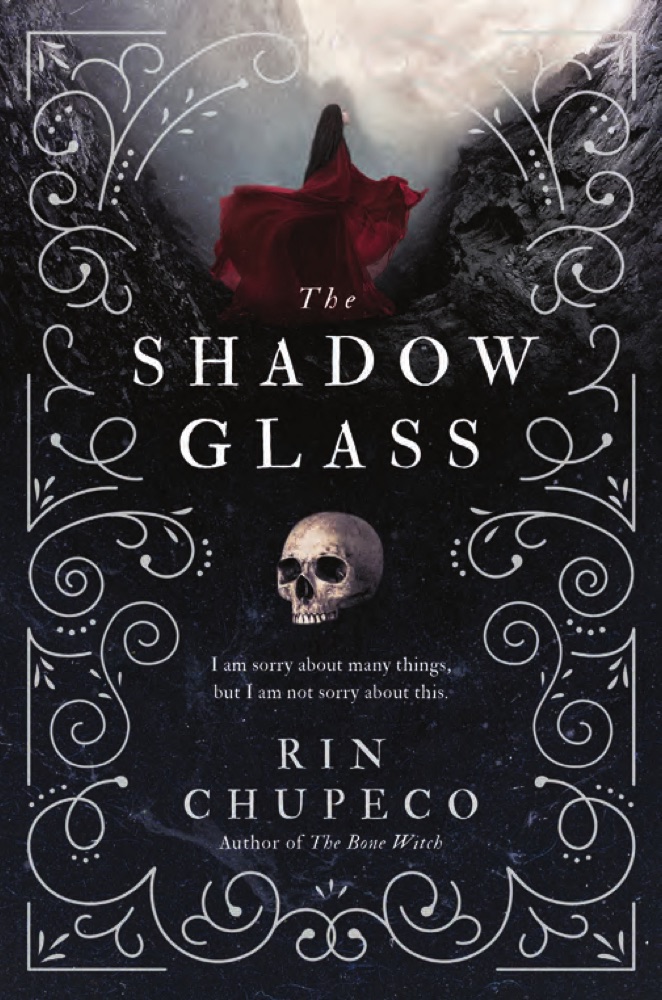 The Shadowglass
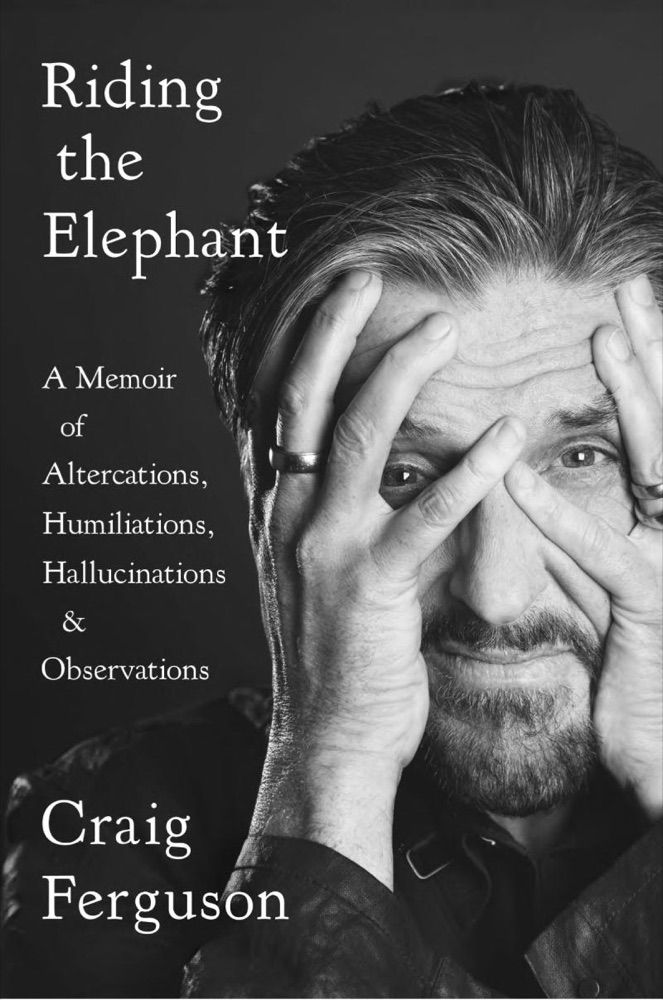 Riding the Elephant: A Memoir of Altercations, Humiliations, Hallucinations, and Observations