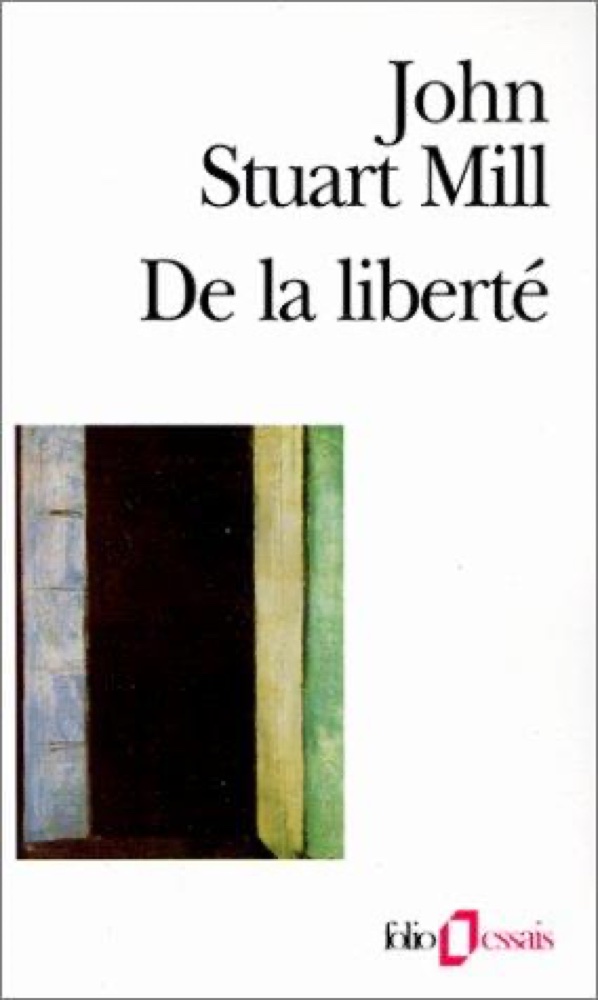
 On Liberty
Quotes from the Book
Stupidity is much the same all the world over. A stupid person's notions and feelings may confidently be inferred from those which prevail in the circle by which the person is surrounded. Not so with those whose opinions and feelings are an emanation from their own nature and faculties.
111
I consider it presumption in anyone to pretend to decide what women are or are not, can or cannot be, by natural constitution. They have always hitherto been kept, as far as regards spontaneous development, in so unnatural a state, that their nature cannot but have been greatly distorted and disguised; and no one can safely pronounce that if women’s nature were left to choose its direction as freely as men’s, and if no artificial bent were attempted to be given to it except that required by the conditions of human society, and given to both sexes alike, there would be any material difference, or perhaps any difference at all, in the character and capacities which would unfold themselves.
53
So long as an opinion is strongly rooted in the feelings, it gains rather than loses in stability by having a preponderating weight of argument against it.
45
So true is that unnatural generally means only uncustomary, and that everything which is usual appears natural.
33
After the primary necessities of food and raiment, freedom is the first and strongest want of human nature.
25
The love of power and the love of liberty are in eternal antagonism.
24
What is now called the nature of women is an eminently artificial thing—the result of forced repression in some directions, unnatural stimulation in others.
17
In history, as in traveling, men usually see only what they already had in their own minds; and few learn much from history, who do not bring much with them to its study.
15
It is part of the irony of life that the strongest feelings of devoted gratitude of which human nature seems to be susceptible, are called forth in human beings towards those who, having the power entirely to crush their earthly existence, voluntarily refrain from using that power.
15
Human beings are no longer born to their place in life, and chained down by an inexorable bond to the place they are born to, but are free to employ their faculties, and such favourable chances as offer, to achieve the lot which may appear to them most desirable.
13
There are no means of finding what either one person or many can do, but by trying - and no means by which anyone else can discover for them what it is for their happiness to do or leave undone
12
Even a really superior man almost always begins to deteriorate when he is habitually (as the phrase is) king of his company: and in his most habitual company the husband who has a wife inferior to him is always so.
10
We have had the morality of submission, and the morality of chivalry and generosity; the time is now come for the morality of justice.
9
In every respect the burthen is hard on those who attack an almost universal opinion.
9
...it is contrary to reason and experience to suppose that there can be any real check to brutality, consistent with leaving the victim still in the power of the executioner.
9
Who doubts that there may be great goodness, and great happiness, and great affection under the absolute government of a good man? Meanwhile, laws and institutions require to be adapted, not to good men, but to bad.
8
But the true virtue of human beings is fitness to live together as equals; claiming nothing for themselves but what they freely concede to every one else; regarding command of any kind as an exceptional necessity, and in all cases a temporary one; and preferring, whenever possible, the society of those with whom leading and following can be alternate and reciprocal.
7
Of all difficulties which impede the progress of thought, and the formation of well-grounded opinions on life and social arrangements, the greatest is now the unspeakable ignorance and inattention of mankind in respect to the influences which form human character.
7
To see the futurity of the species has always been the privilege of the intellectual elite, or of those who have learnt from them; to have the feelings of that futurity has been the distinction, and usually the martyrdom, of a still rare elite. Institutions, books, education, society, all go on training human beings for the old, long after the new has come; much more when it is only coming.
7
That the principle which regulates the existing social relations between the two sexes—the legal subordination of one sex to the other—is wrong in itself, and now one of the chief hindrances to human improvement; and that it ought to be replaced by a principle of perfect equality, admitting no power or privilege on the one side, nor disability on the other.
5
The yoke is naturally and necessarily humiliating to all persons, except the one who is on the throne, together with, at most, the one who expects to succeed to it.
5
It is safe to say that the knowledge men can acquire of women, even as they have been and are—never mind what they could be—is wretchedly incomplete and superficial, and that it always will be so until women themselves have told all that they have to tell.
3
The à priori presumption is in favour of freedom and impartiality.
3
It is useless for me to say that those who maintain the doctrine that men have a right to command and women are under an obligation to obey, or that men are fit for government and women unfit, are on the affirmative side of the question, and that they are bound to show positive evidence for the assertions, or submit to their rejection.
1
But this dependence, as it exists at present, is not an original institution, taking a fresh start from considerations of justice and social expediency—it is the primitive state of slavery lasting on, through successive mitigations and modifications occasioned by the same causes which have softened the general manners, and brought all human relations more under the control of justice and the influence of humanity.
Watch on YouTube
About John Stuart Mill
We have collected 78 quotes from 4 books by John Stuart Mill on BookQuoters.
More about the author →More by John Stuart Mill
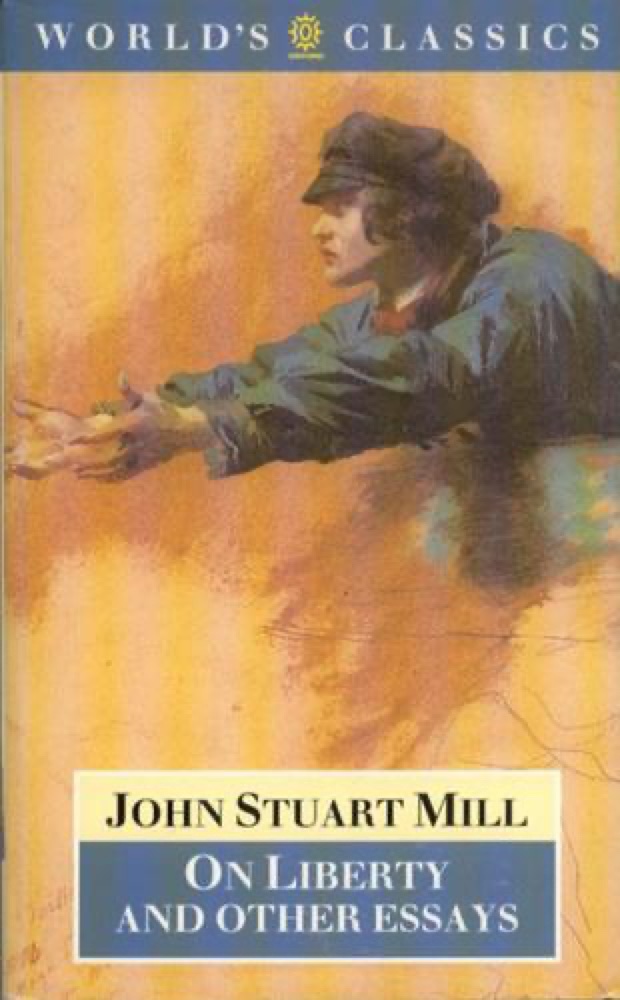
About the book
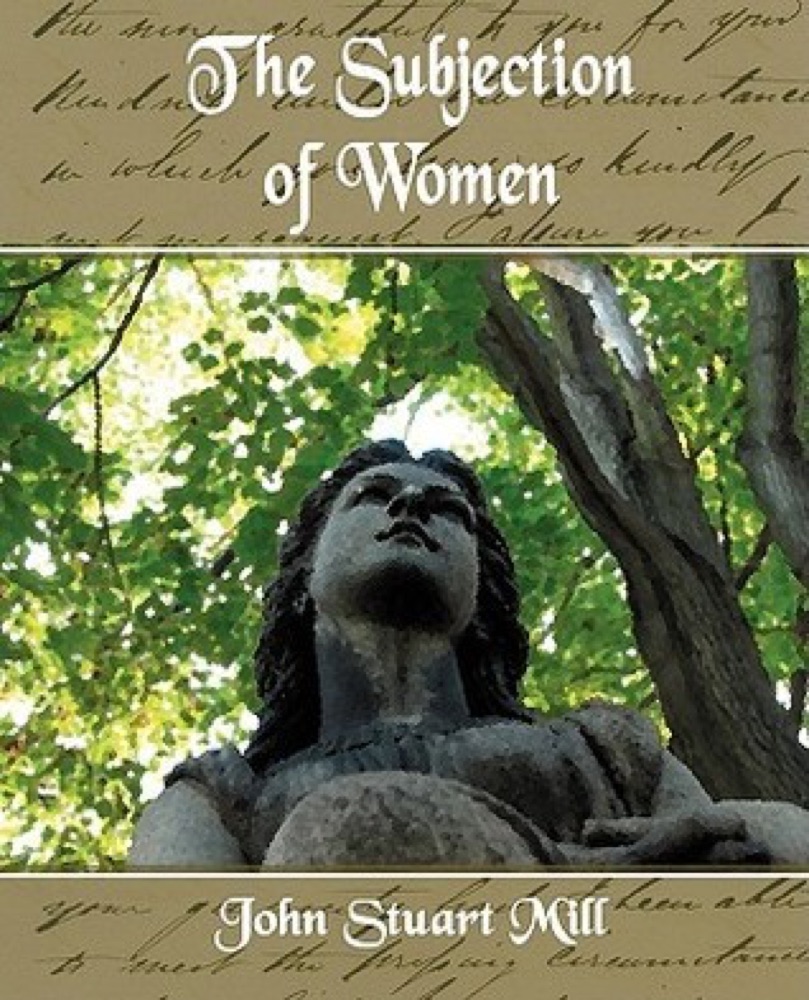
"...John Mill disagrees with the argument that women are naturally less good at some things than men, and should therefore be discouraged or forbidden from doing them. Mill Thought that men simply don't know what women are capable of, because we have never let them try - nobody can not make a statement without evidence. We can't stop women from trying things because they might not be able to do them. An argument based on speculative physiology is just that, speculation..."
Book details
- First published
- 1869
- Author
- John Stuart Mill
- Genre
- Philosophy
- Goodreads rating
- 3.88 (4k ratings)
Keep reading
On Liberty
 A Vindication of the Rights of Woman
 Reflections on the Revolution in France
 Human, All Too Human
 Common Sense
 Discourse on the Origin of Inequality
 What's Wrong with the World
 Utopia
 Politics
 The Abolition of Man
 Persian Letters
 Civilization and Its Discontents
 On the Genealogy of Morals
 Erewhon
 The Republic
 Ethics
 Rights of Man
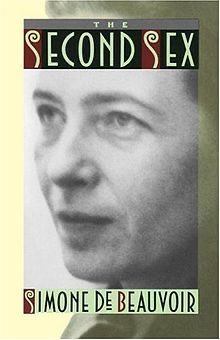 The Second Sex
 Civil Disobedience and Other Essays
 The Road to Serfdom
 The Blank Slate: The Modern Denial of Human Nature
 The Social Contract
 The Human Condition
 Democracy in America
 The Will to Power
 Emile or On Education
 Walden Two
 The Moon is a Harsh Mistress
 A Treatise of Human Nature
 Civil Disobedience
 The Laws of Plato
 The Soul of Man Under Socialism
 Heretics
 The Midwich Cuckoos
 History of the Peloponnesian War
 The Virtue of Selfishness: A New Concept of Egoism
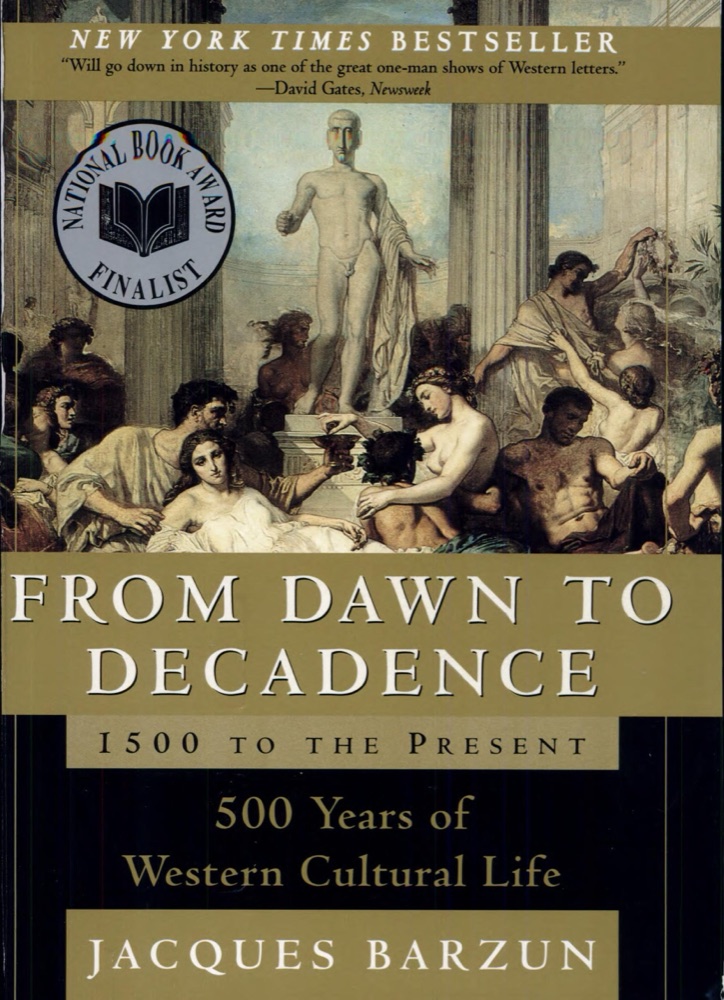 From Dawn to Decadence: 500 Years of Western Cultural Life, 1500 to the Present
 Theological-Political Treatise
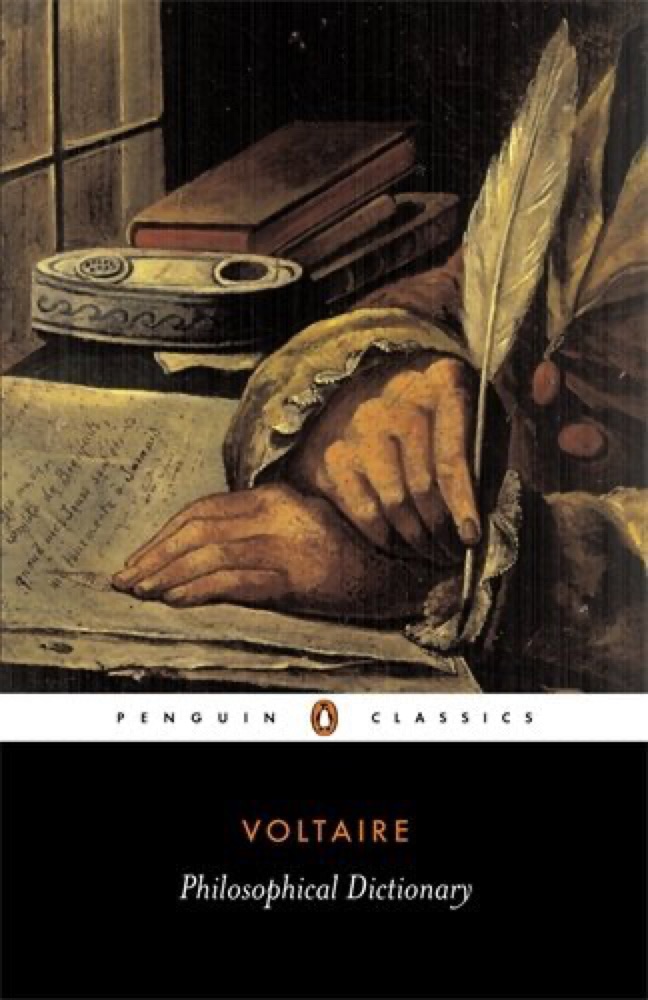 Philosophical Dictionary
 Humankind: A Hopeful History
 Minima Moralia: Reflections on a Damaged Life
 An Enquiry Concerning Human Understanding
 The Closing of the American Mind
 The Lessons of History
 Leviathan
 The Constitution of Liberty
 Gorgias
 The Ides of March
 The Future of an Illusion
 On the Republic / On the Laws
 After Virtue
 Elements of the Philosophy of Right
 Children of Dune
 The Theory of Moral Sentiments
 Escape from Freedom
 The Descent of Man
 Man and Superman
 Life at the Bottom: The Worldview That Makes the Underclass
 An Essay Concerning Human Understanding
 Arguably: Selected Essays