
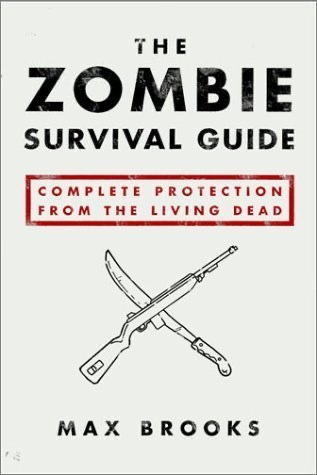
 The Zombie Survival Guide: Complete Protection from the Living Dead
Quotes from the Book
Lies are neither bad nor good. Like a fire they can either keep you warm or burn you to death, depending on how they're used.
Most people don't believe something can happen until it already has. That's not stupidity or weakness, that's just human nature.
The only rule that ever made sense to me I learned from a history, not an economics, professor at Wharton. "Fear," he used to say, "fear is the most valuable commodity in the universe." That blew me away. "Turn on the TV," he'd say. "What are you seeing? People selling their products? No. People selling the fear of you having to live without their products." Fuckin' A, was he right. Fear of aging, fear of loneliness, fear of poverty, fear of failure. Fear is the most basic emotion we have. Fear is primal. Fear sells.
I think that most people would rather face the light of a real enemy than the darkness of their imagined fears.
The monsters that rose from the dead, they are nothing compared to the ones we carry in our hearts
There's a word for that kind of lie. Hope.
I don't know if great times make great men, but I know they can kill them.
Imagine what could be accomplished if only the human race would shed its humanity.
Sometimes you find your path, sometimes it finds you.
[...]you don’t have to be Sun freakin Tzu to know that real fighting isn’t about killing or even hurting the other guy, it’s about scaring him enough to call it a day.
When I believe in my ability to do something, there is no such word as no.
You can't blame anyone else, ... , no one but yourself. You have to make your own choices and live every agonizing day with the consequences of those choices.
Whatever bro, tell it to the whales
They didn't break me. I broke myself.
To know is always better, no matter what the answer might be.
This is the only time for high ideals because those ideals are all that we have. We aren't just fighting for our physical survival, but for the survival of our civilization. We don't have the luxury of old-world pillars. We don't have a common heritage, we don't have a millennia of history. All we have are the dreams and promises that bind us together. All we have...is what we want to be.
They say great times make great men. I don't buy it. I saw a lot of weakness, a lot of filth. People who should have risen to the challenge and either couldn't or wouldn't. Greed, fear, stupidity and hate. I saw it before the war, I see it today. [...] I don't know if great times make great men, but I know they can kill them.
If your Soviet neighbor is trying to set fire to your house, you can't be worrying about the Arab down the block. If suddenly it's the Arab in your backyard , you can't be worrying about the People's Republic of China and if one day the ChiComs show up at your front door with an eviction notice in one hand and a Molotov cocktail in the other, then the last thing you're going do is look over his shoulder for a walking corpse.
Americans worship technology. It's an inherent trait in the national zeitgeist.
We relinquished our freedom that day, and we were more than happy to see it go. From that moment on we lived in true freedom, the freedom to point to someone else and say “They told me to do it! It’s their fault, not mine.” The freedom, God help us, to say “I was only following orders.”-World War Z
Fear is the most basic emotion we have. Fear is primal. Fear sells.
There comes a point when you have to realize that the sum of all your blood, sweat, and tears will ultimately amount to zero.
Looking back, I still can't believe how unprofessional the news media was. So much spin, so few hard facts. All those digestible sound bites from an army of 'experts' all contradicting one another, all trying to seem more 'shocking' and 'in-depth' than the last one. It was all so confusing, nobody seemed to know what to do.
. . . show the other side, the one that gets people out of bed the next morning, makes them scratch and scrape and fight for their lives because someone is telling them that they're going to be okay.
There comes a point where emotions must give way to objective facts.
America is especially sensitive to war weariness, and nothing brings backlash like the perception of defeat. I say “perception” because America is a very all-or-nothing society… We like to know, and for everyone else to know, that our victory wasn’t uncontested, it was positively devastating.
Can you ever "solve" poverty? Can you ever "solve" crime? Can you ever "solve" disease, unemployment, war, or any other societal herpes? Hell no.
Can you ever "solve" disease, unemployment, war, or any other societal herpes? Hell no. All you can hope for is to make them manageable enough to allow people to get on with their lives. That's not cynicism, that's maturity.
The official report was a collection of cold, hard data, an objective "after-action report" that would allow future generations to study the events of that apocalyptic decade without being influenced by the "human factor." But isn't the human factor what connects us so deeply to our past? Will future generations care as much for chronologies and casualty statistics as they would for the personal accounts of individuals not so different from themeslves? By excluding the human factor, aren't we risking the kind of personal detachment from a history that may, heaven forbid, lead us one day to repeat it?
Did you know?
- The novel is structured as a series of survivor interviews compiled by an agent of the fictional United Nations Postwar Commission.
- It is divided into eight thematically titled chapters, from "Warnings" through "Good-Byes."
- The book is a follow-up to Brooks's earlier work "The Zombie Survival Guide" (2003).
- The 2007 audiobook featured a full cast including Alan Alda, Mark Hamill, and John Turturro, and won the Audie Award for Multi-Voiced Performance.
- A 2013 film adaptation directed by Marc Forster and starring Brad Pitt diverged significantly from the novel's episodic oral-history structure.
- The interviews span the globe, with accounts drawn from many different countries and walks of life.
About Max Brooks
Max Brooks is an American author, screenwriter, and public speaker known for blending horror with social and political commentary. He is also the author of "The Zombie Survival Guide" (2003) and is the son of filmmaker Mel Brooks and actress Anne Bancroft.
More about the author →More by Max Brooks
The Zombie Survival Guide: Complete Protection from the Living Dead
 Devolution: A Firsthand Account of the Rainier Sasquatch Massacre
About the book
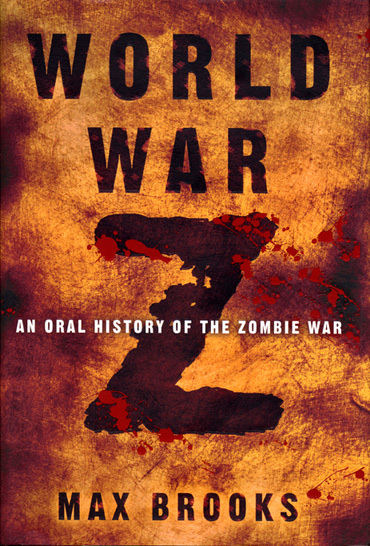
"World War Z: An Oral History of the Zombie War" is Max Brooks's 2006 apocalyptic horror novel that recounts a global war against a zombie plague through a mosaic of survivor interviews. Framed as a report compiled by an unnamed agent of the United Nations Postwar Commission, the book gathers first-person accounts from people around the world, roughly a decade after humanity narrowly survived the outbreak. Rather than following a single protagonist, it moves across continents and social classes, tracing the pandemic from its earliest ignored warnings through global panic, near-collapse, and the long fight to reclaim the planet.
Brooks organizes the testimonies into eight thematic chapters, among them "Warnings," "Blame," "The Great Panic," "Turning the Tide," "Home Front USA," and "Total War," which together form a chronological arc of the conflict. The oral-history format lets the novel function as social commentary as much as horror: it examines government failure, incompetence, denial, and the reordering of value in a shattered economy. In the reorganized United States, for instance, a new Department of Strategic Resources finds that post-industrial white-collar workers are suddenly less useful than tradespeople such as plumbers and carpenters.
The book's documentary style, modeled on Studs Terkel-style oral histories, gave it a realism that helped make it a bestseller and a landmark of modern zombie fiction. A star-studded 2007 audiobook adaptation won an Audie Award, and a loosely related 2013 film starring Brad Pitt brought the title to a mass audience, though it departed sharply from the novel's episodic structure. World War Z endures as a story less about the undead than about how societies, institutions, and ordinary people respond to catastrophe.
Book details
- First published
- 2006
- Length
- 342 pages
- Reading time
- 21 hours
- Author
- Max Brooks
- Genre
- Science Fiction
- Goodreads rating
- 4.02 (577k ratings) →
Movie & TV adaptations
- IMDb
If you liked this, read…
- 1The Zombie Survival GuideMax Brooks's earlier book set in the same fictional universe.
- 2Station ElevenAnother literary take on societal collapse after a global pandemic.
- 3The PassageEpic, multi-perspective novel about a viral outbreak that transforms humanity.
Keep reading
 Rot & Ruin
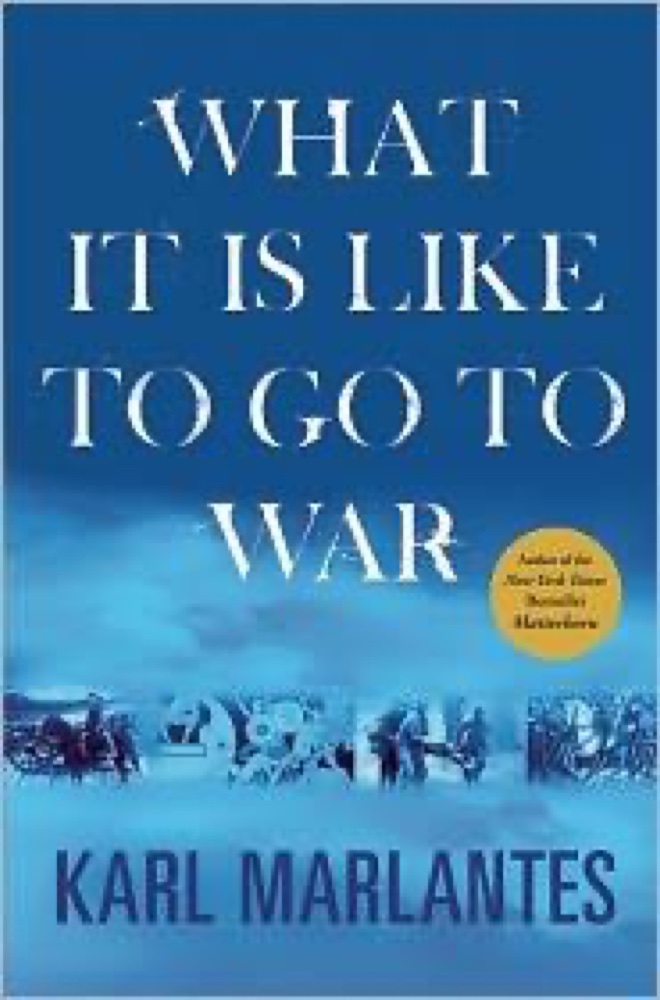 What It is Like to Go to War
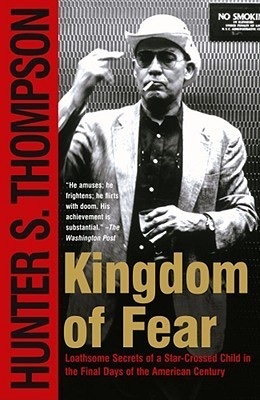 Kingdom of Fear: Loathsome Secrets of a Star-Crossed Child in the Final Days of the American Century
Devolution: A Firsthand Account of the Rainier Sasquatch Massacre
Kingdom of Fear: Loathsome Secrets of a Star-Crossed Child in the Final Days of the American Century
Devolution: A Firsthand Account of the Rainier Sasquatch Massacre
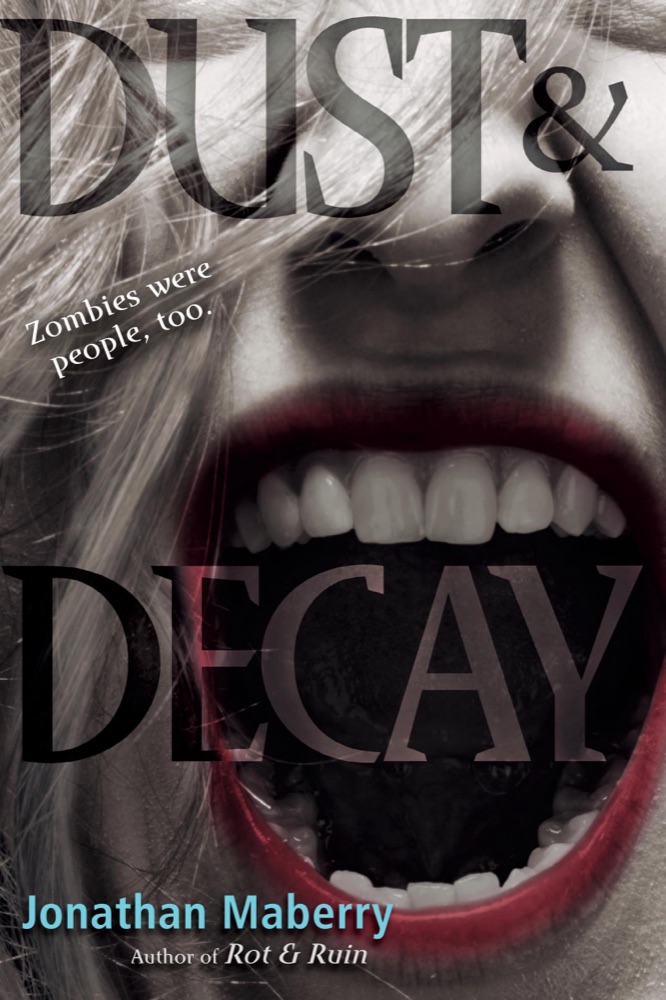 Dust & Decay
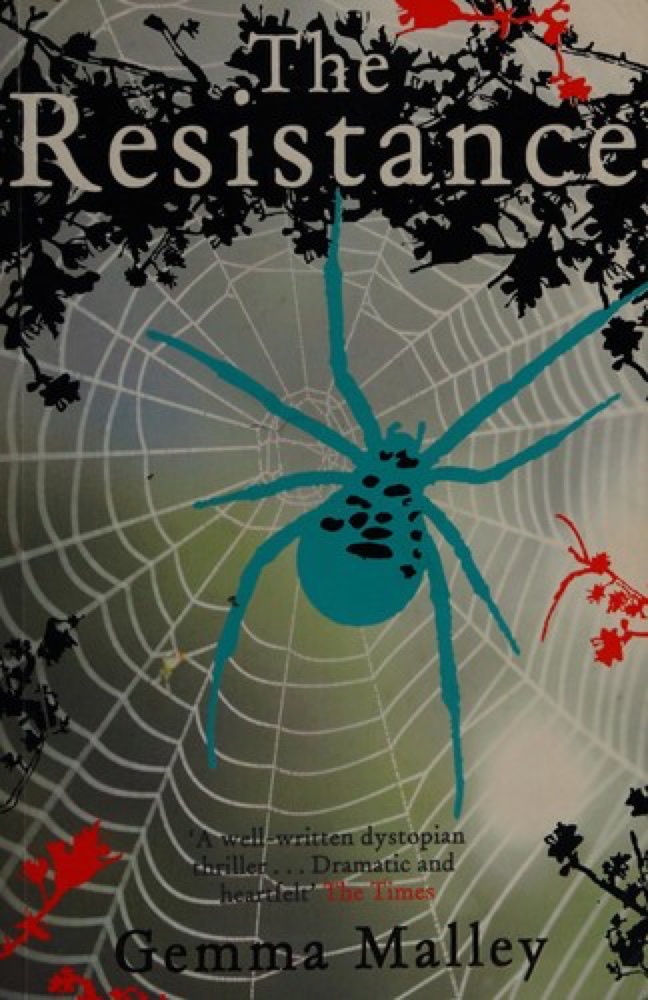 The Resistance
 Wanderers
 Deadline
 Blackfish City
 Robopocalypse
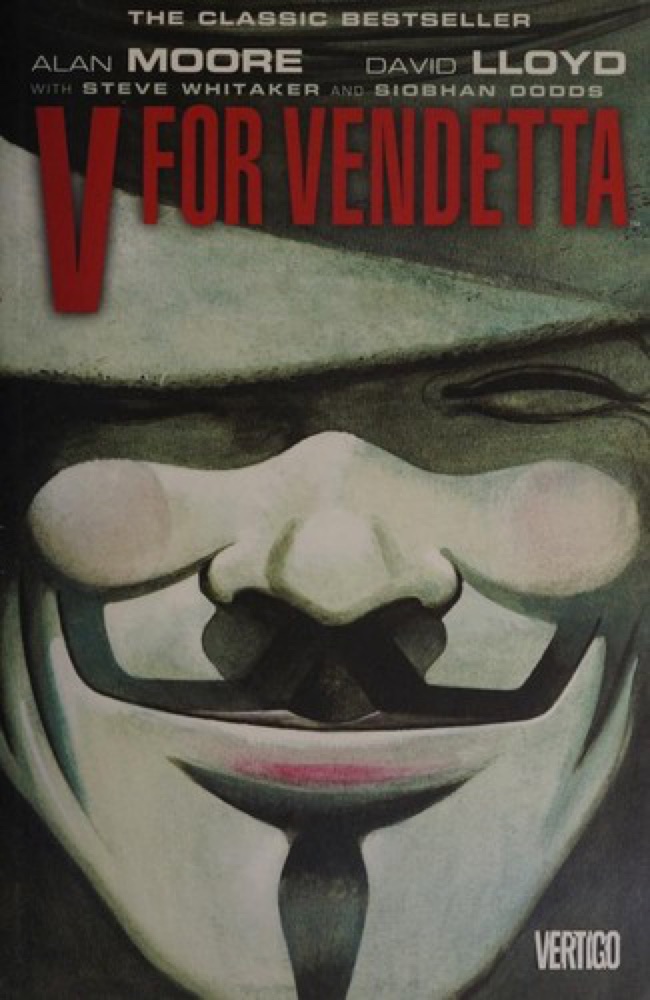 V for Vendetta
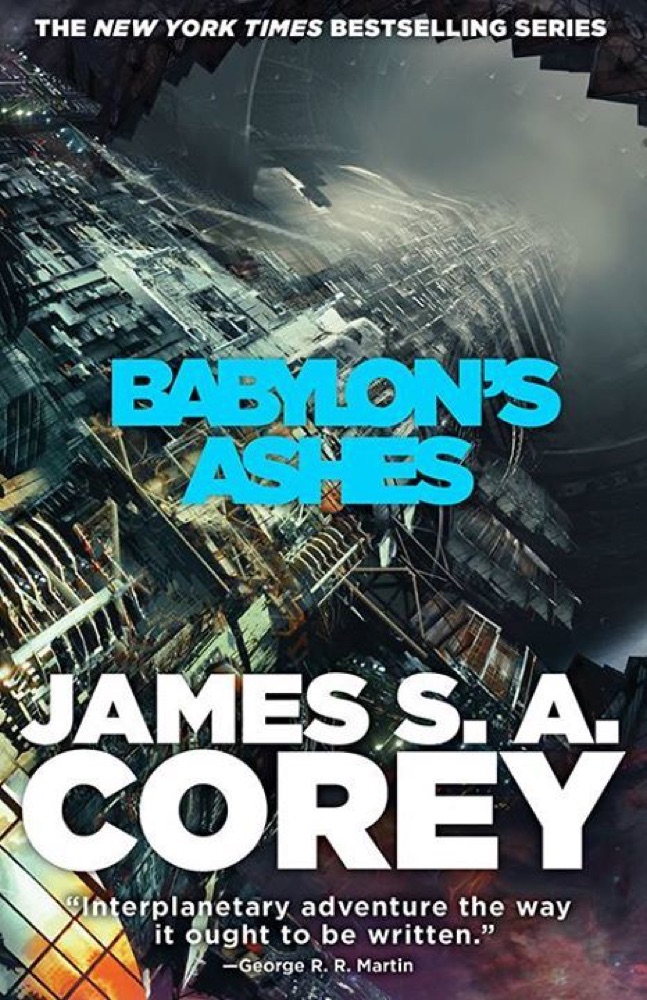 Babylon's Ashes
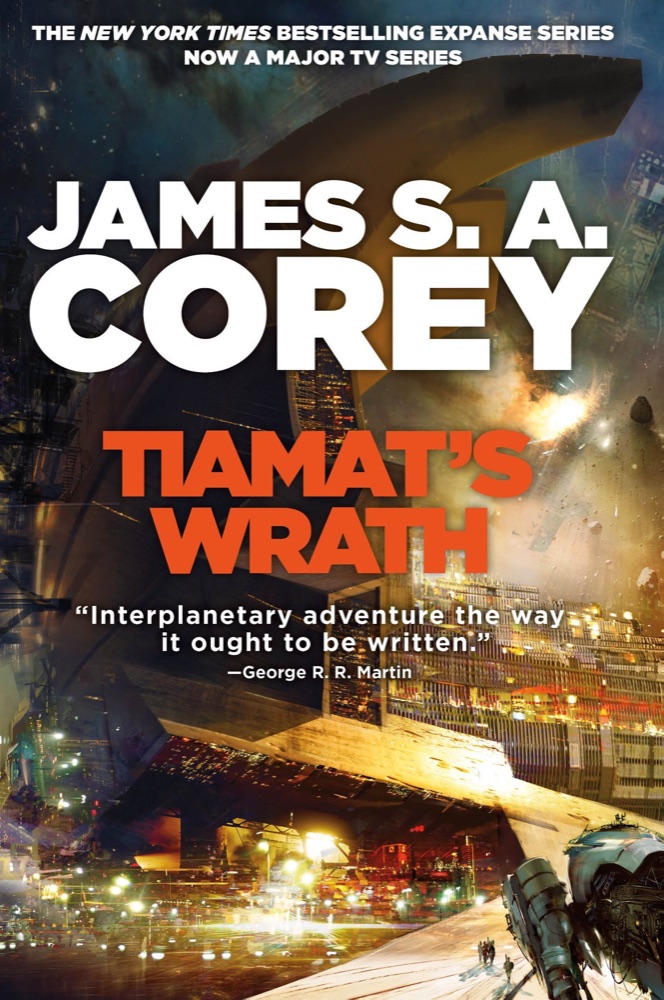 Tiamat's Wrath
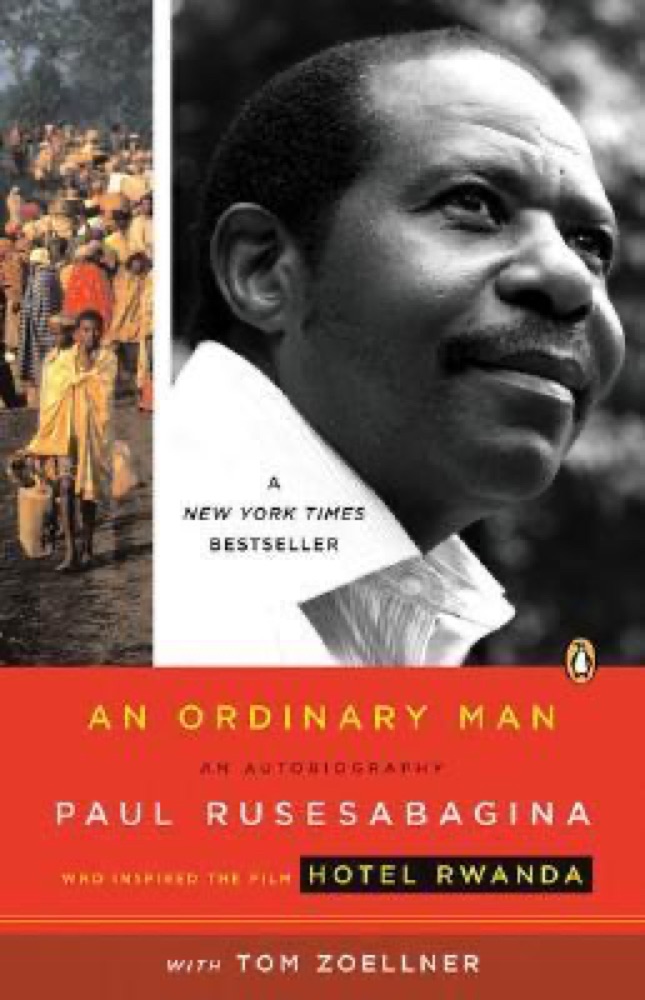 An Ordinary Man: An Autobiography
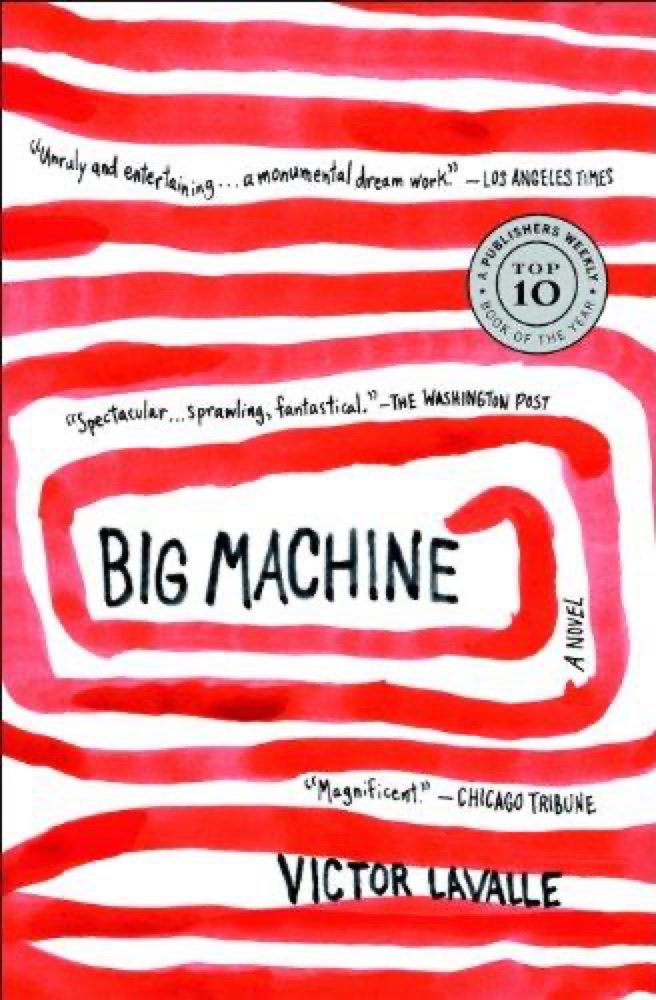 Big Machine
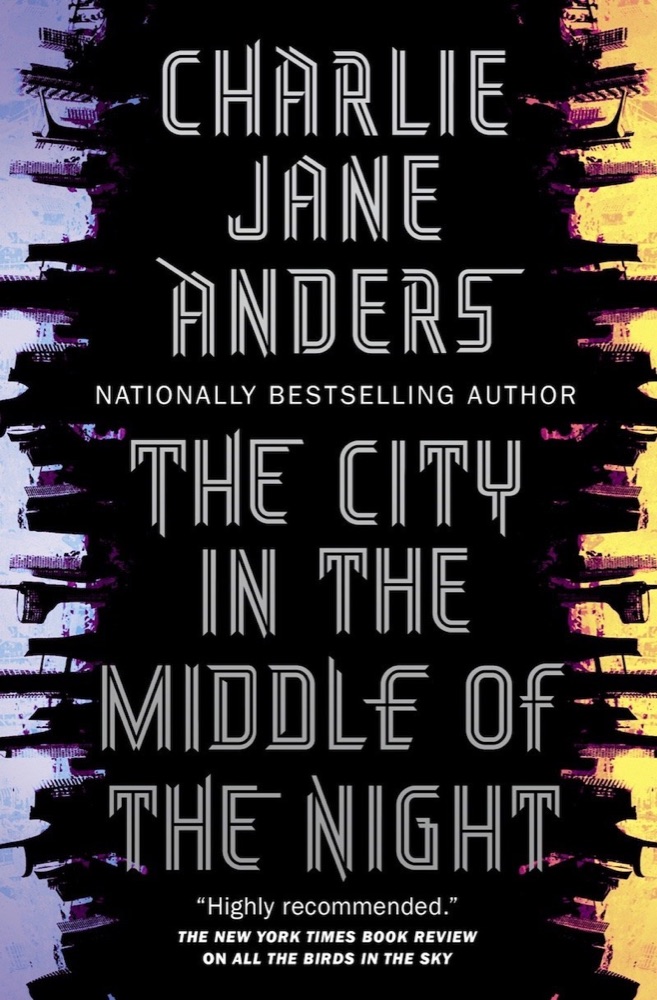 The City in the Middle of the Night
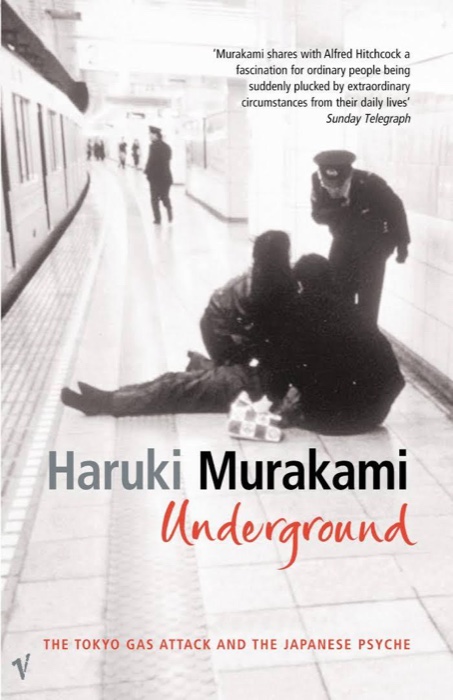 Underground: The Tokyo Gas Attack and the Japanese Psyche
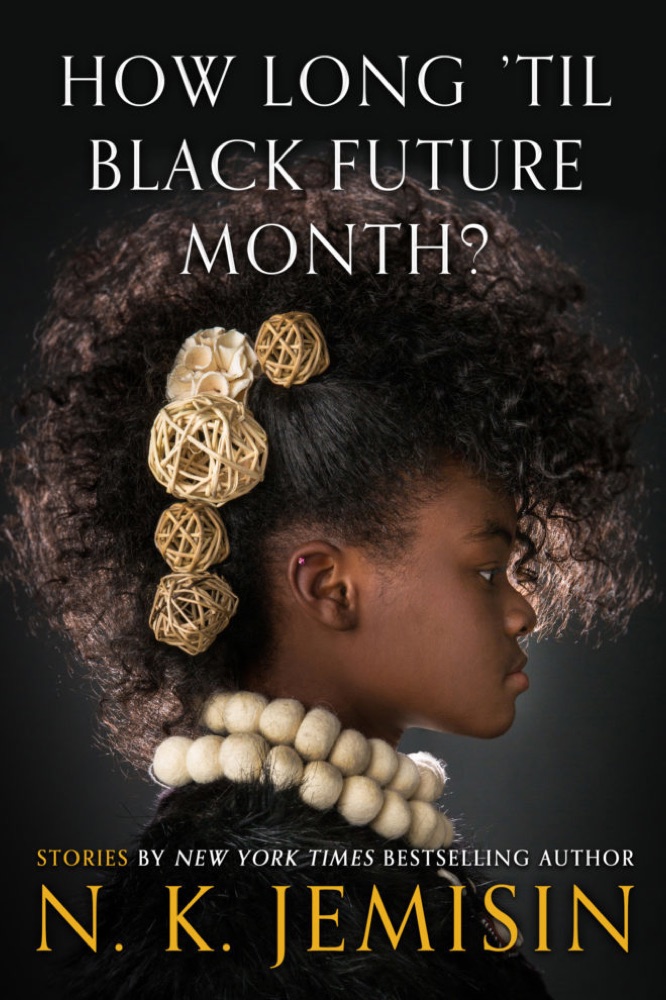 How Long 'til Black Future Month?
 Blackout
 American Gods
 Seven Deadly Sins: Settling the Argument Between Born Bad and Damaged Good
 The Fall of Babel
 Lullaby
 A Better World
 An Absolutely Remarkable Thing
 Last Argument of Kings
 The Sympathizer
 The Long Hard Road Out of Hell
 The Shockwave Rider
 Survivor
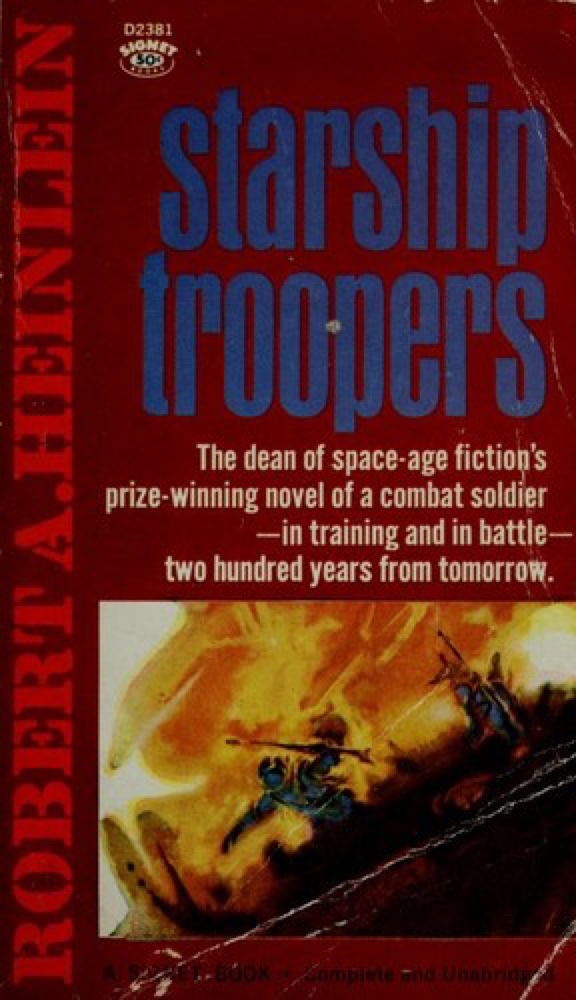 Starship Troopers
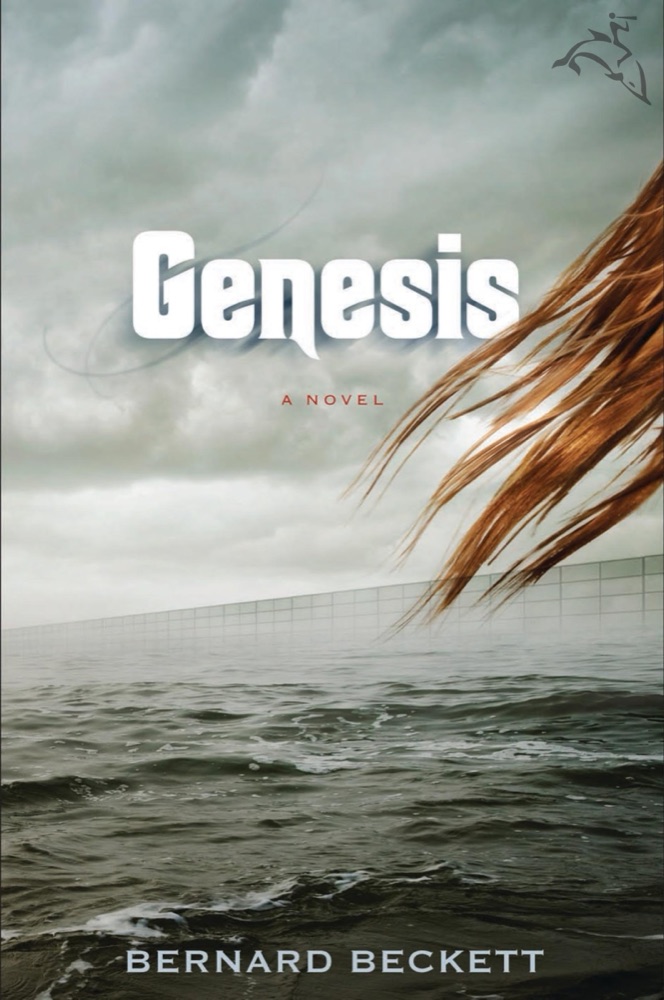 Genesis
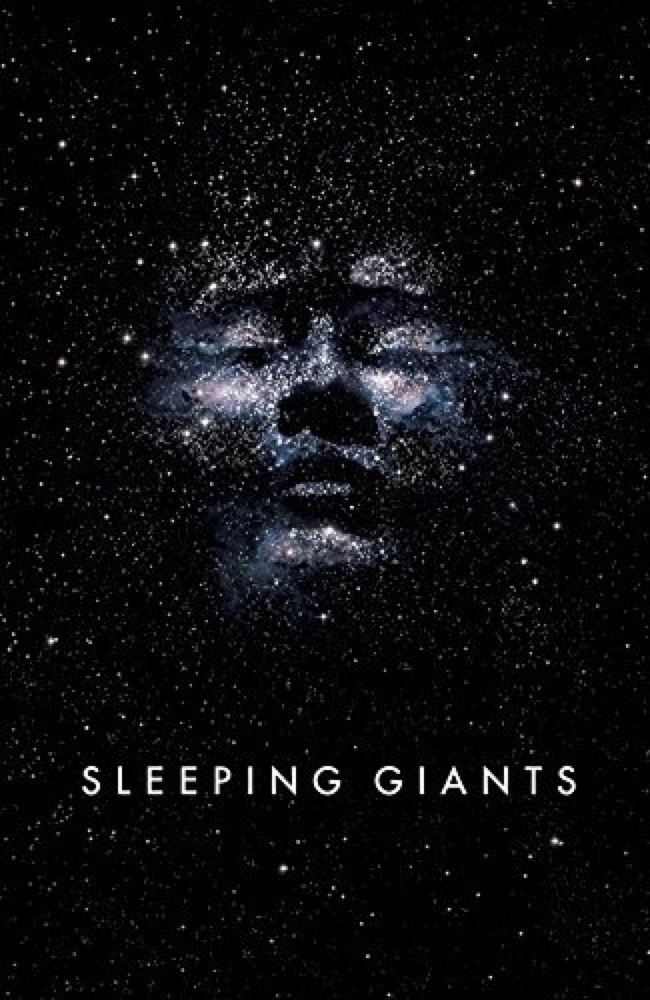 Sleeping Giants
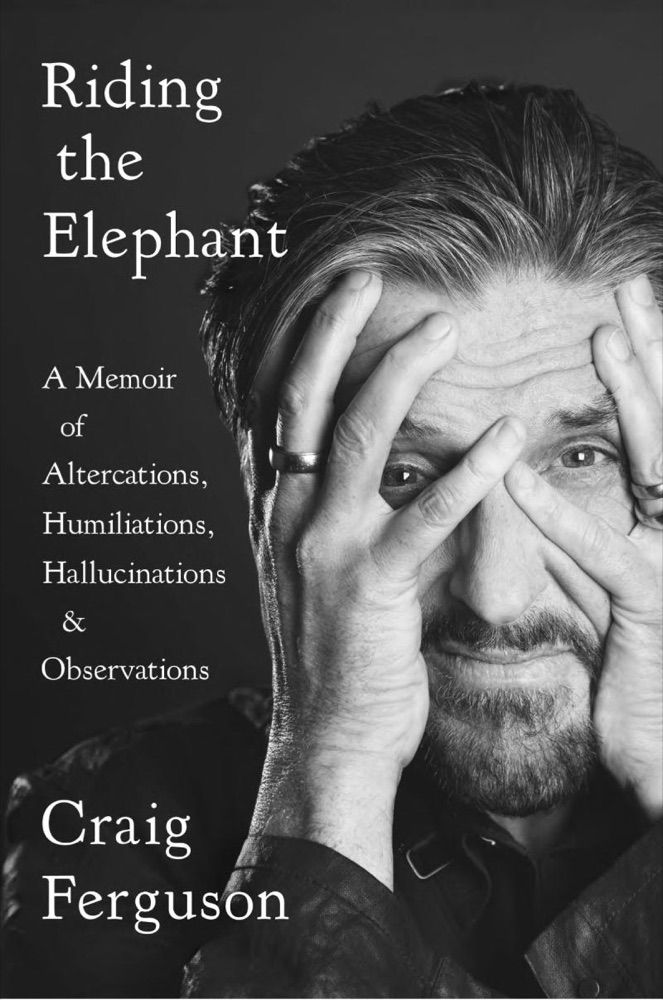 Riding the Elephant: A Memoir of Altercations, Humiliations, Hallucinations, and Observations
 Tree of Smoke
 The Fire Next Time
 The Hour I First Believed
 The Handmaid's Tale
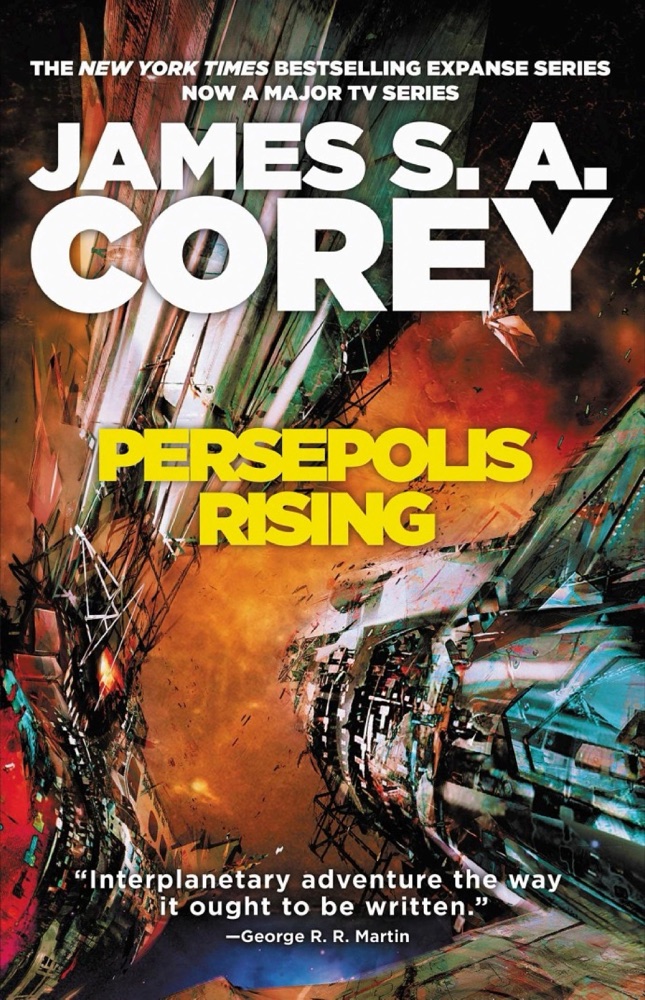 Persepolis Rising
 Worm
Worm
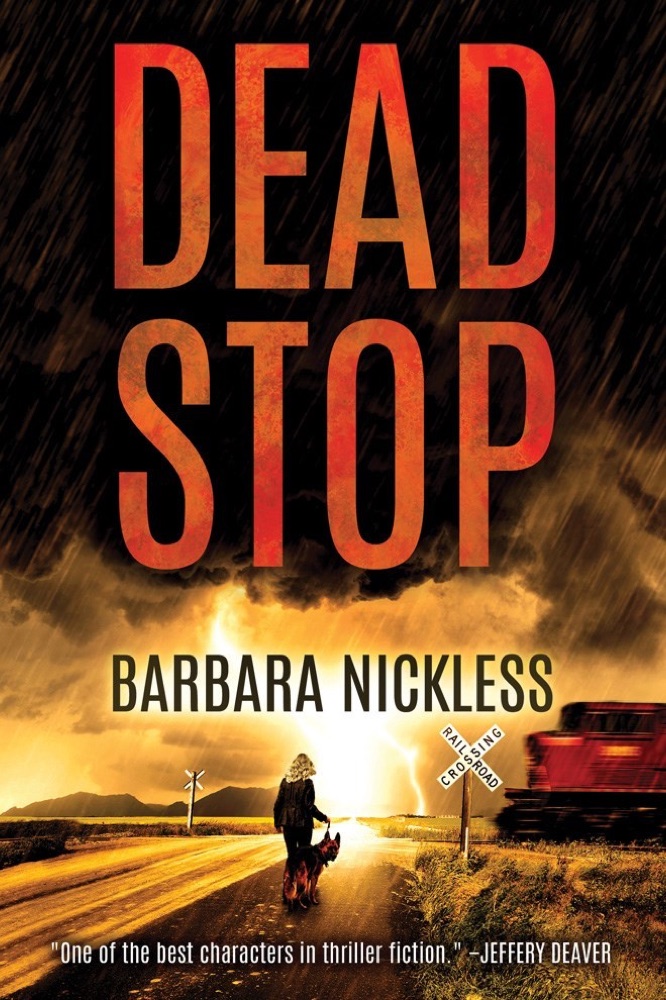 Dead Stop
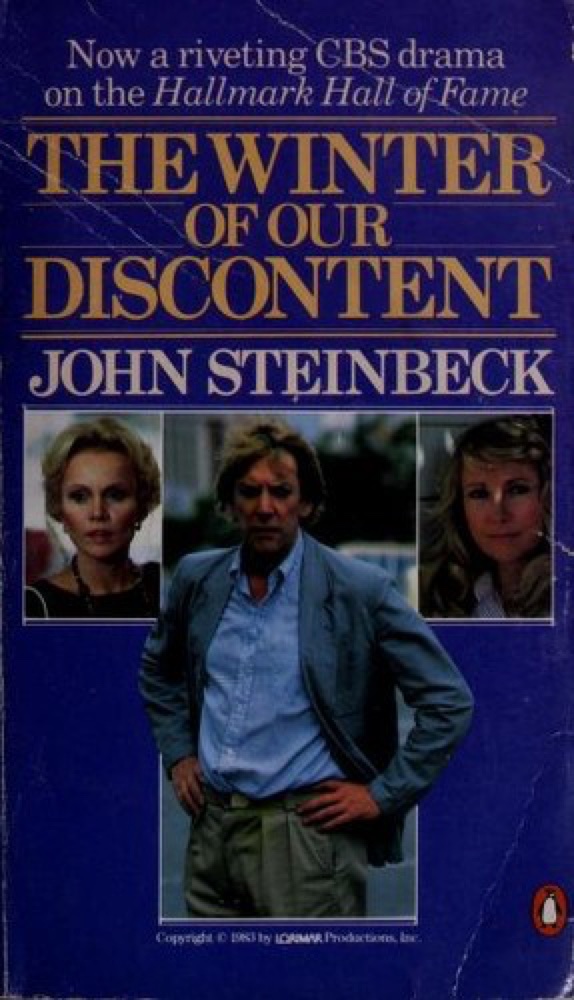 The Winter of Our Discontent
 The Straw Men
 Even Cowgirls Get the Blues
 Only Human
 Apocalypse Z: The Beginning of the End
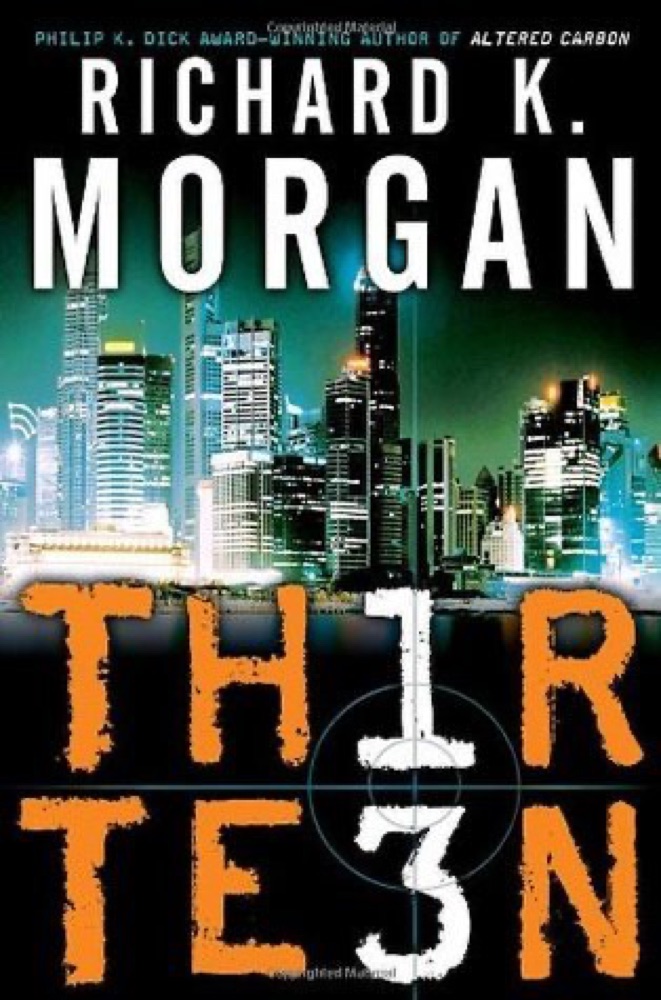 Thirteen
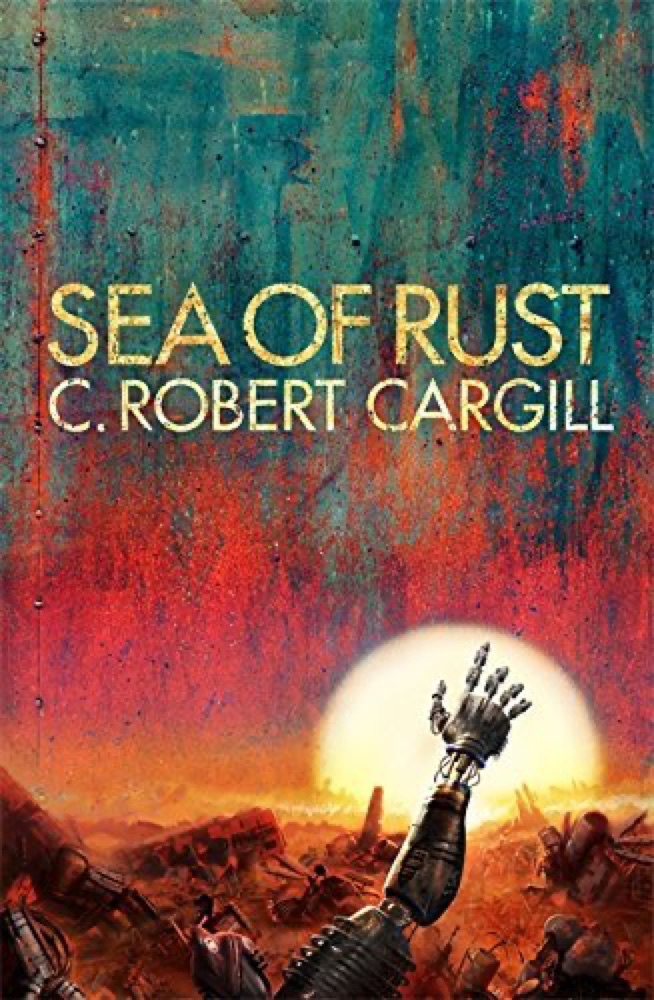 Sea of Rust
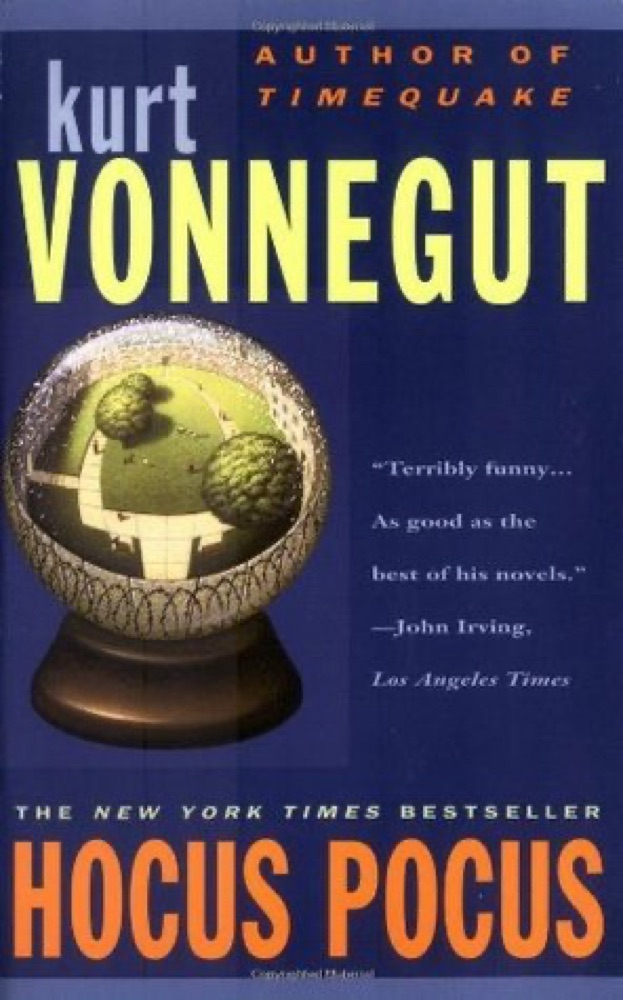 Hocus Pocus
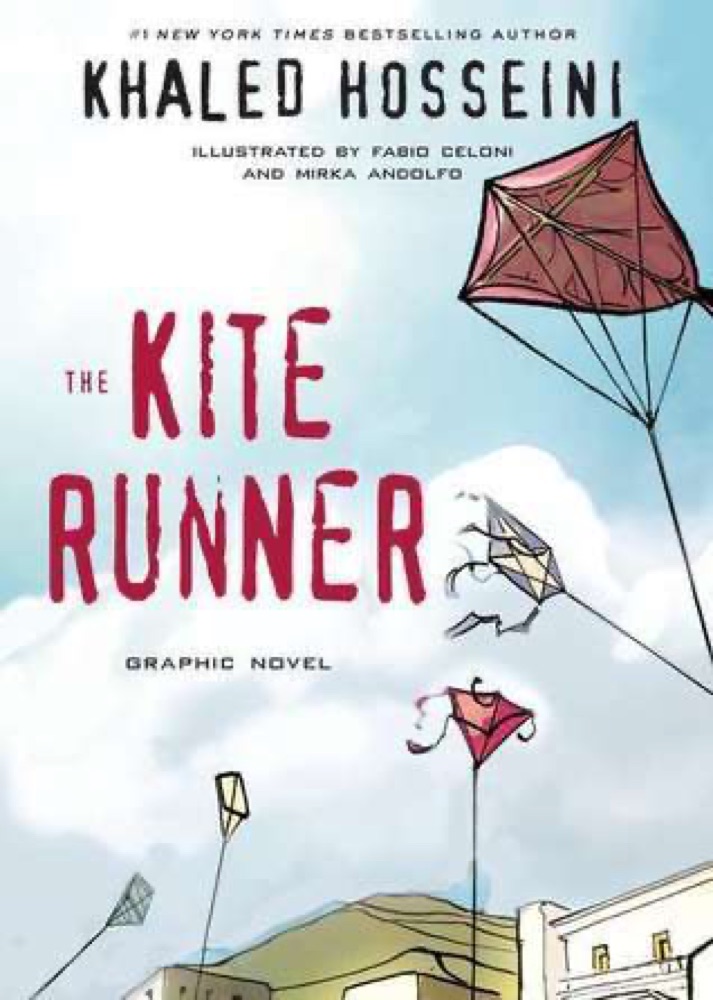 The Kite Runner
 Scythe
 Haunted
 Parable of the Talents
 Bluebeard
 The Hydrogen Sonata
 White Noise
 Ancillary Justice
 The Chalk Man
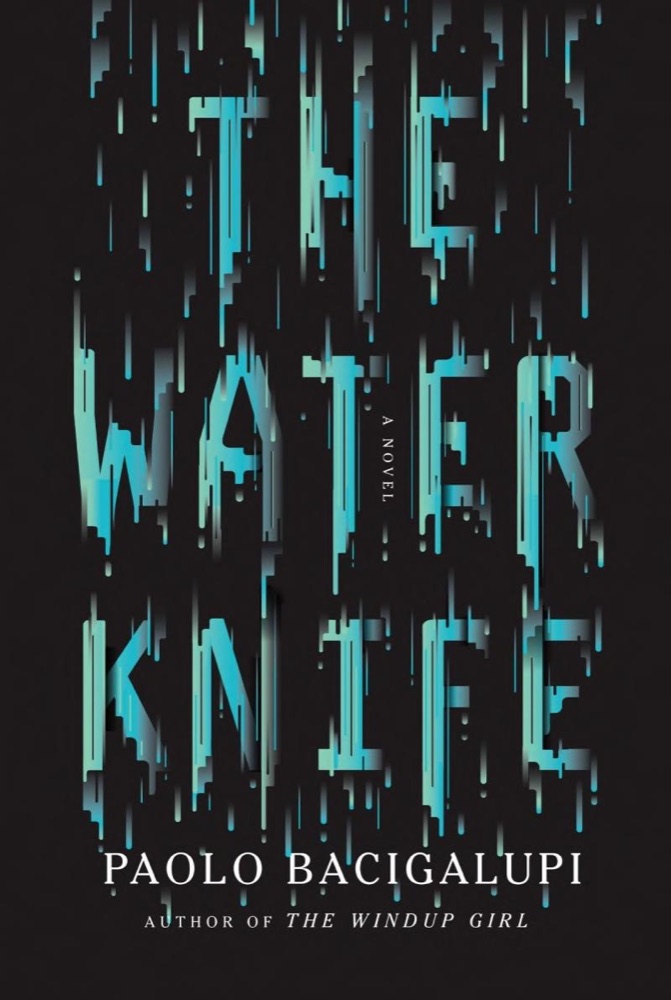 The Water Knife
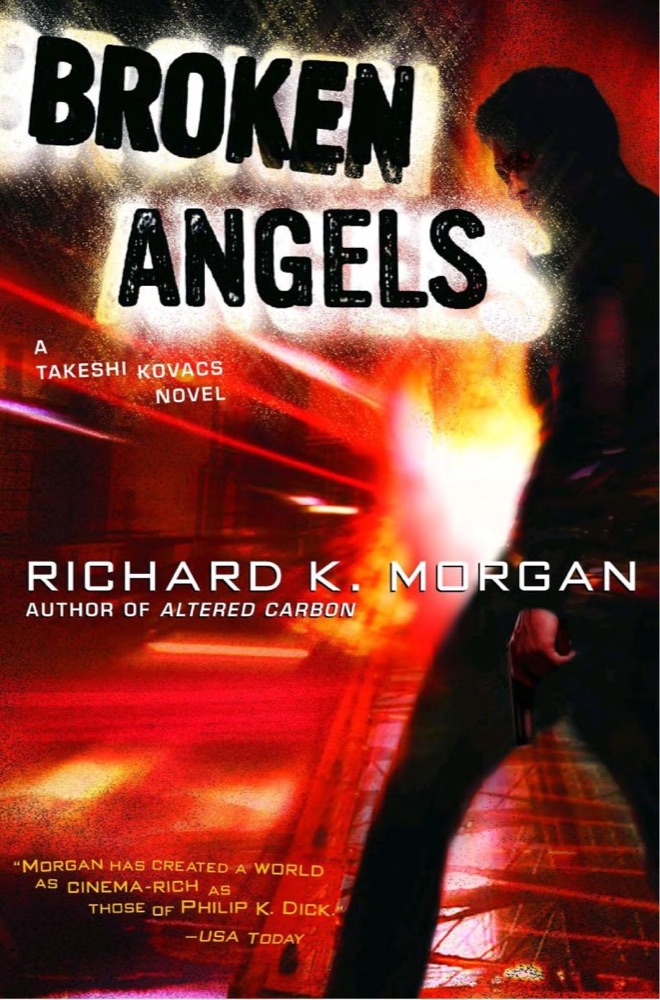 Broken Angels