
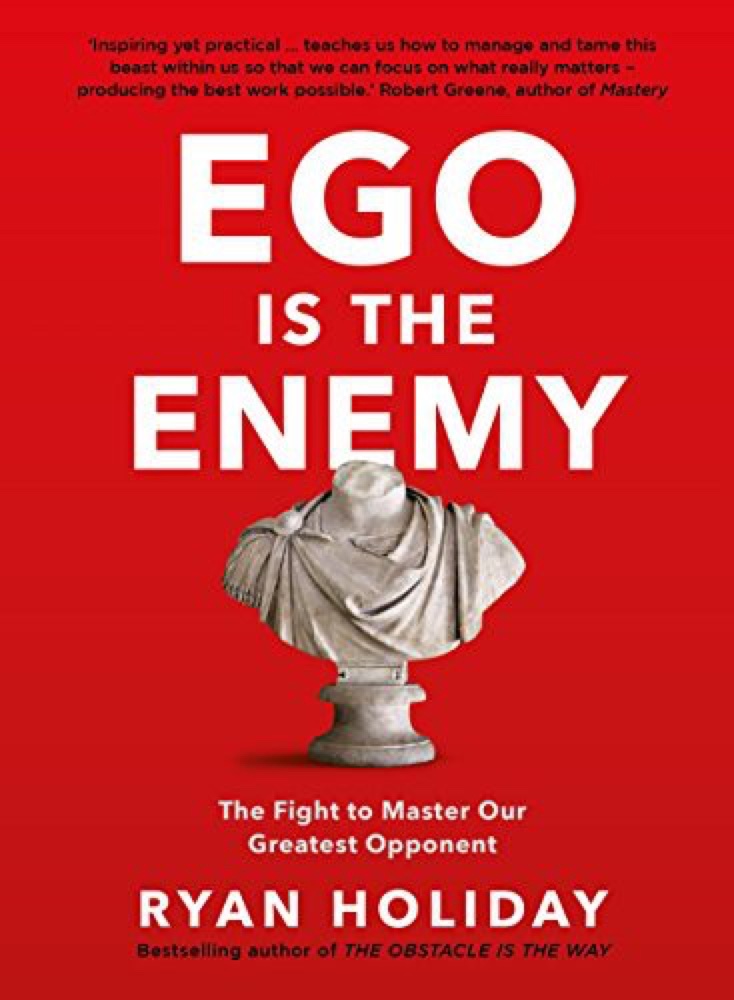
 Ego Is the Enemy
Quotes from the Book
You owe it to yourself and to the world to actively engage with the brief moment you have with this planet. You cannot retreat exclusively into ideas. You must contribute.
3
A wise man can make use of whatever comes his way, he said, but is in want of nothing. “On the other hand,” he said, “nothing is needed by the fool for he does not understand how to use anything but he is in want of everything.” There is no better definition of a Stoic: to have but not want, to enjoy without needing.
3
When the student is ready, the old Zen saying goes, the teacher appears.
2
Don’t explain your philosophy,” Epictetus said, “embody it.
2
Think of yourself as dead,” he writes. “You have lived your life. Now take what’s left and live it properly.” On another page he says, “You could leave life right now, let that determine what you do and say and think.
1
Marcus wept when he was told that his favorite tutor had passed away. We know that he cried one day in court, when he was overseeing a case and the attorney mentioned the countless souls who perished in the plague still ravaging Rome. We can imagine Marcus cried many other times. This was a man who was betrayed by one of his most trusted generals. This was a man who one day lost his wife of thirty-five years. This was a man who lost eight children, including all but one of his sons. Marcus didn’t weep because he was weak. He didn’t weep because he was un-Stoic. He cried because he was human. Because these very painful experiences made him sad. “Neither philosophy nor empire,” Antoninus said sympathetically as he let his son sob, “takes away natural feeling.” So Marcus Aurelius must have lost his temper on occasion, or he never would have had cause to write in his Meditations.
1
Many centuries later, Jackie Robinson would express the idea even more succinctly. “A life is not important,” his tombstone reads, “except in the impact it has on other lives.
1
One of Caesar’s soldiers, Gaius Asinius Pollio, would write one of the most insightful epitaphs for Cicero: Would that he had been able to endure prosperity with more self-control, and adversity with more fortitude. . . . He invited enmity with greater spirit than he fought it.
1
But as the poet Timon was only the first to illustrate, the fate of any exemplary figure is mockery by parasites, just as the great bull is beset by flies.
1
Best,” to the Stoics, did not meaning winning battles. Superior did not mean accumulating the most honors. It meant, as it still does today, virtue. It meant excellence not in accomplishing external things—though that was always nice if fate allowed—but excellence in the areas that you controlled: Your thoughts. Your actions. Your choices.
1
Epictetus was reminded daily how little control he had, even of his own person. As he came to study and understand Stoicism, he adopted this lesson into what he described as our “chief task in life.” It was, he said, simply “to identify and separate matters so that I can say clearly to myself which are externals not under my control, and which have to do with the choices I actually control.
1
Politics is a dirty business. It is now and it was then. In Rome
the Stoics were most concerned with how one lived. The choices you made, the causes you served, the principles you adhered to in the face of adversity. They cared about what you did, not what you said.
let us take a leaf out of Roman history and remember Helvidius Priscus.
Cicero claimed, for instance, that Panaetius argued it was possible for a good lawyer to defend a guilty client—provided they were not egregiously depraved or wicked.
the pleasure will quickly disappear, but the wicked thing will stay with you forever.
Whether that’s media titan Arianna Huffington, who carries a laminated note card of a Marcus Aurelius quote in her purse at all times, or General James Mattis, who has carried Marcus Aurelius’s Meditations with him on military campaigns for decades, Stoicism is alive and well in the modern world—with all the same brilliance, boldness, and humanness. There are writers like Tim Ferriss who have helped popularize Stoicism to millions, and Laura Kennedy, whose thoughtful “Coping” column runs in The Irish Times, and Donald Robertson, who specializes in the treatment of anxiety and the use of cognitive behavioral therapy (CBT). Chrysippus had been an elite
When you need encouragement, think of the qualities the people around you have: this one’s energy, that one’s modesty, another’s generosity, and so on. Nothing is as encouraging as when virtues are visibly embodied in the people around us, when we’re practically showered with them. It’s good to keep this in mind.
Meditations is not a book for the reader, it was a book for the author. Yet this is what makes it such an impressive piece of writing, one of the great literary feats of all time. Somehow in writing exclusively to and for himself, Marcus Aurelius managed to produce a book that has not only survived through the centuries, but is still teaching and helping people today. As the philosopher Brand Blanshard would observe in 1984: Few care now about the marches and countermarches of the Roman commanders. What the centuries have clung to is a notebook of thoughts by a man whose real life was largely unknown who put down in the midnight dimness not the events of the day or the plans of the morrow, but something of far more permanent interest, the ideals and aspirations that a rare spirit lived by.
Cato may have been Rome’s Iron Man, but in the end he was challenged by only one emperor. Thrasea was utterly fearless, but his friend Gaius Musonius Rufus was also unafraid, and, as it happens, endured a life so challenging as to make Thrasea’s ordeal under Nero seem fun. Born a member of the equestrian class, in Volsinii, Etruria, during the reign of Tiberius, Musonius Rufus quickly made his reputation as a philosopher and as a teacher. Even in a time and after a long history of brilliant Stoics, Musonius was considered above the rest. Among his contemporaries, he was the “Roman Socrates,” a man of wisdom, courage, self-control, and a marrow-deep commitment to what was right. It was fame that transcended his times, and we find Musonius mentioned admiringly by everyone from Christians like Justin Martyr and Clement of Alexandria to Marcus Aurelius.
It makes sense. At the core of Stoicism is the acceptance of what we cannot change. Cato had given his life to defend the Republic and he had lost. Brutus had not only failed in his attempt to restore liberty to Rome, but had plunged the country into a second civil war. Now a new state had been created and peace had returned, and the Stoics who survived believed it was their obligation to serve this state and ensure it remained the same—and so they set out, as best they could, to mold young Octavian into Augustus Caesar, the emperor.
More, she had proved that courage—and philosophy—don’t know gender. They know only the people who are willing to put in what it takes and those who aren’t.
Cato the Elder, began his career as a military tribune and rose through the ranks as quaestor, aedile, praetor, all the way to consul in 195 BC, all the while earning a fortune in agriculture and making his name fighting for the ancestral customs (mos maiorum) against the modernizing influences of an ascendant empire. Ironically, the one influence most important to Cato that his great-grandfather fought most stridently against with his conservative zeal was philosophy. It was he, after all, who had wanted to throw the Athenian philosophers from Diogenes’s diplomatic mission out of Rome in 155 BC.
How monotonously alike all the great tyrants and conquerors have been,” the great C. S. Lewis once observed, “how gloriously different the saints.
Both Marcus Aurelius and Epictetus were, to borrow Epictetus’s metaphor, assigned difficult roles by the author of the universe.
In her 1939 novel about Christianity in ancient Rome, written as fascism was crushing religious minorities in Europe, Naomi Mitchison has a Stoic philosopher, Nausiphanes, attempt to explain this collision course between the Stoics and the Christians. “[The Christians] were being persecuted,” he says, “because they were against the Roman state; no Roman ever really bothered about a difference of gods; in religious matters they were profoundly tolerant because their own gods were not of the individual heart but only social inventions—or had become so. Yet politically they did and must persecute: and equally must be attacked by all who had the courage.
As you kiss your son good night, says Epictetus, whisper to yourself, “He may be dead in the morning.” Don’t tempt fate, you say. By talking about a natural event? Is fate tempted when we speak of grain being reaped?
If someone succeeds in provoking you, realize that your mind is complicit in the provocation.
It’s not things that upset us,” he would say, “it’s our judgment about things.” Our opinions determine the reality we experience.
Watch on YouTube
About Ryan Holiday
We have collected 236 quotes from 8 books by Ryan Holiday on BookQuoters.
More about the author →
About the book
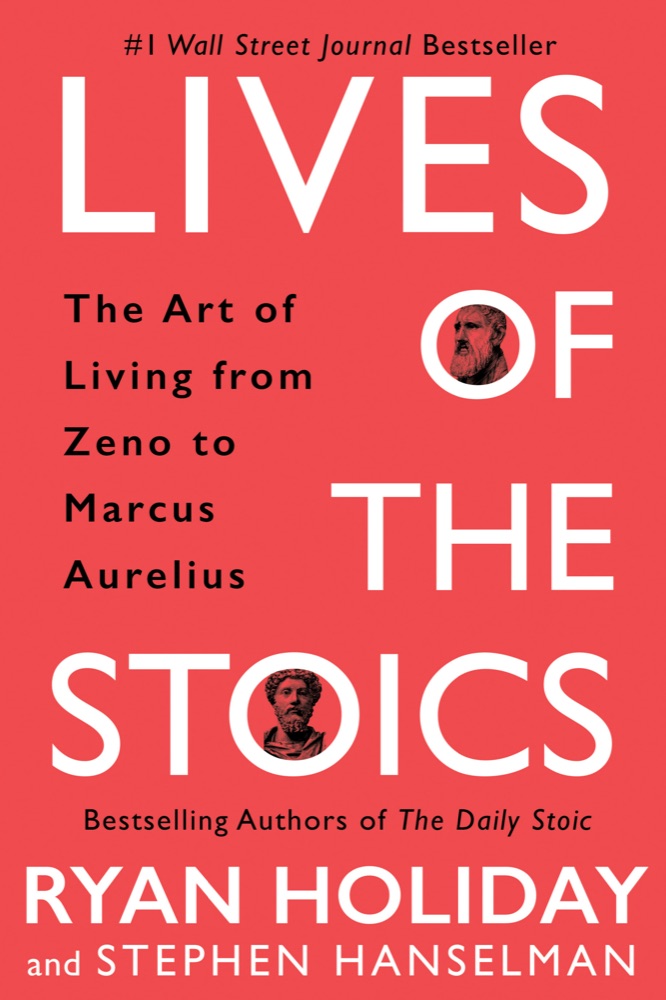
From the bestselling authors of The Daily Stoic comes an inspiring guide to the lives of the Stoics, and what the ancients can teach us about happiness, success, resilience and virtue.
Nearly 2,300 years after a ruined merchant named Zeno first established a school on the Stoa Poikile of Athens, Stoicism has found a new audience among those who seek greatness, from athletes to politicians and everyone in between. It's no wonder; the philosophy and its embrace of self-mastery, virtue, and indifference to that which we cannot control is as urgent today as it was in the chaos of the Roman Empire. In Lives of the Stoics, Holiday and Hanselman present the fascinating lives of the men and women who strove to live by the timeless Stoic virtues of Courage. Justice. Temperance. Wisdom. Organized in digestible, mini-biographies of all the well-known--and not so well-known--Stoics, this book viv
Book details
- First published
- 2020
- Author
- Ryan Holiday
- Genre
- Philosophy
- Goodreads rating
- 4.03 (8k ratings)
Keep reading
 Stoicism and the Art of Happiness
 The Ides of March
 Augustus
 The Socrates Express: In Search of Life Lessons from Dead Philosophers
 The Greek Way
 How to Be a Stoic: Using Ancient Philosophy to Live a Modern Life
 How to Live: A Life of Montaigne in One Question and Twenty Attempts at an Answer
 Imperium: A Novel of Ancient Rome
 Basic Writings of Nietzsche
 Dictator
 The Daily Stoic: 366 Meditations on Wisdom, Perseverance, and the Art of Living
 Gorgias
 The Story of Philosophy: The Lives and Opinions of the World's Greatest Philosophers
 Plutarch's Lives
 The Dream of Scipio
 Untimely Meditations
 Caesar and Christ
 Joseph Anton: A Memoir
 Courage Is Calling: Fortune Favors the Brave
 A Calendar of Wisdom: Daily Thoughts to Nourish the Soul
 The Consolations of Philosophy
 Letters from a Stoic
 The Will to Power
 Phaedrus
 The Book of Chuang Tzu
 A Guide to the Good Life: The Ancient Art of Stoic Joy
 The Spinoza Problem
 Parallel Lives
 The Philosopher and the Wolf
 The Just City
 The Emperor's Soul
 The Swerve: How the World Became Modern
 Julian
 Self-Reliance: An Excerpt from Collected Essays, First Series
 Meetings With Remarkable Men
 The Schopenhauer Cure
 The Wall of Storms
 The Art of Happiness
 A History of Western Philosophy
 Fire from Heaven
 The Memoirs of Cleopatra
 Complete Works
 Emile or On Education
 The Histories
 The Discovery of India
 The Intellectual Life: Its Spirit, Conditions, Methods
 How to Be Perfect: The Correct Answer to Every Moral Question
 Heretics
 The First Circle
 Self-Reliance and Other Essays
 On the Republic / On the Laws
 The Essays of Ralph Waldo Emerson
 The Butlerian Jihad
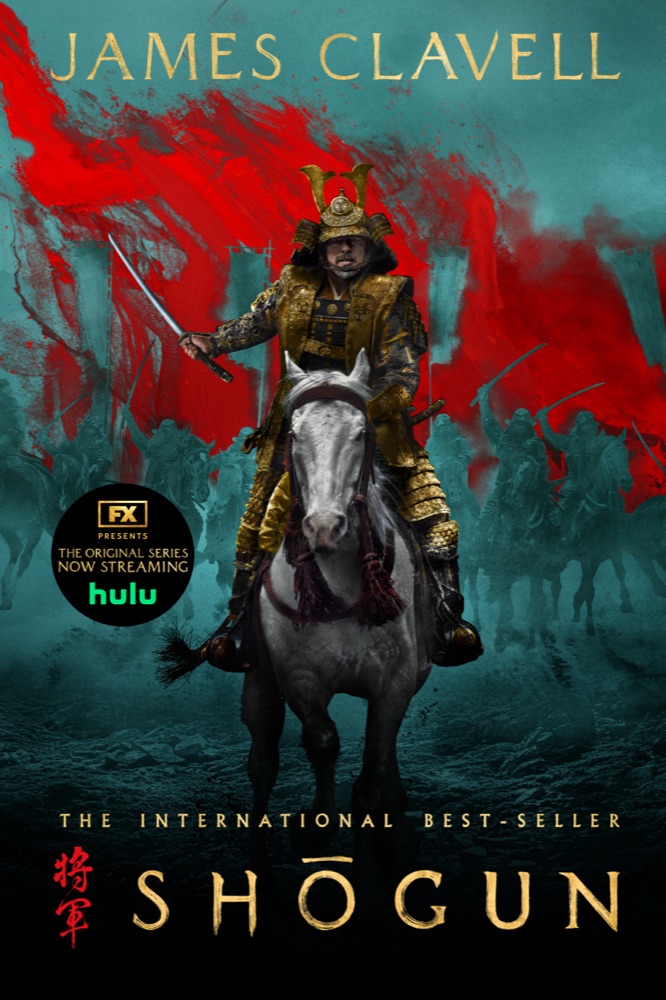 Shōgun
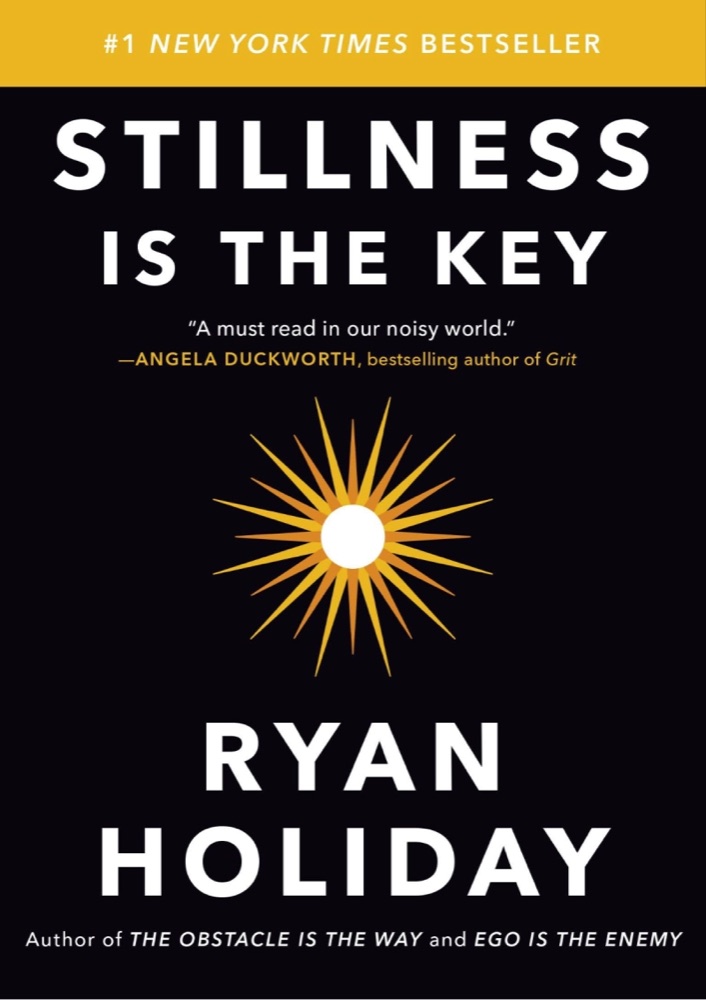 Stillness Is the Key
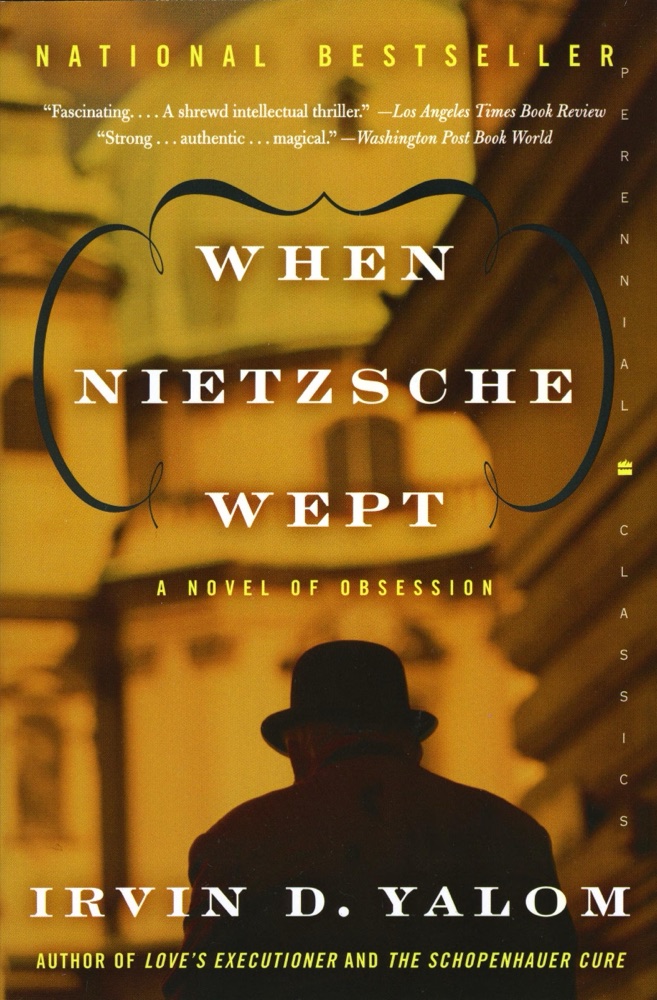 When Nietzsche Wept
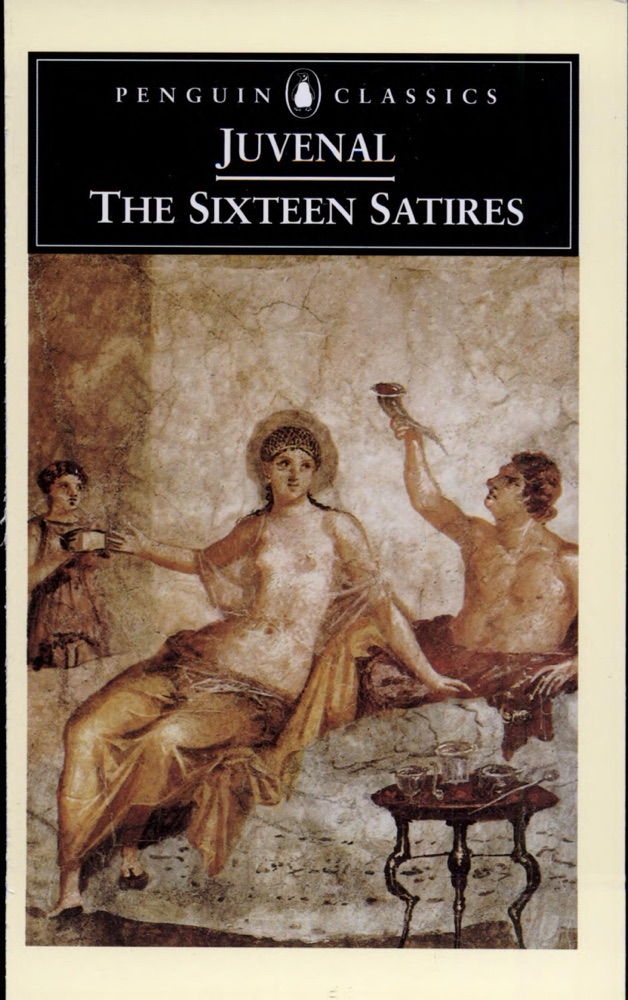 The Sixteen Satires
 The Mirror & the Light