
 The Daily Stoic: 366 Meditations on Wisdom, Perseverance, and the Art of Living
Quotes from the Book
You and I, we’re responsible for our own flourishing. We’re responsible for not letting our happiness depend on external circumstances—we shouldn’t let the rain, annoying strangers, or a leaking washing machine decide upon our wellbeing. Otherwise, we become helpless victims of life circumstances out of hand. As a Stoic student, you learn that only you can ruin your life and only you can refuse to let your inner self be conquered by whatever nasty challenge life throws at you.
6
remember that things don’t happen against you. So remove your sense of having been wronged. You haven’t. The universe isn’t against you.
4
Self-Discipline (or temperance) is about knowing how to act and feel right, despite emotions such as strong desire, inner resistance, or lust. Self-discipline includes orderliness, self-control, forgiveness, and humility. It opposes the vice of excess.
4
No tree becomes deep-rooted and sturdy unless strong winds blow against it. This shaking and pulling is what makes the tree tighten its grip and plant its roots more securely; the fragile trees are those grown in a sunny valley.
4
We must realize that external events are neutral, and only how we choose to react to them makes them good or bad.
3
No need to justify bad results, there are just too many uncontrollable factors influencing the outcome.
3
We must keep in mind that happiness depends more on what we make of what happens rather than what happens in the first place.
3
We’re responsible for not letting our happiness depend on external circumstances—we shouldn’t let the rain, annoying strangers, or a leaking washing machine decide upon our wellbeing.
3
If we want to be the best we can be in every situation, if we want to live with areté, then we need to be aware of our every step.
2
nobody will ever be perfect in all their actions and, as long as we’re trying our best, this doesn’t matter. The world isn’t black and white, we can’t always tell what the right thing to do is, but we can always try to act with our best intention.
2
Practice 1 The Stoic Art of Acquiescence: Accept And Love Whatever Happens “O world, I am in tune with every note of thy great harmony. For me nothing is early, nothing late, if it be timely for thee. O Nature, all that thy seasons yield is fruit for me.” – Marcus Aurelius
2
Don’t explain your philosophy. Embody it.” – Epictetus
2
I made a prosperous voyage when I suffered shipwreck.” – Zeno of Citium
2
In Stoicism, what you do with the given circumstances matters much more. Stoics recognized that the good life depends on the cultivation of one’s character, on one’s choices and actions rather than on what happens in the uncontrollable world around us.
2
The sword of justice is ill-placed in the hands of an angry man.
2
Often injustice lies in what you aren’t doing, not only in what you are doing.” – Marcus Aurelius
1
The blazing fire makes flames and brightness out of everything thrown into it.” – Marcus Aurelius
1
Seneca eloquently expressed something similar, “Life is neither good nor bad; it is the space for both good and bad.” Life and all its various situations can be used wisely or foolishly, it’s our actions that make it good or bad. That’s important. Although external things are indifferent, how we handle them is not. It’s exactly the way of use of indifferent things that makes a happy or crappy life.
1
You know if you do your very best, you will succeed no matter what. It’s all you can do. If you try your absolute best at your job, in your relationships, and for your health, then you’ll always feel confident and at peace with yourself.
1
The impediment to action advances actions. What stands in the way becomes the way.” – Marcus Aurelius
1
Demonstrate rather than instruct what you learn.
1
We waste our lives chasing after an illusion of Happiness, based on a mixture of hedonism, materialism and egotism—crazy, self-defeating values absorbed from the foolish world around us.
1
Practice 10 Review Your Day: The Stoic Evening Routine “I make use of this opportunity, daily pleading my case at my own court. When the light has been taken away and my wife has fallen silent, aware as she is of my habit, I examine my entire day, going through what I have done and said. I conceal nothing from myself, I pass nothing by. I have nothing to fear from my errors when I can say: ‘See that you do not do this anymore. For the moment, I excuse you.’” – Seneca
1
Practice 9 Prepare Yourself for the Day: The Stoic Morning Routine “When you first rise in the morning tell yourself: I will encounter busybodies, ingrates, egomaniacs, liars, the jealous and cranks. They are all stricken with these afflictions because they don’t know the difference between good and evil.” – Marcus Aurelius
1
Practice 8 Voluntary Discomfort “But neither a bull nor a noble-spirited man comes to be what he is all at once; he must undertake hard winter training, and prepare himself, and not propel himself rashly into what is not appropriate to him.” – Epictetus
1
Attention (prosochê) is the fundamental Stoic spiritual attitude,” explains author Pierre Hadot.
1
We negate our very humanity and fall to the state of a sheep when we let our actions become impulsive and inconsiderate.
1
A good character is the only guarantee of everlasting, carefree happiness.” – Seneca
1
Stoicism has nothing to do with suppressing or hiding one’s emotions or being emotionless. Rather, it’s about acknowledging our emotions, reflecting on what causes them, and learning to redirect them for our own good. In other words, it’s more about unslaving ourselves from negative emotions, more like taming rather than getting rid of them.
1
Live with Areté: Express your highest self in every moment. If we want to be on good terms with our highest self, we need to close the gap between what we’re capable of and what we’re actually doing. This is really about being your best version in the here and now. It’s about using reason in our actions and living in harmony with deep values. This is obviously easier said than done, what supports this ambitious goal is to separate good from bad and focus on what we control.
1
Watch on YouTube
About Jonas Salzgeber
We have collected 30 quotes from 1 book by Jonas Salzgeber on BookQuoters.
More about the author →About the book
"How long are you going to wait before you demand the best for yourself?" – Epictetus, Stoic philosopher
Where can you find joy? Gain strength? How should we face our fears? Deal with the death of a loved one? And what about those reoccurring depressing thoughts?
While traditional schooling doesn't address such questions, it's exactly what ancient schools of philosophy were all They taught you how to live. Even though these schools don't exist anymore, you and I and most people are in as much need of a philosophy that guides us through life as we ever were.
This compelling, highly actionable guide shows you how to deal more effectively with whatever life throws at you and live up to your best self.
A mix of timeless wisdom and empowering advice, The Little Book of Stoicism will point the way to anyone seeking a calm and wise life in a chaotic world.
Book details
- First published
- 2019
- Author
- Jonas Salzgeber
- Genre
- Philosophy
- Goodreads rating
- 4.19 (7k ratings)
Keep reading
The Daily Stoic: 366 Meditations on Wisdom, Perseverance, and the Art of Living
 Stoicism and the Art of Happiness
 The Obstacle Is the Way: The Timeless Art of Turning Trials into Triumph
 The Socrates Express: In Search of Life Lessons from Dead Philosophers
 A Guide to the Good Life: The Ancient Art of Stoic Joy
 The Art of Living: The Classical Manual on Virtue, Happiness and Effectiveness
 Stillness Is the Key
 How to Be Free: An Ancient Guide to the Stoic Life
 Letters from a Stoic
 How to Be Perfect: The Correct Answer to Every Moral Question
 A Calendar of Wisdom: Daily Thoughts to Nourish the Soul
 How to Stop Worrying and Start Living
 365 Tao: A Study of Taoist Wisdom for Daily Life
 Resilience: Hard-Won Wisdom for Living a Better Life
 Be Water, My Friend: The Teachings of Bruce Lee
 The Daily Laws: 366 Meditations
 Way of the Peaceful Warrior: A Book That Changes Lives
 Your Erroneous Zones: Step-By-Step Advice for Escaping the Trap of Negative Thinking and Taking Control of Your Life
 How to Use Your Enemies
 Change Your Thoughts - Change Your Life: Living the Wisdom of the Tao
 12 Rules for Life: An Antidote to Chaos
 Discourses and Selected Writings
 Awaken The Giant Within
 How to Be a Stoic: Using Ancient Philosophy to Live a Modern Life
 Tribe Of Mentors: Transformative Wisdom From Icons and Innovators to Help You Navigate Life's Challenges
 The Art of Power
 Self-Reliance: An Excerpt from Collected Essays, First Series
 Buddha's Brain: The Practical Neuroscience of Happiness, Love, and Wisdom
 Will
Will
 Striking Thoughts: Bruce Lee's Wisdom for Daily Living
 The Heart of the Buddha's Teaching: Transforming Suffering into Peace, Joy, and Liberation
 The Four Agreements: A Practical Guide to Personal Freedom
 The Happiness Hypothesis: Finding Modern Truth in Ancient Wisdom
 Meditations
 Happiness: A Guide to Developing Life's Most Important Skill
 The Consolations of Philosophy
 The Subtle Art of Not Giving a F*ck: A Counterintuitive Approach to Living a Good Life
 The Happiness Equation: Want Nothing + Do Anything = Have Everything
 Everyday Zen: Love & Work
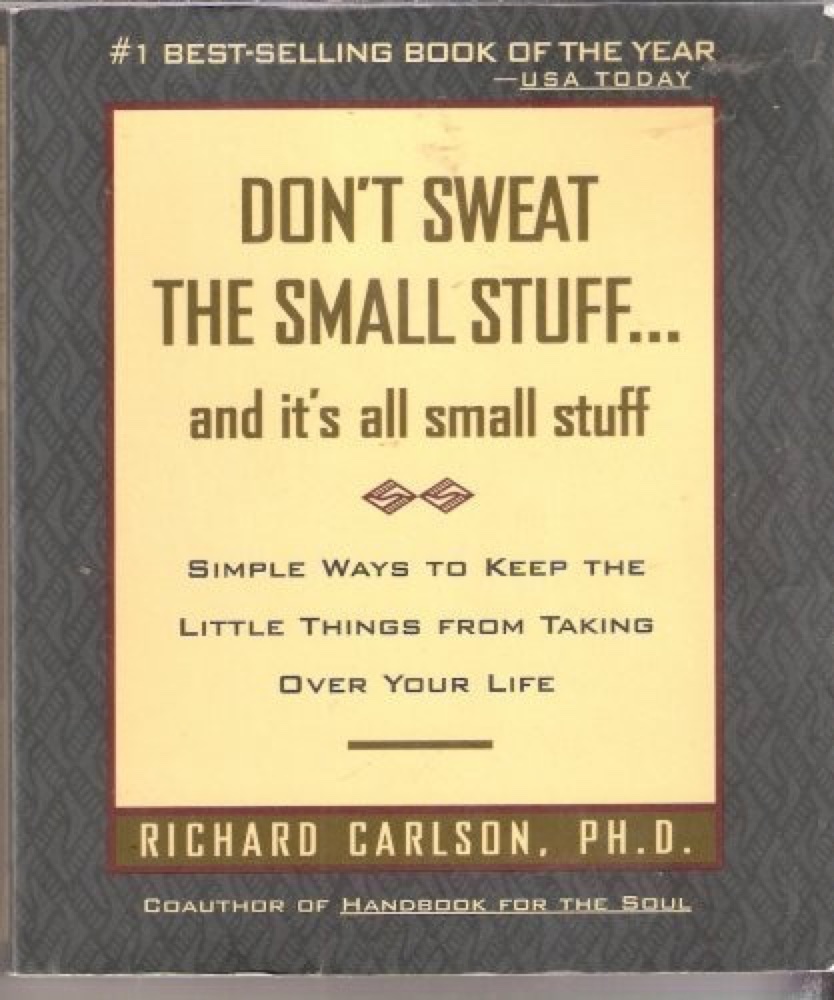 Don't Sweat the Small Stuff ... and it's all small stuff: Simple Ways to Keep the Little Things from Taking Over Your Life
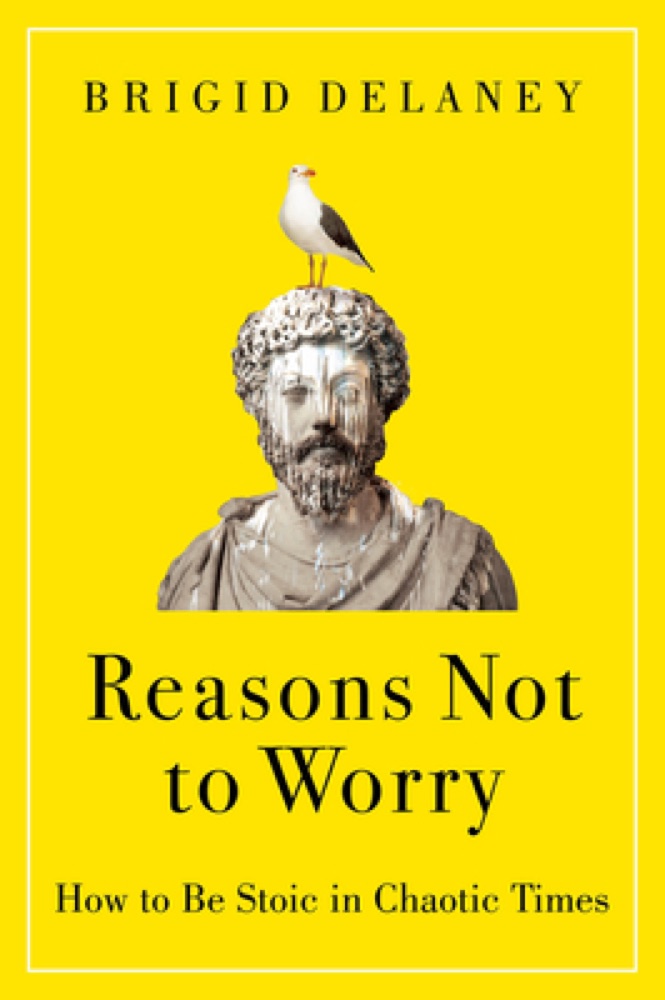 Reasons Not to Worry: How to Be Stoic in Chaotic Times―A Practical Guide to Stoicism for Self-Improvement and Personal Growth
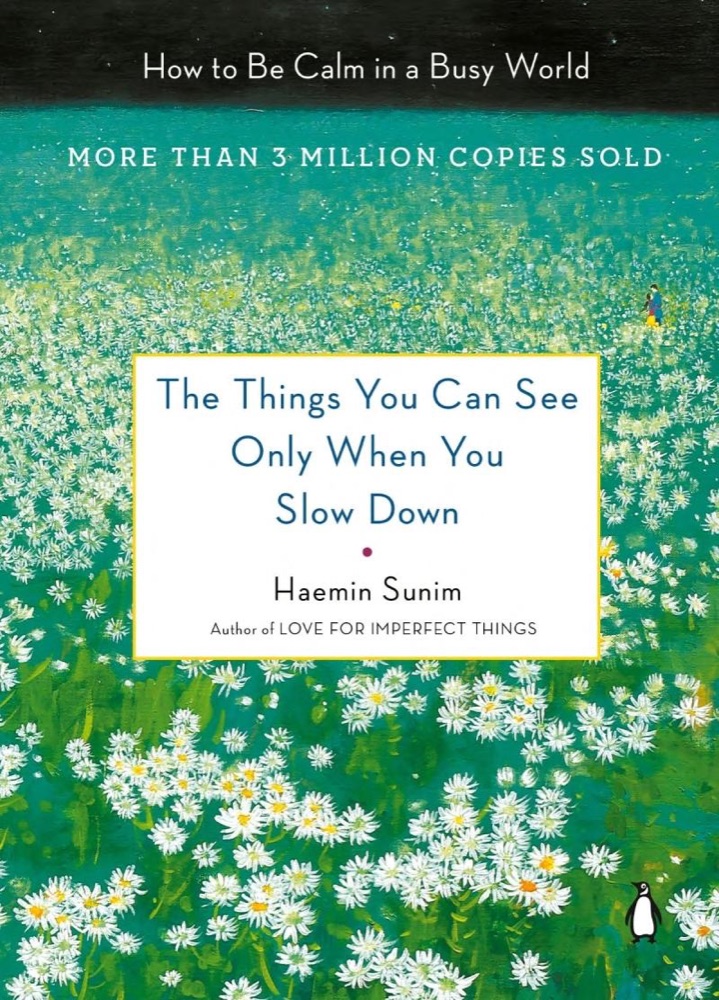 The Things You Can See Only When You Slow Down: How to Be Calm in a Busy World
 When Things Fall Apart: Heart Advice for Difficult Times
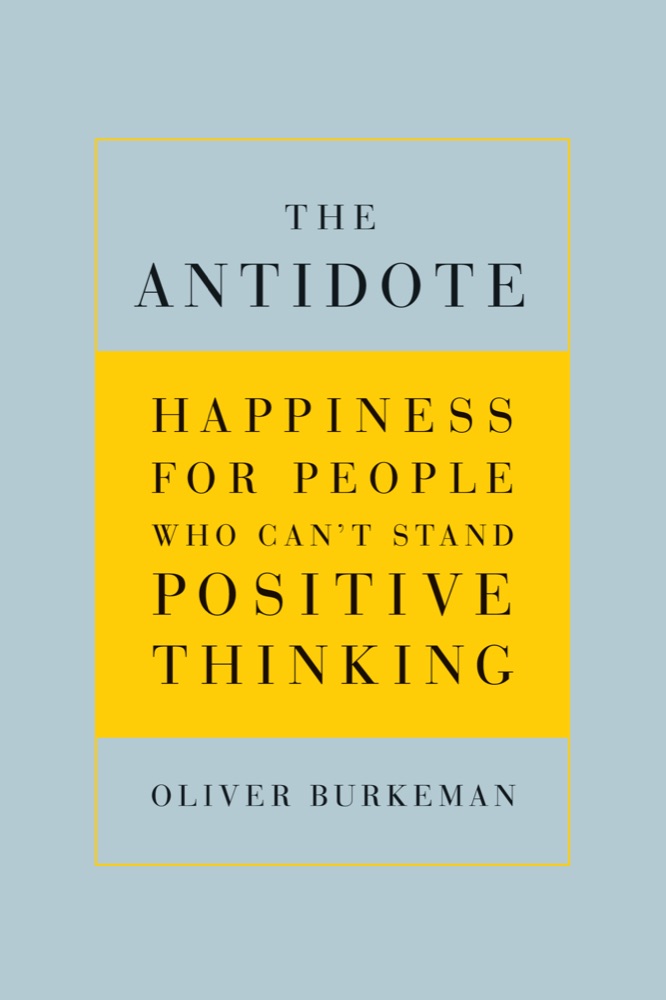 The Antidote: Happiness for People Who Can't Stand Positive Thinking
 Buddhist Boot Camp
 Be Useful: Seven Tools for Life
 Peace Is Every Step: The Path of Mindfulness in Everyday Life
 Finding Flow: The Psychology of Engagement with Everyday Life
 Thrive: The Third Metric to Redefining Success and Creating a Life of Well-Being, Wisdom, and Wonder
 The Path: What Chinese Philosophers Can Teach Us About the Good Life
 The Places That Scare You: A Guide to Fearlessness in Difficult Times
 Discipline Equals Freedom: Field Manual
 The Emperor's Handbook
 The 7 Habits of Highly Effective People: Personal Workbook
 You Learn by Living: Eleven Keys for a More Fulfilling Life
 The Courage to Be Disliked: How to Free Yourself, Change Your Life and Achieve Real Happiness
 The Book of Chuang Tzu
 The Mindful Athlete: Secrets to Pure Performance