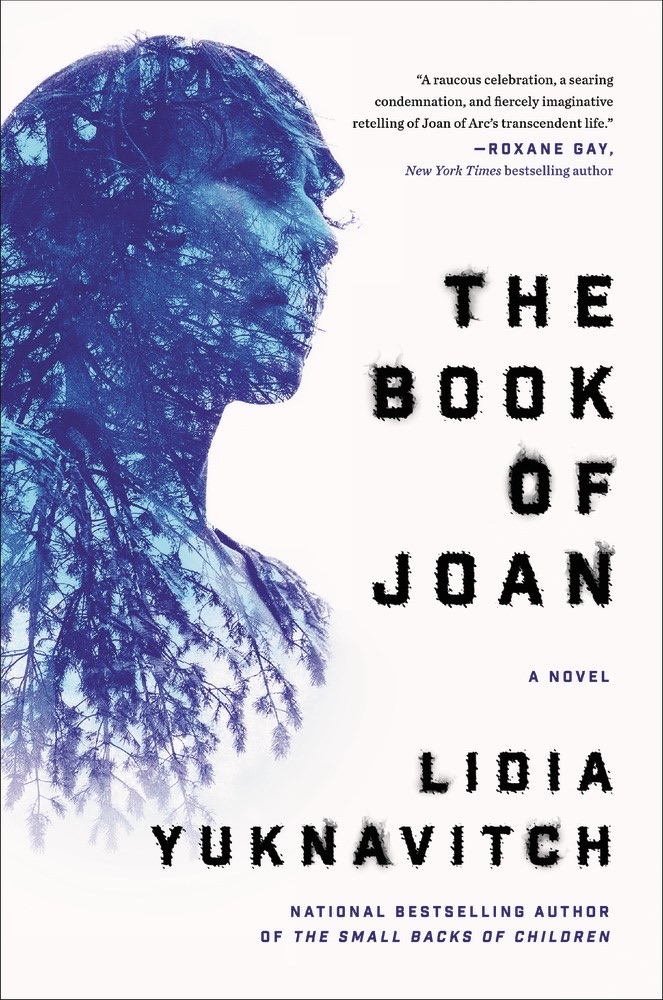

 The Small Backs of Children
Quotes from the Book
We are what happens when the seemingly unthinkable celebrity rises to power. Our existence makes my eyes hurt.
9
What if, for once in history, a woman's story could be untethered from what we need it to be in order to feel better about ourselves?
7
If we look at history - those of us who study it, who can remember it - we understand the reason why those who come to power swiftly, amid extreme national crises, are so dangerous: during such crises, we all turn into children aching for a good father. And the truth is, in our fear and despair, we'll take any father. Even if his furor is dangerous. It's as if humans can't understand how to function without a father. Perhaps especially then, we mistake heroic agency for its dark other.
4
When they own languages, she thought, we are terrorists. When we own them, we are revolutionaries.
4
Two things have always ruptured up and through hegemony: art and bodies.
4
Everyone’s last wish turned out to be love: may I be consumed by the simplicity and purity of a love story, any love, base love or heroic love or transgressive love or love that is a blind and lame and ridiculous lie—anything the opposite of alone and lonely and sexless, and the absence of someone to care about or talk to.
4
too—my god, what kind of brutal abomination dismisses the suffering of the majority of the world’s population as worth sustaining a tiny number of pinheaded elites—is proof enough that we don’t deserve a future. I
4
To move violently and beautifully through skin, to enter matter-isn't that evolution's climax?
3
One life is all we have, and we live it as we believe in living it. But to sacrifice what you are, and to live without belief-that is a fate more terrible than dying.
2
People are forever thinking that the unthinkable can't happen.
2
It's like we're stars in space. It's like space is the theater and we are the bits of stardust and everything everywhere is the story.
1
The stars were never there for us -- we are not the reason for the night sky. The stars
1
As Earth's resources dwindle, technology is seized by those who kill best
1
The first time, I was very much afraid. Then I was not. And never have been after
1
It was the raging stubbornness of living organisms that simply would not give in.
1
I don’t care which careful slice of history you choose to cling to, there is no part of being human that does not include the death spectacle: the resort to killing, through war or “justice” or revenge. Curious ways of practicing our humanity, we humans have.
What I want to tell you is bigger than this beautiful piece of paper. But it's all I have. This: you deserve so much better than me -- the dumb and useless body that's left of the story. You deserve a world better than this. You deserve whatever comes after human progress and its puny failures. You deserve the word "love," spoken over and over again and untethered from prior lexicons, an erotic and unbound universe, the dead light of stars yet aching to stitch your name across the night sky, the ocean waters singing your body hymn to shore day into night into day.
On her side, there was a hatred there, too, if she was being honest with herself: for what we had made of ourselves, for the fictions we consistently chose that forced our own undoing; for our fear of otherness; for our inability to conquer ego, our seemingly tsunami-like thirst for never-ending consumption at the price of the planet.
Child armies were born quickly and organically, in the moment after the family, as a unit of social organization, broke down and lost its role within the social structure. At first their emergence seemed only expedient, only circumstantial: there were child porters, spies, messengers, scouts. It took only a little longer until there were child shields, and finally child soldiers, in every army. But then the world has always made violent use of children. The rhetoric of protecting children from war, shielding the most vulnerable from our most horrific truths, was always a hypocrisy designed to protect the illusions that adults carry that we care more about our children than we do about ourselves, until finally that pretense, too, fell.
I've been thinking about how our desires and fears manifest in our bodies, and how our bodies, carrying these stories, resist the narratives our culture places on top of us, starting the moment we are born. It's our idiotic minds that overwrite everything. But the body has a point of view. It keeps its secrets. Makes its own stories. By any means necessary.
I stopped caring about reason when we ascended and untethered ourselves from the grime and pulse of humanity, when we turned on ourselves and divided ourselves and proved what we had been all along: ravenous immoral consumers. Eaters of everything alive, as long as it sustained a story that gave us power over the struggling others.
Men are among the loneliest creatures. They lose their mothers and cannot carry children, and have nothing to comfort themselves with but their vestigial cockular appendages. This is perhaps the reason they move ever warward when they are not moving fuckward. Now that the penis is defunct, a curling-up little insect, well, who can blame them for their behaviors?
To have a story was to have a self.
It’s like we’re stars in space. It’s like space is the theater and we are the bits of stardust and everything everywhere is the story.
we understand the reason why those who come to power swiftly, amid extreme national crises, are so dangerous: during such crises, we all turn into children aching for a good father. And the truth is, in our fear and despair, we’ll take any father. Even if his furor is dangerous. It’s as if humans can’t understand how to function without a father. Perhaps especially then, we mistake heroic agency for its dark other.
The fastest way to drive living beings mad, then as today, is to confine them to a small, stimulus-less place and deprive them of any interaction with their species. We’ve taken the idea one more step. We can see one another. Hear one another. But we cannot reach one another, which creates a heightened longing impossible to name.
Watch on YouTube
About Lidia Yuknavitch
We have collected 100 quotes from 4 books by Lidia Yuknavitch on BookQuoters.
More about the author →More by Lidia Yuknavitch

About the book
In the near future, world wars have transformed the earth into a battleground. Fleeing the unending violence and the planet’s now-radioactive surface, humans have regrouped to a mysterious platform known as CIEL, hovering over their erstwhile home. The changed world has turned evolution on its head: the surviving humans have become sexless, hairless pale-white creatures floating in isolation, inscribing stories upon their skin.
Out of the ranks of the endless wars rises Jean de Men, a charismatic and bloodthirsty cult leader who turns CIEL into a quasi-corporate police state. A group of rebels unite to dismantle his iron rule—galvanized by the heroic song of Joan, a child-warrior who possesses a mysterious force that lives within her and communes with the earth. When de Men and his armies turn Joan into a martyr, the consequences are astonishing. And no one—not the rebels, Jean de Men
Book details
- First published
- 2017
- Author
- Lidia Yuknavitch
- Genre
- Fiction
- Goodreads rating
- 3.01 (6k ratings)
The buzz
- The New York TimesReview in The New York Timesprofessional review (via Book Marks)
- The Washington PostReview in The Washington Postprofessional review (via Book Marks)
- NPRReview in NPRprofessional review (via Book Marks)
- Kirkus ReviewsReview in Kirkus Reviewsprofessional review (via Book Marks)
- Publishers WeeklyReview in Publishers Weeklyprofessional review (via Book Marks)
- LA Review of BooksReview in LA Review of Booksprofessional review (via Book Marks)
Keep reading
 The Stone Gods
 The Ground Beneath Her Feet
 Two Years Eight Months and Twenty-Eight Nights
 The Stars Are Legion
 Nod
Nod
 The Burning World
 The Fifth Science
 The City in the Middle of the Night
 Thrust
 Scythe
 The Empusium
 Seven Surrenders
 The Stone Sky
 Speaking Bones
 When Women Were Dragons
 The Fall
 The Tsar of Love and Techno
 The Long Way to a Small, Angry Planet
 Blackfish City
 Haunted
 Too Like the Lightning
 The Fall of Hyperion
 Green Mars
 Sea of Rust
 Fury
Fury
 Genesis
 Arm of the Sphinx
 Perhaps the Stars
 The Future
 Gnomon
 The Fall of Babel
 The Bee Sting
 Tree of Smoke
 The Gone-Away World
 Re: Colonised Planet 5, Shikasta
 The Seven Moons of Maali Almeida
 Drive Your Plow Over the Bones of the Dead
 The State of the Art
 Underground: The Tokyo Gas Attack and the Japanese Psyche
 The Golden Notebook
 Cosmopolis
 Devolution: A Firsthand Account of the Rainier Sasquatch Massacre
 The Man in the High Castle
 The Atlas Complex
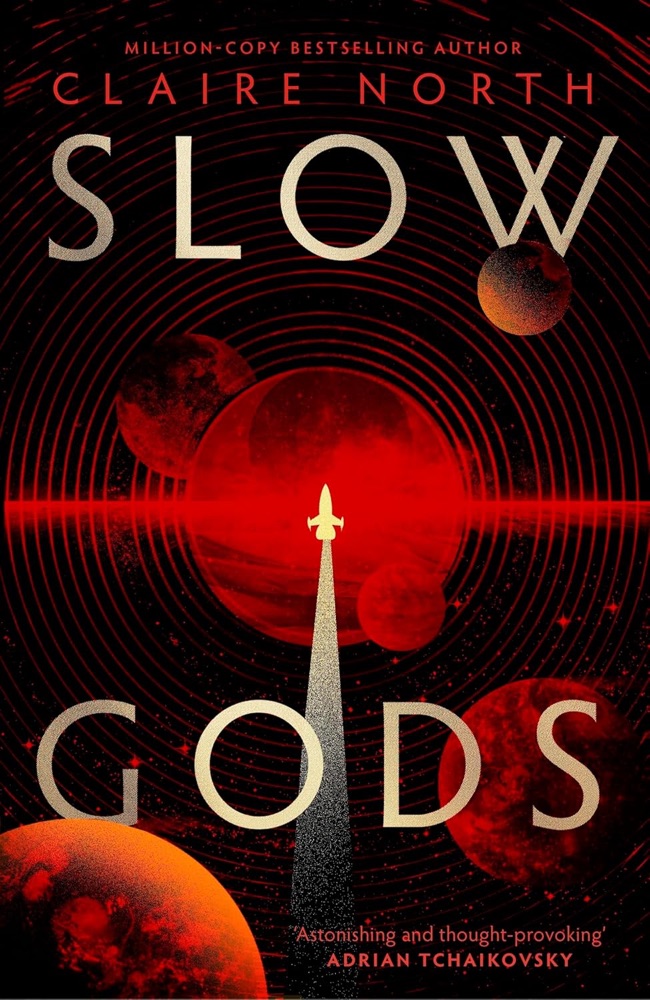 Slow Gods
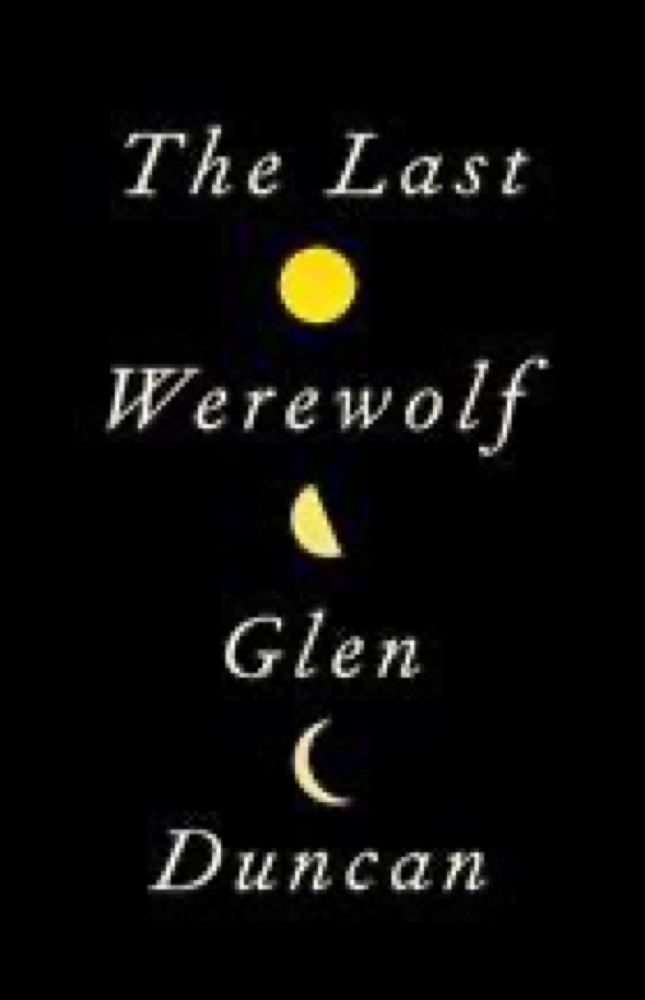 The Last Werewolf
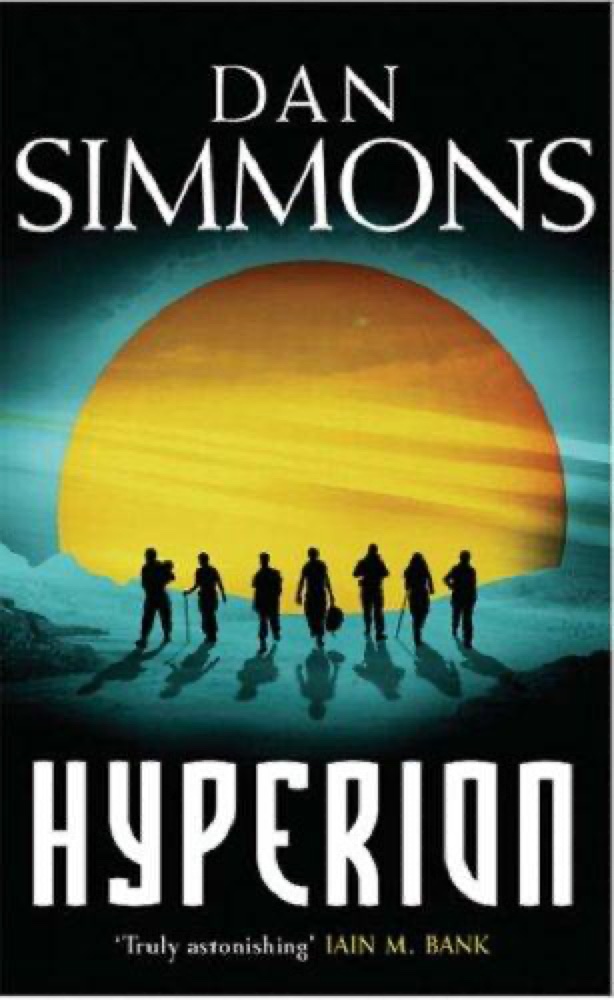 Hyperion
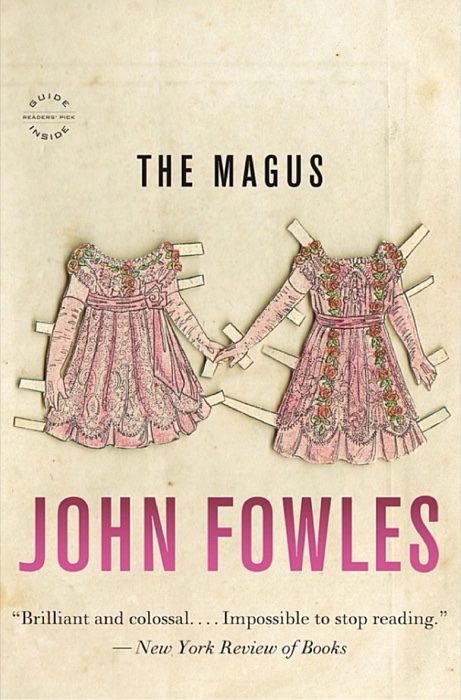 The Magus
The Small Backs of Children
The Magus
The Small Backs of Children
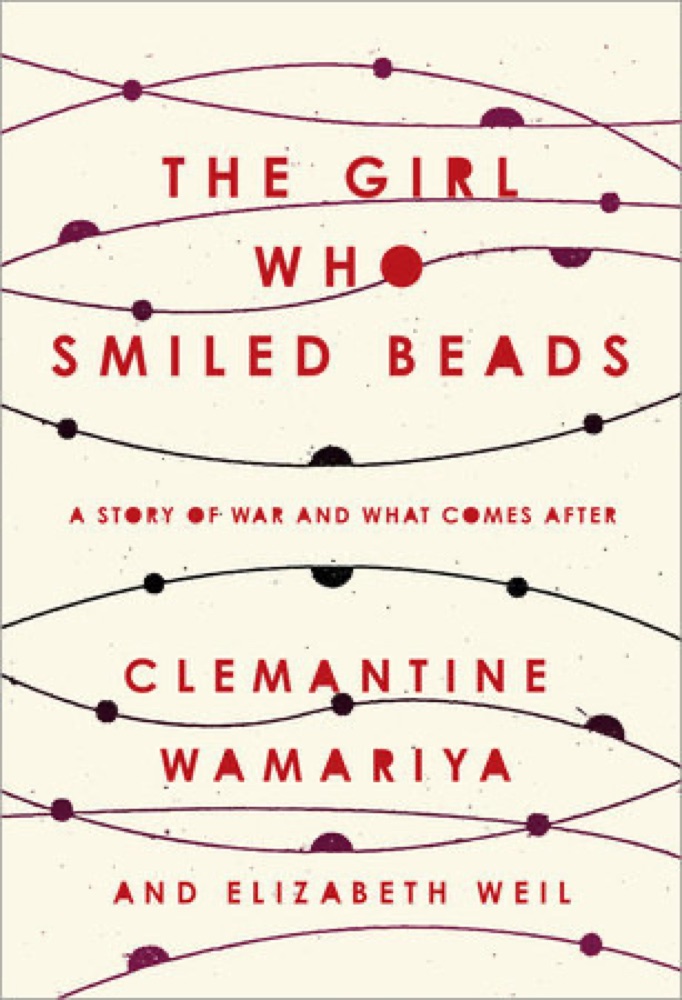 The Girl Who Smiled Beads: A Story of War and What Comes After
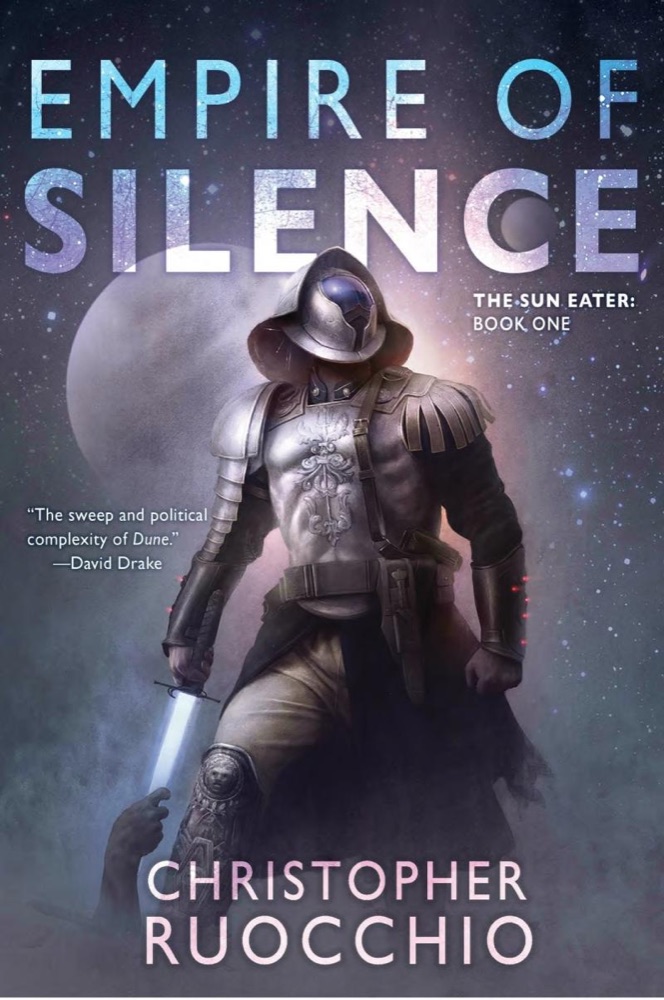 Empire of Silence
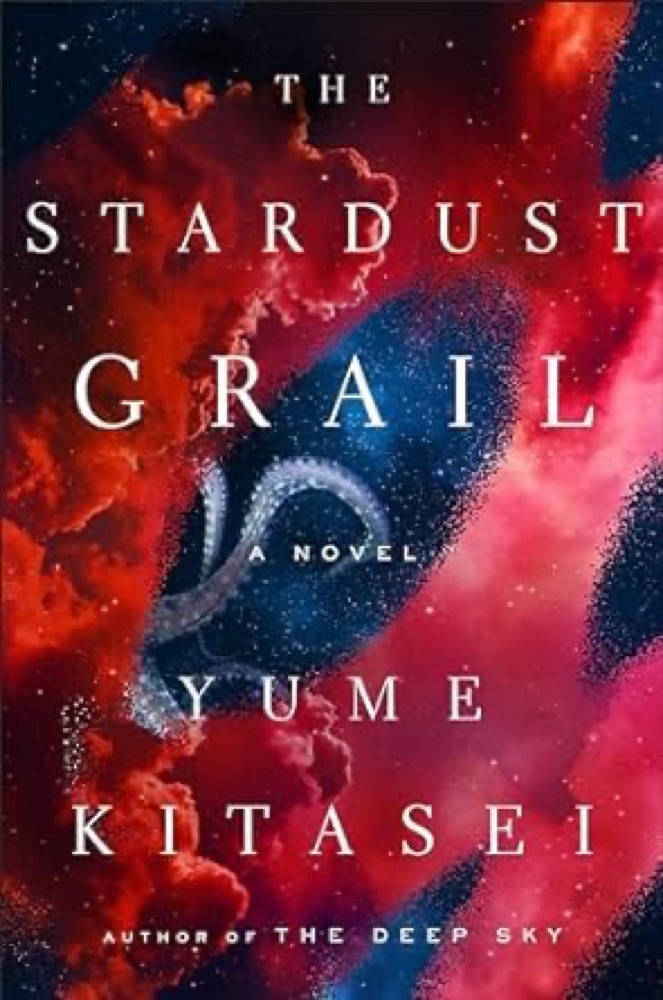 The Stardust Grail
 The Mere Wife
 Wanderers
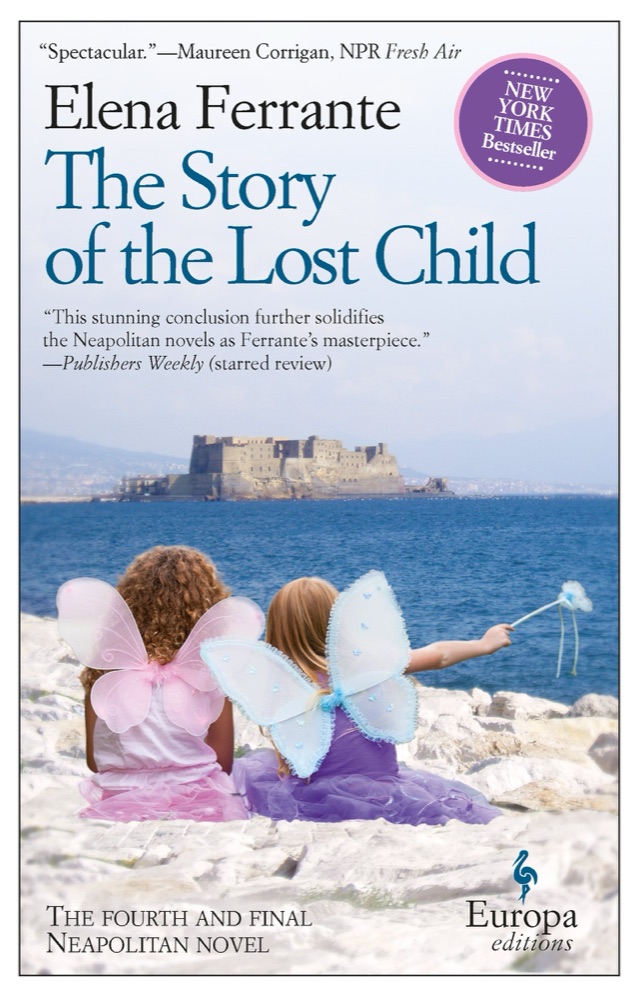 The Story of the Lost Child
 The Humans
 Creation Lake
 The Rise of Endymion
 Good Bones and Simple Murders
 Stella Maris