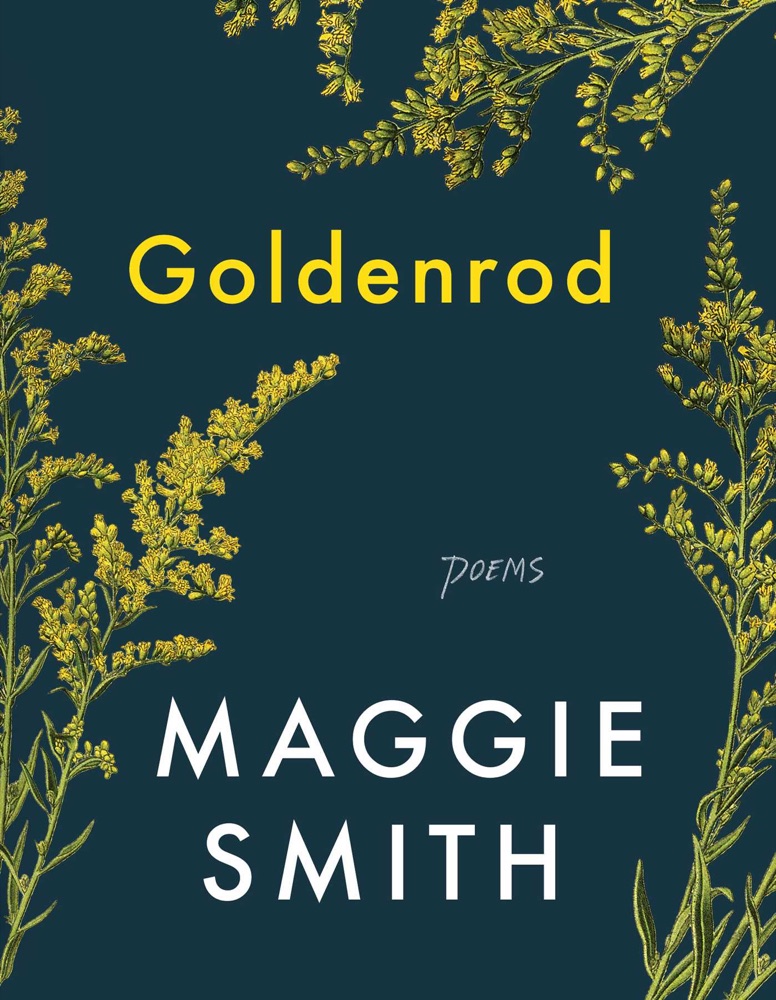
 Goldenrod: Poems
Quotes from the Book
Let everything happen to you: beauty and terror. Just keep going. No feeling is final.
37
How I picture it: We are all nesting dolls, carrying the earlier iterations of ourselves inside. We carry the past inside us. We take ourselves–all of our selves–wherever we go. Inside forty-something me is the woman I was in my thirties, the woman I was in my twenties, the teenager I was, the child I was. Inside divorced me: married me, the me who loved my husband, the me who believed what we had was irrevocable and permanent, the me who believed in permanence. I still carry these versions of myself. It's a kind of reincarnation without death: all these different lives we get to live in this one body, as ourselves.
30
I am out with lanterns, looking for myself. —Emily Dickinson
22
When you lose someone you love, you start to look for new ways to understand the world.
19
Wish for more pain,” a friend’s therapist once told her, “because that’s how you’ll change.” It has to hurt so much that you have to do something differently. The pain forces your hand.
17
This is what it is to be rooted in a place, or to have a place rooted inside you: Every bit means something to someone you know, and therefore, every bit means something to you.
13
Life is short and the world is at least half terrible, and for every kind stranger, there is one who would break you, though I keep this from my children. I am trying to sell them the world. Any decent realtor, walking you through a real shithole, chirps on about good bones: This place could be beautiful, right? You could make this place beautiful.
11
In all these places, I loved that person. I loved him. Where does that go? The love is in all of these places—haunting?—and in none of them. The love is everywhere and nowhere.
11
I still carry these versions of myself. It’s a kind of reincarnation without death: all these different lives we get to live in this one body, as ourselves.
11
What would I have done to save my marriage? I would have abandoned myself, and I did, for a time. I would have done it for longer if he’d let me.
11
Here’s the thing: Betrayal is neat. It absolves you from having to think about your own failures, the ways you didn’t show up for your partner, the harm you might have done.
11
We all come into the world unfinished, still stitching ourselves together.
10
Do not be stilled by anger or grief. Burn them both and use that fuel to keep moving. Look up at the clouds and tip your head way back so the roofs of the houses disappear. Keep moving.
9
Torma means “offering cake.” You offer the torma to your don. You feed the ghost that does you harm, “that which possesses you.” Giving it a little something sweet is a way of saying, Thank you for the pain you caused me, because that pain woke me up. It hurt enough to make me change. “Wish for more pain,” a friend’s therapist once told her, “because that’s how you’ll change.” It has to hurt so much that you have to do something differently. The pain forces your hand.
9
I’m trying to tell you the truth, so let me be clear: I didn’t want this lemonade. My kids didn’t want this lemonade. This lemonade was not worth the lemons. And yet, the lemons were mine. I had to make something from them, so I did. I wrote. I’ll drink to that.
8
How I picture it: For months, maybe even years, I folded and folded my happiness until I couldn’t fold it anymore, until it fit under my tongue, and I held it there. I kept silent in order to hold it. I taught myself to read his face and dim mine, a good mirror.
7
As if you have to break someone’s heart to make them strong. I could say you don’t get to take credit for someone’s growth if they grow as a result of what you put them through.
7
The best things to happen to me individually were the worst things to happen to my marriage. And then, this: But the best things remain.
7
Was this my proudest moment? No. I was not my best self that night. I gave all the fucks, I thought. Why was I the one giving all the fucks? Where were his fucks?
6
But the more time passed, the less I hurt. The less I hurt, the more I was able to see how beautiful, how full, my life was. I felt myself smiling as I walked in my neighborhood. My eyes followed the calls of birds to find them in the trees—grackles, woodpeckers, crows, robins, blue jays, cardinals. I’d built a life in which my days were like this: taking long walks, writing, mothering, cackling over coffee or cocktails with friends, sleeping alone some nights, being held close by someone I loved other nights. I was unfolding, learning to take up space. Life began to feel open enough, elastic enough, to contain whatever I might choose for it.
6
It’s a mistake to think of one’s life as plot, to think of the events of one’s life as events in a story. It’s a mistake. And yet, there’s foreshadowing everywhere, foreshadowing I would’ve seen myself if I’d been watching a play or reading a novel, not living a life.
6
Likewise, parents are not wise oracles—they’re just people trying to shepherd other people through the world. We may know the right path to take, but knowing the way and consistently walking it are two different things. Everything we learn, we learn from someone who is imperfect.
6
But feeling lonely when you’re with your partner is worse than being alone. Being with someone who doesn’t want the best for you is worse than being alone. I could say that when I think about my dream partner, what I want in that person is so basic, so low-bar, I’m almost ashamed to say it out loud: Someone who’s happy to see me. Someone who smiles when I walk into a room. Someone who can be happy with me and for me
5
You know what one of the saddest damn things is? One of the parts of all this that I’m grieving the most? When I lost my marriage, I lost all that shared history. I lost the person who knew me in a way no one else does, and when I lost him, I also lost being known like that.
5
I wanted to save my marriage, but I wanted to save it without anyone knowing it needed saving. That is some serious firstborn-daughter energy right there.
5
It’s too late to do anything about the inequity in my now-kaput marriage. But I made the list of tasks anyway. I wanted to see in black and white what I’d been doing in the marriage. Reader, I was going to show you the list, but I decided against it. You don’t need the list. Looking at it, I thought, No wonder so many divorced men get remarried right away and so many divorced women stay on their own.
5
Maybe this is a story of two human beings who committed to each other very young and didn’t survive one another’s changes.
5
BRIDE How long have I been wed to myself? Calling myself darling, dressing for my own pleasure, each morning choosing perfume to turn me on. How long have I been alone in this house but not alone? Married less to the man than to the woman silvering with the mirror. I know the kind of wife I need and I become her: the one who will leave this earth at the same instant I do. I am my own bride, lifting the veil to see my face. Darling, I say, I have waited for you all my life.
4
It was completely illogical: as if part of me wanted him back, and part of me wanted him to disappear, and nothing in between would do. Or: I wanted my husband back, and I wanted the stranger he'd become to disappear.
4
Watch on YouTube
About Maggie Smith
We have collected 67 quotes from 3 books by Maggie Smith on BookQuoters.
More about the author →More by Maggie Smith
Goldenrod: Poems
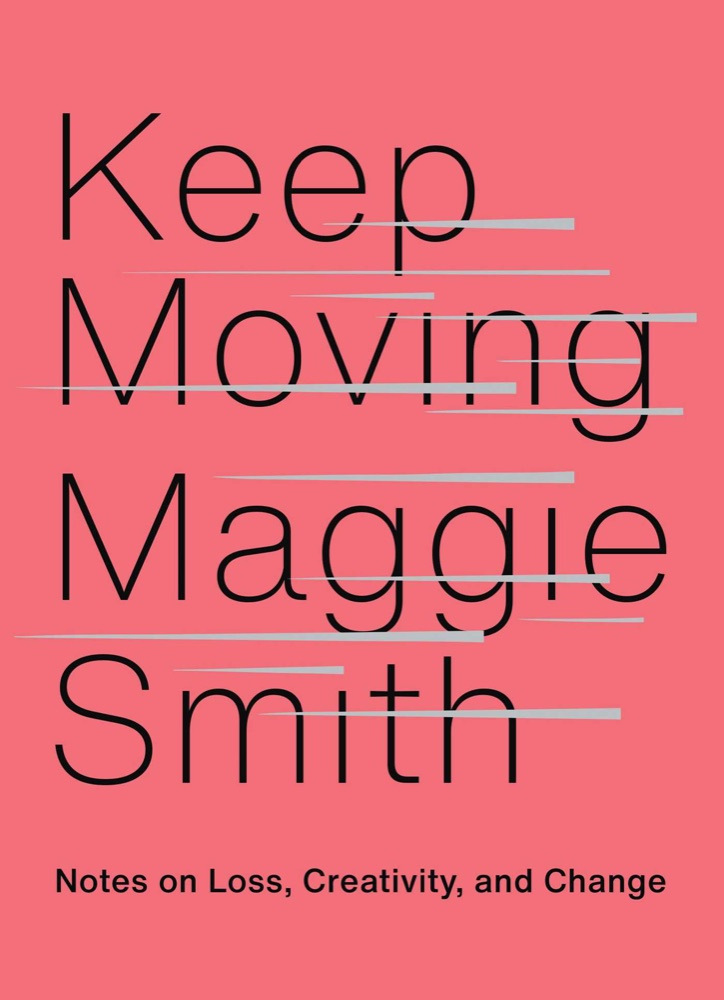 Keep Moving: Notes on Loss, Creativity, and Change
About the book
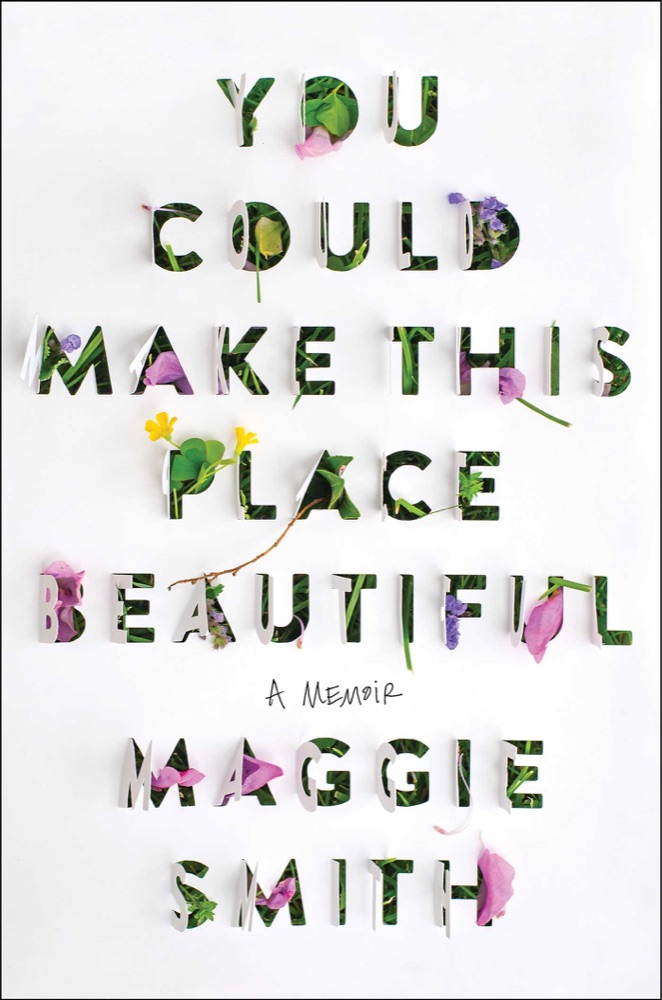
In her memoir You Could Make This Place Beautiful, poet Maggie Smith explores the disintegration of her marriage and her renewed commitment to herself in lyrical vignettes that shine, hard and clear as jewels. The book begins with one woman’s personal, particular heartbreak, but its circles widen into a reckoning with contemporary womanhood, traditional gender roles, and the power dynamics that persist even in many progressive homes. With the spirit of self-inquiry and empathy she’s known for, Smith interweaves snapshots of a life with meditations on secrets, anger, forgiveness, and narrative itself. The power of these pieces is cumulative: page after page, they build into a larger interrogation of family, work, and patriarchy.
You Could Make This Place Beautiful, like the work of Deborah Levy, Rachel Cusk, and Gina Frangello, is an unflinching look at what it means to live and write
Book details
- First published
- 2023
- Author
- Maggie Smith
- Genre
- Biography
- Goodreads rating
- 4.02 (39k ratings)
Keep reading
 A Small Indiscretion
 Your Voice in My Head
 The Chronology of Water
 Managing Expectations: A Memoir in Essays – A Poignant Collection of Personal Stories on Acting, Failure, and Motherhood's Joy
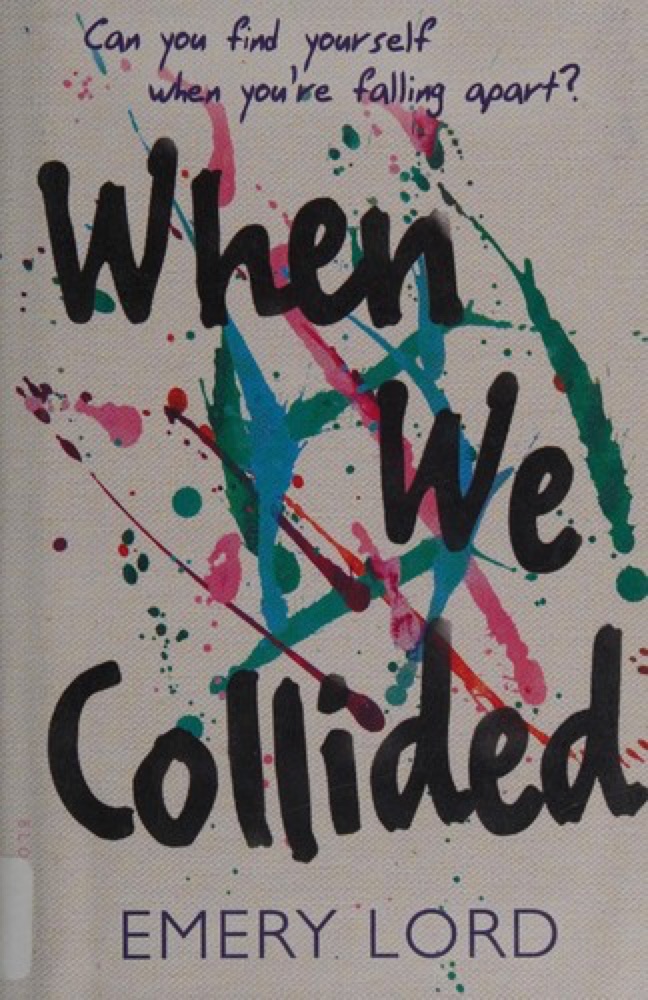 When We Collided
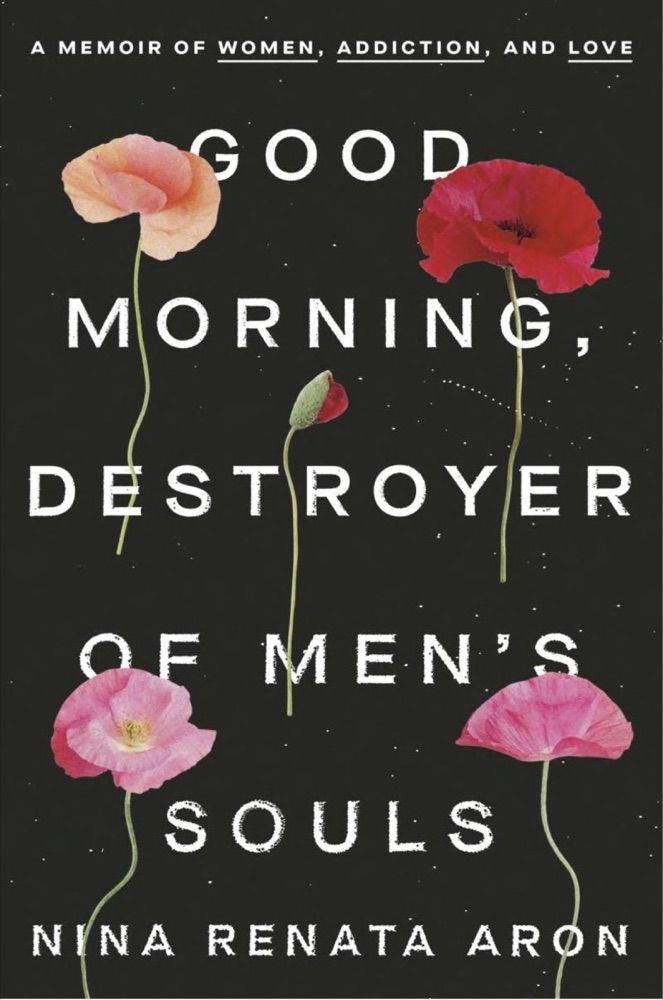 Good Morning, Destroyer of Men's Souls: A Memoir of Women, Addiction, and Love
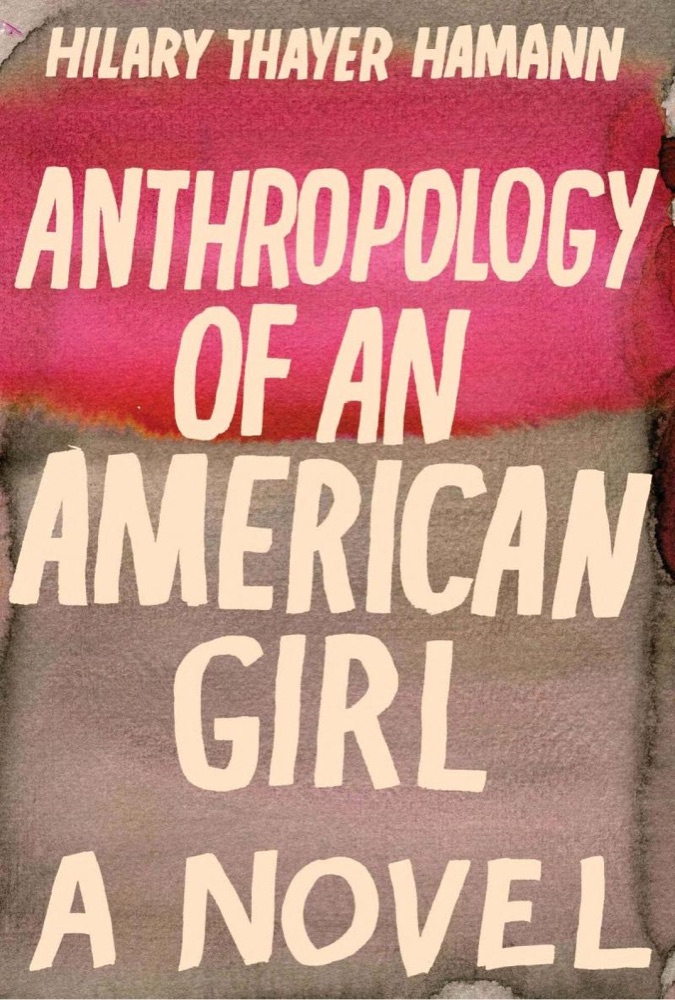 Anthropology of an American Girl
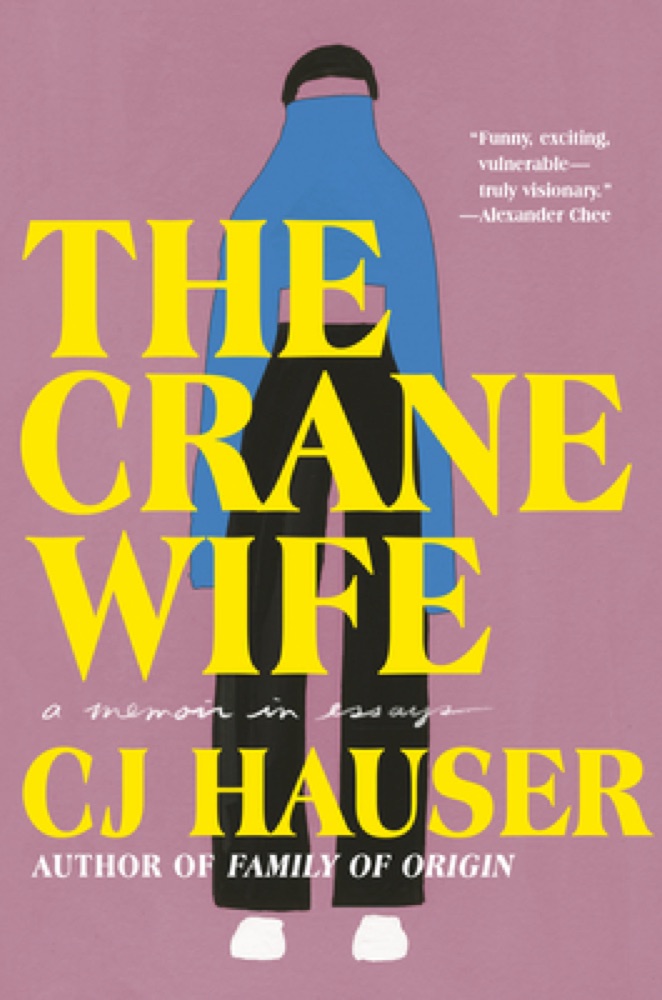 The Crane Wife: A Memoir in Essays
 They're Going to Love You
 These Silent Woods
 This Could Be Us
 Hourglass: Time, Memory, Marriage
 Dearest Josephine
 Notes on Heartbreak
 Love Looks Pretty on You
 All Fours
 Under the Udala Trees
 The Reader
 Broken People
 Dream Count
 Mending the Mind
 All the Lovers in the Night
 More: A Memoir of Open Marriage
 Carry On, Warrior: Thoughts on Life Unarmed
 Belong to Me
 The Folded Clock: A Diary
 Grief Is for People
 Disgrace
 Someday
 Light Filters in: Poems
 Open Book
 What I Loved
 The Stories We Tell: Every Piece of Your Story Matters
 To Shake the Sleeping Self: A Journey from Oregon to Patagonia, and a Quest for a Life with No Regret
 Journal of a Solitude
 Men Without Women
 Am I There Yet? The Loop-de-Loop, Zigzagging Journey to Adulthood
 The Return
 Tonight I'm Someone Else: Essays
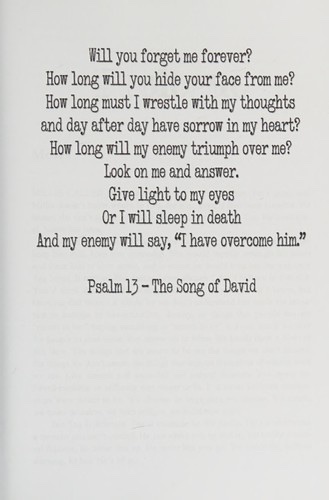 The Song of David
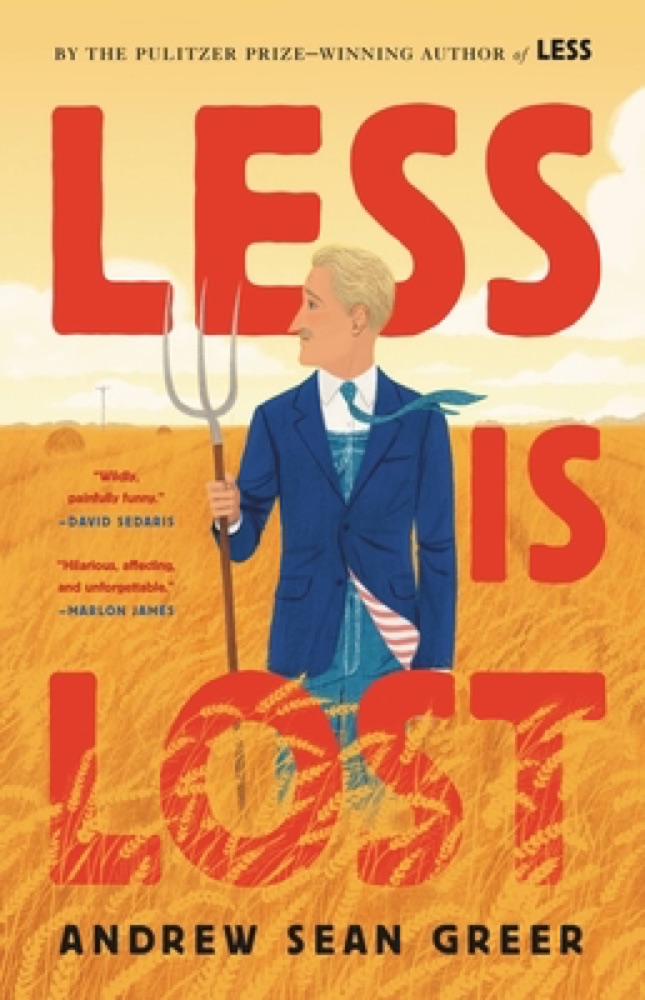 Less Is Lost
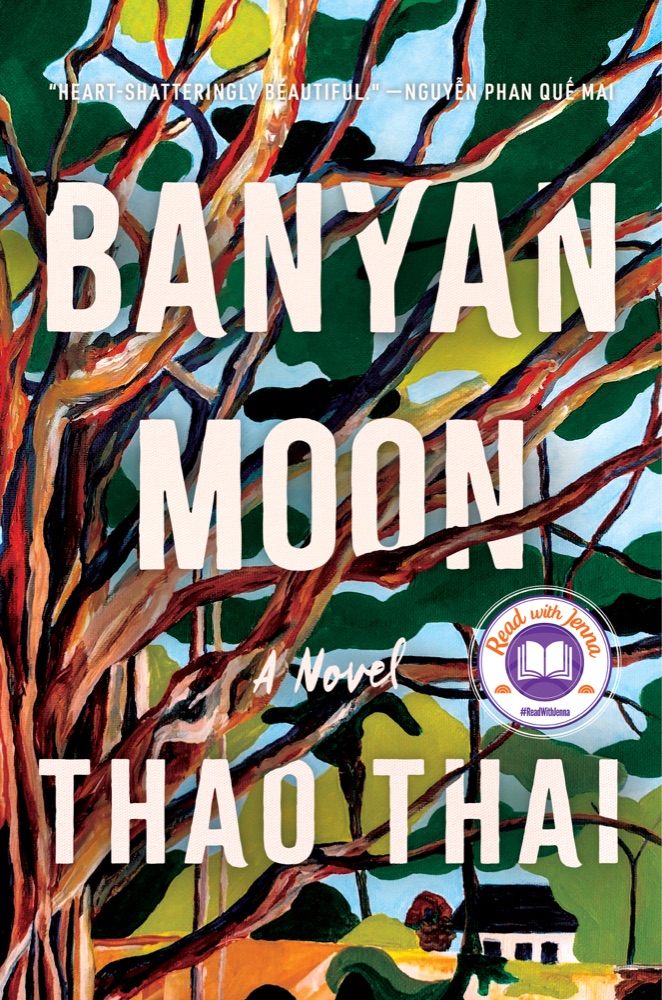 Banyan Moon
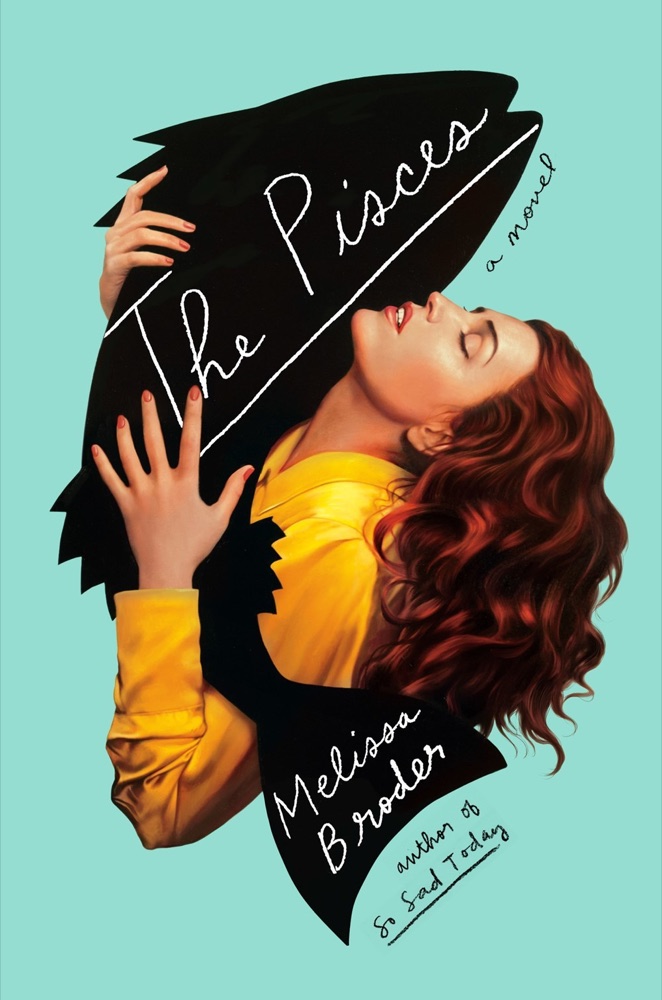 The Pisces
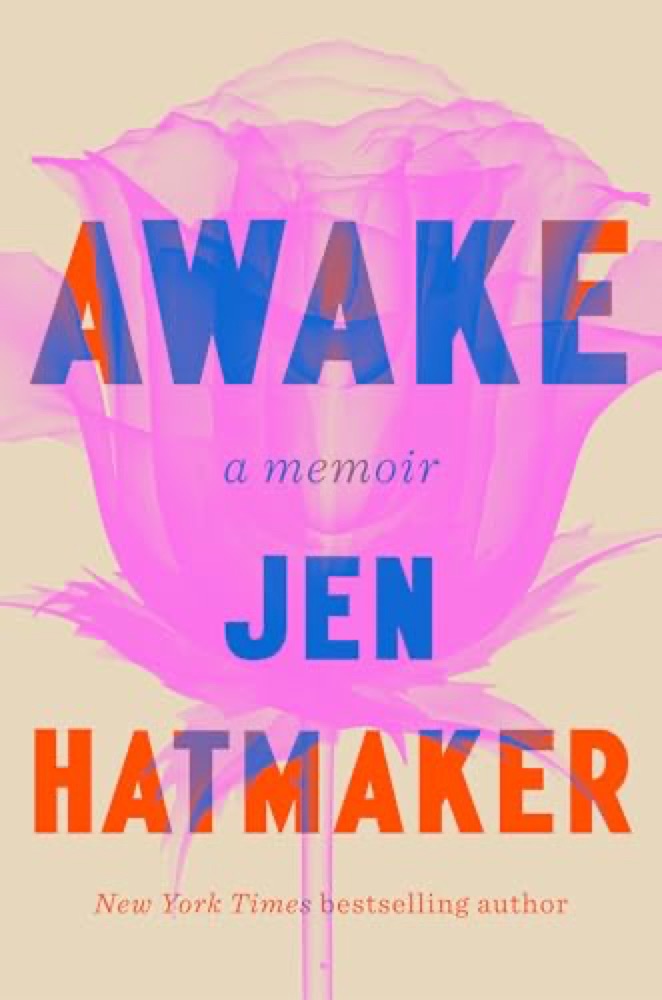 Awake
Awake
 Sad Girls
 Aftermath: On Marriage and Separation
 Breasts and Eggs
 What Comes Next and How to Like It
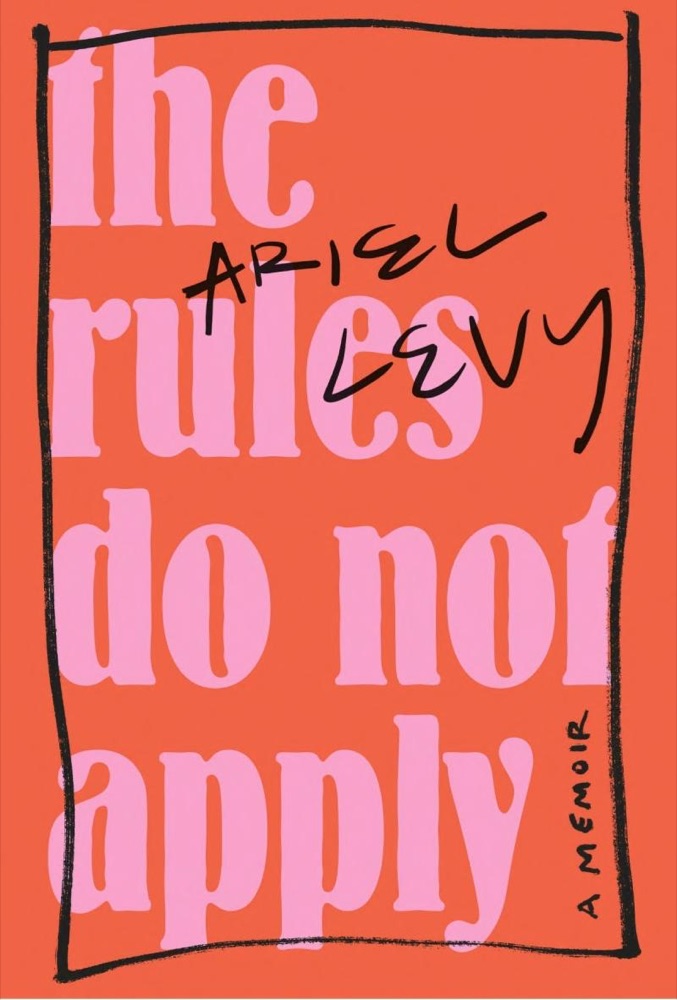 The Rules Do Not Apply
 Fixing Delilah
 Like Streams to the Ocean: Notes on Ego, Love, and the Things That Make Us Who We Are
 Perennials
 Em and The Big Hoom
 Summer Days and Summer Nights: Twelve Love Stories
 Make It Scream, Make It Burn
 Where the Lost Wander
 Now Is the Time to Open Your Heart
 Shoko's Smile: Stories
 We Can Do Hard Things: Answers to Life's 20 Questions