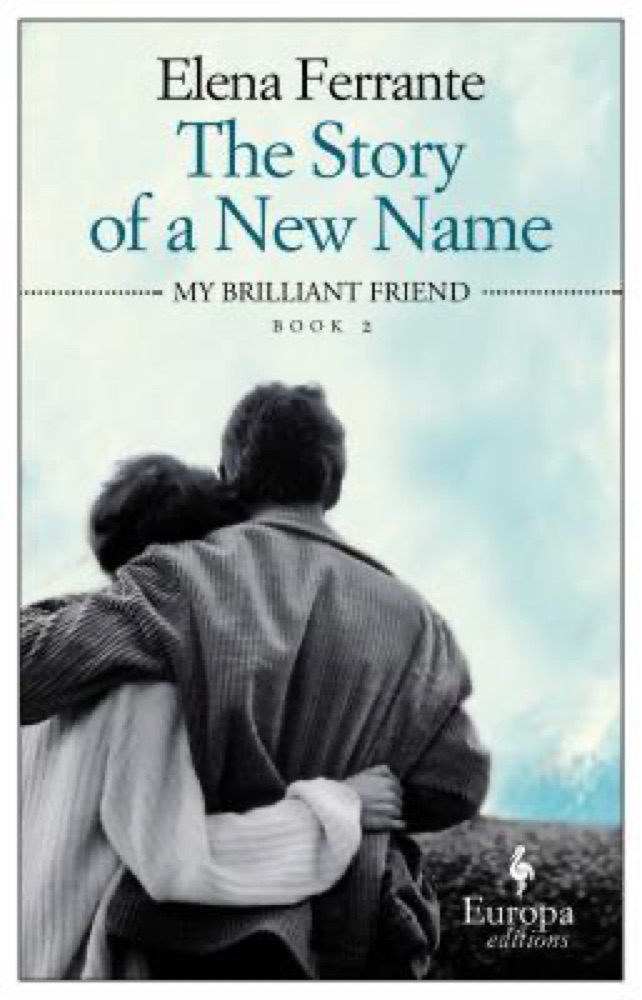
 The Story of a New Name
Quotes from the Book
How foolish to think you can tell your children about yourself before they're at least fifty. To ask to be seen by them as a person and not as a function. To say : I am your history, you begin from me, listen to me, it could be useful to you.
89
Males always have something pathetic about them, at every age. A fragile arrogance, a frightened audacity. I no longer know, today, if they ever aroused in me love or only an affectionate sympathy for their weaknesses.
46
The hardest things to talk about are the ones we ourselves can't understand.
35
You know how children are, sometimes they love you by cuddling you, other times by trying to remake you from the start, reinvent you, as if they thought you were badly brought up and they had to teach you how to get on in the world, what music to listen to, what books to read, what films to see, the words you should use and those you shouldn’t because they’re old now, no one says that anymore.
24
A child, yes, is a vortex of anxieties.
23
A woman's body does a thousand different things, toils, runs, studies, fantasizes, invents, wearies, and meanwhile the breasts enlarge, the lips of the sex swell, the flesh throbs with a round life that is yours, your life, and yet pushes elsewhere, draws away from you although it inhabits your belly, joyful and weighty, felt as a greedy impulse and yet repellent, like an insect's poison injected into a vein.
23
I'm dead, but I'm fine.
13
I had always considered sex an ultimate sticky reality, the least mediated contact possible with another body. Instead, after that experience, I was convinced that sex is an extreme product of the imagination. The greater the pleasure, the more the other is only a dream, a nocturnal reaction of belly, breasts, mouth, anus―of every isolated inch of skin―to the caresses and thrusts of a vague entity definable according to the necessities of the moment.
12
I seemed to be falling backward toward my mother, my grandmother, the chain of mute or angry women I came from.
9
Life can have an ironic geometry. Starting from the age of thirteen or fourteen I had aspired to a bourgeois decorum, proper Italian, a good life, cultured and reflective. Naples had seemed a wave that would drown me. I didn’t think the city could contain life forms different from those I had known as a child, violent or sensually lazy, tinged with sentimental vulgarity or obtusely fortified in defense of their own wretched degradation.
7
All the more reason, then, to wonder why I had confessed what was so much my own to strangers, people very different from me, who would therefore never be able to understand my reasons, and who surely, at that moment, were speaking ill of me. I couldn’t bear it, I couldn’t forgive myself, I felt I had been flushed out.
6
In conversations with my daughters I hear omitted words or phrases. Sometimes they get mad, they say Mama, I never said that, you’re saying it, you invented it. But I invent nothing; you just have to listen—the unspoken says more than the spoken.
6
Languages for me have a secret venom that every so often foams up and for which there is no antidote. I remember the dialect on my mother’s lips when she lost that gentle cadence and yelled at us, poisoned by her unhappiness: I can’t take you anymore, I can’t take any more.
4
They were just like the relations from whom I had fled as a girl. I couldn't bear them and yet they held me tight, I had them all inside me.
3
No one depended anymore on my care and, finally, even I was no longer a burden to myself.
2
I realized long ago that I’ve held onto little of myself and everything of them.
2
I had a sense of dissolving, as if I, an orderly pile of dust, had been blown about by the wind all day and now was suspended in the air without a shape.
2
Sometimes you have to escape in order not to die.
2
I'm dead, but I'm fine
2
It seemed, rather, a way, like many, to convince oneself that there is always a slender branch of one's life to hang on to, and, by being suspended there, get used to the inevitability of falling.
1
Physical tiredness is a magnifying glass.
1
I’ve just finished reading How Hollywood Got Sex and Life All Wrong, from the opening pages to the final lines, and I wanted to reach out personally. What struck me most was the way you handled the honest interplay of personal memory and cultural reflection, weaving an autobiography that critiques the illusions of an industry while affirming the tangible truths of a lived life; it’s rare to see that kind of unvarnished clarity and reflective insight carried so consistently from beginning to end. Your storytelling has a quiet authority to it. The narrative rhythm, the restraint in delivering both personal anecdote and broader commentary, and the way the story trusts the reader to navigate between intimate recollection and cultural observation all signal an author who knows exactly what kind of book they are writing and who they are writing it for. I found myself thinking often about how naturally this memoir speaks to readers who seek authenticity over artifice, and who value a life examined with both honesty and a hint of amused, clear-eyed critique. By way of introduction, I’m Elena Ferrante, author of My Brilliant Friend. Over the years, I’ve become deeply interested not just in the craft of life-writing, but in how the right stories, true stories, find the readers they were always meant to reach, without compromising their integrity or distinctive voice. Because I genuinely admire How Hollywood Got Sex and Life All Wrong, I wondered if you’ve given any thought to strengthening its visibility among the readers who would most deeply connect with it. From time to time, I make quiet introductions to a trusted contact of mine, someone who works closely with thoughtful nonfiction and understands how to support a book’s presence while remaining faithful to the author’s authentic intent. It’s never about noise, only thoughtful positioning and meaningful promotion. I wouldn’t mention this if I didn’t believe your work deserved that kind of careful attention. Your book feels like one that could travel much further, with the right guidance and connections supporting its journey to readers who cherish true stories told with conviction and character.
Why start arguing—better this tranquil lullaby of clichés.
I maschi hanno sempre qualcosa di patetico, a ogni età. Una protervia fragile, un'audacia pavida. Non so più, oggi, se mi hanno mai suscitato amore o solo un'affettuosa comprensione per le loro debolezze
Watch on YouTube
About Elena Ferrante
We have collected 246 quotes from 8 books by Elena Ferrante on BookQuoters.
More about the author →More by Elena Ferrante
The Story of a New Name
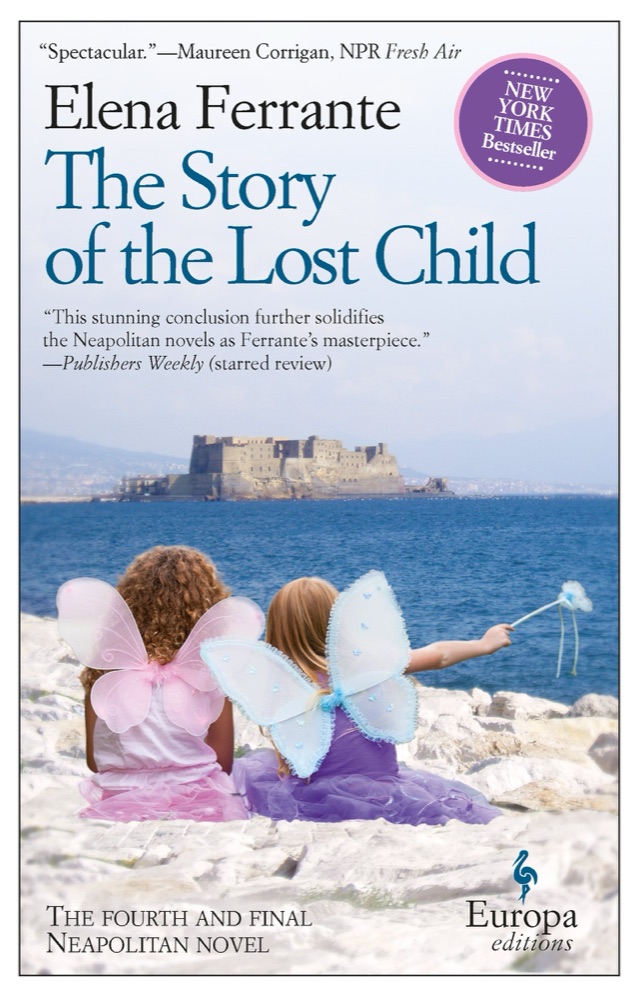 The Story of the Lost Child
 My Brilliant Friend
 Those Who Leave and Those Who Stay
About the book
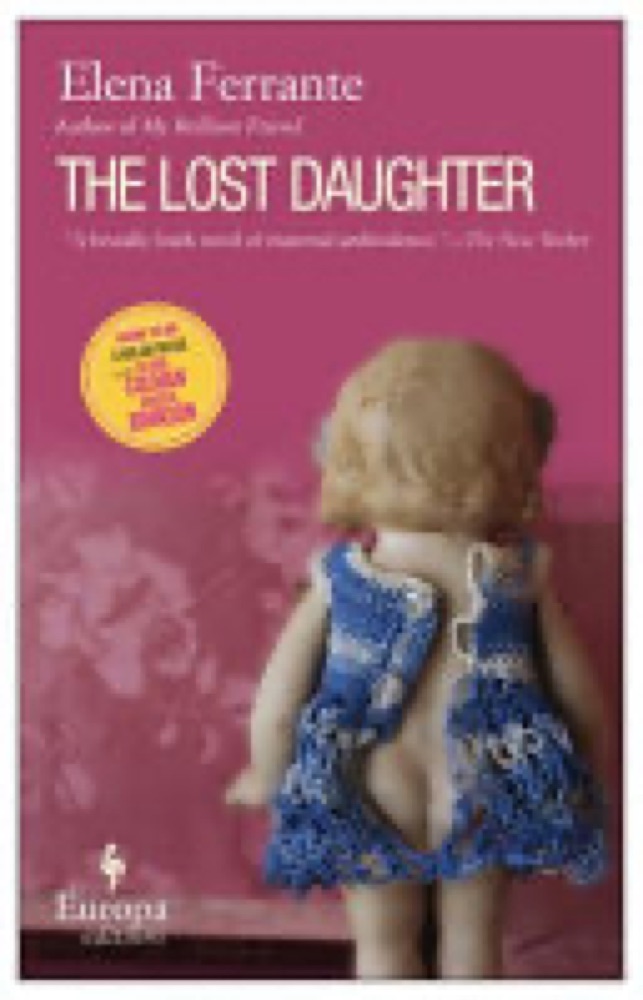
The Lost Daughter is Elena Ferrante's most compelling and perceptive meditation on womanhood and motherhood yet. Leda, a middle-aged divorce, is alone for the first time in years when her daughters leave home to live with their father. Her initial, unexpected sense of liberty turns to ferocious introspection following a seemingly trivial occurrence. Ferrante's language is as finely tuned and intense as ever, and she treats her theme with a fierce, candid tenacity.
Book details
- First published
- 2006
- Author
- Elena Ferrante
- Genre
- Fiction
- Goodreads rating
- 3.73 (64k ratings)
Keep reading
Those Who Leave and Those Who Stay
The Story of a New Name
 The Days of Abandonment
 Hot Milk
 Somebody's Daughter
 Women We Buried, Women We Burned: A Memoir
 Her Body and Other Parties
 Great House
 The First Time She Drowned
 All Fours
 Are You My Mother?: A Comic Drama
 Hollywood Park
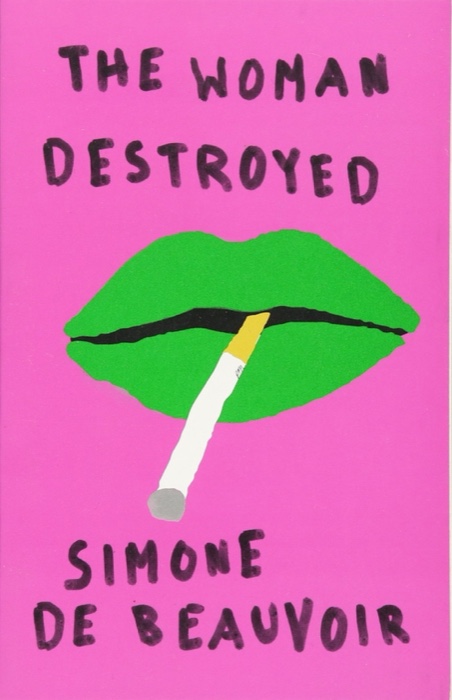 The Woman Destroyed
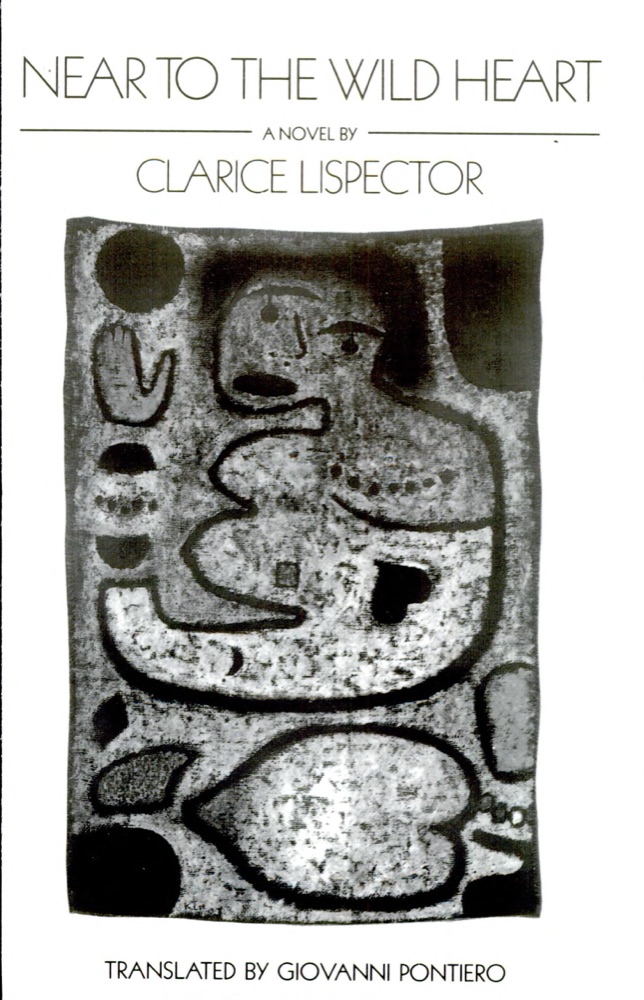 Near to the Wild Heart
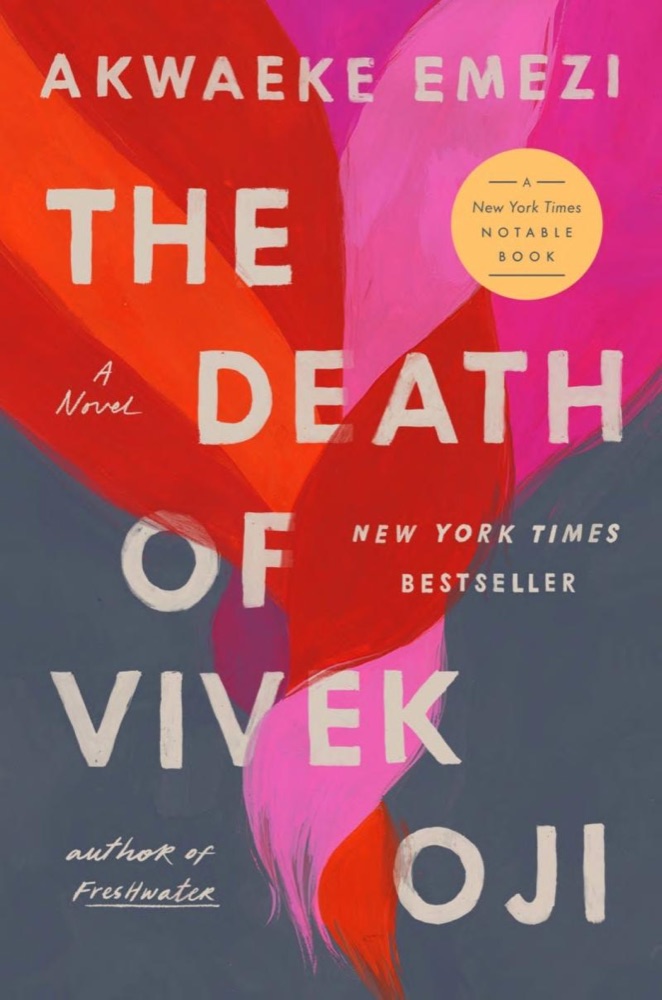 The Death of Vivek Oji
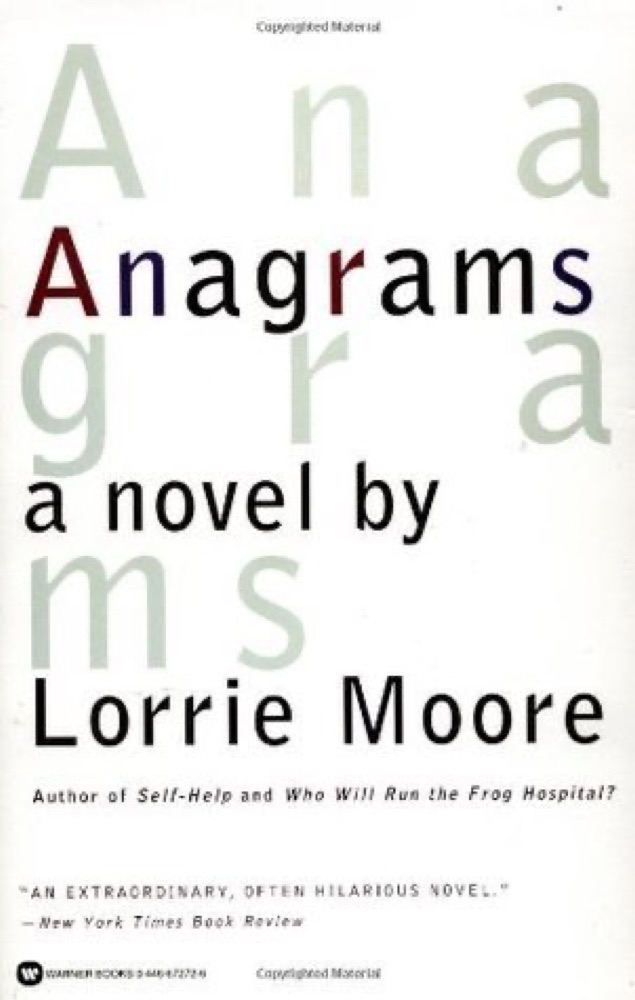 Anagrams
 Mayra
Mayra
 Sybil: The Classic True Story of a Woman Possessed by Sixteen Personalities
 The Chronology of Water
 Swimming in the Dark
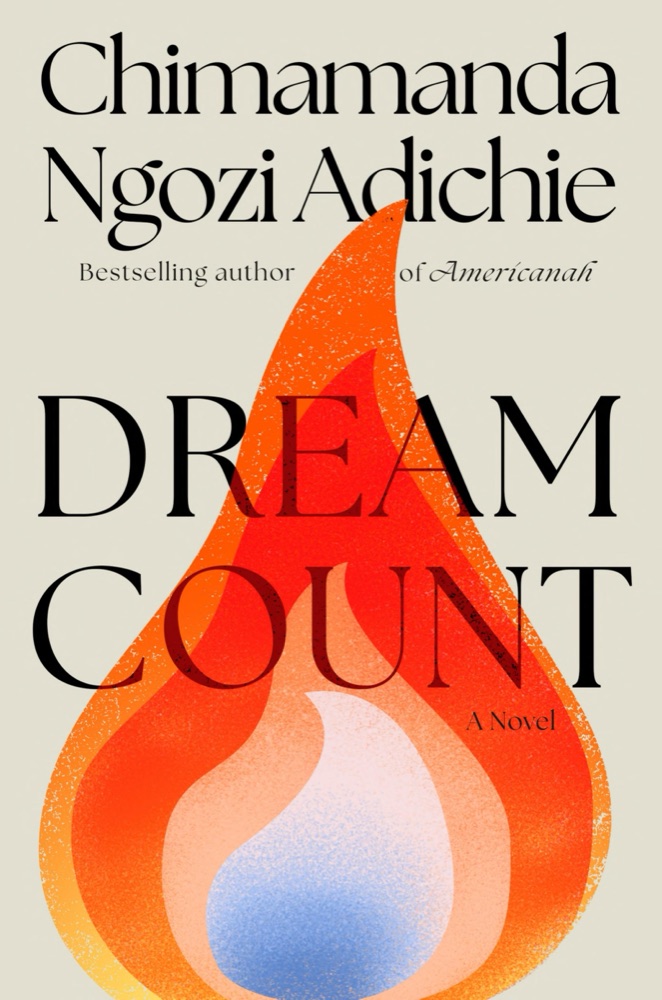 Dream Count
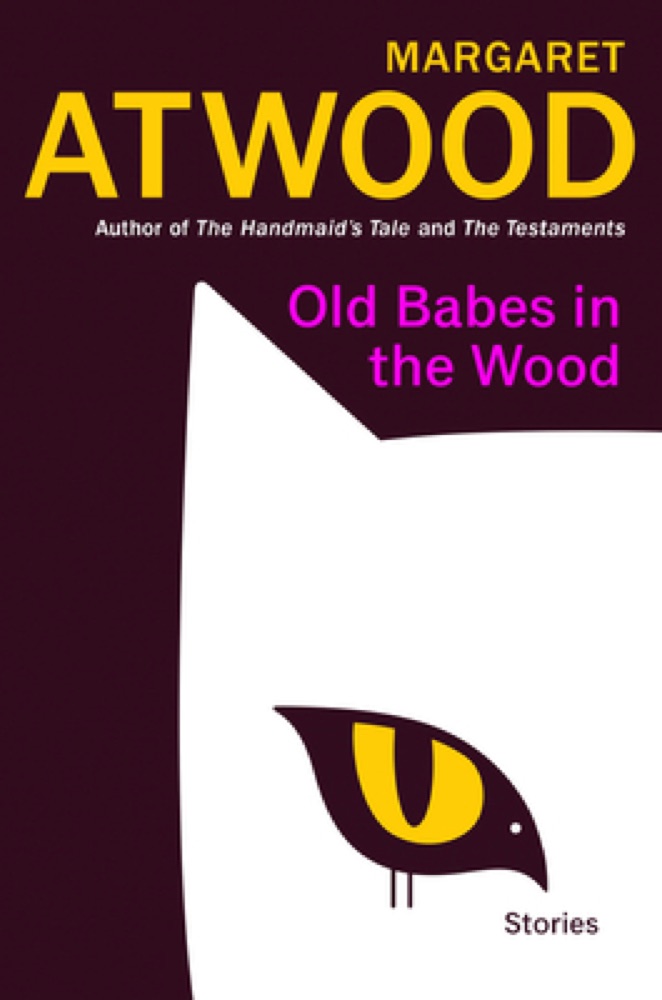 Old Babes in the Wood: Stories
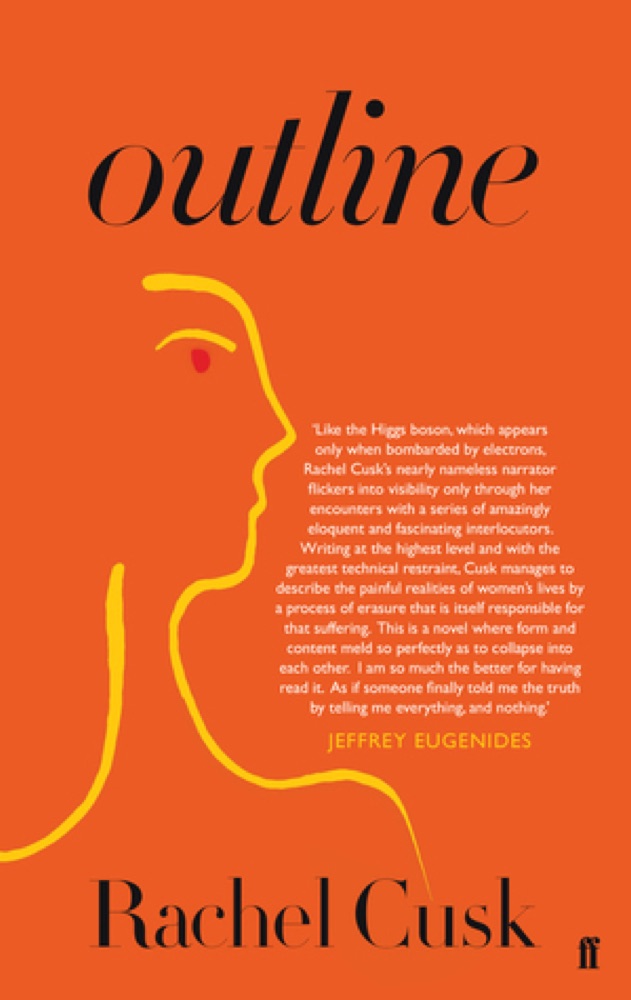 Outline
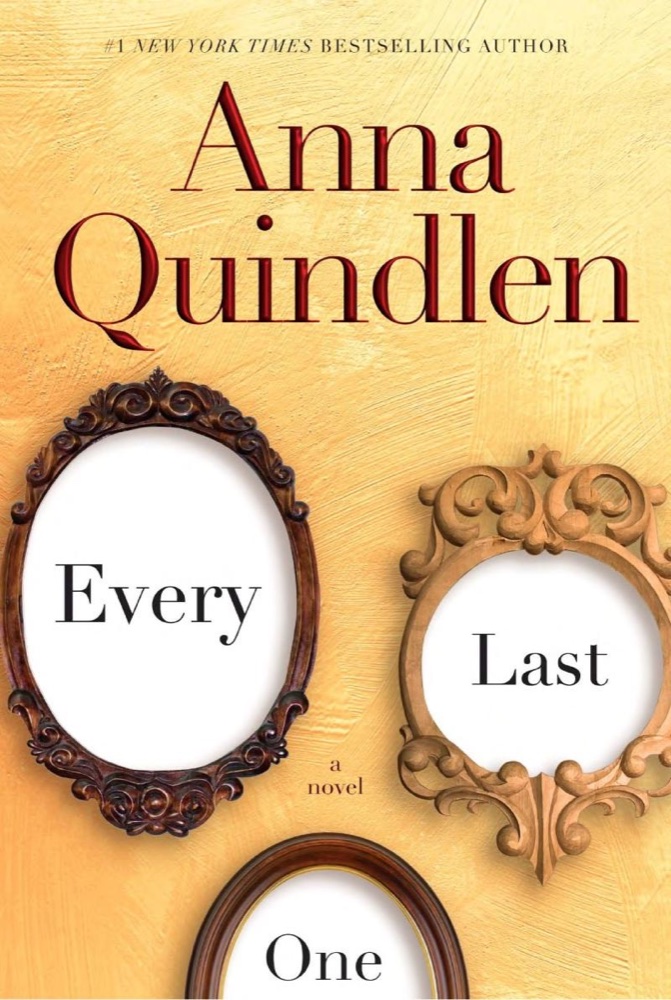 Every Last One
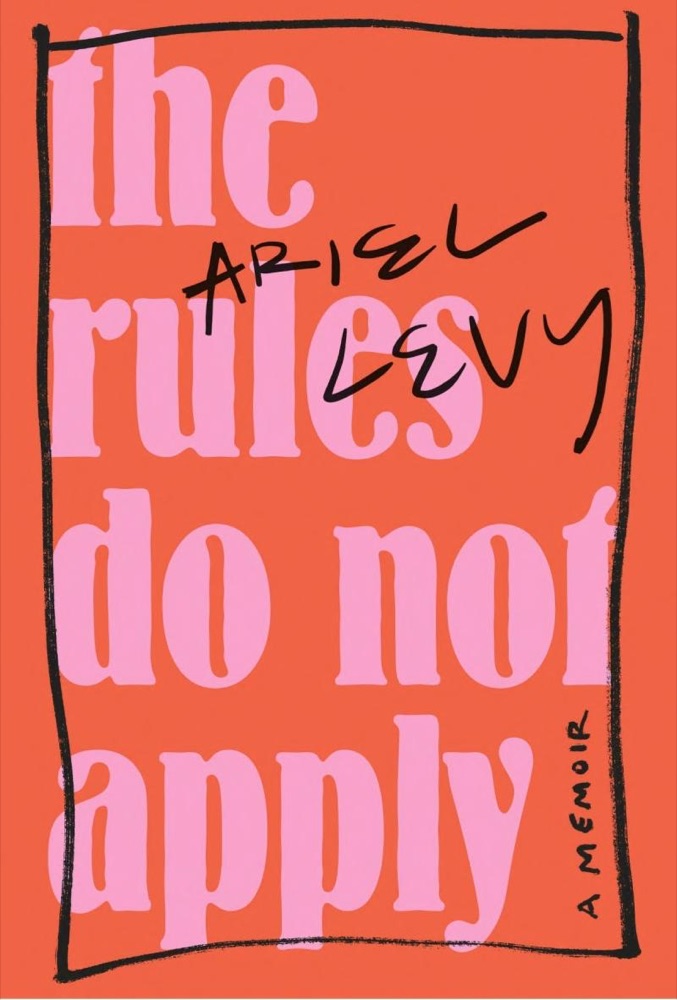 The Rules Do Not Apply
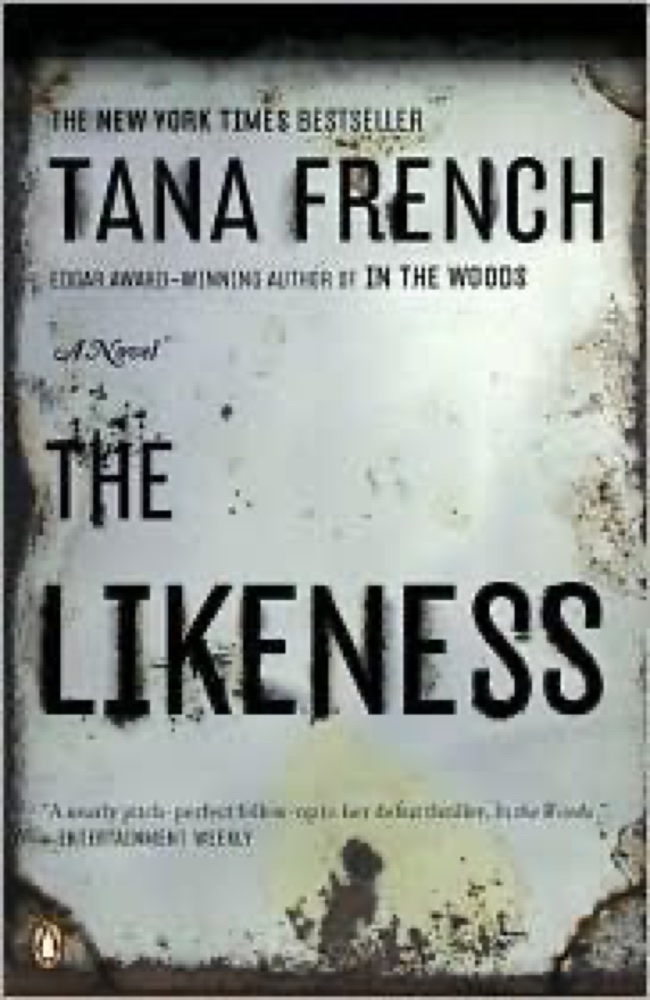 The Likeness
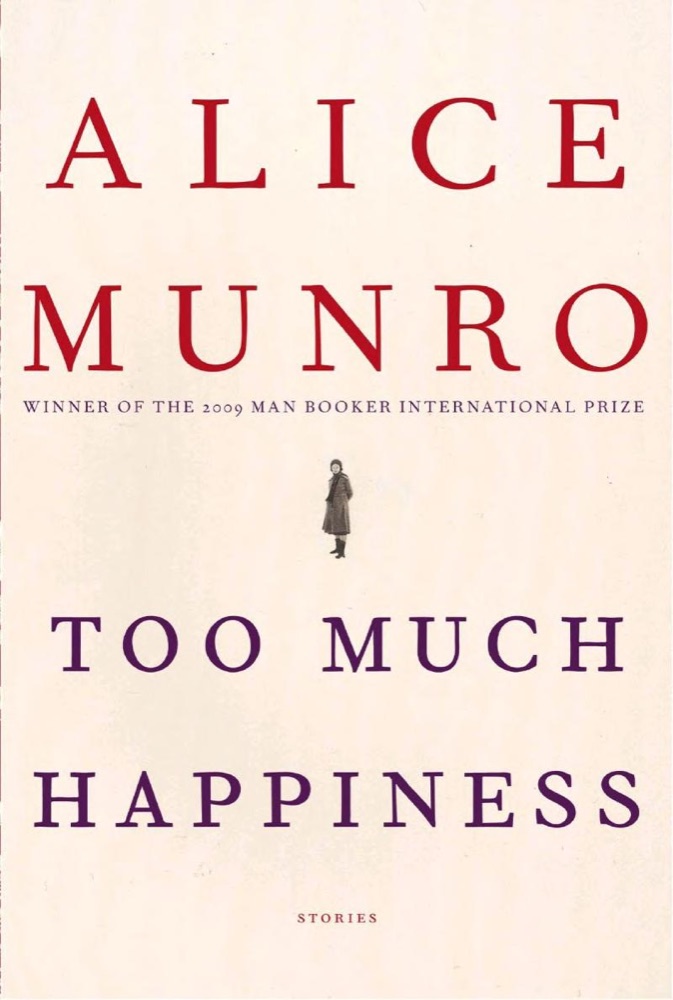 Too Much Happiness: Stories
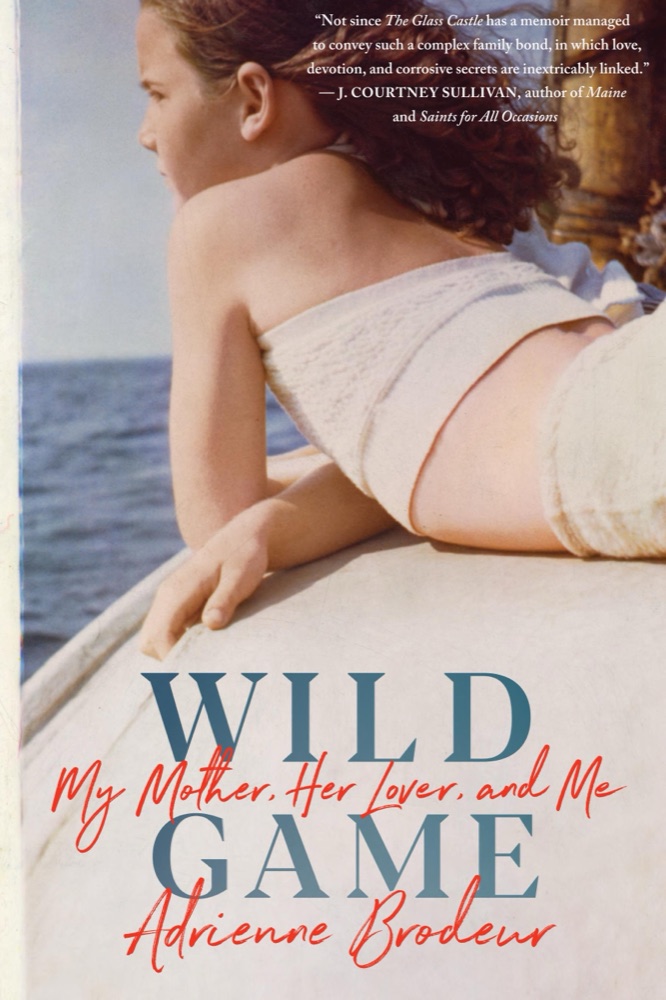 Wild Game: My Mother, Her Lover, and Me
 Heart Berries
 I Am, I Am, I Am: Seventeen Brushes with Death
 Em and The Big Hoom
 Bluebeard's Egg
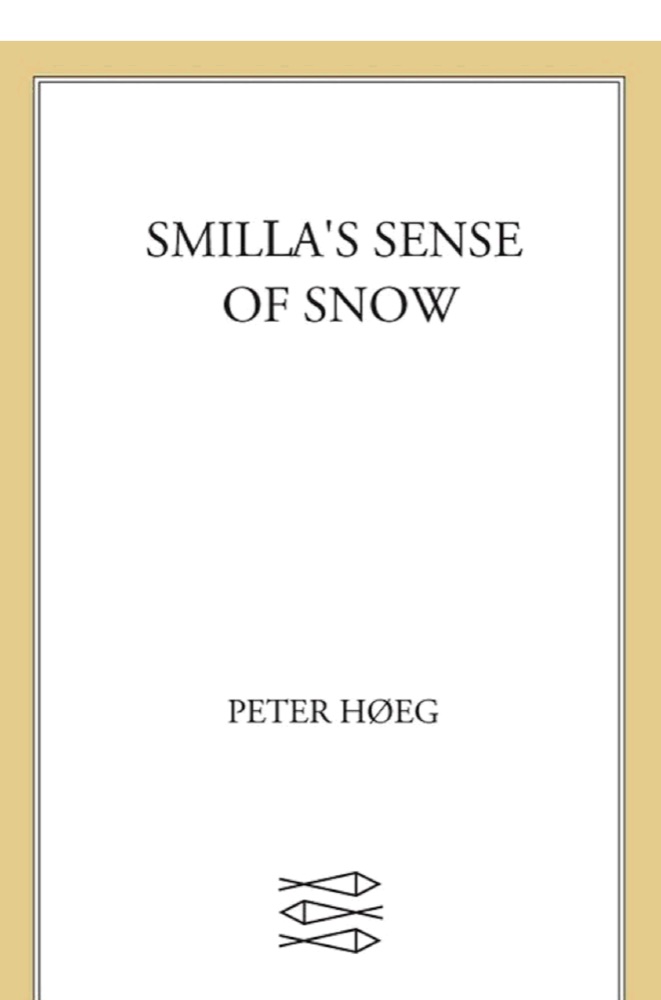 Smilla's Sense of Snow
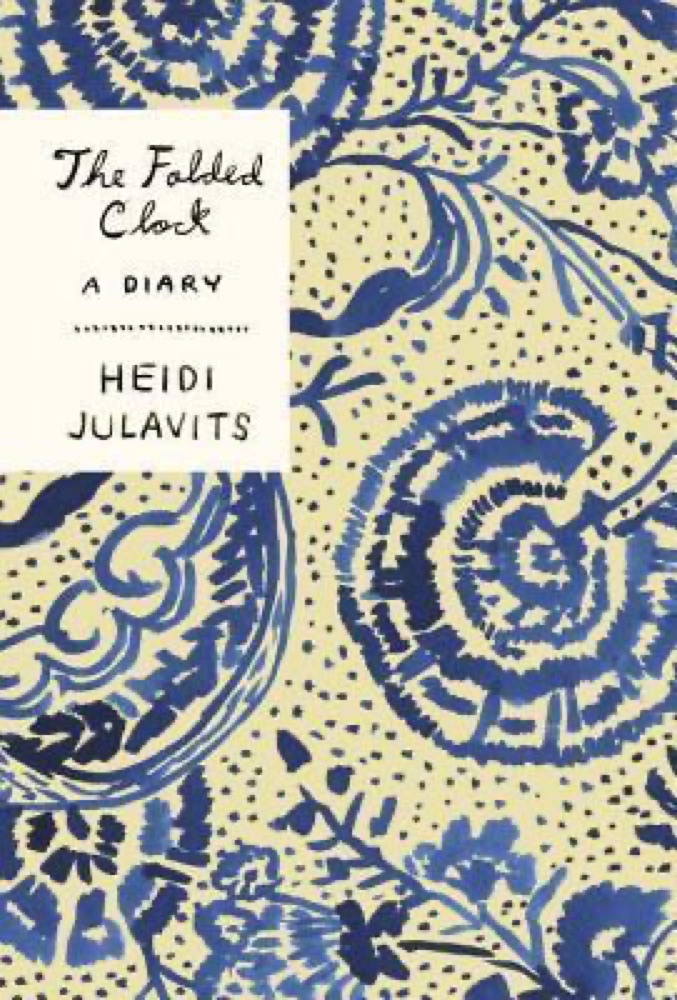 The Folded Clock: A Diary
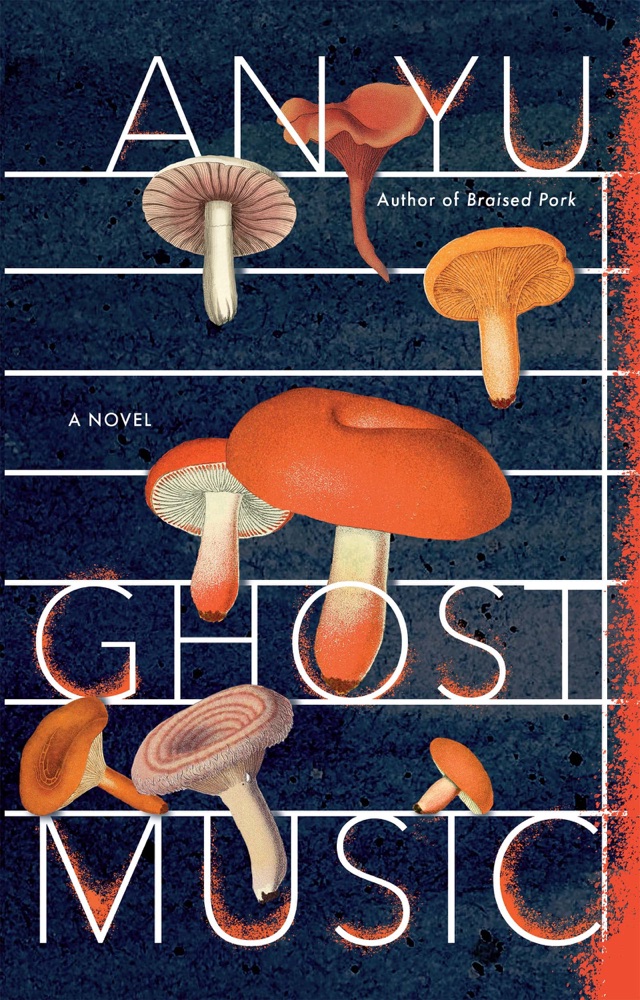 Ghost Music
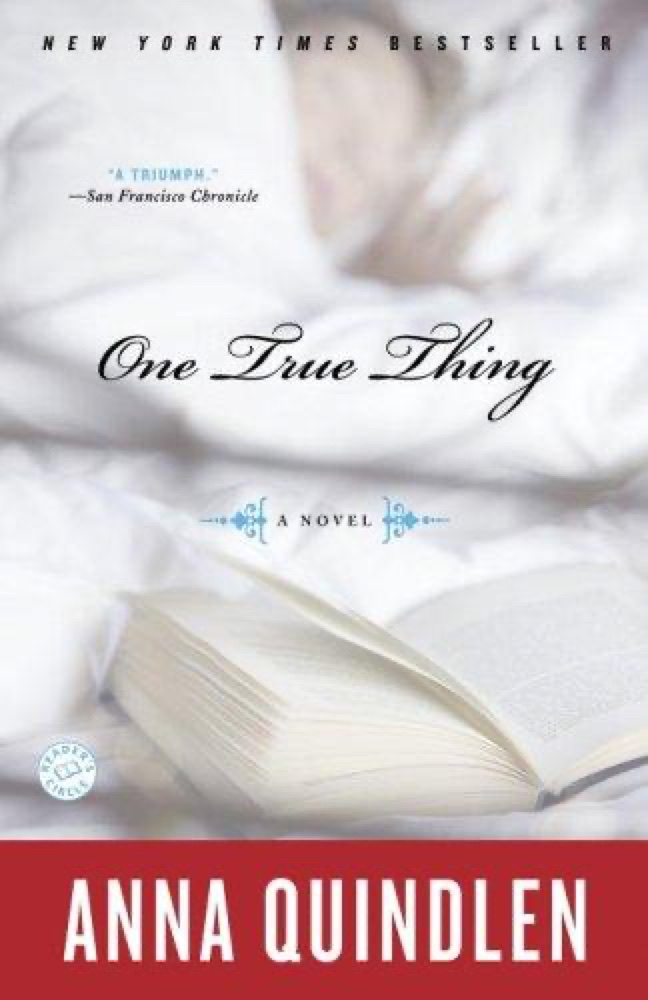 One True Thing
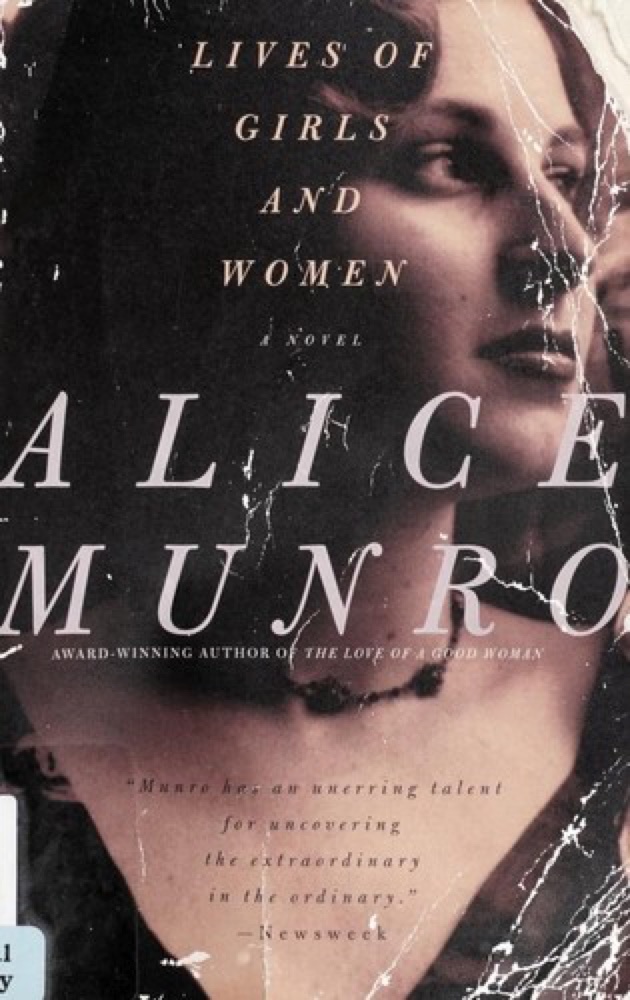 Lives of Girls and Women
 When You Ask Me Where I'm Going: Young Adult Prose Poetry on Trauma, Feminism, and Empowerment
 Biography of X
 Anthropology of an American Girl
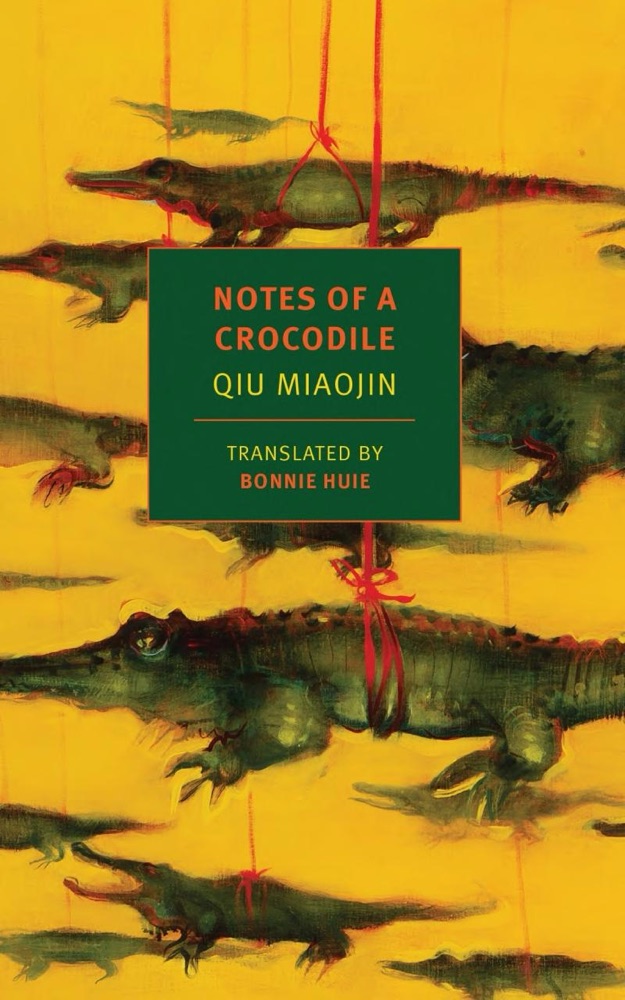 Notes of a Crocodile
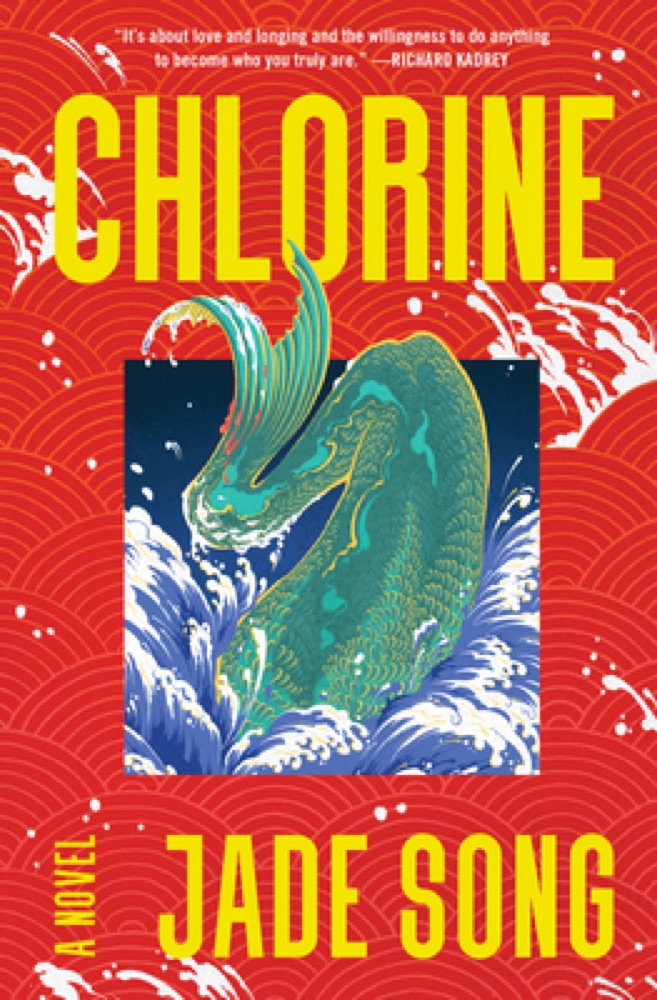 Chlorine
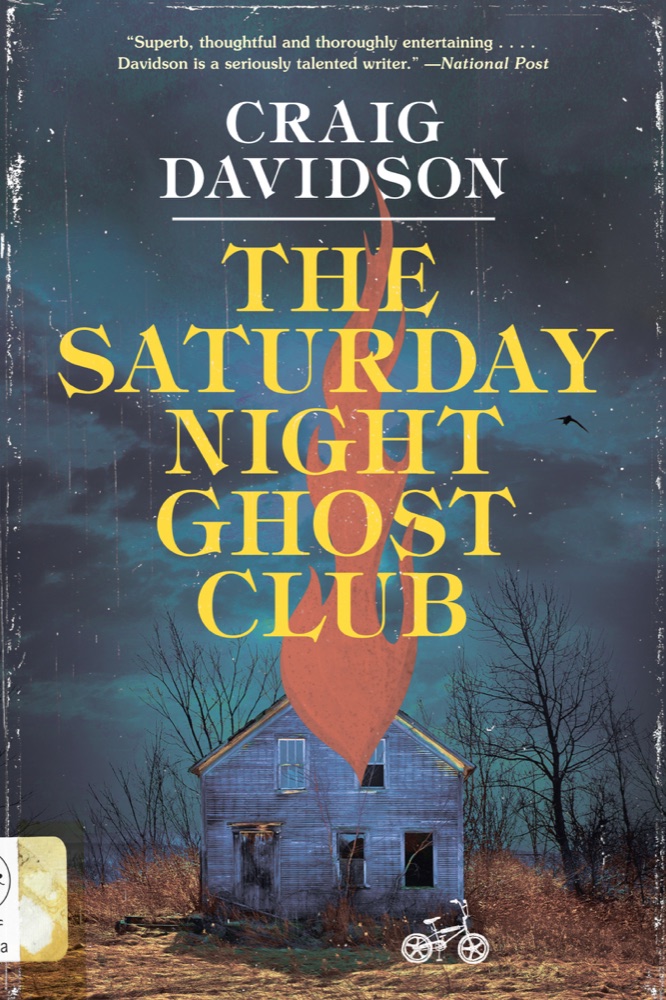 The Saturday Night Ghost Club
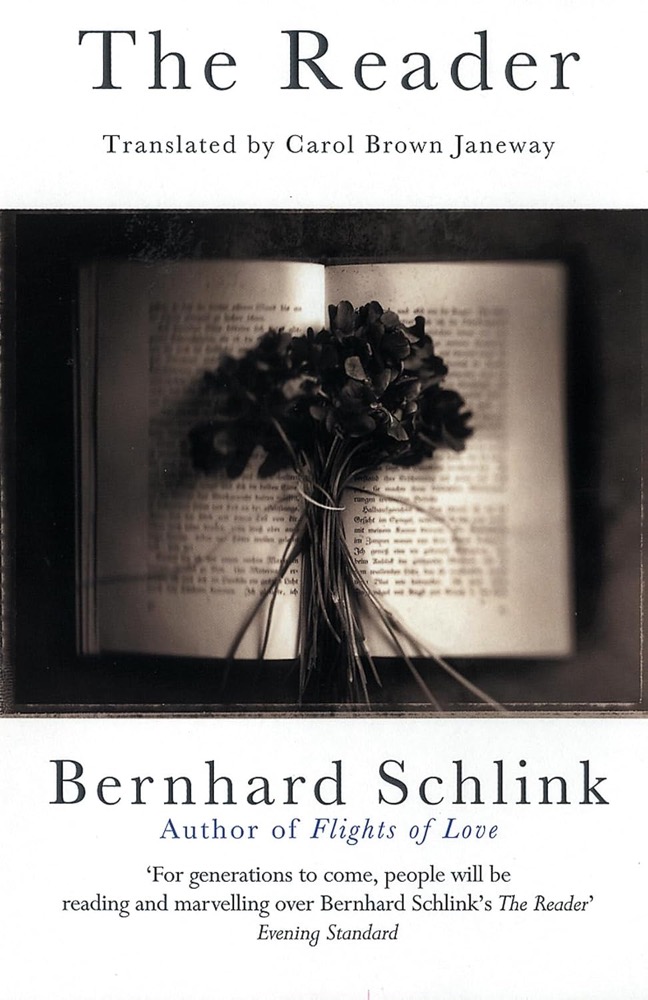 The Reader
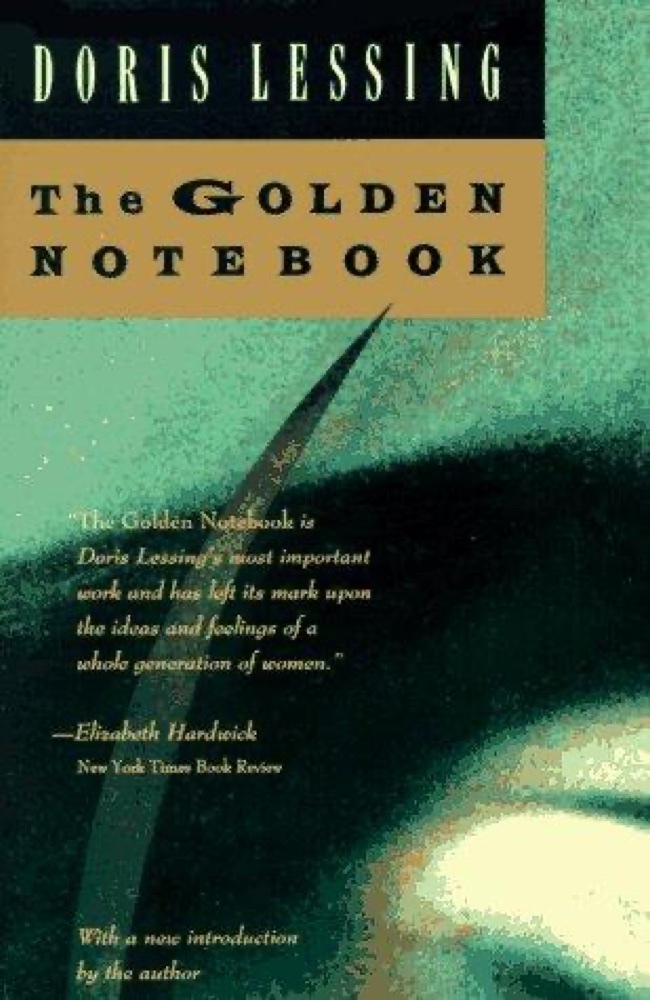 The Golden Notebook
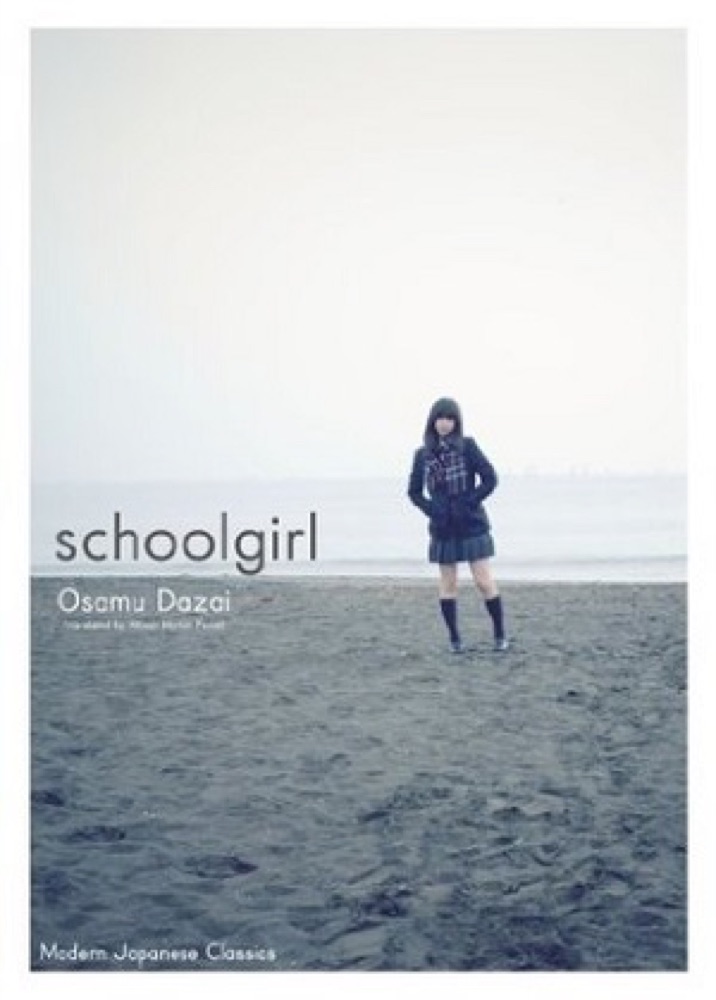 Schoolgirl
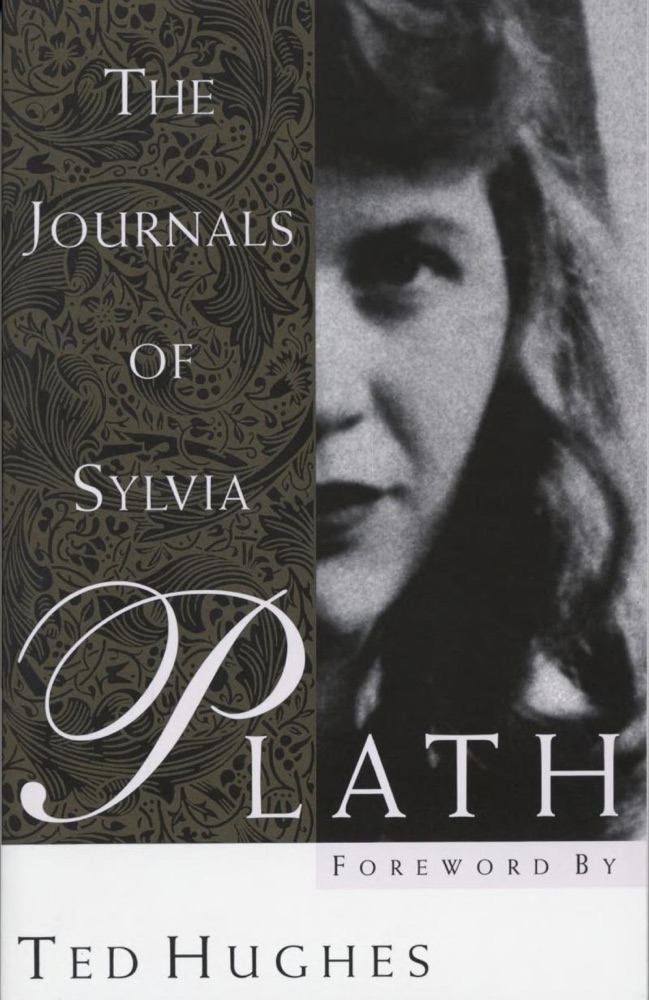 The Journals of Sylvia Plath
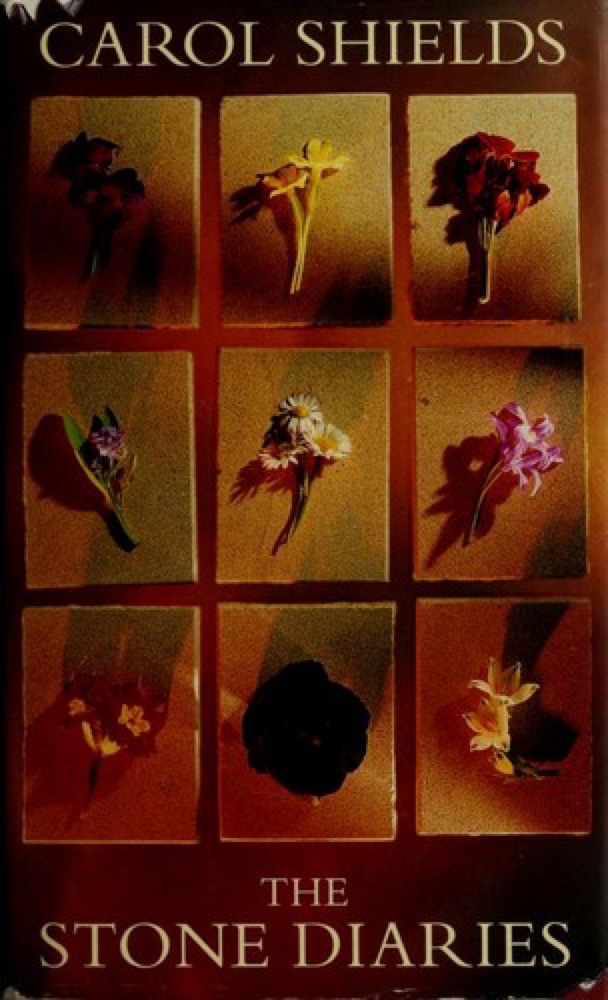 The Stone Diaries
 Belong to Me
 To Throw Away Unopened
 Honey
Honey
 Notes To Self
 Ilustrado
 Glass, Irony and God
 Imagine Me Gone
 Things I Don't Want to Know
 The Harder I Fight the More I Love You: A Memoir
 The Collected Stories of Lydia Davis
 The Mermaid Chair